
Guardian Abilities
Ability Basics
Each Class offers three Subclasses, and while each Subclass contains its own unique mix of Abilities, they all feature a shared format.
Super Ability: Every Subclass has a unique Super Ability.
Grenade: Every Subclass offers three Grenade Abilities. Specific offerings are unique to each Subclass, but many share similar traits. Only one grenade can be active at a time.
Movement Mode: Every Subclass features three Movement Modes that serve to enhance a Guardian’s jump. Specific offerings are generally (but not always) consistent across all three of a Guardian’s Subclasses. Only one Movement Mode can be active at a time.
Class Ability: Every Guardian Class features two variations of a signature Class Ability. These offerings are consistent among all three of a Guardian’s Subclasses. Only one Class Ability can be active at a time.
Melee and Ability Enhancements: A Subclass’ remaining Abilities are divided between two Ability clusters, or “paths.” Each path features four Abilities: a Melee Ability and three Abilities that provide unique benefits. Only one path can be active at a time.
Using Abilities
Super Abilities
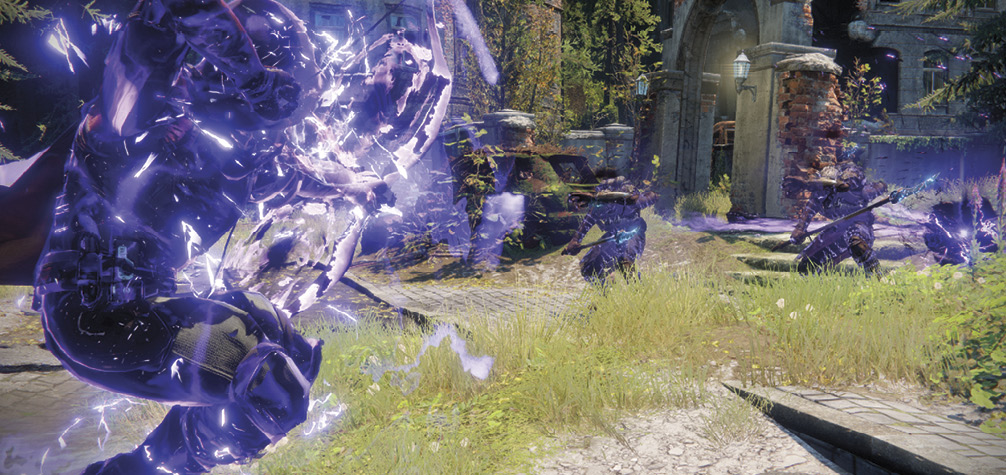
Supers are powerful Abilities that can turn the tide of battle. Using one requires a full charge of Super energy. Super energy builds slowly over time, but additional Super energy is earned each time you defeat an enemy or collect an Orb of Light.
Most Supers result in instant kills on all but the most durable enemies. Activating a Super also grants the Guardian increased damage mitigation, making them considerably more durable for the duration of the effect.
Grenades
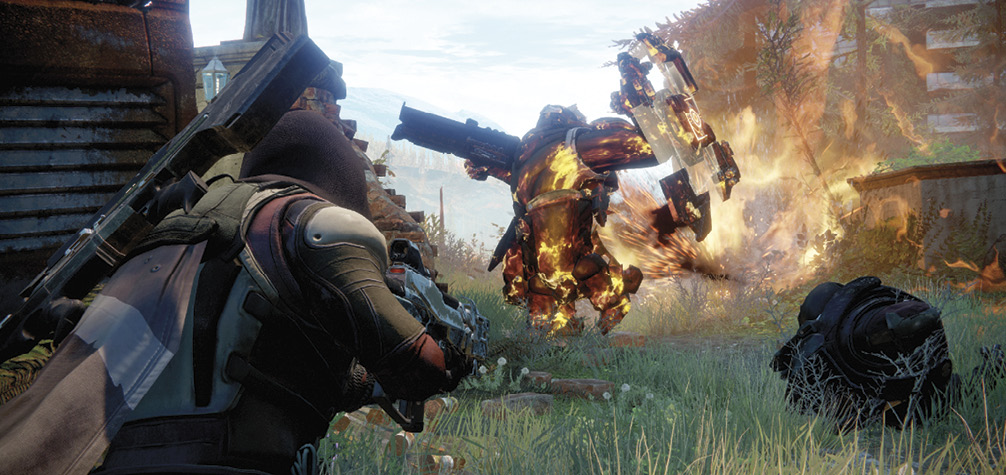
Grenades feature a variety of effects, but using one always requires a full charge of grenade energy. This energy builds slowly over time, and you can often accelerate the process via Ability enhancements or armor mods.
While each Grenade Ability is unique, most fall into one of five basic categories:
- Seeker grenades produce one or more projectiles that home in on nearby enemies, reducing the need for accuracy or line of sight.
- Persistent grenades produce damaging fields or other lasting effects. In most cases, the effects are fairly brief, but they serve to limit (or punish) enemy movements through affected areas.
- Blast grenades are no-frills damage dealers that explode shortly after they’re thrown.
- Sticky grenades attach to enemies, ensuring that your target is unable to escape the blast.
- Status grenades inflict negative effects for a short time. Grenades of this type are less common and are typically used to gain a tactical edge in heated battles.
Movement Modes
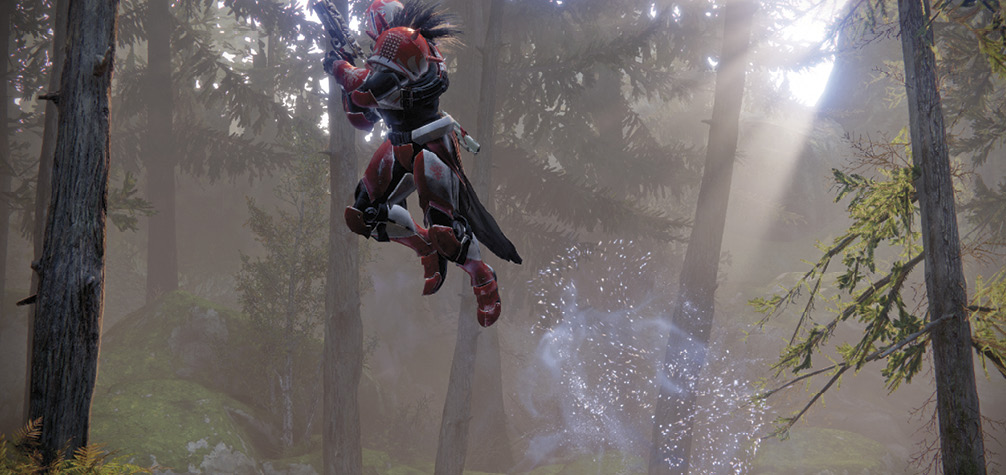
Movement Modes are essentially jumps, allowing a Guardian to reach greater heights and distances. These jump Abilities automatically recharge each time a Guardian touches down on solid ground.
Class Abilities
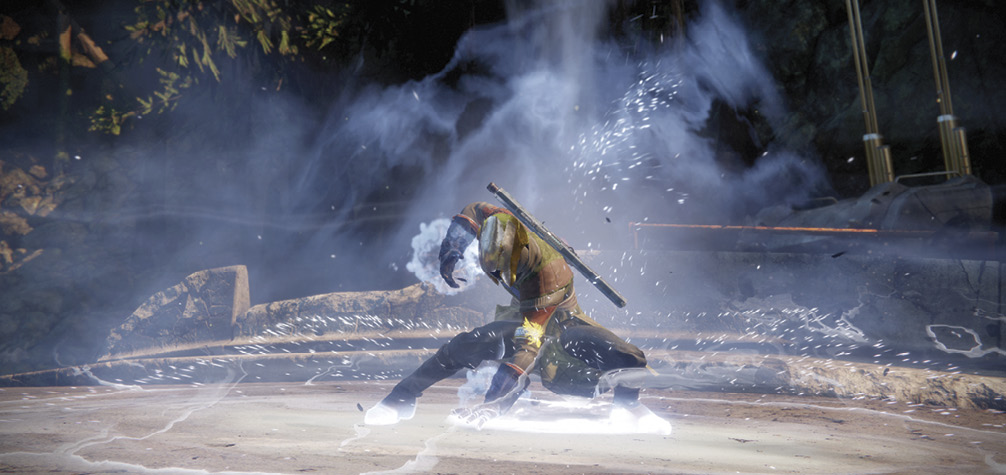
Class Abilities vary between Guardian Classes, but each use triggers a moderate cooldown period. In some cases, you can accelerate these cooldowns via Abilities or armor mods.
Melee Abilities
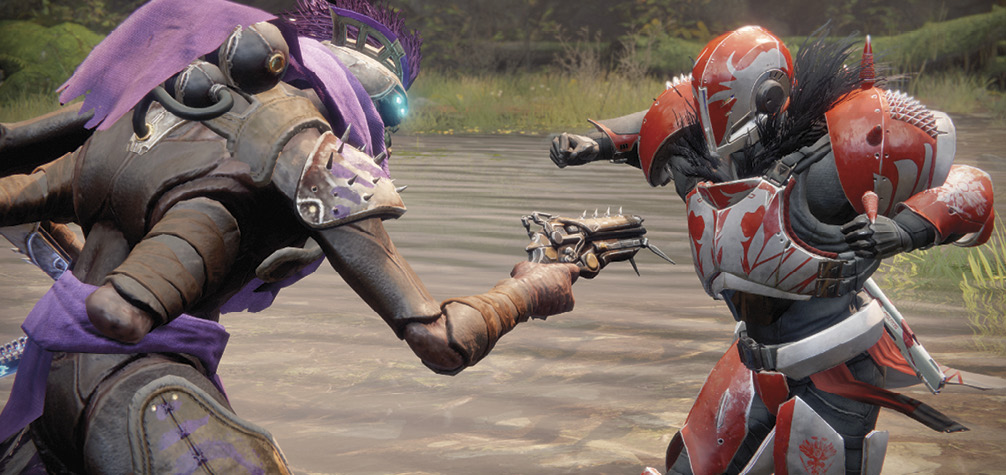
Melee Abilities serve to enhance or augment melee attacks, and using one requires a full charge of melee energy. This energy builds slowly over time, but the process can usually be accelerated via Ability enhancements or armor mods. Melee energy is not required to perform standard melee attacks.
Unlocking Subclassesand Abilities
Your first true Subclass unlocks once you’ve completed Campaign Mission: Spark. It features the Subclass’ Super Ability, one default Grenade Ability, and one default Movement Mode. The remaining Abilities are locked.
To gain access to a locked Ability, you’ll need to invest an Upgrade Point. Some Abilities have additional requirements related to character level or prerequisite Abilities, but unlocking a new Ability always requires an Upgrade Point.
Before you can unlock your second (and third) Subclass, you’ll need to find a Subclass-specific Artifact. While there’s an element of luck to finding an Artifact, the chances of finding an Artifact grow as your character level increases:
- At Level 7, you have a small chance of finding a Subclass Artifact each time you loot a chest. The chances of finding one are significantly higher while looting chests related to Public Events and Lost Sectors. As your character level increases, the likelihood of looting an Artifact grows.
- At Level 14, you have a chance to find another Subclass Artifact each time you loot a chest. Again, Public Events and Lost Sectors provide the best chances of finding an Artifact—and again, those chances grow as your character level increases.
Once you collect an Artifact, you must charge it by defeating enemies. Any successful kill will progress your task, but kills earned during Public Events accelerate the process.
When an Artifact is fully charged, you’re free to complete the indicated Quest and claim your next Subclass. It’s important to note that Subclasses are unlocked in a specific order that varies based on Class type.
Subclass Unlocks
| Class | Subclass 1 | Subclass 2 | Subclass 3 |
|---|---|---|---|
|
Sentinel (Void) |
Striker (Arc) |
Sunbreaker (Solar) |
|
|
Hunter |
Arcstrider (Arc) |
Gunslinger (Solar) |
Nightstalker (Void) |
|
Warlock |
Dawnblade (Solar) |
Voidwalker (Void) |
Stormcaller (Arc) |
As you unlock new Subclasses, you’ll need more Upgrade Points to unlock the Abilities they offer. It’s also worth noting that Upgrade Points are placed in a common pool, so spending a point in one Subclass means one less point for another. While you’ll eventually earn enough points to fully unlock all of your Abilities, it’s best to invest in priority Abilities early on.