
Tales of Xillia 2 Guide 7 Strategy Guide Q&A Interview
Tales of Xillia 2 Strategy Guide Q&A
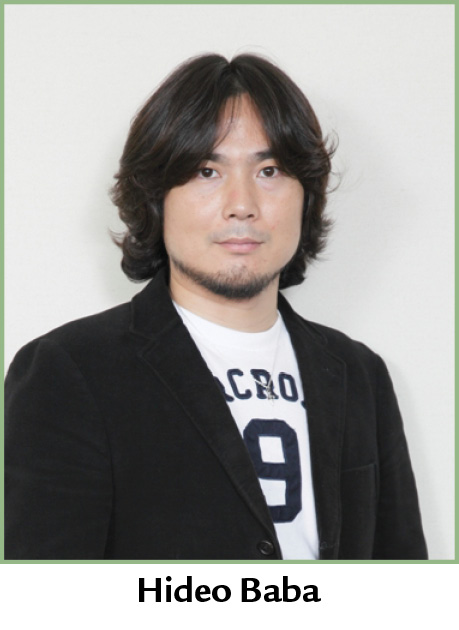
What was the reason for creating a sequel so soon after the original Tales of Xillia’s release?
Tales of Xillia was developed as the series’ 15th anniversary title in Japan and we had created so many reference materials compared to past entries in the series, including those of the first collaboration in fifteen years between Inomata Sensei and Fujishima Sensei, and the plot and history of the world following it. The roots of the concept for Tales of Xillia 2 was when we started the thinking that if there was any way we could portray an even more appealing story by utilizing the various plot points that were not fully portrayed in the world of Xillia but was originally created as reference for the original. So it is one of the reasons why a sequel was created since especially in regards to the world of Elympios, it was not deeply portrayed, and I thought of portraying a drama of the adventure of a new main character in this world and deepening the relationship between the prior title’s characters.
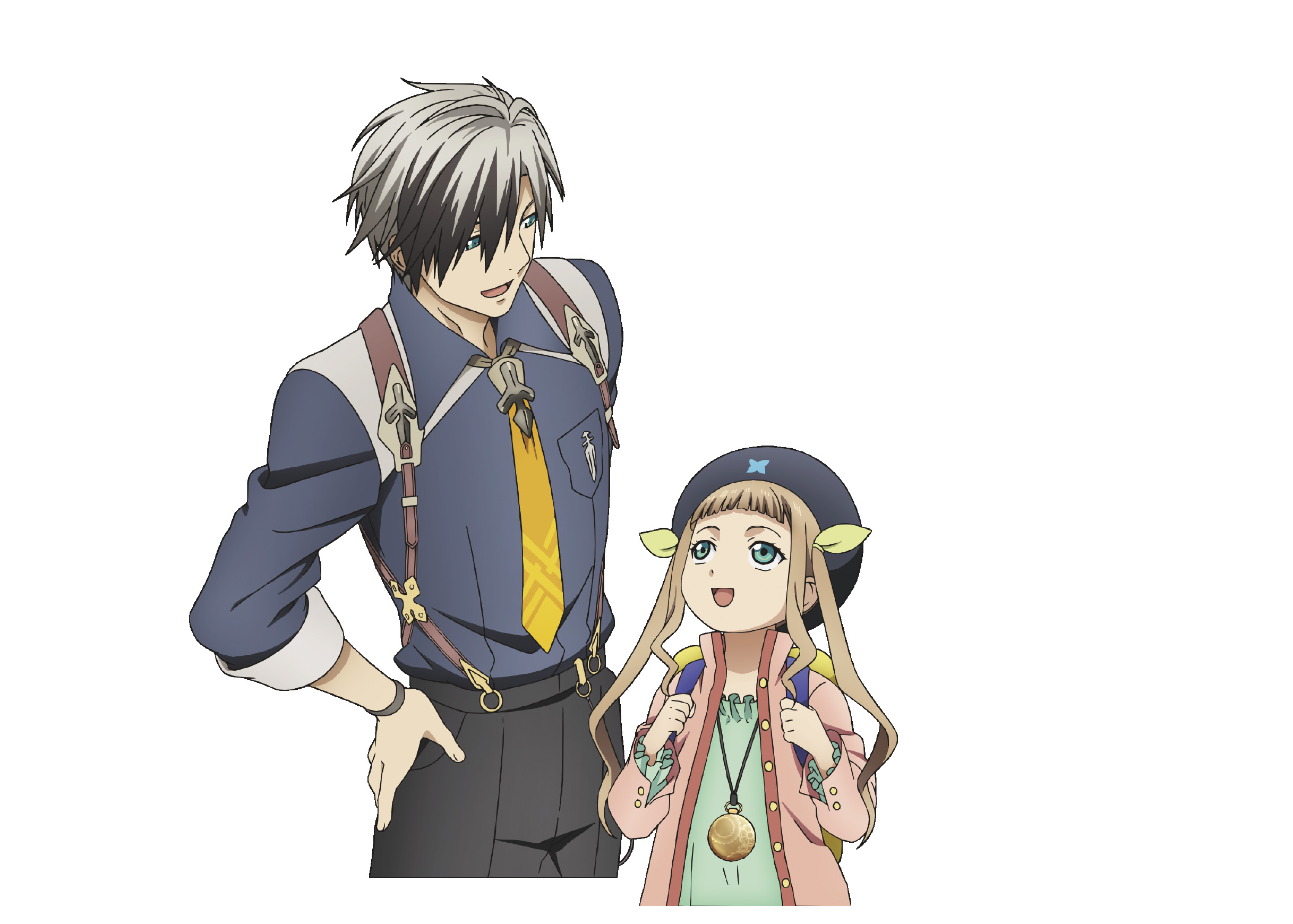
Tales of Xillia 2 seems to be very well regarded by fans of the series. Is making numbered sequels with the same cast and world a model you think you’ll pursue with future Tales titles?
In Xillia 2, the story unfolds with a dual focus on the main characters Ludger, Elle and Julius (Ludger’s brother) and on the keyword “choice.” It has been well received for including the answer to the story beyond their destiny due to their decisions. For the future,numbering titles and sequel developments relate to the content and development of each individual title so I would not know until I actually create the new installments.
Aspects like free choice, an episodic structure, and a silent protagonist haven’t traditionally been a part of the Tales series. Did you feel making a sequel gave you more freedom to experiment?
In Xillia 2, since it does have a 2 in its name, the impression of it as a sequel may be strong, but with a new main character, worldview, story, etc., it is basically created as a new title. Moreover, we have depicted various ways in which we would like to have the players themselves become the main character and feel the weight of the decisions by weaving in the keyword “choice” as the game’s concept and messaging within the gameplay. Therefore, it’s not created as an experiment but as a new focus in the storytelling.
It is a title that we have developed through much trial and error and finally came up with a proposal of the new gameplay and new experience.
Now that your work on ToX2 is complete, do you consider these experiments to have been a success?
Since we have developed the title with the conviction that this is an official flagship product, it is not at all experimental. We believe that Xillia 2’s proposal to explore the new gameplay elements and new experiences were enjoyed by many people.
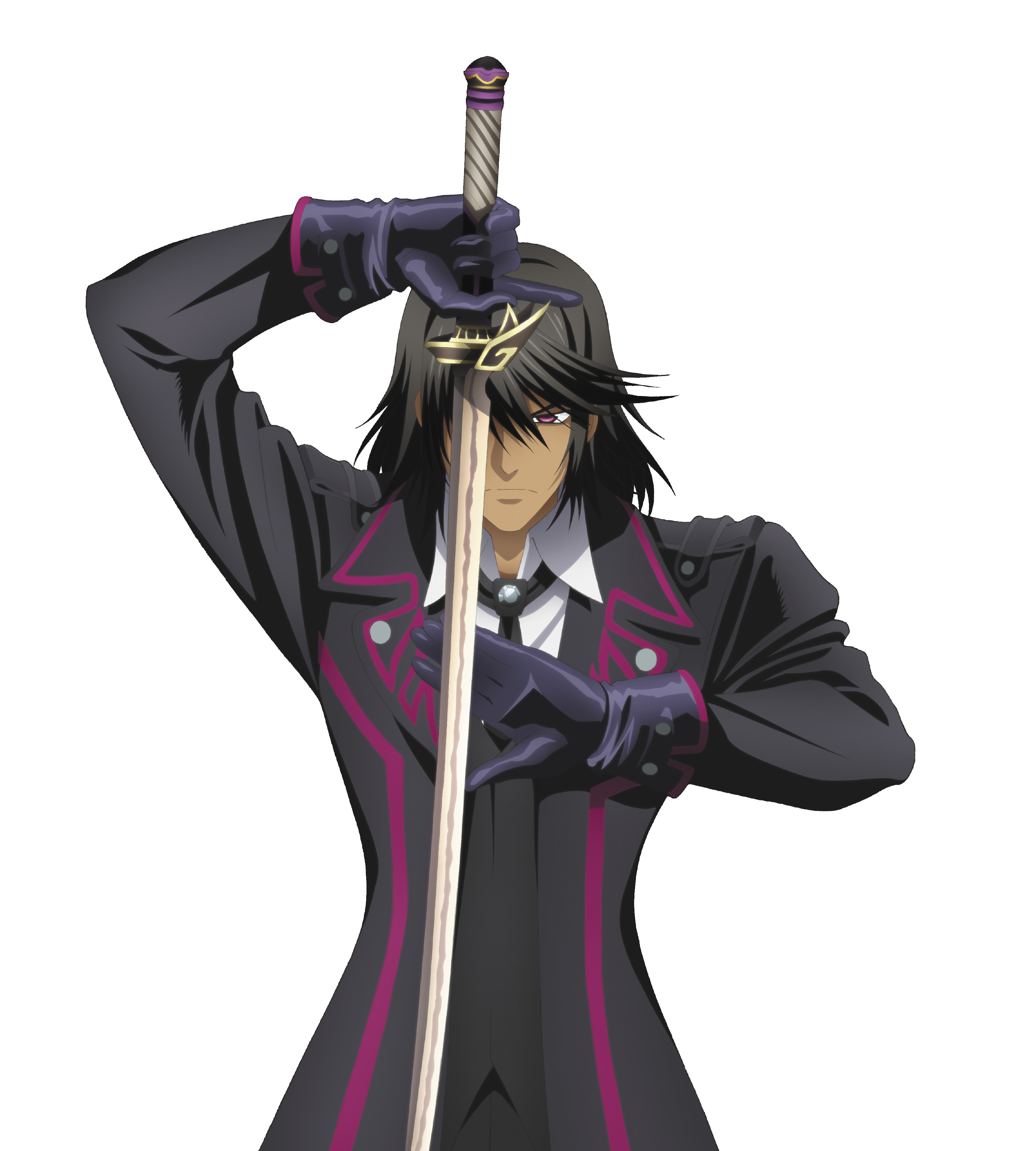
ToX2 seems more violent and more tragic than past games in the series. What inspired its darker tone?
This time the keyword is “choice,” and I believe we make many choices of our own in our daily lives. That means that the future of our lives is created by the choices and that the choices change the future. In thinking that we would like to seriously think about the future that would have occured if the other choice was taken, we developed this kind of atmosphere. In addition, I wanted to simultaneously portray the “immorality” from the fact that you need to destroy the world that you live in the game because it is not the real world, and we ended up with an atmosphere depicted that has not existed in prior series before.
Did the development of Tales of Xillia 2 begin before the release of Tales of Xillia? Did player feedback about Xillia affect the development of Xillia 2?
We had started the planning for Xillia 2 at the time when the development of Xillia was almost over, with the reasoning I explained earlier. We have developed Xillia 2 with the mindset to put as much as possible within it since we were developing at a stage when we were hearing the feedback of Xillia from fans right after its release.
What unexpected challenges did you face in the development of Tales of Xillia 2?
The most difficult challenge was that the development schedule was very tight.
Generally, the systems, characters, and world change in every installment of the Tales series. What do you consider to be the core elements of the series that will never change?
I believe that the unchanging core parts are the theme of “coexistence” which is important to structure the story, the linear motion battle system, and the world depicted in the gentle, warm atmosphere like that of anime or watercolor paintings.
Did any aspects of the reception to Tales of Xillia surprise you? Were there any characters or mechanics that were received differently in western markets?
There’s a part where I had realized a very interesting thing during the overseas development, but first of all, the Japanese Tales series users are very polite and genuinely love the Tales series. I once thought that there would be a different impression overseas because of the differences in the living environment, but overseas fans are the similar to Japanese fans, and they are very polite and genuinely enjoy Tales. I have been speaking and meeting with many fans in various countries during events overseas, and it has become a fun and very sweet memory in communicating with everyone no matter which country I went to.
Therefore, rather than users receiving the game differently, it is the same impression as Japan and I feel that the gameplay and story is genuinely being received as we want to deliver it.
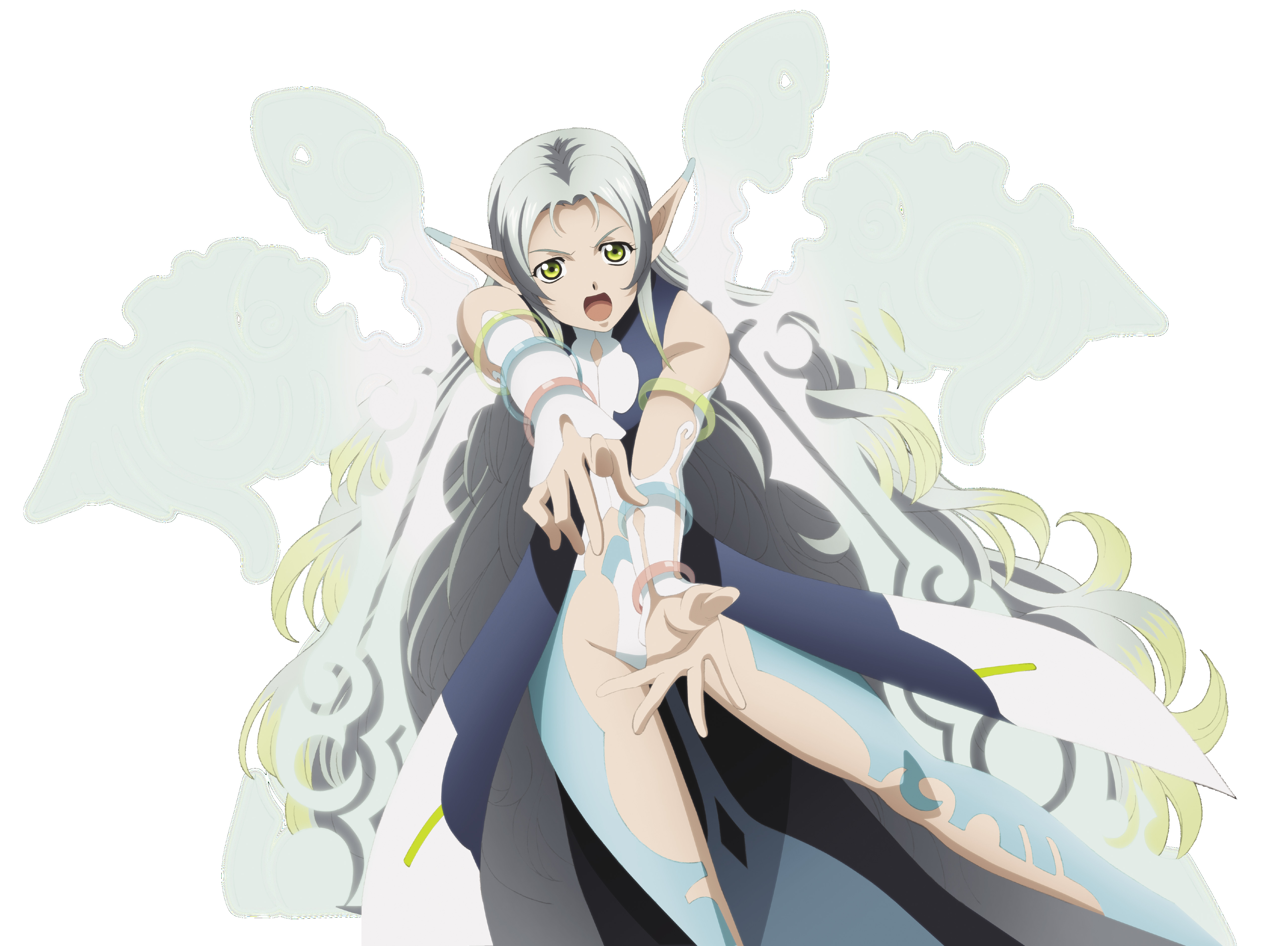
Why did you decide to bring the villains of Tales of Xillia (Gaius and Muzét) back as playable characters?
In Xillia, we have portrayed the flow of how the world should be and the relationship between Jude and Gaius. In Xillia 2, we have portrayed them as an image of challenging their maximum limits in what they could each do for the world, and Gaius, understanding and soul connected, is portrayed in Ludger’s company as well.
Which characters in the game’s cast were easiest to bring to life? Which posed the greatest challenges?
Well well (laughs), every character is not so easily born each time so everyone was very difficult.
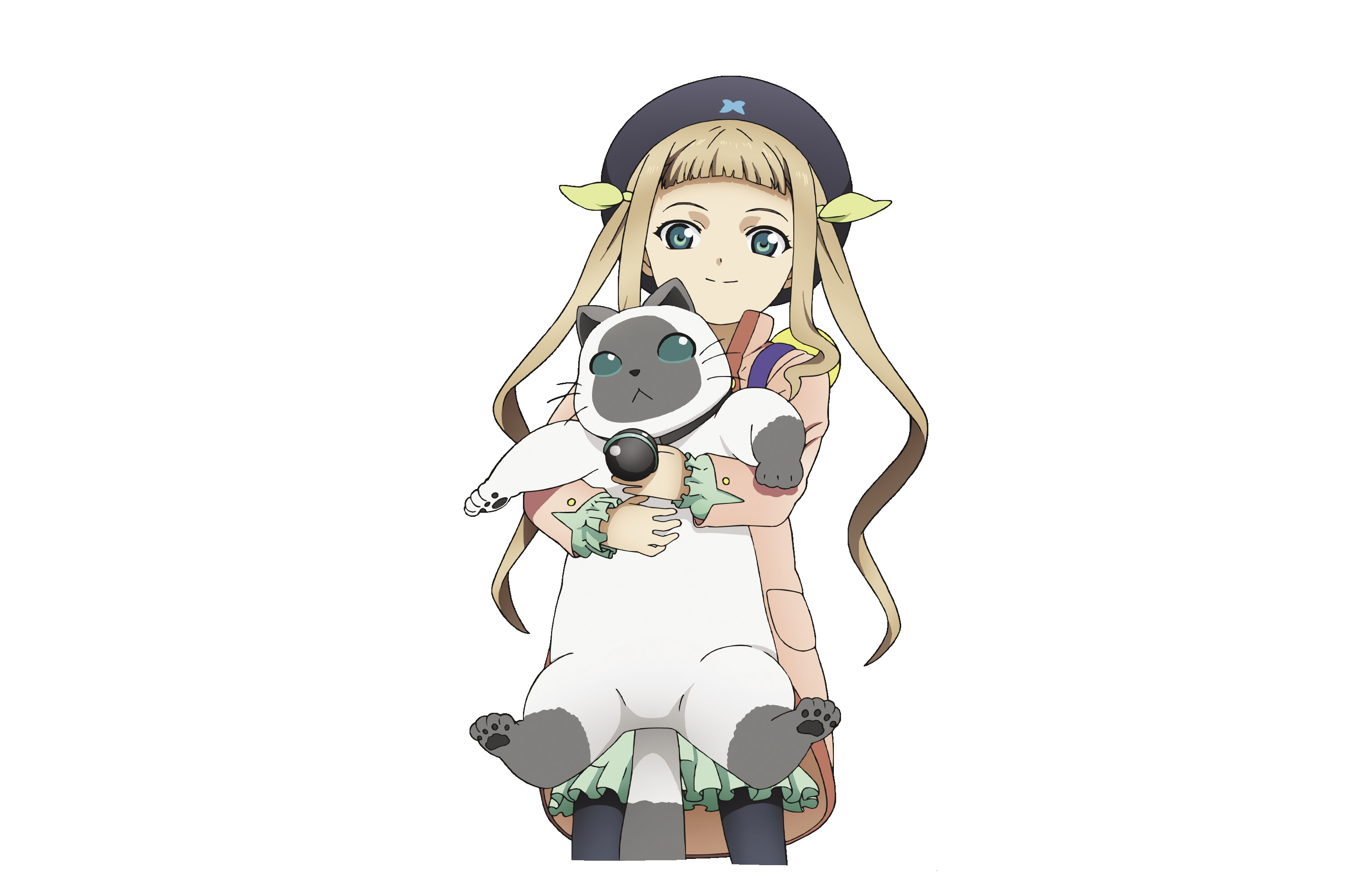
Elle seems much more real than child characters typically do in games and anime. Did anyone in particular serve as an inspiration for her?
Elle is also a girl that has been made completely original, so there is not someone in specific as the model we referenced. As you mention, it is a premise that we depict a very typical girl. Don’t you think she’s cute?
Have we seen the last of Rollo?
Maybe we will not be able to meet him within the new worlds of the series. I would be happy if you visit the world of Xillia 2 often in order to come and see him.