
UFC Undisputed 3 Guide Gameplay How to Play
Rule Set Variations
UFC Undisputed 3 allows fights to be waged under two different rule sets: UFC rules or PRIDE rules. Knowing the key differences between these two rule sets gives you an advantage, so let’s review.
Venues
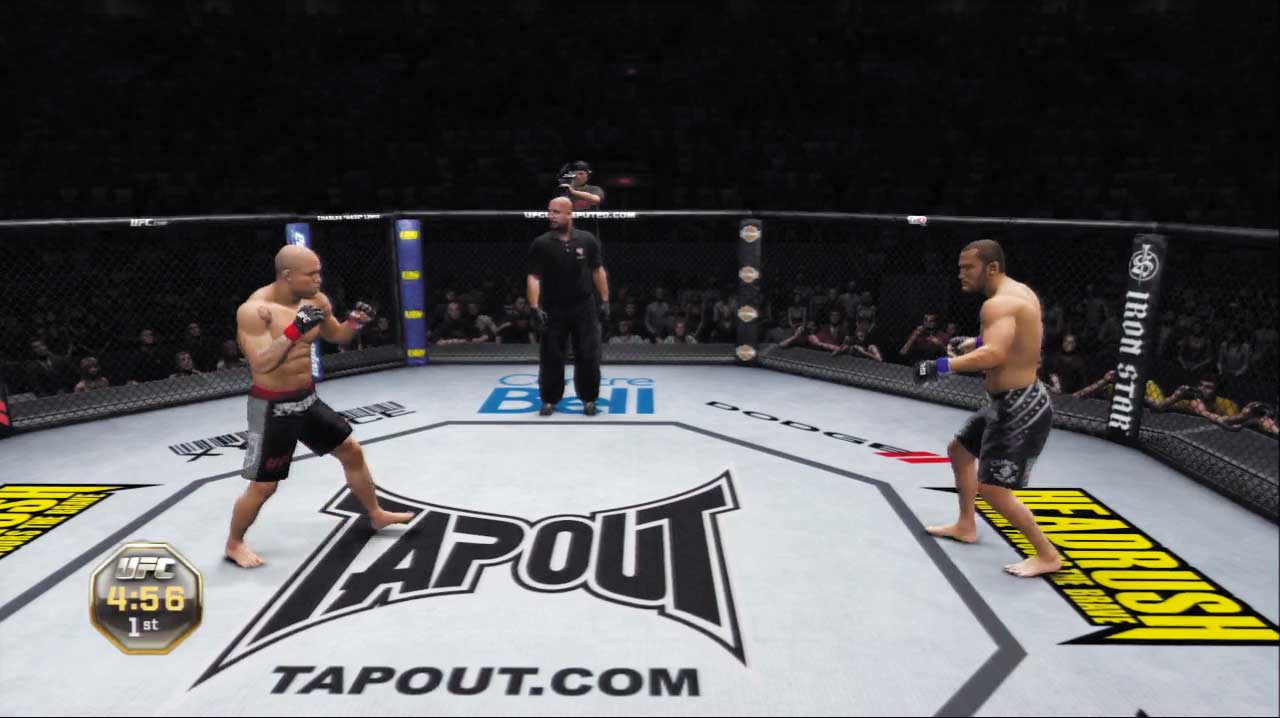
In the UFC, all fights are held inside the world-renowned Octagon—the ultimate proving ground for fighters. Once the cage door closes, there’s no escape. Someone’s going home a winner, and someone’s going to taste defeat!
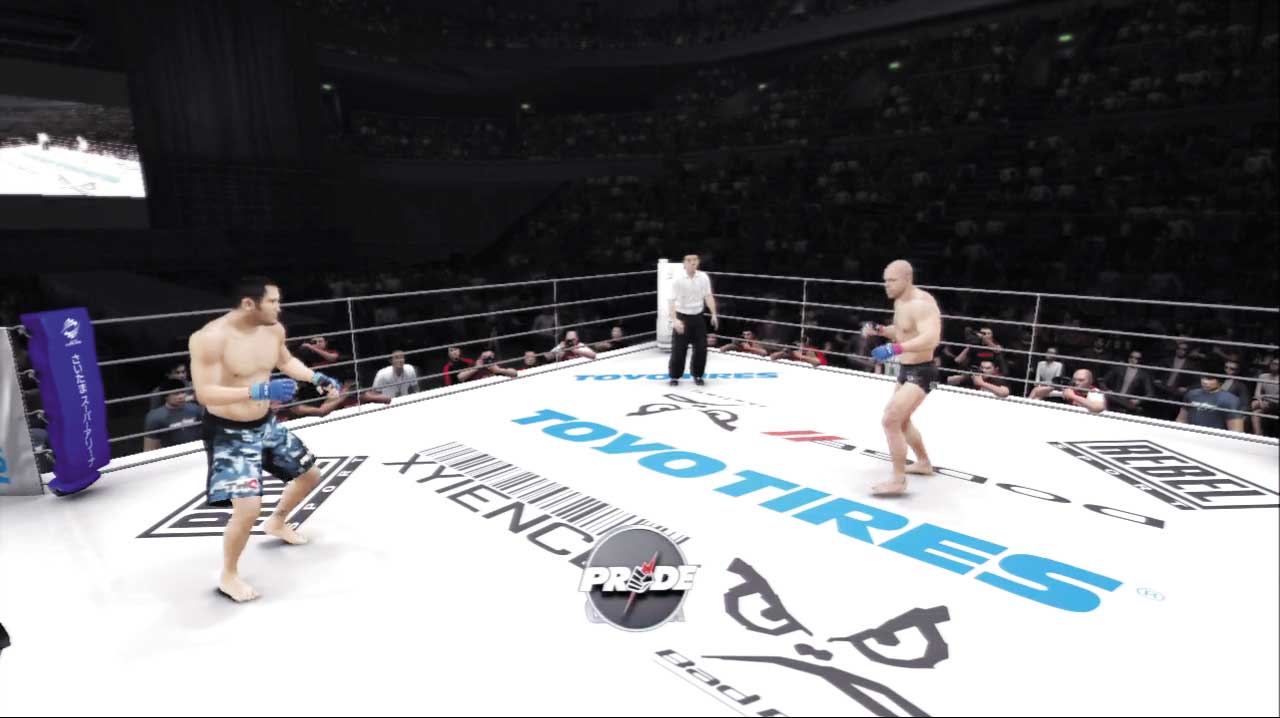
In PRIDE, all fights are held within a traditional square boxing ring. The PRIDE ring is smaller than the Octagon, making it easier to become trapped against the ropes or in a corner.
Circle around your foe instead of backing straight up when fighting in PRIDE, and don’t let them use the ring to their advantage.
Rounds
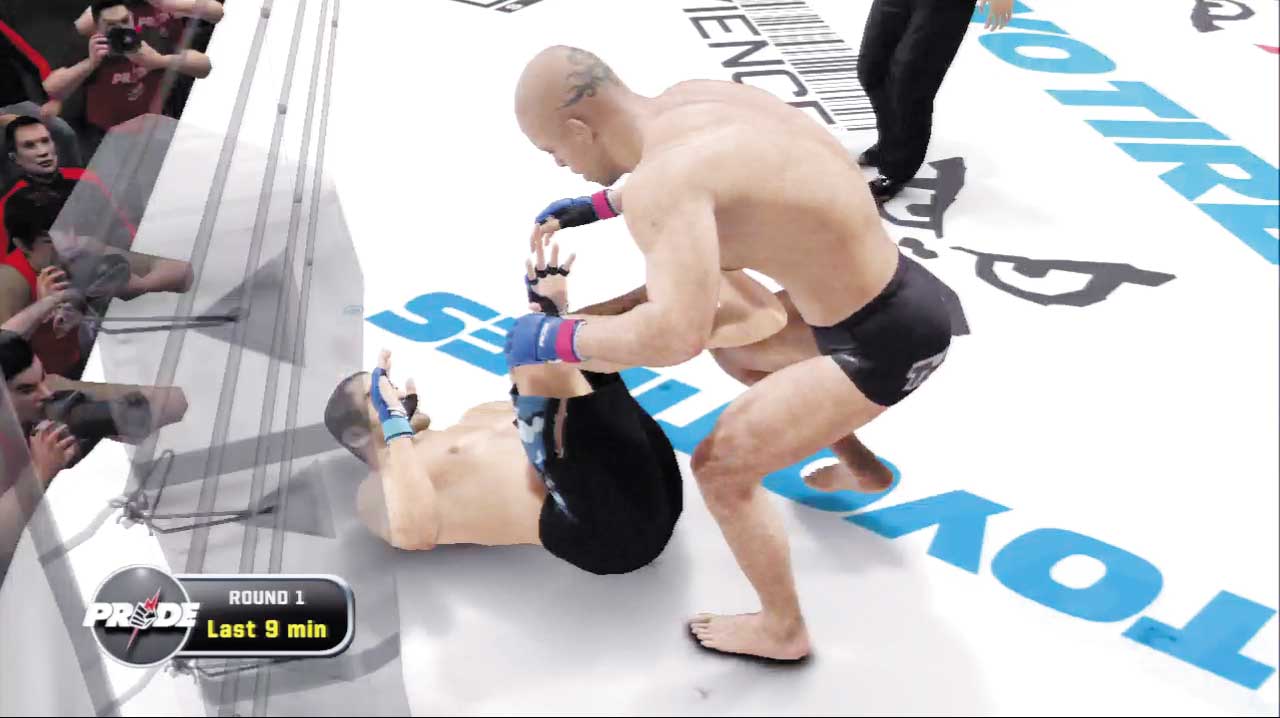
In the UFC, all fights consist of either three five-minute rounds or five five-minute rounds (in the case of title fights and main events). In PRIDE, all fights begin with a ten-minute round, followed by subsequent five-minute rounds.
Special Strikes
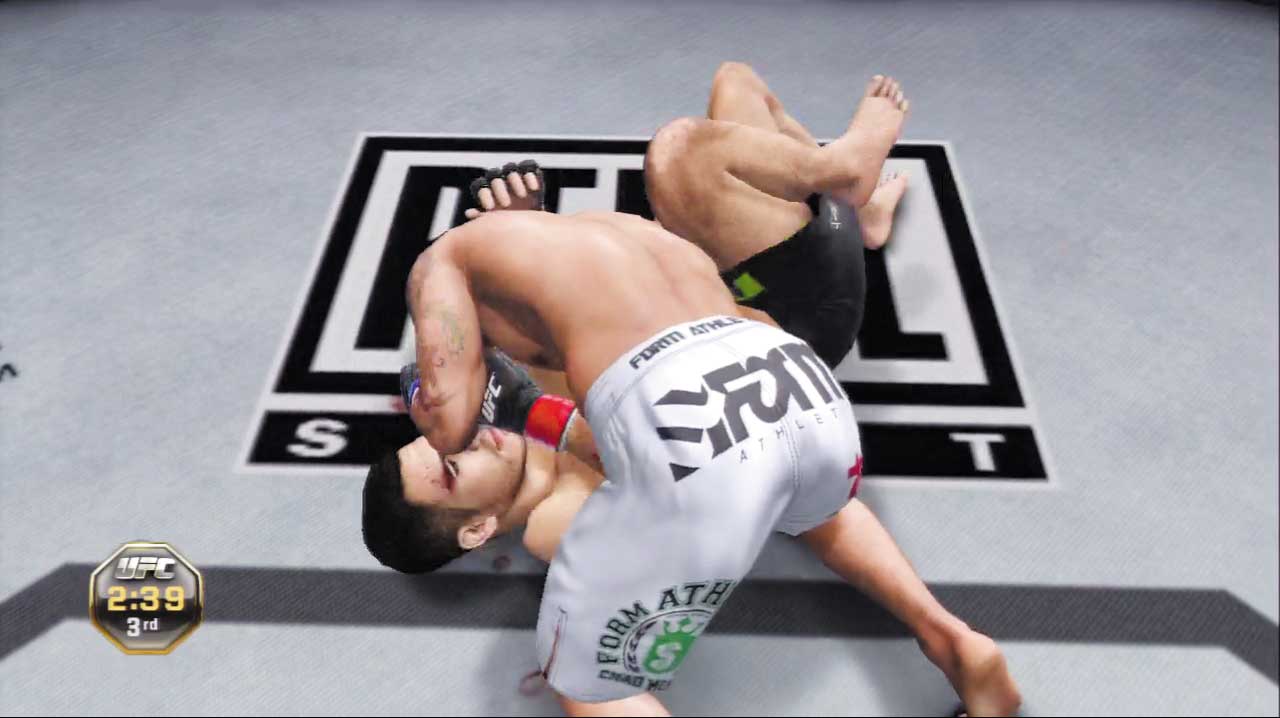
Elbow strikes can be utilized against opponents in the UFC, but not in PRIDE. This makes it easier to score TKO victories by severely cutting opponents in the UFC, especially on the ground. A win’s a win, so when you see blood in the UFC, be sure to target that wound with elbows!
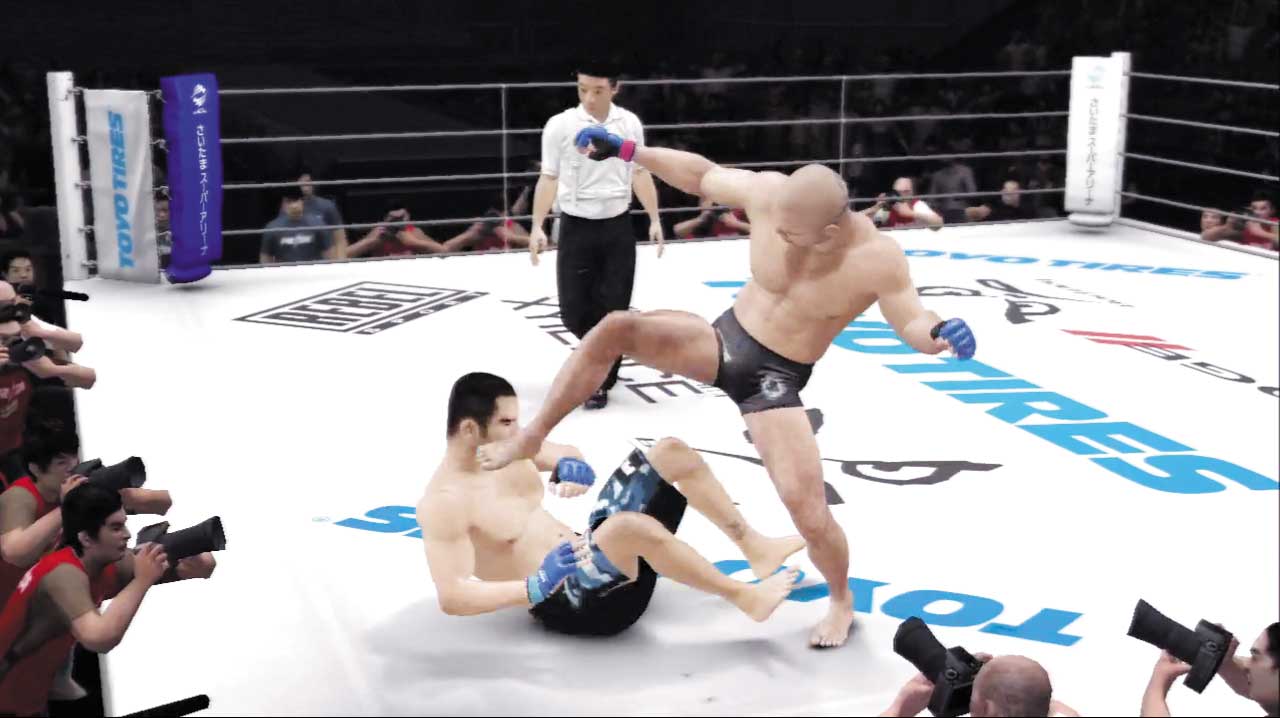
On the other hand, kicks, stomps, and knees can (and should) be thrown to the head of grounded opponents in PRIDE, but not in the UFC.
This makes ground positions such as Side Control and North/South far more dangerous to the bottom fighter and grants a distinct striking advantage to top-position specialists when fighting in PRIDE.
Judging Criteria
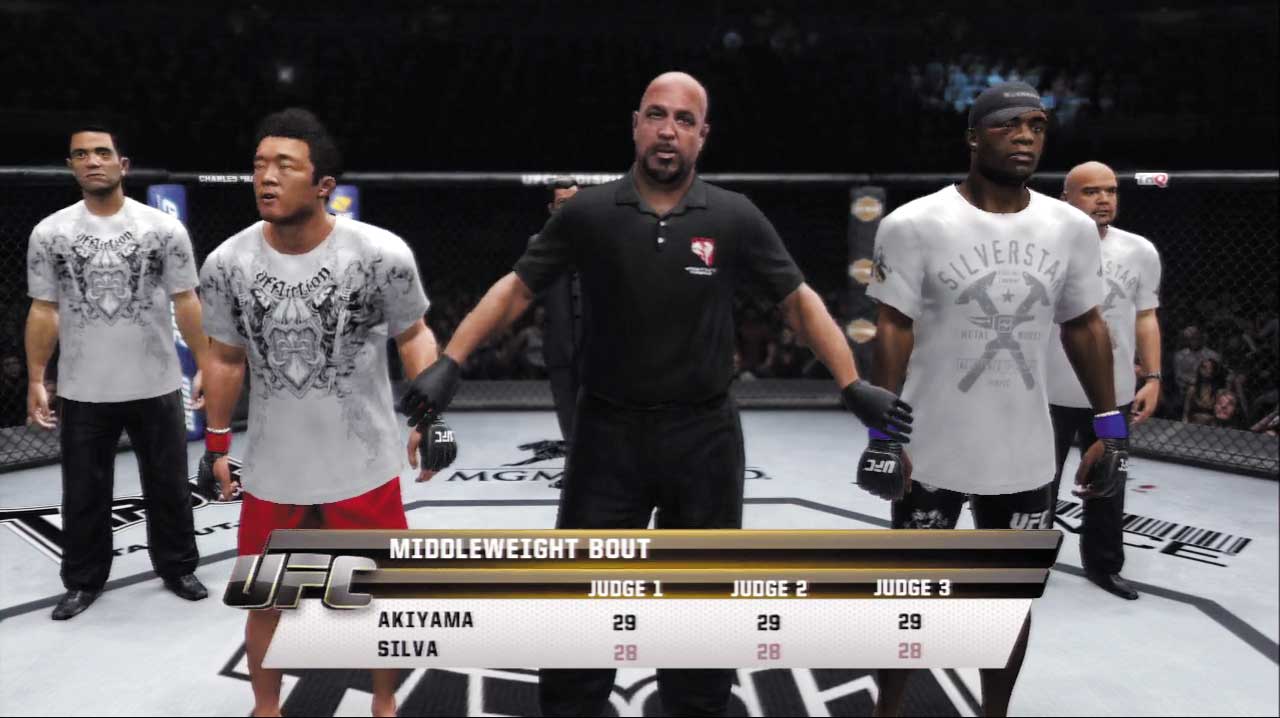
When scoring rounds, UFC judges weigh factors like Octagon control and efforts to finish the fight heavily—this favors grapplers who are able to maintain dominant positions, even while inflicting minimal damage.
UFC judges must also pick a winner for each round, so it’s possible to lose a fight if you dominate in one round but narrowly lose the other two.
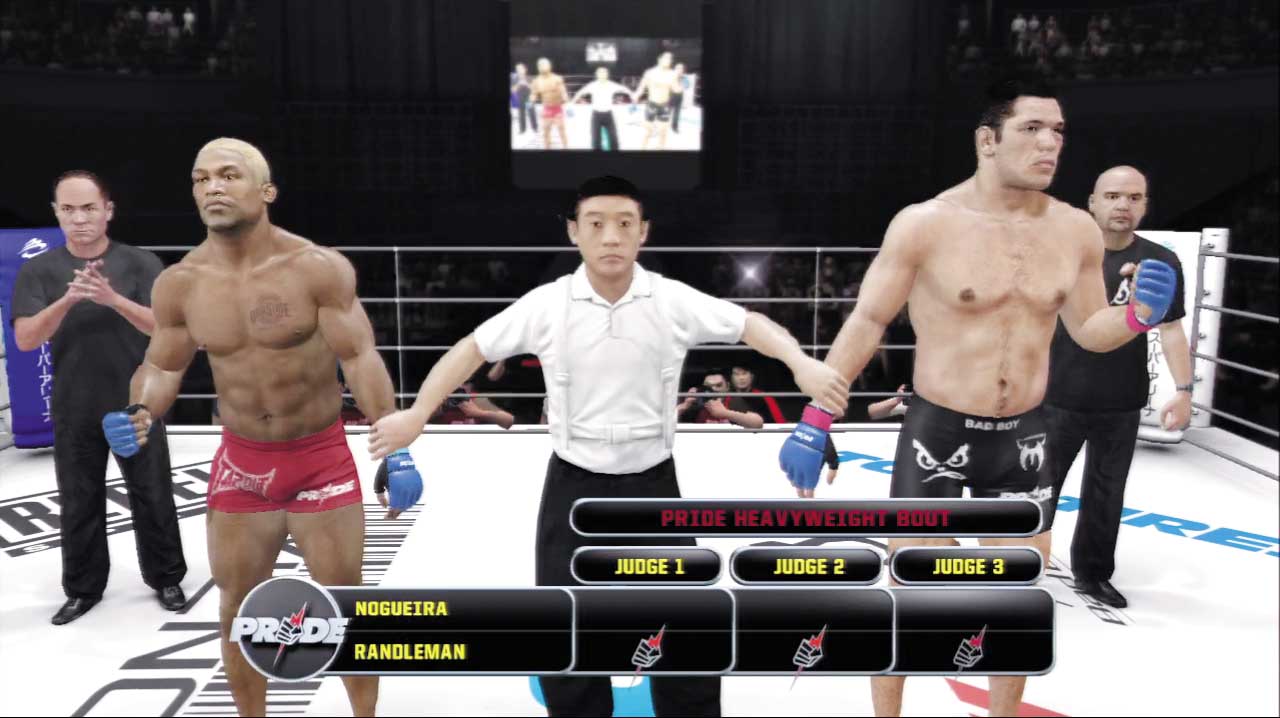
Conversely, PRIDE judges favor factors such as aggression and damage. Maintaining dominant ground positions doesn’t mean much if no meaningful strikes or submissions are being attempted.
In PRIDE, the fighter who attacks more and suffers less damage from strikes is likely to be the winner of a close decision. It’s entirely possible to steal a victory by coming on strong with strikes and subs at the end of a tight PRIDE fight.