
UFC Undisputed 3 Guide Gameplay How to Play
Clinch Defense
Even if you’re good at attacking in the clinch, it’s important to know how to defend against the opponent’s clinch game. Let’s discover how to do just that.
Avoiding the Clinch
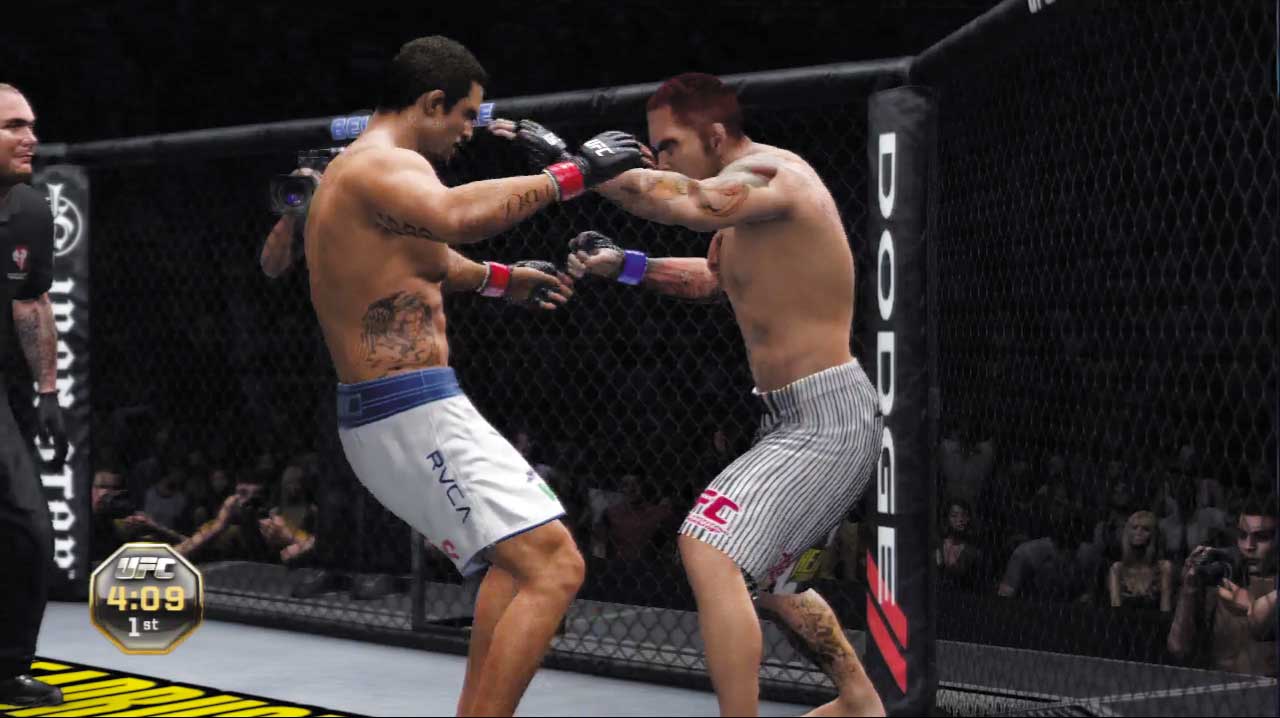
The best way to nullify your opponent’s clinch game is to avoid the position altogether. Tilt the Clinch/Grapple stick away from the opponent to block attempts to enter the clinch, just as you’d do to stuff takedowns.
Blocking
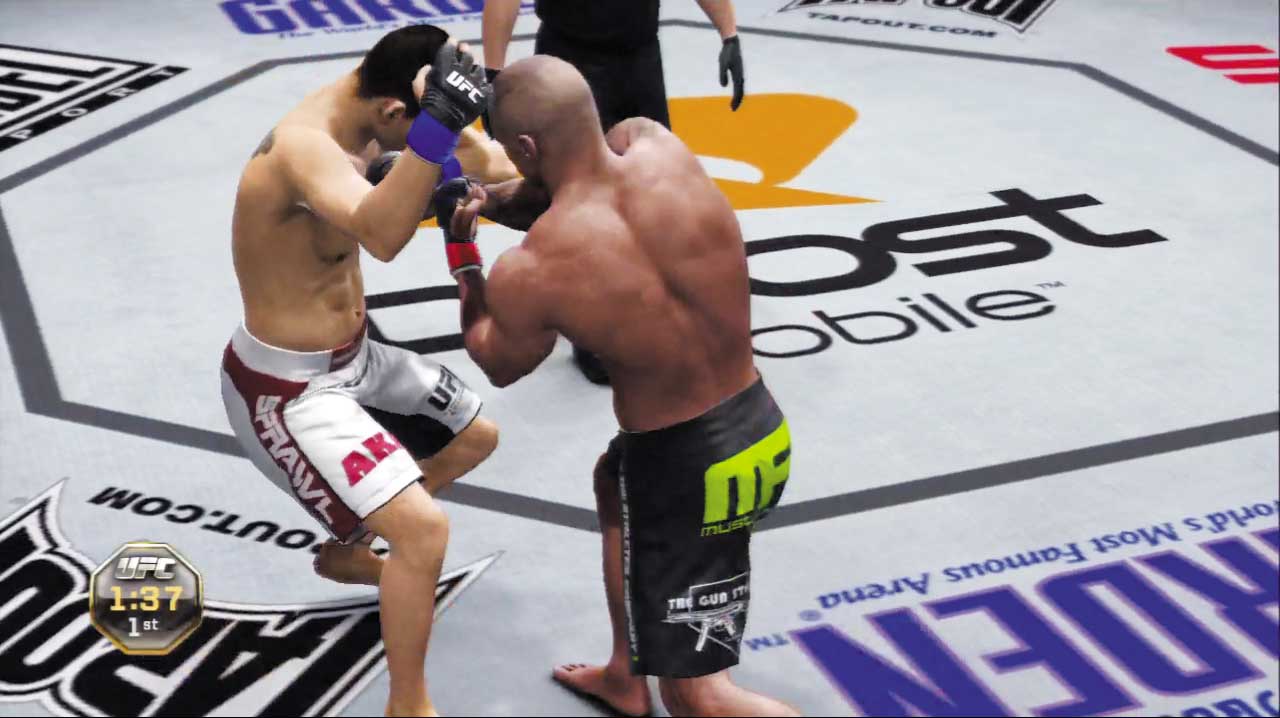
Due to the closeness of the clinch, stepping and swaying away from strikes isn’t possible. This makes clinch strikes easier to land, and therefore heightens the importance of blocking.
Though blocking isn’t as easy or effective in the clinch as it is on the feet, it’s equally vital—cover up and try not to let your opponent connect with too many punishing blows!
Maintaining Position
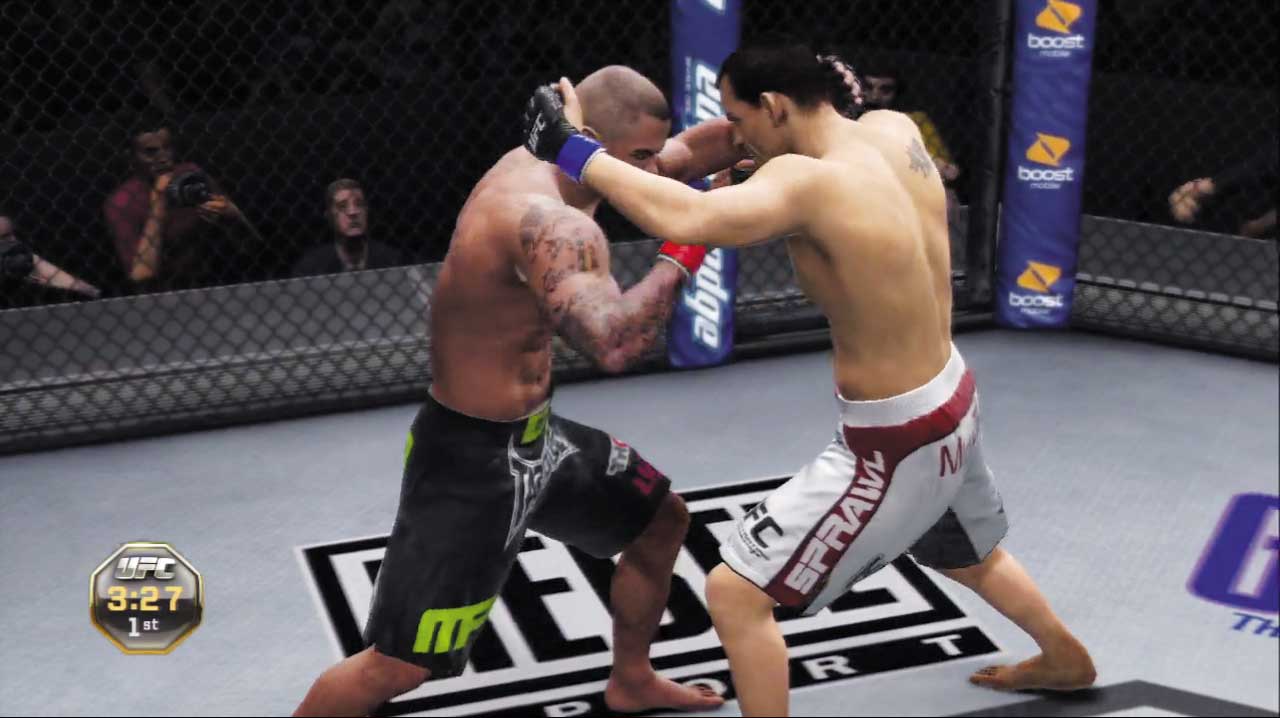
Don’t allow your opponent to improve their position in the clinch—pain and agony are sure to follow. Block transition attempts by tilting the Clinch/Grapple stick away from the opponent when they initiate a transition. Struggle to maintain your current position as you look for a chance to escape.
Improving Position
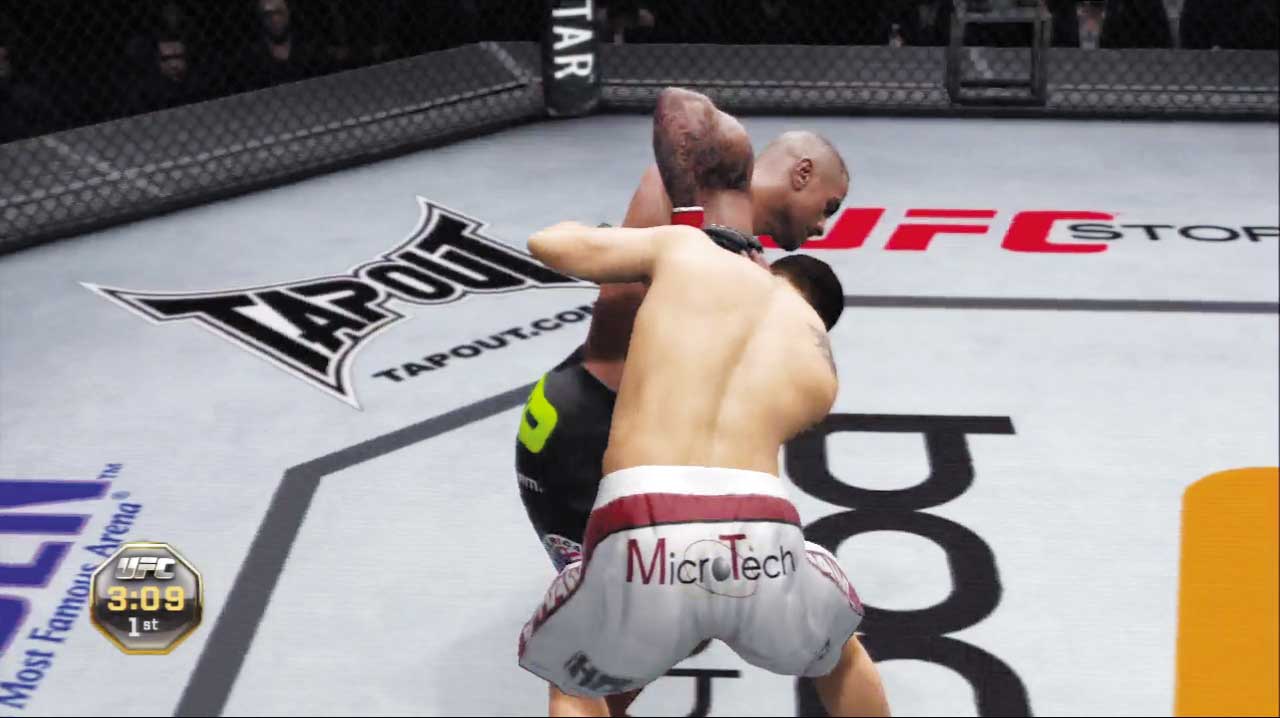
Neutralizing the opponent’s clinch game is easier to manage when you’re the one in dominant position. Tilt the Clinch/Grapple stick toward the opponent to attempt a transition that will improve your position.
Assuming your transition attempt isn’t blocked, you’ll move to a better clinch position and have better odds of breaking free or scoring some clinch offense of your own.
Escaping the Clinch
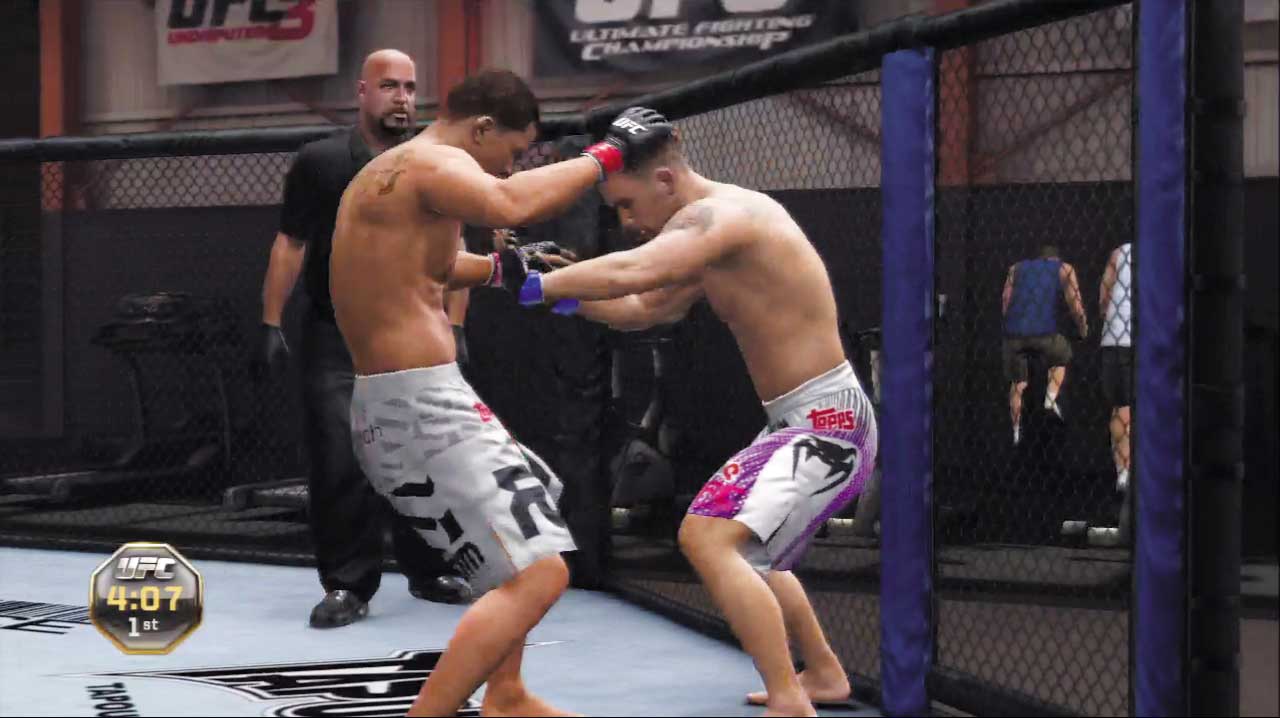
If the clinch isn’t where you want to be, struggle to break free by striking and moving away from the opponent. Mix in strikes as you tilt the Movement stick up, down, and away from the opponent, fighting to escape his grip.
Exiting the clinch can be difficult against a seasoned grappler—in these cases, it’s best to avoid the clinch altogether by steadfastly tilting the Clinch/Grapple stick away from the fighter each time he tries to clinch up.
Clinch Transition Reversals
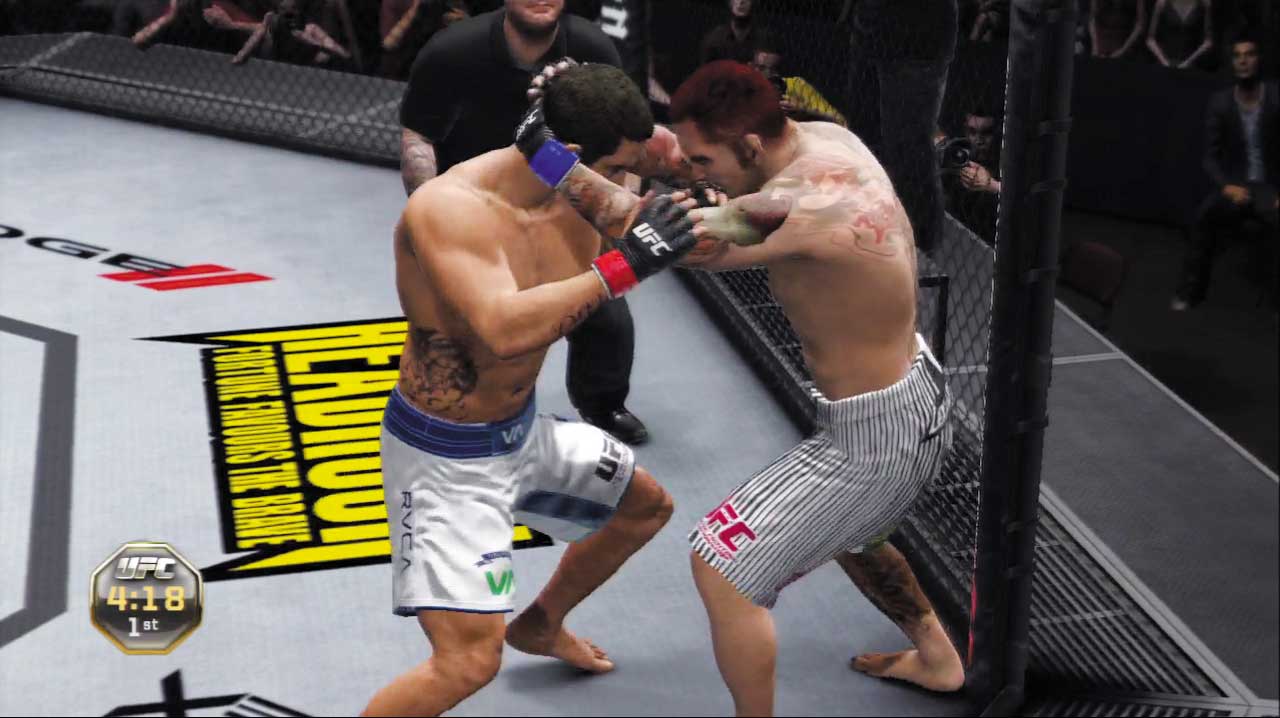
When the opponent attempts to gain position in the clinch, flick the Clinch/Grapple stick away from the fighter with the proper timing (instead of simply holding it away) to perform a clinch transition reversal.
A well-timed reversal will dramatically improve your position instead of your opponent’s—this helps you turn the tables when you’re really getting worked over in the clinch.
Though clinch transition reversals can quickly change the momentum of a fight, they’re also very risky, because waiting to flick the Clinch/Grapple stick means you’re not simply holding it away from the opponent to block clinch transitions and takedowns.
Stalling in the Clinch
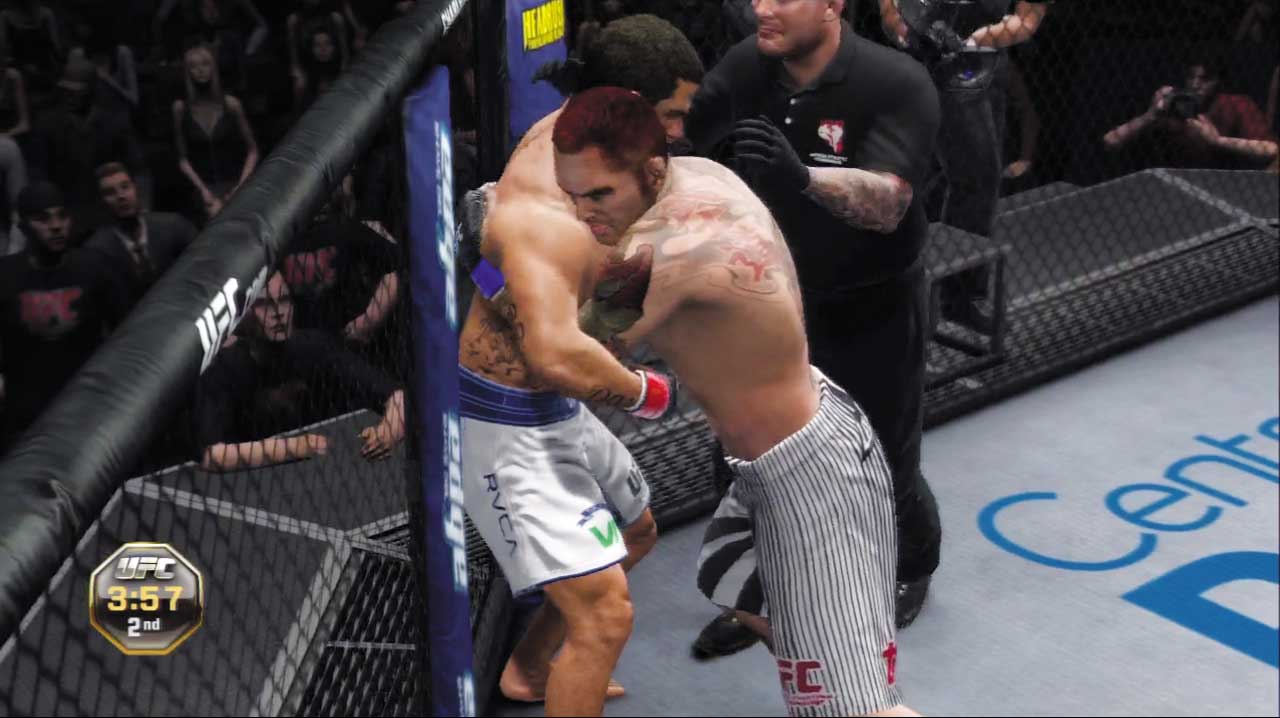
Many clinch positions do not allow for strong strikes. If you can manage to “stall out” your opponent by blocking all of their transitions in such a clinch, the referee may be compelled to separate the fighters and return the fight to the striking game.
Stalling in the clinch can be a very useful strategy when pitted against a superior grappler, or when you find yourself pressed against the cage and are having trouble escaping.
Don’t try stalling when you’re eating strong strikes, though—transition to a better position first, where the opponent’s strikes aren’t as effective.
Simply tilt and hold the Clinch/Grapple stick away from the opponent to block their transition attempts, preventing them from improving their position to a more threatening one. Keep them stuck in a clinch that doesn’t allow for strong strikes and the ref will eventually break things up.