
UFC Undisputed 3 Guide Gameplay How to Play
Grappling - The Clinch
The clinch is a standing grappling position used to wear down and inflict damage against elusive opponents. The proximity of the fighters in this position makes blocking and avoiding strikes more difficult—and sometimes impossible!
It’s also easier to score trips and takedowns from the clinch, and these takedowns often land you in dominant top positions on the ground, such as Side Control.
Entering the Clinch
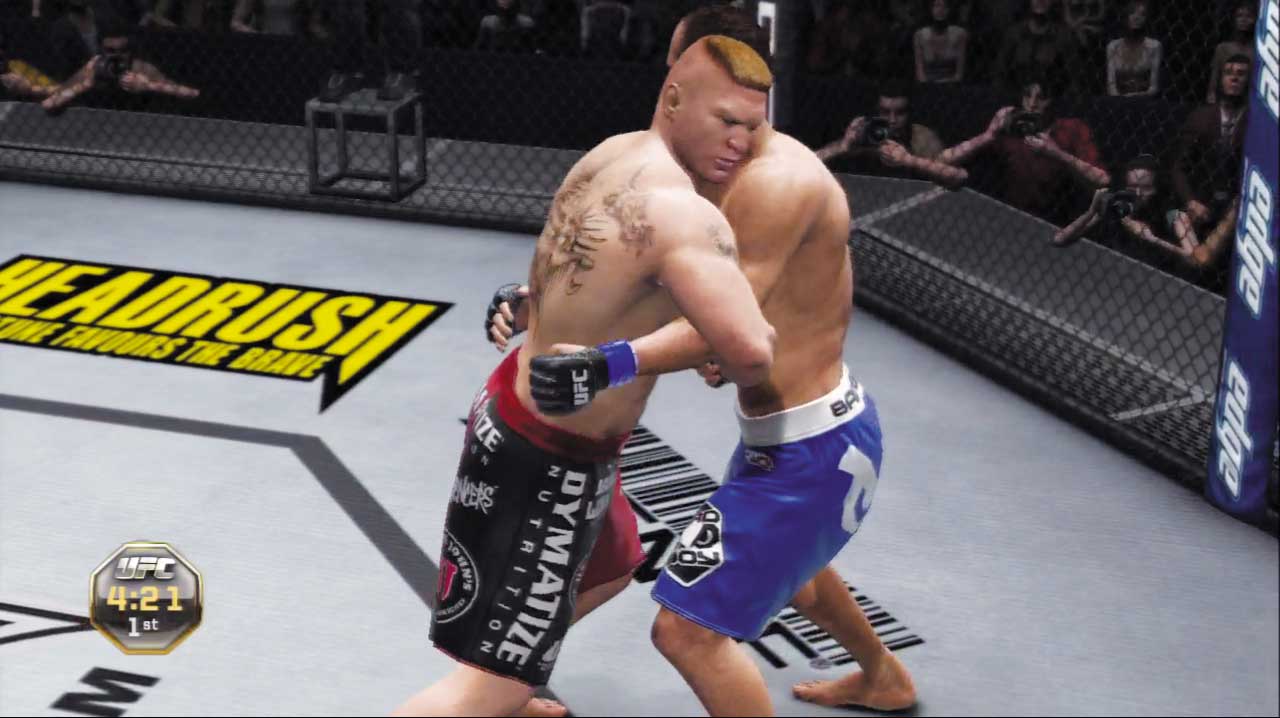
Tilt the Clinch/Grapple stick toward the opponent to attempt to grab him and transition into the clinch. This is easier to accomplish when one or both fighters are aggressively moving forward, or when you’ve cornered your adversary near the cage.
Clinch attempts are less risky than shooting in for takedowns on the feet because the opponent cannot counter you with takedown intercept attacks. If you wish to bring the fight to the ground but your takedowns keep getting countered, try using the clinch as a means to your end.
Counter Grappling
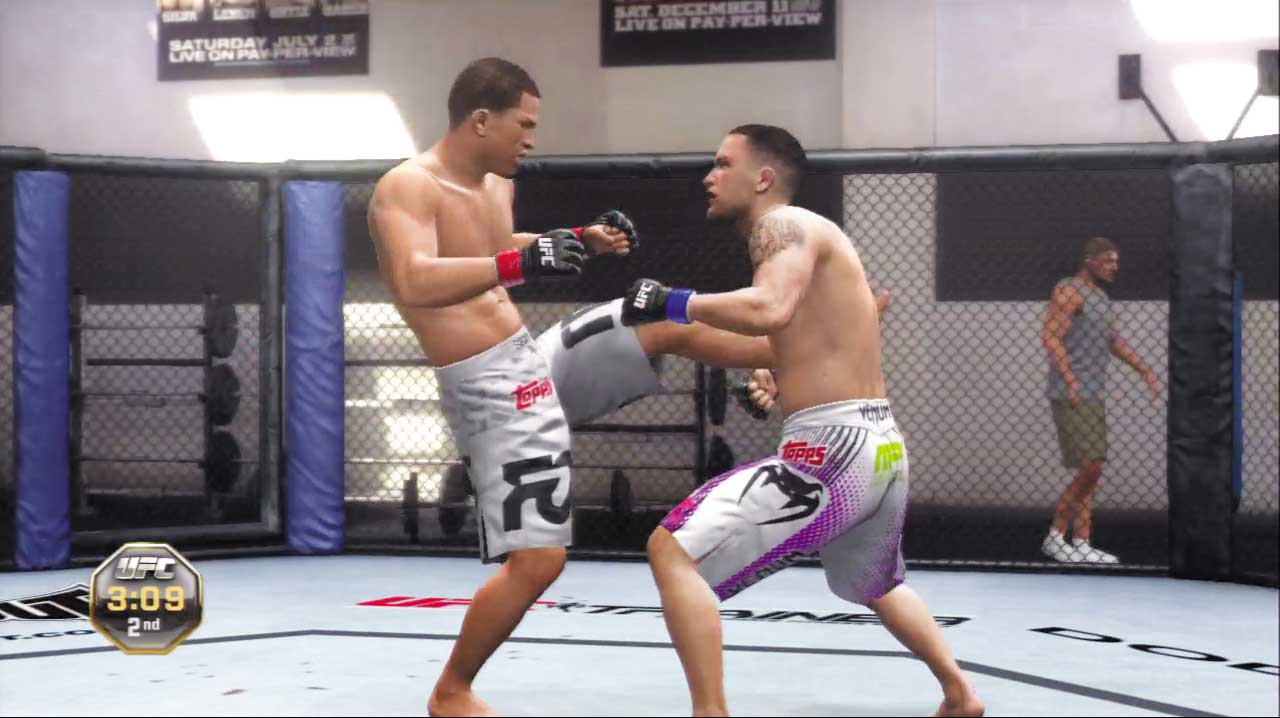
With proper timing, you can also enter the clinch by performing a useful move called the counter grapple.
The moment the opponent begins to strike, tilt the Clinch/Grapple stick up (for head strikes) or down (for body and leg strikes) to counter-grapple the blow in one of three ways:
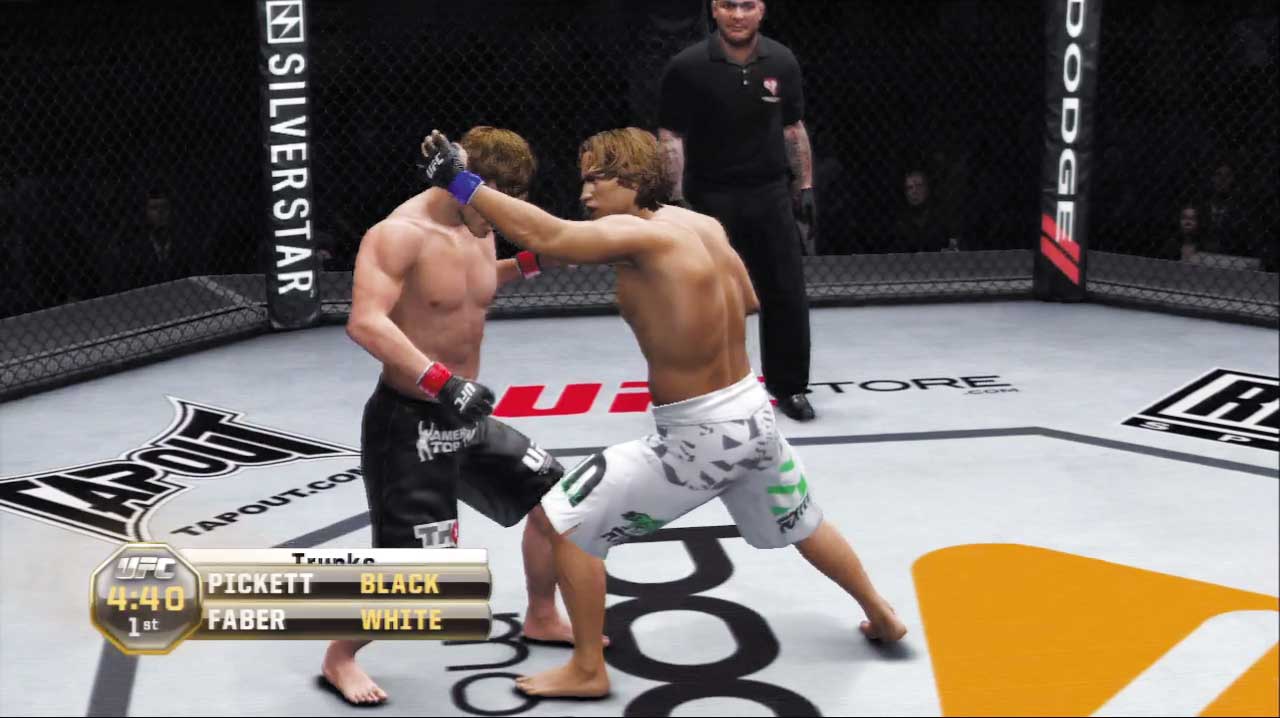
If the strike you’ve counter-grappled was a punch, you will instantly transition into the clinch. Do some damage or go for a takedown!
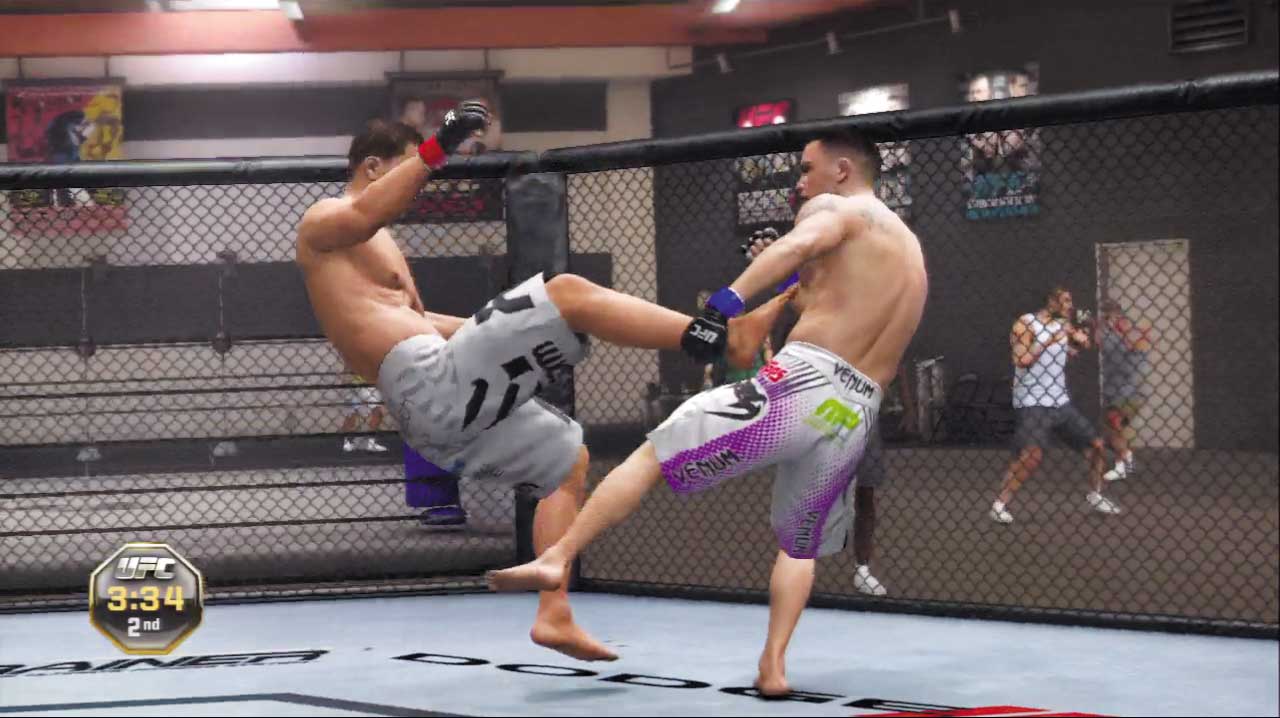
If the strike was a head or body kick, you will catch the kick and wind up in the Kick Catch position. Hurry and land a punishing strike, or tilt the Clinch/Grapple stick toward your opponent to transition into a powerful takedown!
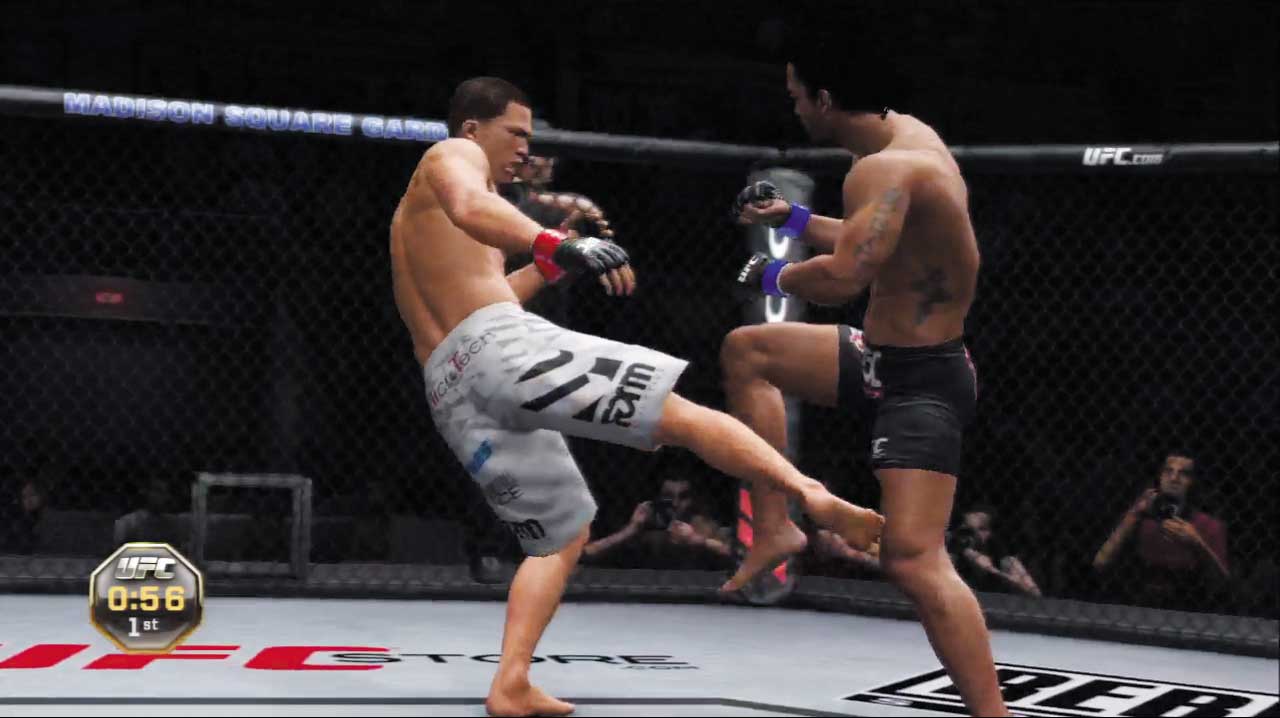
If the strike was a leg kick, you will lift your leg and perform a “kick check” that actually damages the opponent’s kicking leg instead of your own. Though rare, it’s possible to TKO an opponent’s battered leg with a well-timed kick check!
Counter-grappling is an excellent way to enter the clinch against aggressive power-strikers who aren’t likely to take you down. Use it to quickly clinch up with these dangerous adversaries and bring them into your world.
Working the clinch
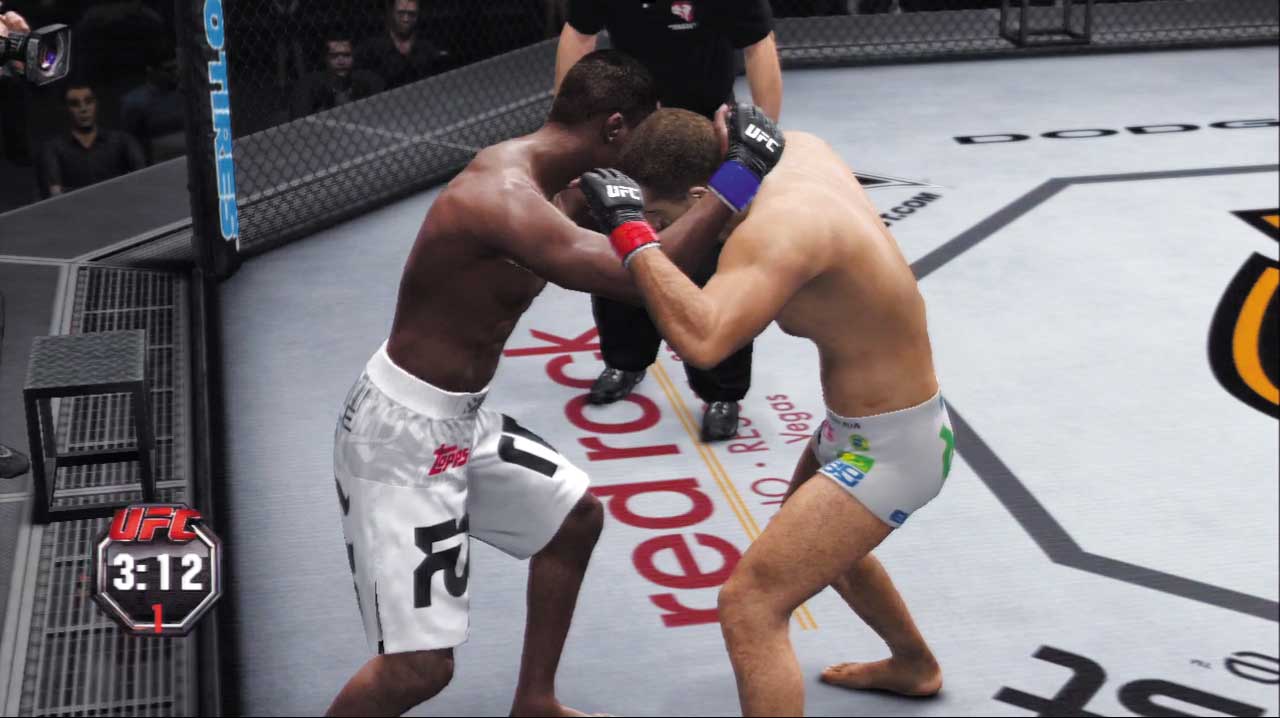
While in the clinch, you can move and throw strikes just like you can on your feet. Clinch strikes tend to be shorter, more punishing blows like knees, elbows, and uppercuts. In addition to your fighter’s various attributes and skills, the strength of the clinch strikes depends on two key factors: the direction that both fighters are moving and the current clinch position.
- Moving forward in the clinch reduces the damage of your strikes and increases the damage of the opponent’s. However, moving forward allows you to press the opponent into advantageous positions against the cage, limiting their options.
- Moving backward in the clinch increases the damage of your strikes and reduces the damage of the opponent’s, but also makes it much easier for the opponent to break free of your clinch.
- If both fighters are moving forward (toward one another) in the clinch, the distance will be too close for striking to be effective, and all damage will be significantly reduced.
- If both fighters are moving away from each other in the clinch, the hold will quickly be broken, returning the action to the traditional stand-up game.
Advanced Position (Pummeling)
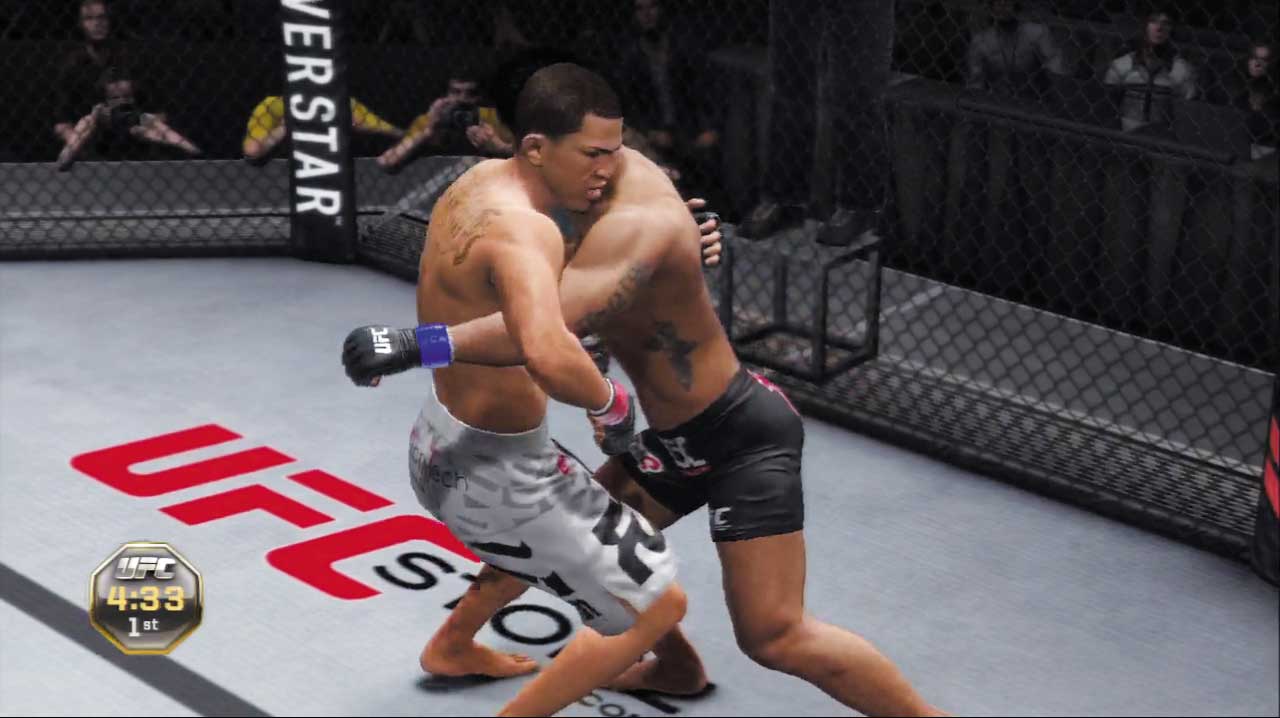
Manipulate the Clinch/Grapple stick to perform major and minor clinch transitions. The exact manner in which you must maneuver the stick depends on your chosen grappling control style (Amateur or Pro).
Transitioning causes you to “pummel” and improve your clinch position, helping you land more effective strikes or helping to set up throws and takedowns. You aren’t taking full advantage of the clinch if you aren’t transitioning to dominant positions, so practice pummeling before ripping off brutal strikes and takedowns.
Clinch Transition Flow
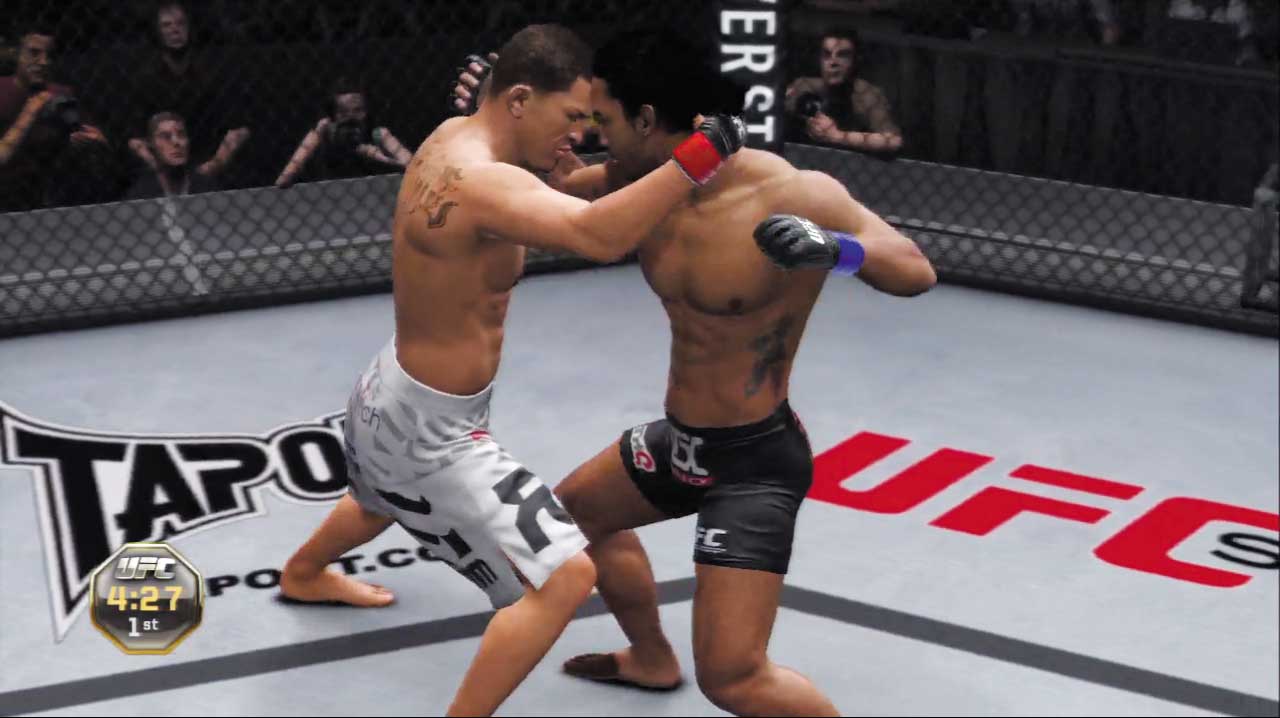
Depending on your goals in the clinch, you may wish to work either the Muay Thai Clinch, which favors clinch strikers, or the Body Lock or Back Clinch, which favor takedown artists and grapplers. Regular clinch attempts always move you to the Double Underhook, Offense position, which favors grapplers.
If you want to work some Muay Thai, hold the Technique Modifier trigger while clinching to enter either the Single Collar Tie or the Muay Thai Clinch, Offense instead (depending on your fighter’s base style).
From most advantageous to least, here are the clinch positions for grapplers, which stem from normal clinch attempts:
- Body Lock, Offense or Back Clinch, Offense
- Double Underhook, Offense
- Over/Under Hook
- Double Underhook, Defense
- Body Lock, Defense or Back Clinch, Defense
These clinch positions run from most advantageous to least for strikers—access these aggressive clinches by using technique transitions to enter the clinch:
- Muay Thai Clinch, Offense
- Single Collar Tie
- Muay Thai Clinch, Defense
Clinch Transition Interupts
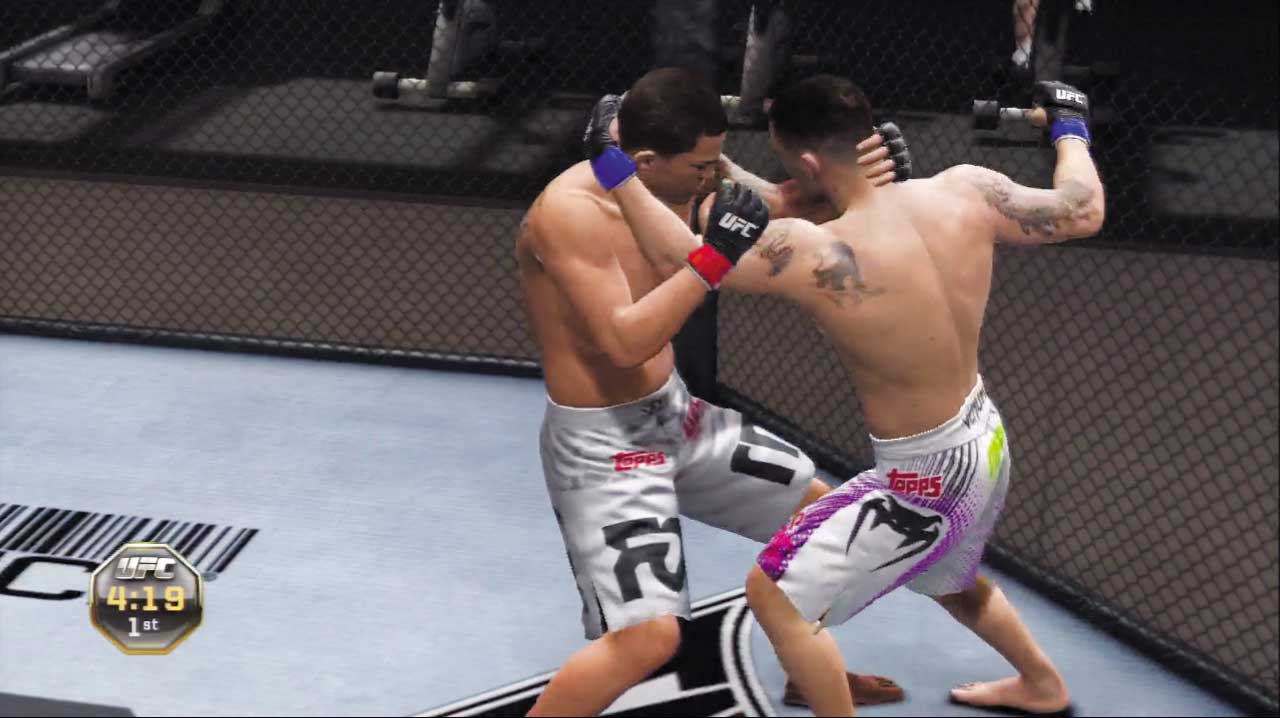
Landing well-timed strong strikes to the opponent’s head can interrupt his transition attempts, preventing him from improving his clinch position.
Once you’ve advanced to an advantageous clinch position such as the Muay Thai Clinch, Offense position, try throwing strong strikes to batter your rival and interrupt his transitions.
Clinch Whipping
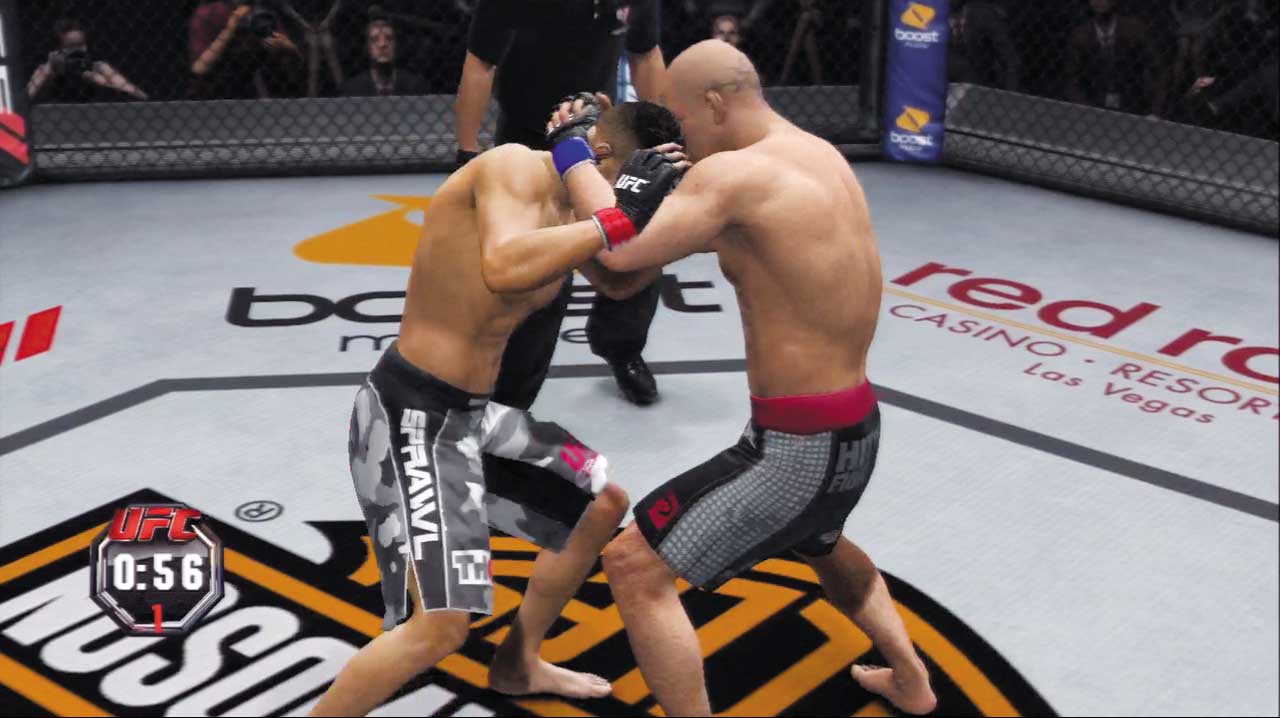
Some fighters can use the Muay Thai Clinch to great effect, greatly increasing the damage of their clinch strikes by whipping the opponent around by the head and neck. Simply hold the Technique Modifier trigger while tilting the Clinch/Grapple stick up or down, and if your fighter is able, he’ll whip the opponent around by the head.
Quickly follow up with a devastating clinch knee or elbow to pile on the damage! Only one strike can be thrown after each whip, so make it count.
Using the Cage
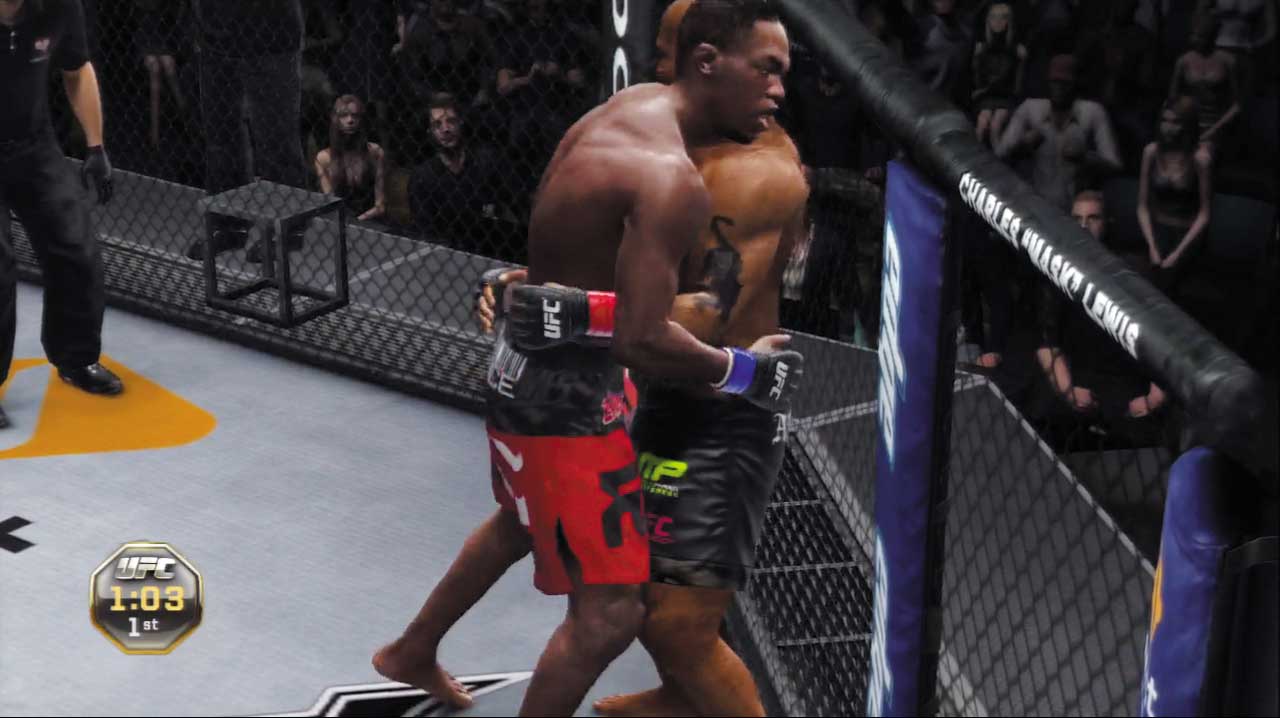
The Octagon is an important tool for clinch artists to exploit. Use the clinch to press your opponent’s back against the cage, dramatically restricting the fighter’s mobility and making it far more difficult for him to avoid your clinch offense.
Cage clinch positions are also difficult to escape, allowing you to unleash strong strikes with less fear of the opponent breaking free. See the “Octagon Control” section in this chapter for more on using the cage to your advantage.
Clinch Takedowns
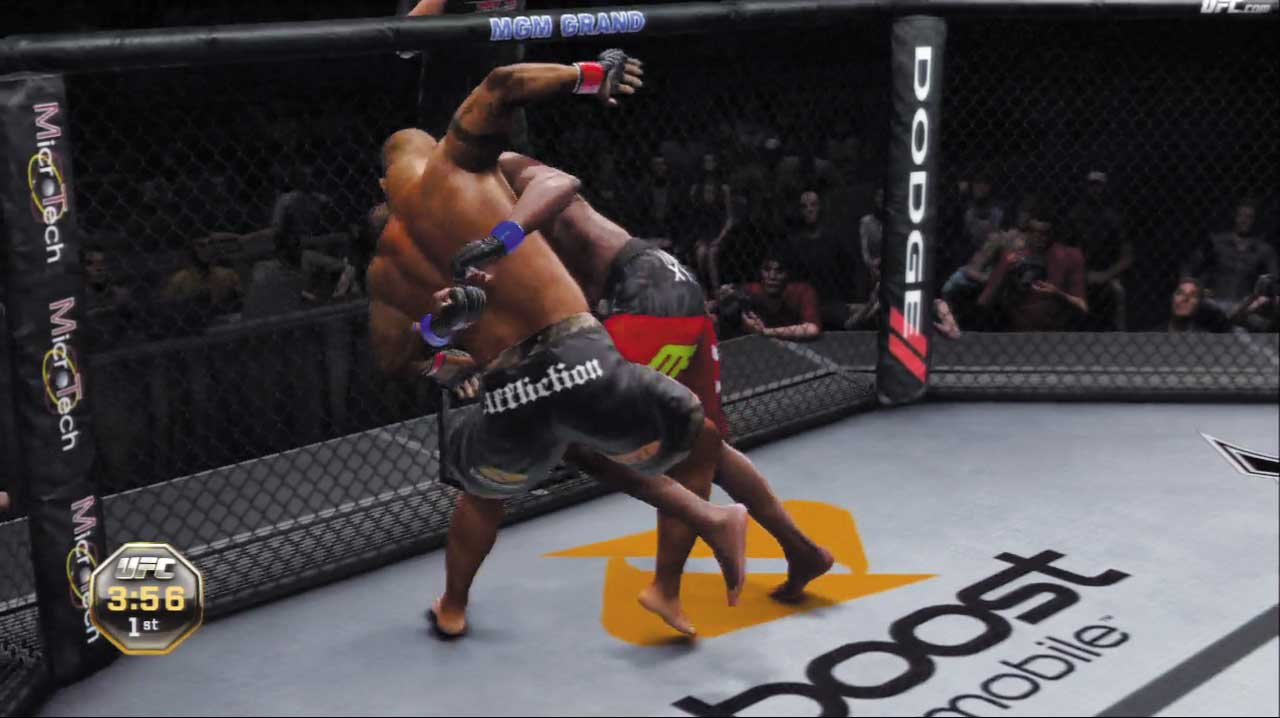
The closeness of the clinch makes it ideal for scoring takedowns. While you can shoot for a takedown in most clinch positions, you’ll find takedowns easier to finish after performing major transitions to achieve a dominant clinch grappling position, such as Body Lock, Offense or Back Clinch, Offense.
These positions also allow for unique clinch trips and throws, giving you more options.
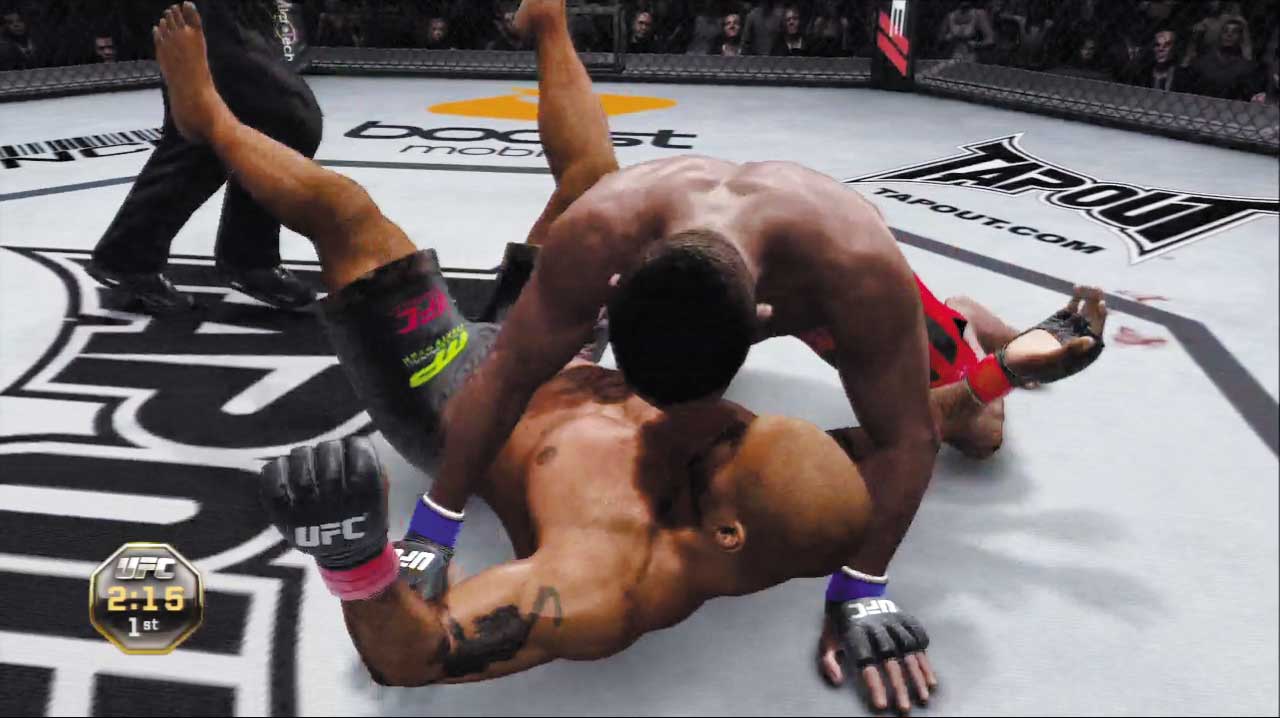
Shooting in for takedowns is risky because it exposes you to painful counters. Score takedowns from the clinch to plant your opponent on the mat with far less risk. Clinch takedowns can also land you in more dominant positions than regular takedown attempts, such as Back Side Control.