Pillars of Eternity Guide Bestiary Beasts
DRAGONS
Wurm
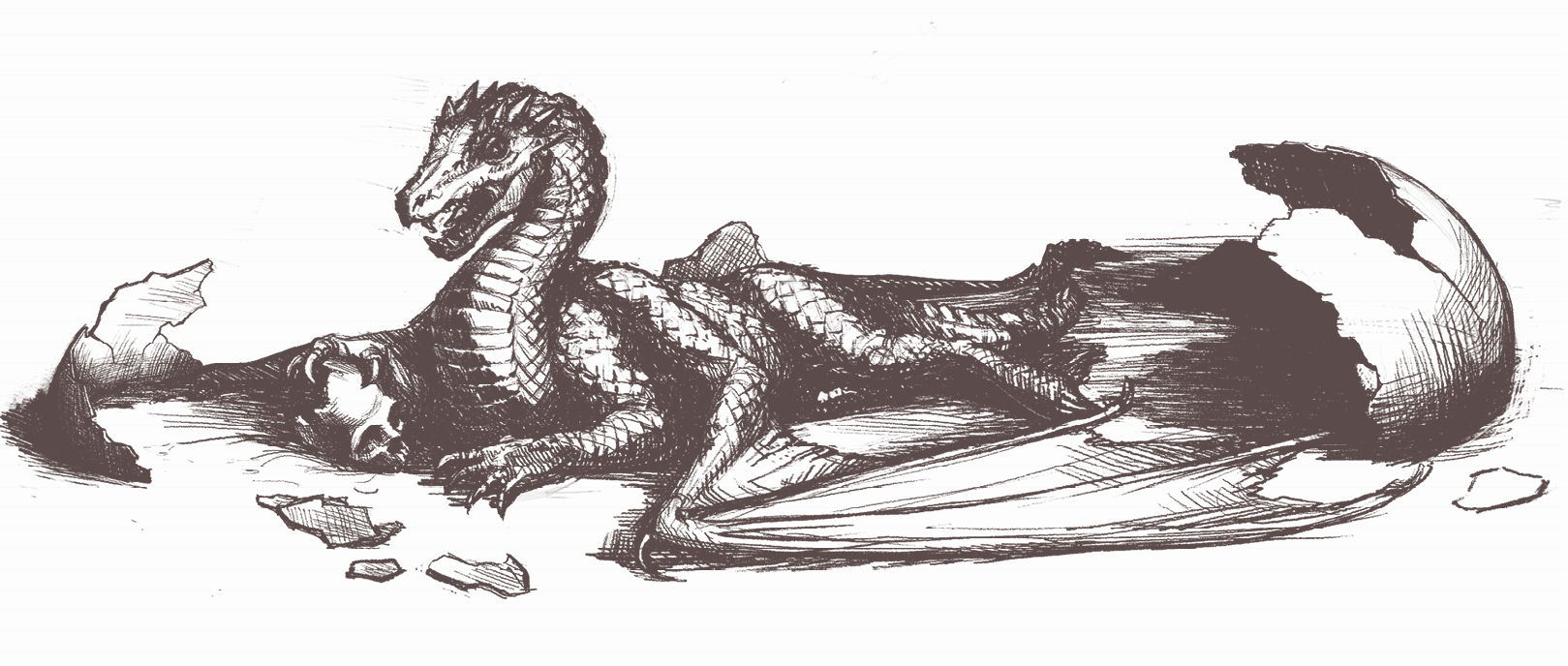
Young dragons begin their life cycle as wurms, though most never develop beyond that stage. Wurms are clever and sly, if not especially intelligent. To develop into a drake (and eventually a dragon), a wurm must have ample space and resources. They will not develop if they live near existing drakes and dragons. They must seek out a habitat that has not already been claimed by a larger counterpart.
Since the chances of further development are low, most wurms will band together in covens for survival. They are bold and highly aggressive creatures—the intense competition for food and territory demands this.
Drakes
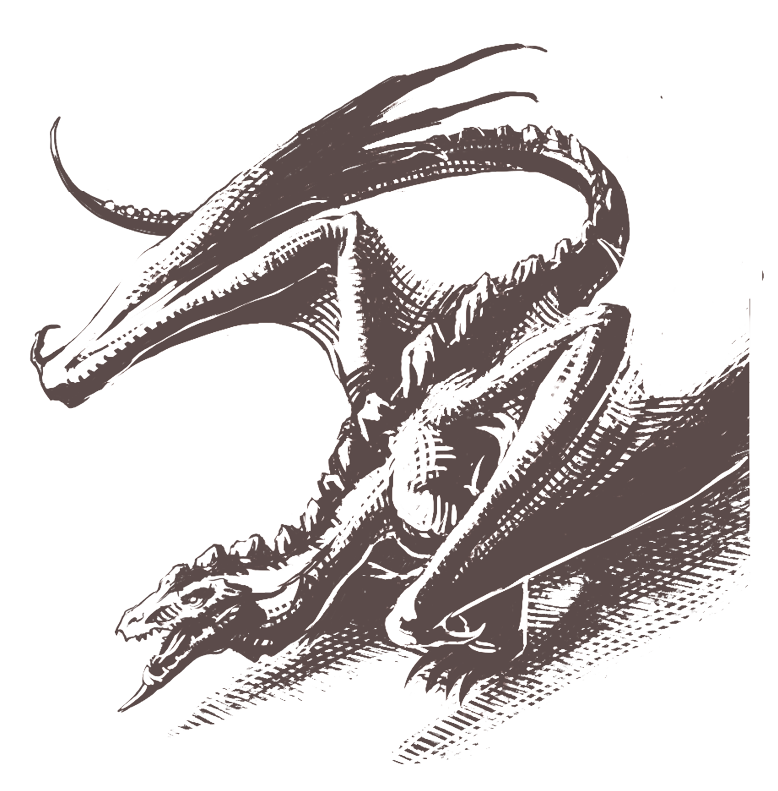
Drakes represent the middle stage of a dragon’s life cycle. They have developed from wurms, but have not reached (and may never reach) the dragon stage. Drakes aggressively defend their territory and seek to expand it as much as possible. They are actively hostile against other drakes, who represent competition for scarce resources.
Their coloration reflects the territory they have claimed. A drake living in a swamp, for instance, may be shades of green, brown, and black, and possess nictating membranes, a flat snout, and raised nostrils. While all drakes can breathe fire, many also develop alternate breath attacks, incorporating other elements.
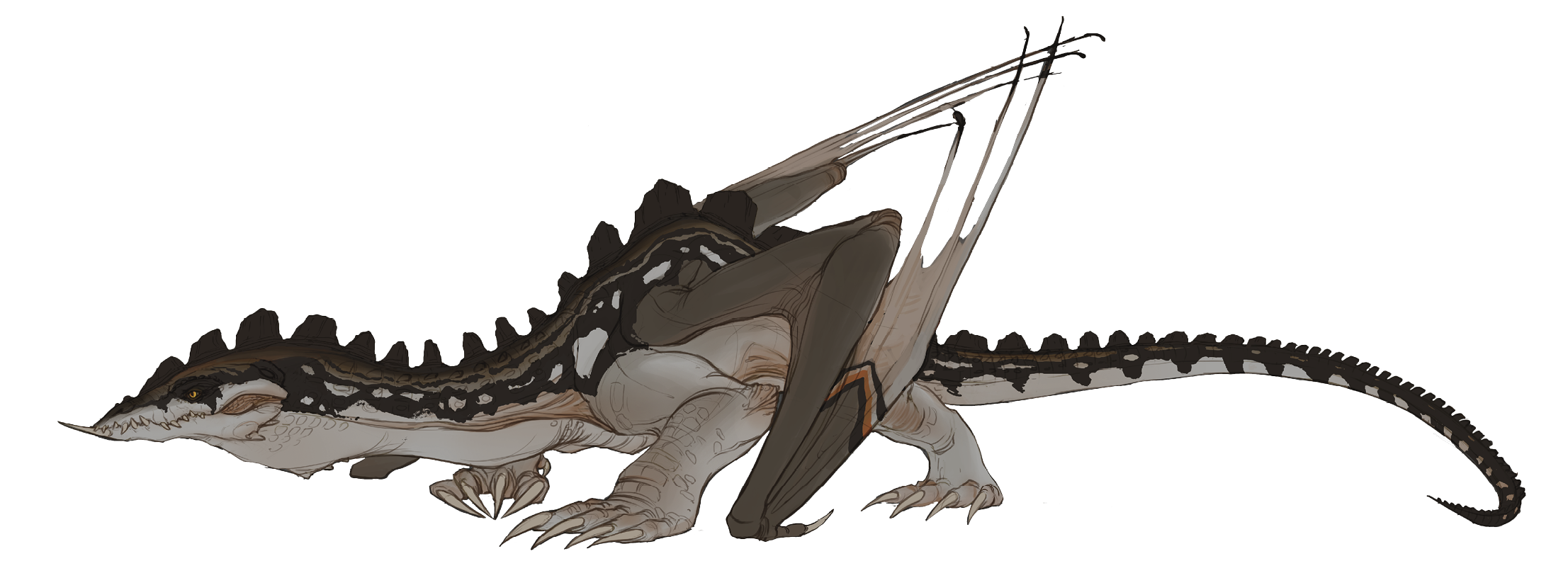
Dragon
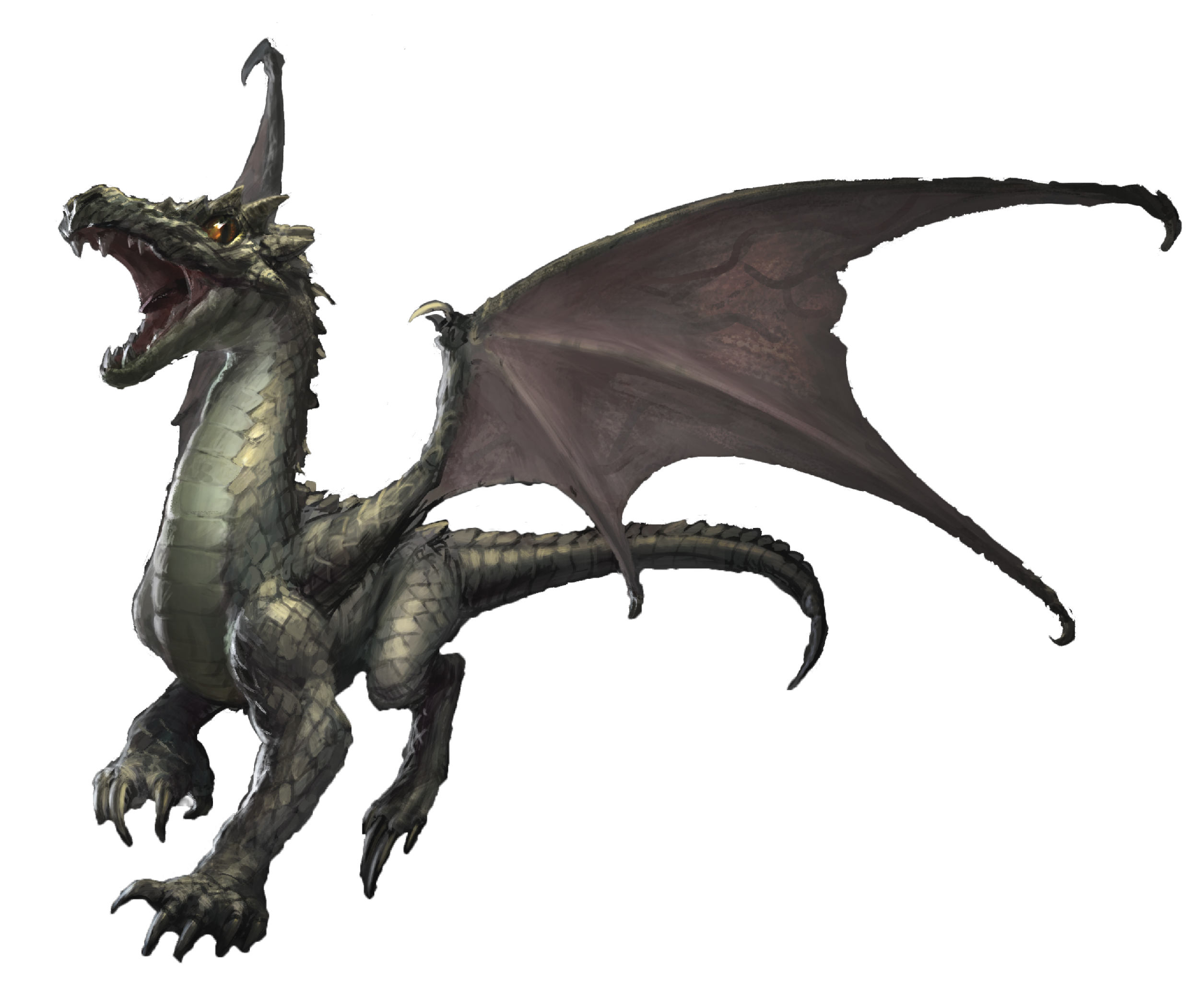
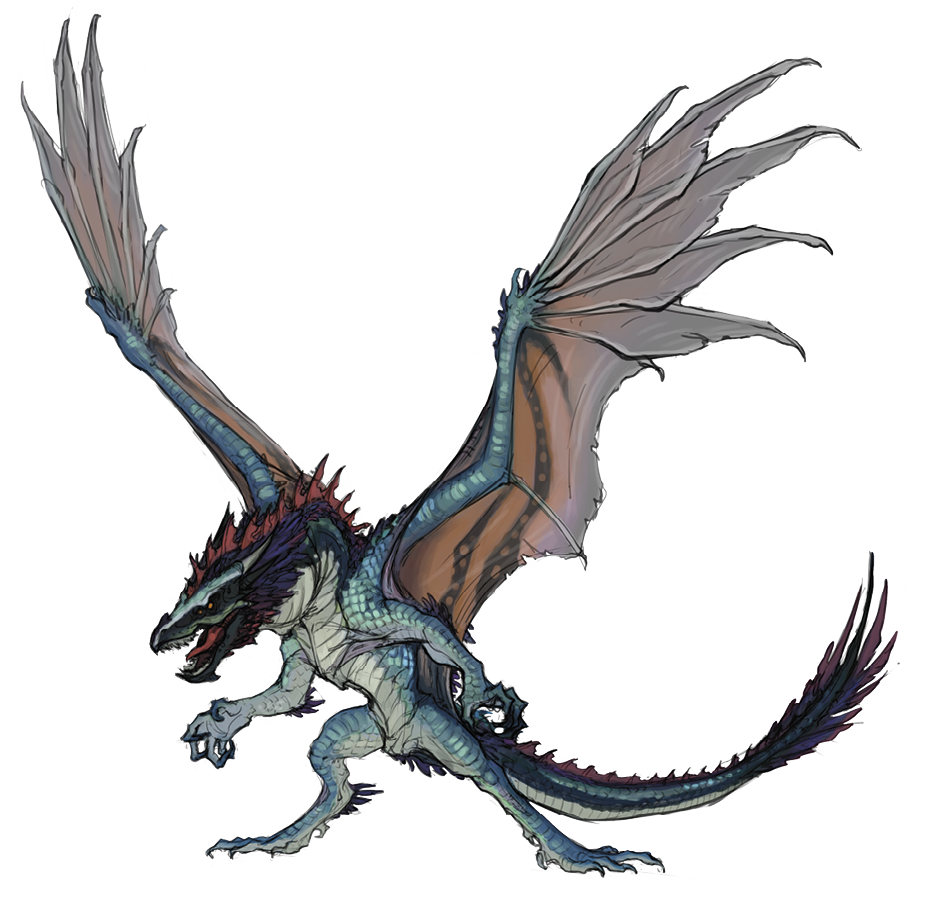
A full-grown dragon is colossal, taller than most buildings of kith construction when at rest. They can easily rise to twice that height when rearing up on their hind legs.
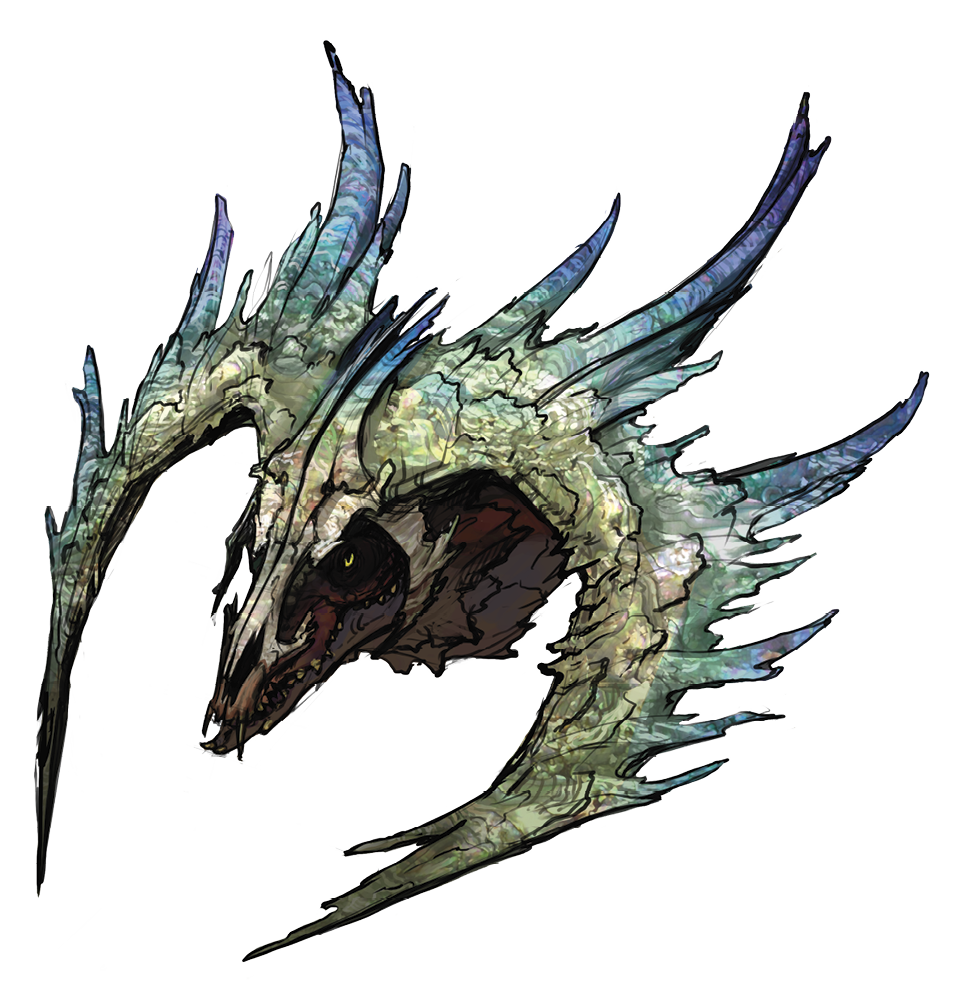
Dragons have reached the mature stage of their lifecycle. Like drakes, they have adapted to fit in their environment, but even more extensively. Their coloration, ornamentation, and even body structure will reflect their chosen territory, as will the attacks and defenses they can bring to bear. Because they have already claimed territory and rarely face a threat from other dragons or drakes, they are more conservative in nature and will not seek unnecessary conflict.
Only dragons can mate. This is generally the only occasion that causes a dragon to leave its lands or seek out others of its kind. Upon reaching the dragon stage, these creatures assume a gender. However, if surrounding populations are too heavily skewed one way or the other, individual dragons can change their sex. As creatures that reach this stage are so rare, this ability is critical to the survival of the species.
Dragons are more intelligent than most other sentient beings, but their solitary nature prevents them from interacting meaningfully with other species.