
Pillars of Eternity Guide Armor & Protective Gear
Protective Gear
Protective Equipment
Armor is the major form of Damage Reduction that covers the body, but there are several other categories of protective equipment. Each of these items can be placed into its own slot to provide Damage Reduction and additional bonuses.
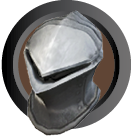
Head
Helms, hats, diadems, and other doo-dads all go in the head slot. These slots have more flexible roles than the armor and weapon slots. Head items can influence a variety of statistics and provide all sorts of different effects.
Like other pieces of worn gear, head slot items scale with the character; however, one race type, the godlike, are explicitly barred from wearing head gear (because they have oddly-shaped heads).
Most of the base head items are cosmetic, meaning they give no inherent in-game bonus. They are still an excellent tool to easily distinguish characters, though. Head items that grant statistical bonuses appear at higher levels.
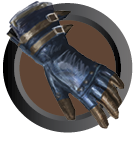
Hands
The hands slot is for gloves, gauntlets, and similar items. Many suits of armor visually cover the hands, but those meshes are replaced if the character is wearing something specific in the hands slot.
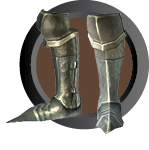
Feet
The feet slot is for shoes, boots, and similar items. Like hand gear, many suits of armor visually cover the feet, but those meshes are replaced if the character is has an item placed in the feet slot.
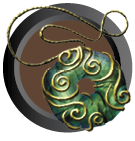
Neck
Neck items include items like amulets and necklaces, but also cloaks and capes. The former are not visually rendered on the character at all, but the latter are. For this reason, there are wearable cosmetic capes that players can equip. Amulets and necklaces that grant bonuses are always magical in some way.
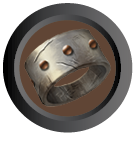
Rings
Every character has two ring slots. Rings are special because they contribute bonuses that stack with item/spell bonuses (but not with each other). Rings are not shown on the character. Magical rings are often signifi cantly more valuable than items of other types because of how their bonuses stack.
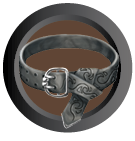
Waist
Belts and girdles are waist items, though they are never rendered on the character. As with amulets and necklaces, there are no wearable non-magical waist items.
Protective Properties
For all protective equipment, “weight,” in the physical sense, is not a factor. Every armor and protective piece takes up one inventory slot. The major considerations are the different types’ Damage Reduction bonuses and Attack Speed penalties.
Damage Reduction is subtracted from incoming damage (to a set minimum percentage) and Attack Speed penalties multiply the “Cool down” of any given attack (rather than slowing down the animation itself). Movement speed is not modified because it is valuable for only certain character types (e.g., most monks, barbarians, rogues), whereas Attack Speed is valuable for all character types.
Example Damage Calculation
The target wears armor that has 12 DR, but it’s 40% less effective against crushing attacks. The Damage Reduction for crushing attacks would be only 7,2. An attack that deals 15 crushing damage would reduce the stamina for 7,8 points (15 - (12 * 0,6) ) while an attack that deals 15 slashing damage would reduce the stamina for only 3 points (15 - 12).
Shields are not used offensively, but provide Deflection bonuses to the bearer. Mechanically, there are only three types of shields (small, medium, and large). As shields increase in size, they grant superior Deflection, but reduce the Accuracy of outgoing attacks. A small shield inflicts no Accuracy penalty. Like armor, shields can be enchanted, but only in terms of Quality. This modification has three options: exceptional, fine, and superb, which provide 2-6 Damage Reduction.
Shields
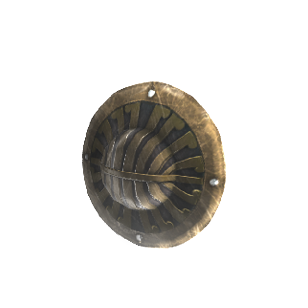
Small
Buckler-sized, held in the hand, facing forward from the knuckles (like a weapon). Typically (but not always) round.
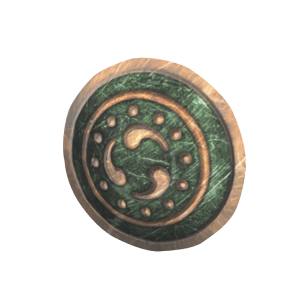
Medium
The traditional “heater” or Viking round shield size. Worn on the arm.
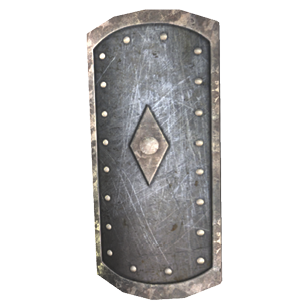
Large
Kite shield-size (though not always in the perfect “kite” shape). Worn on the arm.
Armor
Armor consists of any “body” outfits that characters wear, from simple cloth to elaborate suits of plate armor. Their primary purpose is to grant Damage Reduction to characters at a cost of Attack Speed (the rate at which non-movement actions are performed).
Cloth
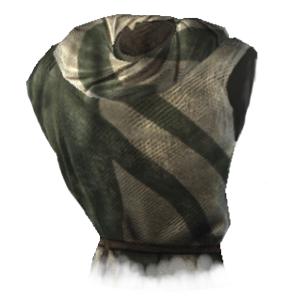
Simple clothing, light and unrestrictive.
Padded
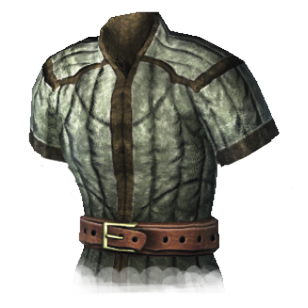
The lightest proper armor, either an undercoat or independent suit.
Hide
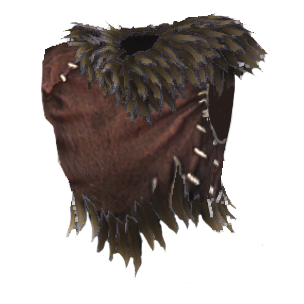
Layers of animal hide, primitive and crudely fashioned.
Leather
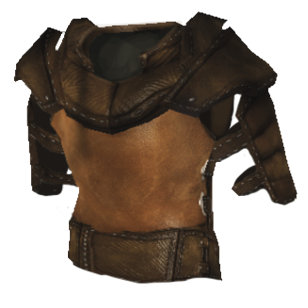
Boiled, hard leather shaped into fitted pieces of armor.
Scale

Overlapping horn or metal (or even drake) scales sewn to a cloth or leather backing.
Breastplate
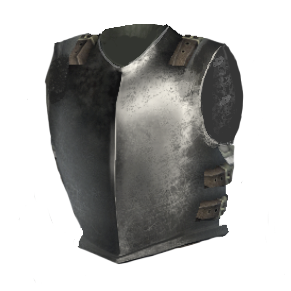
A solid breastplate with minimal backing, typically worn over ordinary clothing or light padding.
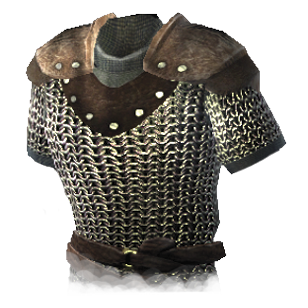
Interlocking riveted metal links, typically in the form of a hauberk.
Brigandine
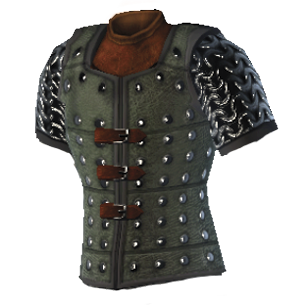
A mid-length coat of small metal plates sandwiched between and riveted to cloth/canvas backing, typically worn with padded cloth sleeves.
Plate

The heaviest armor, plate consists of large (usually) steel plates over mail with a light padded jacket underneath.