
Playing With Super Power: Nintendo Super NES Classics Guide The Legend of Zelda: A Link to the Past
Legacy
The Legend of Zelda: A Link to the Past provided the mold from which all future non-3D Zelda games would be birthed. The game’s direct lineage shifted primarily to Nintendo’s handheld devices, where it continues to thrive to this day.
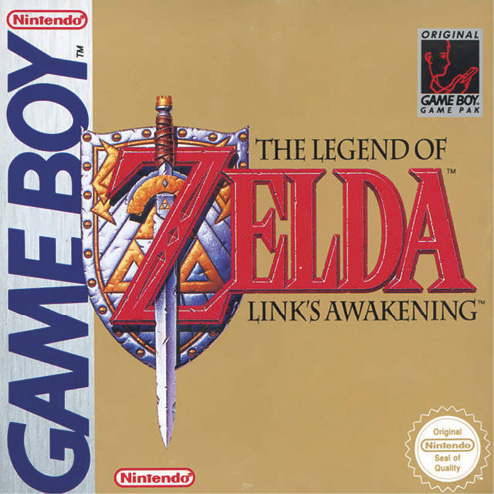
The Legend of Zelda: Link’s Awakening
1993, Game Boy
What began as a handheld port of A Link to the Past eventually became an original entry in the series. Produced by Shigeru Miyamoto and directed by Takashi Tezuka (The Legend of Zelda, Super Mario World, A Link to the Past), Link’s Awakening does not feature Hyrule, the Triforce, or Princess Zelda. Although the game is modeled heavily after A Link to the Past, it’s filled with oddities to the point where the developers have stated it “felt like making a parody of Zelda.” Other Nintendo characters such as Mario, Kirby, and Yoshi make guest appearances.
_(BS)_%5BEn%2BHack_by_BSZHP_v20081211%5D_(-BS_The_Legend_of_Zelda)_(Real_Hardware_Edition)_(Timer%2BNo_Limit)-6.jpg)
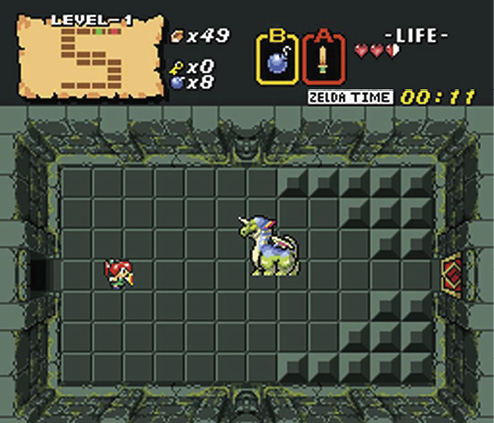
BS Zelda no Densetsu Series
1995-1999, Satellaview
Several original Zelda games were released exclusively for download on the Super Famicom’s Satellaview system. They were considered spin-offs from the main series and did not feature Link, but instead the player’s male or female Satellaview avatar. The first game, whose title translates to BS The Legend of Zelda, was a 16-bit remake of the original 8-bit game. Other BS games made use of the Satellaview’s SoundLink feature, in which live radio narration would be synced to in-game events. Like with the first BS Zelda title, BS The Legend of Zelda: Ancient Stone Tablets was very similar to A Link to the Past. Although they were extremely popular at the time of their release, like all Satellaview exclusives, they have been largely lost to the annals of time.
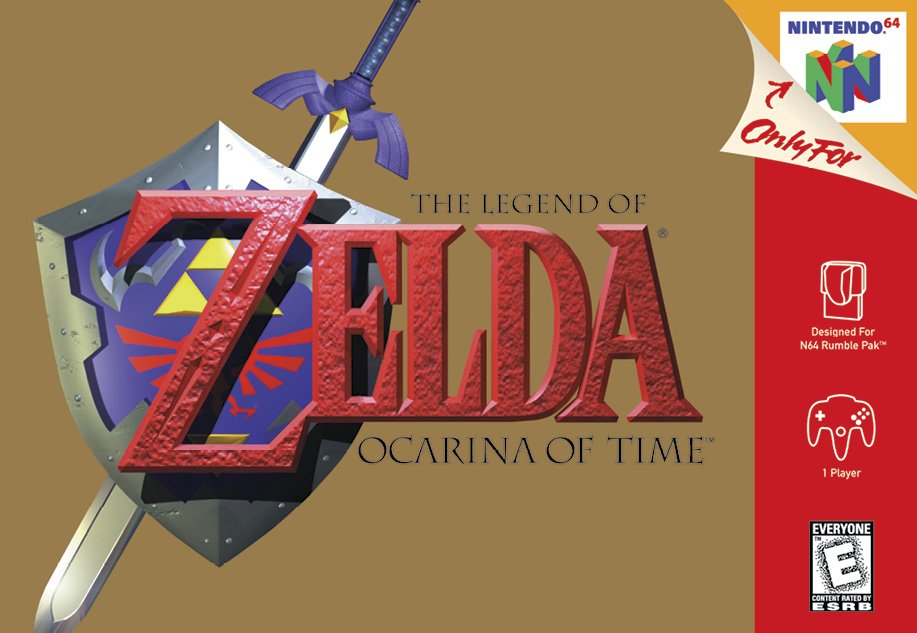
The Legend of Zelda: Ocarina of Time
1998, Nintendo 64
Ocarina of Time did for 3D action-adventure games what Super Mario 64 did for 3D platformers. Using one of their most beloved properties, Nintendo defined the standard which all other similar games would be held to. Series mainstays such as dungeons, Pieces of Heart, Cuccos, and the Master Sword all returned, while influential new elements were introduced, such as Link’s beloved horse, Epona, lock-on targeting in combat, and a time-traveling mechanic that was originally intended for The Legend of Zelda for the NES.
Although the final game has an expansive outdoor world to explore, concerns of memory limitations led the developers to conceptualize a game where Link would be restricted to Ganon’s castle. Similar to Super Mario 64, Link would be able to venture to other areas through paintings. The boss battle against Ganondorf where the villain rides his horse in and out of paintings is a nod to the game’s original concept.
With the release of Ocarina of Time, the Zelda franchise split in two distinct directions: traditional top-down games heavily inspired by A Link to the Past, and large-scale 3D games building off the foundation established by Ocarina of Time, Majora’s Mask, The Wind Waker, Twilight Princess, Skyward Sword, and Breath of the Wild.
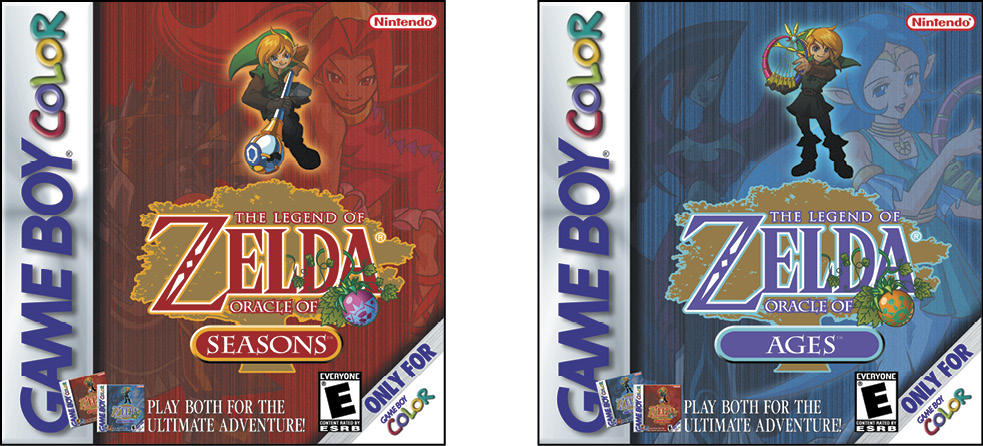
The Legend of Zelda: Oracle of Seasons / Oracle of Ages
2001, Game Boy Color
Developed by Capcom’s Flagship subsidiary, the Oracle titles are easily the most ambitious handheld Zelda games. Although each provided its own separate adventure, they could also be played as an interconnected experience. By beating one, a password would enable the other to serve as a sequel, with events in the game changing based on the order in which they were played. Beating both together reveals the game’s true ending, including the climactic battle with Ganon.
Originally conceived as a trilogy, the third title was canceled due to the complexity of the interlocking system. The games appear largely similar to the Game Boy Color port of Link’s Awakening, but each with its own unique gameplay twists: Oracle of Ages emphasizes puzzles and features a time-traveling mechanic, while Oracle of Seasons prioritizes action and grants Link an item which allows him to shift the seasons, opening up a multitude of gameplay possibilities.
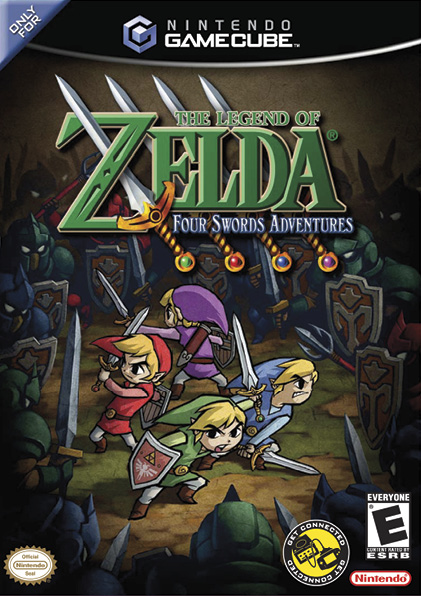
The Legend of Zelda: Four Swords Adventures
2004, Nintendo GameCube
As the title implies, Four Swords Adventures greatly expands upon the Four Swords portion of the preceding Zelda game. The Hyrulean Adventure campaign can be played by up to four players, with each player using a Game Boy Advance linked to the GameCube as a controller. The Links can use special formations to solve puzzles or overcome enemies. Due to the game’s unique formation system, there are always four Links in play, even in single-player.
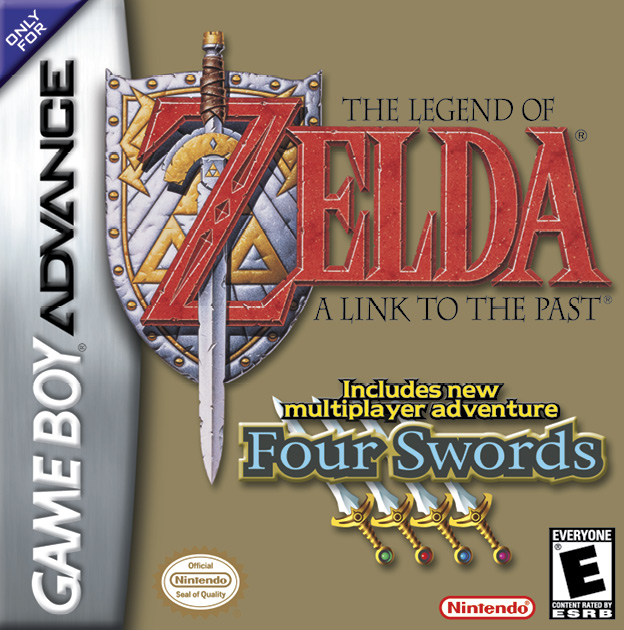
The Legend of Zelda: A Link to the Past and Four Swords
2002, Game Boy Advance
The Game Boy Advance port of A Link to the Past is notable for adding the franchise’s first-ever Multiplayer Mode. In Four Swords, up to four players take control of their own uniquely color-coded Link and cooperatively tackle dungeons. There is a light competitive element where the player with the most Rupees at the end of a stage receives a special reward.
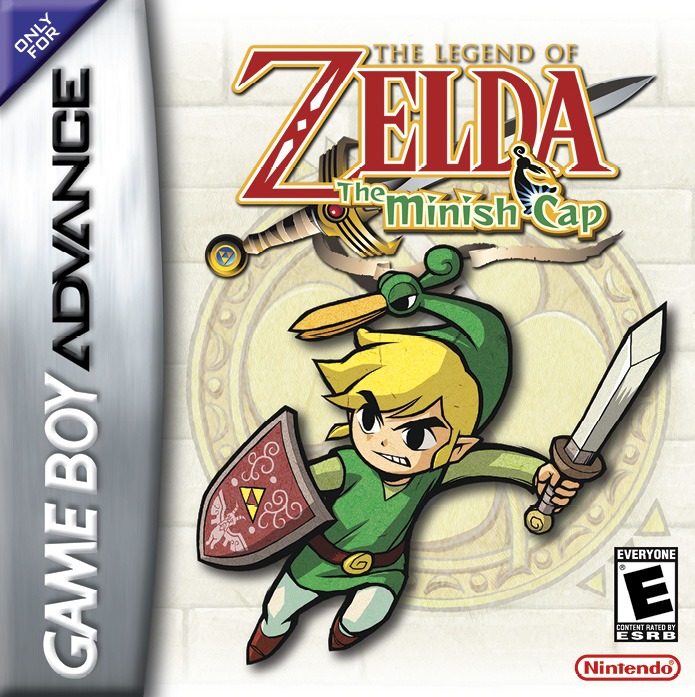
The Legend of Zelda: The Minish Cap
2004, Game Boy Advance
Developed by the Oracle team at Capcom, The Minish Cap serves as a prequel to Four Swords. Link’s magical talking cap can shrink the hero down to the size of a Hyrulean bug (a “minish”), which plays heavily into exploration and puzzle-solving. Like with all other non-3D titles, The Minish Cap was cut directly from the same cloth as A Link to the Past.
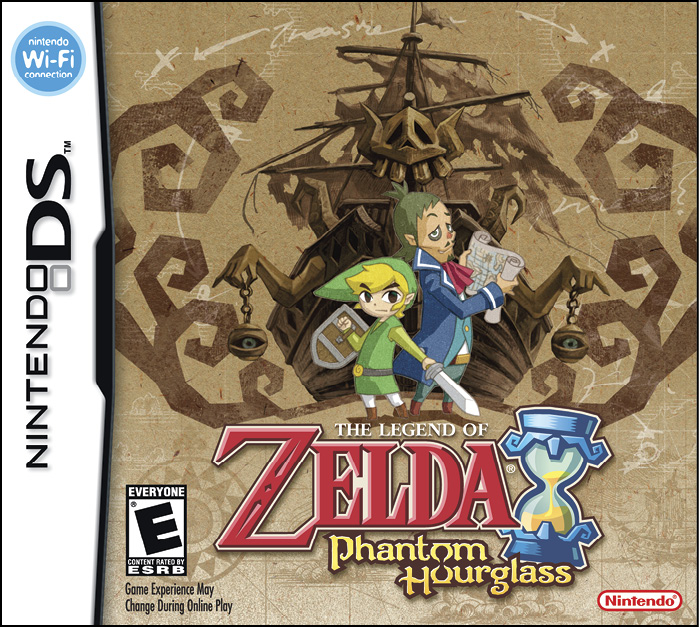
The Legend of Zelda: Phantom Hourglass
2007, Nintendo DS
Taking place immediately after the events of The Wind Waker, Phantom Hourglass combined the 3D visuals of the console Zelda games with the top-down perspective of A Link to the Past and its kin. The sea-faring element of The Wind Waker returns, as Link must travel to different islands before exploring them on foot. A multiplayer Battle Arena Mode was also included, pitting Link against a player controlling three Phantom Guardians.
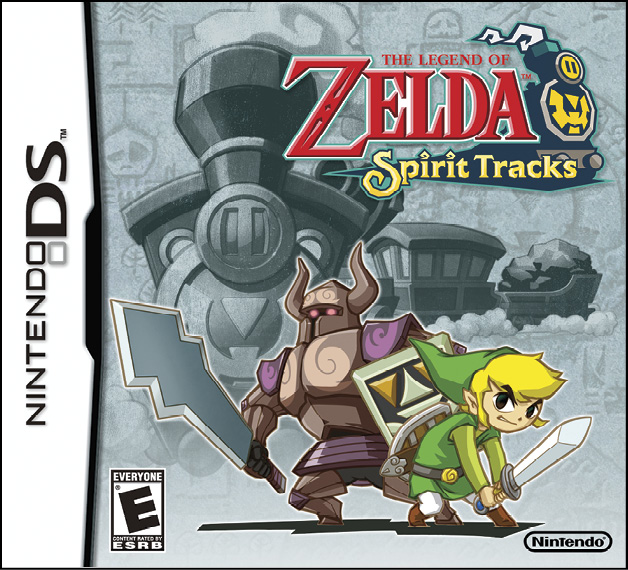
The Legend of Zelda: Spirit Tracks
2009, Nintendo DS
Taking place in the same timeline as The Wind Waker and Phantom Hourglass, albeit a century later, Spirit Tracks also featured similar cel-shaded visuals and retained Phantom Hourglass’s top-down perspective. Link has traded in the previous games’ water-bound vessels for a steam-powered train which he uses to traverse the overworld.
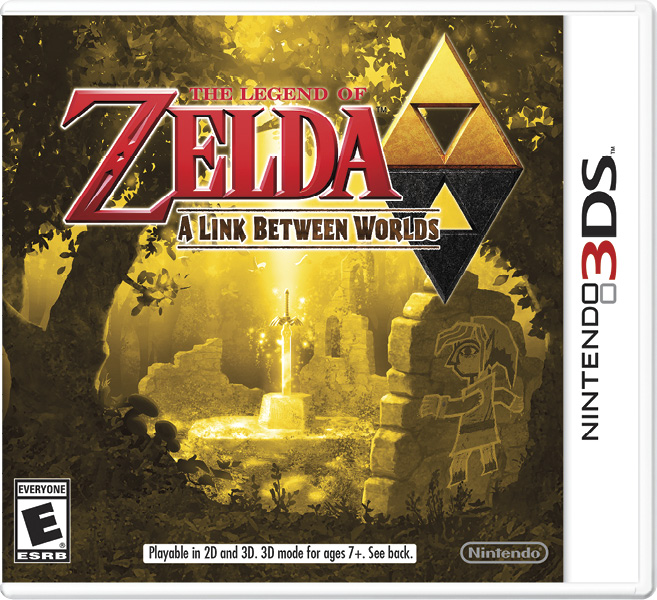
The Legend of Zelda: A Link Between Worlds
2013, Nintendo 3DS
A Link Between Worlds progressed the “Decline of Hyrule” timeline that A Link to the Past and its canonical successors exist in. The game is heavily reminiscent of A Link to the Past, albeit with modernized 3D visuals. The game is split between two alternate versions of the same area: Hyrule and Lorule, similar to the Light World and Dark World from A Link to the Past. A Link Between Worlds subverts the time-honored tradition of obtaining items from dungeons by allowing Link to rent them for Rupees. This involves some risk as being defeated returns the rented items to the shopkeeper with no refund. Permanently buying the items is possible, but costs more. This system allows players to choose their equipment combinations much earlier than usual, and also gives Rupees an increased value over what they generally have in other Zelda games where items are often obtained without them.
Link’s most notable ability in A Link Between Worlds is the power to merge into walls, appearing as a mural that can move along the wall’s surface. This allows Link to reach areas he wouldn’t otherwise be able to, including Lorule. The developers also made an effort to return the series to its roots, allowing players to enter most of the game’s dungeons in whichever order they desired.
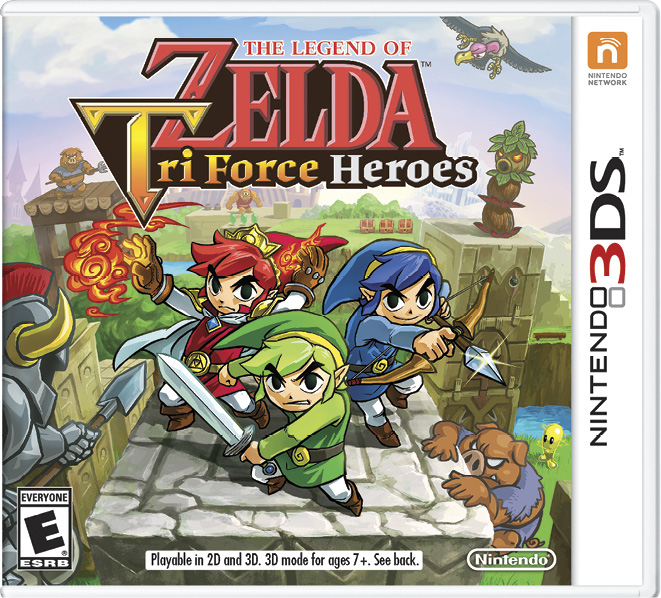
The Legend of Zelda: Tri Force Heroes
2015, Nintendo 3DS
Positioned as a sequel to A Link Between Worlds, Tri Force Heroes features three-way cooperative multiplayer. Much of the gameplay focuses around a totem pole-inspired mechanic, where the three Links can stack on top of each other to reach greater heights or perform special maneuvers. Numerous different outfits can be crafted and worn to gain new abilities, including Princess Zelda’s dress.