Playing With Super Power: Nintendo Super NES Classics Guide Realizing the 16-Bit Dream
Design
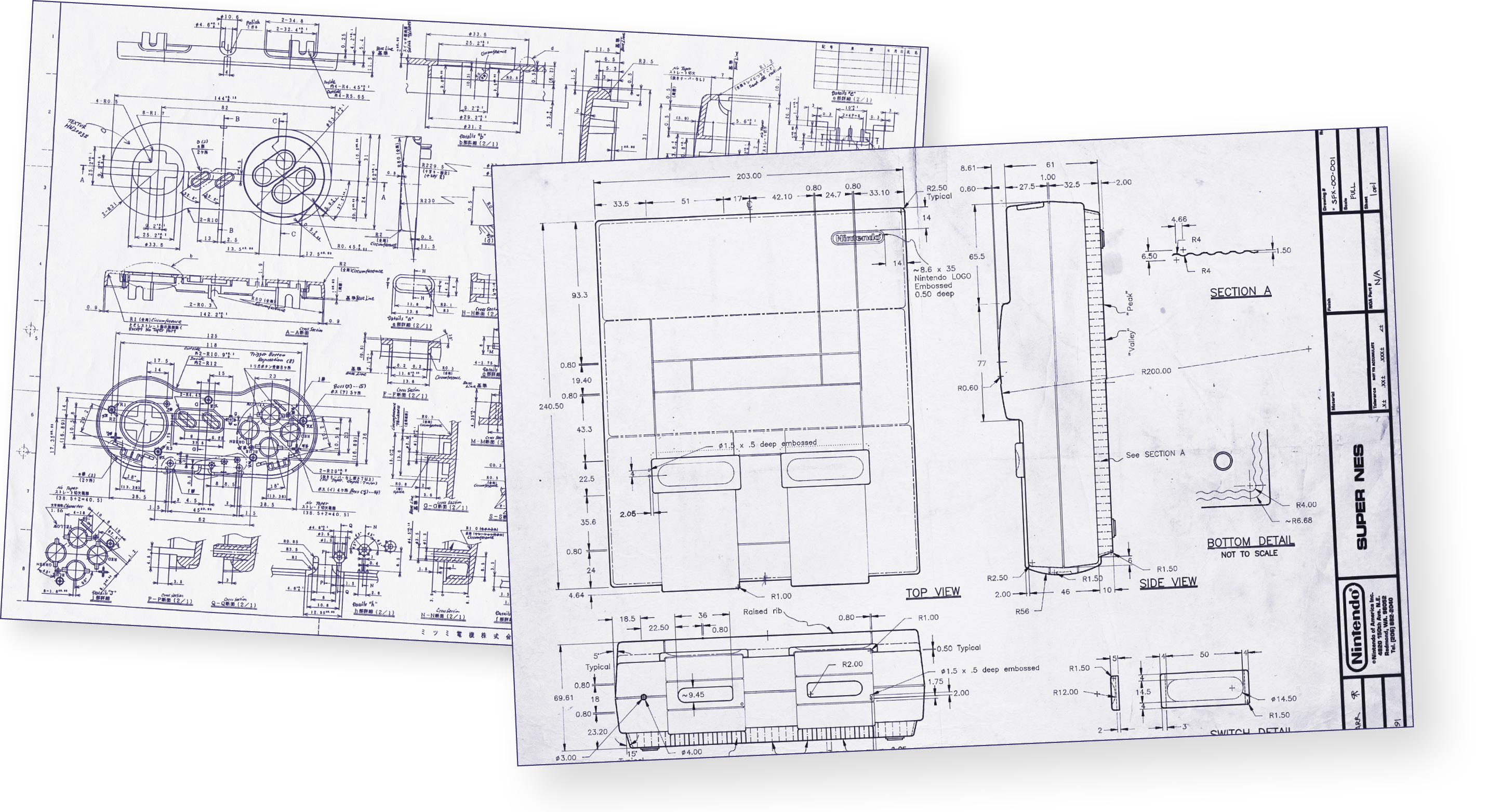
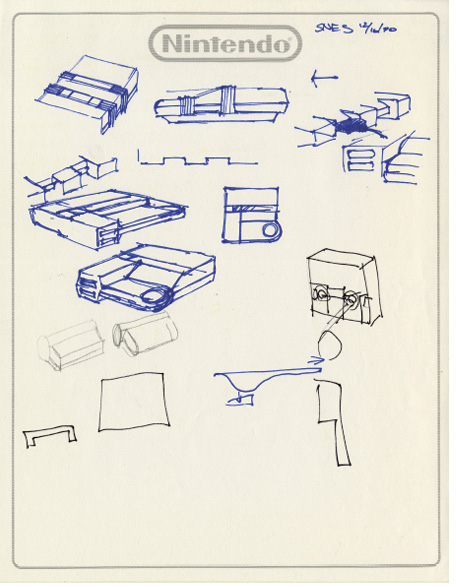
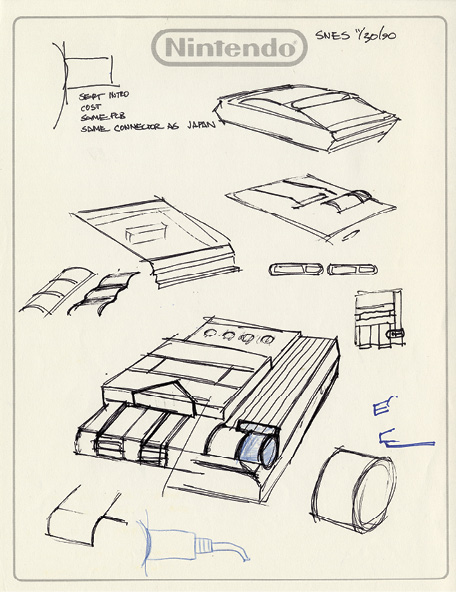
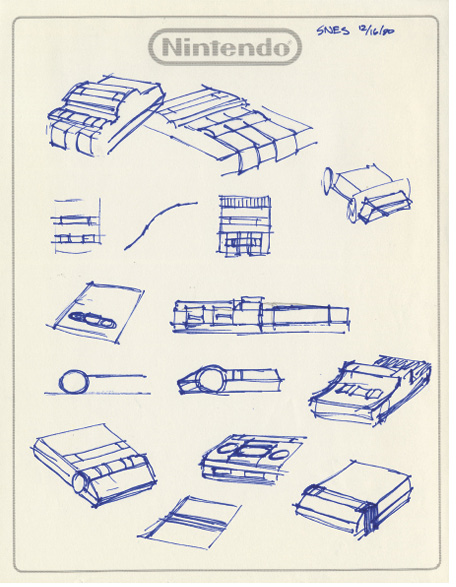
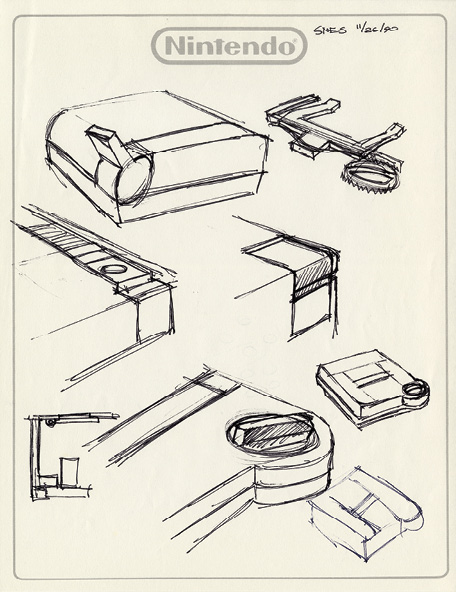
Masayuki Uemura, the designer of the original Family Computer (Famicom), oversaw the development of the Super Famicom while Nintendo of America’s Lance Barr, who had also redesigned the Famicom in the previous generation, was instrumental in defining the Western version’s appearance.
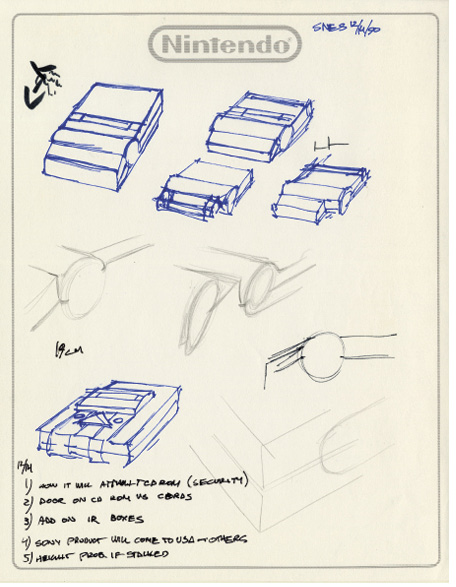
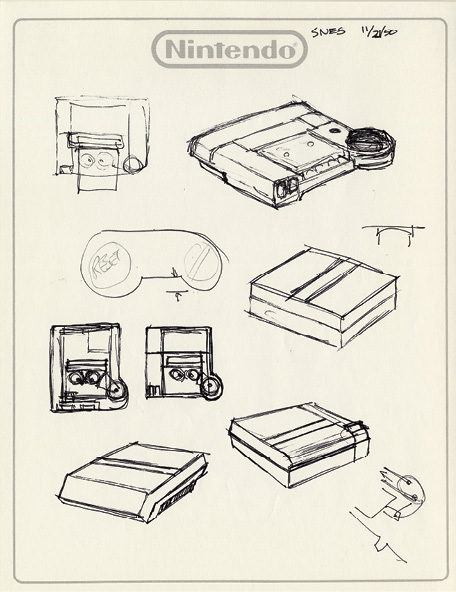
For the Super NES, Mr. Barr prototyped several possibilities, ultimately settling on a somewhat boxier casing than the Super Famicom. This was partially intended to prevent beverages from being placed on top of the system—something that had led to countless technical service issues in the previous generation thanks to the flat, VCR-inspired composition of the NES. The color palette was also concentrated around a gray and purple dichotomy, similar to the Game Boy’s.
The NES saw multiple revisions in its lifetime, and the Super NES was no different. Mr. Barr designed both the New-Style Super NES and Super Famicom Jr., compact versions of the systems released later in the platform’s lifespan at a lower price point. The two redesigns were aesthetically similar, with mainly the different color palettes used for buttons standing out.
The Super NES was the last major Nintendo console to feature drastically different designs between its Japanese and international counterparts. From the Nintendo 64 onward, regional differences primarily revolved around cabling and packaging, while the control decks themselves remained visually identical.