Playing With Super Power: Nintendo Super NES Classics Guide Kirby Super Star
The Evolution of the Inhale

When creating Kirby, the team tossed around various concepts, including using enemies like soccer balls by heading and kicking them. “We came up with a lot of ideas,” said Mr. Iwata. “And the one that stuck was ‘flying.’ How would Kirby fly? By puffing up like a balloon! How would he do that? By inhaling the air. Wouldn’t it be fun, then, if he could inhale enemies at the same time? That was the basic thought process.” This multi-functional inhaling ability became the linchpin of all things Kirby.
Once Kirby was out in the wild, the developers began to gain valuable insight. “Kirby was originally designed to be a somewhat easy game, something that a young child could enjoy playing,” said Mr. Sakurai. “However, after Kirby’s Dream Land was released, there was a lot of feedback from players saying it was too easy and too short. For the sequel I was thinking, how can I retain the easy parts, but make it so skilled players could have fun too? That was when the idea of copying enemy abilities came to me.”
“For example,” explained Hiroaki Suga, who programmed Kirby’s Adventure and Kirby’s Dream Course, “even if you couldjust easily fly your way to the end of the level, by taking the Parasol ability you could enjoy the game in a whole new way. Each different ability would allow the player to approach the level differently. We wanted something players would enjoy experimenting with.”
Kirby started with over 40 different enemy abilities he could copy, but the team whittled that number down by choosing the best of the bunch. Some of the abilities that got cut included the ability to create Blocks that would assist in platforming or block incoming attacks; the ability to shrink, a la Mario; a rocket that could be ridden; and an ability called “Animal,” where Kirby could scratch and bite enemies. Each of these abilities eventually appeared in later Kirby games.
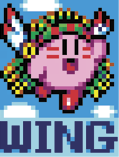
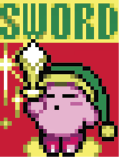
The Copy Abilities introduced in Kirby’s Adventure were fairly simple, despite the programmers on that project comparing the amount of work needed to implement them to completing multiple NES games. For Kirby Super Star, each ability was drastically expanded, providing a surprisingly robust moveset. And, of course, Kirby’s appearance now changed based on the type of ability he copied, whereas previously he would simply change color or equip an item. Anyone who doesn’t spontaneously vomit a rainbow upon beholding the unbearable cuteness that is Sword Kirby needs to use Copy Ability on something with a soul.
Kirby’s hats (or Ability Caps) would be seen in virtually all Kirby games (and merchandising) after Super Star. The same, unfortunately, can’t be said of Kirby Super Star’s new Helper mechanic, in which Kirby could turn an inhaled enemy into an AI-controlled companion. This feature also allowed a second player to control the Helper, essentially making the vast majority of Kirby Super Star into a potential two-player experience.
The Copy Ability and Helper mechanics provided a fairly astounding amount of variety and depth for the series. On its surface, Kirby Super Star could be experienced as a casual romp through a series of whimsical worlds, yet experimenting with new Copy Abilities and Helper combinations grants the game endless replayability. The goal of giving players a more robust and challenging Kirby game was certainly achieved with Super Star.
| Enemy / Helper | Copy Ability | ||
|---|---|---|---|
|
|
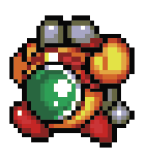
Bio Spark |
|
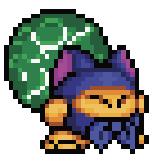
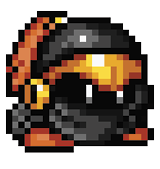
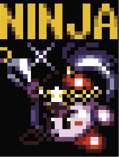
Ninja |
|
|
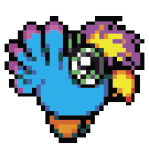
Birdon |
|
Wing |
|
|
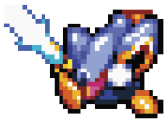
Blade Knight |
|
Sword |
|
|
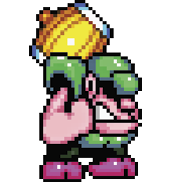
Bonkers |
|
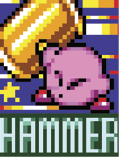
Hammer |
|
|
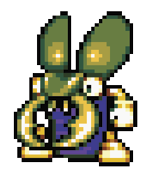
Bugzzy |
|
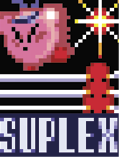
Suplex |
|
|
Burning Leo |
|
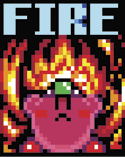
Fire |
|
|
Capsule J |
|
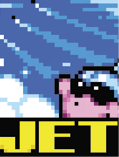
Jet |
|
|
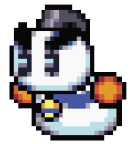
Chilly |
|
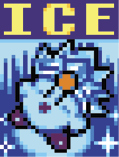
Ice |
|
|
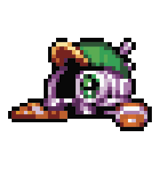
Gim |
|
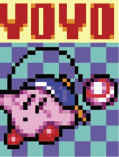
Yo-Yo |
|
|
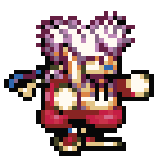
Knuckle Joe |
|
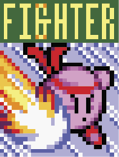
Fighter |
|
|
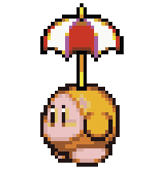
Parasol Waddle Dee |
|
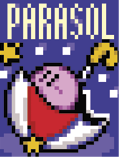
Parasol |
|
|
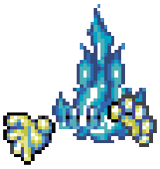
Plasma Wisp |
|
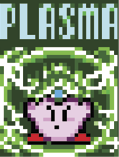
Plasma |
|
|
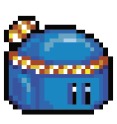
Poppy Bros. Jr. |
|
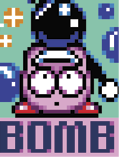
Bomb |
|
|
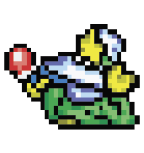
Rocky |
|
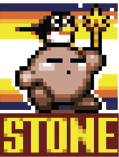
Stone |
|
|
Simirror |
|
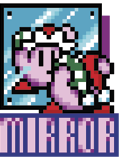
Mirror |
|
|
Sir Kibble |
|
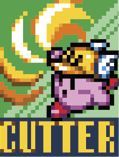
Cutter |
|
|
Starship (Helper) |
|
Starship |
|
|
Tac |
|
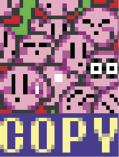
Copy |
|
|
Waddle Doo |
|
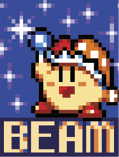
Beam |
|
|
Wheelie |
|
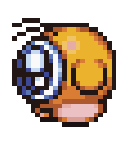
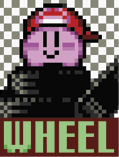
Wheel |


.png)