
Playing With Super Power: Nintendo Super NES Classics Guide Super Metroid
Zebes
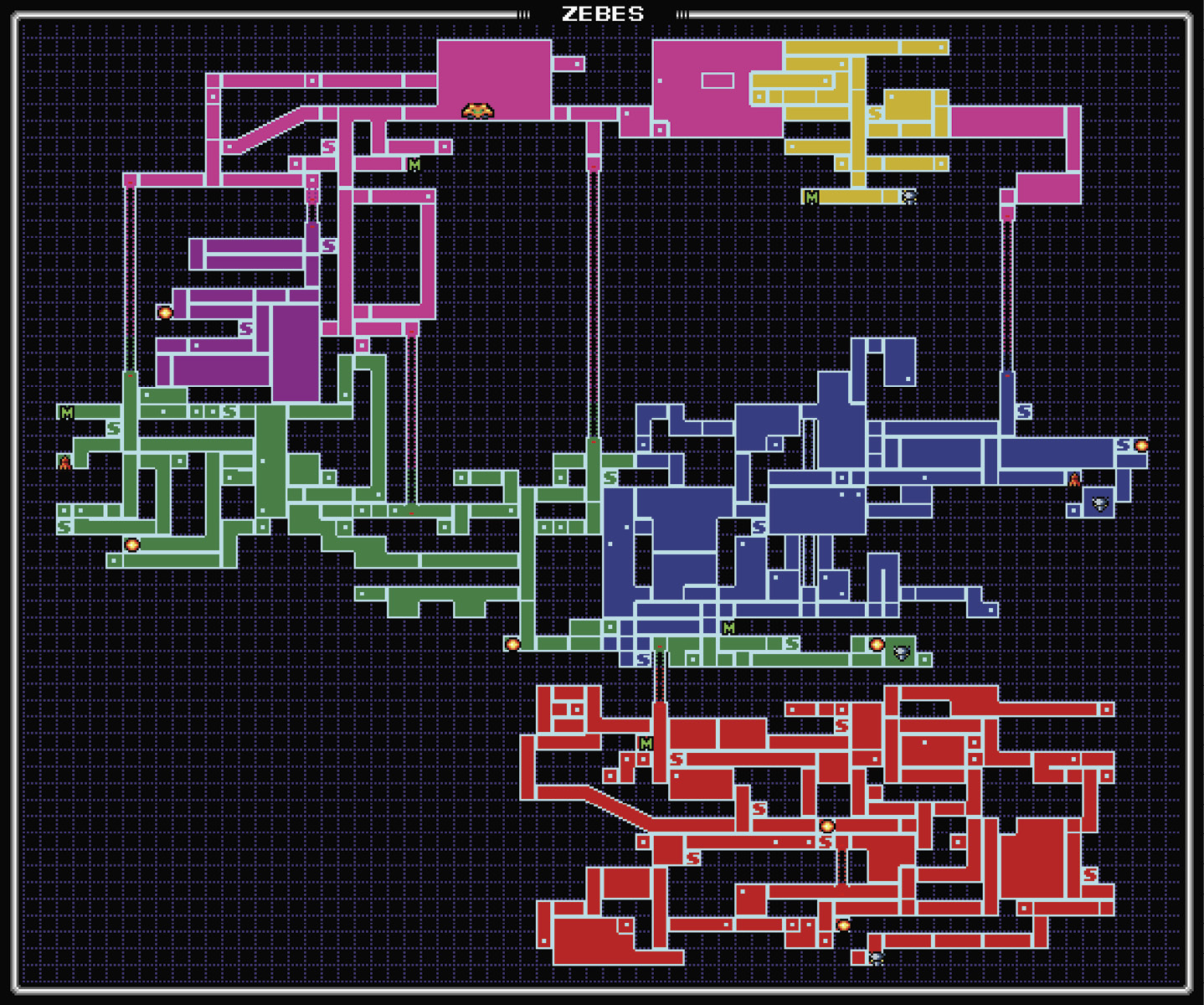
As with Hyrule in A Link to the Past, Super Metroid’s depiction of Zebes was one of the most life-like environments ever seen in a 16-bit game. The sci-fi tubes and pipes that defined the original game’s unique visual style are now besieged by natural, living elements and plentiful overgrowth. The developers instilled the sense of a rich and believable alien ecosystem that Samus must venture ever deeper into in search of Ridley and the Metroid larva.
Even more impressive is what the developers don’t show. Super Metroid is a masterclass in quietly teaching players exactly what the developers want them to know without traditional tutorials, and it’s even more remarkable given the profoundly non-linear nature of the game. In the case of the Hi-Boots, Samus is lured over an obstacle by a plainly visible power-up, only to become trapped unless she uses her new acquisition, demonstrating to the player what its function is without a single word. In the room before obtaining the Plasma Beam, there is a cluster of small, non-aggressive blobs. Each creature, called a Puyo, takes one Beam shot to kill, but as there are several present the group takes multiple shots to eliminate. When Samus returns to this room with the Plasma Beam the Puyos can be taken out with a single shot, illustrating the weapon’s multi-target piercing effect. This interaction—and the Plasma Beam itself—can be skipped altogether.
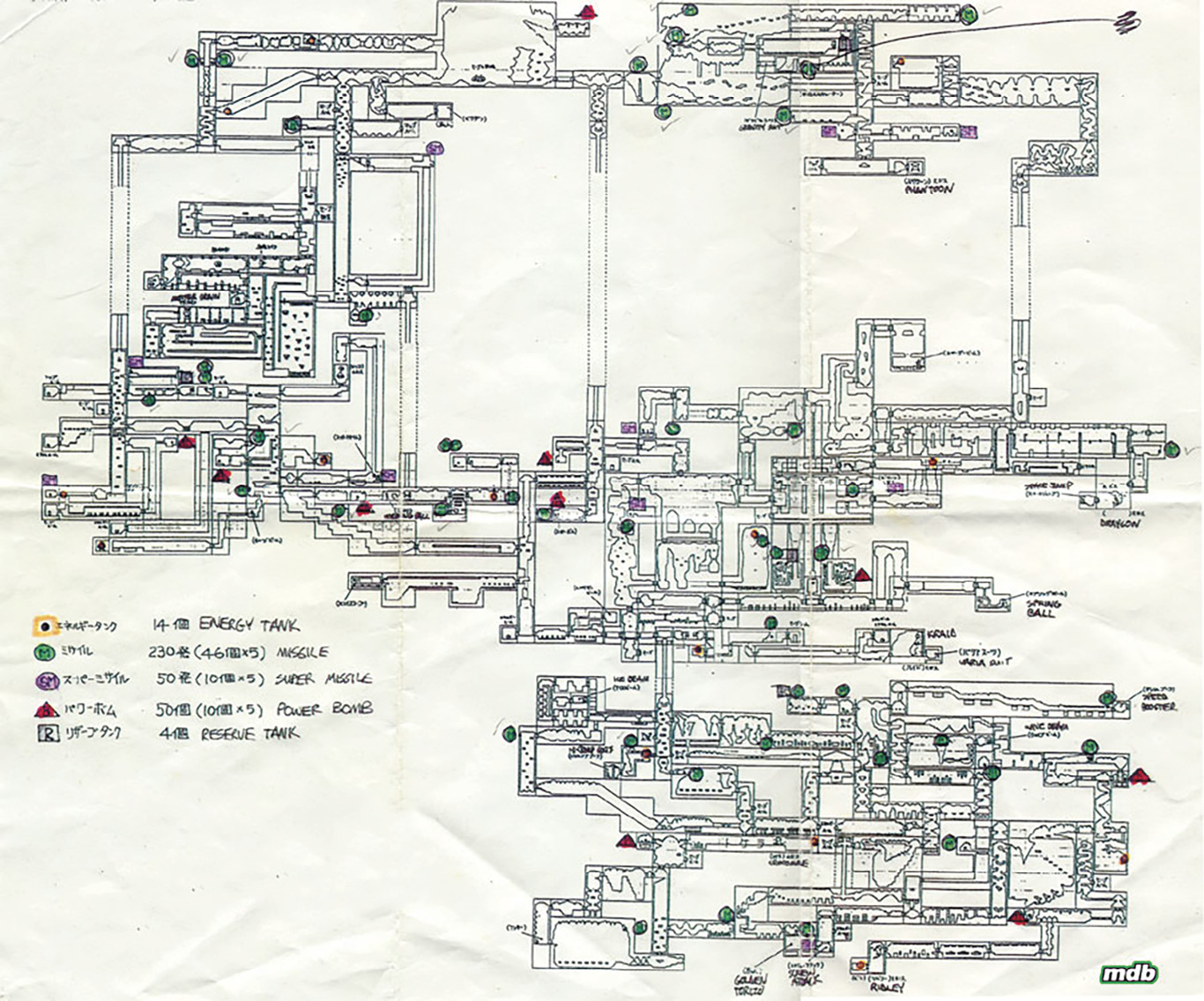
Every step of the way, the game instills an underlying ideology of backtracking upon receiving new abilities—that jump that was too far, or that wall that was previously impenetrable—the hallmarks of an entire genre Super Metroid would come to popularize.