
Prima Games eGuides
primagames.com Browse Redeem a code Help
Playing With Super Power: Nintendo Super NES Classics eGuide
Sign in My Guides

Sign in or create an account

We'll email you a link. No password needed, and if you don't have an account yet, the link makes one.

By creating an account or signing in, you agree to our Terms of Service and Privacy Policy.

Have a password?

Had an account on the old eGuides site, or a code from a printed guide? Help and troubleshooting

Sign in with a password

By signing in, you agree to our Terms of Service and Privacy Policy.

Check your email

A sign-in link is on its way. It works once and expires in 15 minutes. Open it and you're in, with an account if you didn't already have one.

Contents

  • Earthbound
    • Overview
    • Development
    • Characters
    • Say “Fuzzy Localization!”
    • Places of Interest
    • 16 Bits
    • Confidential Information
    • Legacy
    • Earthbound Credits
  • Super Fans
    • Introduction
    • Sam Filstrup
    • Artist Spotlight: Studio Tamago
    • Ben Hickling
    • Sam Santala
    • Artist Spotlight: Orioto
    • Sophie Pearson
    • Nadyasonika
    • Artist Spotlight: Alain “Wuppes” Wildgen
    • Fansite Spotlight: Zelda Universe
    • Xavier Garcia
    • Gonzalo “Genzoman” Ordoñez
    • Music Spotlight: Video Games Live
    • KlausBoss
    • Artist Spotlight: Per Fhager
    • Fansite Spotlight: Metroid Database
    • Artist Spotlight: Dan Cattell
    • Fansite Spotlight: F-Zero Central
    • Zoki64
    • Ted Graves
    • Li Kovacs
    • Music Spotlight: Metroid Metal
    • Artist Spotlight: Josue Martinez
    • Fansite Spotlight: Starmen.Net
    • PrinceOfRedroses
    • Artist Spotlight: Tsurera
    • Fansite Spotlight: StarFox-Online
    • Thiago Almeida
    • Artist Spotlight: Jenni Källberg
    • Efraim Rodríguez
    • Artist Spotlight: Gnomo del Bosque
    • Fansite Spotlight: DK Vine
    • Layze Michelle
    • Matthew Z.
    • Artist Spotlight: Joel Sousa
  • Realizing the 16-Bit Dream
    • Introduction
    • Launch Titles
    • Lifespan
    • Legacy
    • Design
    • Under the Hood
    • Across the Generations
    • Accessories
    • Top 20 Best-Selling Games
    • Nintendo Hardware Museum
  • Super Mario World
    • Overview
    • Development
    • Characters
    • World 1: Yoshi’s Island
    • World 2: Donut Plains
    • World 3: Vanilla Dome
    • World 4: Twin Bridges
    • World 5: Forest of Illusion
    • World 6: Chocolate Island
    • World 7: Valley of Bowser
    • World 8: Star World
    • World 9: Special World
    • 16 Bits
    • Confidential Information
    • Legacy
    • Super Mario World Credits
  • The Legend of Zelda: A Link to the Past
    • Overview
    • Development
    • The Hero of Hyrule
    • Hyrule
    • Franchise Firsts
    • 16 Bits
    • Confidential Information
    • Legacy
    • The Legend Of Zelda: A Link To The Past Credits
  • Super Mario World 2: Yoshi’s Island
    • Overview
    • Development
    • Characters
    • World 1
    • World 2
    • World 4
    • World 5
    • World 6
    • 16 Bits
    • Confidential Information
    • Legacy
    • Super Mario World 2: Yoshi’s Island Credits
  • Kirby’s Dream Course
    • Overview
    • Development
    • Abilities
    • Demo Play
    • Traps & Tricks
    • Courses
    • 16 Bits
    • Confidential Information
    • Legacy
    • Kirby’s Dream Course Credits
  • Donkey Kong Country
    • Overview
    • Development
    • More Than Just a Pretty Ape
    • Soundtrack
    • Characters
    • Animal Buddies
    • Donkey Kong Isle
    • Kongo Jungle
    • Monkey Mines
    • Vine Valley
    • Gorilla Glacier
    • Kremkroc Industries, Inc.
    • Chimp Caverns
    • Gangplank Galleon
    • 16 Bits
    • Confidential Information
    • Legacy
    • Donkey Kong Country Kredits
  • Super Metroid
    • The Metroid Menace
    • Development
    • Samus
    • Zebes
    • Crateria
    • Brinstar
    • Wrecked Ship
    • Maridia
    • Norfair
    • Tourian
    • 16 Bits
    • Confidential Information
    • Legacy
    • Super Metroid Credits
  • Star Fox
    • Overview
    • Development
    • Characters
    • Items
    • Courses Overview
    • 16 Bits
    • Confidential Information
    • Legacy
    • Star Fox Credits
  • Super Mario Kart
    • Overview
    • Development
    • Racers
    • Items
    • Tracks Overview
    • Mario Circuit
    • Ghost Valley
    • Bowser Castle
    • Choco Island
    • Koopa Beach
    • Vanilla Lake
    • Rainbow Road
    • Notable Foes
    • Battle Mode
    • 16 Bits
    • Confidential Information
    • LEGACY
    • Super Mario Kart Credits
  • F-Zero
    • Overview
    • Development
    • Gameplay
    • The Machines and Their Pilots
    • Tracks Overview
    • Mute City I/II/III
    • Big Blue, Sand Ocean, Death Wind I/II
    • Silence
    • Port Town I/II
    • Red Canyon I/II
    • White Land I/II
    • Fire Field
    • 16 Bits
    • Confidential Information
    • Legacy
    • F-Zero Credits
  • Star Fox 2
    • Overview
    • Development
    • Teaching a Young Fox New Tricks
    • Invisible Legacy
    • Characters
    • Locations
    • But Wait, There Was More…
    • Enemy Gallery
    • Star Fox 2 Credits
  • Super Punch-Out
    • Overview
    • Development
    • Minor Circuit
    • Major Circuit
    • World Circuit
    • Special Circuit
    • 16 Bits
    • Confidential Information
    • Legacy
    • Super Punch-Out!! Credits
  • Kirby Super Star
    • Overview
    • Development
    • The History of Twinkle Pop
    • The Evolution of the Inhale
    • Games
    • 16 Bits
    • Confidential Information
    • Legacy
    • Kirby Super Star Credits

Playing With Super Power: Nintendo Super NES Classics Guide › Earthbound

Characters

Mr. Itoi wanted to subvert the trope of repetitive NPC dialogue found in most RPGs. During EarthBound’s five-year development cycle, Mr. Itoi was unfamiliar with computers. He wrote every line of dialogue in the game by dictating to a typist, and would judge their reactions to determine whether or not the lines would have the intended effect.
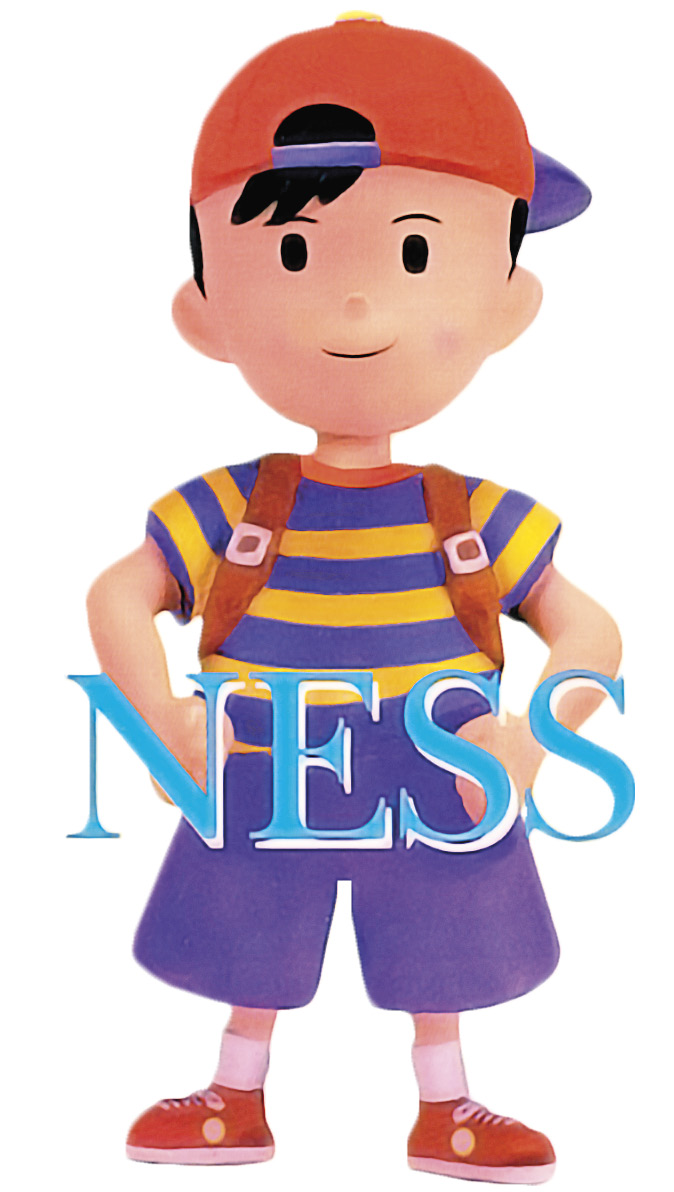
Ness

Following in the footsteps of Mother’s Ninten, EarthBound’s curiously named young protagonist is proficient in Psionic (PSI) powers, the game’s alternative to the typical magic spells found in most RPGs. Some fans have speculated that Ninten is actually Ness’ father, while Mr. Itoi has said that players can choose to name Ness Ninten and treat them as the same character if they’d like, though EarthBound’s story doesn’t properly support this.

Ness’ adventure is kicked off by a meteorite crashing near his home. Upon investigating the crash site, Ness meets an alien bee from the future who foretells Ness’ destiny to save the world.

Ness’ signature weapon is a baseball bat, but he can also wield other toy-inspired armaments such as yo-yos and slingshots. If Ness goes too long without visiting or calling his mother, he is afflicted by the “homesick” status. While homesick, Ness loses focus during combat and misses his turns.

The nationality of Ness is not dictated by the developers. Mr. Itoi expected that American audiences would see him as American, and Japanese audiences would see him as Japanese, noting that ultimately, “It doesn’t matter.”
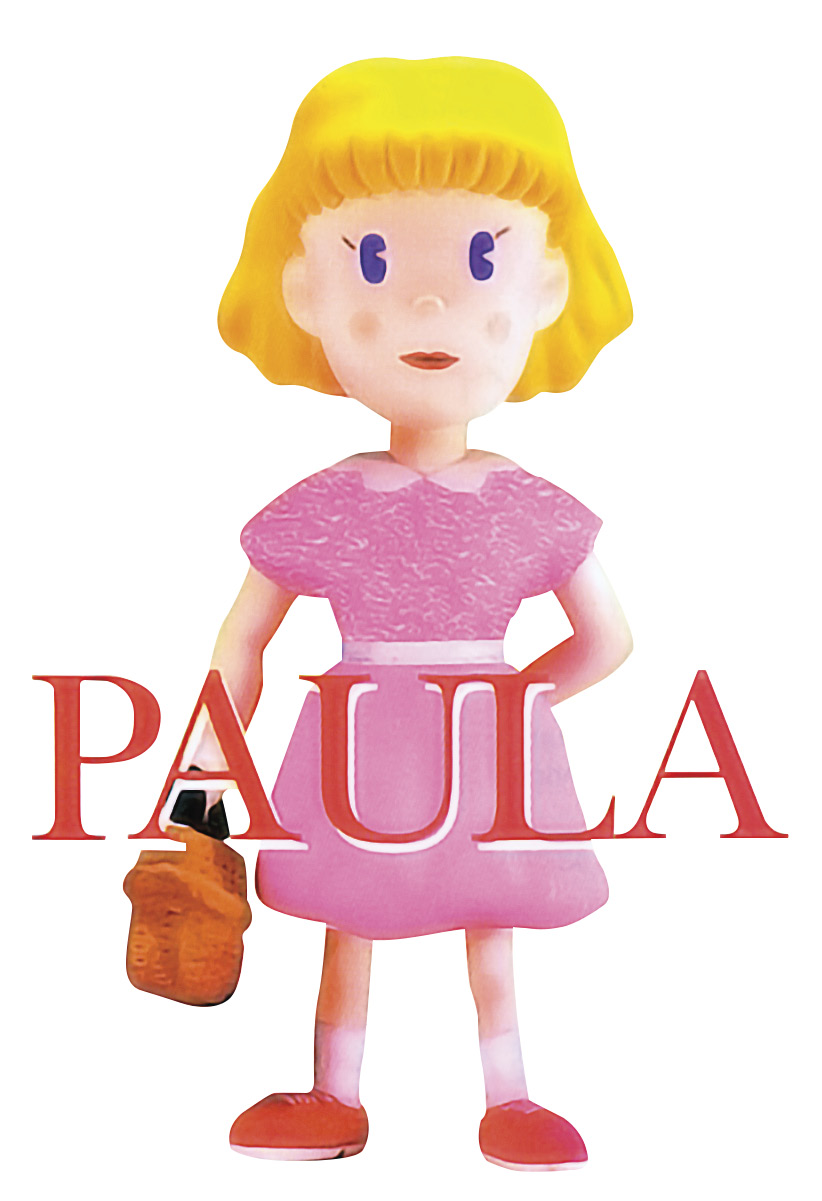
Paula Polestar

Quite similar to Zelda in A Link to the Past, Paula first contacts Ness telepathically as he sleeps. As was the case with Zelda, Paula has been imprisoned by cultists and must be rescued.

Once freed from her captors, Paula becomes the second party member. Her default weapon is a frying pan, the same as her Mother counterpart, Ana. However, of the Chosen Four (Ness, Paula, Jeff, and Poo), she has the most powerful arsenal of offensive PSI powers.

During the Western localization process, Paula’s personality was shifted from being demure and weak to much more capable and independent.
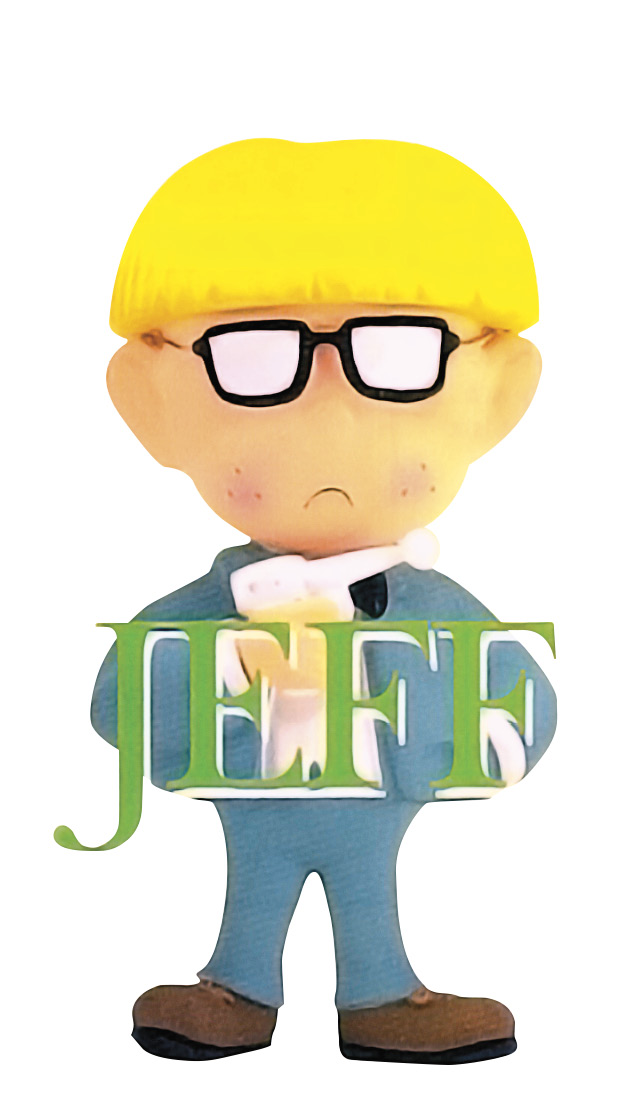
Jeff Andonuts

Jeff is the game’s third party member and the only non-PSI user. Instead, Jeff uses his IQ stat to repair powerful equipment. The higher his IQ, the more he can repair and equip. In combat, Jeff uses various guns such as the Death Ray, Pop Gun, and Baddest Beam.

While Ness and Paula become close friends throughout the game, Ness and Jeff have very few meaningful interactions.
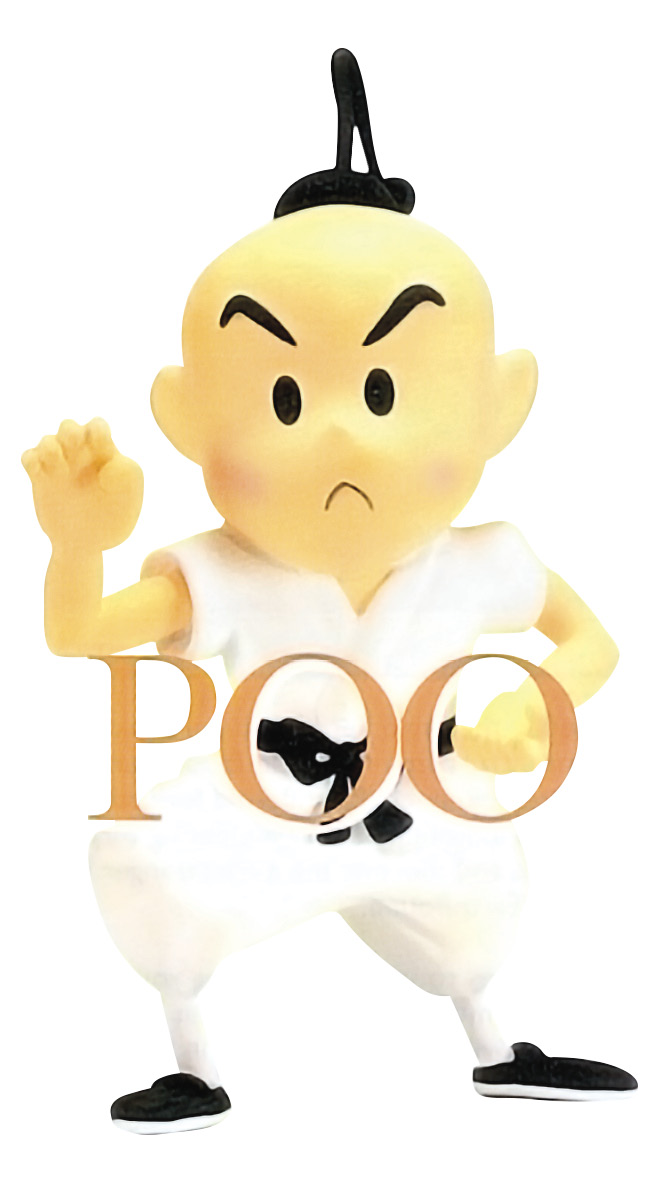
Poo

For EarthBound, the development team wanted to infuse a sense of internationalism, more so than the previous game. Poo, the fourth and final party member, is a clear example of this philosophy. While Ness’s nationality is left ambiguous, Poo has several distinct Eastern characteristics. His martial arts training requires a special diet wherein eating Western food has a reduced restorative effect, but Eastern foods are more potent to Poo than the rest of the party.

Poo uses his physical strength in combat, along with a mix of offensive and defensive PSI powers. Of note, Poo has an exclusive power called Mirror, which allows him to take the form of non-boss enemies and use their unique abilities.

Mr. Saturn

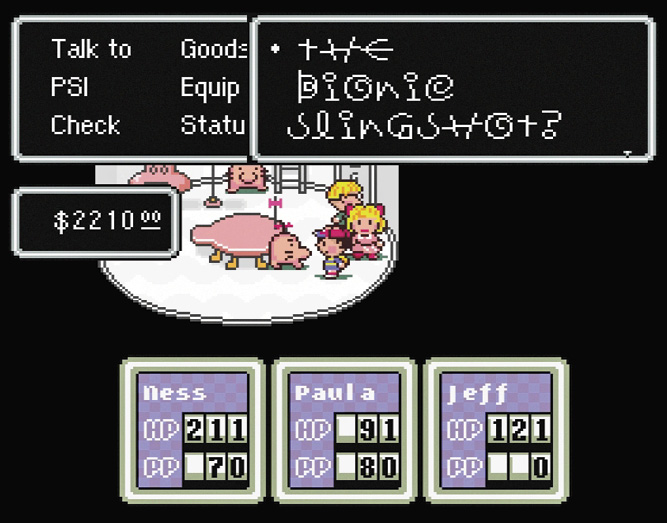
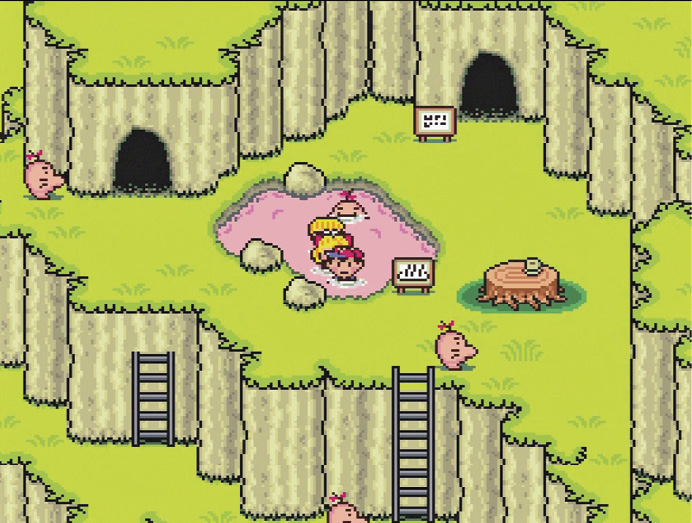
Even more so than Ness, Mr. Saturn is arguably EarthBound’s most recognizable figure, acting as a mascot of sorts for the entire Mother/EarthBound trilogy. These strange, whiskered-nose creatures populate Saturn Valley and are meant to symbolize innocence. Their language in the Japanese version was written by Mr. Itoi himself and was inspired by his young daughter’s handwriting. In the Western versions, Mr. Saturns speak in an equally strange font, mixed with nonsensical words such as “boing” and “ding.”
Combat

EarthBound features many staples of traditional role-playing games, such as turn-based combat and magic spells (PSI powers that use PP, or Psychic Points). Unlike other RPGs (including Mother), however, EarthBound does not have random encounters. Instead, enemies are visible as Ness and his party move around the world. Coming into contact with an enemy triggers a battle sequence, and enemies or the player can gain an immediate advantage by initiating battle from behind. Mr. Itoi purposely simplified the combat and equipment in EarthBound to fit his personal tastes, including an “Auto” option where the AI controls the player’s party.

Yet, one unconventional mechanic sets the game apart, even from modern RPGs—the rolling health system. When Ness and friends take damage, their Hit Points (HP) tick down on an odometer-esque display. It was designed to be “subconsciously entertaining,” similar to the way that a drum roll builds suspense. Because the player’s HP isn’t immediately depleted, it’s possible to heal or win battles even after taking fatal damage.

And if Ness’s party far outclasses an encountered enemy, battles are won instantly rather than forcing the player to slog through an easy, guaranteed victory. Ultimately, combat was not the focus of EarthBound, with Mr. Itoi stating, “I wanted to make a video game that didn’t just reek of—well, video games.”

PreviousDevelopment NextSay “Fuzzy Localization!”