
Playing With Super Power: Nintendo Super NES Classics Guide Realizing the 16-Bit Dream
Lifespan
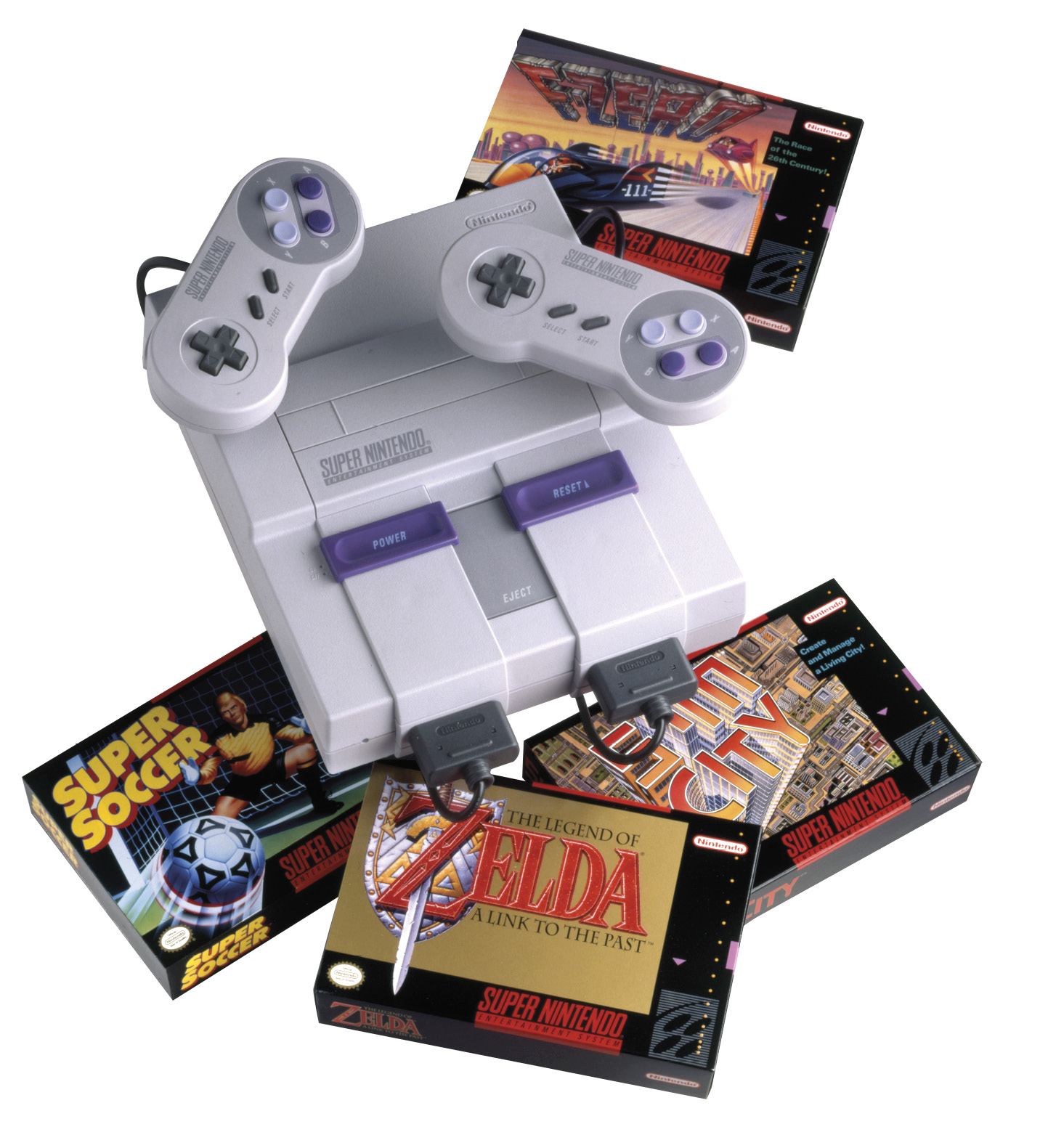
In the end, 783 games were officially released for the Super NES, with over 200 being exclusive to North America. The Super Famicom was home to almost twice as many, with 1,447 games available and 231 more released via the Satellaview add-on.
Many acclaimed franchises were built upon or established during the Super NES era, including Nintendo’s best-selling Mario Kart series. Nintendo mascots Yoshi and Kirby became pop culture icons alongside Mario and Luigi, while sequels to Metroid and The Legend of Zelda claimed their places as two of the greatest video games ever created.
Thanks to the system’s strong third-party support and Nintendo’s fierce dedication to maintaining quality over quantity, the Super NES outlasted several 32-bit rivals that entered and left the market years after its debut. This was due in large part to titles such as Star Fox, Yoshi’s Island, and Donkey Kong Country, each of which displayed graphics never thought possible on a 16-bit console and allowed Nintendo to perpetuate its success while forgoing the release of a 32-bit system altogether.
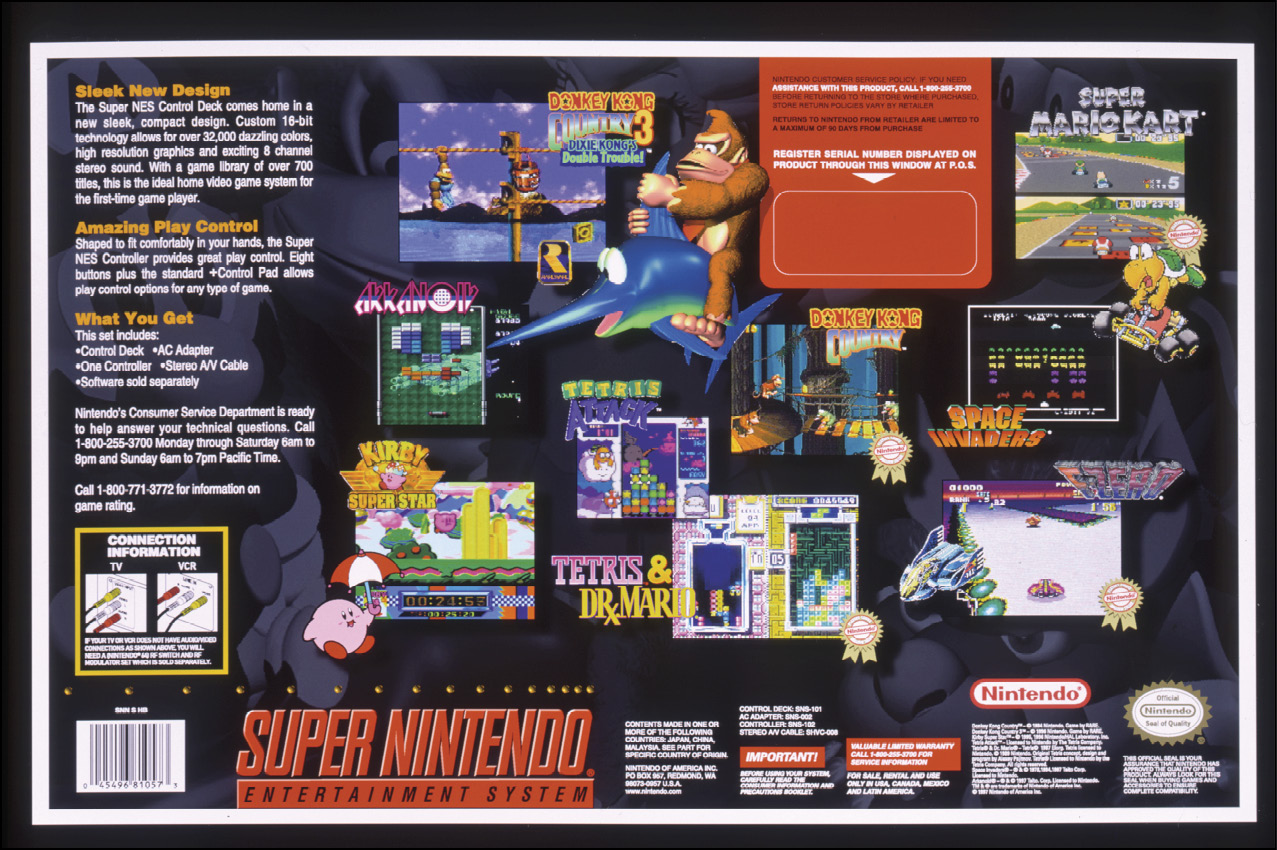
The final first-party title for the Super NES was Kirby’s Dream Land 3, released on November 27, 1997. The final third-party release, Frogger, came a year later on October 6, 1998. Nintendo ended production for the Super NES hardware in 1999. In Japan, the Super Famicom was produced through September of 2003, while official game releases were concluded three years prior with HAL Laboratory’s graphic adventure game, Metal Slader Glory Director’s Cut.