
Playing With Super Power: Nintendo Super NES Classics Guide Kirby’s Dream Course
Legacy
The gluttonous gumball is no stranger to spin-offs and mini-games. Kirby’s spherical shape makes him perfect for whacking, bouncing, launching, and pretty much any other activity that’s likely detrimental to a sentient flesh-balloon’s well-being.The success can largely be attributed to the accessibility of the series; it was designed so that anyone could pick up and play. More importantly, it was always designed with a social aspect in mind, so that anyone could pick up and play with friends. Each entry has added something new, but built upon the same foundation laid by the original development team way back in 1992.
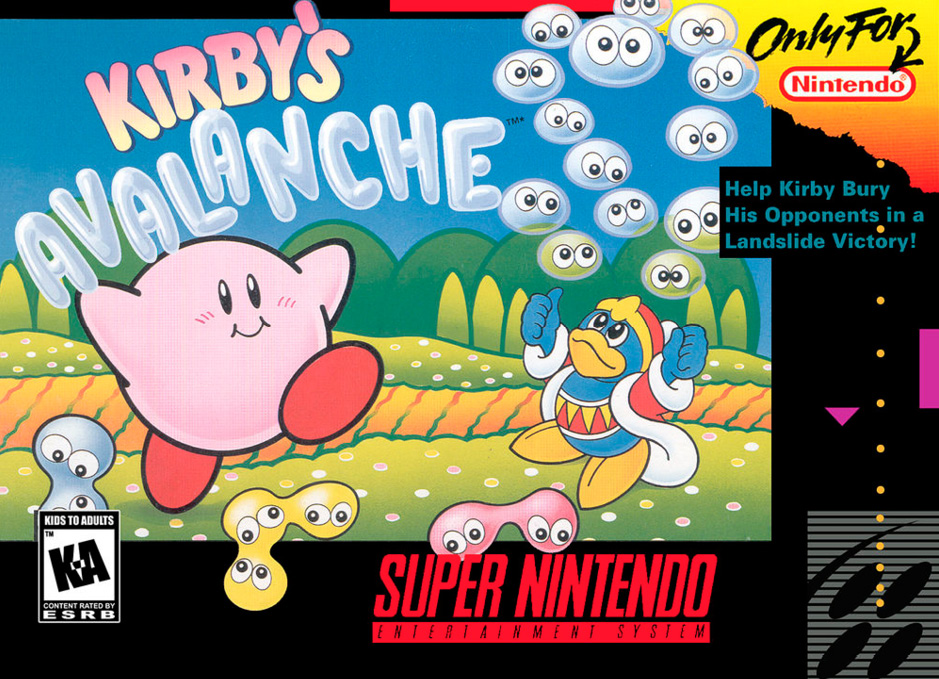
Kirby’s Avalanche
1995, Super NES
Kirby’s Avalanche (or Kirby’s Ghost Trap, as it’s known in Europe), is a Dr. Mario-style puzzle game for 1-2 players. There is no Kirby’s Avalanche for the Super Famicom, however, as the game is actually an adaptation of the 1991 title, Puyo Puyo.
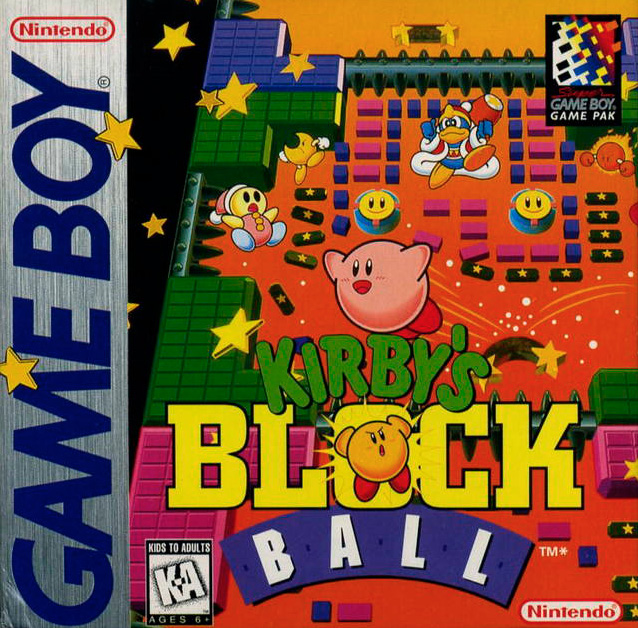
Kirby’s Block Ball
1996, Game Boy
Kirby’s Block Ball took the classic Breakout formula and infused it with the now-iconic Kirby spirit and mechanics. For this particular title, HAL Laboratory worked directly with legendary Game Boy engineer, Gunpei Yokoi.
Kirby’s Toy Box
1996, SFC Satellaview
Kirby’s Toy Box was released exclusively via the Super Famicom’s Satellaview broadcast service and included a variety of potential downloads. Among the Toy Box games were Baseball, Pinball, Star Break, Balls Round and Round, Cannonball, Arranging Balls, Pachinko, and Ball Rally, making it one of the most robust Kirby minigame collections at the time. Certain aspects of these ultra-rare games were used in later Kirby titles, such as KO’d Kirbys turning into angels and floating off-screen (seen again in Kirby Mass Attack).
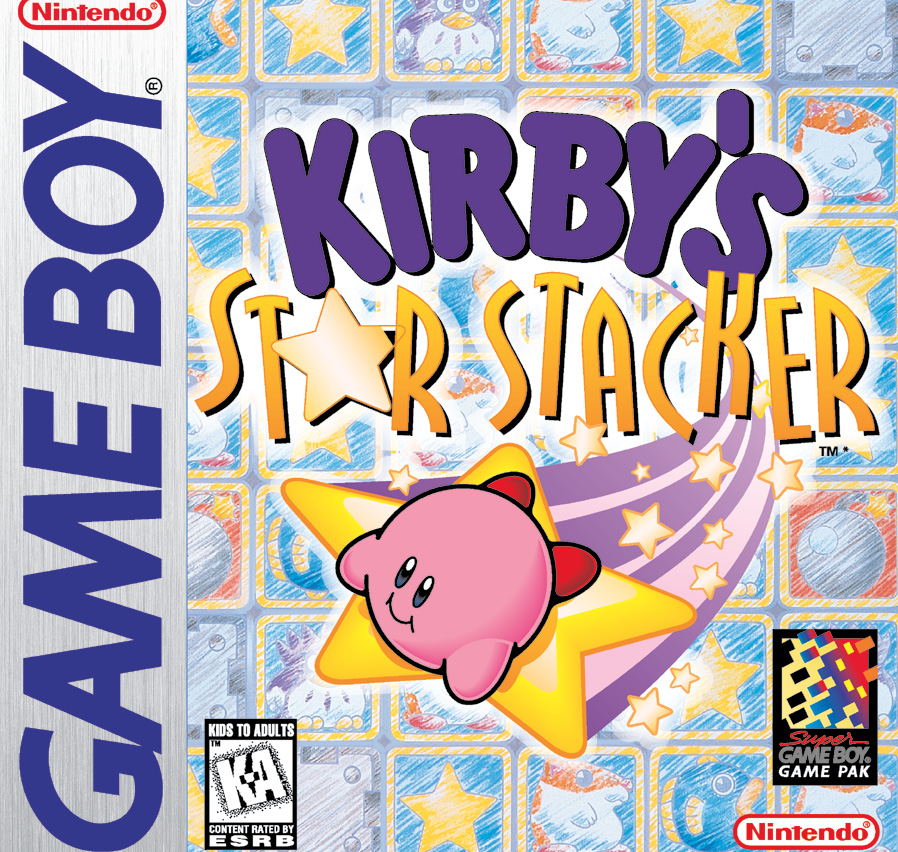
Kirby’s Star Stacker
1997/1998, Game Boy/SFC
Kirby’s Star Stacker for the Game Boy revisited the puzzle mechanics of Kirby’s Avalanche, albeit with an emphasis on obliterating stars and cute animals instead of color-coded ghosts. This marked Kirby’s final appearance on the Game Boy.
A 16-bit version, Kirby’s Sparkling Kids, was released for the Super Famicom a year later as part of the Nintendo Power downloadable service.

Kirby Tilt ‘n’ Tumble
2001, Game Boy Color
Known as Roly-Poly Kirby in Japan, Kirby Tilt ‘n’ Tumble for the Game Boy Color included a built-in accelerometer used to control Kirby. Gameplay proceeds vertically as Kirby moves through a series of obstacles to reach the goal at the end of each level. This type of gameplay would later become extremely popular on smart phones, which also have similar built-in hardware for motion controls.

Kirby Air Ride
2003, Nintendo GameCube
Originally in development for the Nintendo 64, Kirby Air Ride is one of the few spin-off titles directed by series creator Masahiro Sakurai. Kirby Air Ride is perhaps best described as part F-Zero X, part Mario Kart 64, and part Super Monkey Ball while featuring many staples of the Kirby franchise such as Copy Abilities. Aside from being totally awesome, it’s also one of the extremely rare times a Kirby game has featured full 360-degree movement in a 3D environment!

Kirby: Canvas Curse
2005, Nintendo DS
Kirby: Canvas Curse (aka Kirby: Power Paintbrush in Europe, aka Touch! Kirby in Japan) is a platforming game unlike any other in the Kirby series. Instead of the traditional controls, Kirby automatically rolls along and must be guided through stages by using the DS’ touchscreen to create rainbow paths. A sequel, Kirby and the Rainbow Curse, was released for the Wii U in 2015. However, players can control Kirby directly, unlike in Canvas Curse.