
Playing With Super Power: Nintendo Super NES Classics Guide Super Metroid
Legacy
Super Metroid wasn’t the first game to feature non-linear exploration (the original Metroid and The Legend of Zelda are also early examples), but it absolutely popularized the formula. Combined with Castlevania: Symphony of the Night, which was directly inspired by Super Metroid and The Legend of Zelda, the Metroidvania genre was born.
The most notable instances of Metroidvania games are, unsurprisingly, from the Metroid and Castlevania series. However, the genre experienced a modern resurgence thanks in large part to the best-selling Shadow Complex, as well as indie games such as Cave Story, Axiom Verge, Guacamelee, Ori and the Blind Forest, and Hollow Knight. But Metroidvania hallmarks such as exploring a large interconnected map and backtracking after obtaining new equipment are not confined to two dimensions, also being featured heavily in recent mainstream games such as Rise of the Tomb Raider and the Dark Souls and Batman Arkham franchises.
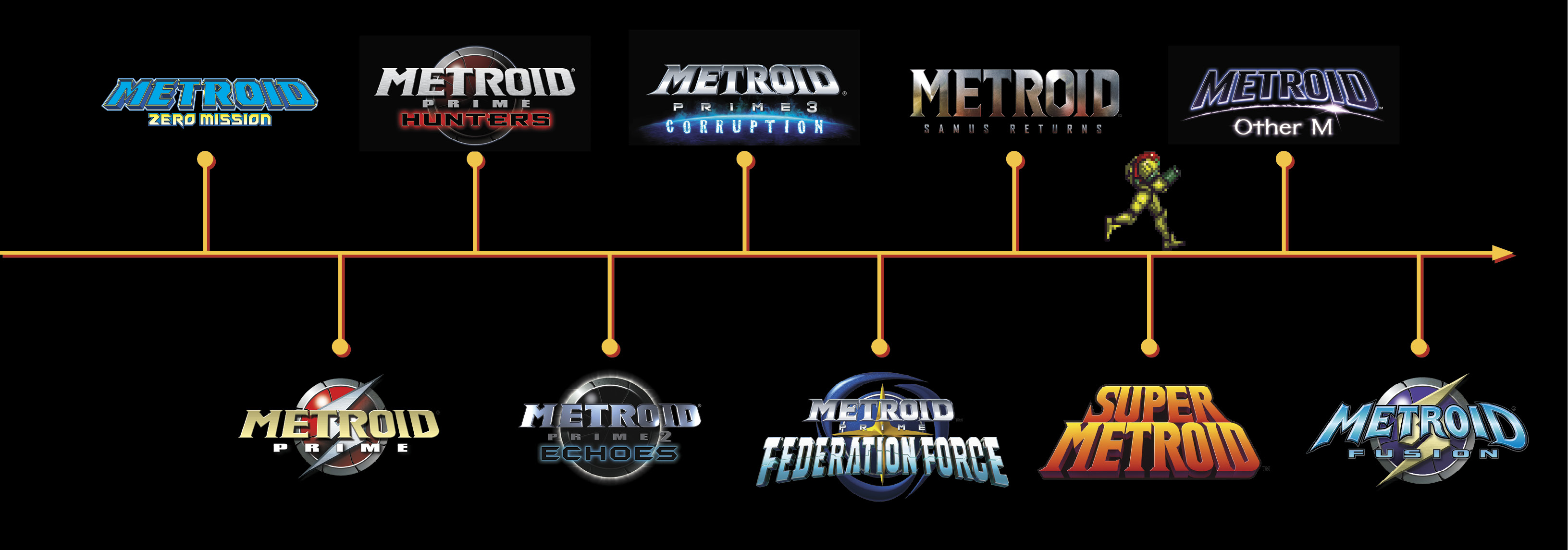
Metroid Story Chronology
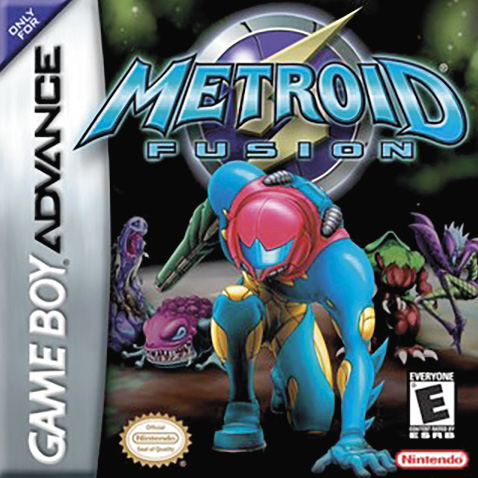
Metroid Fusion
2002, Game Boy Advance
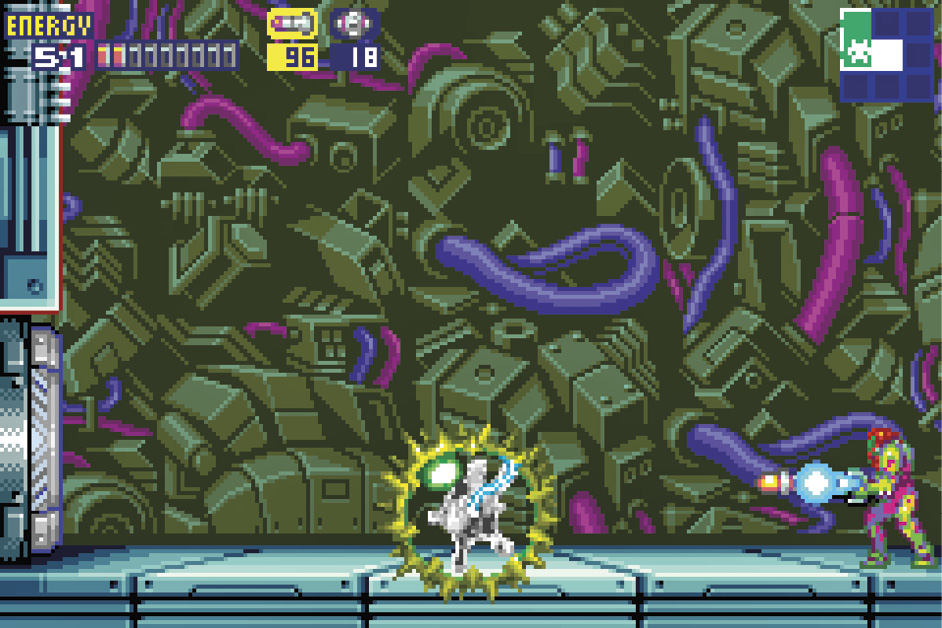
The first Metroid game since Super Metroid eight years prior, Metroid Fusion followed very closely in its predecessor’s image. Developed by a combination of Super Metroid veterans and the Wario Land 4 team, the plot revolves around alien parasites and reveals that Metroids were created by the Chozo to combat this threat before it spread throughout the galaxy. The game was designed to be more accessible, and eschews some of the invisible genius or “Metroid-ness” (as director Yoshio Sakamoto called it) of the previous game.
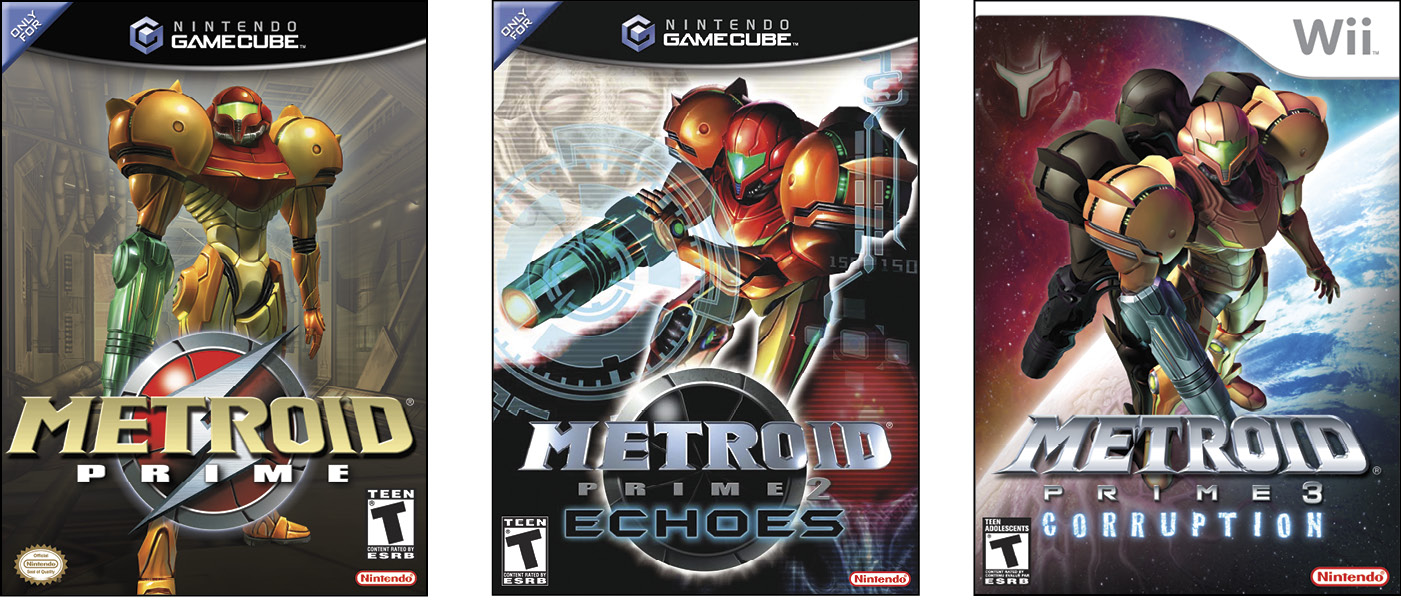
Metroid Prime: Trilogy
2002-2007, Nintendo GameCube / Wii
Released simultaneously with Metroid Fusion, Metroid Prime reinvented the series’ iconic gameplay by bringing it into a fully 3D world. Samus is now played from a first-person perspective, putting a much larger emphasis on aiming and shooting. Samus can use her visor to scan various targets such as enemies and environments to gain valuable or world-building information. Platforming and puzzles are still involved, however, and the Morph Ball shifts the camera to a third-person perspective.
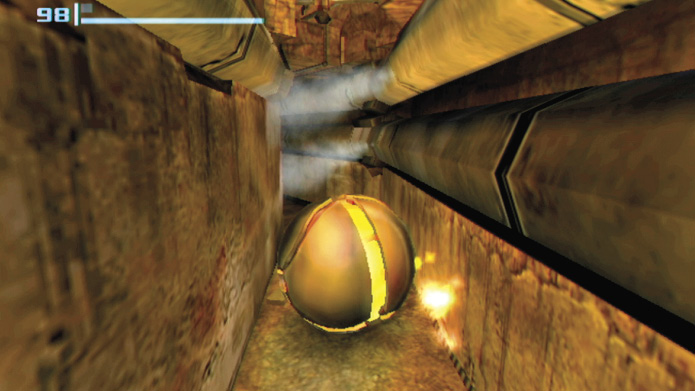


Developed by Texas-based Retro Studios, Metroid Prime was critically acclaimed and immensely successful, reviving the Metroid franchise for the modern era. Two sequels, Metroid Prime 2: Echoes (2004) and Metroid Prime 3: Corruption (2007), were released, before being compiled into Metroid Prime: Trilogy for the Wii (2009). Aside from their excellent gameplay, the Prime games also featured exceptional soundtracks.
The Prime trilogy spawned several handheld spin-offs, including Metroid Prime Hunters, Metroid Prime Pinball, and Metroid Prime: Federation Force.
Metroid: Zero Mission
2004, Game Boy Advance
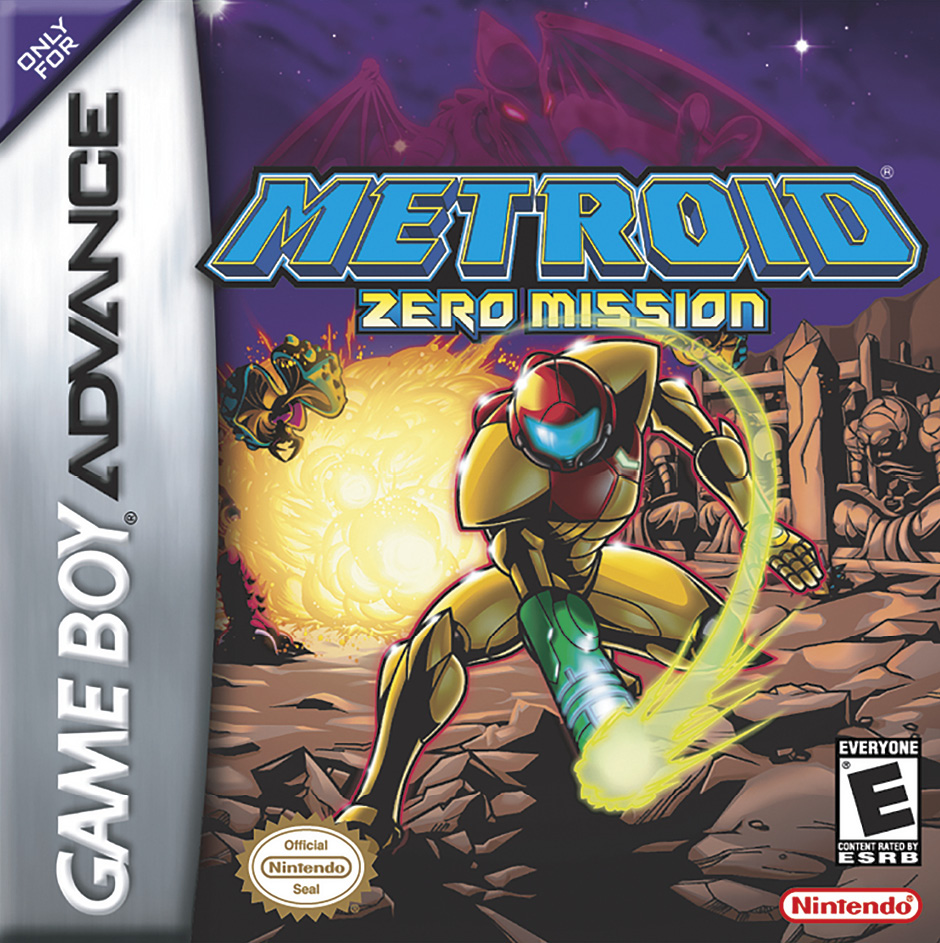
A remake of the original NES Metroid, Zero Mission was developed by the same team as Super Metroid and Metroid Fusion. It gave Yoshio Sakamoto the opportunity to work additional storytelling elements into the game tying it to the more developed Chozo and Federation plotlines. Samus’ Zero Suit also makes its debut, though it wouldn’t officially be called that until her appearance in Super Smash Bros. Brawl in 2008.
Metroid: Other M
2010, Wii
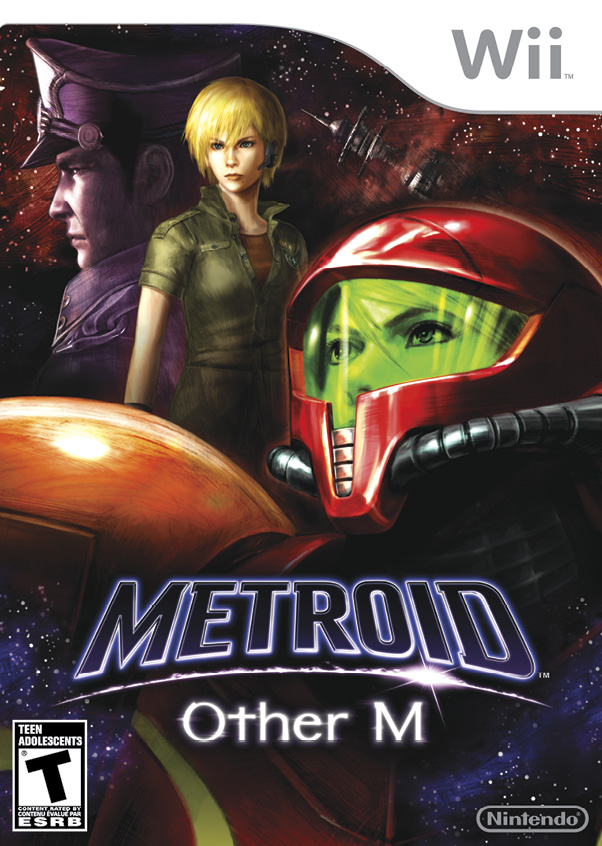
Metroid: Other M was a joint project between Team Ninja (Dead or Alive, Ninja Gaiden), and the longtime 2D Metroid team, Nintendo R&D1. Like Metroid Prime, Other M features 3D graphics, but from a mostly third-person perspective. Aiming the Wii Remote at the screen switches to a first-person perspective for shooting.
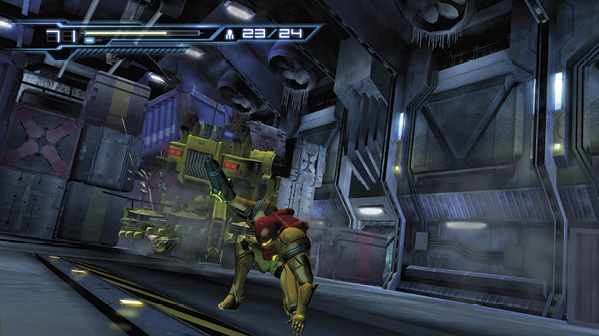
Chronologically, the story occurs between Super Metroid and Metroid Fusion, with Samus deeply affected by the death of the “infant” Metroid at the end of Super Metroid. Samus is paired with a Galactic Federation platoon, including her former commanding officer, as they investigate a deserted space ship. Although Samus retains all of her upgrades from Super Metroid, she only uses them once she has been given authorization from the ranking officer on the mission.

Metroid: Samus Returns
2017, Nintendo 3DS
Metroid: Samus Returns is a remake of Metroid II: Return of Samus, and the first traditional 2D-style Metroid game since Metroid: Zero Mission. Apart from improved graphics, melee combat akin to that in Metroid: Other M has been added, along with 360-degree aiming and Power Suit upgrades that were not available in the original game. The game was jointly developed by Nintendo and MercurySteam (Castlevania: Lords of Shadow).