
Playing With Super Power: Nintendo Super NES Classics Guide Super Mario World
Characters

Mario
Bringing Nintendo’s pixelated superstar onto a console vastly superior to its predecessor enabled players to see Mario in a level of detail never before possible. Speaking to Nintendo Online Monthly for Mario’s 20th Anniversary in 2005, Mr. Miyamoto explained why he felt the illustrious plumber was such a timeless icon: “I think it was fortuitous that we didn’t put any restrictions on Mario as a character. Normally when you create a character and present him to the world, all the details get filled in: What’s his favorite color? What kind of food does he like to eat? But with Mario, aside from the fact that he’s about 24-25 years old, we didn’t define anything else. The reason why is that we wanted to be able to use Mario in later games, and that wouldn’t work so well if he had characteristics that interfered with a given game’s story. When we make a game we take care not to add incongruences to that game’s world.”
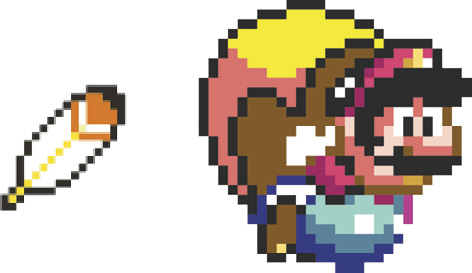
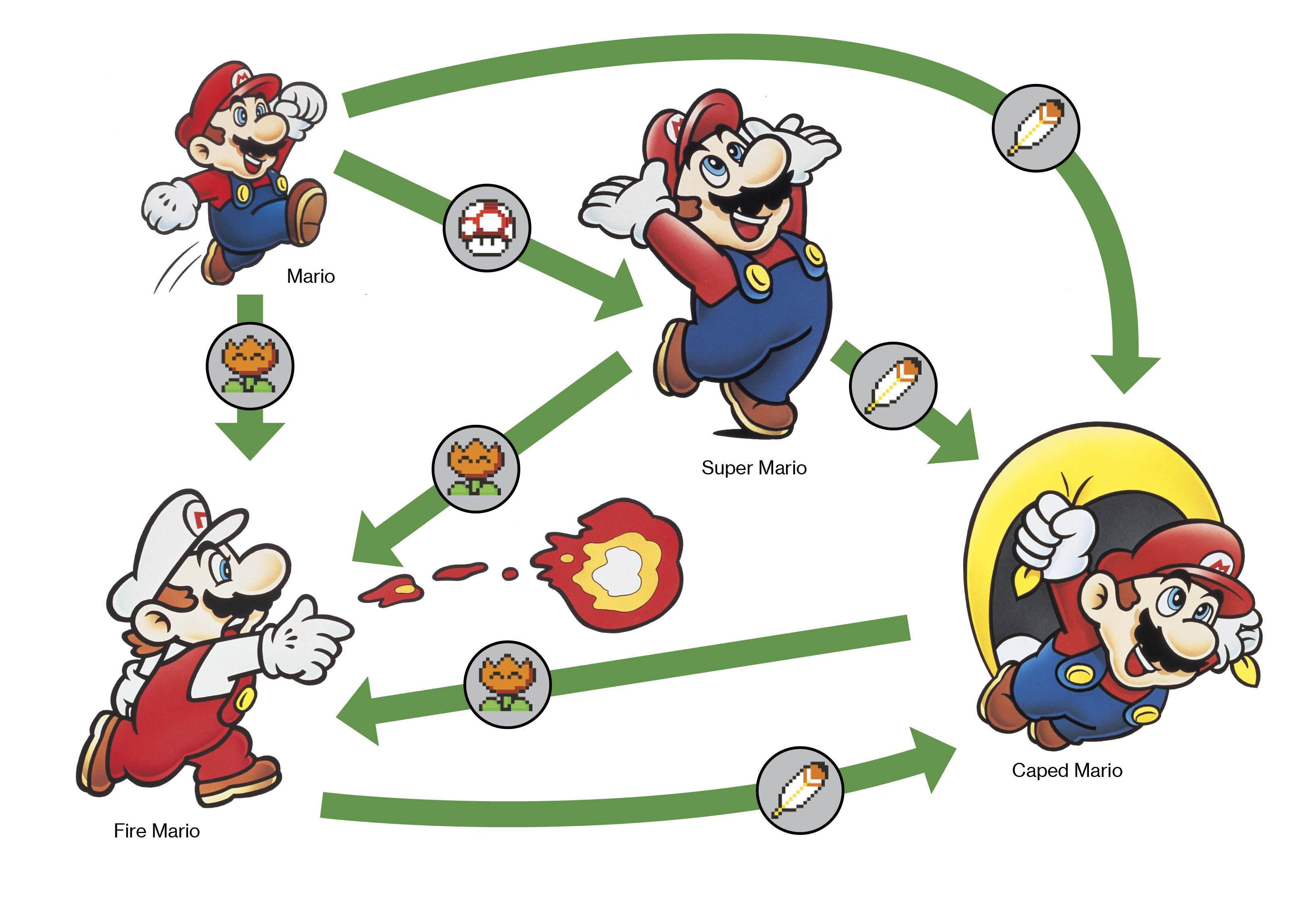
Although the extensive lineup of animal suits from Super Mario Bros. 3 is absent, Mario is given a few new tricks, most notably, the Spin Jump and Magic Cape. These two tools would be central to plundering the game’s hidden depth over the years as speedrunners invented increasingly impressive ways to utilize the mechanics, often negating dangerous obstacles or outright circumventing them altogether. Although the Magic Cape would go on to be mostly exclusive to Super Mario World, the Spin Jump would become a staple of Mario’s acrobatic repertoire, and is also the reason it is so challenging to beat 95% of the player-created Super Mario Maker levels.
Luigi
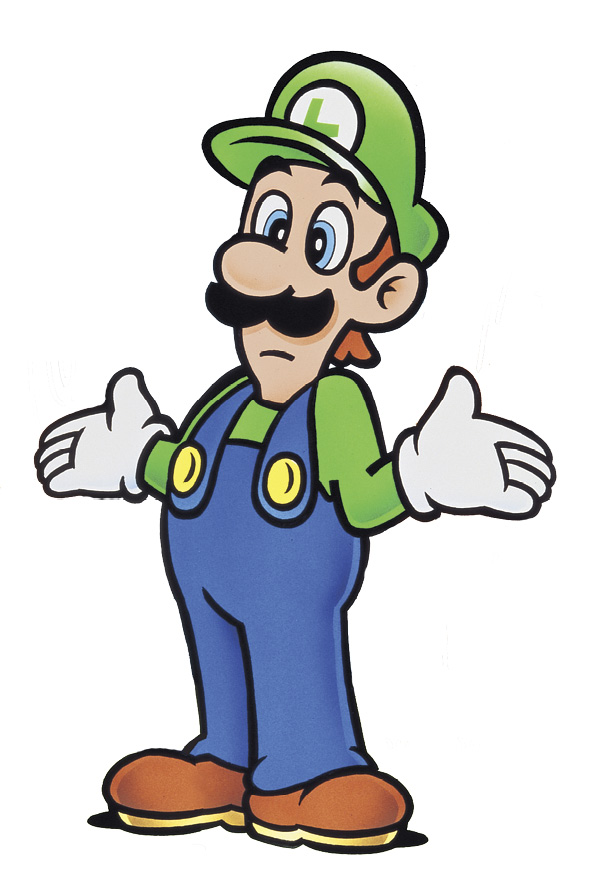
Accessible via Two-Player mode, Luigi was simply a palette swap of Mario in the initial SNES release. In the Super Mario All-Stars + Super Mario World compilation, Luigi was given his own unique sprite set, with the strictly cosmetic changes including sliding down hills on his knees instead of his posterior like Mario, and literally spitting fireballs instead of throwing them. In the Super Mario Advance 2 remake, Luigi’s sprite set was once again altered to reflect his lankier appearance when compared to his brother, but, like in Super Mario Bros. 2, his jumps were higher, along with some additional minor gameplay differences.
And for anyone rooting for the underdog, completing the game as Luigi will net him a kiss from the Princess, instead of Mario. Drama!
Power-Ups
Super Mushroom
Fire Flower
Cape Feather
Starman
P-Balloon
Yoshi
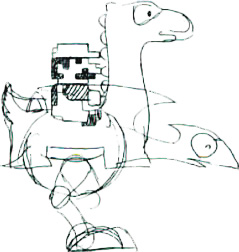
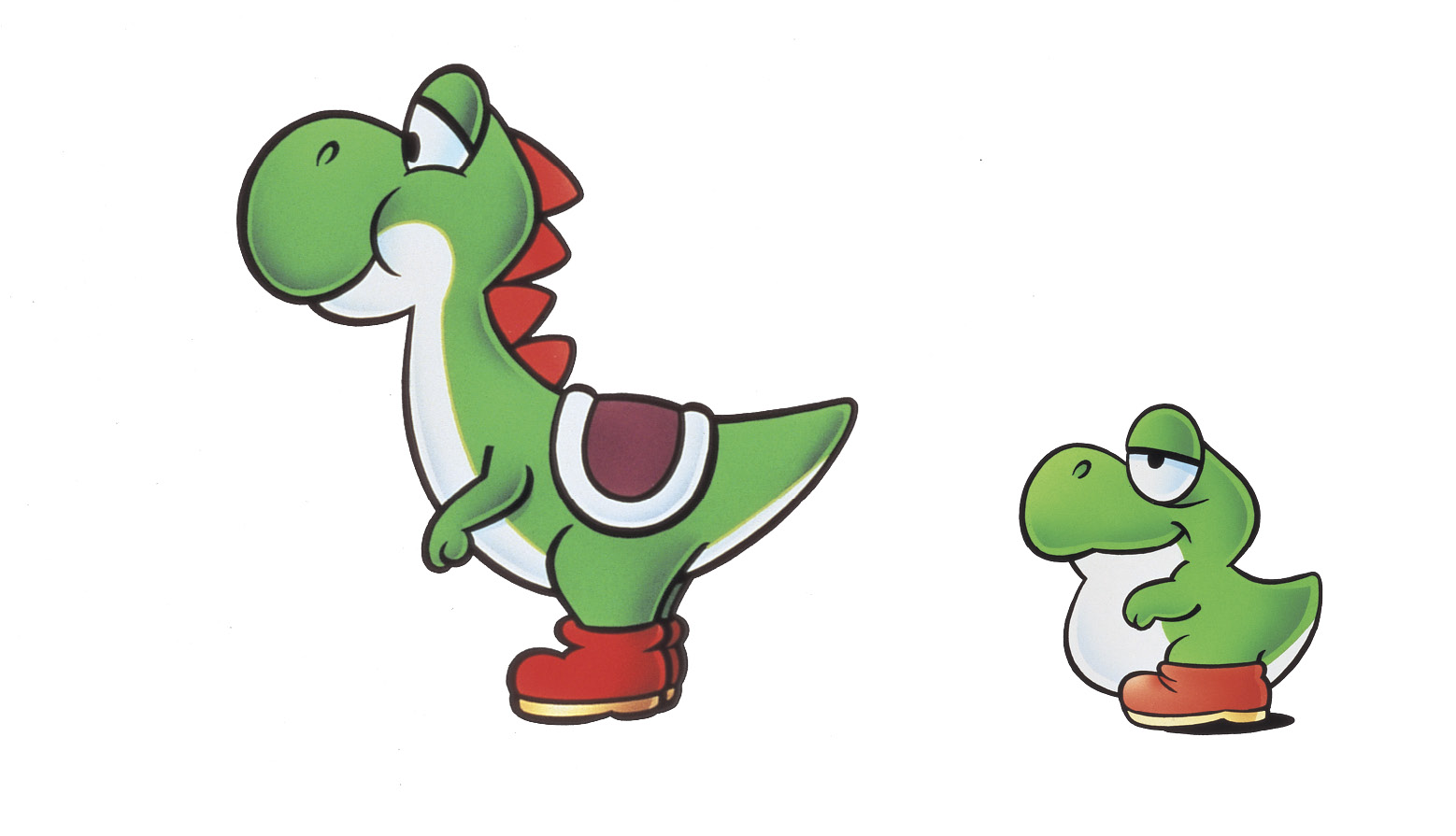
In many ways, Super Mario World was the game Nintendo EAD always wanted to create. The truest example of that is T. Yoshisaur Munchakoopas, Mario’s new dinosaur sidekick. Since the inception of the original Super Mario Bros. half a decade prior, Mr. Miyamoto kept a rough drawing at his desk of Mario riding what would eventually become Yoshi. Tezuka stated at the time that he believed Miyamoto’s love of horse riding and country western themes influenced Yoshi’s creation. To corroborate that belief, Yoshi’s shell was originally meant to be a saddle.

Yoshi’s creation is attributed to character designer Shigefumi Hino, who went on to direct Super Mario World 2: Yoshi’s Island, as well as the Pikmin series. Mr. Hino provided the voice of Yoshi up to 1997, when Yoshi’s Story composer Kazumi Totaka took over the duty of providing the dinosaur’s squeaks, squeals, and tendency to say its own name. Though technical limitations prevented Yoshi from being included in the first three Super Mario Bros., Yoshi’s debut in Super Mario World was a substantial success, catapulting yet another Nintendo mascot into the pop culture stratosphere.
Yoshi proved to be so popular in fact that he not only took center stage in the Super Mario World prequel/sequel, but also in a slew of Yoshi-themed spin-off games which still sell strong to this day. Additionally, Yoshi remains a fan-favorite pick in various Mario universe-related franchises such as Mario Kart and Mario Party. Essentially, after 1990 you’d be hard-pressed to name a game in which Mario appears without his prehistoric companion.
Yoshi Egg
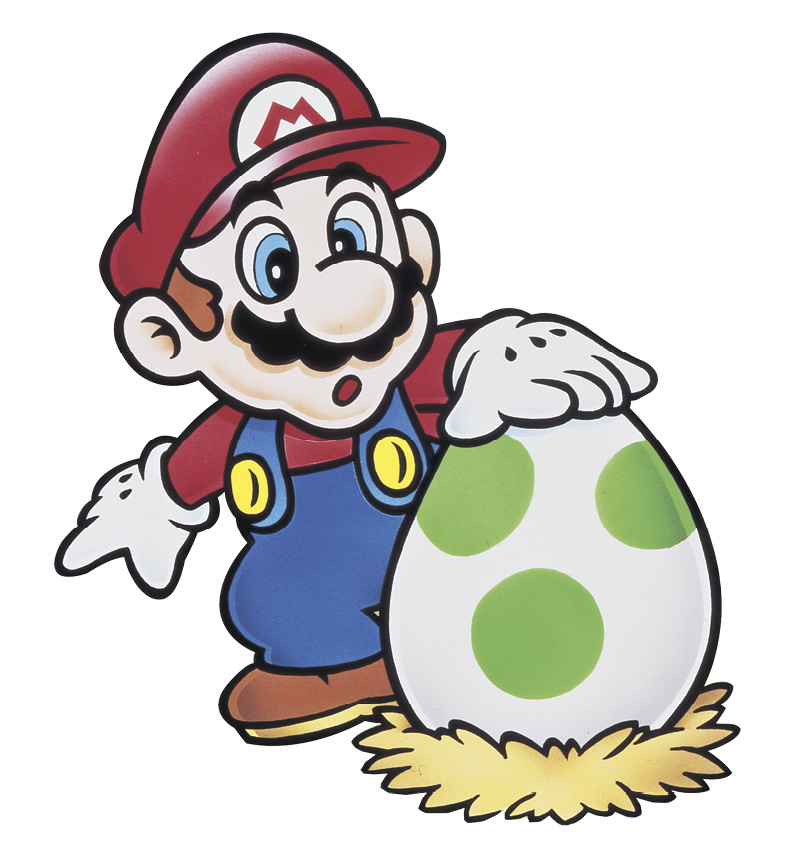
When a Yoshi Egg is discovered, usually from a ? Block, a full-grown green Yoshi hatches and allows Mario or Luigi to hop on its back for a ride. If the player already has Yoshi with them, a 1-up Mushroom hatches from the Egg instead. Unlike Baby Yoshis, full-grown Yoshis were trapped in their Eggs by Bowser.

Baby Yoshi
In the Star World, colored Yoshi Eggs can be found, which hatch Baby Yoshis of the corresponding color. Red, yellow, or blue Baby Yoshis can then be fed five enemies to turn them into adult Yoshis. Eating a power-up causes a Baby Yoshi to grow instantly.
Green Yoshis gain special abilities depending on the color of the Koopa shell currently held in their mouth. However, colored Yoshis gain a specific power regardless of the type of shell held in their mouth.

Berries
Eating Berries follows along with the color-specific effects: eating 10 Red Berries in the same stage causes Yoshi to lay an Egg containing a power-up; two Pink Berries produce a cloud that rains Coins from the sky; a Green Berry adds 20 seconds to the time limit.

Yoshi’s Wings
This rare item sends Yoshi (and Mario) shooting upward into the franchise’s recurring bonus area, Coin Heaven. Yoshi is automatically turned blue upon exiting, enabling players to obtain a Blue Yoshi before and outside of Star World.