
Playing With Super Power: Nintendo Super NES Classics Guide Donkey Kong Country
16 Bits
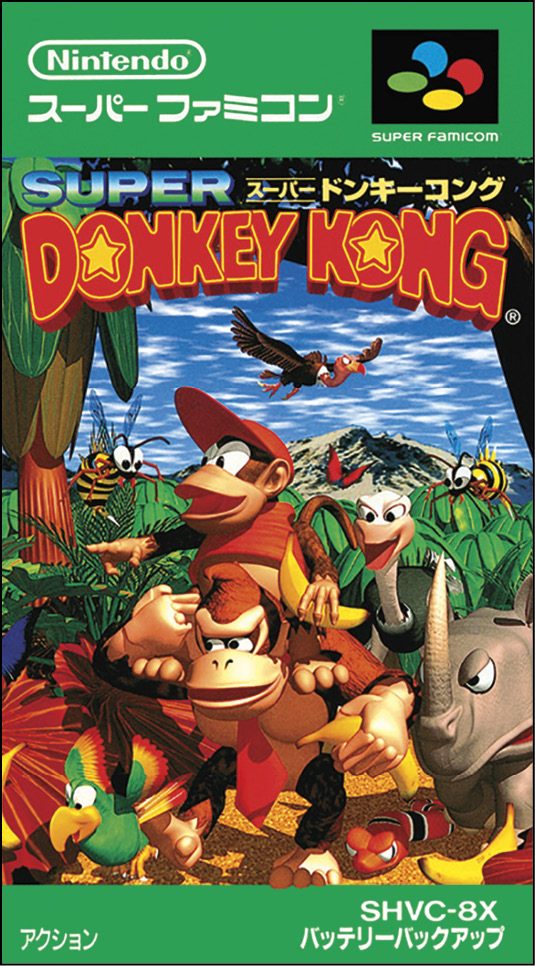
 Super Famicom Box Art
Donkey Kong Country was known as Super Donkey Kong in Japan!
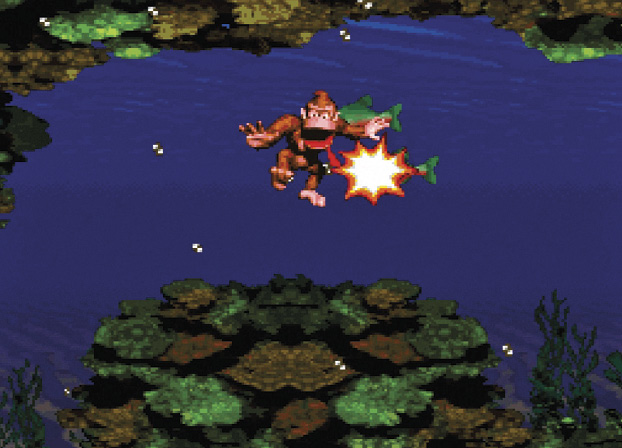
 Regional Differences
Super Donkey Kong featured dozens of alterations to make the game less difficult, including the removal of certain enemies and the addition of extra barrels or items. Other changes included the removal of three overturned carts in Mine Cart Carnage and the ability to defeat Rockkrocs with Donkey Kong’s hand slap.
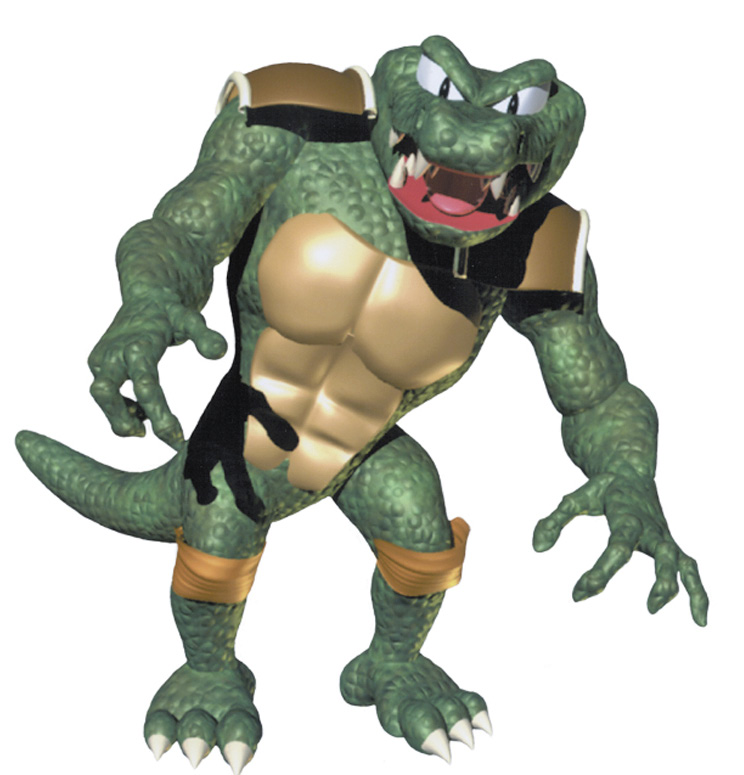
 Kremling Krew
The Kremling enemies share a resemblance with certain characters from another of Rare’s popular series, Battletoads.
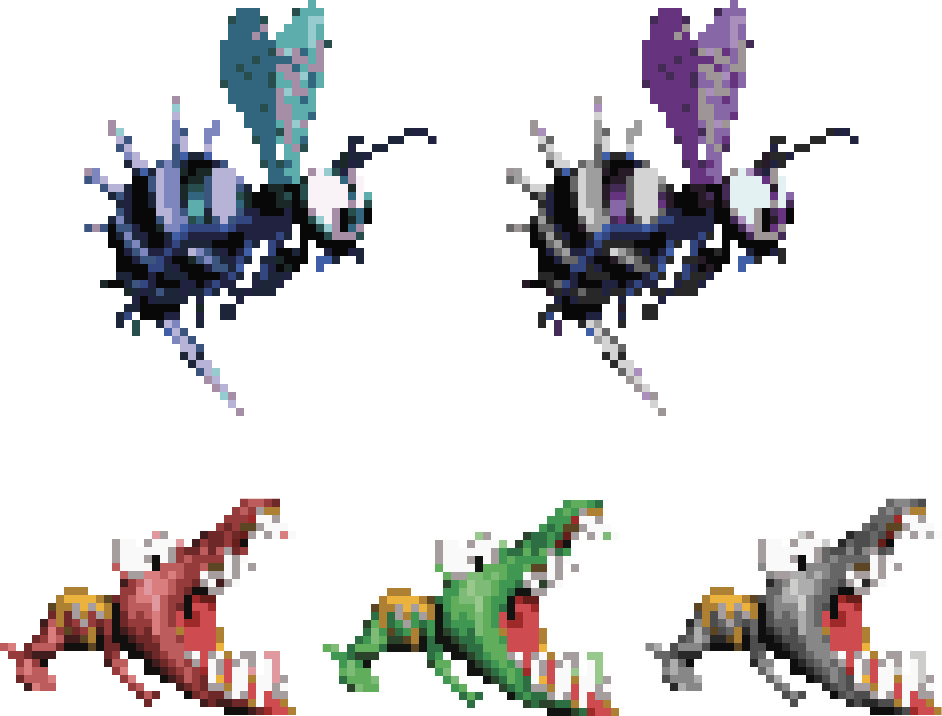
 Klaptrap & Zinger Variants
The Klaptrap and Zinger enemies have unused palette swaps that were locked away in the game’s code. Like with most unused assets in Super NES games, some of these were utilized in the Game Boy Advance ports.
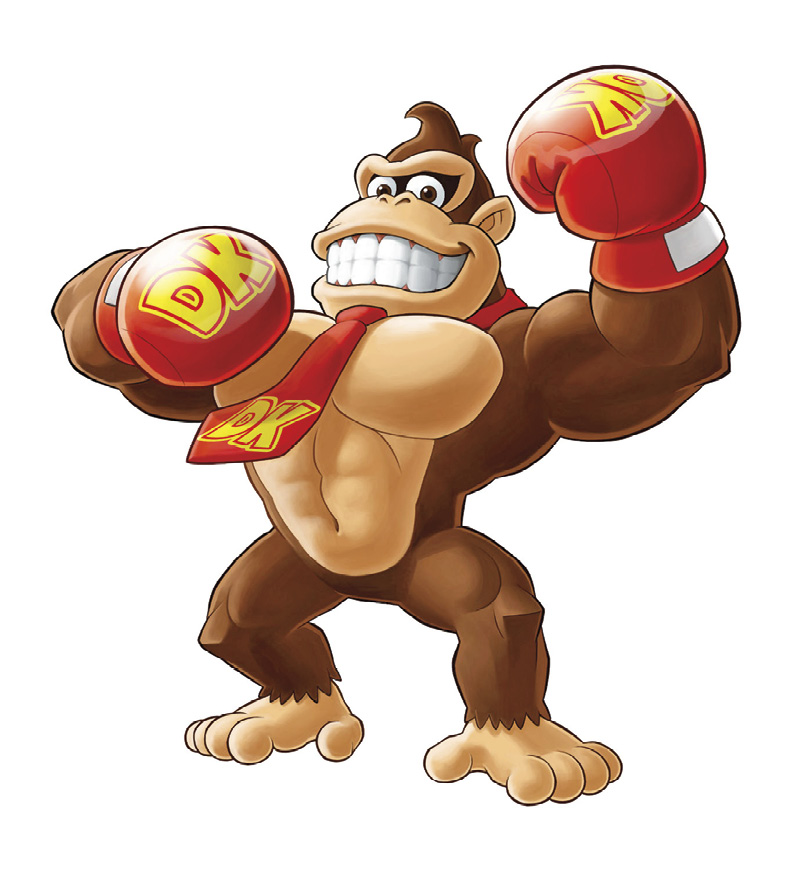
 Boxy Beginnings
Though the tech demo of a computer-generated boxer that helped Rare snag the Donkey Kong deal never became a game itself, a champion boxer was included in Rare’s fighting game, Killer Instinct, which used the same Advanced Computer Modeling techniques as Donkey Kong Country.
Donkey Kong himself later appeared as a secret opponent in Punch-Out!! for the Wii.
 Silicon furnace, Incorporated
Heat from all of the high-end machinery required to create Donkey Kong Country’s 3D graphics turned Rare’s offices into a sauna during the summer. They suffered through it as long as the computers themselves weren’t damaged.
 DKC TV
A CG-animated Donkey Kong Country television show aired its 40 episodes in the US from 1997 to 2000. A few notable changes from the games include renaming DK Isle to Kongo Bongo Island, and a complete revamp of the Candy Kong character.

 Smash and Kart!
Donkey Kong and Diddy Kong have made numerous appearances in various Nintendo franchises such as Mario Kart and Super Smash Bros.
 Pre-DKC
Before it became Donkey Kong Country, Rare had conceptualized a few different takes on the Donkey Kong property, including games titled Donkey Kong and the Golden Bananas, and Donkey Kong vs. Super Wario. A puzzle platforming game, Mario vs. Donkey Kong, was developed by Nintendo and released for the Game Boy Advance in 2004.
 Treehouse
The Treehouse is the name of the offices where Donkey Kong Country was secretly being worked on within Nintendo of America headquarters. The Treehouse, and its clandestine operations, is still in effect today. Longtime Treehouse Manager, Leslie Swan, also provided the original voice of Princess Peach and was a former senior editor on Nintendo Power.

 Brand-Name Bananners
The giant bananas awarded for defeating bosses originally featured a well-known brand logo before being replaced by the Nintendo logo.
 Jungle Japes
The first level of Donkey Kong Country was originally named Jungle Japes, but was changed to Jungle Hijinks. Jungle Japes was later used as the first stage of Donkey Kong 64, as well as the Donkey Kong arena in Super Smash Bros. Melee.
 Identity Crisis
King K. Rool was orginally named “Krudd”.
 Cranky?
Unused lines of dialogue reveal Cranky Kong was considerably less cranky in earlier versions of the game:
“Diddy boy! Where’s Donks?”
“Hey! Can you spare your old pappy a banana?”
“It’s about time you visited your frail, old Grandpa!”

 Squawks
Donkey Kong originally had a helmet light for mine stages, which could be seen on many of the marketing materials. In the final game, Squawks the Parrot replaces the helmet’s intended functionality.

 DK Jamz
The Donkey Kong Country soundtrack was released on CD in 1995 as DK Jamz. The tracklist included 50 tracks, though #24-48 were silent.