Playing With Super Power: Nintendo Super NES Classics Guide Star Fox
Characters
In 2011, to promote the release of Star Fox 64 3D, Nintendo president and CEO Satoru Iwata held a roundtable discussion with longtime series producer, Mr. Miyamoto, and Mr. Cuthbert, who had coded both Star Fox and Star Fox 2 before going on to start his own company, Q-Games, which developed both Star Fox Command for the Nintendo DS, and Star Fox 64 3D for the Nintendo 3DS. During this conversation, Mr. Miyamoto explained the original inspiration behind the character concepts for the Star Fox universe. He wanted to avoid familiar faces commonly seen in science fiction, so it was decided to use anthropomorphized animals. “Most of the sci-fi in Japan back then was robot anime, superheroes and monsters, but I wasn’t interested in doing the same thing,” Mr. Miyamoto stated. “I had been drawing animal characters for a long time, so I suggested animal characters to Imamura-san. He was surprised.” Mr. Miyamoto laughed, continuing, “We were like, ‘But animal characters in a shooting game?’ and then, ‘That’s precisely why it would have impact!’ and started thinking about which animals to use.”
As is often the case with Mr. Miyamoto, he used his surroundings to guide his inspiration. “Star Fox has a lot of scenes in which the [player] goes through arches, which reminds one of the gates at Shinto shrines called torii. And torii made me think of the thousands of such gates at Fushimi Inari Taisha.” Fushimi Inari Taisha is the most notable shrine dedicated to the god Inari in all of Japan. Its labyrinthine paths are lined with hundreds of torli gates and statues of Fushimi Inari, who is depicted as a fox. “Fushimi Inari Taisha is about a 15-minute walk from our former head office,” Mr. Miyamoto continued, “and there used to be a boys’ baseball team in the area called the Inari Foxes. I thought, ‘Foxes! Now that’s cool!’”
“Some people back then said it would have been cooler with robots,” Mr. Miyamoto remembered. “But at the time, since lots of representative hit sci-fi works like Star Wars and Mobile Suit Gundam had already come out, what was most important to me was creating our own original science fiction. I didn’t want to just make a video game version of existing sci-fi. So a fox was the only way to go!”
In a 1993 interview archived on Japanese website GSLA, which preserves interviews from defunct print sources, Mr. Miyamoto explained that Star Fox was at one time considered a solo act. “The truth is we didn’t want to add any characters either, but the backstory had you flying with companion pilots, so we added them to the game with the same colored ship. Gradually we came to give them names, one by one. The reason we added companion pilots is, to put it simply, that flying with other ships is fun,” Mr. Miyamoto stated, delving deeper into the team’s thought process at the time. “In order to show how you yourself are flying on the screen, companions are needed. There’s been lots of [shooting games] where the goal is just to beat the game, but as I thought about ways to add a little bit more drama to the action, I realized that companions were a big part of that. When you beat Star Fox and watch the ending, I hope some players stop and think, ‘My companions are gone, scattered to the corners of the cosmos…’ It’s like you now have a memory of having accomplished something together.”
And so, Takaya Imamura went about providing companions for Fox, further taking inspiration from Japanese folklore: Peppy, a hare, and Falco, a bird. The Cornerian army was populated with dogs and the enemy army with monkeys, inspired by a popular Japanese saying about dogs and monkeys fighting. In the US, a similar phrase is used, but with cats in the place of the less-common monkey. The leader of the Cornerian Army, General Pepper, and the main villain, Andross, also follow the dog and monkey dynamic, respectively.
But what about Slippy, the toad? His origin was slightly less mystical. “Oh, right!” Mr. Miyamoto recalled to Mr. Iwata. “There was a staff member who used a toad like a personal mascot, always writing, ‘Ribbit, ribbit!’ and such on memos.” This got a good laugh out of all in attendance, but the identity of the now-legendary frogman was not revealed.
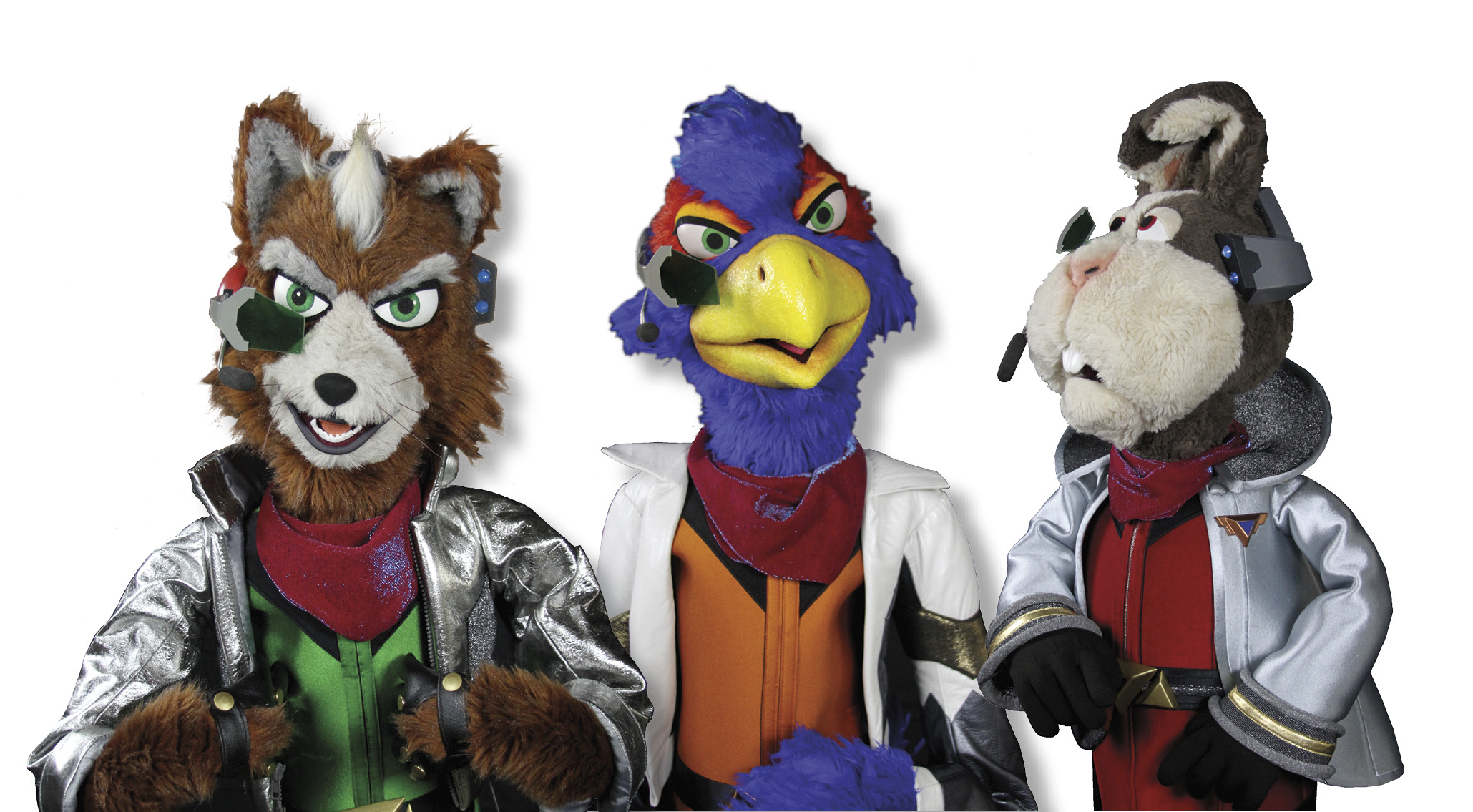
The initial promotional materials for Star Fox featured actual puppet versions of the main characters. Mr. Miyamoto drew a great deal of inspiration from what he referred to as “English puppet drama,” citing Thunderbirds specifically. “Back when we released it, I imagined Star Fox selling a lot and the company that produced Thunderbirds coming all the way from England for negotiations to adapt it into a puppet drama,” he said. “And then I would say, ‘To be honest, I’ve always loved Thunderbirds.’ Licensing it out by saying so was a dream of mine. And that’s all it ever was,” Mr. Miyamoto stated, with another laugh erupting from Mr. Iwata, Mr. Cuthbert, and the rest of the Star Fox 64 3D team. Although the box art and marketing for later Star Fox releases eschewed the live puppets, their speech animations were made intentionally jerky to pay homage to their marionette roots.
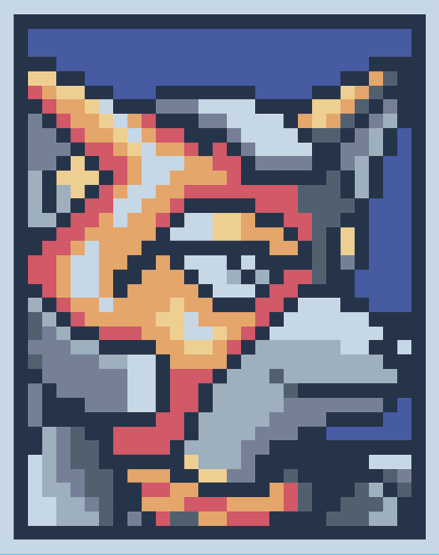
Fox McCloud
“All ships check in!!”
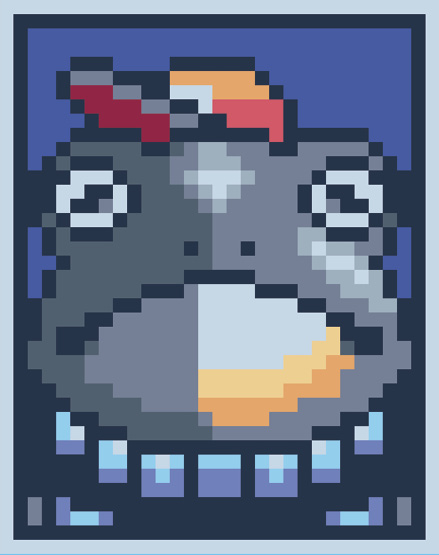
Slippy Toad
“Hey! It’s me, Slippy!”
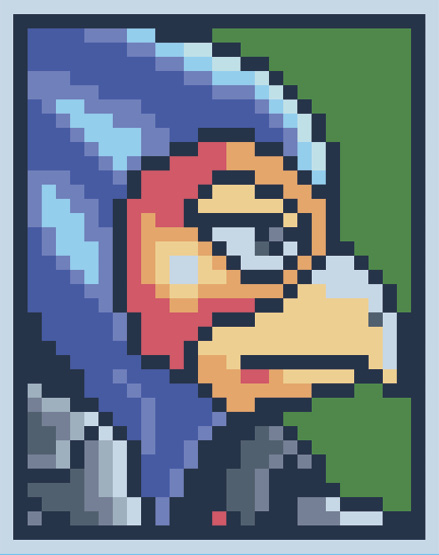
Falco Lombardi
“Mind your own business, Fox!”
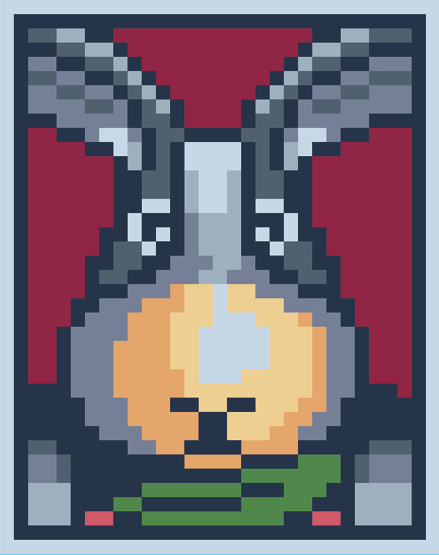
Peppy Hare
“Retros!! Fire retros!!”