Playing With Super Power: Nintendo Super NES Classics Guide Kirby’s Dream Course
16 Bits
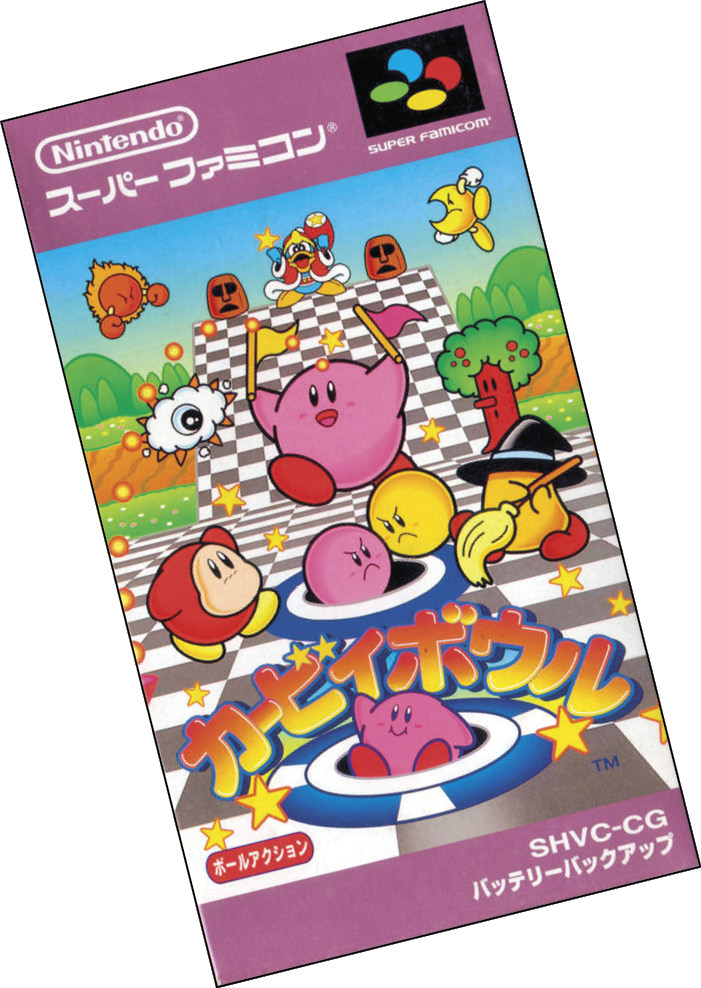
 Super Famicom Box Art
Known as Kirby Bowl in Japan, the game’s Super Famicom box art features more enemies and more Kirbys than its less cluttered Super NES counterpart.

 White Kirby
Though Kirby’s debut game, Kirby’s Dream Land, was released on the Game Boy (which could only depict four shades of gray), Kirby co-creator Masahiro Sakurai had always envisioned the character as pink. The same can’t be said of his colleagues who had expected Kirby to be yellow or white, so much so that he was accidentally given a ghost-like hue on the box art for the North American release of Kirby’s Dream Land.
 Storytime Kirby
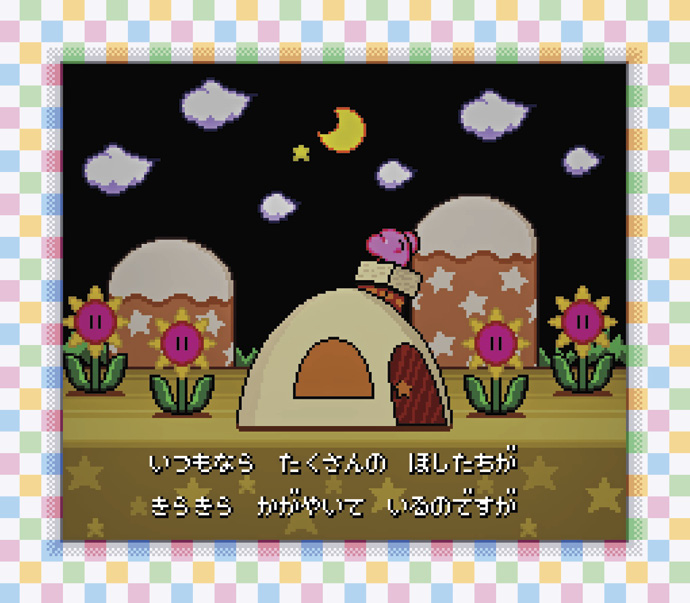
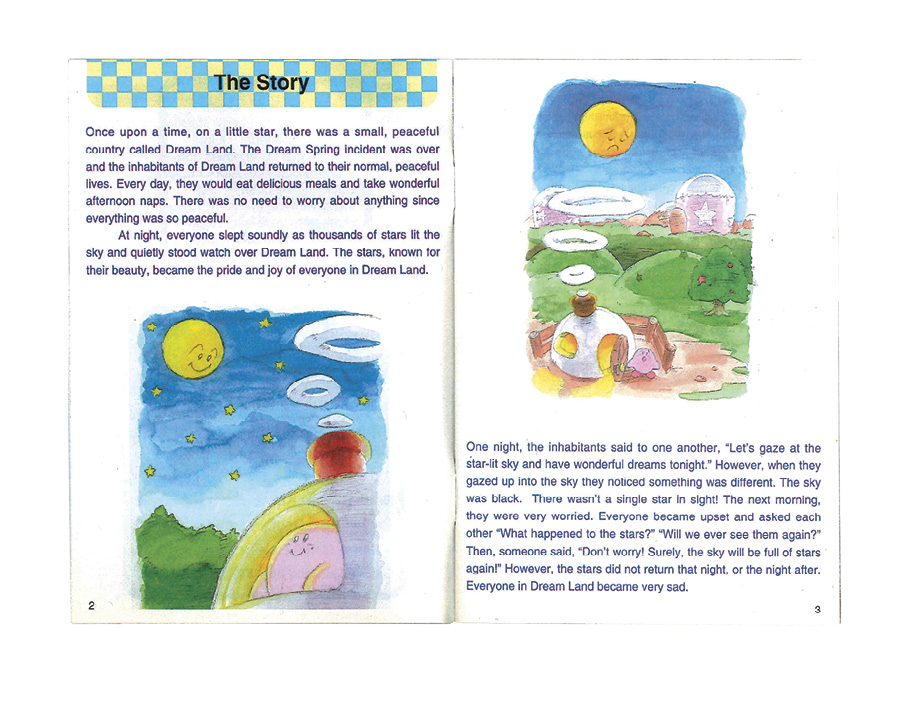
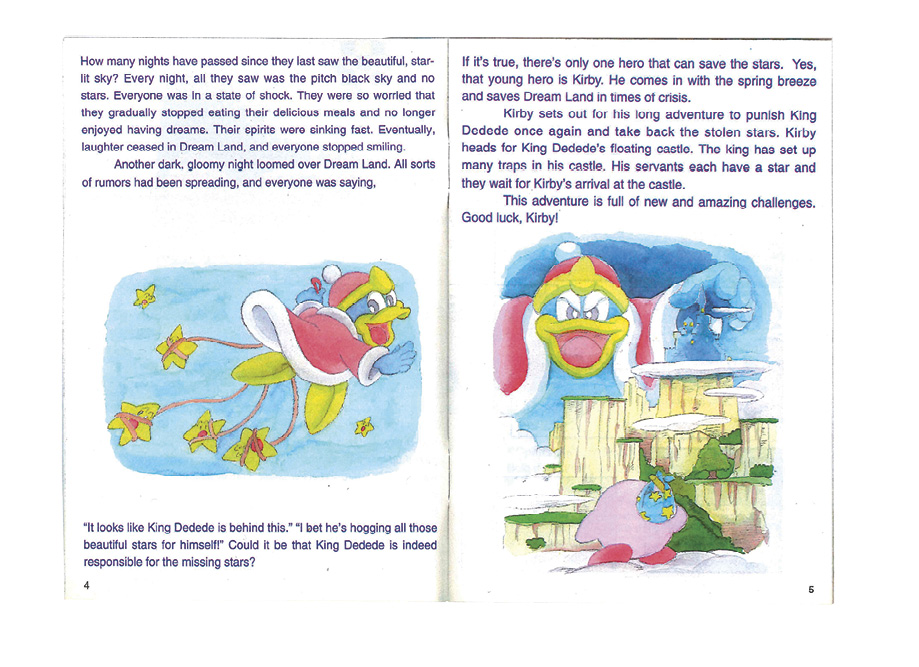
Kirby’s Dream Course features a fairly robust plot (for a mini-golf game, at least!). The Super Famicom version shows the story via a cinematic at the start of the game, but this was moved to the instruction manual for the US release.
 MB Kirby
To fit the game into a smaller cartridge for its international release, certain aspects of Kirby’s Dream Course were removed to fit in a 1MB chipset. This includes the aforementioned story cutscene.
 Test Kirby
The content cut from the Japanese version includes debug test levels used by the game developers to test various enemies and terrain configurations.
 Pirate Kirby
Nintendo had protected their proprietary cartridges from duplication and tampering since the 8-bit days, but Kirby’s Dream Course took it several steps further by causing a number of negative consequences within the game should it fail to pass security checks.
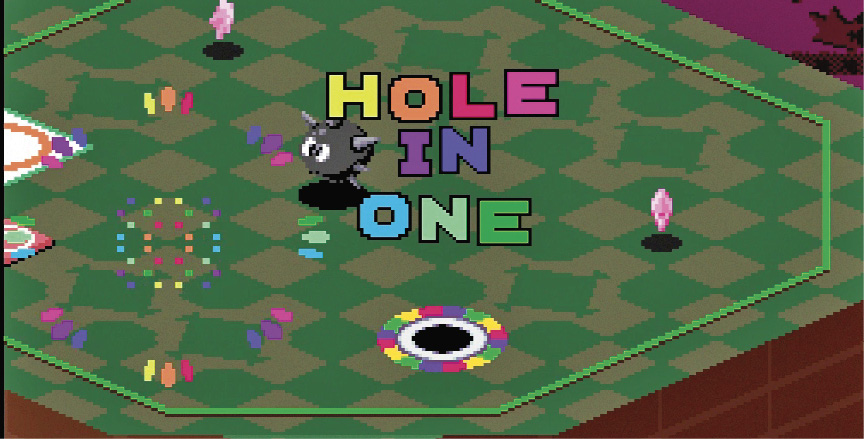
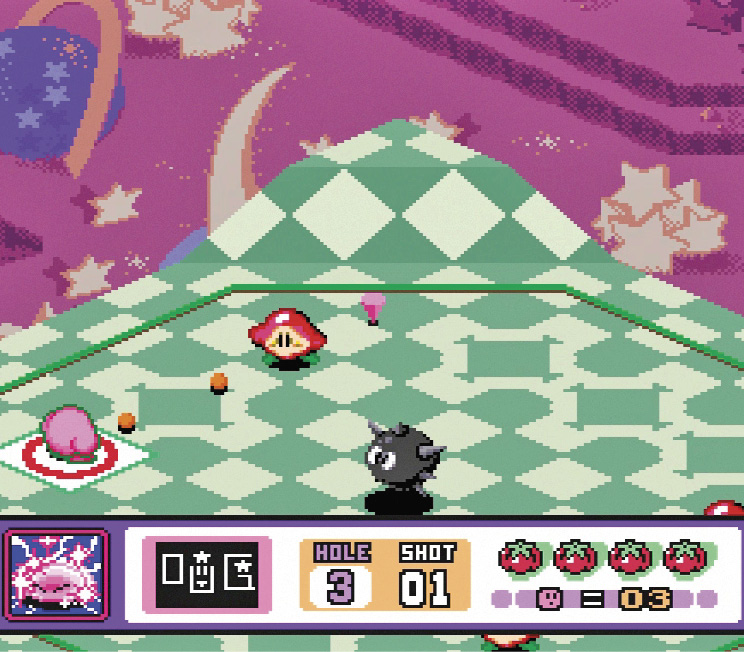
For instance, if the game is detected as being pirated, it erases all saved data and forces a crash upon a Game Over or course completion, preventing progress. Hitting enemies and scoring hole-in-ones don’t recover tomatoes or 1ups, respectively.
 Earthbound Kirby
As Kirby’s Dream Course and EarthBound were developed concurrently at HAL Laboratory, both games share certain sound effects.
 Mix Kirby
The Mix ability icon appears in the Kirby’s Dream Course’s code, but was left unused in the final game.
 Unused Kirby
Another unused element of the game is a small ditch in the terrain. This obstacle was excluded due to the game’s physics, which would cause Kirby to roll back and forth indefinitely without ever stopping.
 Sakurai Kirby
Despite being a major release in the Kirby series, Kirby’s Dream Course is one of a few key Kirby titles series creator Masahiro Sakurai was not involved with.
_00030.jpg)
 Out of Bounds Kirby
When knocking Kirby off the course at night during a 2P match, a Flapper comes to his rescue instead of a Bronto Burt, the usual savior.
 ESRB Kirby
As the ESRB rating system did not exist up until this point, Kirby’s Dream Course was the first Kirby game to be given a rating. Like most Kirby games, it was rated K-A (suitable for Kids to Adults).
 House Kirby
Kirby’s Dream Course is the first game to depict Kirby’s humble, dome-shaped abode. A gift built for Kirby by the residents of Dream Land for rescuing them from King Dedede, Kirby’s home is rarely seen except for in the Kirby: Right Back at Ya! anime.
 Box Kirby
Kirby has dominated HAL Laboratory’s gameography since his inception with over 20+ titles to date. However, he almost had even more! Hal Laboratory’s BoxBoy! series, developed largely by Kirby project veterans, was almost headlined by the pastel puffer himself. Ultimately, BoxBoy! director Yasuhiro Mukae decided the strictly Block-based gameplay wasn’t a good fit and the square-shaped Qbby was created instead.
 Kirby Café
2016 saw the release of Kirby-themed cafés in Japan. Kirby Café serves food in the likeness of King Dedede, Waddle Dee, Meta Knight, and Kirby, among others. A unique soundtrack was developed for the café, which also contains a gift shop full of Kirby merchandise. Kirby overload? Nah, can there even be such a thing?
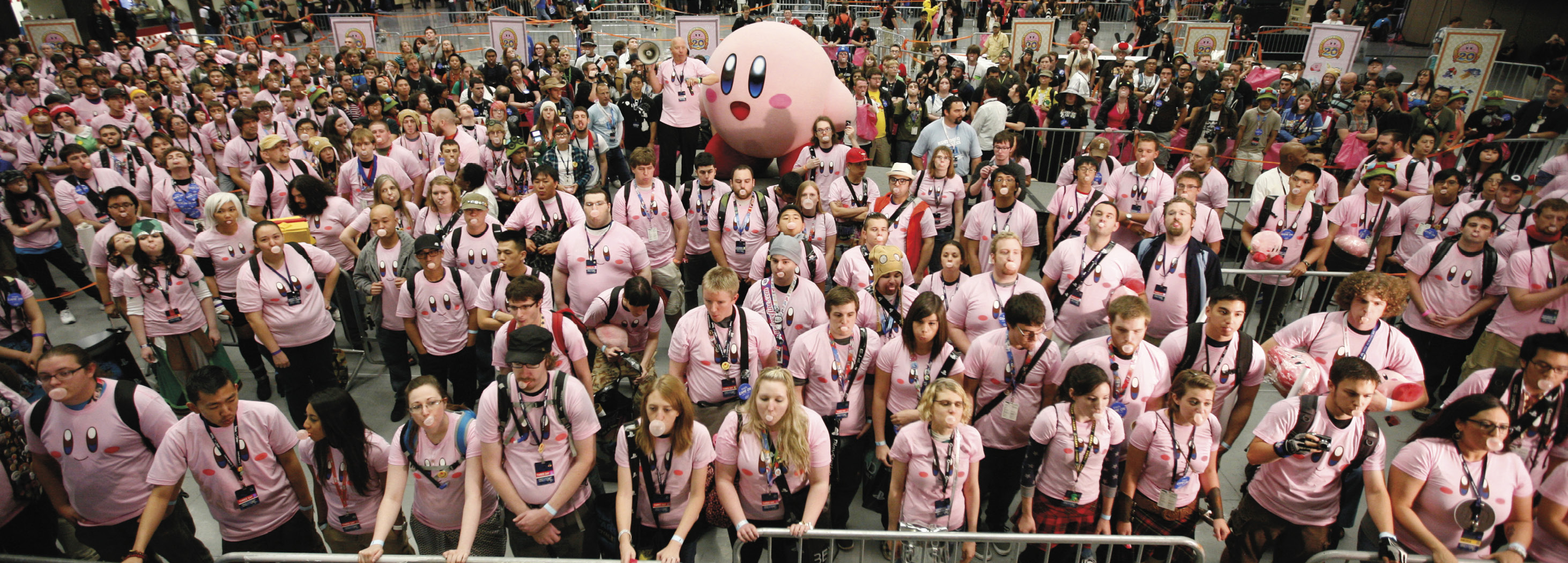
 World Record Kirby
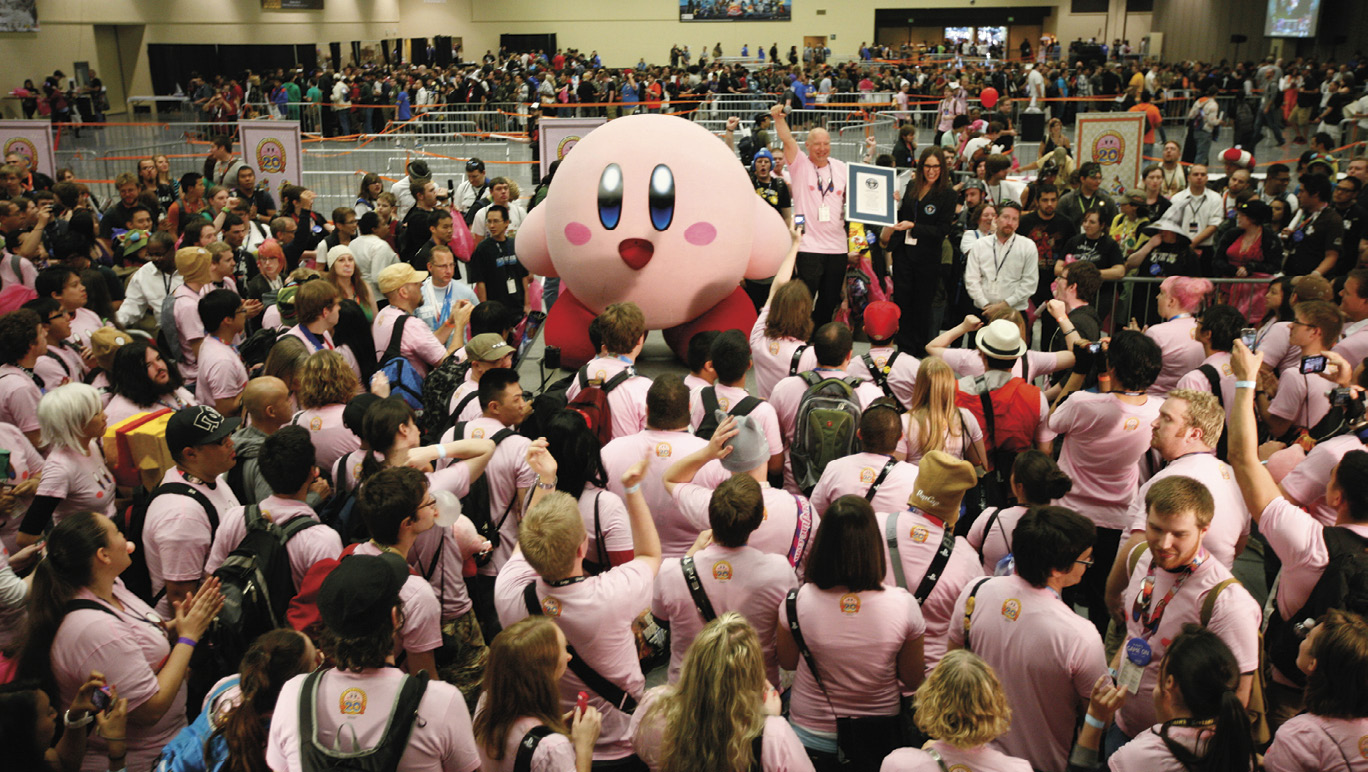
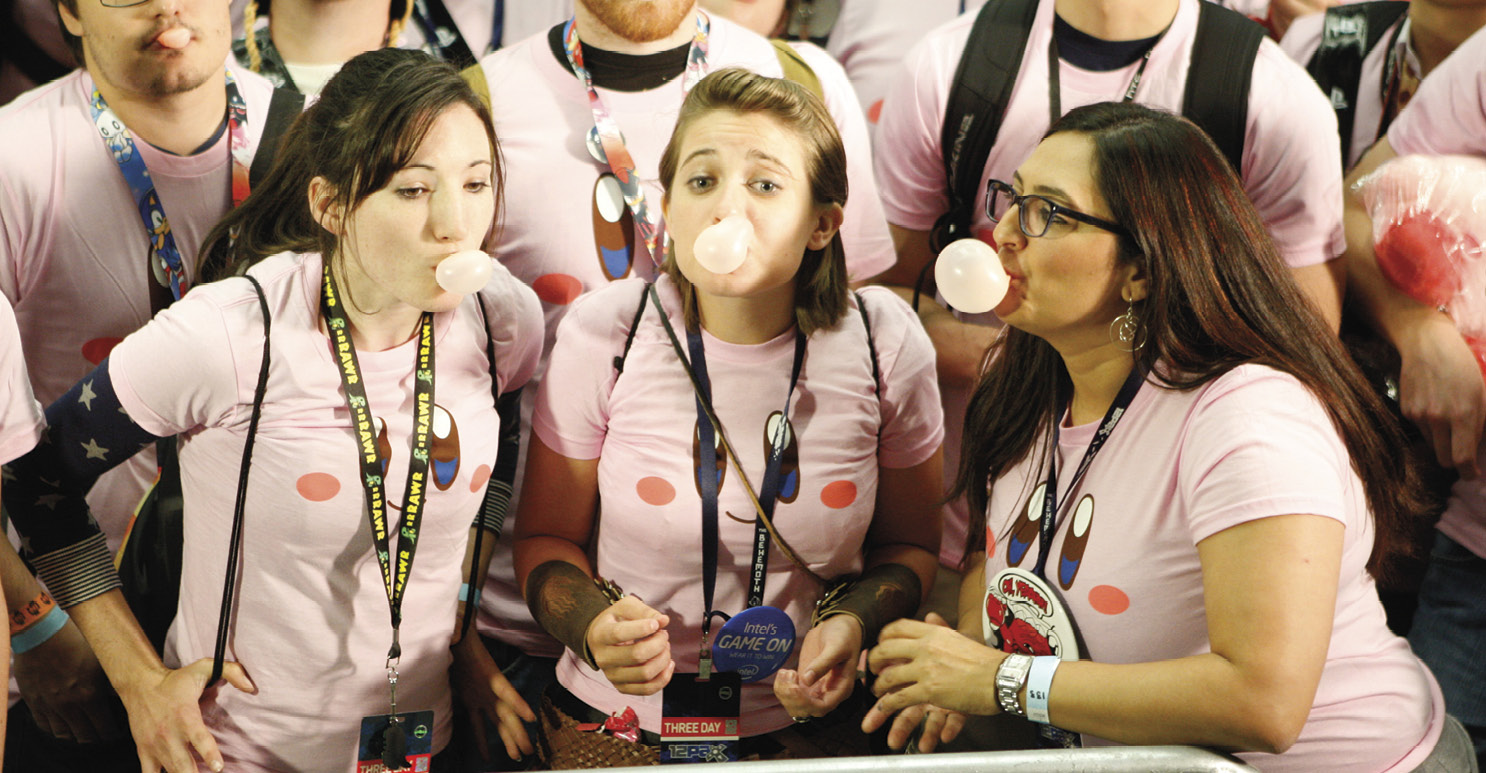
To commemorate Kirby’s 20th anniversary, Nintendo hosted an event at the PAX Prime game convention in Seattle, Washington, on September 1, 2012. 536 fans helped break the Guinness World Record for most people blowing a chewing gum bubble simultaneously. Kirby would be so proud!