
Playing With Super Power: Nintendo Super NES Classics Guide Super Mario Kart
LEGACY
The Mario Kart franchise has been a phenomenal success, even outselling traditional Mario titles on certain platforms such as the Wii U, where Mario Kart 8 was the system’s best-selling game of all time.
The success can largely be attributed to the accessibility of the series; it was designed so that anyone could pick up and play. More importantly, it was always designed with a social aspect in mind, so that anyone could pick up and play with friends. Each entry has added something new, but was built upon the same foundation laid by the original development team way back in 1992.
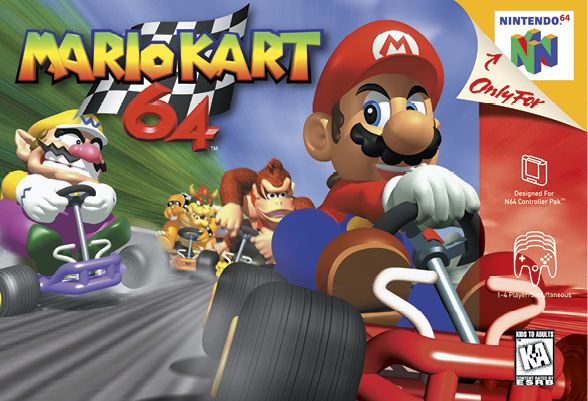
Mario Kart 64
1997, Nintendo 64
Mario Kart 64 introduced the series to 3D environments, four-player split-screen, and the Spiny Shell. Power-sliding also enabled increasingly powerful mini-turbos based on how long the slide was held—this new feature would come to be as synonymous with kart games as items themselves.
Mario Kart: Super Circuit
2001, Game Boy Advance
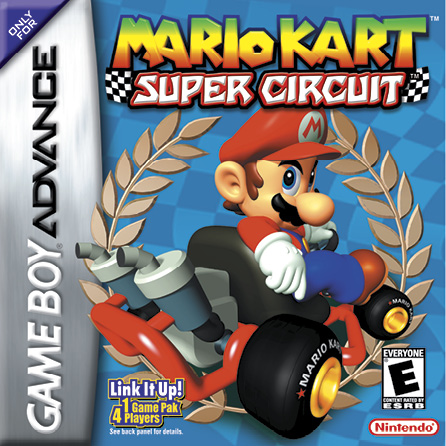
Released for the Game Boy Advance, Super Circuit more closely resembles Super Mario Kart than Mario Kart 64. In fact, the entirety of Super Mario Kart’s selection of courses is unlockable in Super Circuit, marking the introduction of retro tracks, which would become a staple of future installments.
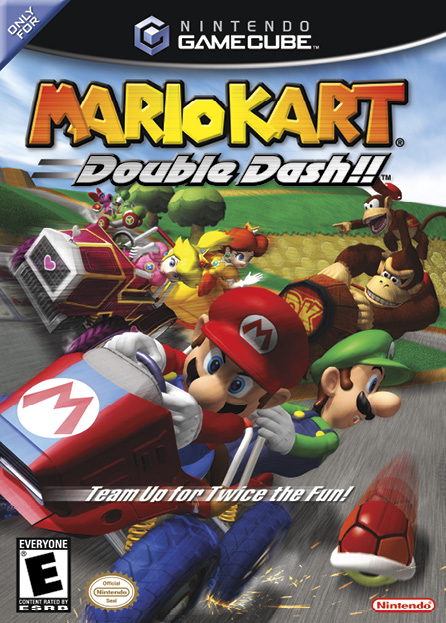
Mario Kart: Double Dash!!
2003, Nintendo GameCube
Double Dash!! greatly expanded the roster of racers and paired them off, with one racer driving and the other racer hanging off the back of the kart and using items. This was the only game to feature two riders in one kart.
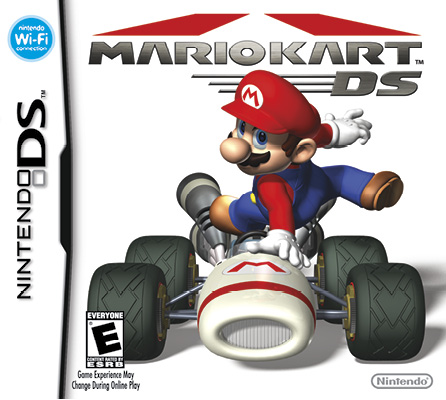
Mario Kart DS
2005, Nintendo DS
Mario Kart DS introduced Mission Mode and boss battles for a bit of gameplay variety. On the technological side, it offered wireless multiplayer via a number of options.

Mario Kart Wii
2008, Wii
Mario Kart Wii introduced motorcycles and tricks to the classic formula, as well as allowing Miis to get in on the fun. Mario Kart Wii is the best-selling Mario Kart game ever produced, moving an astounding 36.95M units.
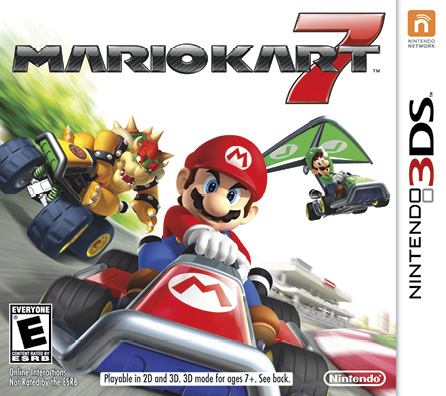
Mario Kart 7
2011, 3DS
Returning once more to the next generation of Nintendo handhelds, Mario Kart 7 for the 3DS introduced first-person racing, customizable vehicles, unlockable parts, underwater tracks, and hang glider attachments.
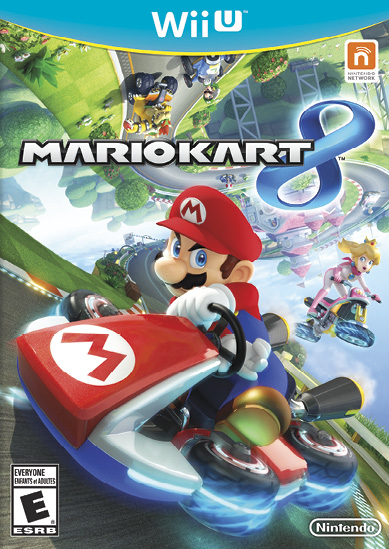
Mario Kart 8
2014, Wii U
Mario Kart 8 provides the most visually impressive Mario Kart yet, truly bringing the amusement park design of each track to life. Courses have more shortcuts and paths than ever before, thanks to anti-gravity sections where players can drive on walls and ceilings. ATVs were added in addition to the motorcycles from Mario Kart Wii, as well as a new 200cc engine class.
Mario Kart 8 was the first Mario Kart game to have downloadable content sold after its release, adding tracks and characters from non-Mario franchises such as The Legend of Zelda, Animal Crossing, Excitebike, and F-Zero.
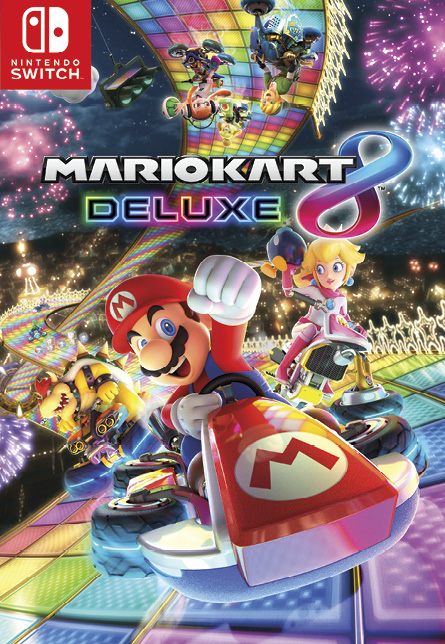
Mario Kart 8 Deluxe
2017, Nintendo Switch
Mario Kart 8 Deluxe was released shortly after the launch of the Nintendo Switch, letting players take the entirety of Mario Kart 8’s content on the go, equating to an unparalleled 48 courses and 42 playable racers. The revamped Battle Mode featured five different options, such as the classic Balloon Battle, as well as other variations including Bom-omb Blast from Mario Kart: Double Dash!! and Coin Runners from Mario Kart Wii.

Mario Kart Arcade GP, Mario Kart Arcade GP 2, Mario Kart Arcade GP DX
2005/2008/2014, Arcade
Across nearly a decade, Namco’s Mario Kart titles were released exclusively in arcades. Although the games largely resembled their console counterparts, the Arcade GP series did feature a large number of unique items such as Pie, Tacks, and even Sticky Oil, paying tribute to the unused Oil Can item from the original game. Several Namco characters also guest-starred, including Pac-Man, Ms. Pac-Man, Blinky, a Tamagotchi pet, and a few sentient drums from the Taiko: Drum Master games.