
Playing With Super Power: Nintendo Super NES Classics Guide Realizing the 16-Bit Dream
Nintendo Hardware Museum
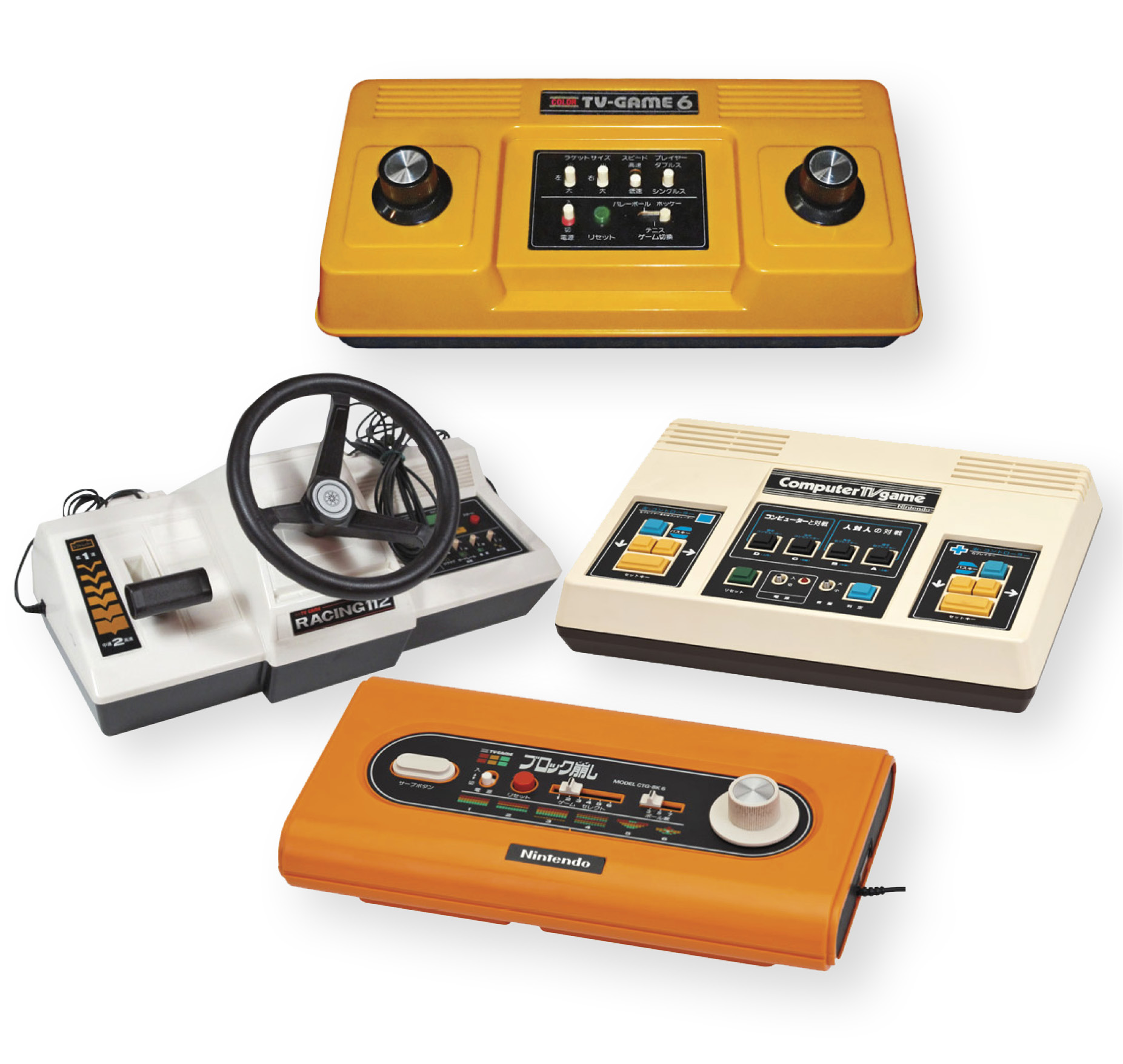
At release, the Super NES was the latest entry in a storied lineage of Nintendo brand hardware that began well before the release of its famed 8-bit console. For over 40 years Nintendo has produced electronic gaming products.
Color TV-Game (1977-1980)
Color TV-Game was a series of five first-generation home consoles. Each system included variations of a single game. For example, the Color TV-Game 6 provided six alterations to the Pong-inspired paddle-ball game, Light Tennis. The Color TV-Game Racing 112 included a steering wheel and gearshift, and marked the first game project of a young Nintendo employee named Shigeru Miyamoto.
Despite being released exclusively in Japan, the Color TV-Game collection amassed over 3M units sold, drastically outselling competition such as the Magnavox Odyssey and Atari’s Home Pong system.
Game & Watch (1980-1991)
Developed by Gunpei Yokoi and Satoru Okada as a way for adults to discreetly kill time on public transportation, Game & Watch was a series of miniature battery-powered single-game devices. Although the design started out simple, later Game & Watch releases pioneered, among other things, the cross-shaped directional pad used in nearly every gaming controller since, and the multi-screen clamshell design that would eventually characterize the Game Boy Advance SP and Nintendo 3DS handhelds.
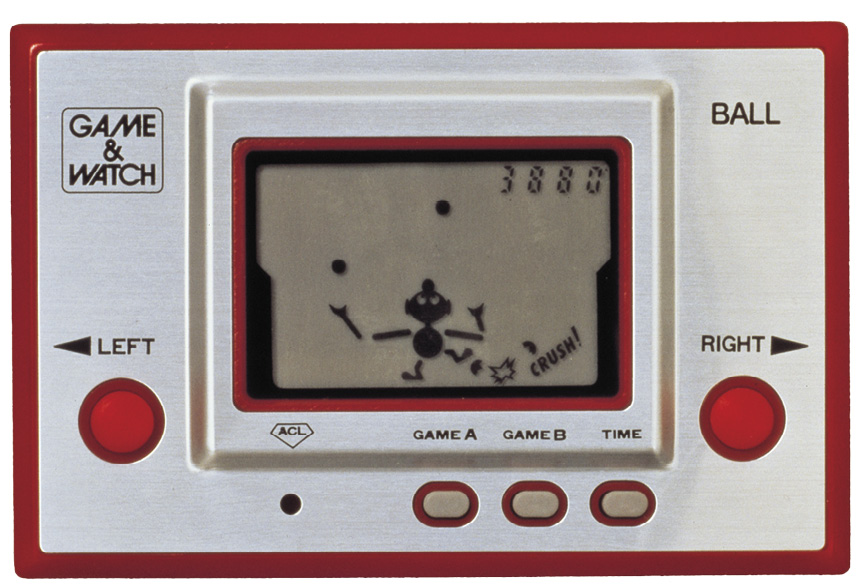
The first Game & Watch release was Ball, in 1980. Donkey Kong, The Legend of Zelda, and many others received the Game & Watch treatment up until 1991 with Mario the Juggler being the final release.
Game Boy (1989)
Mr. Okada followed up the Game & Watch with a more ambitious handheld seeking to match the long-term sustainability and success of the Famicom. The Game Boy needs no introduction, selling over 118M units across its various incarnations (nearly twice as many as the NES) and elevating Russian designer Alexey Pajitnov’s Tetris to a worldwide phenomenon.
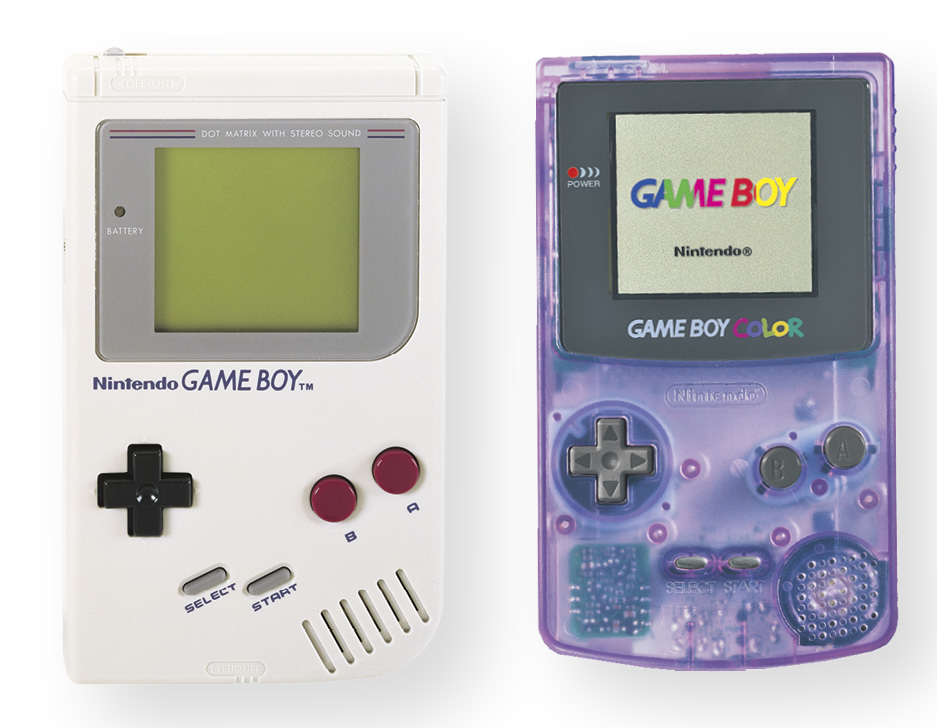
The Game Boy Color, released nearly a decade later, enabled classic grayscale Game Boy titles to be played with one of several color palettes.