
Playing With Super Power: Nintendo Super NES Classics Guide The Legend of Zelda: A Link to the Past
16 Bits
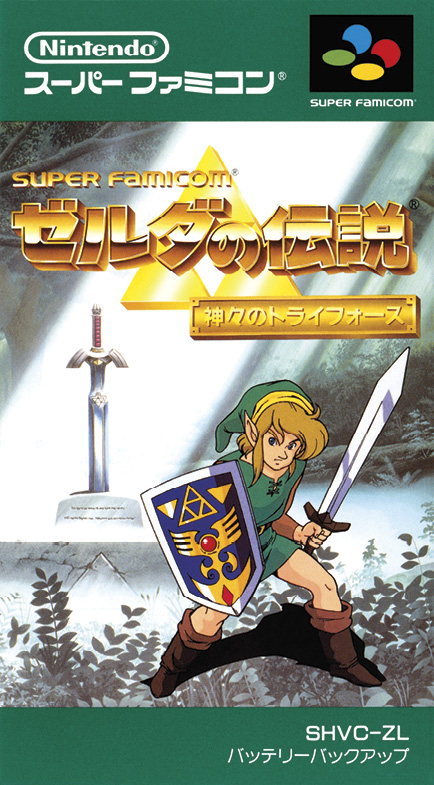
 Super Famicom Box Art
The Super Famicom and Super NES box art for A Link to the Past could not be more different. The Japanese version spotlights Link and the Master Sword, while the US version shows nothing other than the giant logo and a golden background reminiscent of the original NES title’s cartridge.
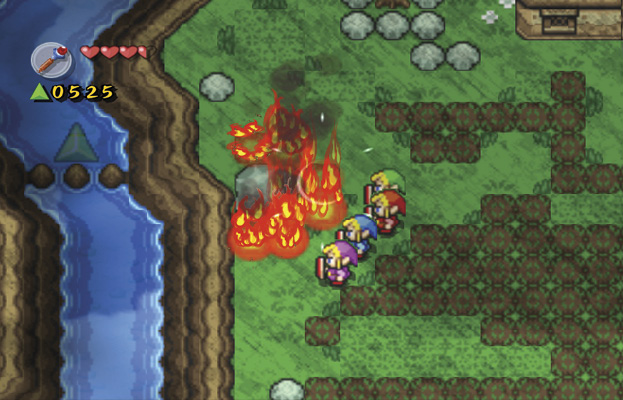
 Water and Fire
A Link to the Past had plenty of ambitions, yet there were a number of intriguing concepts that didn’t make the final game. One feature that got partially implemented before being scrapped would have allowed Link to dig a ditch with a shovel in swamp areas. Bombing the terrain would then cause the swamp water to fill the hole.
Another concept would have seen large brushfires spreading from use of the lantern in grassy areas. This mechanic later appeared in two Zelda games: Four Swords Adventures and Breath of the Wild.
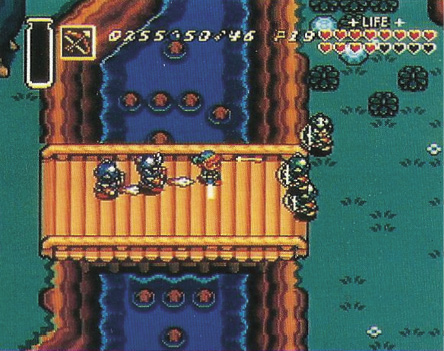
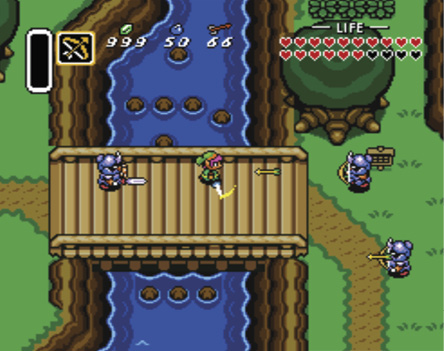
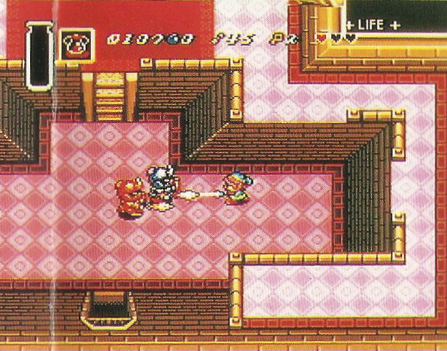
 Zelda 3
Early previews of the game reveal some notable differences from the final product. Can you spot them all?
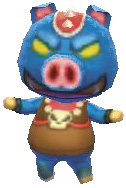
 Cranky Ganon
Ganon appears in Animal Crossing New Leaf as a “cranky” villager. His birthday is shown to be February 21, the same day The Legend of Zelda was released for the Famicom Disk System in 1986.

 Super Link Bros.
A Link to the Past makes several nods to the Mario franchise. Mario appears on several paintings hung around homes in Kakariko Village, and Chain Chomps appear in the Turtle Rock dungeon.
The rotating Guruguru bars that appear in A Link to the Past originated in Super Mario Bros., where they’re called Fire Bars. However, they were originally intended for The Legend of Zelda; the developers felt they looked better in a Mario game and passed them between titles.
 Cannon Soldier and Other Unused Elements
As with Super Mario World, various items and characters were created for A Link to the Past but ultimately do not appear in the final game:
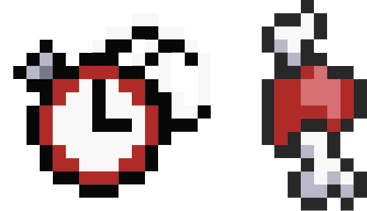
A stopwatch and a hunk of meat, similar to the Magical Clock and Enemy Bait from the first game, respectively.
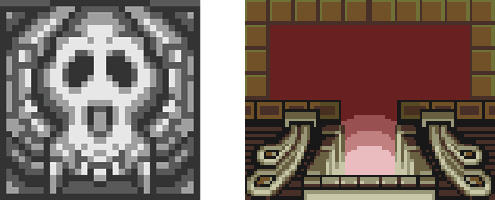
Various background decorations. The skull statues were later used in the Game Boy Advance port.

A bat-like Dark World creature, and a sad version of the Bully’s friend, who is only seen as being happy in the game despite being constantly kicked around.
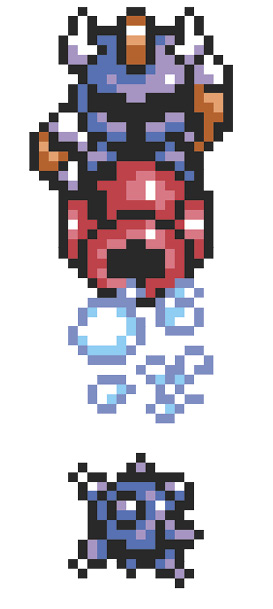
A fully functional cannon-wielding soldier.
 The Legend of Localization
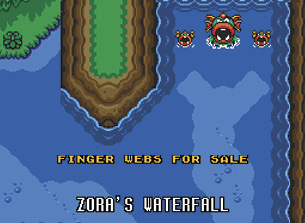
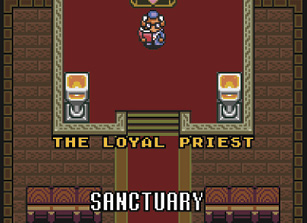
The names of certain characters or items were adjusted during the English localization process. “Ocarina Boy” was changed to “Flute Boy,” the “M.C. Hammer” was renamed to the “Magic Hammer,” and “Loyal Priest” was changed to “Loyal Sage.” Due to Nintendo of America’s policies on potentially contentious religious iconography, all other religious references were changed for the North American release as well. The Church became the Sanctuary, Agahnim switched from a priest to a wizard, and Egyptian hieroglyphs that appeared in the Hylian language were removed. Most notably, the game’s subtitle, Triforce of the Gods, was changed to A Link to the Past.
 Weapon Combos
A Link to the Past almost featured a weapon combo mechanic that would enable Link to combine certain items for entirely new effects, such as arrows with bombs attached to them. This feature didn’t make it into the final game, but was included in Link’s Awakening.
 Ganon’s Revenge
Several different subtitles were considered for A Link to the Past, including Ganon’s Revenge.
 Darknut
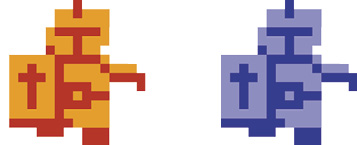
Shigeru Miyamoto has noted that the Darknut soldier is one of his favorite characters in the Zelda series. In the NES game these enemies charge at Link with varying speed and can absorb attacks with their shields, making them quite formidable. The soldiers in A Link to the Past were given even more elaborate behavior, such as investigating sounds made by Link when they were previously unaware of his presence.
 Super Smash Zelda
Link has appeared in every Super Smash Bros. game, bringing with him his usual bag of boomerangs, bombs, and boyishly good looks. Princess Zelda, Ganondorf, Sheik, and Young Link from Ocarina of Time, and Wind Waker’s Toon Link appear throughout the series as playable characters as well.
Link also lent his likeness to the Nintendo GameCube version of Soulcalibur II, and as a downloadable racer in Mario Kart 8.
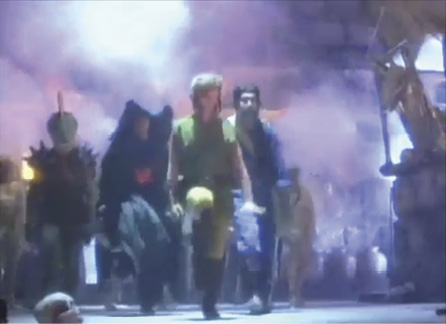
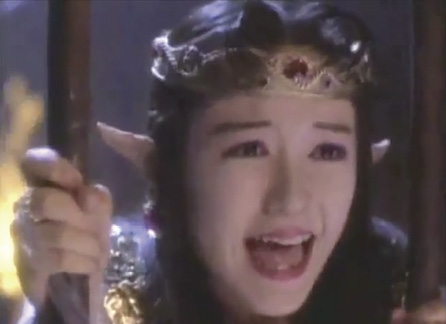
 Dancing Commercial
The Japanese commercial for The Legend of Zelda: Triforce of the Gods featured an ensemble dance number to a funky beat.
 The Legend of Zelda’s Name
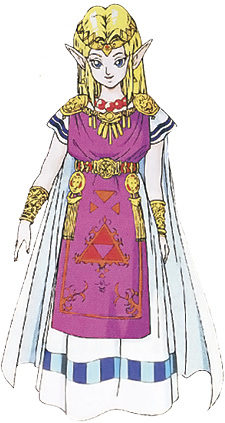
Mr. Miyamoto named Zelda after Zelda Sayre Fitzgerald, the socialite wife of novelist F. Scott Fitzgerald. She was said to be a stunningly beautiful woman whose intense personality fueled much of her husband’s writing. And, Mr. Miyamoto also just liked the way it sounded.
 Greek Mythology
A Link to the Past makes numerous references to Greek mythology: the Mirror Shield, which also appears in Nintendo’s Kid Icarus, was used by Perseus to defeat Medusa; the Pegasus Shoes are reminiscent of the winged sandals worn by Hermes; the Tower of Hera is named after Zeus’ wife, Hera; and the bomb-throwing Hinox enemy is a cyclops.
 It’s a Top Secret to Everyone
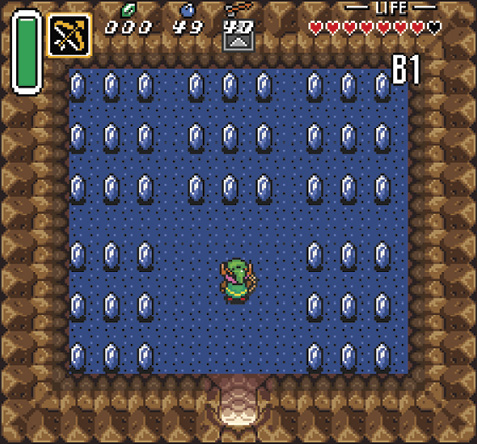
The Top Secret Room belongs to a young man named Chris Houlihan, who won a contest in Nintendo Power with a prize of being named in an upcoming Nintendo game. The room is filled with 45 Blue Rupees and a message from Mr. Houlihan himself stating, “My name is Chris Houlihan. This is my top secret room. Keep it between us, okay?”
Top secret, indeed, as this Easter egg went mostly undiscovered for many years, especially in the pre-Internet age. From a technical standpoint, the developers used this room as a failsafe for when the game doesn’t know where Link should go. These occurrences are extremely rare, but players can force access to the room through a handful of methods. One of the easier (and earliest) techniques requires Link to Dash Attack from the Sanctuary to the secret Sewer Passageway entrance outside Hyrule Castle as quickly as possible. Upon exiting the room, the player appears as if exiting Link’s house.

 Soundtrack
The official two-disc soundtrack, The Legend of Zelda: Sound & Drama, was released in Japan in 1994. The complete A Link to the Past soundtrack was included, as well as rearranged versions of select songs and tracks from the first game. The “Drama” in the album’s name referred to a lengthy audio drama also on the disc where voice actors acted out a Zelda-themed skit.