Prima Games eGuides
primagames.com Browse Redeem a code Help
Playing With Super Power: Nintendo Super NES Classics eGuide
Sign in My Guides

Sign in or create an account

We'll email you a link. No password needed, and if you don't have an account yet, the link makes one.

By creating an account or signing in, you agree to our Terms of Service and Privacy Policy.

Have a password?

Had an account on the old eGuides site, or a code from a printed guide? Help and troubleshooting

Sign in with a password

By signing in, you agree to our Terms of Service and Privacy Policy.

Check your email

A sign-in link is on its way. It works once and expires in 15 minutes. Open it and you're in, with an account if you didn't already have one.

Contents

  • Earthbound
    • Overview
    • Development
    • Characters
    • Say “Fuzzy Localization!”
    • Places of Interest
    • 16 Bits
    • Confidential Information
    • Legacy
    • Earthbound Credits
  • Super Fans
    • Introduction
    • Sam Filstrup
    • Artist Spotlight: Studio Tamago
    • Ben Hickling
    • Sam Santala
    • Artist Spotlight: Orioto
    • Sophie Pearson
    • Nadyasonika
    • Artist Spotlight: Alain “Wuppes” Wildgen
    • Fansite Spotlight: Zelda Universe
    • Xavier Garcia
    • Gonzalo “Genzoman” Ordoñez
    • Music Spotlight: Video Games Live
    • KlausBoss
    • Artist Spotlight: Per Fhager
    • Fansite Spotlight: Metroid Database
    • Artist Spotlight: Dan Cattell
    • Fansite Spotlight: F-Zero Central
    • Zoki64
    • Ted Graves
    • Li Kovacs
    • Music Spotlight: Metroid Metal
    • Artist Spotlight: Josue Martinez
    • Fansite Spotlight: Starmen.Net
    • PrinceOfRedroses
    • Artist Spotlight: Tsurera
    • Fansite Spotlight: StarFox-Online
    • Thiago Almeida
    • Artist Spotlight: Jenni Källberg
    • Efraim Rodríguez
    • Artist Spotlight: Gnomo del Bosque
    • Fansite Spotlight: DK Vine
    • Layze Michelle
    • Matthew Z.
    • Artist Spotlight: Joel Sousa
  • Realizing the 16-Bit Dream
    • Introduction
    • Launch Titles
    • Lifespan
    • Legacy
    • Design
    • Under the Hood
    • Across the Generations
    • Accessories
    • Top 20 Best-Selling Games
    • Nintendo Hardware Museum
  • Super Mario World
    • Overview
    • Development
    • Characters
    • World 1: Yoshi’s Island
    • World 2: Donut Plains
    • World 3: Vanilla Dome
    • World 4: Twin Bridges
    • World 5: Forest of Illusion
    • World 6: Chocolate Island
    • World 7: Valley of Bowser
    • World 8: Star World
    • World 9: Special World
    • 16 Bits
    • Confidential Information
    • Legacy
    • Super Mario World Credits
  • The Legend of Zelda: A Link to the Past
    • Overview
    • Development
    • The Hero of Hyrule
    • Hyrule
    • Franchise Firsts
    • 16 Bits
    • Confidential Information
    • Legacy
    • The Legend Of Zelda: A Link To The Past Credits
  • Super Mario World 2: Yoshi’s Island
    • Overview
    • Development
    • Characters
    • World 1
    • World 2
    • World 4
    • World 5
    • World 6
    • 16 Bits
    • Confidential Information
    • Legacy
    • Super Mario World 2: Yoshi’s Island Credits
  • Kirby’s Dream Course
    • Overview
    • Development
    • Abilities
    • Demo Play
    • Traps & Tricks
    • Courses
    • 16 Bits
    • Confidential Information
    • Legacy
    • Kirby’s Dream Course Credits
  • Donkey Kong Country
    • Overview
    • Development
    • More Than Just a Pretty Ape
    • Soundtrack
    • Characters
    • Animal Buddies
    • Donkey Kong Isle
    • Kongo Jungle
    • Monkey Mines
    • Vine Valley
    • Gorilla Glacier
    • Kremkroc Industries, Inc.
    • Chimp Caverns
    • Gangplank Galleon
    • 16 Bits
    • Confidential Information
    • Legacy
    • Donkey Kong Country Kredits
  • Super Metroid
    • The Metroid Menace
    • Development
    • Samus
    • Zebes
    • Crateria
    • Brinstar
    • Wrecked Ship
    • Maridia
    • Norfair
    • Tourian
    • 16 Bits
    • Confidential Information
    • Legacy
    • Super Metroid Credits
  • Star Fox
    • Overview
    • Development
    • Characters
    • Items
    • Courses Overview
    • 16 Bits
    • Confidential Information
    • Legacy
    • Star Fox Credits
  • Super Mario Kart
    • Overview
    • Development
    • Racers
    • Items
    • Tracks Overview
    • Mario Circuit
    • Ghost Valley
    • Bowser Castle
    • Choco Island
    • Koopa Beach
    • Vanilla Lake
    • Rainbow Road
    • Notable Foes
    • Battle Mode
    • 16 Bits
    • Confidential Information
    • LEGACY
    • Super Mario Kart Credits
  • F-Zero
    • Overview
    • Development
    • Gameplay
    • The Machines and Their Pilots
    • Tracks Overview
    • Mute City I/II/III
    • Big Blue, Sand Ocean, Death Wind I/II
    • Silence
    • Port Town I/II
    • Red Canyon I/II
    • White Land I/II
    • Fire Field
    • 16 Bits
    • Confidential Information
    • Legacy
    • F-Zero Credits
  • Star Fox 2
    • Overview
    • Development
    • Teaching a Young Fox New Tricks
    • Invisible Legacy
    • Characters
    • Locations
    • But Wait, There Was More…
    • Enemy Gallery
    • Star Fox 2 Credits
  • Super Punch-Out
    • Overview
    • Development
    • Minor Circuit
    • Major Circuit
    • World Circuit
    • Special Circuit
    • 16 Bits
    • Confidential Information
    • Legacy
    • Super Punch-Out!! Credits
  • Kirby Super Star
    • Overview
    • Development
    • The History of Twinkle Pop
    • The Evolution of the Inhale
    • Games
    • 16 Bits
    • Confidential Information
    • Legacy
    • Kirby Super Star Credits

Playing With Super Power: Nintendo Super NES Classics Guide › Super Mario Kart

Battle Mode

In many ways, despite its origin story, Super Mario Kart is the opposite of F-Zero. From the onset it has always been a party game masquerading as a racing game, and items served as a way to level the playing field whether you were an experienced F-Zero pilot or new to gaming altogether. To focus even further on fast-paced split-screen fun with friends and family, Nintendo created gaming’s most beloved screaming simulator: Battle Mode.

“The thing we spent the most time thinking about was the Battle Mode,” Mr. Miyamoto said in an interview appearing in the original Super Mario Kart strategy guide. “The very fact that Battle Mode has nothing to do with racing is what made us want to add it, and give it special attention. It helped strengthen the image of the game. It’s not, ‘You get to become a world-class racer!’ but rather, ‘You get to race around and play in this go-kart with your friends!’”

“The very fact that Battle Mode has nothing to do with racing is what made us want to add it.”

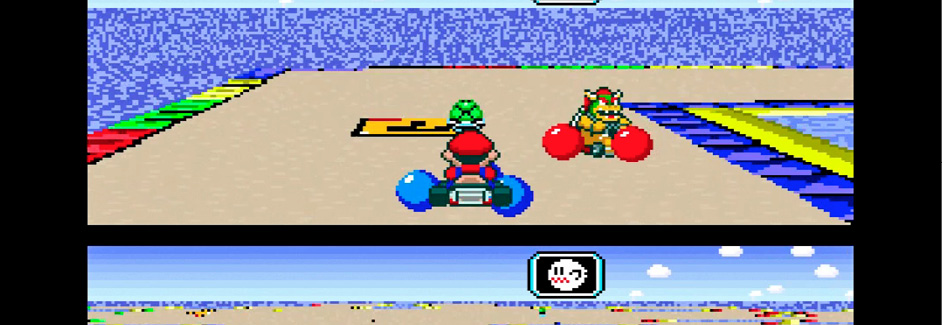
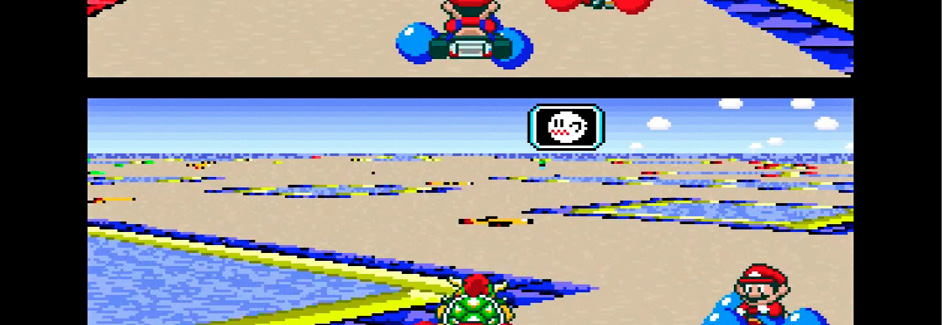
Instead of racing, players face off against each other in one of four unique arenas. Each player has three balloons and must use items to pop all of the opposition’s balloons to win. Slick power sliding skills and quick course completions were replaced with cunning, reflexes, and staring at your friend’s half of the screen to figure out where they were, then trying to knock them into a corner so you could safely pop their balloons one after another while cackling maniacally.

While getting hit by an item when racing is often a source of frustration, getting hit in Battle Mode was just the name of the game. This was pure, unadulterated fun, and was as much a rite of passage in the early 1990s as wearing head-to-toe neon and successfully sticking the straw into a Capri Sun on your first attempt.

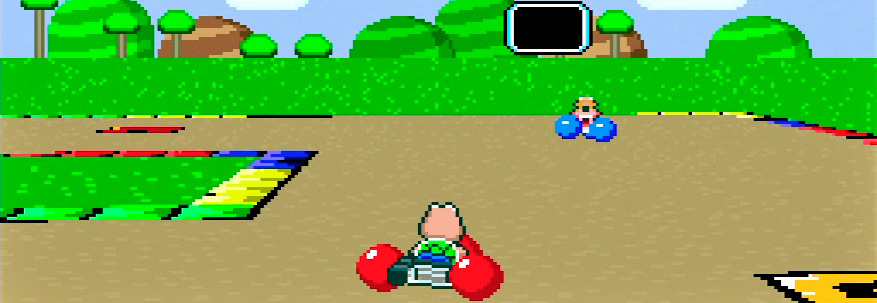
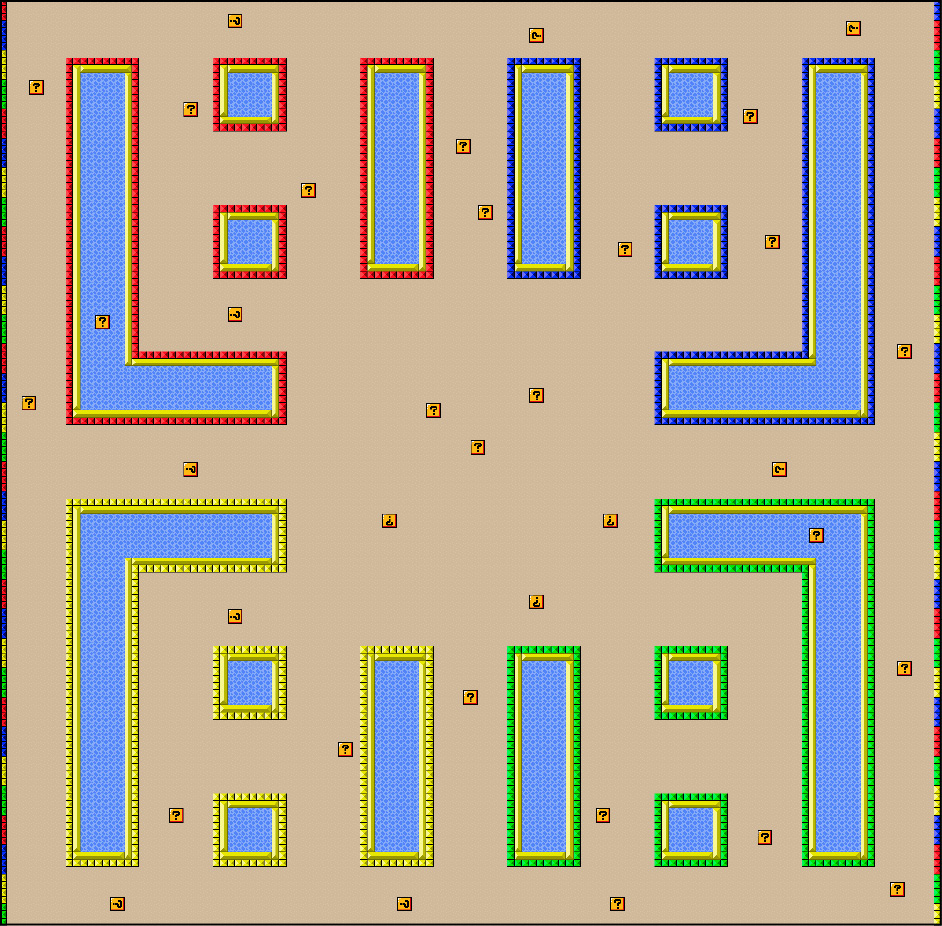
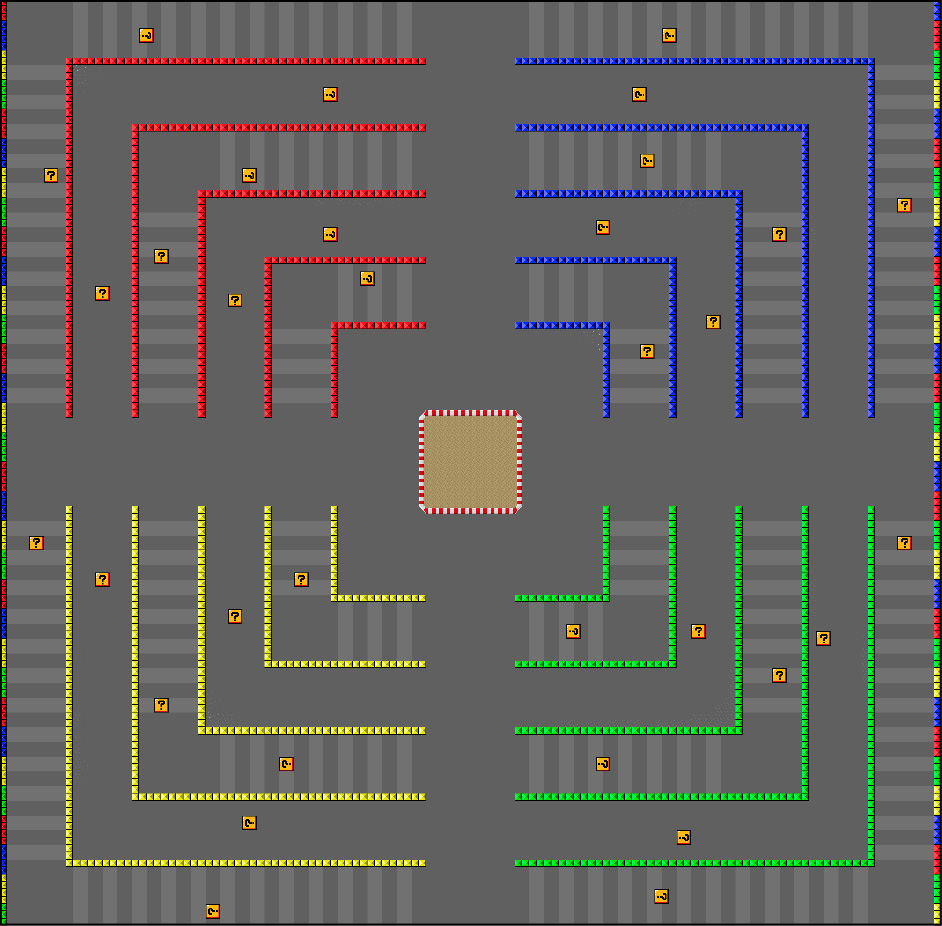
Battle Course 1
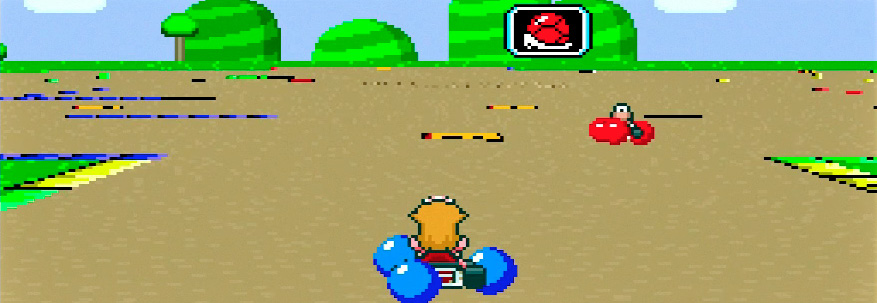
Battle Course 1

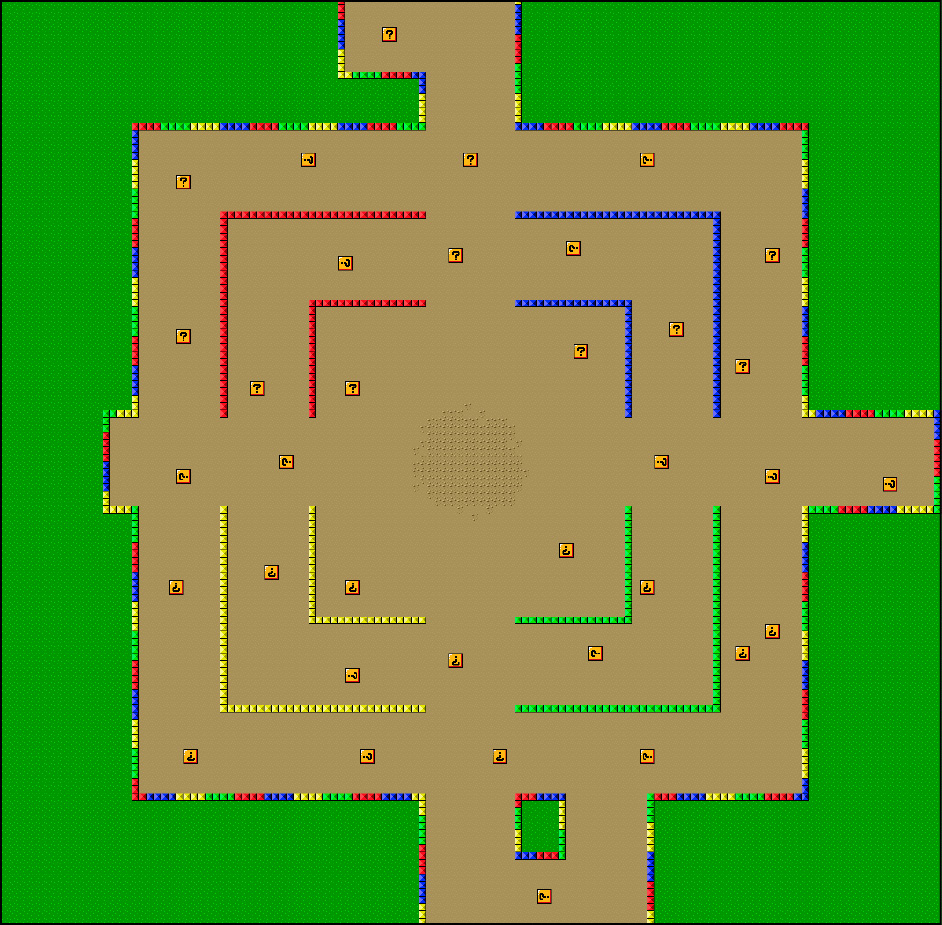
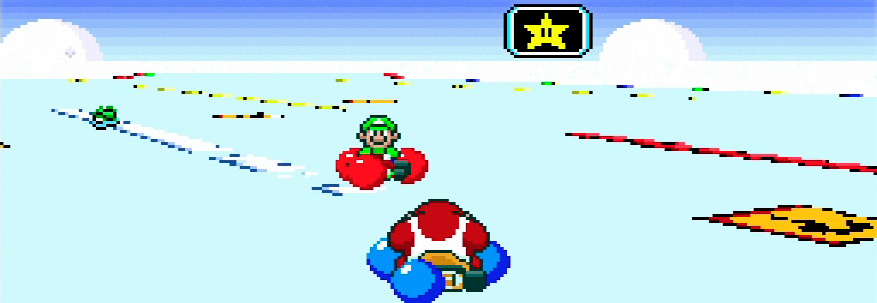
Battle Course 2

Battle Course 2

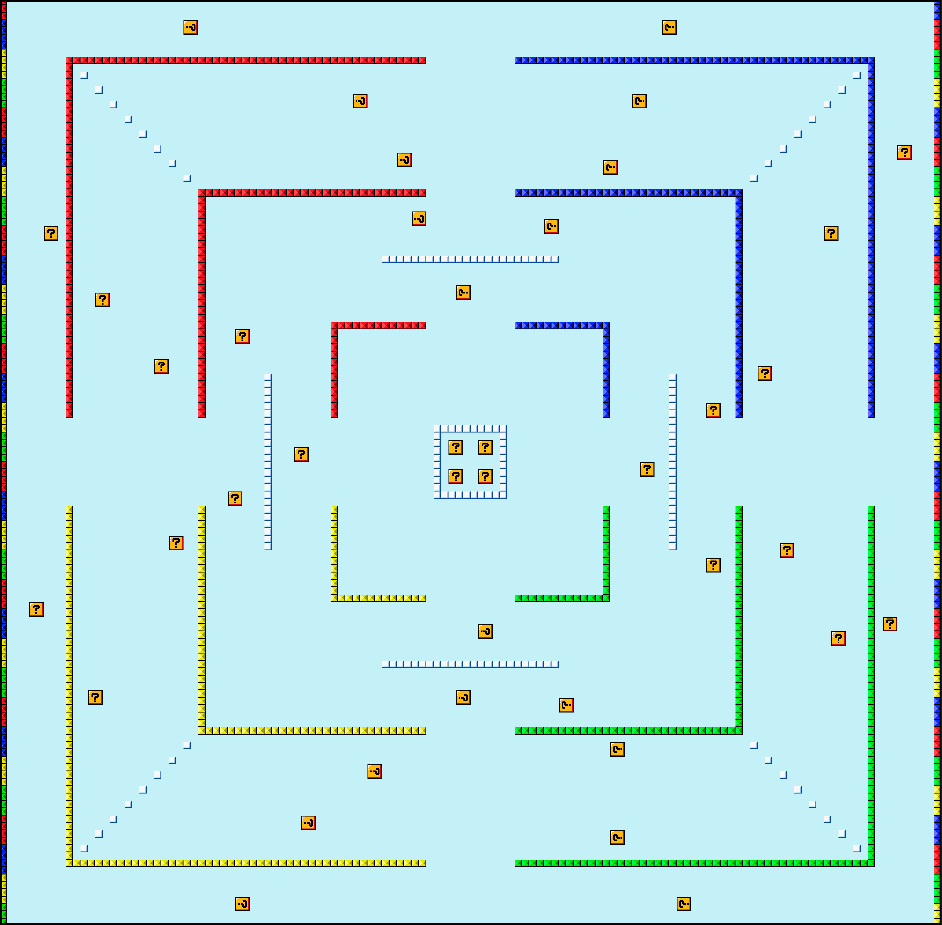
Battle Course 3
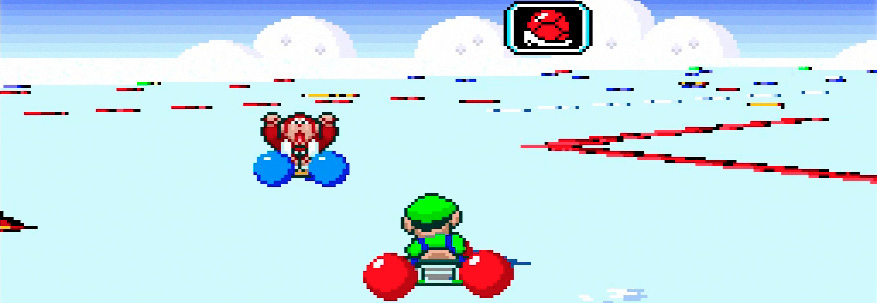
Battle Course 3

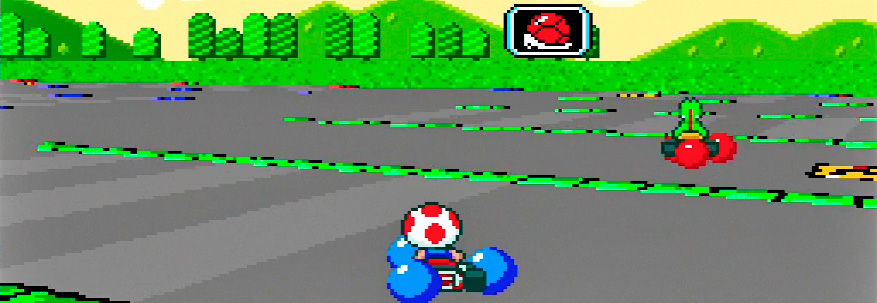
Battle Course 4
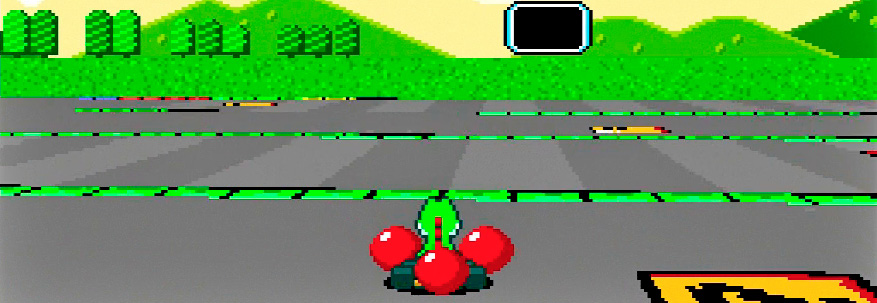
Battle Course 4

Keep reading with a free account

The first 3 sections of Playing With Super Power: Nintendo Super NES Classics are open to everyone. An account opens the rest of it, and every other guide in the archive. It's free, and there's nothing to buy.

Bought guides on the old Prima Games site? Your account and every guide you own moved here, so there's nothing to buy again. Sign in.

Create a free account Or browse our free guides

PreviousNotable Foes Next16 Bits