
Dragon Age Inquisition Guide Multiplayer
Preparing for Battle
Proper preparation and prudent planning prevents pretty poor performance.
Inquisition multiplayer is not going to hold your hand through battle. If you don’t keep up with your weapons and equipment, if you’re forgetting to equip potions (and forgetting to restock them), and if you’re not setting up your abilities as you unlock them, your experience in the field will be sad and short lived. However, if you take the time to make sure you’re ready, you and your allies will eventually be ready to fight through even Perilous-level missions!
Weapons and Equipment
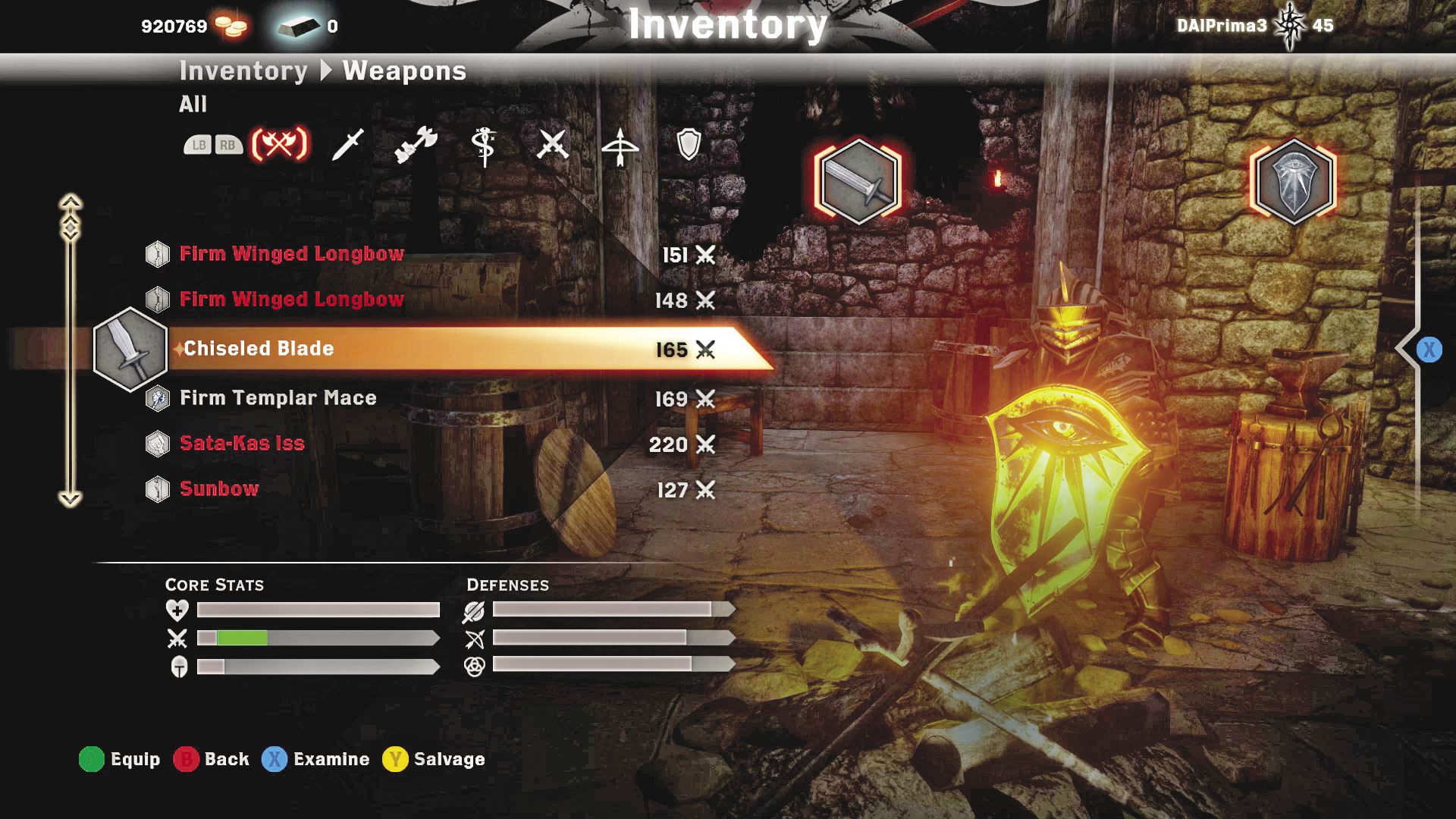
Weapons and equipment work as they do in single-player mode, but there are some slight differences. For one, there is no helmet slot to worry about. Another major difference is that characters in multiplayer stick to only one weapon type. For example, even though Katari is part of the warrior class, he cannot use a sword and shield. He must use two-handed weapons.
Upgrading armor or weapons works similarly as well, but fortunately you don’t need to go to a specific menu to attach armor upgrades or runes. Simply go to the upgrade or rune you want to use in the Inventory menu, then select it to go to your Upgrade menu.
A key difference with upgrades in multiplayer is that, unlike in single player, armor upgrades cannot be removed from the armor: They can only be overwritten by a new upgrade. Make sure you’re using the upgrade you want on the right piece of gear!
Another function of the Inventory menu is the ability to salvage almost every piece of gear you earn, save for the starting weapons and armor. This is more than just freeing up space: You need to do this to get crafting material.
Crafting
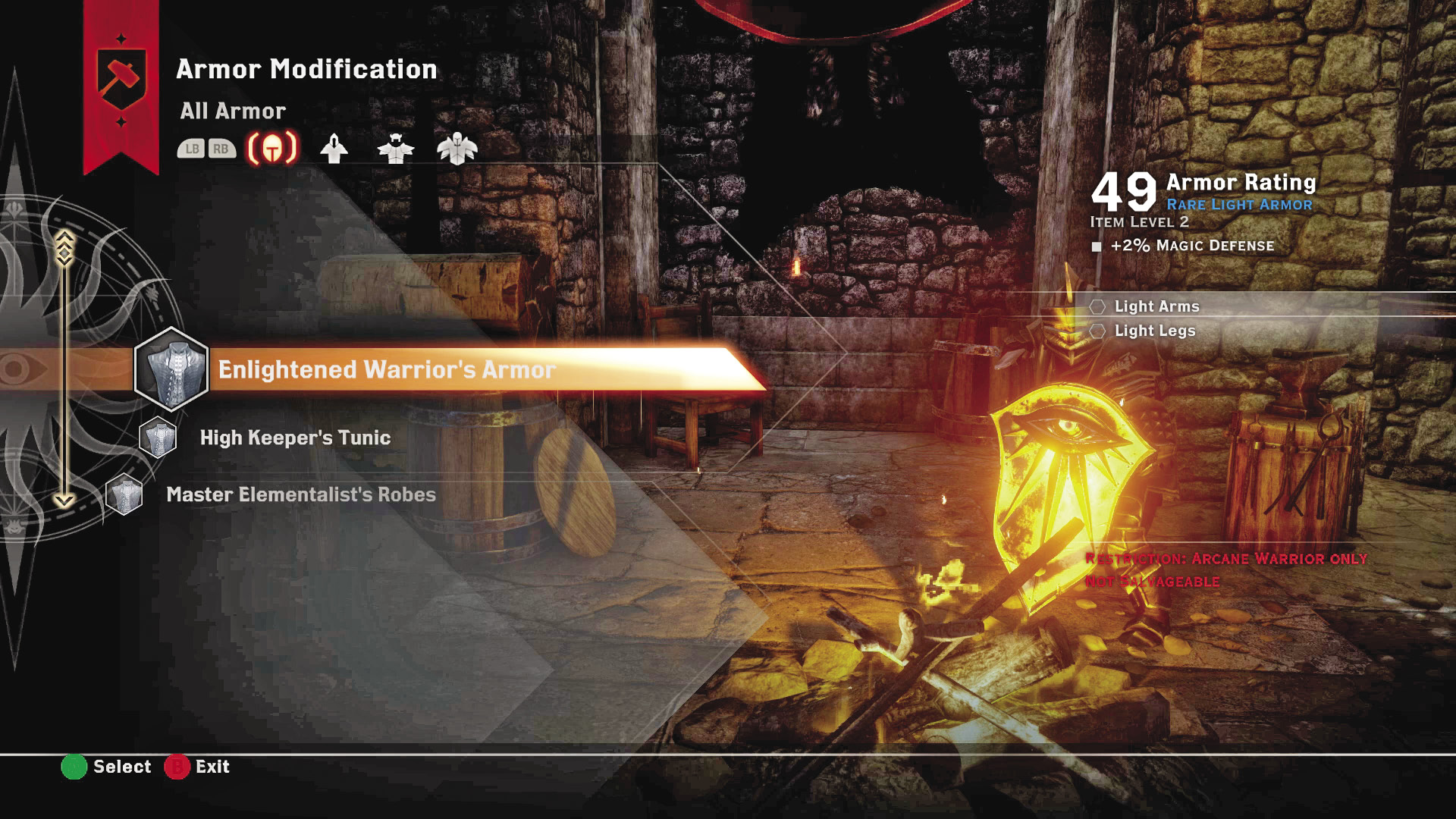
Crafting weapons and armor is one of the most important things you can do to ensure your survival. You start off with schematics that cover the spectrum of armor and weapons you can use across all 12 characters, as well as upgrades for them all. What you don’t start with is crafting material. That is earned by salvaging other pieces of equipment you earn while on a mission, or you can purchase loot chests at the store.
Crafting’s other major function is to help unlock new characters. As you play the game and complete missions, you earn gold that you can use at the store. The chests purchased at the store have a chance to come with an armor schematic for a new character. If you then craft that character’s armor, he or she will become playable. You start out with the Legionnaire, the Archer, and the Keeper, but all others must be unlocked via crafting.
Setting Skills
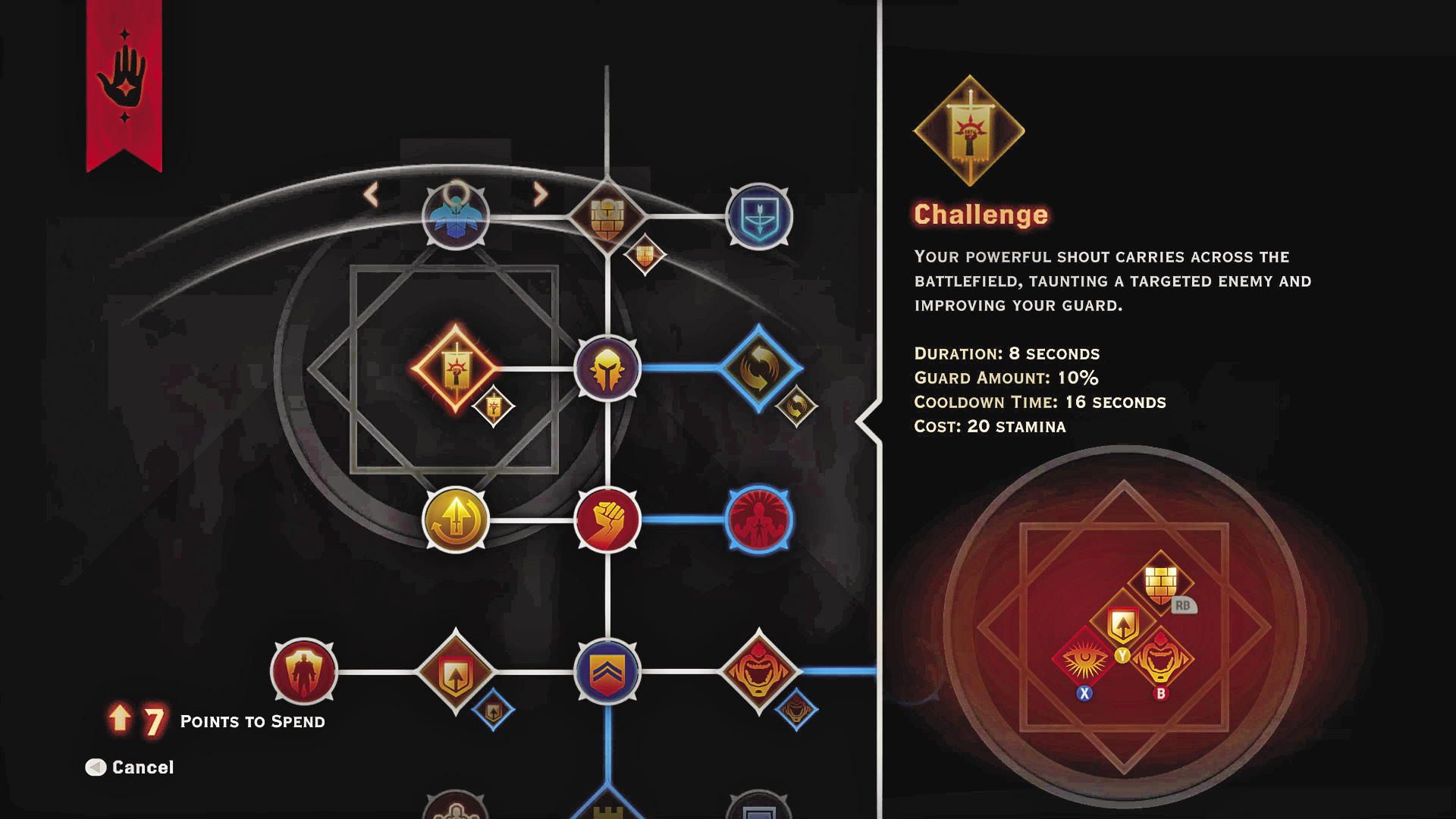
With only four slots available for active abilities, you will not be as versatile as a character can be in single-player mode. You need to pick passive abilities that best serve the active abilities you’re going to use, and since you have at most 19 ability points to work with by level 20, you can’t just pick your upgrades haphazardly.
Potions
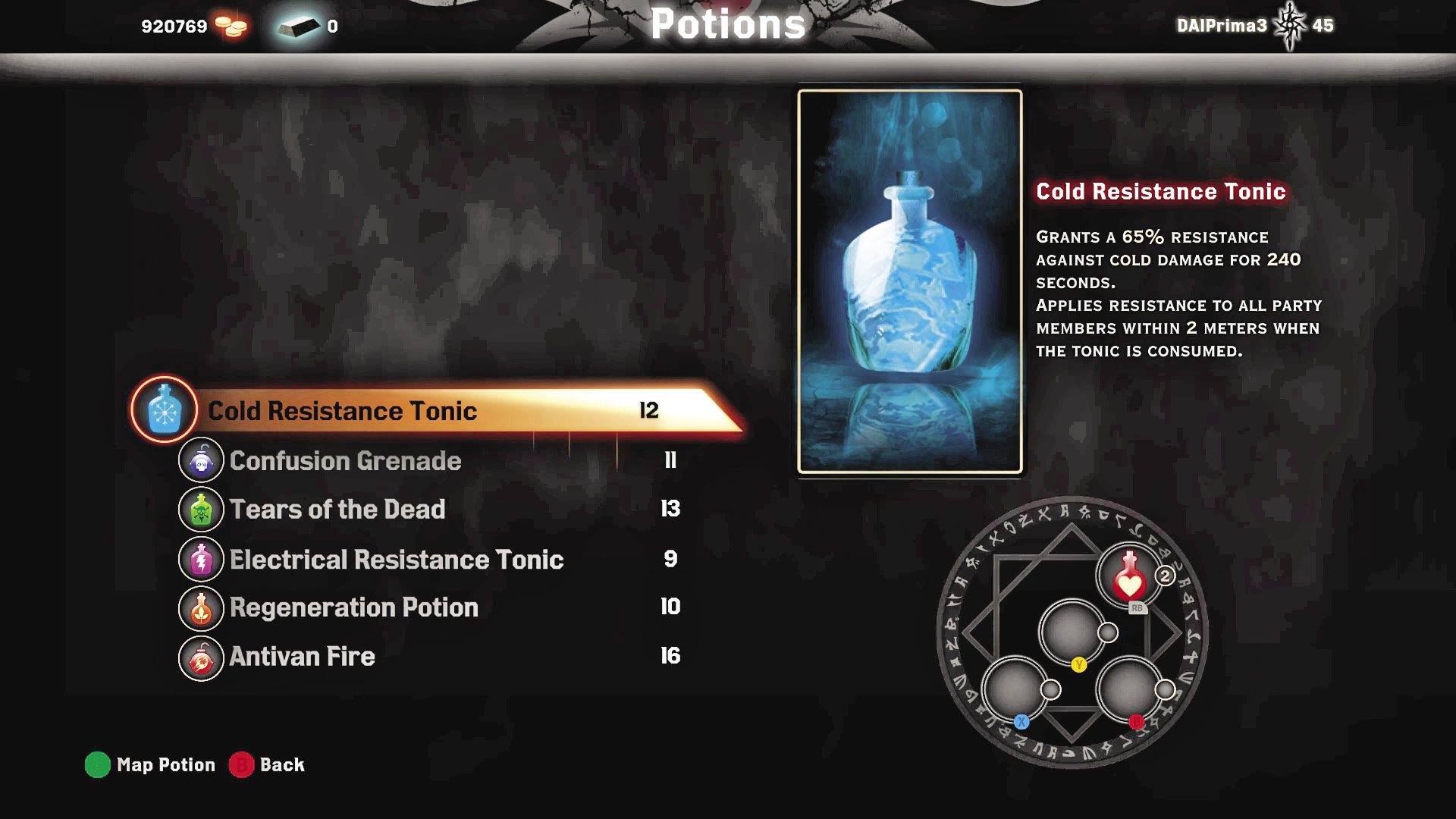
The other four slots on your action bar are used for potions of all kinds. You start multiplayer with two health potions in your inventory, and that’s also the maximum of that kind you can carry. A potion can only go into one slot, so you can’t just fill out your inventory with nothing but health potions and face-roll through battles. It’s typically best to go with a generalist loadout. Specialized potions that increase specific resistances are great, but you can’t guarantee what forces you’ll run up against, and that means you might have wasted a potion slot on something you can’t use. A safe loadout would include health potions and healing mist potions to help allies in need. Jar of bees is a useful AoE attack anyone can carry, and it’s especially good at revealing shadows or scouts trying to sneak past a choke point with Stealth.
The Store
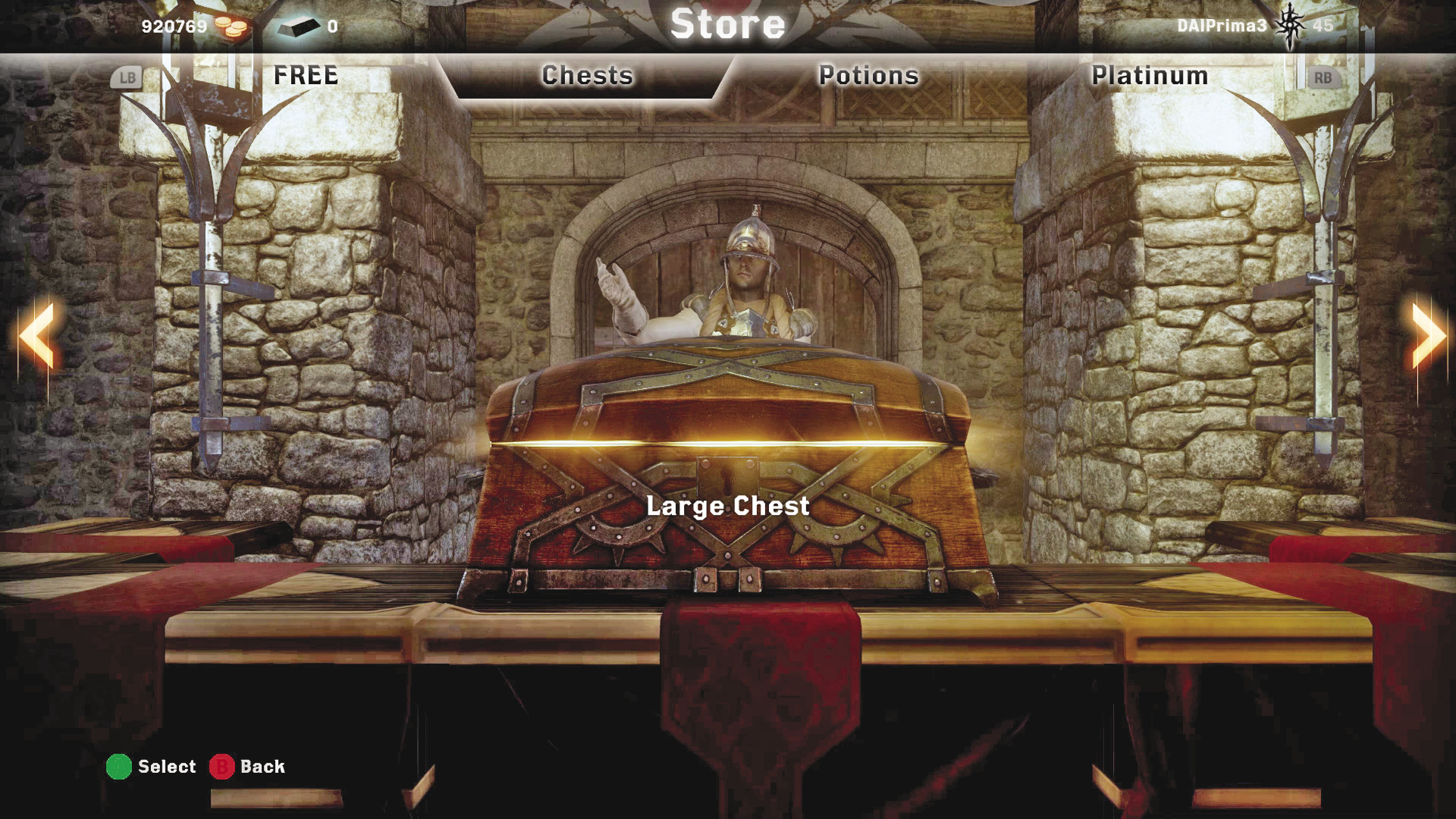
The store is where you can spend the gold earned during missions on loot chests and potion chests. When you first start playing multiplayer, the game awards you a starter’s chest that contains a variety of potions, and possibly some gear, to help you get settled in for your first mission. Everything else after that must be purchased with your hard-earned cash.
Chests
Chests provide loot and potions. You can’t tell what’s in them until you open them!
Small Chest: 270 Gold
Contains one random loot item and two potions.
Medium Chest: 725 Gold
Contains three random loot items and three potions.
Large Chests: 1,200 Gold
Contains five random loot items and five potions.
Potions
Potions play a big role in your survival, so you may want to spend money on potion chests specifically to try to build up your inventory.
Healing Potion Crate: 250 Gold
A container of five healing potions. Perfect for restoring your supply.
Mixed Potion Crate: 250 Gold
A container of five random potions for an extra advantage on your operation.