
Titanfall Guide Behind the Scenes
Source Engine and Matchmaking: Jon Shiring

Jon Shiring: Programmer
Past Projects
Call of Duty: Modern Warfare 2
Call of Duty 4: Modern Warfare
Call of Duty 2
Savage
Prima Games: You started with Respawn from the beginning. What was that like?
Jon Shiring: It was chaotic and mostly horrible. I mean, we really didn’t know what we were doing for a year, and we didn’t have any good tools for the designers to try stuff out. So, we were all working as hard as we could, but we couldn’t get anything to start clicking. It was a long process of, “Oh God, this isn’t working. What do we do next?”
PG: At that point, was Titanfall even a concept?
Jon: No. Early on, we just pitched all sorts of crazy ideas. I pitched a Pokémon-style game, and other people had car-based games and just all these different things. Even the Titans weren’t really the focus for a long time. And we had some other stuff, so, yeah, I would say the earliest this game really came together was late 2012.
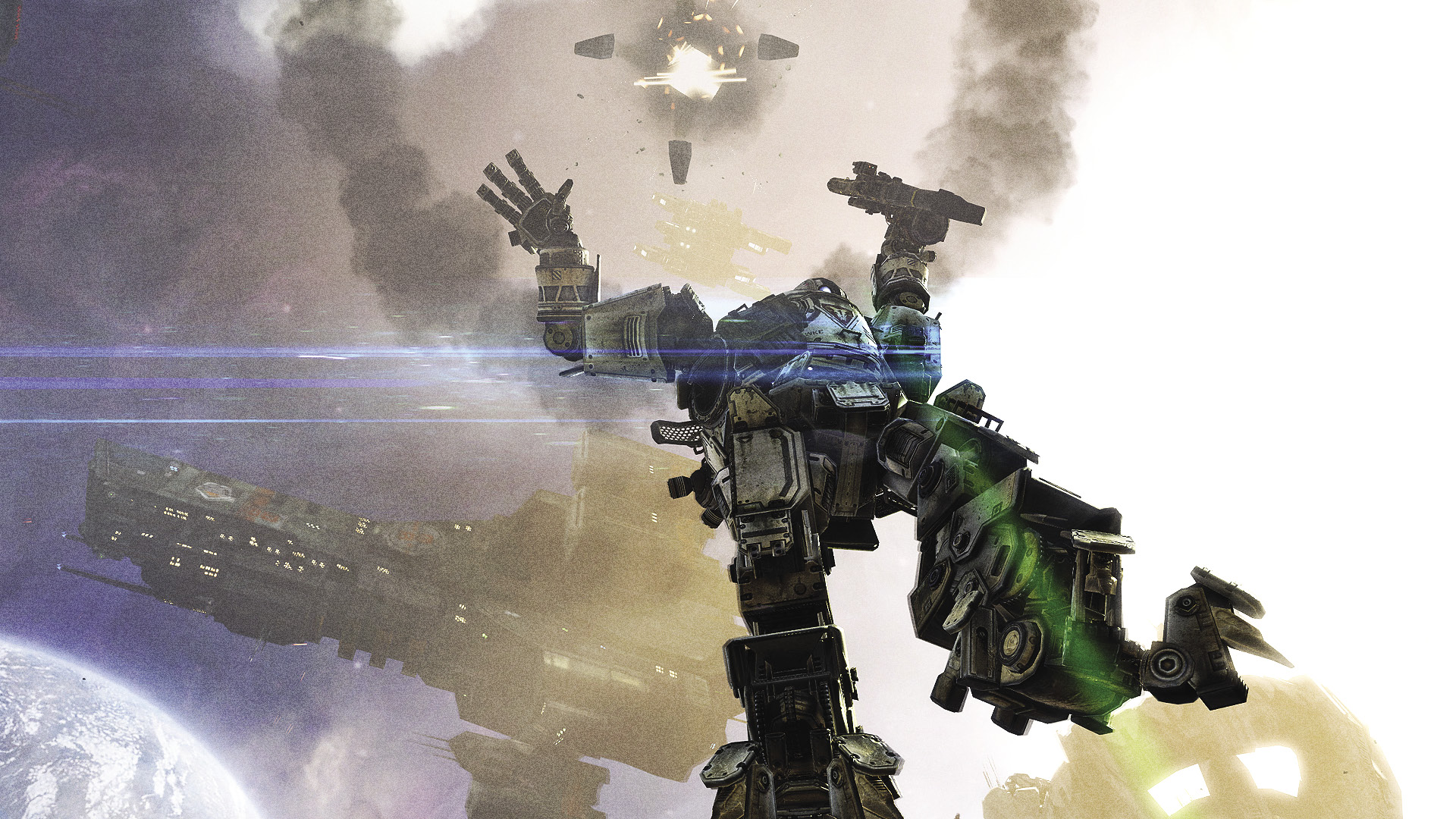
Titans were never part of the original plan. A variety of game ideas percolated during Respawn’s early days.
PG: Coming from your earlier successes, what kind of lessons from the past carried over to Titanfall?
Jon: The boring answer is that for legal reasons, we tried to not bring over anything. And all the old lessons we learned had to kind of stay there and we had to relearn everything. Obviously, we can look at games that are shipped and play them and see what’s fun and what’s not fun, but we definitely didn’t come in with “This didn’t work on Call of Duty, so let’s not do it,” or things like that. I know that’s kind of a boring answer, but that’s actually what happened.
The really, really, really boring answer from lawyers is you’re not allowed to use past dead ends as a starting point. You have to go down that same path, hit the same problems, and resolve them. Because that’s their trade secret stuff. Everything we came at was like “No, let’s do it fresh, do it new; let’s not use the old knowledge.” It put different people on solving things. Like the guy who did one thing on the last game, don’t have him do it on this one. Give it to someone else so that we have fresh ideas and not that old institutional knowledge coming back.
PG: Did you have any moments where the code was just really bogging you down or you couldn’t get past something?
Jon: Yeah. Basically there’s a real love-hate with the Source engine because it’s full of clunky shit from 1998. We have been aggressively rewriting it, not for dumb reasons, but because we’re always hitting limitations and we look at it like this stuff’s too slow. We need to do three times as much as it can barely do. Let’s just do the same thing and simplify the code now and make it do less much faster.
PG: What are the benefits of the overhauled Source engine?
Jon: The real benefit is that it’s much more predictable for when you’re, say, trying to play animation synced across multiple entities and they all have to line up and play back and not have weird glitches. A lot of it is stuff like that—it’s not that sexy. It’s just for sanity.
PG: At this point everybody seems like they are in pretty good spirits, despite having to work that hard. I’m sure it’s because you’re seeing that end result paying off.
Jon: Yeah, when we left Infinity Ward, it seemed like talent didn’t matter that much and you could fill slots with bodies and still make money. So for me, this is to prove that talent matters. We are an incredible group of people here and it’s cool to see us succeed. We were very successful at the old place and it kind of lulled you into a sense of complacency, which is terrible for us. It was kind of nice to lose all of our relevance and just start over. Let’s make something new and let’s do it again. It was like perfect timing. I think if it had just continued, we would have tried experimental things. We wouldn’t have gotten lazy, but we wouldn’t have had the motivation of doing this over and over again, because everything’s on the line.
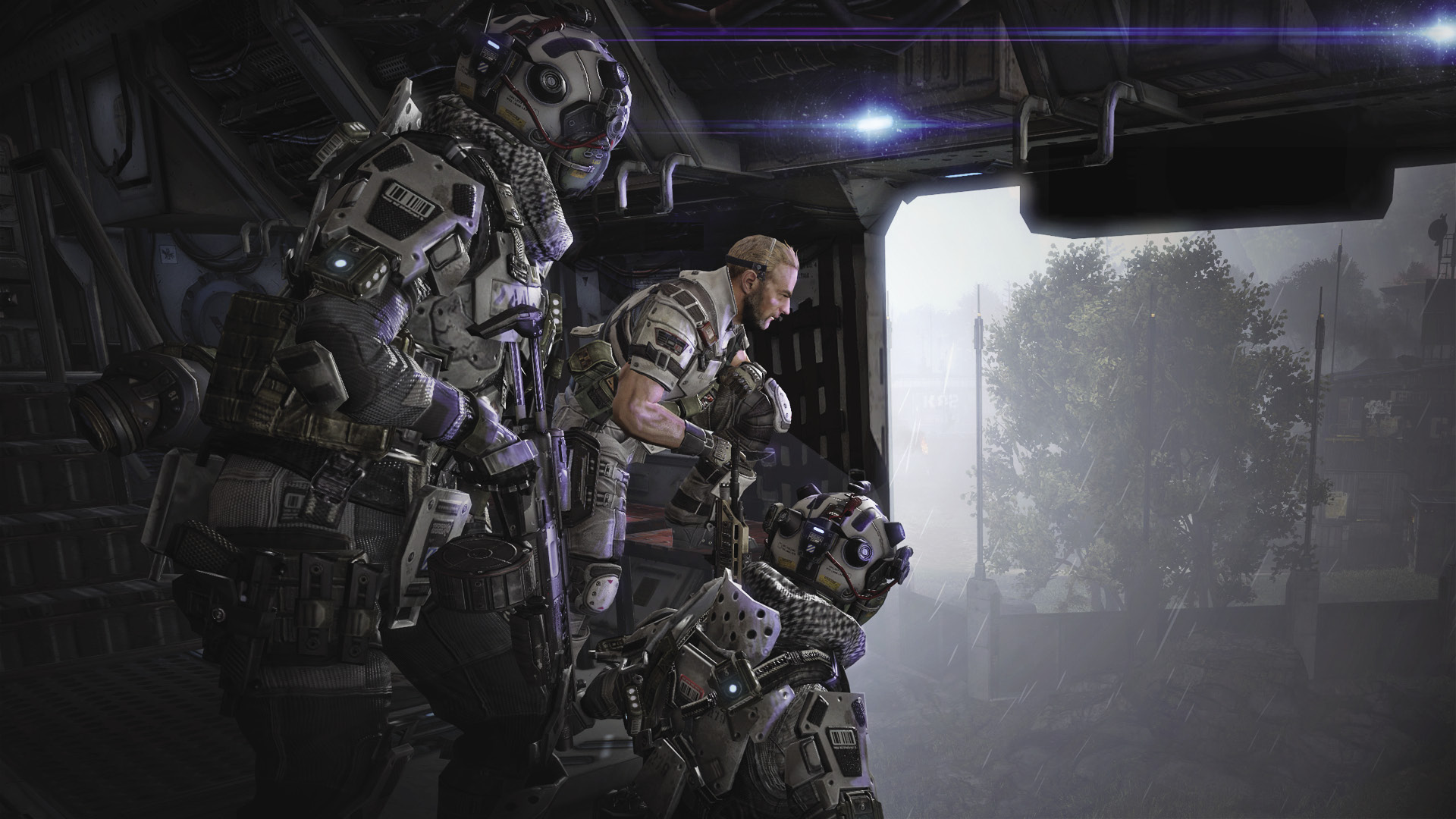
Ready to deploy? Titanfall utilizes a skill-based matchmaking system in an effort to balance multiplayer sessions.
PG: One of your focuses has been multiplayer matchmaking. How does matchmaking work in Titanfall?
Jon: We have skill-based matchmaking. It’s a new system that we’ve written and so we’ll be tweaking it, but we can do that easily without people knowing that we’re doing it. So here’s the first thing. People should not confuse level with skill. If you look at our skill graph from the closed alpha, it’s a big bell curve. And this is an obvious thing when you say it, but the majority of people have average skill. Regardless of level. You can be level 50 and still be average skill. There’s no correlation at all between level and skill. It’s the wrong way to look at it, but I understand why people do it. The important thing is that we do have a skill-based system. It’s unproven, but we’re gonna be tweaking it. So far it looks like it’s at least working in that we have a nice distribution of skill. We have a confidence value and a skill value, so if your play is really consistent and you lose the matches we think you might and win the matches we think you might, then your confidence level will get stronger. There’s two different elements to it, like in the beginning we have no idea, so the confidence level is really low. We would start you at average skill and see where it goes.
When we were doing our matchmaking on the back end, we had a lot of flexibility in what we were going to do and where we were going to put you. So it’s okay to be mad if people get their ass handed to them over and over and over. They get mad at our skill system, but it’s there and we’ll be looking at match results and then figuring how to tweak it to make it run happier.