
Titanfall Guide Behind the Scenes
Audio: Erik Kraber
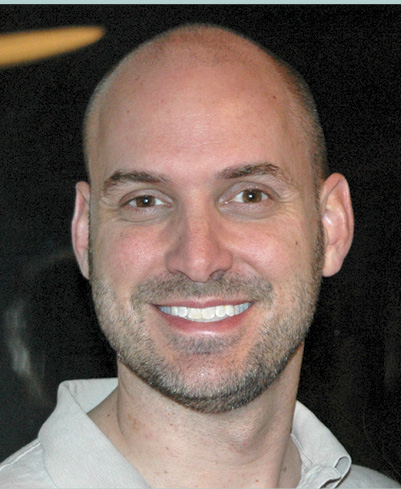
Erik Kraber: Audio Director
Past Projects
Medal of Honor: Warfighter
Medal of Honor (2010)
Medal of Honor: Rising Sun
Medal of Honor: Frontline
Medal of Honor: Allied Assault
Clive Barker’s Undying
Medal of Honor: Underground
Medal of Honor
T’ai Fu
Warpath: Jurassic Park
Small Soldiers
The Lost World: Jurassic Park
Prima Games: Give us your perspective on what needed to be accomplished when you joined Respawn.
Erik Kraber: Mine was an interesting and exciting ride because I came on board basically about six weeks before E3. I came on to the project much later than most of the team. It was incredibly exciting to step into the project and see how well formed the concept was for the game and how well the game played, even at that point. It was pretty inspiring to step into this exciting world and be able to shape the soundscape and the feel of the entire experience from that point on. Of course, there was a little panic because there was only six weeks till E3, and basically we had to create the majority of the soundscape—weapons, Titans, everything—within those six weeks to get it ready. So, it was stressful but it was exciting.

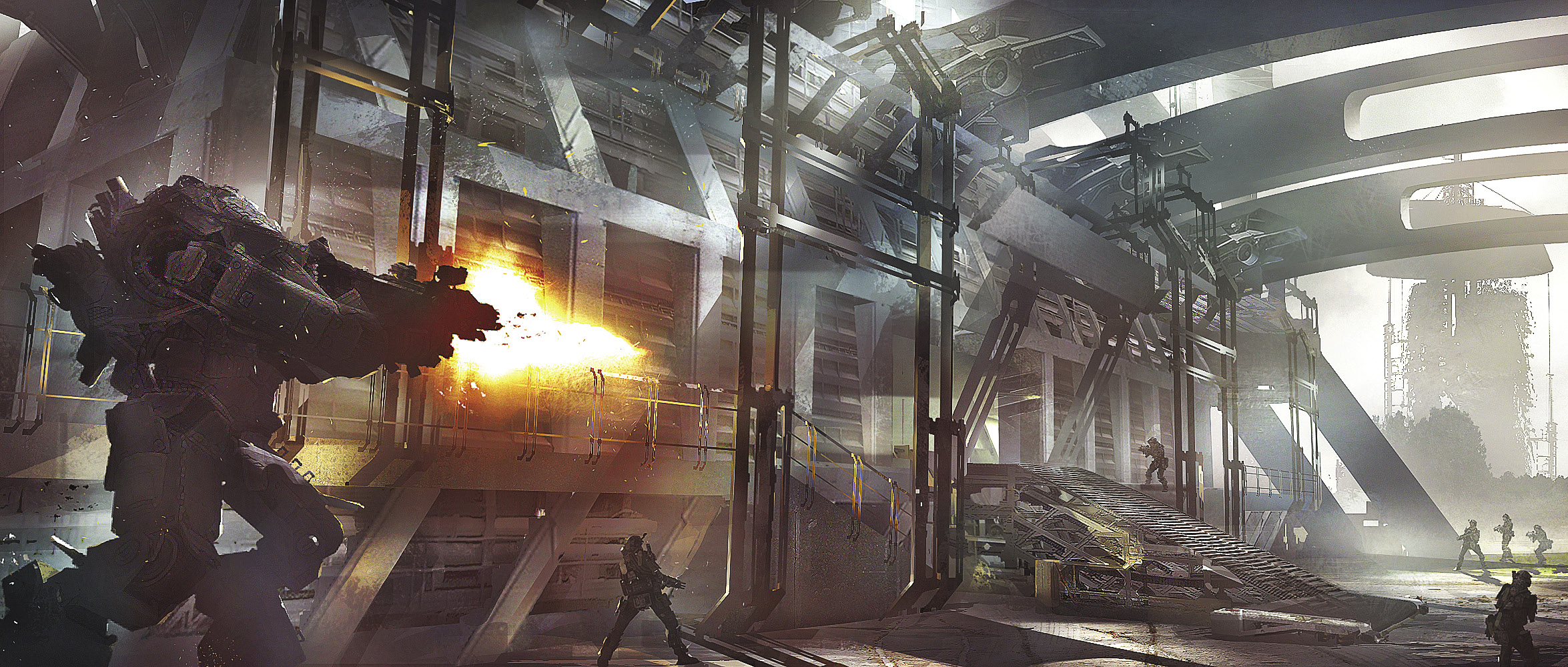
Imagine action like this without sound. Most of Titanfall’s audio was designed and implemented during the six weeks leading up to E3.
PG: When you came on board, exactly what did they need you to do at that moment? What was your first step?
Erik: Well, I came in to essentially steer the ship on the audio and come up with the vision for what the soundscape should be—you know, sort of define the sound style for the game. Typically that’s done earlier on in the project, but just given the circumstances of when I joined, it was a lot of make it up and do it at the same time. Usually you have a lot of preliminary time to sort things out, try things out, see what works and what doesn’t, and with the way we talked about it, we kind of just had to keep hitting home runs from the get-go.
But it was a really exciting process. To be working with such a great team and on such a great game that you could tell there’s a lot there to really explore with the science-fiction world. So basically I came on and we looked primarily at the core mechanics of the game. The weapons and Titans and trying to get those defined. We came up with the signature sound for the Titanfall, and we really wanted to make sure that the sound effects for that were memorable, that whenever you bring that Titan down onto the battlefield that it looks and feels and sounds really, really cool.
So that was one of the first things we tackled and then just tried to figure out where the sound style should sort of stick for the game. We didn’t want it to feel like Star Wars laser beams kind of thing. We wanted it to feel gritty and grounded and mechanical and not necessarily current-modern, but modern-plus. Like ballistic-based weaponry or ballistics with some more futuristic tech involved with it so that the soundscape sounds familiar but also a little bit beyond what you’re used to hearing.
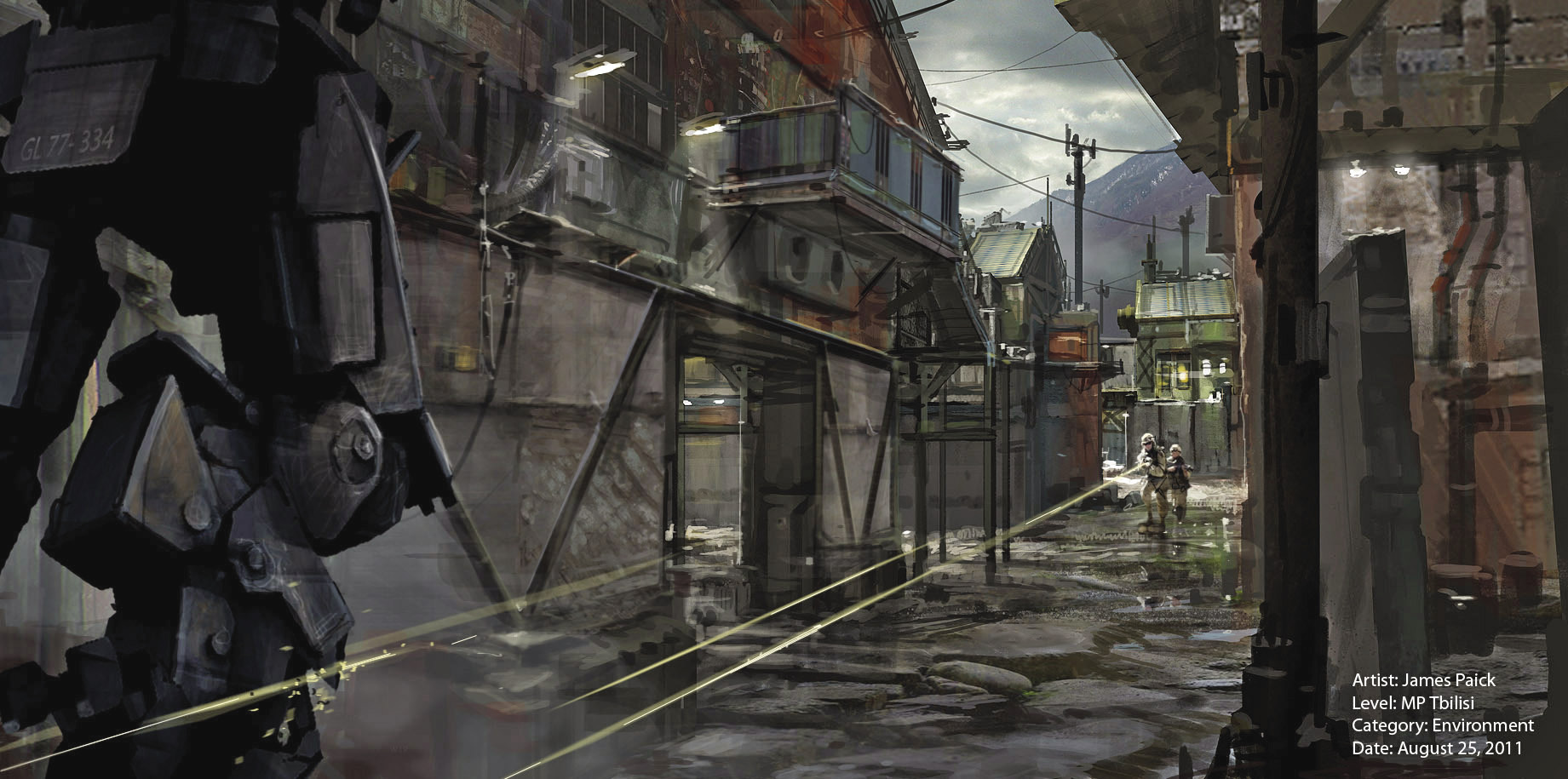
The soundscape needed to match the grounded, grittiness of the game’s art style.
PG: Did you have to start from scratch, in terms of getting all these audio elements together, or did you have certain sources you could draw on?
Erik: Well, we have source material that we work with. So we worked with a lot of library sounds and things we had collected on our personal libraries through the years and started building from there, doing a lot of layering and manipulation of the sound. We tried to figure out what’s the right fit. Like I said, usually there’s a lot of trial and error with all of it, but given the timeframe, we kind of just picked a direction and went with it. Fortunately, I think we did a pretty decent job of picking the right direction for it. In Joel’s case, I’ve seen all the things that he did, everything he built, and all the kit bashing that he did and that’s just incredible. It’s beautiful what he and his team have done.
Unfortunately, we didn’t have as much time to do that kind of experimentation. So we just kind of came in, formed an idea, started building our library and our assets around the concept of it needing to be future-plus, not laser future. We didn’t want Star Wars but something that’s going to feel grounded but also fresh.
Most weapon sounds were based on heavily modified recordings of modern military hardware.
PG: How did you design the audio for the various weapons?
Erik: Well, usually it starts with the basics of having a recording session with weapons and trying to capture every possible angle of the weapon at every distance you can think of with many different types of microphones, because every microphone picks up a different quality or personality in the sound. And that’s your starting point. You have that material and from there you start trying to think more creatively about how to manipulate it, by layering with other sounds, taking synthetones—things that you’ve built with synthesizers—taking processed metal elements and sticking those in there. Trying to come up with more creative sources that can act to give more personality and differentiation to things. You also think about what the focus and the purpose of the weapon is. Is it a sniper? Okay, a sniper has to feel like it’s far-reaching. So how do you communicate through audio that this is a far-reaching weapon or this weapon has an EMP pulse as a portion of its behavior? It can scramble people’s vision so that they become distorted for a while. How do we make sure we work that into the sound so that when people hear that sound, and even if they’re not being hit by it they go, “Oh, okay, I get that”—that there’s something about that threat that’s probably going to mess up something in your Titan or with your vision. It has to have certain elements, little electronic or metallic elements that sell that concept even when you haven’t actually been hit by it yet.
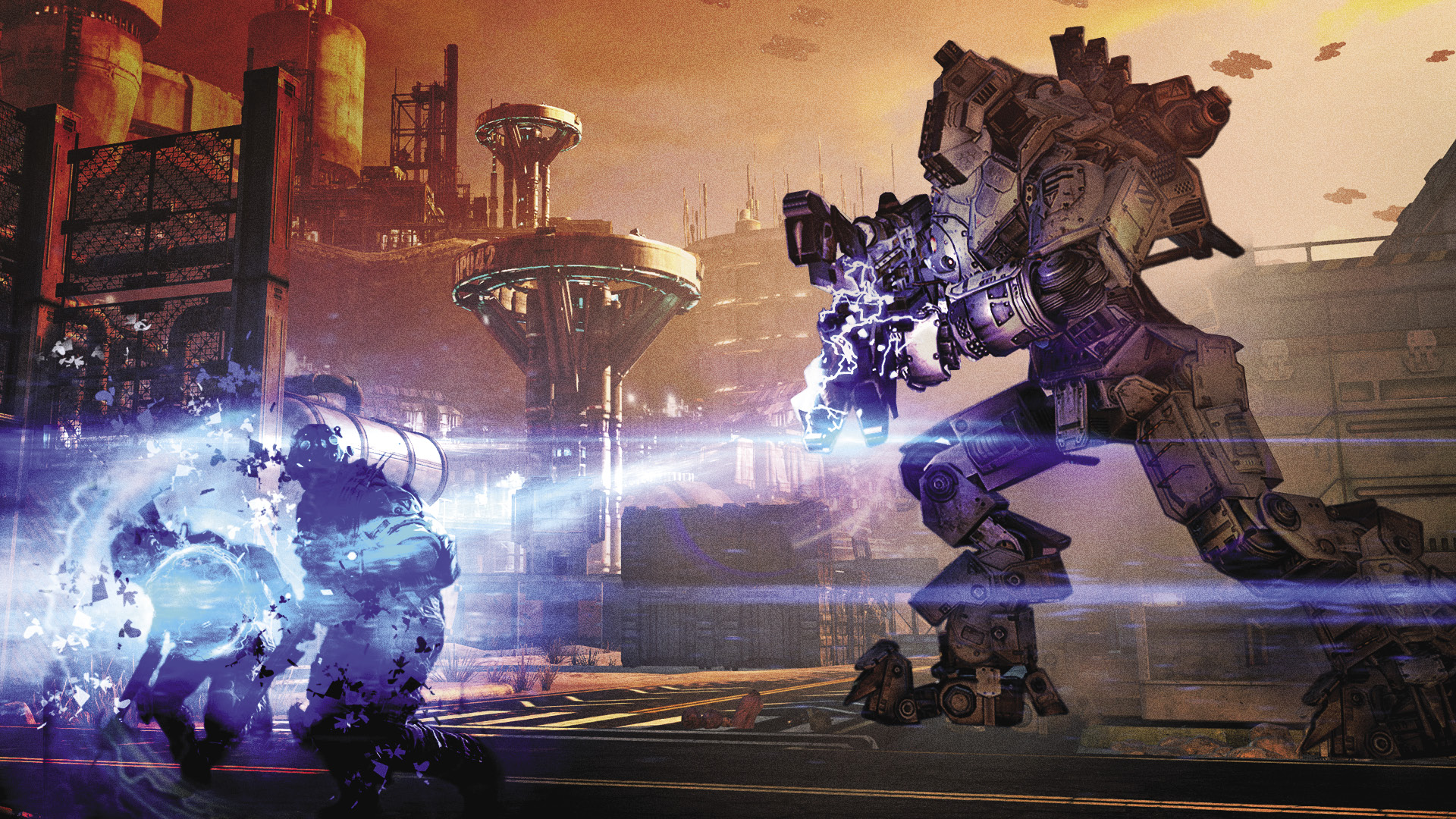
All weapons required unique sound effects to help sell their capabilities.
PG: Were there any specific weapons you worked with?
Erik: It’s a lot of the same kind of modern military type of weapons. Not anything too fancy but a lot of different calibers were covered. Different firing rates were also covered, but those sort of served as the beginnings of the rest of the design work. That was the starting point and then the rest of the work came from spending a lot of time inside of Nuendo, which is the Digital Audio Workstation that we use over here to continue processing, layering, and manipulating the audio.
PG: What were the specific gameplay audio cues you needed to develop?
Erik: Well, it’s a lot of stuff. You can break it down to three main categories: the sounds effects, dialogue, and music. On the sound effects side, it’s the weapons that you’re firing, the weapons that are being fired at you; it’s how anything that connects with the world—bullets or explosions—deals with hitting different surface types or different people. The ambient sounds—the sound of the world or things that are happening outside of the gameplay space that you’re hearing, whether it’s wind or the wildlife of that particular planet or things like that. Some of those set pieces are also in the maps, in particular something like Boneyard where you have these giant Leviathans walking in the background and you have the Flyers flying around and screeching at you. We have to work on the sound design for those kinds of things and obviously all the Titans—boarding a Titan, exiting a Titan, walking around, the footsteps. And all your special abilities. So when you’re powering up, or cloaking, or putting a Stim pulse on, all those things need proper sonic feedback. A lot of stuff like that for sound effects.
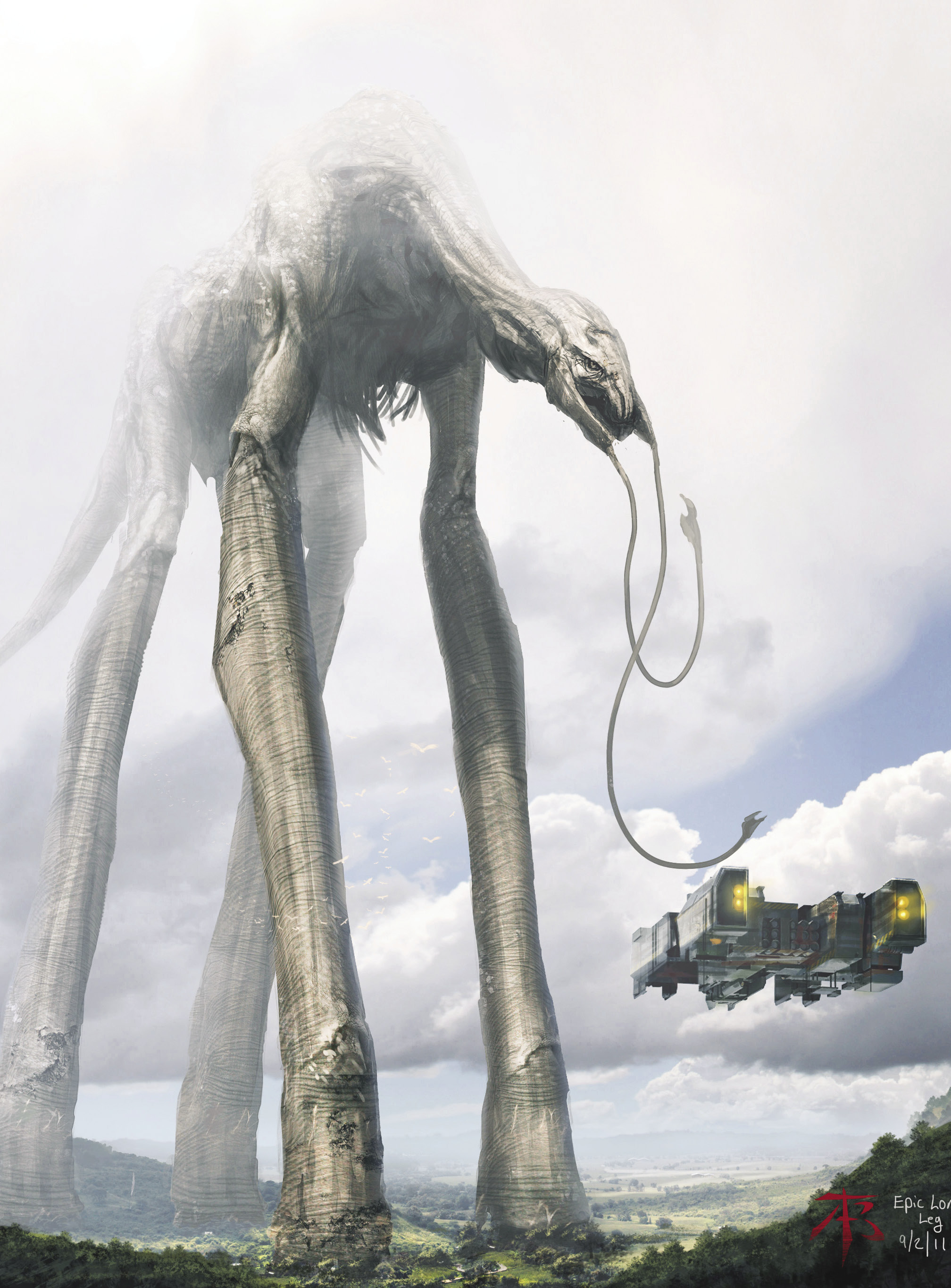
Ambient audio for creatures, like the massive Leviathans, helps create an immersive gameplay experience.
And then for the dialogue side, you have—in our campaign mode—all the storytelling. You have the heroes, the main characters, the IMC on the Militia side, who have their way of progressing the story by setting up the situation that you’re in by talking in the lobbies and explaining the scenarios you’re going through or giving you the status update as you’re playing the game and telling you if you’re winning or losing the battle and how that’s affecting the story line as you go through. So, we have all that dialogue. Plus we have Bitchin’ Betty, the onboard operating system for the Titan that’s constantly assessing the battle situation and letting you know whether you’re in a threatening situation or if you’re outnumbered, or if she’s in Guard mode or Follow mode. So, you have all that feedback constantly coming back to you.
And then you have the main hero characters also telling you about the status of your Titan, because that’s the thing you’re always working toward; you need to get that Titan dropped. So they’re constantly giving you status updates of the Titan they’re building for you and about to send down to you and when it’s ready. Or if it’s been destroyed, how long it’s gonna be before they can build a new one for you. And then you have all the Grunts, the guys on the ground, the AIs that are constantly running around, clearing rooms, defending points. They’re both talking about all the things tactically that are going on around them when they clear the room successfully. You know, what is the threat? Is the threat a Pilot? Is the Pilot cloaking? They let you know all that kind of stuff, and they acknowledge you when you’re on the battlefield and you’re doing cool stuff. So, they say, “Oh, did you see him? He just jumped up on that Titan.” They’ll do commentary or salute you or in some way support the fact that you’re an important character in this battle. They’re acknowledging the cool things that you do or you’re capable of doing. So you have all those types of dialogue going on constantly throughout the gameplay.
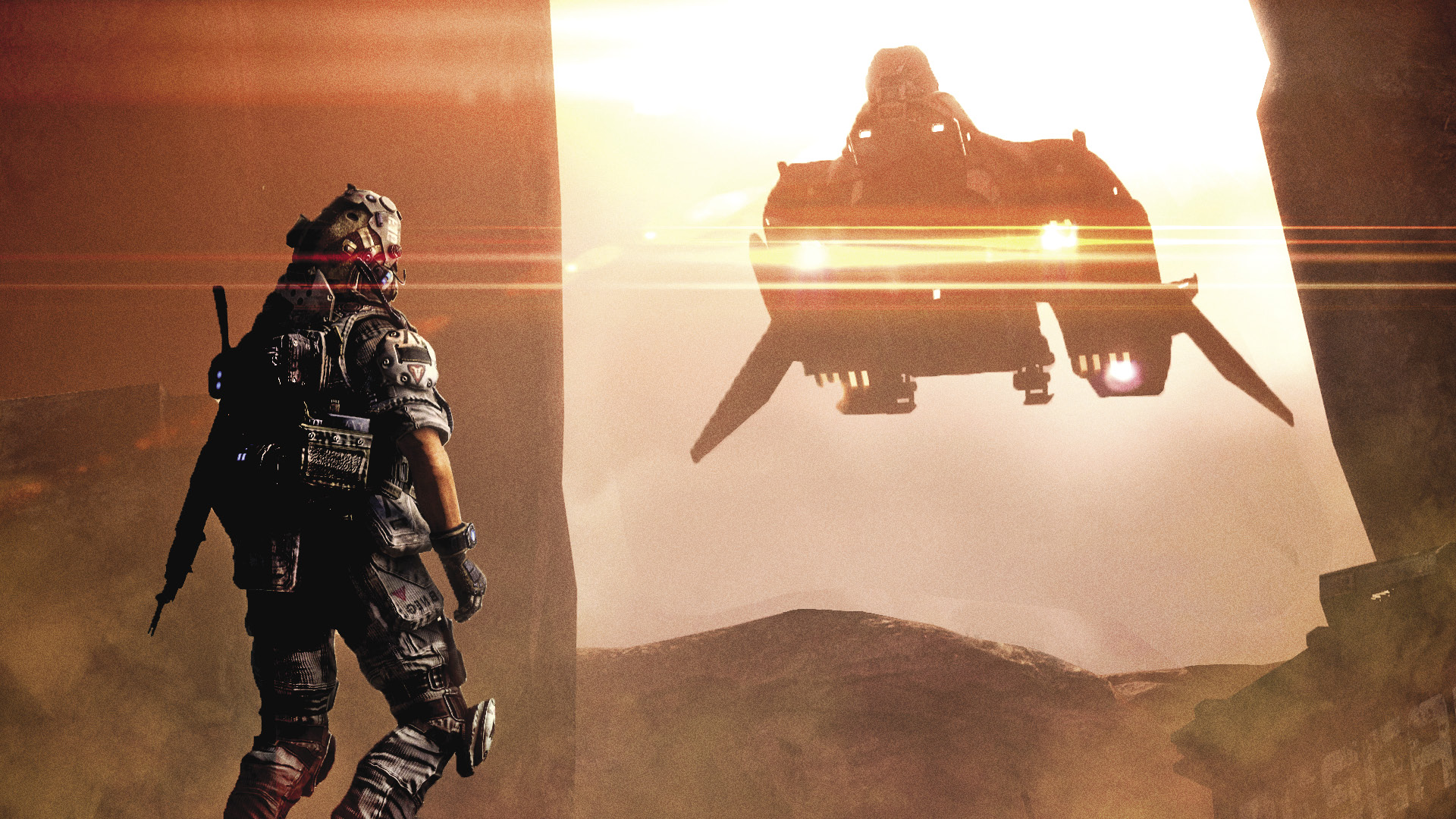
The tempo and intensity of the music increases leading up to a match’s Epilogue.
On the music side, you have the score that sets up the scene, the drama, and it starts with lower-intensity music and then as things start to escalate, as the scale gets tipped in your favor or against you in a certain battle, the intensity of the music will increase. It will get gradually more dramatic until you reach the Epilogue and it’s either you’ve gotta chase after the guys and eliminate them before they escape or you’re part of the escaping party and you’ve gotta get off that planet. We have music that is constantly changing based on where you are. Plus, there’s the overarching storytelling that’s going on with the Militia side and the IMC side campaign.
PG: How do you use the audio to your advantage when you’re playing? What are the things you’re listening for as a gamer?
Erik: As a gamer, you want to know when your weapon’s hitting stuff. I play a lot of shooters where you’re hitting a guy downrange and because the guy is 500 meters away from you, you just see a body flop on the ground and you go, “Oh, I think I hit him.” What we really tried focusing on is making sure that you’re always hearing the thumps of the bullets on the body. When you get in that kill shot, we have unique sounds that we play. So, you don’t have to sit there waiting to see the animation or wait for the text to pop up on your screen saying you scored a kill. You actually just hear that and instantly know he’s down and you can move on to the next target. Something like that is very important for us.
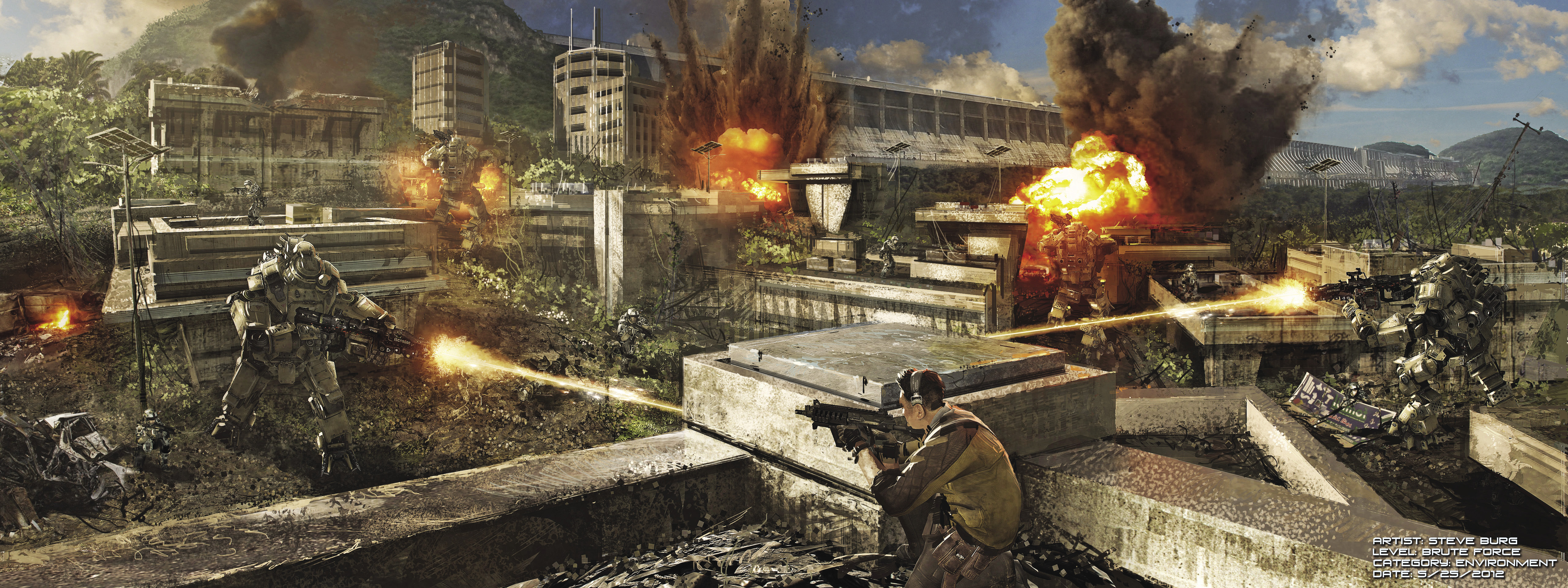
A number of audio cues help give players a tactical edge during intense battles.
Feedback-wise, also understanding what’s being fired where is really important. For all the different weapons we designed in the game, we made sure that the personality of that weapon was distinct from the rest. When you hear that weapon firing at you 5 feet away or you’re firing it from 5 feet away or 5,000 feet away, you can identify what type of weapon it is—you go, “Oh, that guy’s firing an R-97 at somebody over in that direction.” Always having a tactical understanding of what’s going on on the battlefield helps you really know what decision to make. You can see the threat that’s going on over there, but that’s not just for you. It’s to select this weapon and now move to this location.
Another thing is understanding the status of things like when your Pilot abilities are available and ready to use, when your Cloak is ready, when your Cloak is about to run out. We do a lot with the sound to make sure it is evolving and changing and has this ramping feeling so that you know, “I have two more seconds with my Cloak, so I know I need to get somewhere to hide.” So the sound helps you understand all that rather than just looking at the meter running down or a number ticking.
PG: Getting back to the bullet impacts. The headshot/kill sound is very distinct. Can you elaborate on that?
Erik: I don’t know that there’s a lot special about the design, but we really wanted to make sure that it’s something that stood out. While the regular body impacts have this kind of meaty thump, the kill shots tend to have almost a whining, ripping kind of effect to them. So, sonically it’s nicely differentiated from most other sounds in the world, and especially the other hit sounds. You can really tell the difference between the hit and the kill.
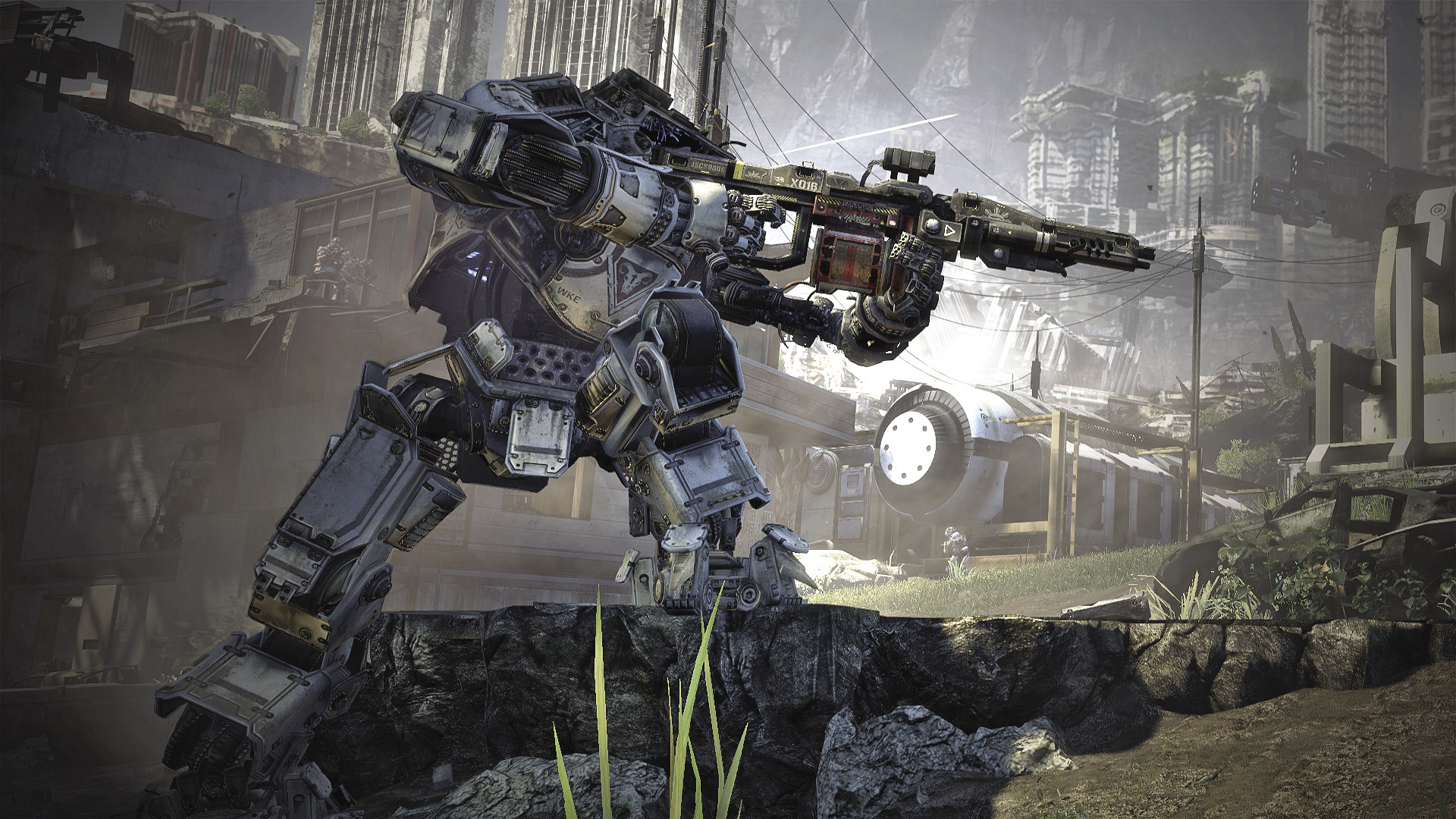
The Titan’s voice was designed to remain calm, even when things get heated on the battlefield.
PG: How did you come up with the voice for the Titan?
Erik: Well, we auditioned a number of actors for the role, but we wanted to go with something that’s familiar; we wanted the calm female voice. We liked the idea of that. The calm voice in the middle of the panic situation. You don’t want a voice that feels threatening or adds to the stress of the situation. You want a voice that’s constantly telling you how screwed you are because then you can respond much more at ease with that information. Plus it’s a nice contrast. It’s nice to be in the middle of, say, five Titans fighting and have Betty very calmly let you know you’re outnumbered.
PG: And kind of along those lines, we heard Abbie was a voice-over for one of the characters.
Erik: Yeah, she played Sarah on the Militia side. She had done a lot of the temp voice recording leading up to this point because she has a background on television. With all the temp voice recordings that we were doing here during the development, everybody just fell in love with her voice. She’s right for this role, and it was hard to find anybody else who responded as well as they did to Abbie.
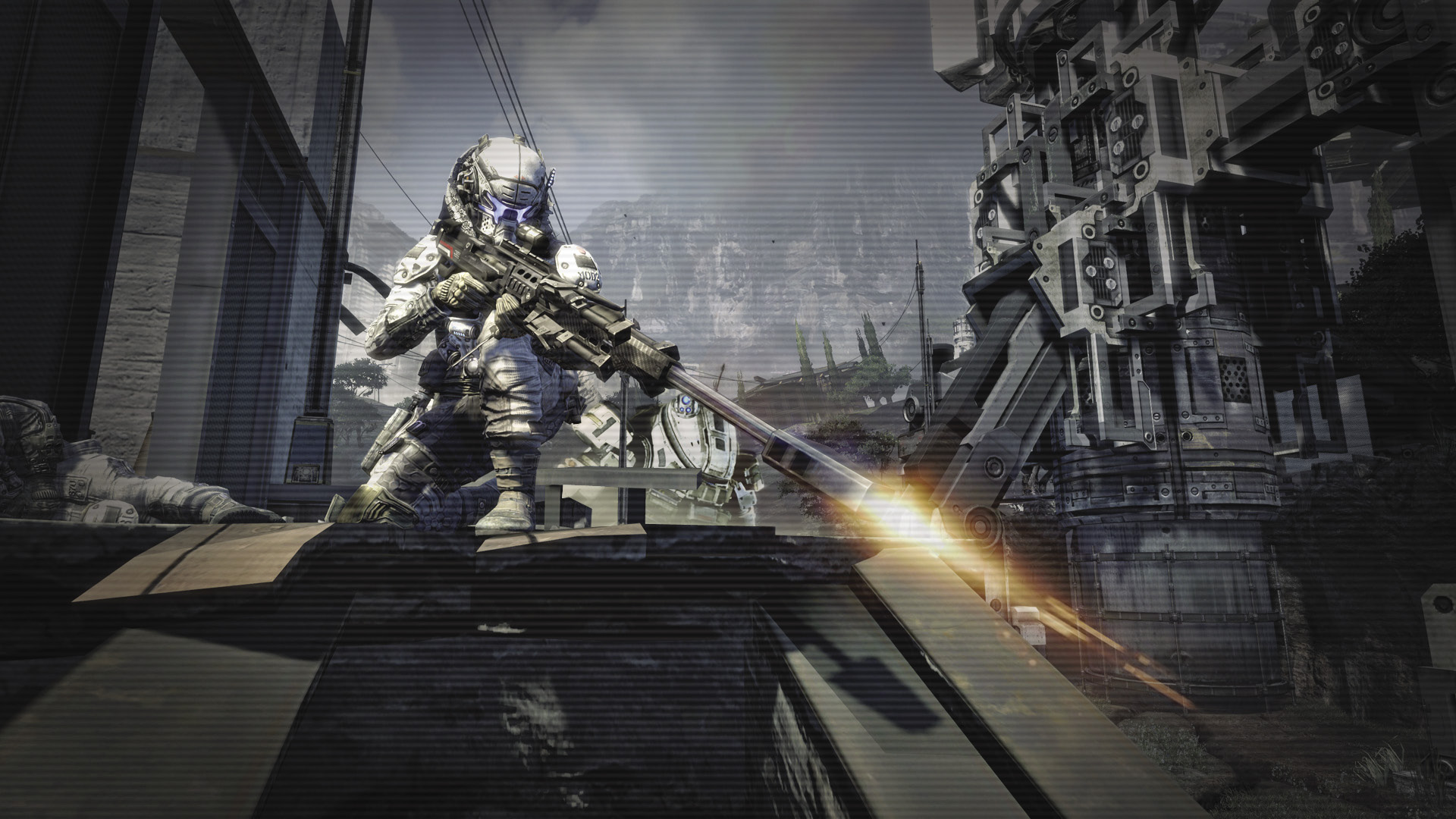
The Kraber-AP sniper rifle is named after Erik—but he prefers the R-97 Compact SMG.
PG: When you do play, what is your favorite kind of Pilot and Titan loadout?
Erik: Well, I wish I could say that the Kraber was my favorite Pilot weapon, because it’s named after me. It’s such a great honor to have a sniper rifle named after you, but I have to say, I’m terrible with the Kraber. The joke is how that’s the only way I score kills in the game—that people are killing people with a gun named after me. But I prefer the R-97 Compact SMG for my loadout.
PG: Is there one particular thing you want people to know about Titanfall?
Erik: No, we’re just excited to finally let people get their hands on it. We’ve worked really hard over the past year, and this whole team has worked really hard over the past three years to try coming up with something that they feel is fresh and enjoyable to play. So, I think we’re just excited to finally get this out there and see how people respond to it.