Darksiders II Guide Extras Behind the Scenes
Darksiders II Behind the Scenes
Darksiders II: Behind the Scenes
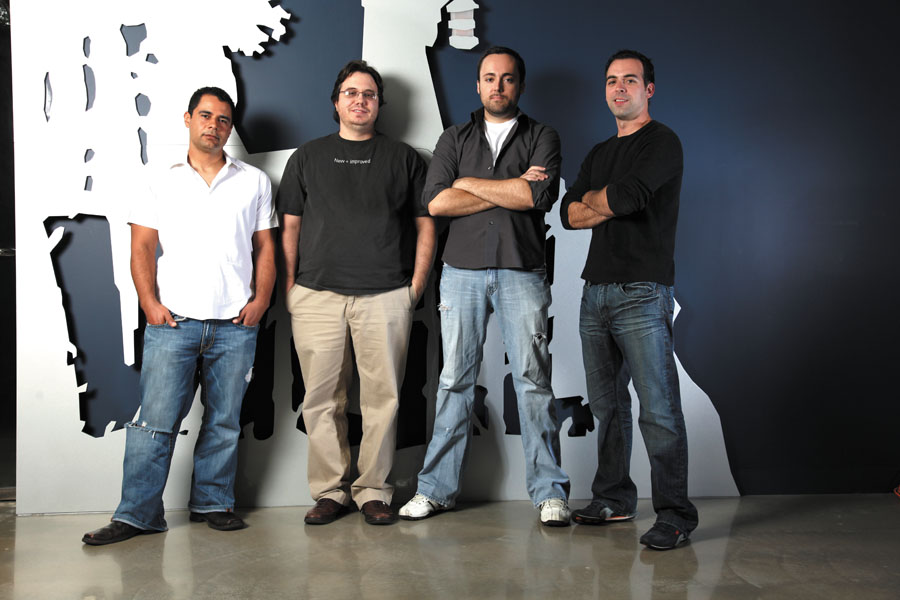
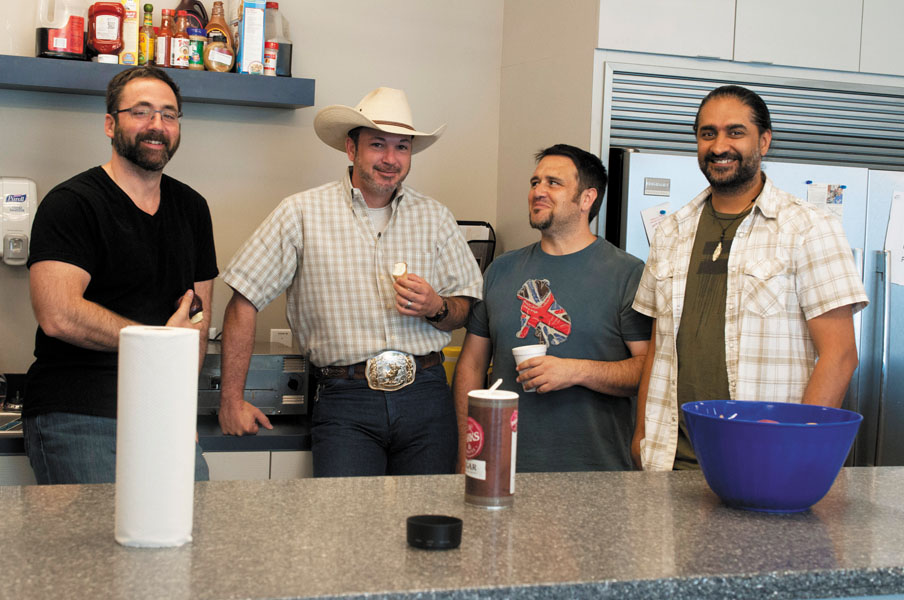
Vigil Games founders Marvin Donald, David Adams, Ryan Stefanelli, and Joe Madureira.
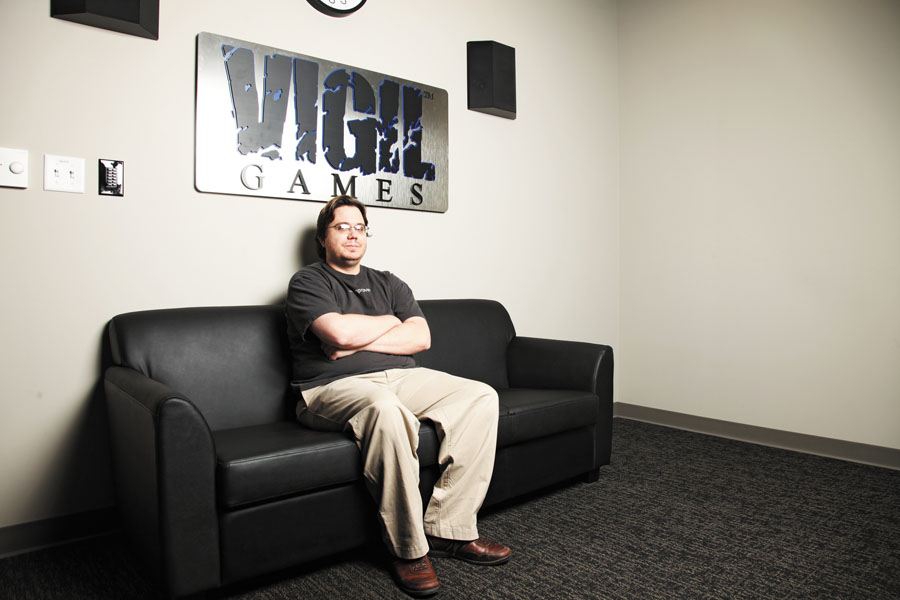
David Adams - Studio General Manager
Prima: Could you introduce yourself and explain your role in the development of Darksiders II?
David: My name is David Adams. I’m the General Manager of the studio, and I guess I’m involved in pretty much everything. I spend most of the time just reviewing stuff. You know, going to meetings, looking at levels, playing, and giving feedback. Working with the artists, giving them feedback on their work, and just whatever I can do to help people get their job done better.
Prima: Could you explain how the Tome system works, and how you came up with the idea?
David: Even though Darksiders is a single-player game, we wanted there to be a lot of interaction between players. Especially if you’re playing the game at the same time one of your friends is. The original idea is that you could go out in the game and put a treasure chest down, put stuff in it, and tell your friend, “Hey, dude, I left you a treasure chest, let’s go figure out where it is.” For various reasons, we simplified that down to just a mailbox system. You can send items and equipment and all that kind of stuff. If you find a cool scythe and you know your friend’s a little lower level, you can throw them the scythe through the tomes, and then when they get on they’ll get that item. So, there’s just a little bit of interaction even though it’s a single-player game.
Prima: What would you say is your favorite area in the game?
David: I think one of my favorite areas overall is the undead area, just because I like skeletons. Any game where there are skeletons, I’m in. Within that area, there’s a guy called the Dead King, and I like him because most of the characters in the game fear Death—they’re like, “Oh no, the Reaper’s come to take our souls, run away, blah-blah-blah, whatever.”—but he actually doesn’t care because he’s already dead. So they have a lot more interesting interactions. They talk almost as equals in the game, even though the Grim Reaper is there in the realm of the dead, so I just think their interactions are a lot more interesting and cool than some of the other NPC’s.
Prima: Could you tell us a little bit about the Crucible, and how you came up with the idea?
David: The crucible is an optional mini-game in the game which we actually generated from our internal mini-game challenge. One of the designers came up with the idea. Essentially, it’s a good way to test your weapons, your skills, all your different stuff… and it’s meant to get progressively harder and harder to the point where it’s nearly impossible at the end. Unless you’re super awesome, you’re probably not going to get to the 100th wave of the crucible, but at every checkpoint along the way you’ll get different awards and you can kind of gamble your award to continue forward, or you can take it and leave the crucible. You also get little codes so that you can continue at certain levels of the crucible and you don’t have to start from square one if you don’t want to. It’s really meant for the hardcore combat guys to test their awesomeness.
Prima: Could you explain how you came up with the way secondary weapons would work in Darksiders II?
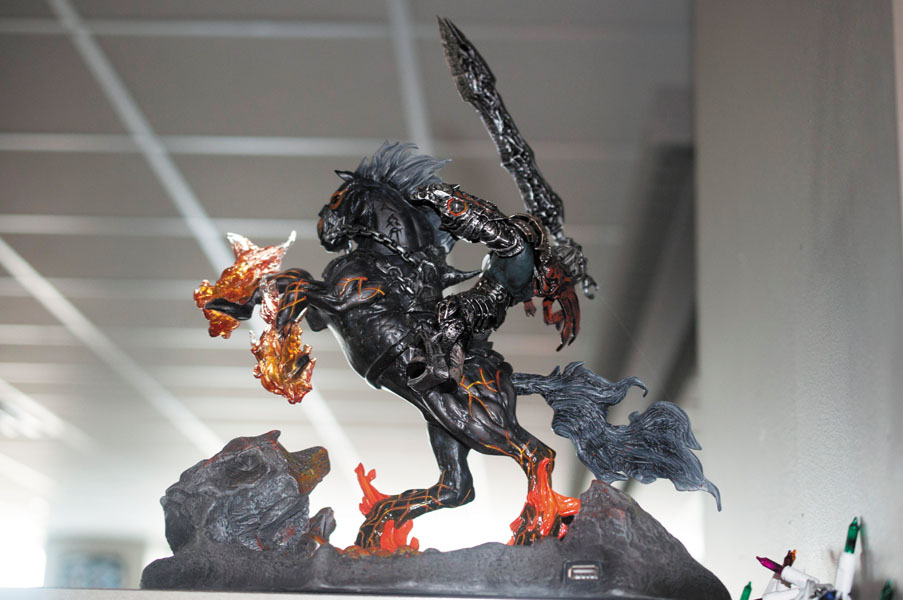
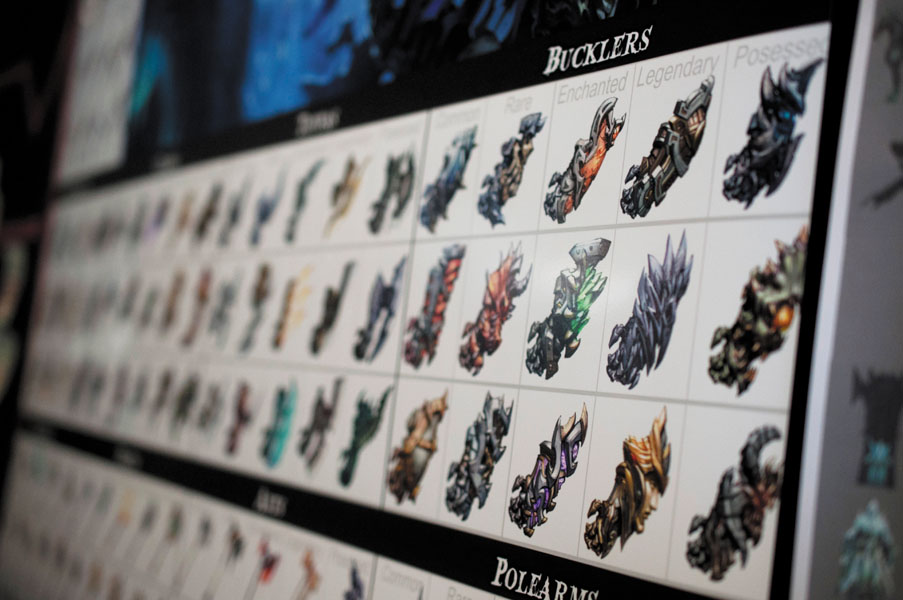
David: In Darksiders I, we’ve always had X as your primary weapon, and we always imagined that as the character’s iconic weapon. War’s was a sword, and Death’s was a scythe. Y was always secondary weapon, which we thought was kind of cool because in most games, X is light attack and Y is heavy attack. When we went into Darksiders II, we knew it was going to be an RPG and that we were going to want a lot more variety in that regard, so we came with a bunch of different secondary weapon ideas. Initially there were fast and slow, which is light and heavy, and then thrown weapons like shuriken and blades and darts and stuff. We ended up converting the thrown weapons to the pistol but we kept the light and heavy. The heavies are axes and maces and pole arms and that sort of thing. The lights are hand blades and gauntlets and that sort of thing. But it really is just to give you the full spectrum of combat choices. With the scythe, it’s sort of medium speed and range. The small weapons are short range but fast, and the heavy weapons are long range but heavy.
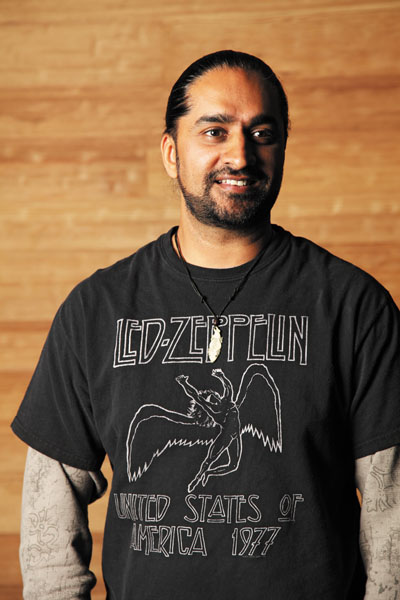
Han Randhawa - Art Director
Prima: Could you please introduce yourself and describe your role in the creation of Darksiders II?
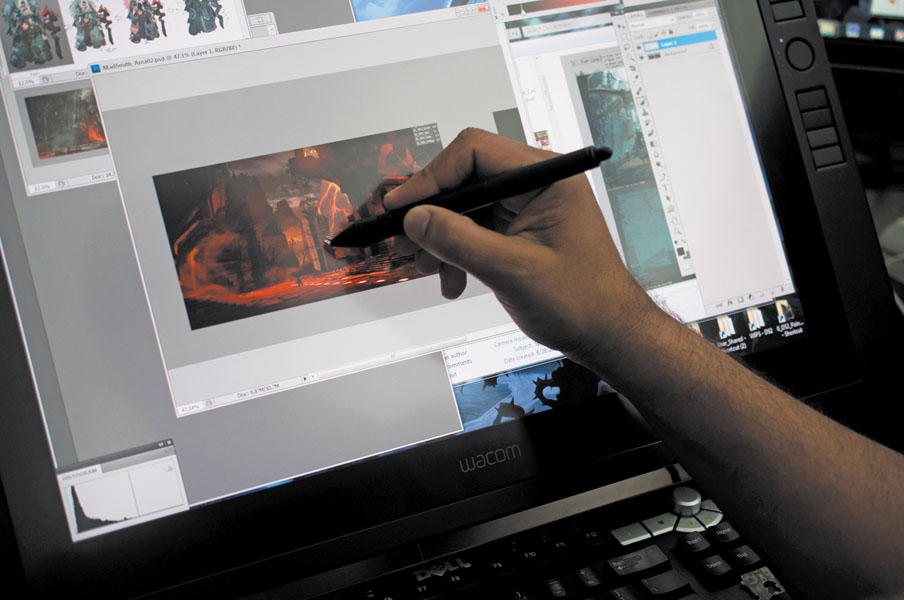
Han: I’m Han Randhawa, and I’m the Art Director for Darksiders II. My day-to-day role has a lot to do with making sure that the concepts and models and game assets that we made on Darksiders II ended up being very faithful and consistent to Joe Mad’s visionary style. When there’s a high-level concept from Joe, and let’s say we have to make sure that it gets turned into a production drawing that the characters guys or modelers can understand… Once it goes to the modelers, they start building, and I’m on-hand on a daily basis to paint over and correct wherever possible to make sure that the end result is faithful to that style.
Prima: What have you done to evolve the art of Darksiders II from the first game?
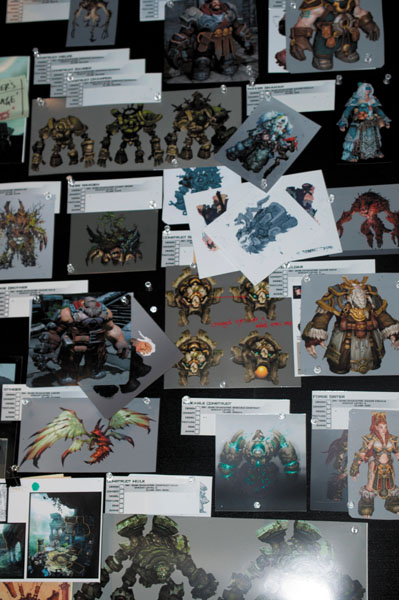
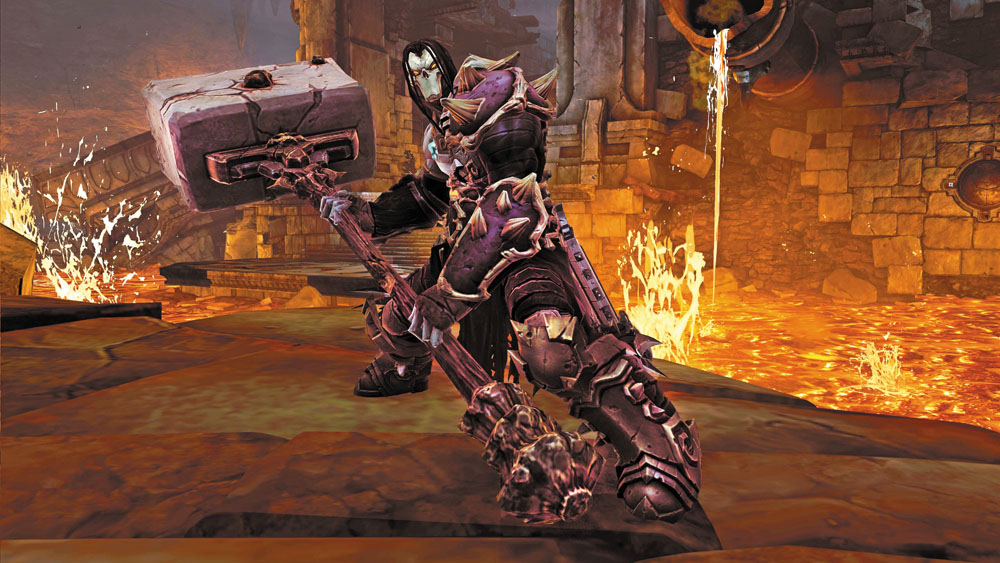
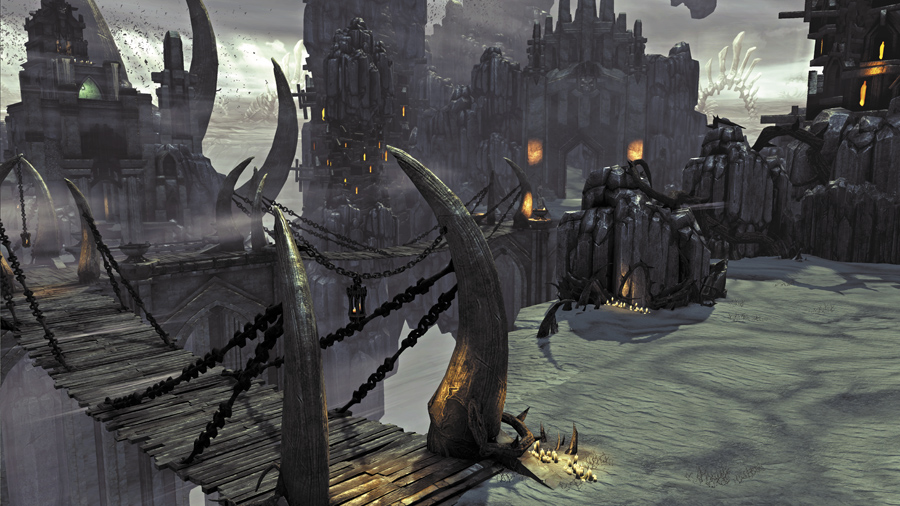
Han: To evolve the style from Darksiders I, what you guys saw there and in Darksiders II, we really wanted to push a lot more of the fantasy element. That’s the biggest thing that we’ve done. It’s also a much more open world. The actual style itself is way more fantasy. In Darksiders I you saw a post-apocalyptic city, relatively realistic looking buildings, and demons. Now, the setting is far more fantastic. We’ve got demon citadels; we’ve got angelic fortresses. A lot more of the environment is akin to the characters that Joe makes, so there’s a lot more coherence there.
Prima: The game has a wide variety of colors; areas can look very different from each other. What were some of the things that inspired each area?
Han: We have a much more colorful pallet on Darksiders II now. For some of the thematic that we were using for the color, we built out a color script to ensure that the player had a different experience every time he went to a different level. So if he went to a very blue looking area, he went to a green area next. There were reasons beyond just picking arbitrary colors. The Makers’ area, for example, is green and lush, but there’s a kind of toned down sensibility to them because this is a dying race and they’ve seen the best of their years. They’re in their twilight years and it’s time for their race to end. There’s only a few of them about. So you can see there’s kind of a sad beauty. I know that sounds a little farfetched, but that’s basically what it is. You go to the demonic area, and naturally we’re going to do oranges and reds, but there are actually two aspects to the demonic area. We know that throughout the game, there’s corruption wherever you go, and the corruption has a kind of yellow-y twinge, so we’ll see a part of the demonic area that has a yellow-y kind of feel. But you’ll also travel back at one point in the demonic realm, and you’ll see it as it was, all fiery brimstone red as you traditionally would see demonic realm. And then, to hop back to Darksiders I, Eden was the only angelic area we actually saw. That was kind of a Fall; beautiful oranges and burnt sienna. We kind of mimic that in the angelic area, but of course it’s got the corruption aspects. Again, you’ll see a place that was once beautiful, but which is overshadowed by this horrendous corruption.
Prima: Is there any part of the game that turned out so well that you are particularly proud of it?
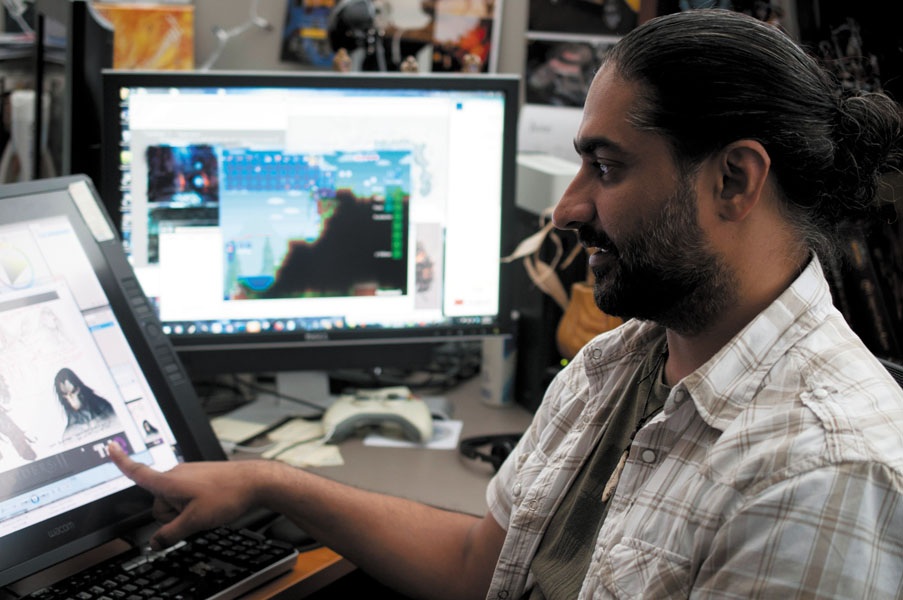
Han: The one aspect that I’m really proud and happy of is the combining of the fantasy environment and the stylization of the environment that allows those characters to really feel like they’re in the right place and that it’s all coherent. I think the colors and the lighting are something which I was pretty happy with because we really wanted to make sure that we didn’t end up with some next gen kind of gray or brown-y feel. For me, colors aren’t just about your base mother color. It’s about the complementary colors and the triadic colors that go along with that. And I think where there are areas in which we got some beautiful sort of optical color going on. I don’t know if anybody’s familiar with impressionists and stuff like that, but they use optical color a lot, so that kind of coloring is actually very interesting and exciting for me. I was pretty happy with that.
Prima: Death has some pretty awesome looking weapons. Which one is your favorite, and why?
Han: Death’s weapons, if you really knew how many there were… there were just so many we created concepts for: everything from scythes, to hammers, to axes, to melee weapons. My favorite ones are probably going to be the scythes, and of those, the possessed scythes because you can feed other weapons into them. There are so many designs that I like of those scythes. There’s an angelic one and a Maker one, which are probably my two favorites. I like the scythes, especially because it’s Death and, you know, it just wouldn’t be the ideal Death without a scythe. So that’s the perfect weapon for me, playing that character.
Prima: So what comes after Darksiders II?
Han: Right now I’m focusing on DLC, which is also very exciting. We’re looking at some of the DLC and wondering, “Wait, why wasn’t this in the main game? This is so awesome.” There’s some really good stuff there because we’ve all been working very, very hard on this and putting in some long hours. To get the game as best you can, that’s what it takes.
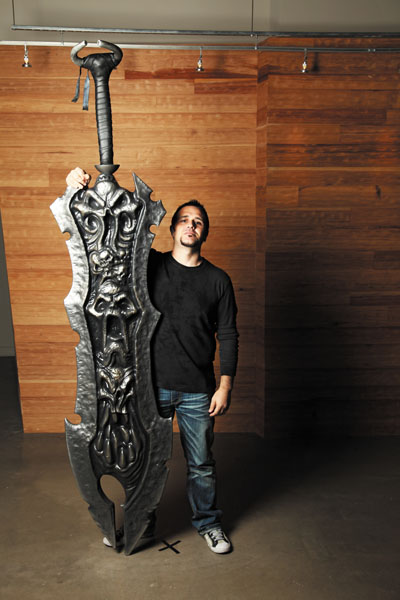
Haydn Dalton - Lead Designer
Prima: Could you please introduce yourself and tell us what a Lead Designer does?
Haydn: Hi, my name is Haydn Dalton, and I’m the Lead Designer for Darksiders II. The Lead Designer role encompasses many different disciplines. I’m usually the person at the start of the project that gets everyone together to figure out what we want to do as a team, and I’ll go in and try to put a framework to that and split it up into all the different components of what we think we need in order to make the game that we want to make. What would the Lead Environment guy do? What would the combat encounter people do? I work with the programmers on implementing new gear items, and see that through with the designers who are also implementing that. Once we get all of the main systems in it, it’s just about taking care of all of those features until completion.
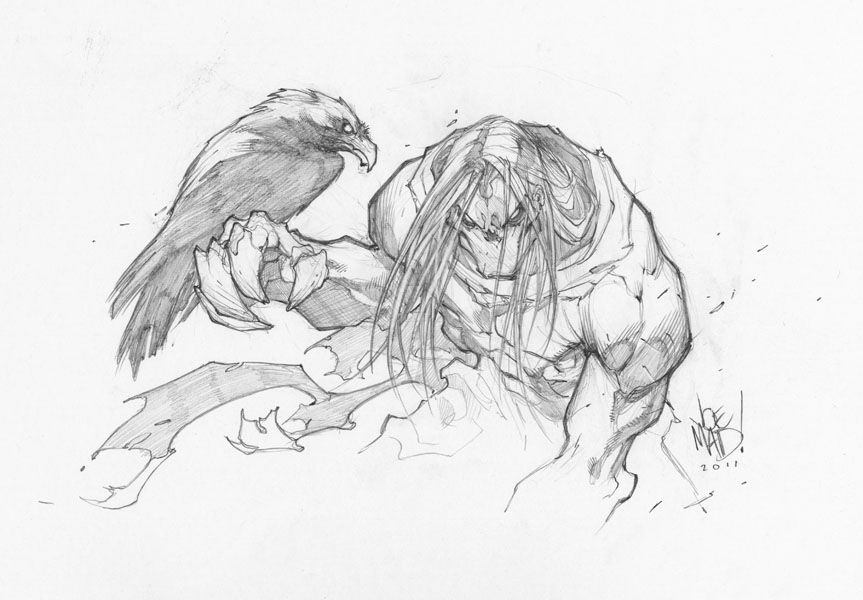
Prima: Where did you pull inspiration from for Darksiders II?
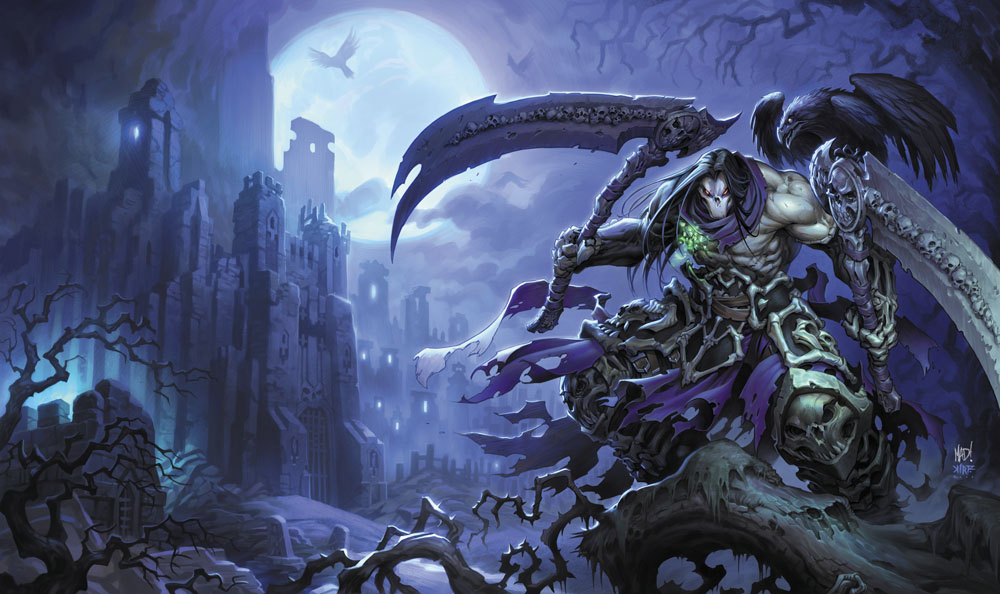
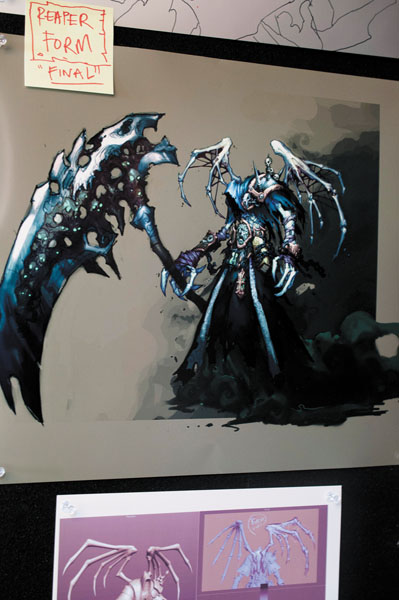
Haydn: A lot of the inspiration for Darksiders came from Joe Mad’s mind, essentially. I mean, he came up with the initial idea of setting a game around the four horsemen and the apocalypse. It was a toss-up between Death and War on the first game, and we decided to go with War. It was a natural progression to, “Who are we doing next?” He’s all, “Okay, well, Death is the most popular horseman, it’s the one that we nearly did for the first game.” Based on the concepts that Joe did, Death was a lot sleeker, a lot more athletic looking than War was. So we needed to fit that into the character; the look of his character. Let’s make him more agile, more fluid in combat. Joe had done the pictures of him holding two scythes, and he’s like, “Well, why don’t we make it so it’s a singular scythe that can split and morph?” That’s where all of that came from. Then it just developed with me and Dave Adams. Dave Adams did a lot of work on the story side to flesh out the world and everything, and it just grew from that.
Prima: Where did the idea for the Crucible come from?
Haydn: Dave, the GM of the company, basically threw down the gauntlet to the entire company. “Let’s come up with an idea that we can put in the game, and if we think it’s good enough and we can draw on resources that we already have for the game and plan to do, and we can use those things to create a new component, we’ll put it in the game.” So essentially, it was like anyone on the project could come up with an idea and have a whole chunk of the game dedicated to it, which I thought was kind of cool. Our Combat Designer, Ben Cureton, came up with the idea of doing a crucible which is a bloody palace-type thing where you progress through levels of combat and it gets harder and harder and the prizes get more and more high level. The difficulty is based on how far you can gamble without dying. We thought, well that’s great, because we’re going to be bringing in creatures from the game that we’ve already done. The mechanics of the creatures would already be there. We just need to create a new environment, and then basically do a ton of waves that our character’s got to get through. Then, we test in layers, and in how far the player can go. When you get to the crucible, the creatures are usually a few levels higher than the player, so to actually get through a whole section of the crucible is going to be pretty hard. Plus, it’s entirely new loot that players can get, inside, and it’s the only place that you can get it. I think people are going to find some cool stuff, including some pieces of the newer bits of armor that Death has.
Prima: What inspired you to institute a randomized loot system in Darksiders II?
Haydn: The reason we went with the randomized loot system in Darksiders II is because we wanted to give the player a slightly different experience depending on how they play the game. Also, we had a lot of ambient encounters in the first game where you saw a creature off in the distance and thought, “Well, I don’t really get anything from that creature other than an extra fight. I could just move on.” But now there’s always that smart machine tout type of feel for the player, where if he goes and kills that guy, he might get that one piece of rare loot that he’s looking for, or that item with the specific stat that he’s looking for, whatever it might be. Once you add that sort of jackpot-type of randomized element, there’s always that way of giving randomization through gameplay. The loot really helped draw people to go and kill things and smash things open to try and find things in the world. I think, since we’ve been testing it, that it’s definitely been a great draw for the game. In Darksiders I, you barely went into the inventory, right? You played the game, you killed things, and you picked up some odd items. A lot of that stuff had just continued off the flow of the gameplay. Now, with loot, there are a lot of times when you might want to go into the inventory to compare and switch things out. You’re spending a lot of time fracturing the gameplay experience. That’s one of the reasons why we placed a comparison window right in the game, so you can see how a piece of loot goes up against the piece of loot that you currently have equipped, and so you don’t have to always go into the inventory. I can see how people could see that as a downside to the flow of the game, but I think that once you get used to the fact that you can either auto-equip or you can manual equip the items straight from the scene, I don’t think it fractures it as badly as it could have. Plus, the loot gives so much depth, allowing players to really focus on certain attributes of their character stats. If you just want to focus on strength to make sure that your melee attacks do a lot of damage, you can do that. If you really want to just go all out on critical chance, or if you want every critical hit to do double or three times the amount of damage, you can do that. But you have to take a hit somewhere else. Maybe you have to lose a bit of defense to get the stat you want, or maybe you have to lose some strength to get a bigger buff on your arcane. It might just do more damage. These are all choices that players are going to have to do on the fly, and I feel like it’s going to be its own little ecosystem of a game in itself. I think that’s the one thing that we spent a lot of time on, so I’m hoping people like it and that they don’t think that it fractures the gameplay too much, and it doesn’t deter too much from the original Darksiders.
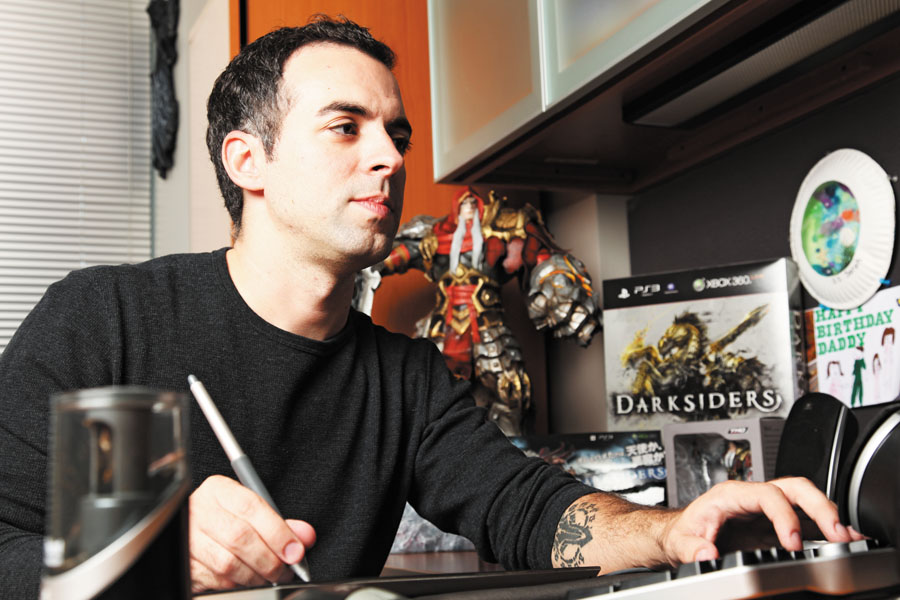
Joe Madureira - Creative Director
Prima: Could you please introduce yourself and tell us what it is you do at Vigil Games?
Joe: I’m Joe Madureira, the Creative Director at Vigil Games. As the Creative Director, I oversee the character creation and story, and early on I was involved in pretty much every aspect, creatively, that you could be. Nowadays we have a grown team. We have a lot of leads in various departments, and I communicate with them directly.
Prima: How did you first become involved with the Darksiders franchise?
Joe: Darksiders started as the kind of game we wanted to make before there was even a Vigil Games. Myself, David Adams, Ryan Stefanelli, and Marvin Donald; we knew we wanted to make a 3D action adventure game, but we had no idea about a theme. We ran through a bunch of ideas that we hated, and then one day I had this idea of a post-apocalyptic theme—not after a nuclear holocaust, but after an angelic and demonic invasion. Who would fight these guys? There were the four horsemen, these mythical, biblical superheroes, sort of. There’s so little known about them that it was like a blank slate. We got really excited because everyone’s heard of the four horsemen. Even if you don’t know a thing about them, you’ve heard of them. You know they are somehow involved in the destruction of earth. I felt like there was less that we had to explain to people; they got the premise right away. After that, we were all excited about it and we didn’t really feel like exploring any other opportunities.
Prima: Where did your inspiration for the character design in the Darksiders universe come from?
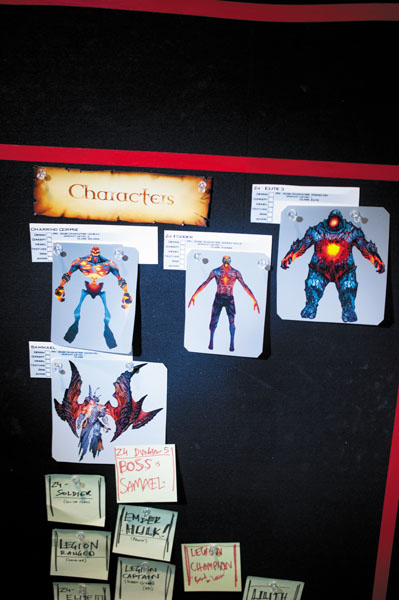
Joe: I come from a comic book background, and a lot of the style of the game and of the character design is grounded in a comic book, larger-than-life style. We created a lot of stylized art at the studio. That means we don’t make a lot of photo real games, like many studios do. We are very art heavy, and a lot of the people that we hired on were already familiar with my work from comic books, and people we would meet with were excited about that aspect of it and how the art was looking so we just pushed it more in that direction. It gives our games a pretty distinct look, I think. Keeps it from getting too dark and keeps it out of the horror genre; it’s not scary horror, it’s cool. We just try to make sure everything looks cool, and the weapons are huge so that all the dudes are ripped, and all the women are really pretty. It’s just like what you’d find in comics.
Prima: Who is your favorite character, and why?
Joe: My favorite character in Darksiders II is, strangely enough, probably one of the first characters that you encounter early on. He’s called the Crowfather, and he’s the keeper of secrets. I didn’t quite know how he was going to translate into 3D. He’s this gnarly old guy with huge feathers and wizard robes and stuff, and he’s probably one of the more stylized characters that we have. I think that the way he came together and his role in the game is really cool. It surprised me. I just didn’t think it was going to come together as well as it did. We had already done tons of demons and cool monsters in the first game. I think the ones that I wasn’t expecting to be cool always end up being my favorites.
Prima: Darksiders II seems much bigger in scale when compared to the first game. Did this present any challenges for the team?
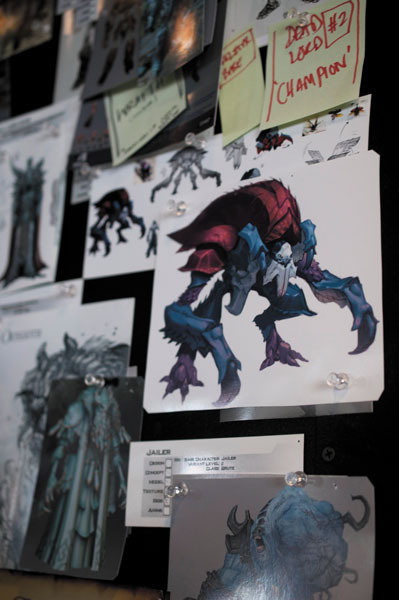
Joe: It was pretty challenging this time around because the game world is so much bigger and we have so many more characters. Just creating content that’s new and cool when we had so much in the first game as it is… It definitely presented a couple of challenges, but at the same time, our team was much more experienced, and we did have some outside help as well. We were smart enough to get help because we knew the game was really big. I think it came together really well, though.
Prima: What are you hoping to work on once Darksiders II is all done? Any comic related projects coming up?
Joe: After Darksiders II, we’re obviously already planning the next title; whether it will or won’t be a Darksiders title, we’re not saying just yet. But we are in the early stages of that project, and I do still do comics outside of Vigil. I have a project for Marvel that’s coming out early next year, I think, but that hasn’t been announced either. It’ll be cool.
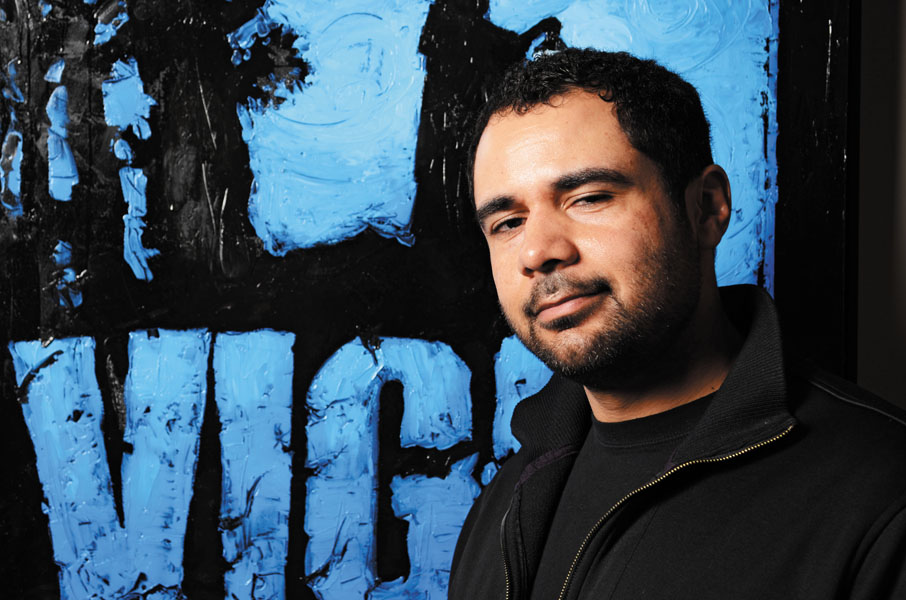
Marvin Donald - Game Director
Prima: Could you introduce yourself and explain your role in the creation of Darksiders II?
Marvin: My name is Marvin Donald, and I’m the Game Director for Darksiders II. I spent most of my time focusing on the story, the key moments, the quests, all of the voiceovers in the game, and anything else that was quest related because that was probably the biggest feature that was added to the Darksiders experience.
Prima: The original Darksiders was well-received by the gaming community. What did you hope to accomplish in Darksiders II?
Marvin: We made the experience more RPG driven, with character progression, and limited your skill points so that you had to make choices on how your character was going to develop rather than just acquiring every single upgrade. You’re going to have to make some sacrifices, so there’s some meaning behind what you do. Deciding what to focus on as a major strength in regards to your gear, whether you’re going to be focusing on strength or arcane, makes a big difference regarding the wrath abilities that you’re going to use. You’re choosing one avenue over another; one way of kicking ass in the game and getting through some of the boss fights and tougher encounters, as opposed to another. People are going to have debates over what’s best, and I think that’s really good.
Prima: What has been your favorite part of creating Darksiders II?
Marvin: Getting involved with the items system, and just being excited in general about the ability to equip things that were dropped by monsters or that you find in chests, and watching your character change. Working on the random item generation and giving players the experience where they’re going to feel like their character’s unique because the same loot won’t be dropped every single time you play through the game—I thought that was really pivotal to making the Darksiders II experience more personal, and watching that system develop was really cool.
Prima: What would you say is your favorite location in Darksiders II?
Marvin: I really like the second zone, overall. I like the kingdom of the dead because the dark atmosphere is something that Death fits in well. When you look at the way the character is designed, his cool skull mask and his emo rock and roll look, I think it all jives really well. And I really like some of the ambient music; it’s really cool and a little bit different. Not what you’d expect. It’s got a nice modern touch to it, while still staying within a fantasy realm of music. It was definitely nice and unexpected, and there’s just something about smashing skeletons that is totally rewarding. You’ll have the opportunity to do that over and over again, and it’s a lot of fun.
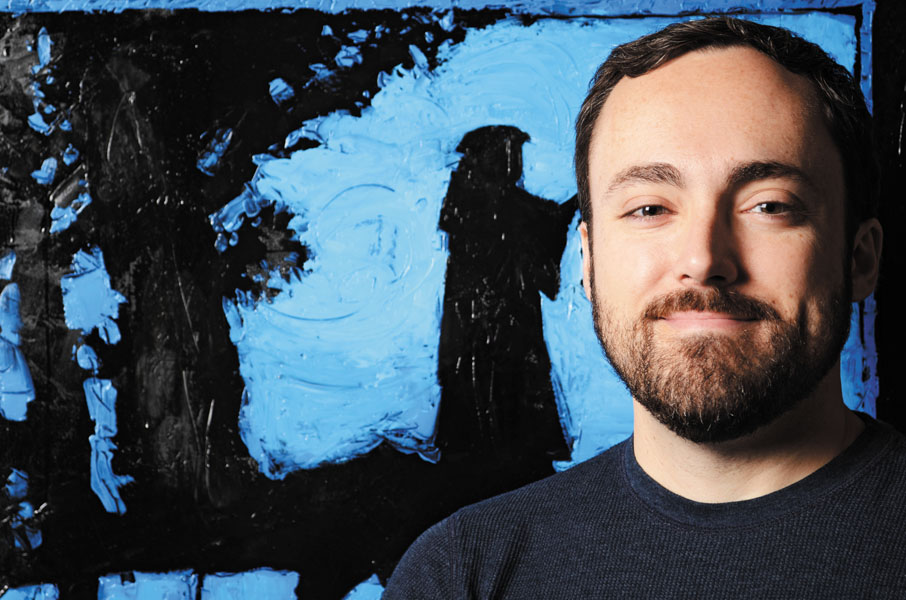
Ryan Stefanelli - Producer
Prima: Could you please introduce yourself and describe what you did during the development for Darksiders II?
Ryan: My name is Ryan Stefenalli and I was the Producer for Darksiders II. My role ultimately ended up being filling in the cracks wherever we needed it. I was the Lead Level Designer on Darksiders I, so I ended up working very intimately with the level team on Darksiders II. There was some of the boring producer stuff, interfacing with corporate, but most of what I did was building levels and helping our Lead Designer lead the Level Design Team.
Prima: What was an average day like for you during the production of Darksiders II?
Ryan: The average day varied. I mean, early on it was pretty relaxed and we were having a lot of fun. And of course, you get toward the end of the project and the intensity ramps up on the attention to detail; it becomes much finer. We work a lot of hours in this industry. It’s definitely a labor of love, but I think that love is going to show. There’s a lot to Darksiders II. It was a huge game. It was very ambitious, and there are so many facets to it that required a lot of focus, but the team pulled it off despite the difficult hours.
Prima: What would you say is the most difficult area in Darksiders II?
Ryan: We try to make games for gamers. It’s sort of an old cliché, but games now are becoming so cinematic and story-driven, so driven by the visuals and the events that are occurring that there are fewer and fewer games that are driven specifically by the gameplay. But that’s the studio as a whole—we are a gameplay-driven studio. I think that shows with a game like Darksiders, which offers players so much. There’s so much you can play with between the traversing and the puzzle solving, and we hope that players can really appreciate that sort of old-school mentality to game development.
Prima: Do you have any funny stories to share about things that happened during production?
Ryan: The people who work here all get along so well, and there’s such good chemistry. Whether it’s getting in food fights where we’re throwing tortillas at each other, or pushing each other down the hallway as fast as we can on office chairs only to have somebody inevitably tumble out of the chair and hit the wall and put a hole in it or break something… if you come into our leads row and look up, there are thumbtacks stuck in the ceiling. Old Darksiders I disks are thrown all over the place. Whoever was the last person to make a mistake with a build gets this giant pink Tasmanian Devil that has to sit behind their monitor until somebody else screws something up. There are so many examples of those types of pranks and jokes being played on people that it’s almost hard to remember one that stands out because there are a lot.
Prima: What is your favorite part of Darksiders II?
Ryan: I, personally, am attached to some of the smaller areas. Designing the smaller areas is always a little more interesting because they’re sort of freed from stories, so you can just do whatever you want. I had the luxury of designing some of the smaller side dungeons that are in the Makers’ realm. I don’t even remember what they’re called because we have our own internal names for them and they don’t translate into the real game. The one that I would probably go back to the most as being personally fulfilling was the Foundry. The General Manager, David Adams, and I, that’s the dungeon that we laid out. It was a big challenge, and there’s a lot going on in it, but the team that helped us and worked on it with us really pulled it off. I think it’s going be one of the more memorable and epic dungeons. It will be interesting to see how players fare when they get into some of the later dungeons, when they have a lot of gear items to play with. People who’ve played Darksiders I know that one of our most important formulas is the alchemy between all the gameplay, once we’re throwing the player between combat, traversing, and puzzle solving. You get into some of the later dungeons when you have a lot at your disposal, and there are some pretty mind bending puzzles in there. I think when people reach the angel citadel and start getting to mess with the Voidwalker, I think it’s really going to be a challenge, but there’s a great feeling of fulfillment once you make it through some of those puzzles because they’re real brain benders.
Prima: What was something that you were very happy to get into the game?
Ryan: The thing that we were the most amped up to get into the game was the loot. I think that’s something that is really going to start to set Darksiders apart as a franchise, from the steps that we took in Darksiders I—the depth of the character development and how the loot plays with the skills trees that are now available. Because exploration is such a big part, because it’s so intrinsic to the franchise, having something like loot is a great way to give people incentive to explore every little nook and cranny out there in the world. We like to explore, so being able to put in the type of mechanic that gives players the incentive to do it and really care about it, it becomes a lot of fun every time you kill a creature, break a barrel or open a chest. You just don’t know what you’re going to get. We’re all loot whores; we love it, and we can’t wait for it to get into players’ hands.
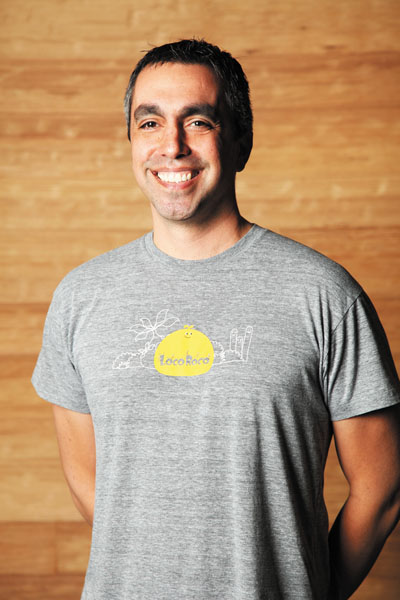
Tim Donley - Development Director
Prima: Could you please introduce yourself and explain what you do and what you enjoy about working at Vigil Games?
Tim: My name is Tim Donley and I’m the Development Director for Darksiders II. What did I enjoy about working on Darksiders II, and what was exciting to me? It was the team. The team is great; a very fun group of guys. We had a great management group and a very invested team. What did that mean to me? It made it easy to come into work. It made it exciting. It made me excited to see the game each day. It made me happy to work with this great group of guys. Most of the team loved the game. They just wanted to be there. They wanted to work on stuff. And yeah, we had our ups and downs, and we had our moments where maybe things didn’t go exactly as planned. But a lot of times, it went better than we’d hoped.
Prima: So, just how big is Darksiders II?
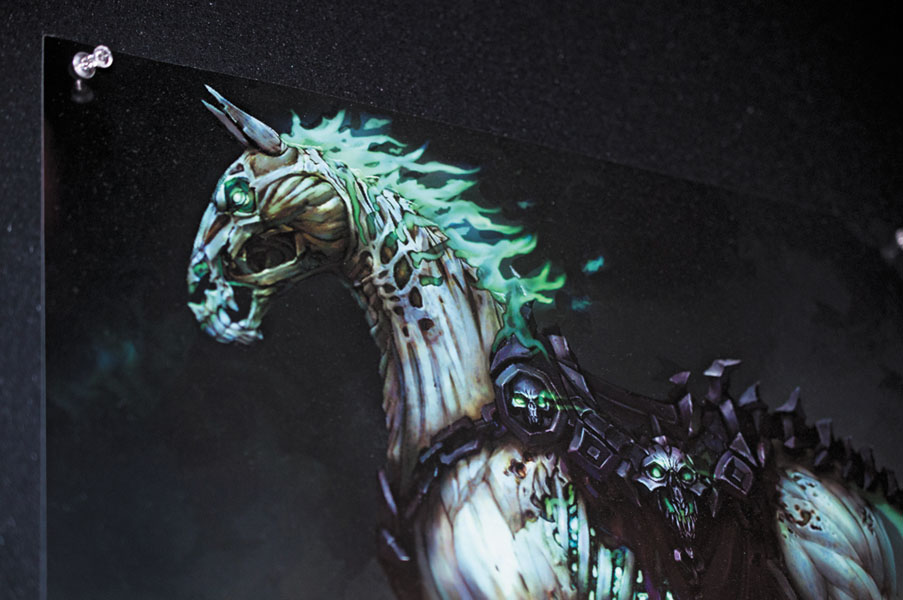
Tim: I worked on Darksiders I, so I know how big that was. I’d say Darksiders II is maybe three or four times as big, and to keep that quality level, to go that much bigger and have that much more quality to basically hit—it’s hard. We had a great team to do it. We had a really good, strong vision at the top, and we had a really strong crew in the middle and down through the ranks, and everybody was always trying to hit that bar. And it was tough. I mean, it was really tough. But, you know, we worked really hard. Sure, we had late nights, but overall, the game’s great. I’ve been playing it, now that it’s all wrapped up; I’ve been playing it and I’ve just been amazed. You know, it’s one of those things that, now that it’s finished, going back and playing it… it just seems even more amazing now. Because it’s one thing to see people develop the game, to see people working on stuff, and then another thing to go back and play it and go, “Oh, these guys are related to that. Oh, I didn’t know that was connected to there.” I mean, we’ve got so much stuff in the game.
Prima: Can you tell us about the loot, abilities, and any other interesting information fans might want to know about?
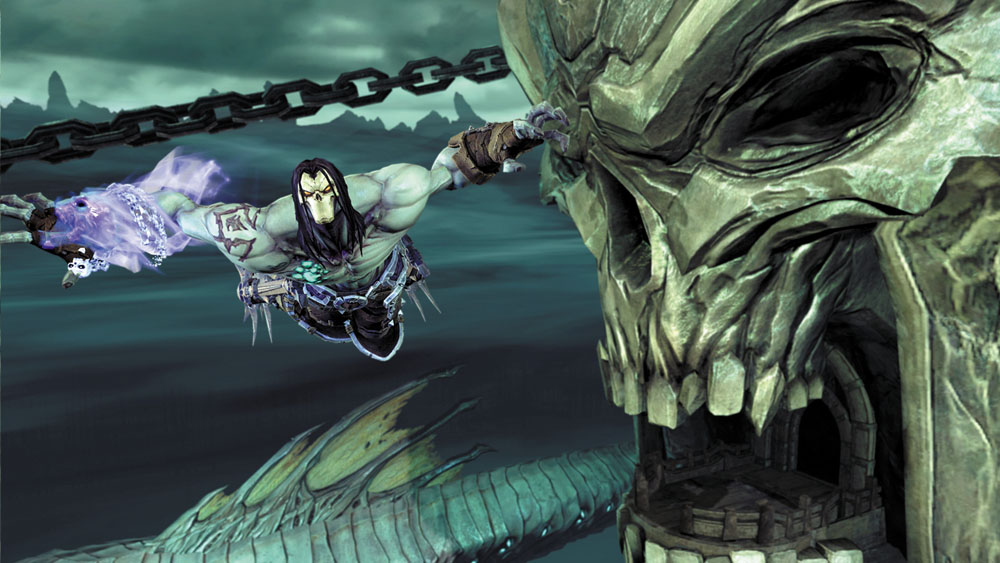
Tim: We have loot; didn’t have that in Darksiders I, or at least not to this extent. You’ve got pretty much a custom character you can create. You know—tons of different weapons and armor. One of the things I’m excited about is the possessed weapons, which are basically custom weapons. You can find weapons and feed other weapons into them to make your own weapon. So you can, let’s say, have a weapon that’s a possessed hammer and feed it another weapon. It could be armor; it could be another type of weapon. Doesn’t matter. Let’s say it’s got some attribute like fire or healing or whatever. If you feed that to the possessed weapon, the possessed weapon takes on the qualities of the weapon you fed it. And you can feed it different kinds of weapons. So you can have a possessed weapon that does fire, healing, maybe even does ice damage or some sort of critical or piercing damage—something that you wouldn’t have had before. I mean, it’s just one of those things that it makes it super exciting to me because you wouldn’t normally have that kind of stuff. So instead of buying a custom weapon that’s maybe like, you know, a volcano hammer that does all this damage, you can make your own hammer. What makes it cool is that once you realize what you have to do, you just start saving up your weapons. It’s almost like the game takes on a whole different life. Everything you pick up is suddenly way more important than before. You’re always looking at items, like, “Oh, what are the stats on this?” You’re checking them out in the menus and trying to figure it out. It’s made the game a lot more fun to me. I want to go everywhere and do everything now. I want to open every chest. I want to go to every corner of the world because I want to make sure I get all the treasure I possibly can so that I can make the best weapon possible. And really, the only way to do it is to go and explore. It’s fun to just run around and fight the creatures and everything. Not only is the combat much more extensive because all of the weapons have their own abilities and moves and special moves, but you can buy tons of moves, too, which is another big thing. The game has a level of customization that Darksiders I didn’t have. I mean, now you have trainers; you have people you can buy moves from; you have people who give you moves. You have tons of abilities that are related to the Reaper Form. You’ve got your alter ego. In Darksiders I you had your Wrath Form, which was the big fiery demon that came out, and in Darksiders II you’ve got the Reaper Form, and he can do all sorts of damage. Beyond that, you have a magic system and you can buy attributes and skills that allow you to cast out crows, or summon all these ghouls that come out of coffins, and do all this damage. You’ve got combat abilities to buy there, too. You’ll probably see teleport slash; I’m sure you guys will notice all that stuff. But there’s just so many things, and it really is one of those things we always said: the name of the game is customize your own Death. And this is one of those games where you really do get to customize whatever you want. By the end of the game, it really is your Death, and it really is the way you like to play. The game lets you do the things you want to do. If you enjoy a certain type of game play, if you’re an aggressive player, you can play an aggressive game; you can buy a bunch of stuff that makes the game fun for you. If you’re someone that likes to stand back and be defensive and cast spells and deal damage from a distance, you can do that, too. You can do pretty much whatever you want, and it’s fun. The game is bigger and better. I’ve enjoyed it, I think it’s great, and I hope the people who play it enjoy it as much as I did. It’s fun, and I’m not just saying that because I worked on it. I’m saying it because I’m a gamer and I play a lot of games and I don’t get excited about too many of them unless they’re really, really fun. I’ve been playing this and looking forward to getting my real gamer score instead of my gamer score here. I’m tired of that.