
Overview
You begin the game with a vehicle, but trade in your old wheels for a set of new ones after meeting some new friends and are invited back to the garage. As you earn money, you can add more vehicles to your fleet. Each car is a bit different. While some are generally good for most types of driving, certain vehicles are better for specific events than others.

Acura RSX-S (2004)
The Acura RSX TypeS is powered by the same high-revving Honda K20A2 engine that motivates the EP3 Civic and of course, its Honda twin, the JDM Integra Type R. With its front-wheel drive layout, limited slip differential and unmistakable VTEC induction roar, the DC5 is a popular platform for circuit and street racing alike.

BMW M3 Evolution II E30 (1988)
In all of its Bavarian beauty, the super rare E30 Evolution II was produced by BMW as a homologation car for the DTM championship back in 1992, with only 500 examples sold worldwide. The E30 is best-known for its enlarged boxy guards, iconic retro styling cues and user-friendly handling characteristics. Powered by a screaming naturally-aspirated inline 4-cylinder engine, it’s lightweight, ultra-desirable and built to race.

BMW M2 (2016)
The BMW M2 Coupé represents the successor of the historical BMW 1 Series M Coupé. With its 6-cylinder engine and rear-wheel drive, the BMW M2 Coupé sets new benchmarks in terms of driving dynamics and agility. Moreover, the consistent use of iconic M design elements contributes to its expressive design and authentic M appearance. With an engine output of 272 kW (370 hp) and a maximum torque of 500 Nm, this car is a power pack, letting you know the true promise of ultimate driving pleasure!

BMW M3 E46 (2006)
The third BMW 3 Series generation to receive the coveted M3 badge, the E46 M3 combined the best qualities of its two predecessors to become the ultimate driver’s performance car. With its rear-wheel-drive layout and throaty 3.2-liter straight-six engine, it’s been praised for its incredible sound, superb throttle response and perfect handling. Is the E46 M3 the greatest BMW of all time? You decide…
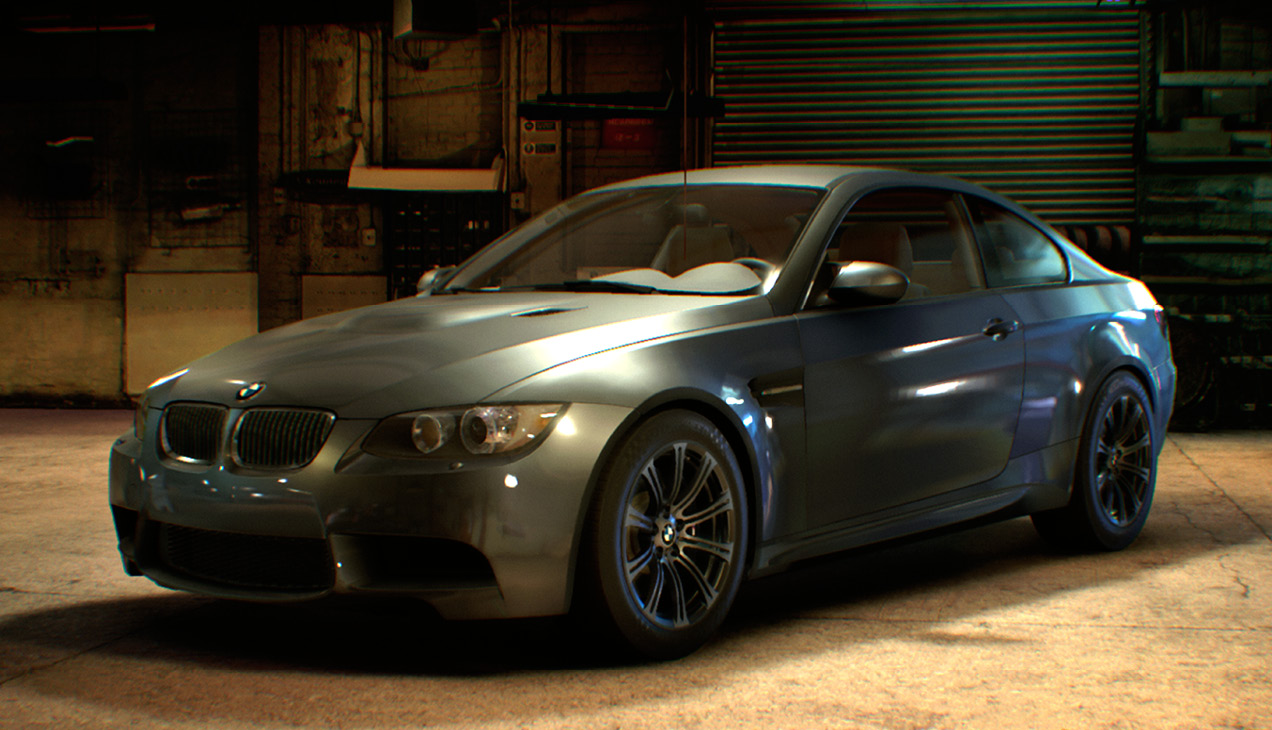
BMW M3 E92 (2010)
The E92 M3 was the first of BMW’s legendary M3s to use a V8 engine. The 2-door sport coupe comes factory equipped with a carbon-fiber roof, and balances unique performance features with modern comforts. But don’t be fooled; underneath its skin lies a naturally aspirated monster with bucket loads of torque. With its 8,300rpm redline, it has instantaneous throttle response and a howling exhaust note like no other!
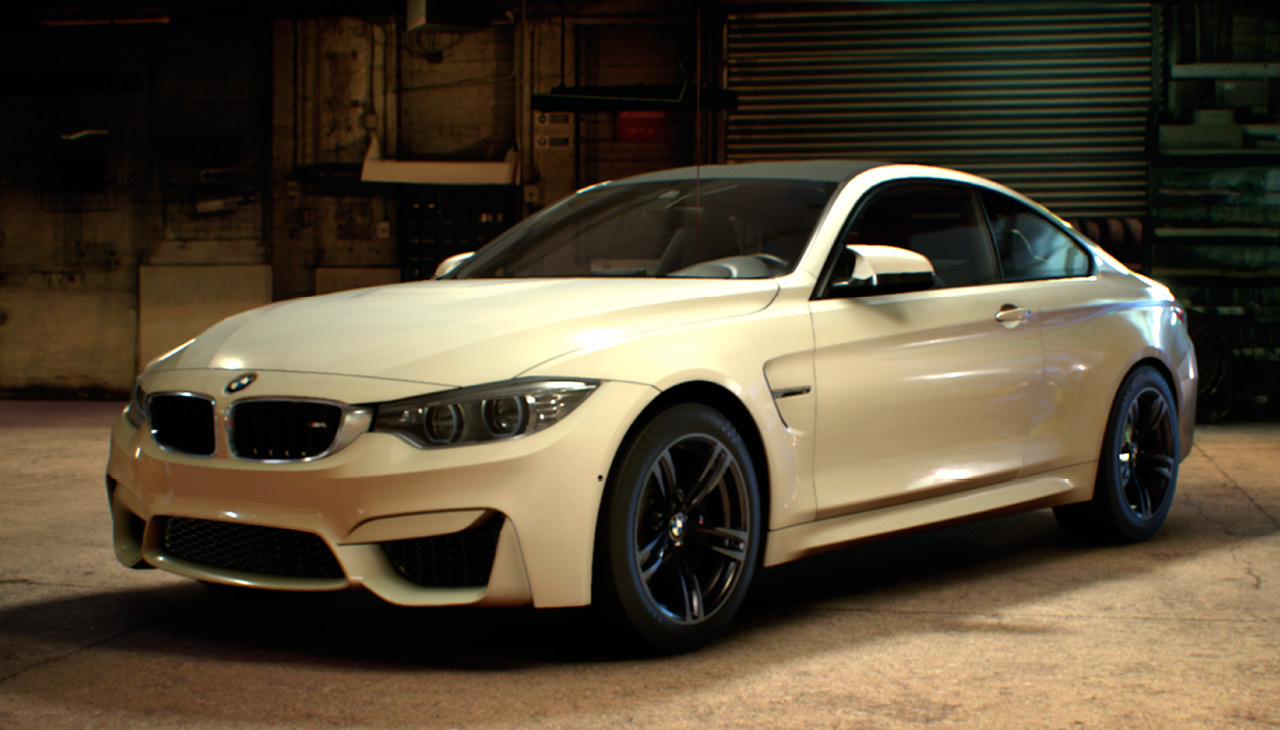
BMW M4 (2014)
More power, more torque, more speed. The M4 forms part of BMW’s range of M performance coupes, packing a powerful punch with its 317kW (431hp) twin turbo straight six engine. Featuring lightweight, carbon fiber-reinforced parts and sleek looks, the M4 boasts impeccable performance and precise handling a street racing sleeper fit for a gentleman.

Chevrolet Camaro Z/28 (2014)
The fifth-generation Chevrolet Camaro Z/28 dominates with its high performance 7.0-liter LS7 V8 engine, packing a brutal 505hp. With styling influences from the original first-gen Camaro Z/28 from the late sixties, it’s packed with modern racing technology, tonnes of grip and stopping power from massive carbon ceramic brakes. The Z/28 is the ultimate American street fighter.
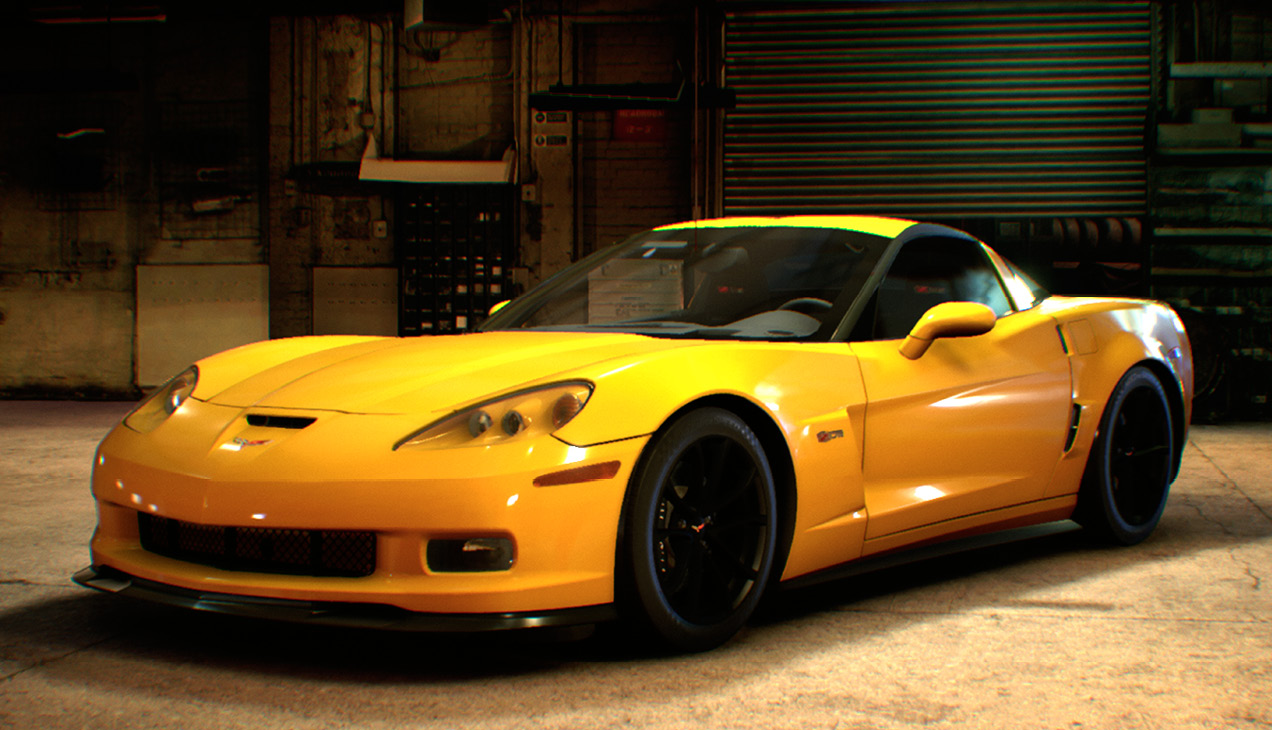
Chevrolet Corvette Z06 (2013)
With its sleek, sexy shape and wide, muscular stance, the Corvette Z06 is the perfect weapon for tearing up the streets. The Z06 boasts a plethora of improvements over the standard C6 Corvette, including a lightweight aluminum frame, larger carbon fiber front and rear fenders, and a rumbling 7.0-liter LS7 V8 engine producing 505hp and 470 lb-ft of torque.
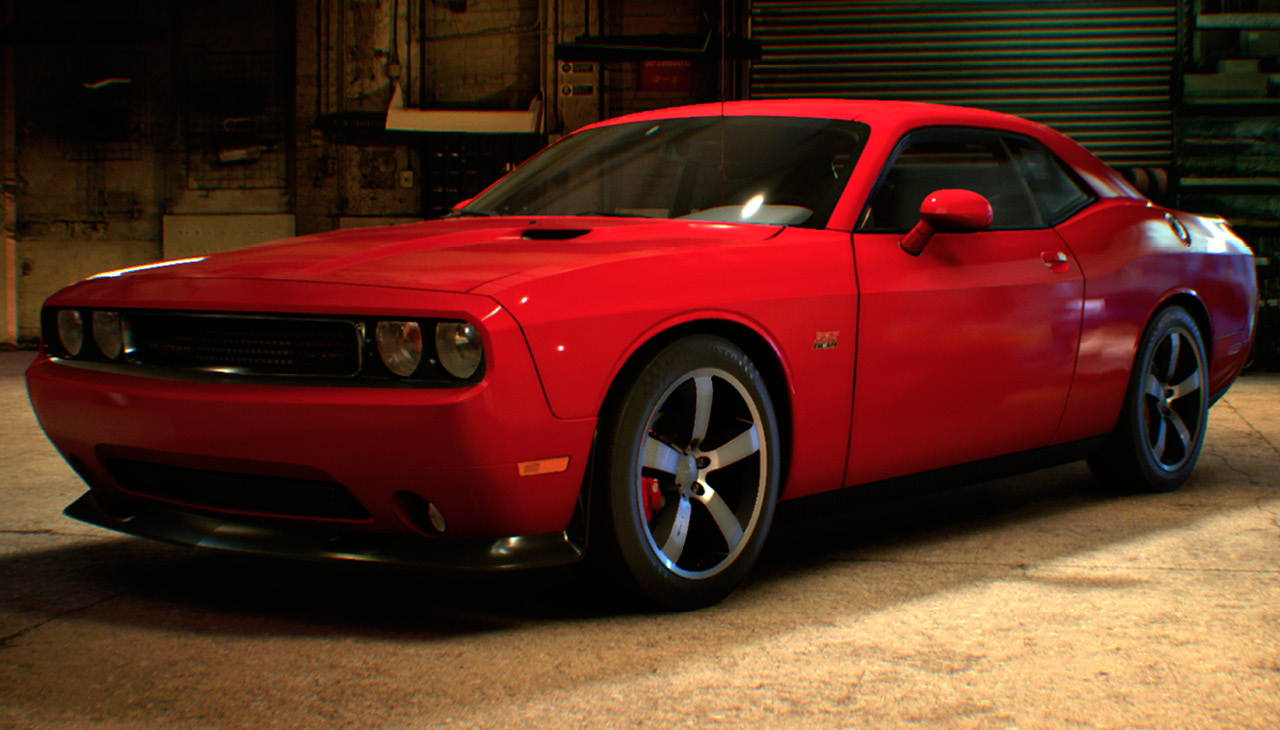
Dodge Challenger SRT8 (2014)
Based on a modified version of the Chrysler LX platform, the Dodge Challenger is a 2-door, rear-wheel drive coupe. A modern muscle car with timeless retro styling, the aggressive SRT8 is powered by a burbling 6.4-liter 392 HEMI V8 with 470hp and plenty of torque. This big boned American monster is ready to use brute force if necessary.

Dodge Viper SRT (2014)
The Dodge Viper is the epitome of American excess with its behemoth 8.4-liter V10 engine under the hood. Sitting nice and low with its long nose and curvaceous body, the Viper SRT is bred for speed with 640 horses being sent to the rear wheels. With its beautifully-pitched, howling naturally-aspirated V10, this car is ruthlessly fast and ready to be unleashed on the streets.

Ferrari 458 Italia (2009)
The 458 Italia can be considered a completely new car from every point of view; engine, gearbox, chassis, suspensions, electronic controls, aerodynamics, design, instrumentation and ergonomics. Powered by a highly strung mid-engine V8 boasting 562hp, it’s well-balanced and has an exhaust note that’ll please even the sportiest of driving enthusiasts. Beware: this is one prancing horse that can deliver a swift kick on demand!
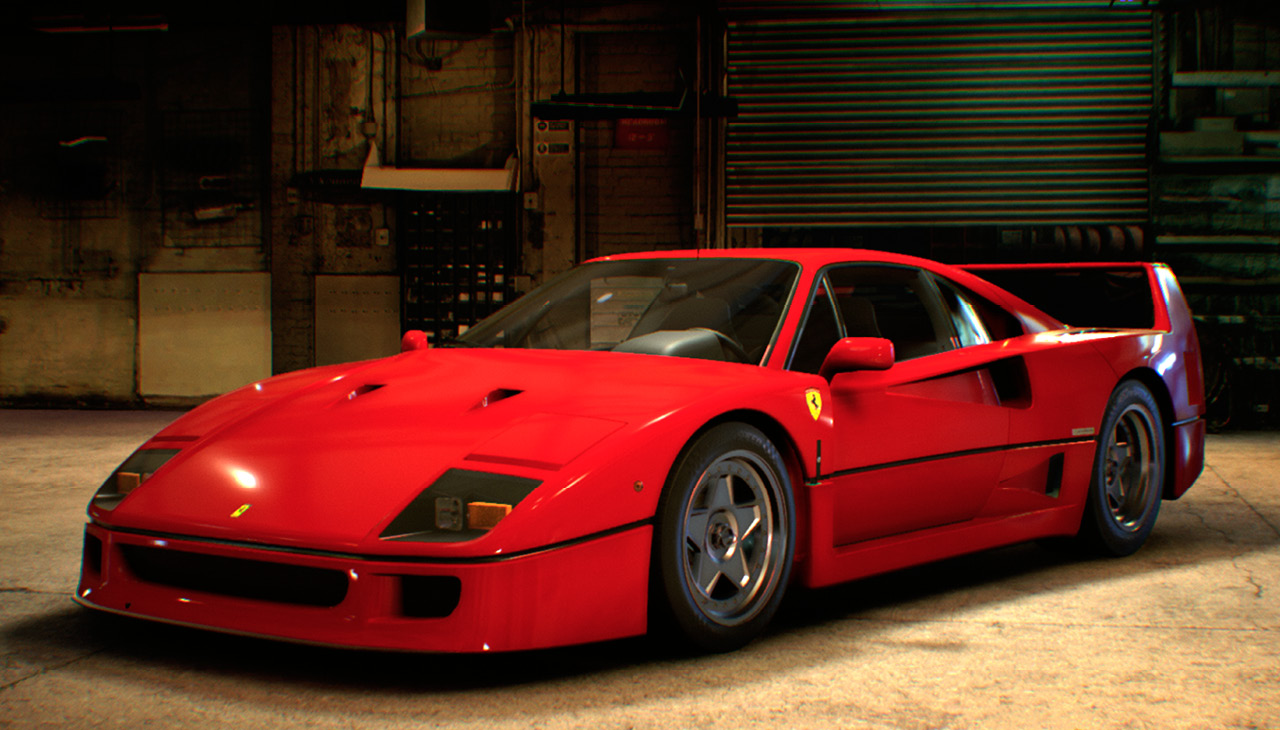
Ferrari F40 (1987)
Essentially a race car built for the road, the F40 was the last car that the great Enzo Ferrari commissioned before his death. Often referred to as the ‘world’s best supercar’, this Italian icon has a timeless and unmistakably Ferrari shape, featuring panels made of kevlar and carbon fiber for strength and weight reduction. Powered by a screaming twin-turbocharged V8, the Ferrari F40 is automotive art at its finest.
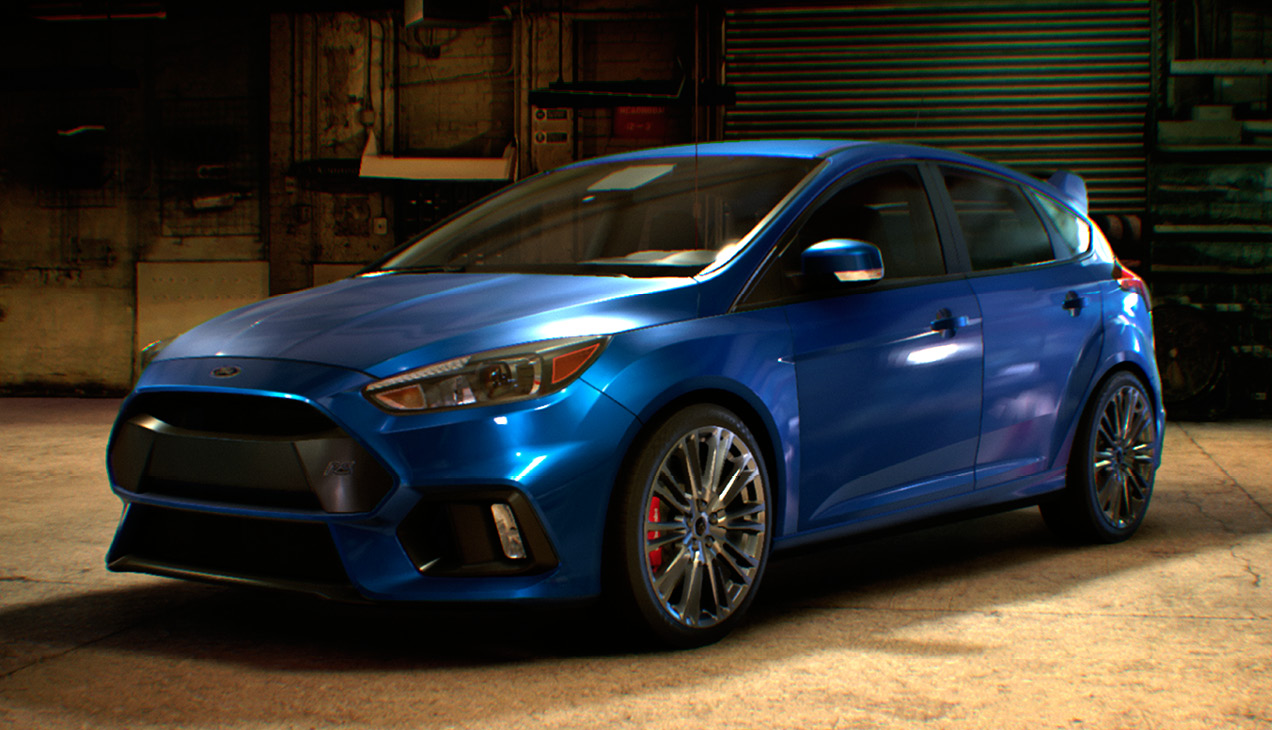
Ford Focus RS (2016)
The Focus RS features Ford’s 2.3-liter four-cylinder EcoBoost engine. Playing a role in its development and testing was style icon, Ken Block. Proving that good things can come in small packages, this boosted hot hatch packs 345 hp and distributes its 324 lb-ft mountain of torque to all four wheels through an intelligent all-wheel-drive system.

Ford Mustang (1965)
A collectable American classic, the original Ford Mustang was responsible for kick-starting the ‘pony car’ movement in the Sixties. With sporty good looks and an affordable price tag, the first-generation Mustang was a hit from day one. Small in stature when compared to most American cars of the time, the Mustang had a ready-to-go stance and attractive proportions. With its small-block V-8 burbling through a throaty exhaust, this thoroughbred still turns heads wherever it goes.
Ford Mustang BOSS 302 (1969)
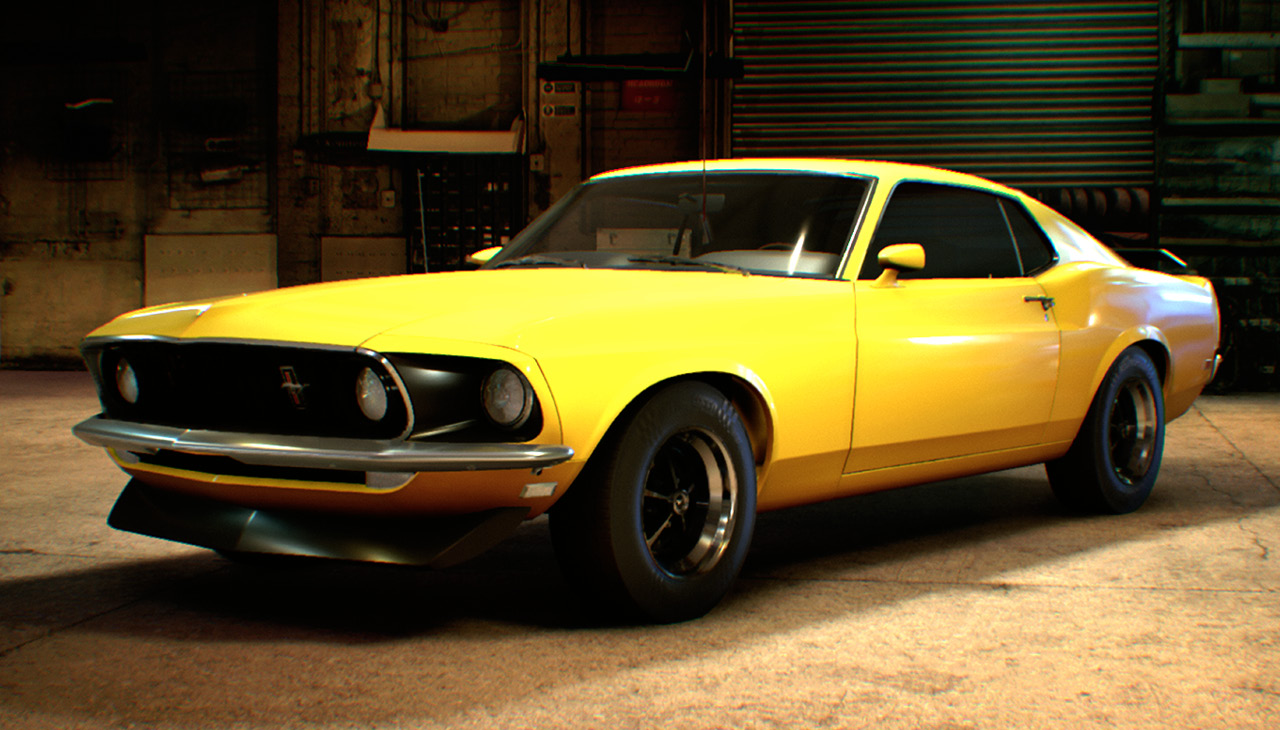
Built to homologate a specially tuned Mustang to compete with Chevrolet’s successful Camaro Z/28 on the Trans Am racing circuit, the Boss 302 debuted in 1969 to rave reviews. It boasted a rambunctious 302 V-8 engine and race-ready appearance, including features such as bodyside ‘c-stripes’, optional rear window louvres and an adjustable decklid spoiler. An American icon, the original Boss still lives up to its name.

Ford Mustang Foxbody (1990)
The ‘Fox Body’ Mustang was the third generation of Ford’s famous Pony car. Produced from 1978 through 1993, it’s loved by many enthusiasts. Running a 5.0-liter pushrod small block V-8 engine, the Fox Body has seen a resurgence in recent years as the popularity of late eighties-style cars and the demand for low-cost, high-powered and tunable rear-wheel-drive drift cars has soared.
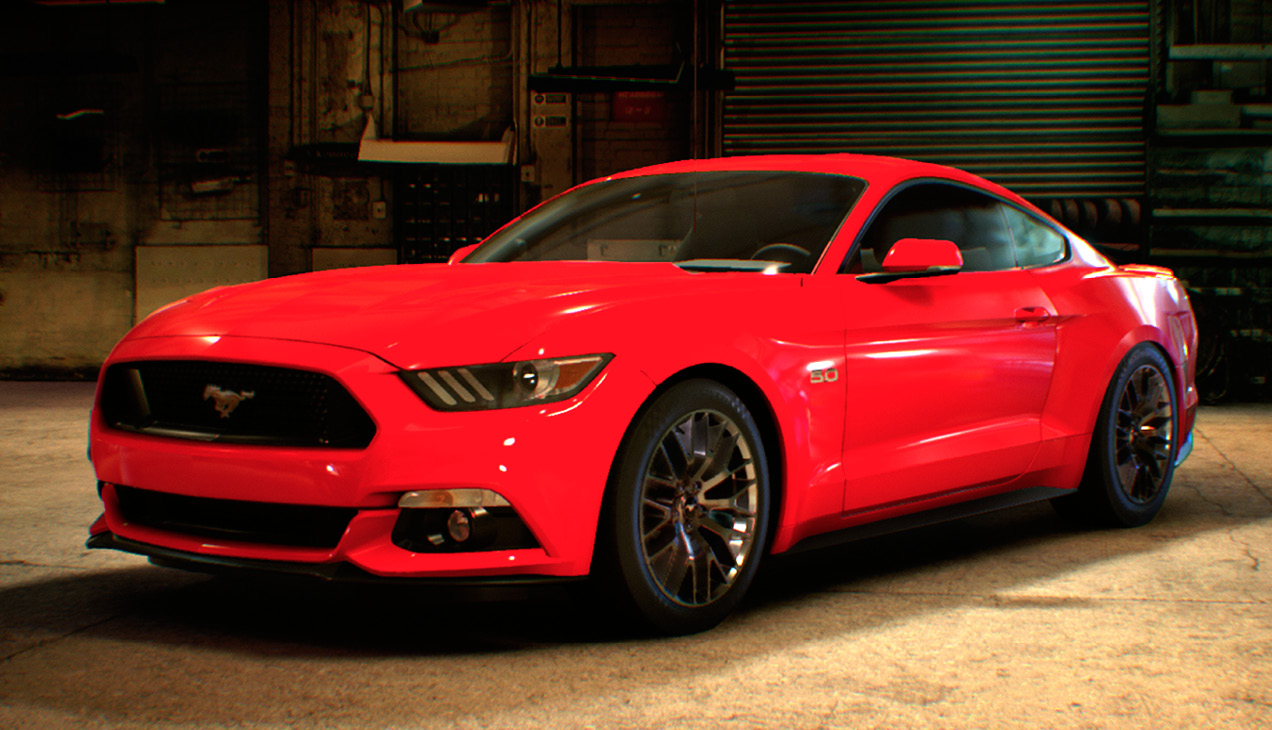
Ford Mustang GT (2015)
Although there have been plenty of memorable Mustangs over the past half-century, Ford’s latest Mustang sets new standards for the beloved marque. Muscular, aggressive bodywork cloaks an advanced suspension set-up and thunderous five-liter Coyote V-8. With 435hp in factory trim, the latest Mustang has the performance to deliver on the promise of its good looks.

Honda Civic Type-R (2000)
The first Honda Civic to receive the ‘Type R’ badge was the 6th generation EK9. Designed from factory as a capable circuit racer, this hot hatch has also built up a reputation in the Japanese street racing scene. It’s lightweight, nimble and capable of slaying giants. Just wait until you hear that punchy B16B 4-cylinder VTEC engine screaming through the streets at 8200rpm!

Honda NSX Type-R (1992)
Produced in limited numbers back in the early 90s, the NSX TypeR was designed as a track ready racing machine with raw performance in mind. Based on a lightweight, aluminum monocoque chassis with an aggressive suspension set up and a high performance 3.0 liter DOHC VTEC V6 engine, this is the perfect JDM machine for spirited street driving.

Honda S2000 (2009)
The Honda S2000 might look a bit fancy, but it has a fierce bite. Popular with petrol heads due to its well-balanced chassis and high revving, DOHC VTEC F20C engine, the facelift AP2 featured retuned suspension, a stiffer sub frame, updated bumper designs and new design headlights and taillights.

Lamborghini Aventador LP 700-4 (2014)
Savage speed, extreme style, superior performance. The Aventador features a powerful V12 engine producing 700hp and capable of 0-100km/h in only 2.9 seconds. With its angular, shark-like silhouette and guttural soundtrack, Lamborghini’s fiercest bull will make the ultimate statement on the streets.

Lamborghini Diablo SV (1995)
In all of its ‘90s retro glory, the Diablo SuperVeloce or SV is powered by a screaming 510hp V12 engine and is instantly recognizable by its sharp, sloping form and outlandish, futuristic styling. This radical supercar comes with Lamborghini’s signature scissor-doors, and its rear-drive layout loves to get sideways.
Lamborghini Huracán LP 610-4 (2015)

Nicknamed the ‘baby Lambo’, the rear hatch of the Huracán 610-4 contains a mid-engined, naturally aspirated V10 engine delivering power to all four wheels. It features dynamic, state of the art steering and suspension and exotic, angular design cues. With its sleek looks and bellowing V10 howl, this stealthy street fighter was built to be driven to the limit.

Lamborghini Murciélago LP 670-4 SV (2010)
Unparalleled, uncompromising and refined for ultimate performance. The LP 670–4 SuperVeloce is the final and most performance orientated version of the Murciélago. Powered by a 6.5-liter V12, the special edition, four-wheel drive SuperVeloce is lighter and tuned for 30hp more than the standard Murciélago LP 640. With its intoxicating engine note, this raging bull isn’t one to mess with: it’s capable of reaching speeds of up to 342km/h!
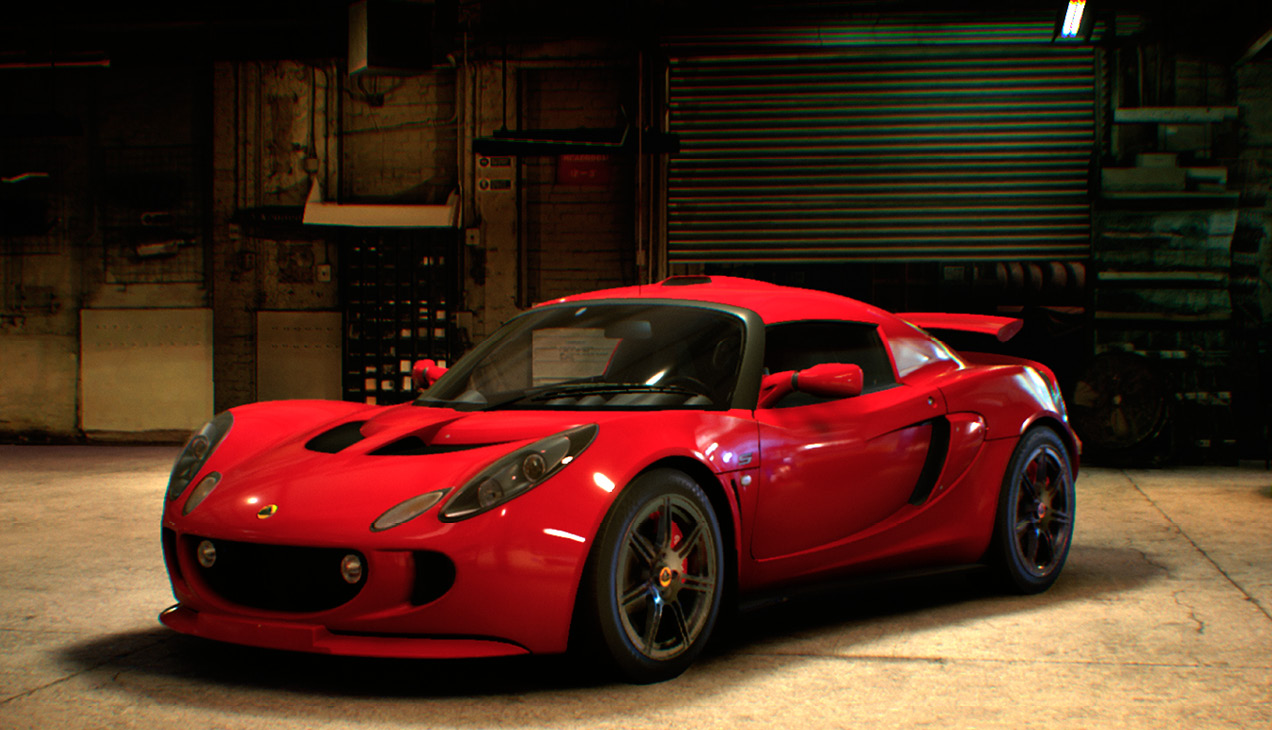
Lotus Exige S (2006)
This iconic British featherweight is famous for its lightweight chassis and perfect balance. The Exige S is powered by a supercharged Toyota DOHC VVTL-i four-pot producing 220 bhp, and it weighs under 1,000kg. With its low, wide stance, this two-seat sports car is perfect for carving up canyons, darting through corners with precision and finesse. Who needs creature comforts when you can have such a raw, hands-on driving experience?
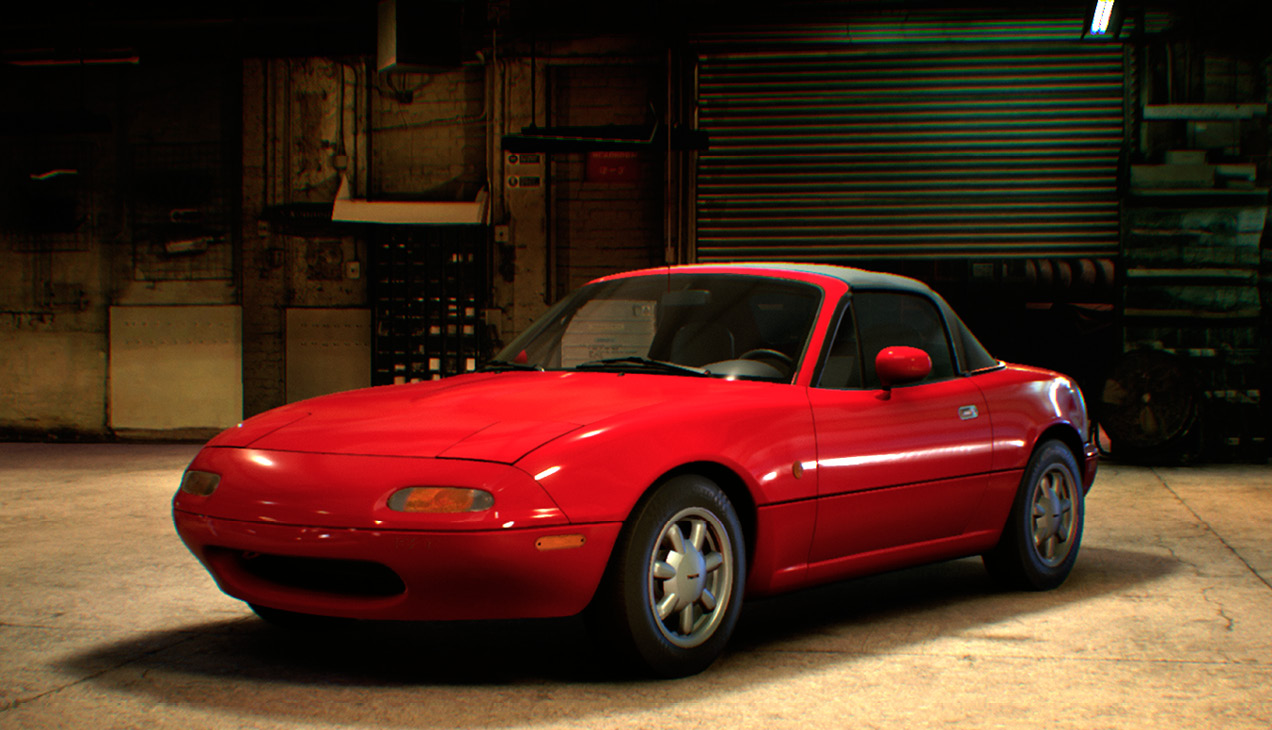
Mazda MX-5 (1996)
The first generation NA Mazda MX-5 is a two-door convertible featuring a somewhat underpowered DOHC twin cam inline-four engine and perfect 50/50 weight distribution. Also known as the Mazda Miata and Eunos Roadster, it’s a simple, responsive package capable of inducing pure driving nirvana, and by far the most fun you can have behind the wheel of a car for the least amount of money.
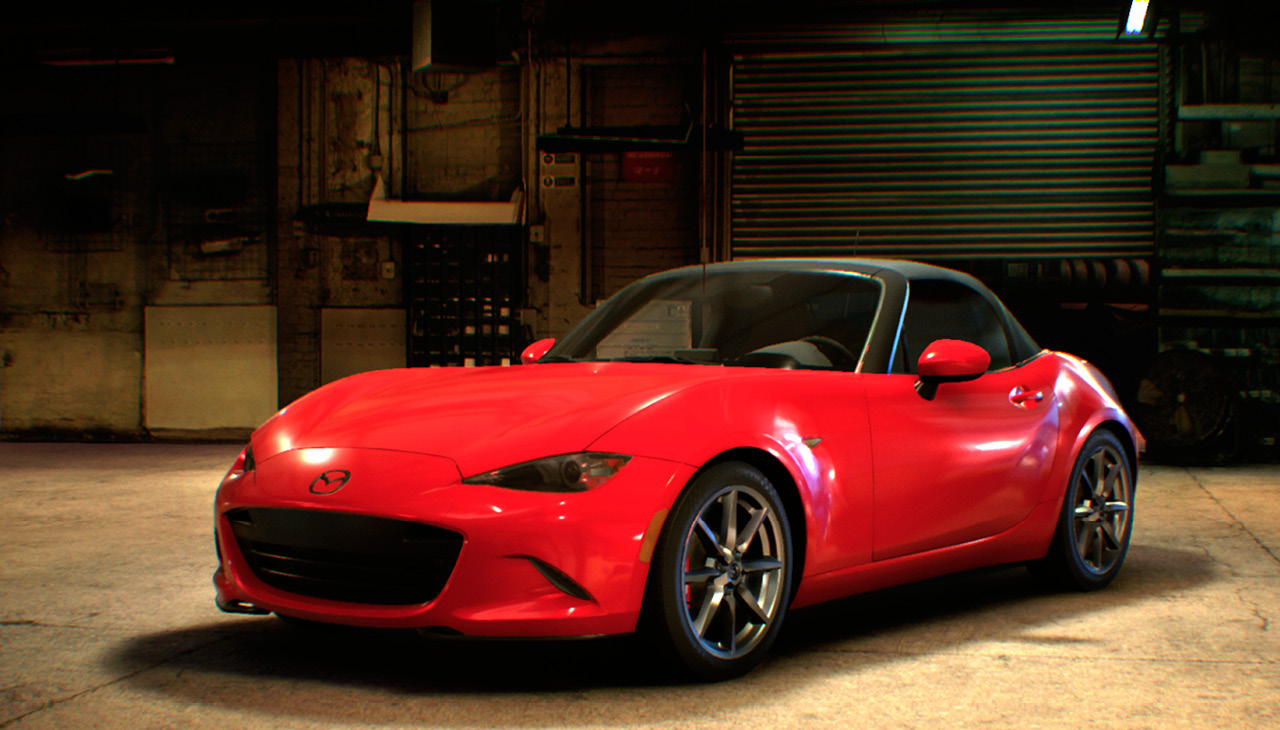
Mazda MX-5 (2015)
After more than 25 years and four generations, the MX-5 continues to be the best-selling two-seater convertible sports car in history. The all-new, fourth-generation model has been designed with the seasoned driver in mind: it’s lightweight and compact, with modern looks and a well-tuned chassis. It looks good cruising the streets, yet comes to life on tight, twisty roads.
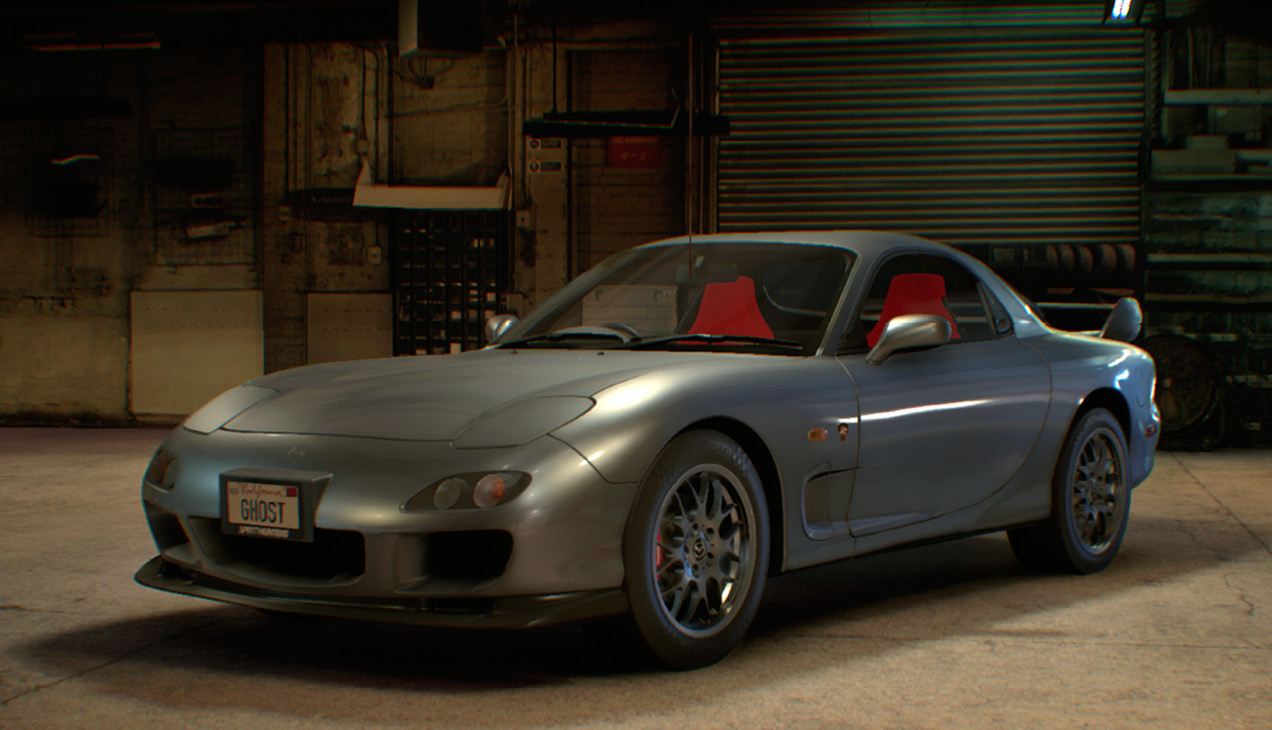
Mazda RX-7 Spirit R (2002)
Mazda ended its third generation of the RX-7 series with a limited run of the highly desirable ‘Spirit R’. Powered by a revvy 13B-REW rotary engine with twin Hitachi turbochargers, it featured an enhanced braking system and lightweight red-trim Recaro bucket seats amongst other extras. Named as one of the best handling and well-balanced cars of all time, the FD-3S Spirit R is just asking for enhancement.
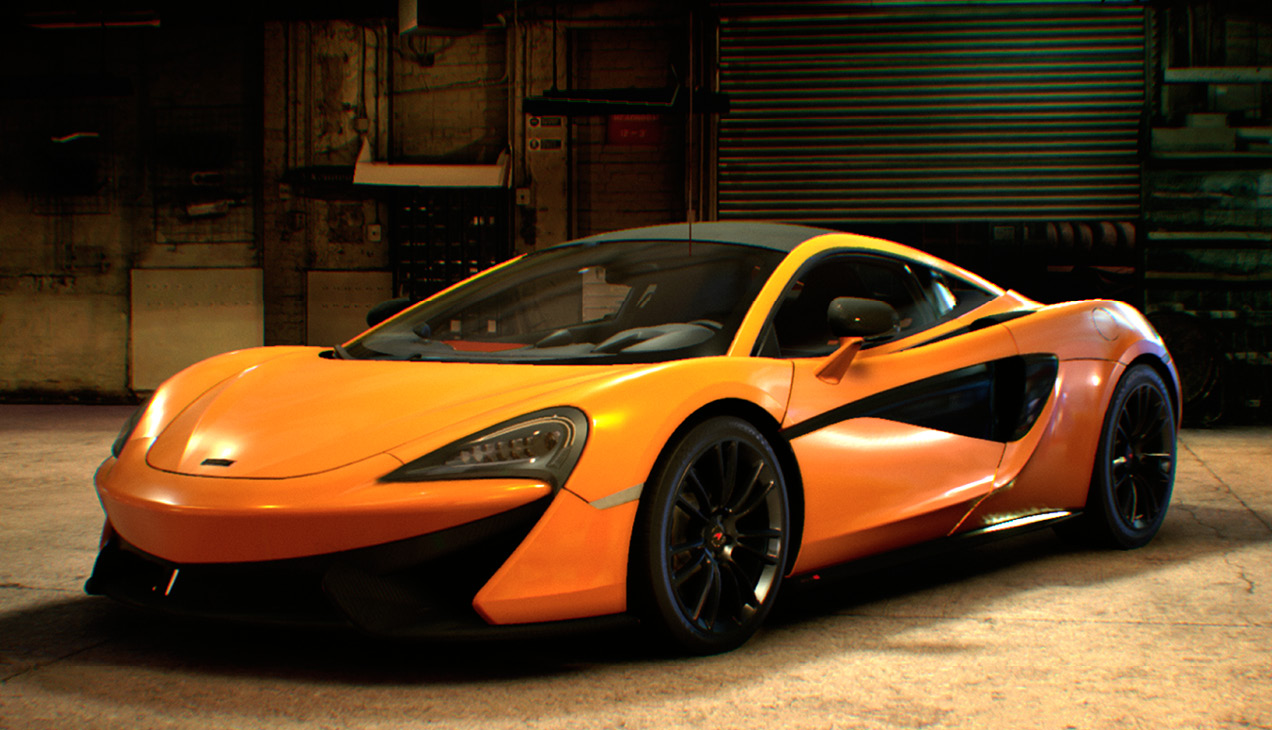
McLaren 570S (2015)
The 570S Coupé is the first model in the McLaren Sports Series. With its mid-mounted, 562hp twin-turbocharged 3.8-litre V8 engine, the 570S Coupé is blisteringly quick, accelerating from zero to 100km/h in just 3.2 seconds. Featuring the signature dihedral doors and a lightweight carbon fiber chassis famous of all McLaren road cars, the 570S Coupé is a breath-taking design packed with ground-breaking motorsport technologies.

Mercedes-AMG GT (2015)
Geared toward the modern petrol head, the Mercedes-AMG GT packs a potent 4.0-liter V8 biturbo engine making 462hp and 443 lb-ft of torque. With a smooth, rounded silhouette and long extended hood out front, it’s got an AMG double wishbone sports suspension and an electric rear wing for high speed driving. This luxurious 2-seater sports car is wide, aggressive and agile; perfect for stalking the streets.

Mitsubishi Lancer Evolution MR (2008)
The final Lancer Evolution based on Mitsubishi’ CT9A platform, the Lancer Evolution MR is powered by a super responsive 2.0-liter 4G63 turbocharged engine that utilizes Mitsubishi’s MIVEC variable valve timing system. With its advanced all-wheel-drive system (Super AYC and ACD), Bilstein shocks, Brembo brakes and Recaro bucket seat, the ninth-gen Lancer Evolution MR is the complete package of grip, acceleration and stopping power.

NISSAN 180sx Type X (1996)
The Type X is the ultimate 180SX. It runs a turbocharged SR20DET inline-4 turbo motor, and is differentiated from the older 180SX by unique tail lights, body kit and rear spoiler. Based on Nissan’s S13 chassis, this rear-wheel drive fastback coupe is a hugely popular choice of platform for drifting, and the perfect JDM weapon for midnight touge or street racing.

NISSAN Fairlady 240ZG (1971)
Known as the Datsun 240Z outside of Japan, the S30 Nissan Fairlady 240ZG was a highly successful sports car powered by a howling straight-6 engine. The Fairlady 240ZG was a Japan only model, featuring an extended ‘G-nose’ bumper, bolt-on fender flares, a rear spoiler, acrylic headlight covers and fender-mounted mirrors. The elongated snout resulted in a sleek, more elegant design, with the flares allowing an aggressive, wider stance.

NISSAN GT-R Premium (2015)
Stealth. Dominance. Speed. The Nissan GT-R possesses a monstrous VR38DETT V6 engine force-fed by twin turbochargers, and is capable of overthrowing the quickest of performance cars with ease. Unrivalled in terms of its brutal acceleration, the last thing your opponents will see are four round, red taillights burnt into their vision.

NISSAN Silvia Spec-R (2002)
The last car to wear Nissan’s Silvia badge, the S15 is the final Silvia variant with production having ended in 2002. The SR20DET-powered Spec-R features aggressive, sharp styling, a super-stiff chassis and a suspension set up as though it was built to do one thing exceptionally well—oversteer.

NISSAN Skyline GT-R KPGC10 (1971)
The Skyline GT-R, the 2-door KPGC10 has now reached legendary status around the world. With its nostalgic boxy appearance and staunch rear bolt-on fenders, the ‘Hakosuka’ or ‘box’ Skyline is powered by the highly sought after DOHC, 2.0-liter straight-six S20 engine. Break the rules and modify this ultra-rare classic if you dare.

NISSAN Skyline GT-R V-Spec (1993)
The original Godzilla, the BNR32 GT-R is the third generation Nissan Skyline to wear the GT-R badge. Essentially a race-bred street car, the R32 served a swift kick to the motoring world when it debuted in the late eighties, and proceeded to destroy all comers. It’s powered by Nissan’s twin-turbocharged RB26DETT engine, features an intelligent all-wheel drive system and wide, muscular fenders with a subtle front spoiler, rear wing and side skirts. The V.spec edition, short for ‘Victory SPECification’ was produced to celebrate Nissan’s success in Group A racing.

NISSAN Skyline GT-R V-Spec (1999)
Some say the fifth-generation BNR34 Skyline GT-R V.spec is the last of the true GT-Rs, thanks to its RB26DETT twin turbo straight six. Years of development of the GT-R platform throughout the nineties resulted in the ultimate Skyline, with a super-stiff chassis and the ultimate ATTESA E-TS PRO four-wheel-drive system. Over the base R34 GT-R, V.spec model features an aggressive front and rear diffuser, brake ventilation ducts, lower, harder suspension and an active rear LSD.

Porsche 911 Carrera RSR 2.8 (1973)
If you were circuit racing in the seventies and felt the need to let get the adrenaline flowing, the Porsche 911 RSR was the logical choice. To create the screaming RSR, the road-going 911 RS’s fenders were pumped even further to allow for super-wide wheels, many panels were replaced with lightweight fiberglass and the naturally aspirated flat-six engine was seriously muscled-up. This all results in a racer that takes no prisoners—driver included if you’re not careful.

Porsche 911 Carrera S (993) (1996)
Distinguishable by its less-protrusive headlights and smoother bumpers in comparison to its 964 predecessor, the 993 was the last of the air-cooled Porsches. The rear-wheel drive Carrera S retains the definitive 911 profile featuring teardrop mirrors and flared wheel arches. A popular Porsche for the RAUH-Welt Begriff body treatment, the song of its fierce, naturally aspirated flat-six engine blasting at full noise can’t be beaten.

Porsche 911 Carrera S (991) (2014)
The Porsche 911 platform has come a long way, but after fifty years, this rear-engined design has been perfected to a point that it has become, well, perfect. The current generation 991 Carrera S is a perfect mix of comfort, straight line speed and rear-end grip all wrapped up in that beautiful 3.6-litre flat-six snarl. Simple, refined and ready for battle.
Porsche 911 GT3 RS (991) (2015)
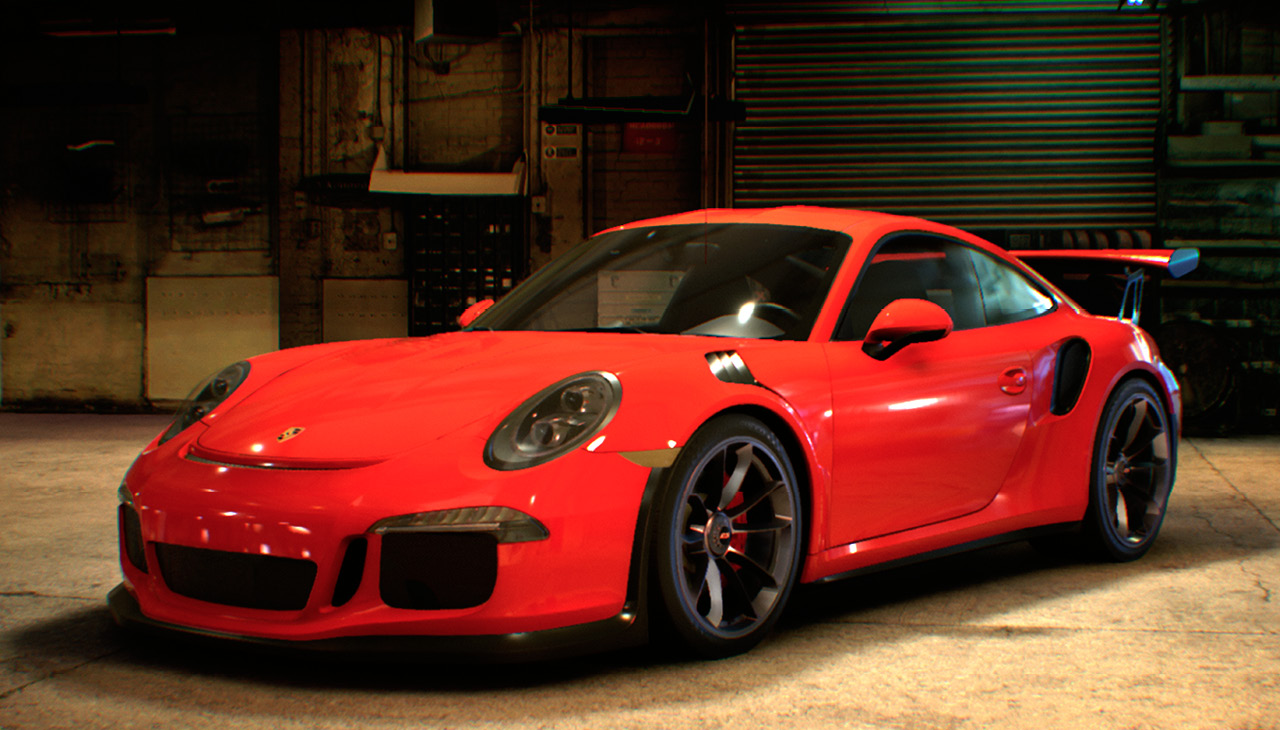
The ultimate in naturally aspirated road-going 911s, the Porsche 911 GT3 RS (991) is a rear-engined, rear-wheel-drive screamer built for nothing but pure speed and performance. Over the already rapid GT3, the RS model sports louvered front guards, intakes in the rear fenders and a purposeful big rear wing. The NA 4.0-liter flat-six motor makes an almost ridiculous 500hp, making the 911 GT3 RS capable of 3.3 second 0-60mph sprints and 7:20 second laps of Nürburgring’s infamous Nordschleife.

Porsche Cayman GT4 (2015)
More downforce, more traction and more power. The wickedly fast Cayman GT4 boasts a mid-engined 3.8-liter flat-six borrowed from the 911 Carrera S, go-fast parts from the 911 GT3 and carbon-fiber bucket seats. Featuring aggressive, purposeful aero components and with 385hp to play with, the GT4 is the most extreme Cayman to date.
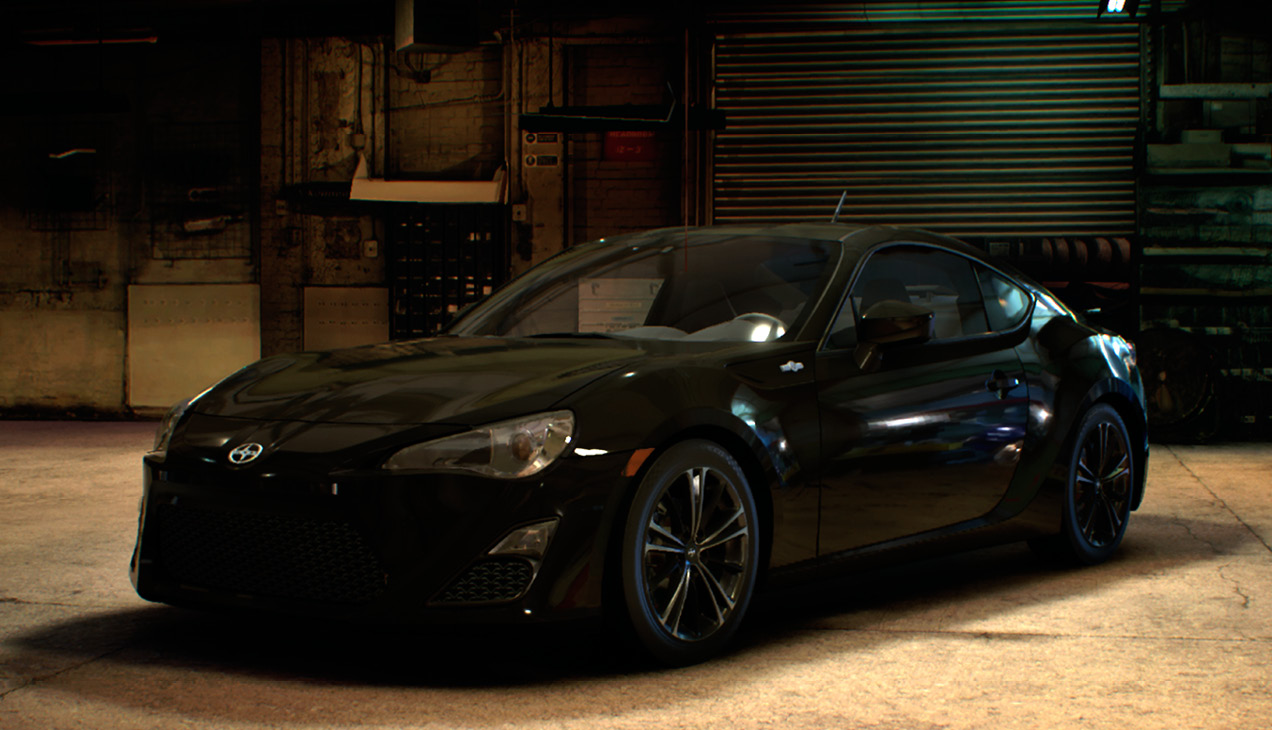
Scion FR-S (2014)
The Scion FRS is a 2door, rear-wheel drive sports car powered by a responsive boxer engine. It’s been praised for its agile handling and direct steering, with the ability to tackle corners with ease and precision. Designed with the performance car enthusiast in mind, the FRS is a blank canvas that’s begging to be personalized!

SUBARU BRZ Premium (2014)
With its fun-to-drive spirit and great handling, the SUBARU BRZ packs a boxer engine that’s just begging for boost. Boasting excellent handling and all-round performance, the BRZ is an exciting, affordable modern sports car, dedicated to the art of driving. With the right customization, the BRZ is ready to take on any challenge.

SUBARU IMPREZA WRX STI (2010))
From a long line of championship-winning boxer-powered, all-wheel-drive rally weapons comes the third-generation SUBARU IMPREZA, often referred to as the “hawk-eye”. Built for ultimate speed and grip on all surfaces, the WRX STI runs a 2.5-litre turbocharged flat four, mated to a clever drivetrain that sends power out to all four wheels housed in widened fenders. Let’s not forget the sound—nothing is quite as intoxicating to a Subaru fan as the signature rumble of a modified WRX STI.

Toyota GT86 (2014)
The successor to the iconic AE86 had high expectations to live up to, and it’s partially due to this that the ‘new 86’ platform became a hugely popular tuner car from the moment it was released back in 2012. Powered by a growling boxer engine, the GT86 is an all-round exceptional driver’s car that’s simply begging to be modified!

Toyota Sprinter GT APEX (1986)
Arguably one of the most iconic Japanese tuner cars of all time, the Toyota AE86 is hugely popular amongst the drifting community due to its lightweight, rear-wheel drive layout and simple yet responsive inline4 DOHC 16-valve 4AGE engine. Nicknamed the ‘hachiroku’, which is Japanese for ‘eightsix’, the Sprinter GT Apex hatchback was further popularized in the Japanese manga series Initial D.

Toyota Supra SZ-R (1997)
The MKIV Supra was a huge hit for Toyota upon its release in 1992 thanks to its sleek, rounded good looks, superior build quality and planted road manners. But all of that is unimportant compared to the Supra’s twin turbo straight six 2JZGTE. One of the best performance engines ever built, the 2JZ is extremely popular with drag racers, drifters and street fiends alike, and with the help of some more boost and perhaps a little nitrous, the indestructible 2JZ is capable of massive power.

Volkswagen Golf GTI (1976)
The Golf GTI is perhaps the most iconic and influential car that Volkswagen has ever produced. The original ‘hot hatch’ and one of the first small cars to adopt mechanical fuel injection, the first-gen Mk1 GTI provides endless entertainment from behind the wheel. Its 4cylinder motor mightn’t be all that powerful by today’s standards, but with its classic lines and loveable looks, it remains extremely popular in the European tuning scene.
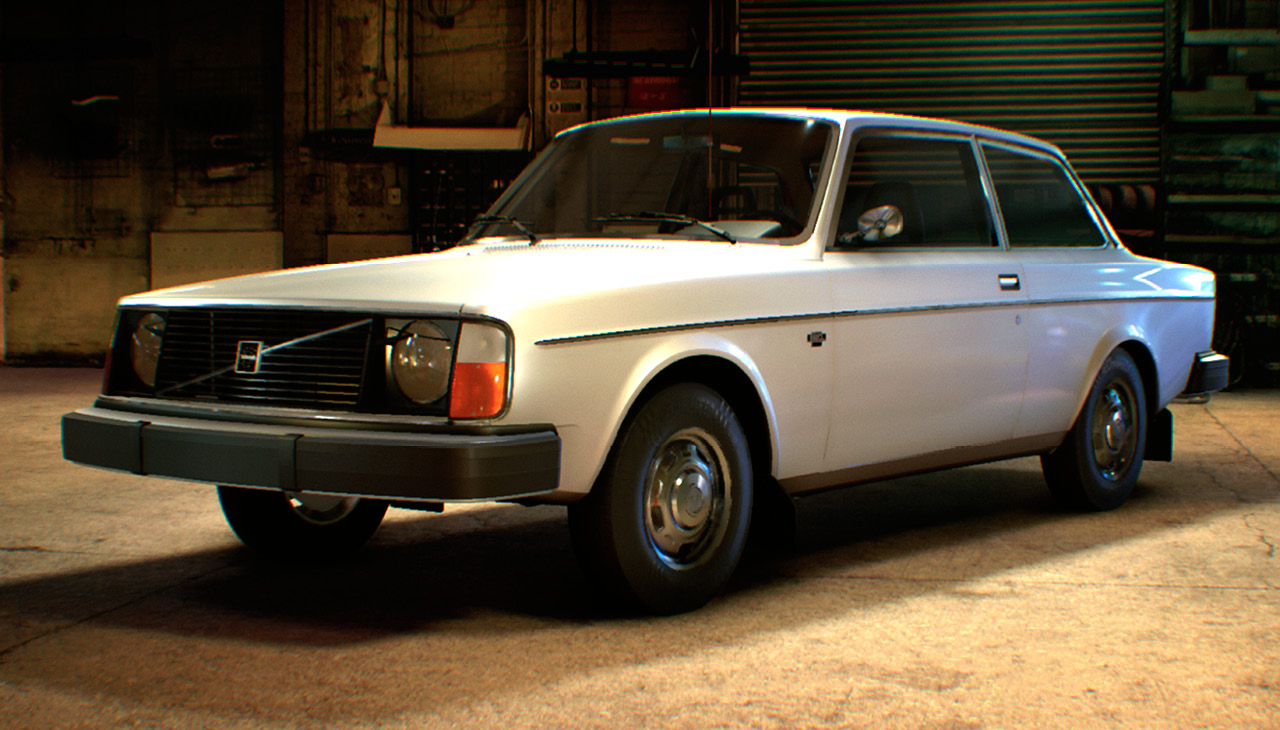
Volvo 242 (1975)
In August 1974, born and bred in Sweden, Volvo presented a new generation of cars. The Volvo 242 belongs to Volvo’s hugely successful 240 series and is renowned for its functionality, safety and would stay in production for ten years. It’s a popular tuner in Scandinavia, where you’ll find everything from tidy restorations to big power, fire-breathing drag cars and history-steeped legendary racers.