
Mass Effect 3 Guide Extras Collectors Edition
Mass Effect Inception
.jpg)
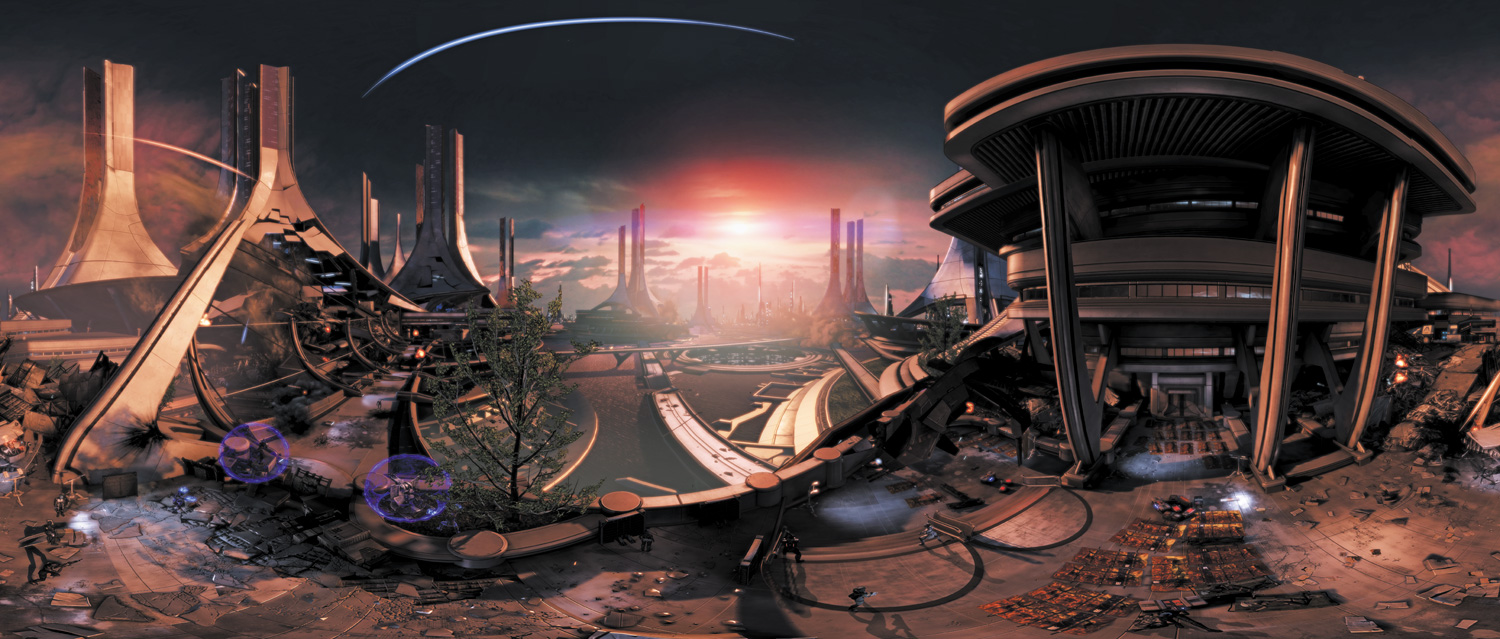
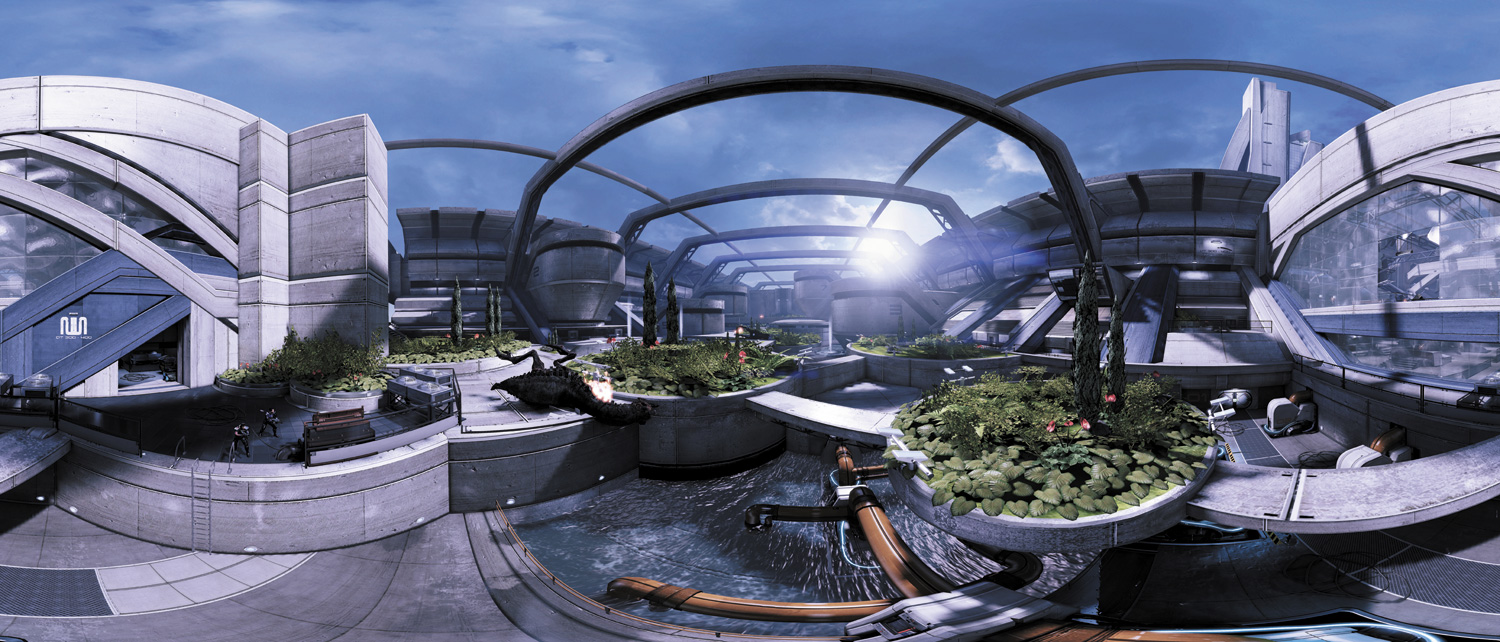
The nondescript exterior of the five-story brown edifice that houses BioWare’s Edmonton studio blends into the background of this mixed commercial industrial area in south Edmonton.
Flanked by hotels on one side and a busy four-lane freeway on the other, the building’s generic nature stands at odds against the incredible creative output from the over 200 game developers who inhabit its upper three floors.
Considering how garish and ostentatious the video game industry can be at times, a casual observer might be surprised to discover that despite the lack of corporate pomp and circumstance evidenced by this structure, some of the best video games in the world have been conceived, created, and shipped from within these walls.
The story of Mass Effect’s inception began in the fall of 2003. During the previous summer, the studio had shipped what would become one of their biggest sellers to date, and certainly one of the highest rated and most beloved in the pantheon of Star Wars games—Knights of the Old Republic (2003).
KotOR was BioWare’s answer to the console role-playing game (RPG), a genre that, until then, had long been dominated by the Japanese industry.
By allowing players to explore the depths of the Star Wars mythology, BioWare not only created one of the most successful and highest-quality Star Wars games to date, but also laid the groundwork of fan base and fiction they would later capitalize on with their massive multiplayer online game The Old Republic (late 2011).
Being huge fans of science fiction and storytelling, the KotOR team appreciated the opportunities the Star Wars property provided them to create a nearly endless supply of compelling fictional characters, worlds, and dramatic arcs—all core elements to a successful RPG.
But they also felt like it was time to spread their wings.
Creating their own setting would allow them even greater freedom to explore fresh ideas and to put their own spin on the sprawling space opera, giving them full control over how they wanted to evolve their own story arcs and characters over the course of multiple games.
So in the fall of 2003, while working on shipping the PC version of the hit RPG, the core KotOR team, led by project director Casey Hudson, began to envision what the next BioWare game might look like.
With rumors of the next-generation Xbox in development, the team set themselves to the task of defining what an original BioWare science-fiction RPG, powered by next-generation console technology, would be.
The project began with a single document. Hudson drafted a one-page outline of what he believed the game would have to be—structurally, technologically, and creatively—in order to really create a fruitful, creative space for near-endless exploration and strong fan and community engagement.
Simply put, Casey said, "We just wanted to make the biggest, best game experience we could conceive of." The document was given the deceptively generic title "SFX," an acronym for "science-fiction X"; the resulting game would be anything but generic.
Within the one-pager, SFX was articulated from a very high-level: It was to showcase an original science-fiction universe, featuring space travel, and players would have their own ship.
The game content and systems would be built to support the player, who would be able to experience the biggest possible science-fiction adventure. The document also described some of the ways in which SFX would capitalize on next-gen technologies.
The new project would harness a critical discovery the team had made during the development of KotOR: By bringing the camera in closer to the game’s action and storytelling, players developed a more intimate, lasting connection with the events of the game and with the characters themselves, leading to stronger long-term engagement.
Even with KotOR’s relatively basic (by today’s standards) character-realization technology, the team realized that the magic of the game emerged from the player’s experience of the world through the characters with whom they interacted.
A big focus of SFX would be leveraging the power of new technologies, made possible on the new consoles, to advance the art and science of digital characters.
A game this large and ambitious inspired equally ambitious goal-setting.
Not only would BioWare create a sprawling story-driven science-fiction RPG, but they would also conceive of it as a trilogy, creating a vast universe that could support the needs of three massive games.
And with interactive storytelling being a cornerstone of BioWare’s development culture, the new game would include what Hudson referred to as its "killer feature":
Players would be able to take their character from one game to the next, and their decisions in the story and during gameplay would follow them through the three-part saga.
This would be the first game series to support such unparalleled persistence in player decision-making.

Casey Hudson
“We just wanted to make the biggest, best game experience we could conceive of.”
With these high-level goals in mind, the team turned their attention to building a universe.
They began by tackling such foundational decisions as the nature of space travel—for example, would it include relativistic effects such that supporting characters would age while players traveled through space?
Would there be aliens? Would the game take place on a single world or multiple worlds? How large would the known universe be?
The answers to these questions would help determine the range of possible player activities.
Once the team had established the basic structure and parameters of the universe, they turned their attention to writing the multiple storylines that would support the player’s experience.
They had to create key characters, races, home planets, and star systems, and they had to define cultures and histories for entire civilizations.
Overall, this conception of the format and universe that would become Mass Effect would occupy the team for more than a year and would lay the groundwork for one of the richest and most engaging science-fiction settings of all time.
But the work was only beginning.