
Elder Scrolls V: Skyrim Guide Essentials Training
Skills and Perks
This section is arguably the most important in terms of character development. It details every skill and perk in the game and offers advice on what perks to take based on your play style. Remember: You are what you play. You can develop any skill you want, at any time. Don’t ever feel locked in to a specific path just because you’ve focused on it in the past.
Skills Overview
Skill Effects
There are 18 skills in Skyrim, divided into three major sets: Combat, Magic, and Stealth. As each skill increases, its primary effect improves; you also gain access to perks in that skill that can grant you powerful new abilities or bonuses. What does each skill do? Their primary effects are listed below:
Combat Skills: The Path of Might
| Skill Name | Primary Effect(s) |
|---|---|
| Smithing | Improves the value and properties of items you improve. |
| Heavy Armor | Reduces the damage you take while wearing heavy armor. |
| Block | Reduces the damage you take and the amount you stagger when blocking attacks. |
| Two-Handed | Increases the damage you inflict with two-handed weapons. |
| One-Handed | Increases the damage you inflict with one-handed weapons. |
| Archery | Increases the damage you inflict with bows. |
Combat Skills: The Path of Shadow
| Skill Name | Primary Effect(s) |
|---|---|
| Light Armor | Reduces the damage you take while wearing light armor. |
| Sneak | Improves your ability to avoid detection while sneaking. |
| Lockpicking | Increases your ability to pick a lock successfully. Specifically, this skill increases the arc at which the pick succeeds and reduces the chance that a pick will break. |
| Pickpocket | Increases the chance that you can successfully pickpocket an item. |
| Speech | Improves the prices you receive when buying or selling items, and improves your success at (Persuade), (Bribe), and (Intimidate) dialogue challenges. |
| Alchemy | Improves the potency of potions and poisons that you craft. |
Combat Skills: The Path of Sorcery
| Skill Name | Primary Effect(s) |
|---|---|
| Illusion | Reduces the cost of Illusion spells. |
| Conjuration | Reduces the cost of Conjuration spells. |
| Destruction | Reduces the cost of Destruction spells. |
| Restoration | Reduces the cost of Restoration spells. |
| Alteration | Reduces the cost of Alteration spells. |
| Enchanting | Improves the potency of items you enchant. |
Improving Skills: Skill Use
In the Elder Scrolls, you are what you play. In Skyrim, your skill growth and level progression are determined by Skill Uses, a system that tracks the actions you perform and increases your skills accordingly. You don’t have to understand how this works—just play the way you want to play, and you’ll get better at it. But if you’re the kind of adventurer who wants to know everything you can to maximize your potential, read on.
What Are Skill Uses?
Each of the 18 skills is “watching” for particular events to occur in the game. When one of those events occurs, the skill gains points based on the event’s magnitude. What magnitude actually means varies by event and is explained in more detail below.
When the number of points in a skill passes a threshold, the skill increases. These thresholds are ever-increasing, so raising a skill from 40 to 41 takes more uses and/or higher-magnitude uses than raising that same skill from 20 to 21.
Each time a skill increases, it also contributes points toward your character’s next level. The number of points depends on the level of the skill that increased, so raising a skill from 40 to 41 will take you further toward your next level than raising a skill from 20 to 21. It’s important to remember two key rules:
1. Your skills improve only if you use them effectively. For example:
- Just swinging your sword around doesn’t improve your One-Handed skill. However, hitting someone with it does.
- Just summoning an Atronach over and over again doesn’t improve your Conjuration skill. But using the Atronach in combat does.
- Just talking to everyone you meet doesn’t improve your Speech skill. You have to actually buy and sell items and pass dialogue challenges.
2. Your skills generally improve faster if you use them in more challenging situations. For example:
- Your Archery skill improves faster if you use more powerful bows that do more damage.
- Your Illusion skill improves faster if you cast more difficult spells.
- Your Lockpicking skill improves faster if you unlock harder chests.
Improving Skills: Training
During your journey, you will occasionally meet someone who has dedicated their lives to mastering a particular skill. These are extremely talented individuals; speak to them to request training from them in their specialty skill. Most will be happy to oblige...for a price. Each Trainer has a degree of competence—Journeyman, Expert, or Master:
- Journeyman Trainers can improve your skill to a maximum of 50.
- Expert Trainers can improve your skill to a maximum of 75.
- Master Trainers can improve your skill to a maximum of 90.
Even the most proficient Trainers in Skyrim cannot train you past 90. You’ll have to earn your way to 100!
The cost to train in a skill is based on your current skill level—the Trainer’s skill has no effect. However, the Expert and Master Trainers are often members of a faction and will train you only if you’re a member in good standing. Joining a faction is usually easy, so if you want access to a particular Trainer (or set of Trainers), it’s worth doing early even if you don’t plan to pursue that faction’s quests right away.
When working with a Trainer, you will receive one skill increase each time you train. You can repeat this up to five times with any combination of Trainers before you must level up. You can then return to any Trainer and pay for up to five more skill points. If you gain a level while training, go level up, then speak to the Trainer again if you want to train more.
An Example: Maximizing Your Training
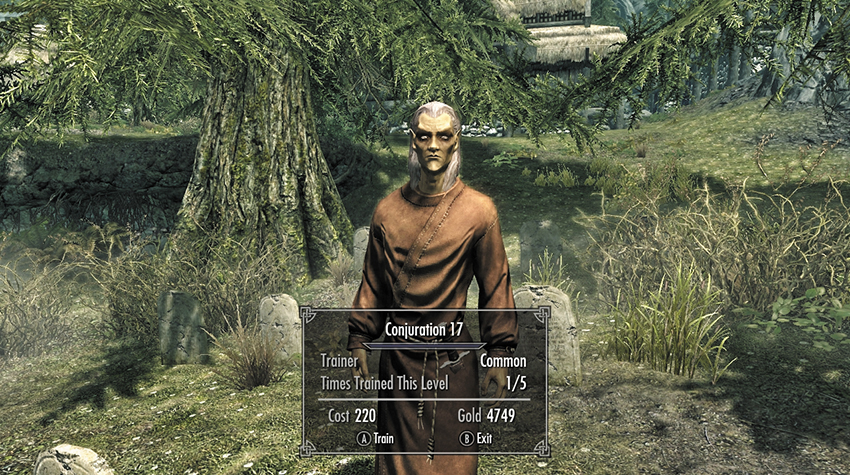
Runil is happy to teach you his knowledge of Conjuration. For a price.
You wish to improve your Conjuration skill (which is 20), so you visit Runil—the Journeyman Trainer—at the graveyard in Falkreath. He offers to train you for 250 gold. Train with him, and you exchange the gold for one skill point. You can train with him four more times this level, at a slightly higher cost each time. When you’re done, your skill is now 25 and you’ve spent a total of 1,350 gold. You must now level up before you can pay to train again. You could have received the same training from Phinis Gestor (College of Winterhold) or Falion (in Morthal) or any combination of these three, but you could never have trained your skill above 25.
If you’re focused on increasing your favorite skills, be sure to visit their Trainers often, ideally just after you level up. For best results, train and then use the skill to help increase it as quickly as possible. Remember that you can visit a variety of Trainers to increase multiple skills!
Some Trainers can also be Followers, and a few of them are even candidates for marriage!
Legendary Difficulty and Skills
Game Difficulty
Skyrim has six difficulty settings: Novice, Apprentice, Adept, Expert, Master, and Legendary. The default difficulty is Adept. The difficulty level modifies how damage is dealt in the game, as shown in the following table:
Skyrim Table of Difficulty
| Difficulty | Damage Received by the Player | Damage Received by Other Characters |
|---|---|---|
| Novice | x0.5 | x2 |
| Apprentice | x0.75 | x1.5 |
| Adept | x1 | x1 |
| Expert | x1.5 | x0.75 |
| Master | x2 | x0.5 |
| Legendary | x3 | x0.25 |
What does this mean exactly? Well, think of the following example: While playing on Novice difficulty, you take only half damage from enemy attacks, and your attacks do double damage to your foes. This compares to Adept (the default difficulty).
The difficulty level affects only those two statistics. It doesn’t affect the difficulty of any other challenges you may face (speech challenges, locks, etc.), and it doesn’t affect the rewards you receive (such as perks or loot).
You can change the difficulty at any time in the Gameplay Settings menu (even during combat!). If you feel that the game is becoming too easy (or difficult) for you, don’t hesitate to make the switch.
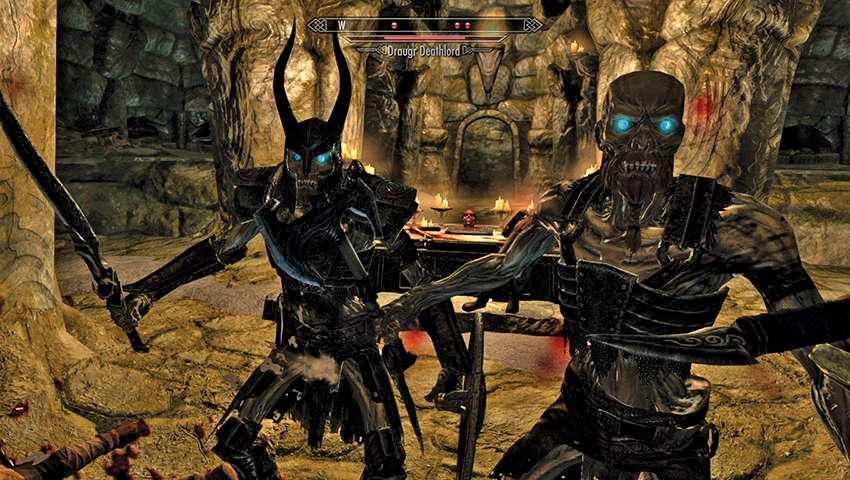
Are the monstrous denizens of skyrim proving too difficult to defeat? Then reduce your difficulty for fewer fraught confrontations.
Legendary Survivor
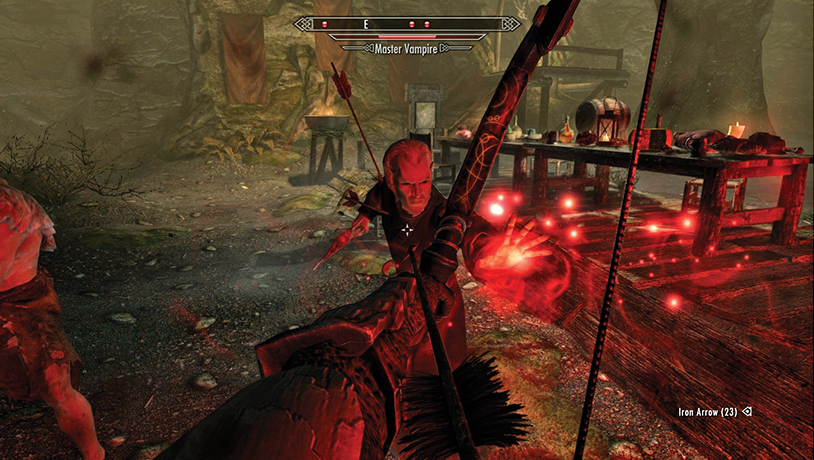
Need a challenge? Then bump up your difficulty to Legendary and face down a formidable foe!
Here are some plans for surviving on Skyrim’s hardest difficulty setting: Legendary. These strategies apply to Master and Expert difficulty as well, though they may be less critical there.
For about the first ten levels, many foes will be able to kill you in a single hit. Even getting near them is dangerous, since they may perform a kill move you can’t dodge. Keep your distance and used ranged attacks to wear them down.
Followers are critical to your survival. Because your Followers are actually taking less damage than normal on Legendary, they can withstand a barrage of attacks that would easily fell you. During the initial events in Helgen, stay behind your ally (Hadvar or Ralof). After making your escape, recruit a defensive, melee-focused Follower, like Vorstag, Lydia, or Farkas, and let them hold the enemy’s attention while you strike from range.
Seek out additional companions whenever the opportunity presents itself. Recruit a dog, like Vigilance in Markarth or one of the Dawnguard huskies. Pick up the Conjure Familiar or Conjure Flame Atronach spells for a summoned ally. Quests that give you short-term or long-term Followers, like the Dawnguard Main Quest (Serana) or Daedric Quest: A Daedra’s Best Friend (Barbas), are also worth doing early.
Defense is the best offense. Decide which armor skill you plan to use and stick to it. Focus on raising that skill, taking perks in it as soon as they become available (especially perks that increase your Armor Rating) and augmenting it with enchantments and potions. Look for other opportunities to increase your defense as well. The Lord Stone’s Damage Reduction and Magic Resistance bonuses are a great asset, as are potions or enchantments that increase your other resistances.
Crowd-control abilities are much more valuable in Legendary—you simply can’t survive being attacked by multiple foes at once. The Nord racial power Battle Cry is ideal for this purpose, especially early in your adventure. Illusion spells like Fear and Calm can remove a single enemy from the fight, while Shouts like Animal Allegiance, Kyne’s Peace, Dismaying Shout, and Slow Time will help fend off larger groups. In Beast Form, the werewolf’s Fear Howl is also very effective.
Survey the battlefield and use the terrain to your advantage. Snipe your enemies from a distance or a different elevation and force them to come to you. Maintain that distance by backing away as you continue your assault.
Early on, you may be tempted to focus on noncombat or crafting skills in order to gain some quick levels. Resist that temptation. As your level increases, the foes you face become stronger as well. If you neglect your combat skills, you may fall even further behind.
That said, don’t neglect your support skills forever. If you can survive the first few levels, gradually investing in skills like Smithing, Enchanting, and Alchemy can help you gain an edge later on.
Scour the Training section of this guide for tips and advice, and take it to heart. Many tips that are only useful on a lower difficulty level—like getting “free” healing by leveling up when your health is low—are absolutely essential to your survival.
Legendary Skills
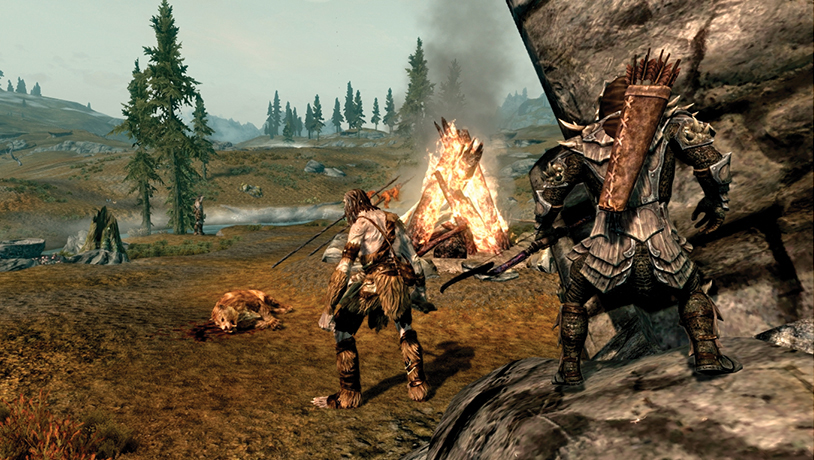
Need to be written about in Nord sagas of yore? Then truly master a skill (such as Archery) by taking it to Legendary status...and beyond!
Once one of your skills reaches 100, it cannot increase any further. You can continue to use it, taking advantage of your mastery of the skill (and its high-level perks, if you choose to acquire them). However, because you gain levels based on skill increases, continuing to use this skill will not help you progress toward the next level. Eventually, once all of your skills reach 100, you will no longer be able to gain levels at all.
When one of your skills reaches 100, a new option will appear when you highlight its constellation on the Skills menu: Legendary. To make that skill Legendary, press the Legendary button and confirm your choice. Several things will then happen:
- The skill will be marked as Legendary (an icon appears below the skill).
- The skill will be reset from 100 to 15.
- Any perks that you had in the skill will be refunded.
In effect, the Legendary skill system allows you to start over again with a skill. You can continue using it, work your way back up to 100, and gain levels as you do so (because the skill is increasing). If you reach 100, you can choose to roll it over again. This allows you to continue gaining levels and amassing perk points indefinitely!
If you reset a skill multiple times, a number will appear next to the Legendary icon below that skill, recording how many times you have reached 100 with it.
Each new level is increasingly difficult to attain, so even with multiple Legendary skills, you shouldn’t expect to acquire every possible perk. Note that Legendary skills are not better than non-Legendary skills—the Legendary designation simply recognizes that you had mastered the skill and chose to start over with it again.
Legendary Skills: General Advice
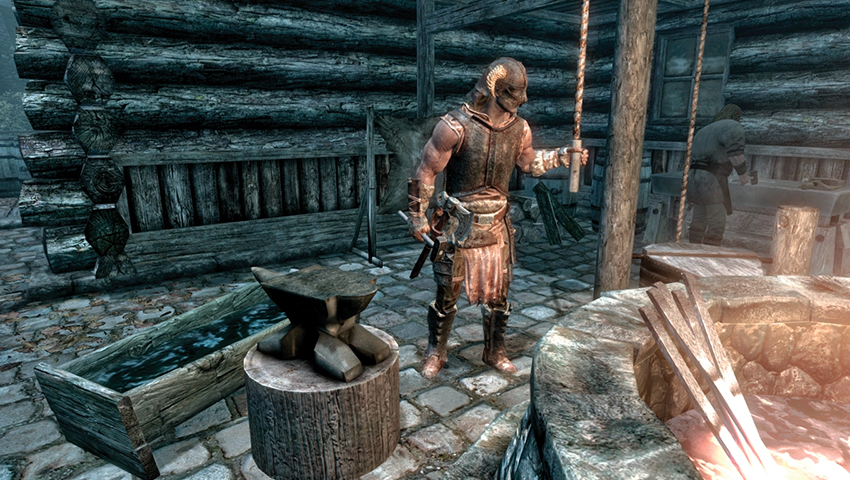
Crafting the finest armor with the most impressive enchantments, and then reset your Smithing and Enchantment skills; you can still use the fruits of your labor.
Legendary skills are not for everyone. The Skill 100 perks are entertaining and powerful and reward you for the effort it took to master their skill in the first place. Try them out. Don’t be too quick to throw away the chance to forge Dragonbone Armor, craft the perfect potion, or call upon a Blizzard to devastate your foes. Even without Legendary skills, you can still reach a very high level (80+), and you can always choose to make a skill Legendary later on.
While you can make a skill Legendary at any time, if you’re sure you want to reset a particular skill, it’s generally best to do so as soon as it reaches 100. Otherwise, you may be throwing away skill uses that could have counted toward your next level.
There is one exception to that rule: If a skill can provide you with an ongoing benefit even after you’ve reset it, make sure to take advantage of it. For example, use your Smithing skill to forge and improve a complete set (or two) of Dragonbone or Daedric weapons and armor. Once you reset your Smithing skill, you’ll be back to working with iron weapons and armor again—but you can continue to use anything you previously crafted.
Similarly, use your Enchanting skill to enchant your best gear before you reset it, and use Alchemy to stockpile a collection of powerful potions or poisons. While you won’t lose any enchantments or recipes you’ve learned when you reset a skill, it will be a while before you can make anything as powerful again.
The Master-level Conjuration spells allow you to permanently summon (or create) Thralls. These spells are powerful but are prohibitively costly without the Skill 100 Master Conjuration perk. Before you reset your Conjuration skill, make sure to summon a Thrall (or two, if you have the Twin Souls perk). They’ll continue to follow you even after you’ve reset your Conjuration skill.
Some skills, especially crafting skills, can be relatively easy to build up again...if you’re prepared. If your skill is approaching 100 and you plan to reset it, take some time to collect low-level raw materials like Iron Ore, Dwarven Scrap, Petty and Lesser Soul Gems, unenchanted weapons and armor, and loose ingredients you can craft with after the reset. If you plan to reset Speech, this is a great time to do it, since these crafting sessions will produce a large number of low-level items to sell.
Don’t reset too many skills at once—make sure you still have enough high-level skills to be successful in combat. Otherwise, you may find yourself lowering the difficulty just to survive.
When you reset a skill, it helps to have a high-level skill of a similar type that you can fall back on while you work your old skill back up to 100. For example, before resetting an offensive skill (One Handed, Two Handed, Archery, Destruction, Conjuration), make sure you have another offensive skill at 50+ in case you find yourself in need of more attack power. Similarly, before resetting a defensive skill (Heavy Armor, Light Armor, Alteration, Restoration), make sure you have a second defensive skill ready to help you mitigate or recover from damage.
Save first. When you reset a skill, your character will suddenly become much less powerful. You may find it surprisingly difficult to cope with the loss of a combat, armor, or support skill you’ve come to rely on, especially if you don’t have an appropriate backup skill. Since this is one choice you can’t undo, make sure you have a save you can fall back on, just in case.
The Trainers of Skyrim and Solstheim
Combat Skills: The Path of Might
Smithing
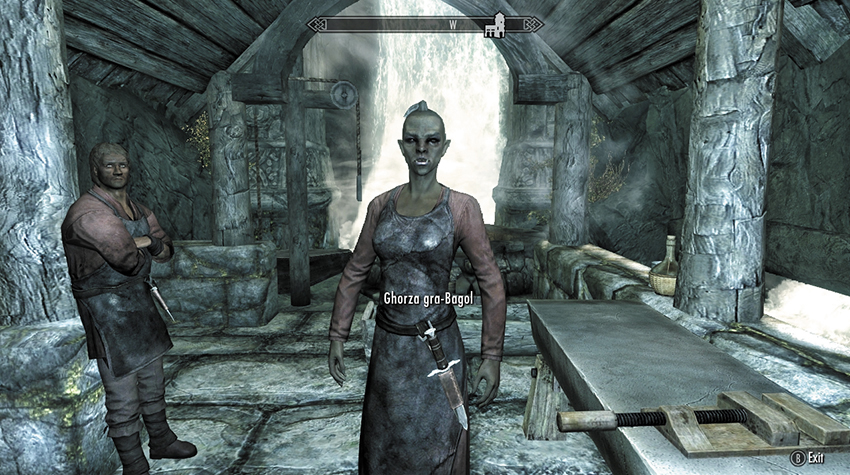
Journeyman Trainer: Ghorza, of Markarth
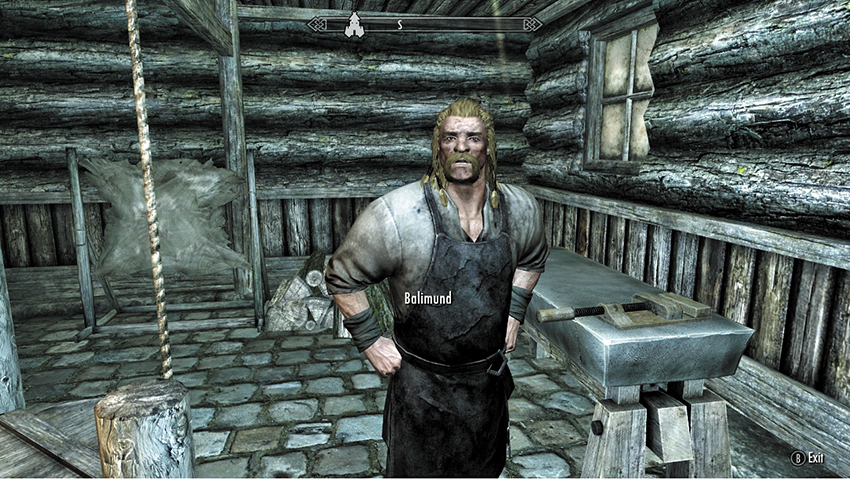
Expert Trainer: Balimund, of Riften
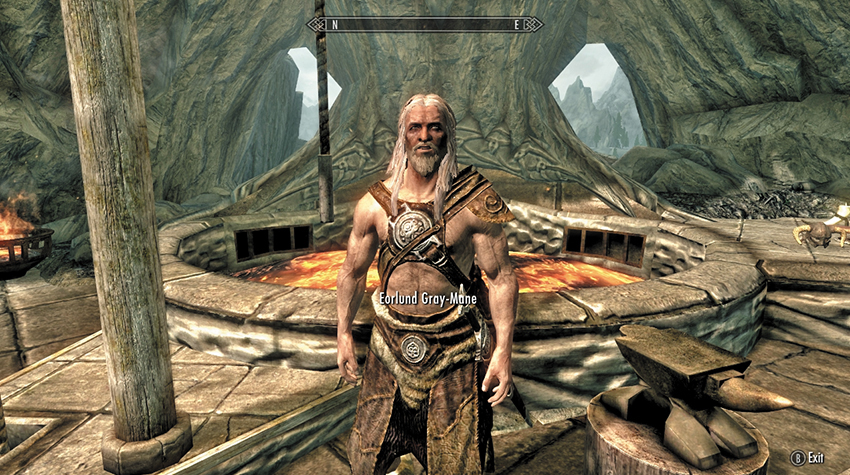
Master Trainer: Eorlund Gray-Mane, of Whiterun
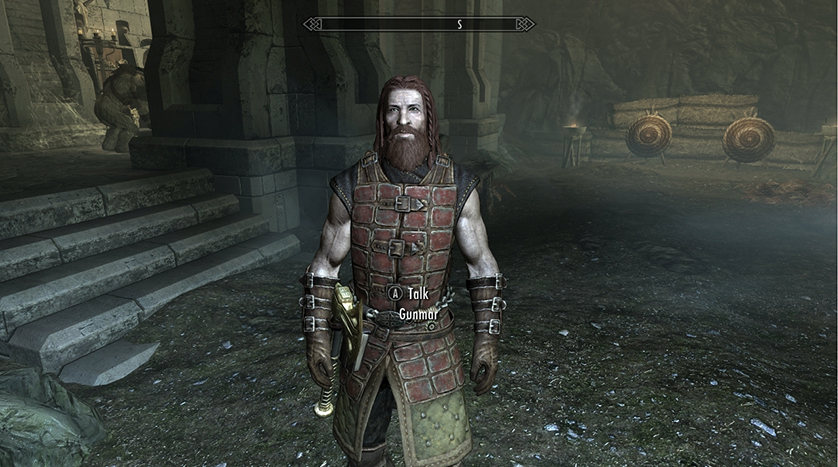
Master Trainer: Gunmar, in Fort Dawnguard (after being recruited)
Heavy Armor
There is no Journeyman Trainer for this skill.
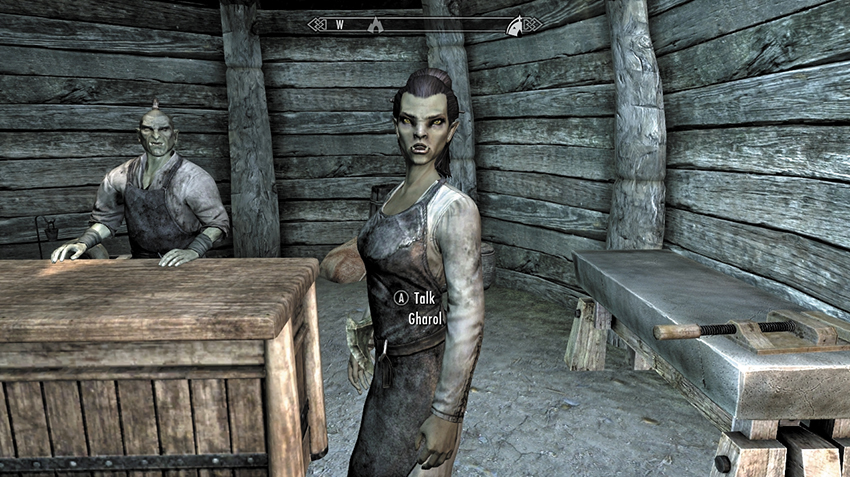
Expert Trainer: Gharol of Dushnikh Yal, in the Reach
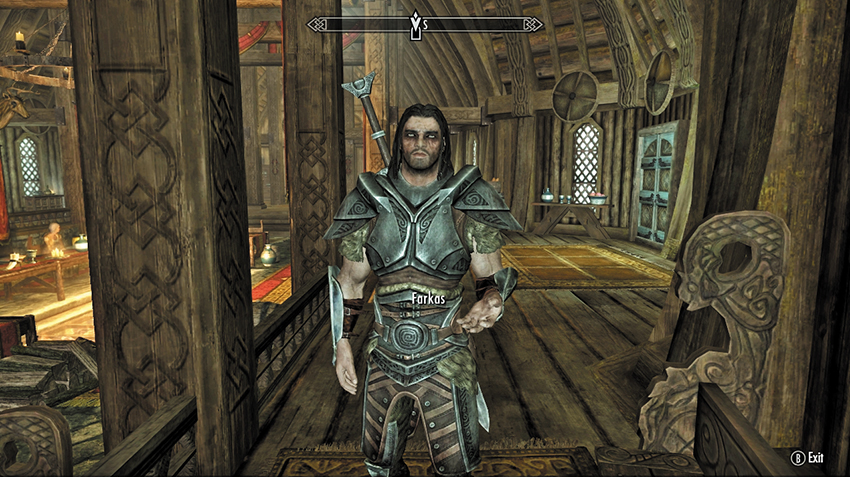
Master Trainer: Farkas of the Companions, in Whiterun
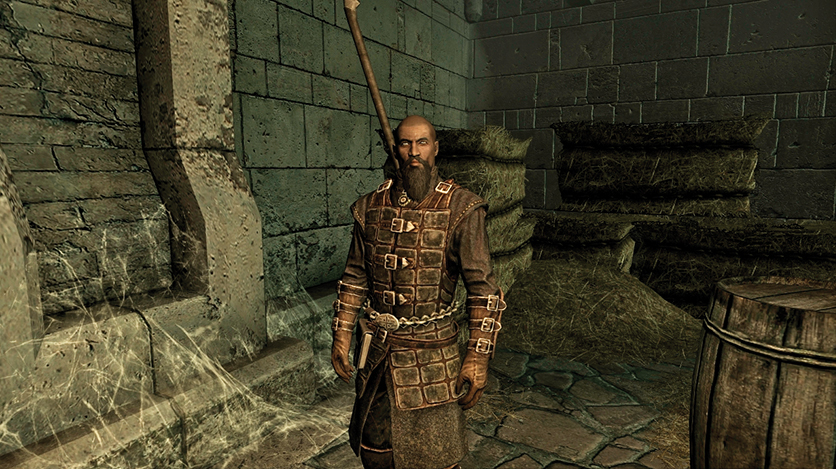
Master Trainer: Isran, in Fort Dawnguard
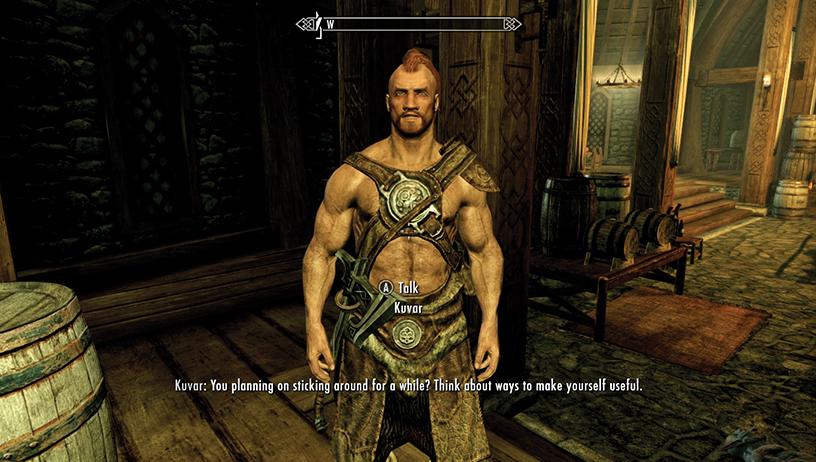
Master Trainer: Kuvar, in Thirsk Mead Hall (Solstheim)
Block
There is no Journeyman Trainer for this skill.
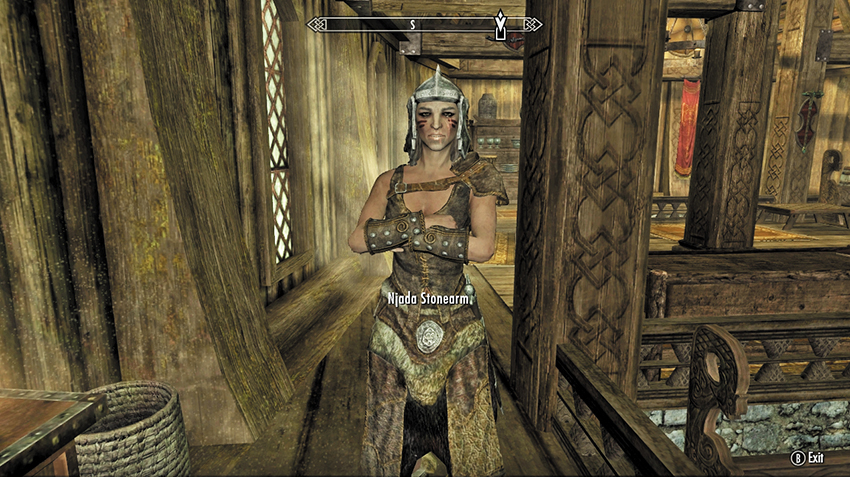
Expert Trainer: Njada Stonearm of the Companions, in Whiterun
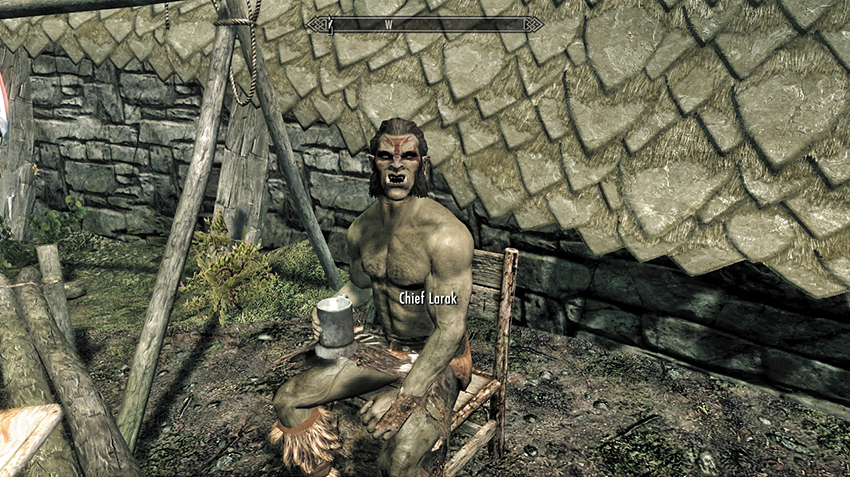
Master Trainer: Larak of Mor Khazgur, in the Reach
Two-Handed
There is no Journeyman Trainer for this skill.
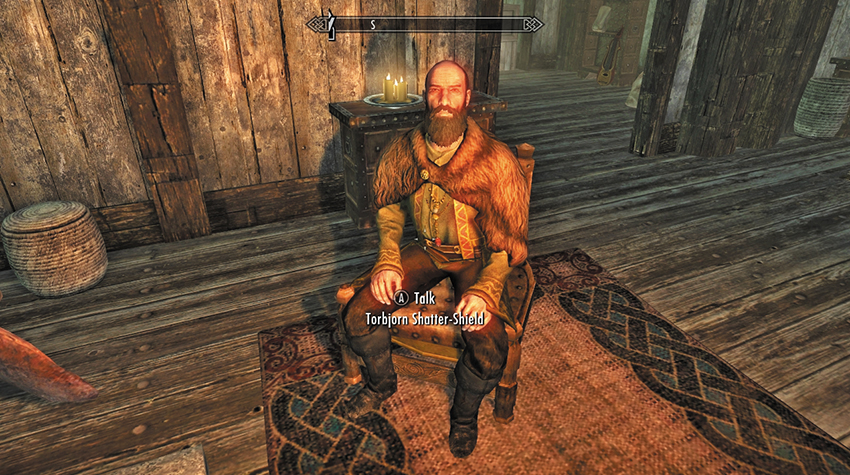
Expert Trainer: Torbjorn Shatter-Shield, of Windhelm
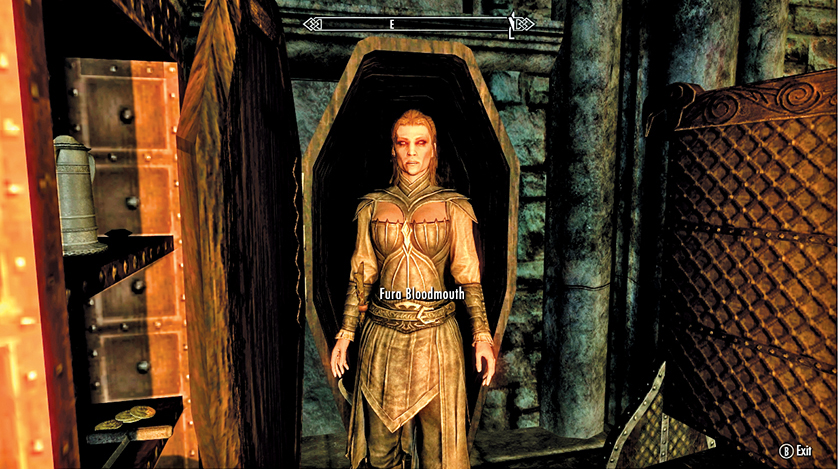
Master Trainer: Fura Bloodmouth, in Castle Volkihar
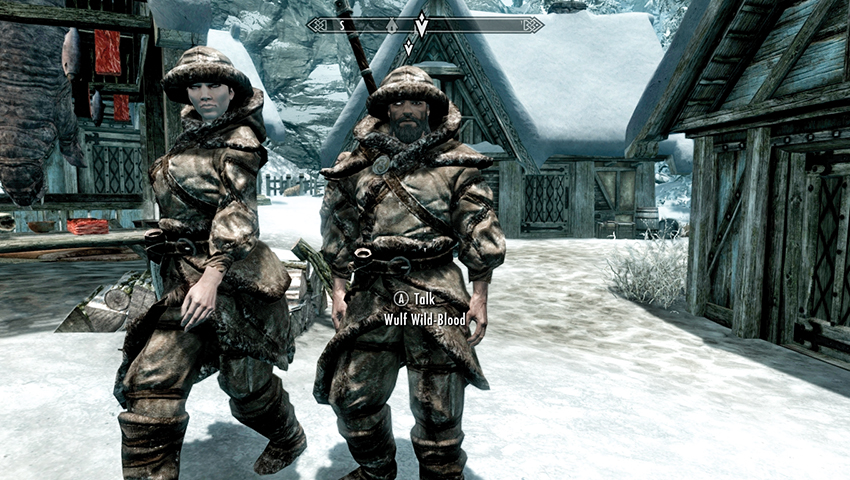
Master Trainer: Wulf Wildblood, of the Skaal Village (Solstheim)
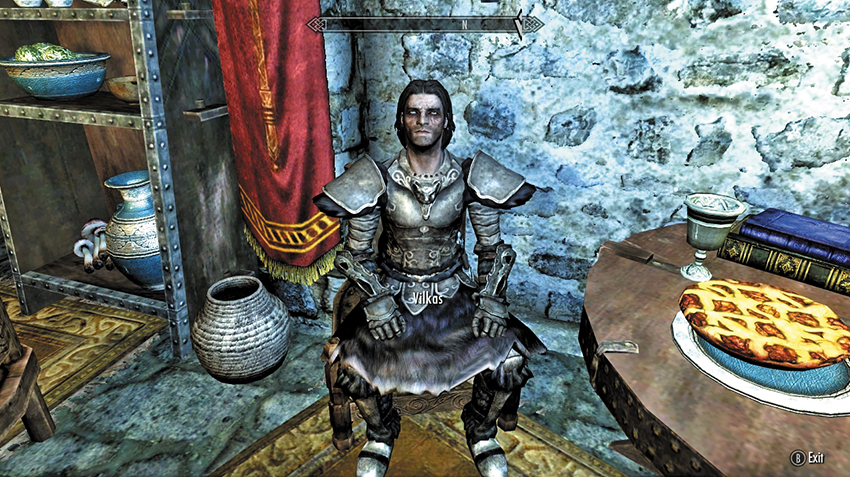
Master Trainer: Vilkas, of the Companions, in Whiterun
One-Handed
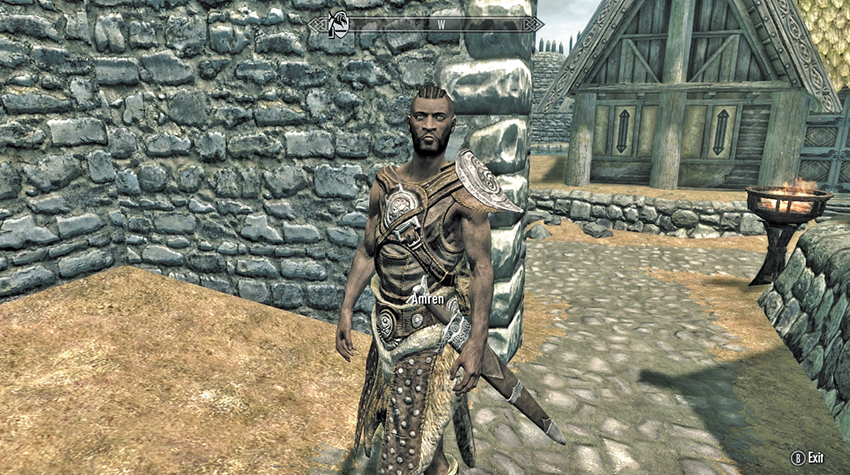
Journeyman Trainer: Amren, of Whiterun
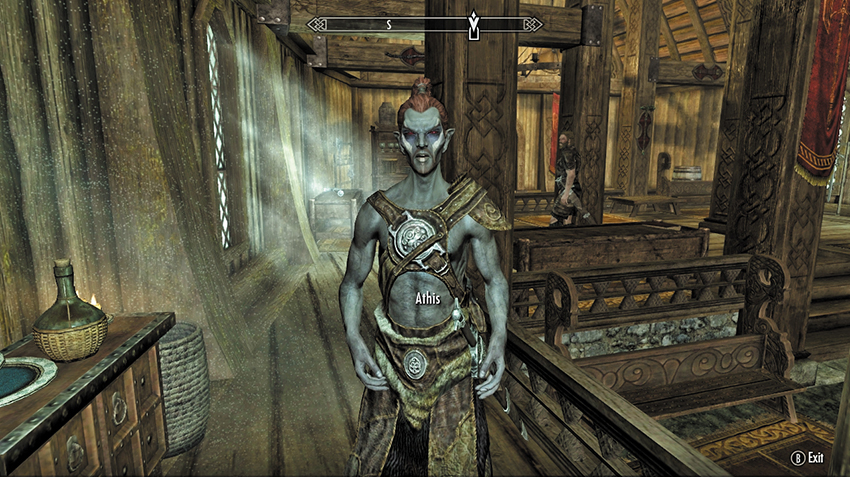
Expert Trainer: Athis, of the Companions in Whiterun
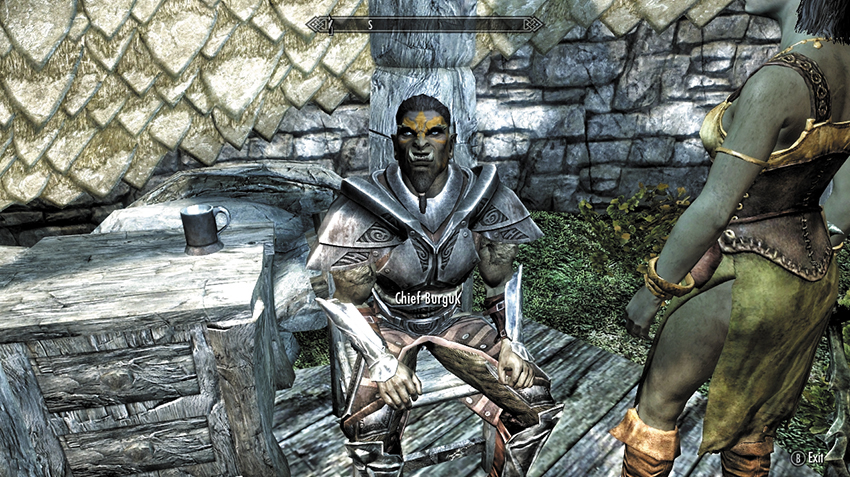
Master Trainer: Burguk, of Dushnikh Yal in the Reach
Archery
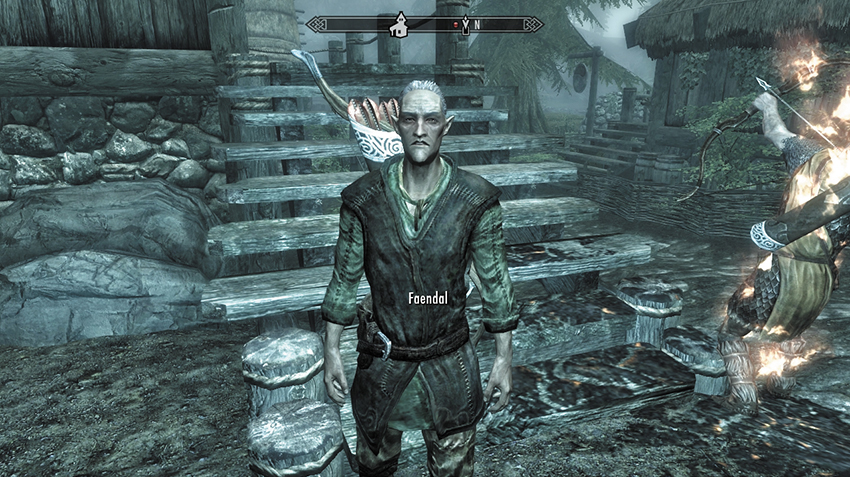
Journeyman Trainer: Faendal, of Riverwood
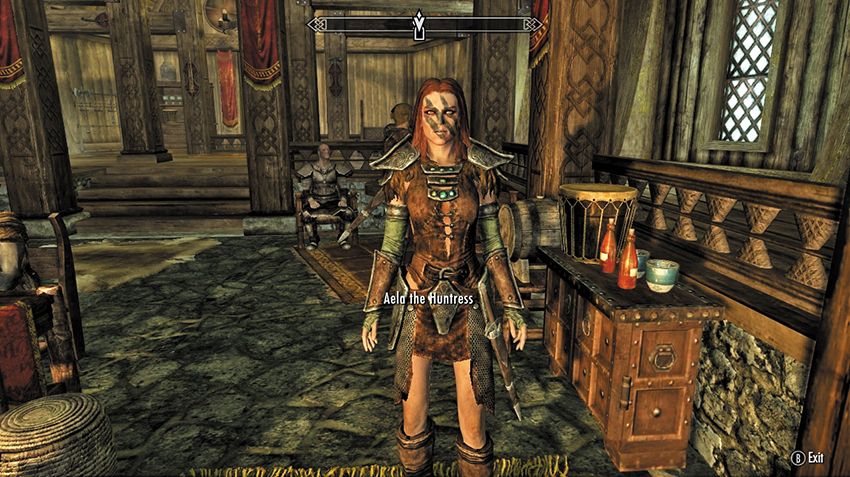
Expert Trainer: Aela the Huntress, of the Companions in Whiterun
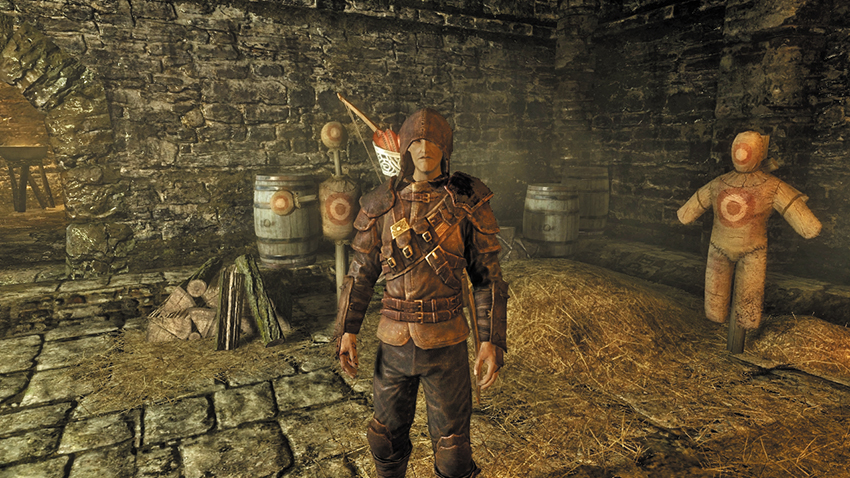
Master Trainer: Niruin, of the Thieves Guild, in Riften
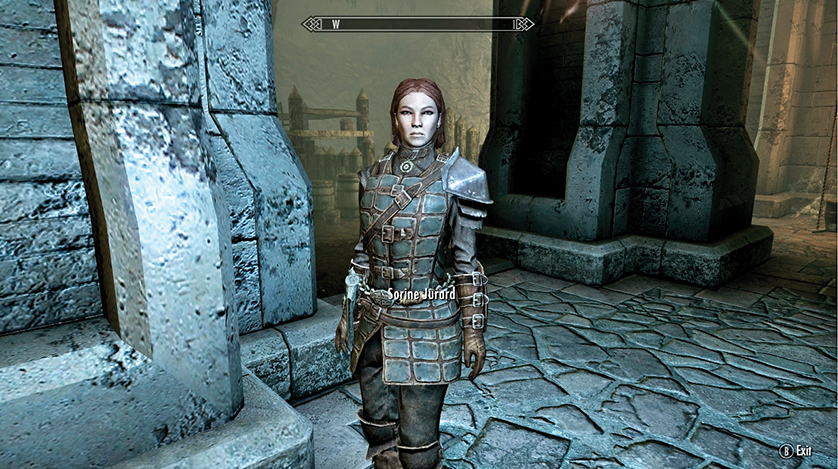
Master Trainer: Sorine Jurard, in Fort Dawnguard (after being recruited)
Stealth Skills: The Path of Shadow
Light Armor
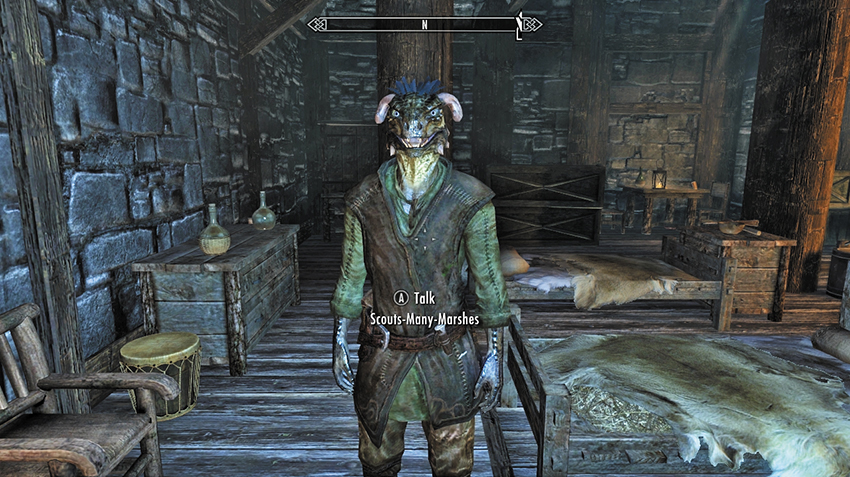
Journeyman Trainer: Scouts-Many-Marshes, of Windhelm
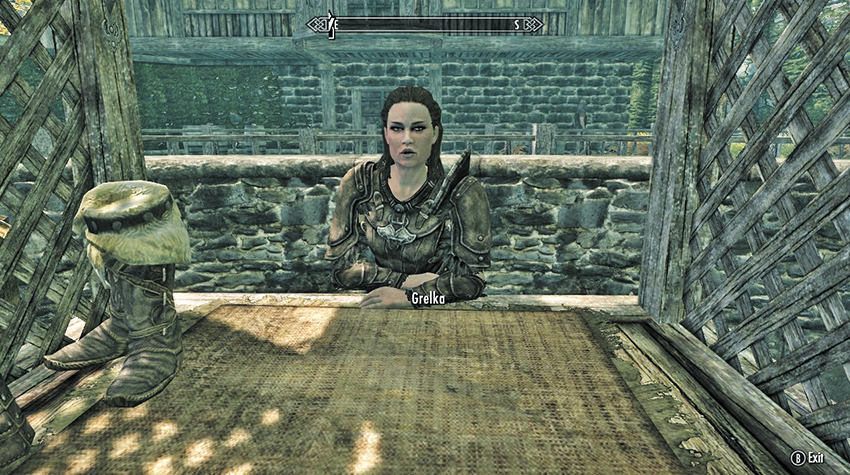
Expert Trainer: Grelka, of Riften
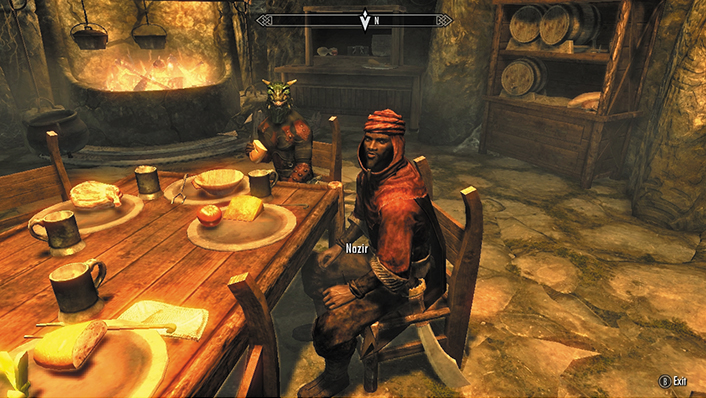
Master Trainer: Nazir, of the Dark Brotherhood
Sneak
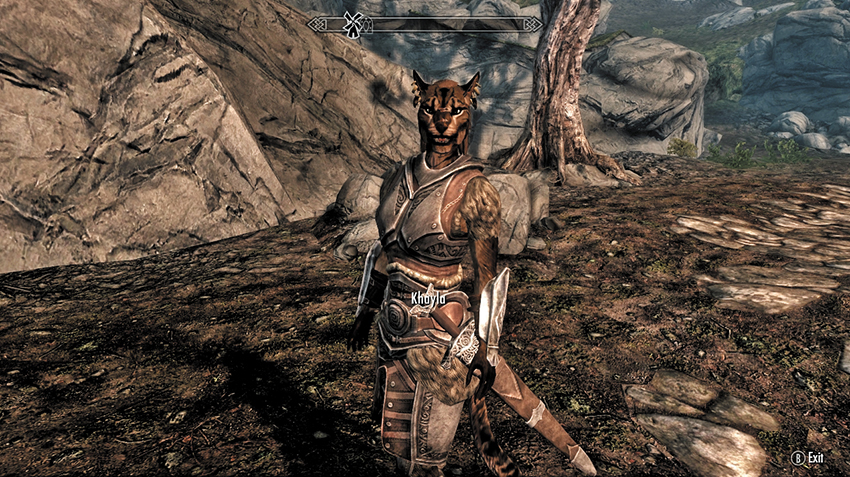
Journeyman Trainer: Khayla, of the Khajiit Caravans
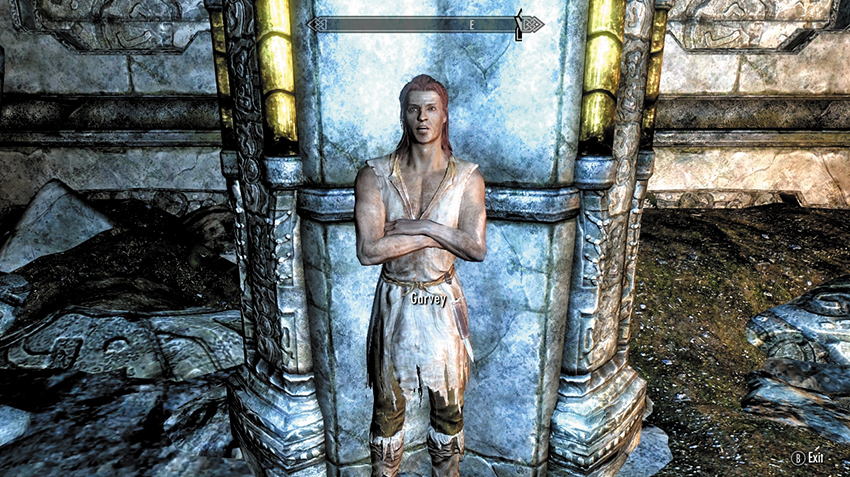
Expert Trainer: Garvey, of Markarth
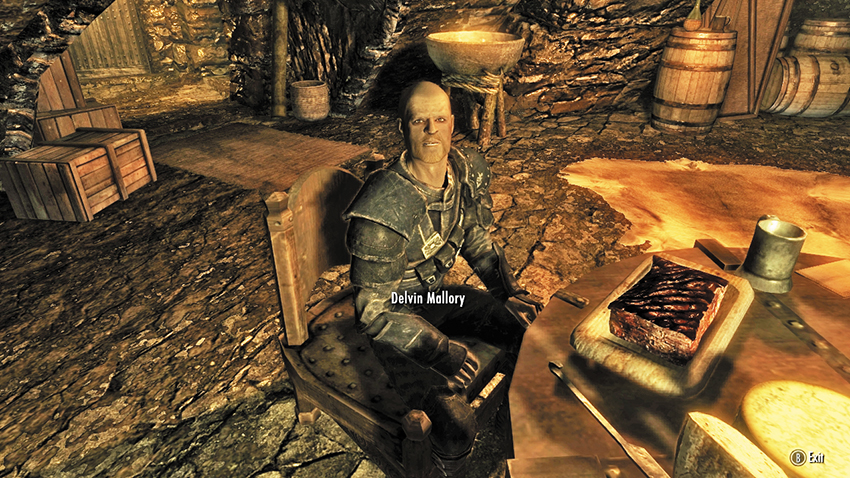
Master Trainer: Delvin Mallory, of the Thieves Guild, in Riften
Lockpicking
There is no Journeyman Trainer for this skill.
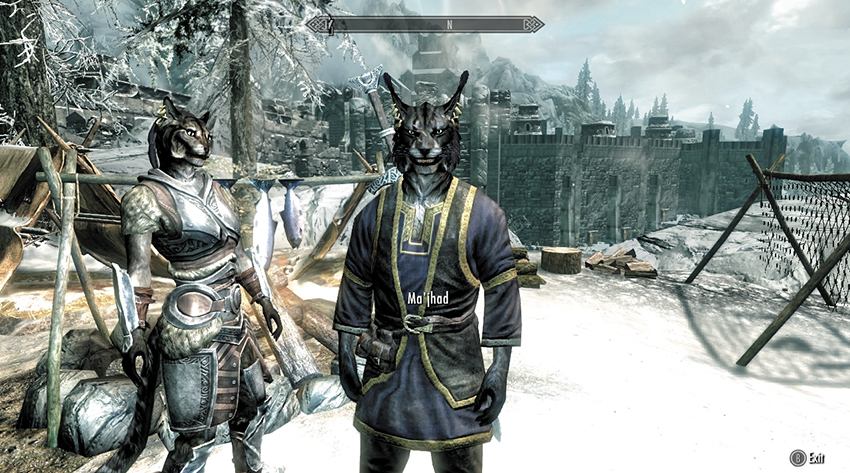
Expert Trainer: Majhad of the Khajiit Caravans.
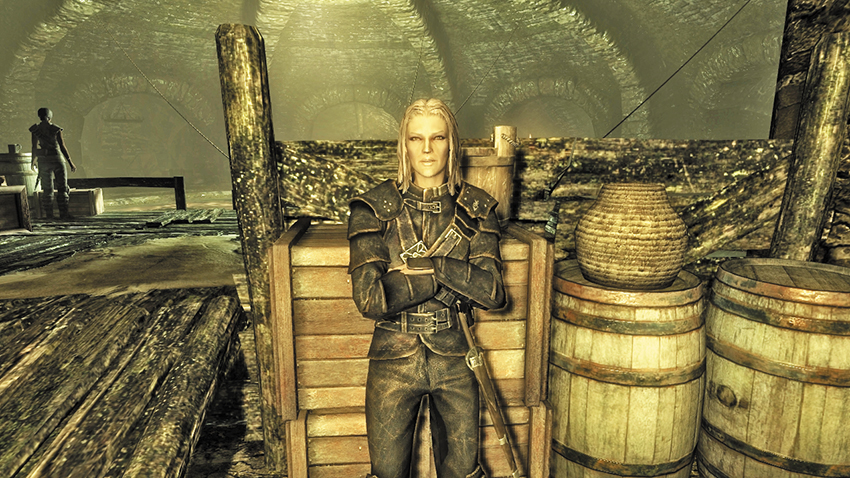
Master Trainer: Vex, of The Thieves Guild, in Riften.
Pickpocket
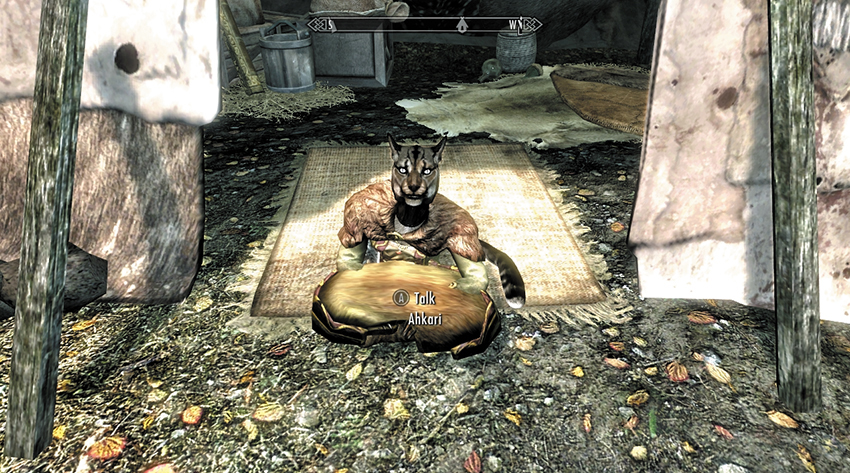
Journeyman Trainer: Ahkari, of the Khajiit Caravans
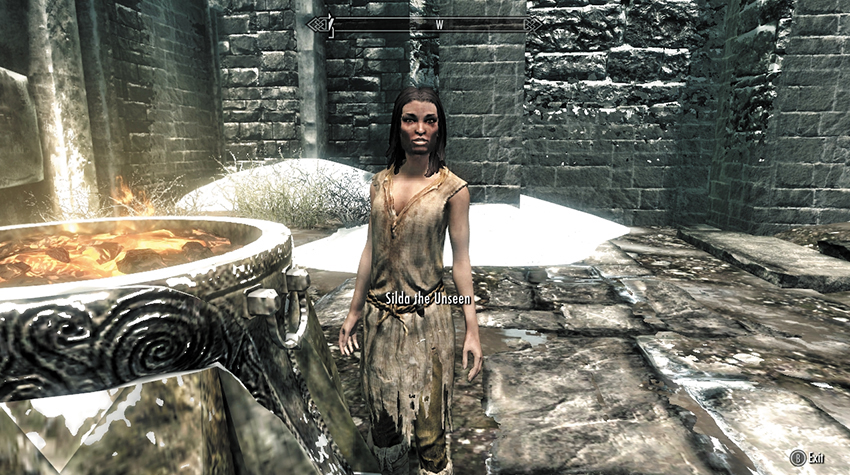
Expert Trainer: Silda the Unseen, of Windhelm
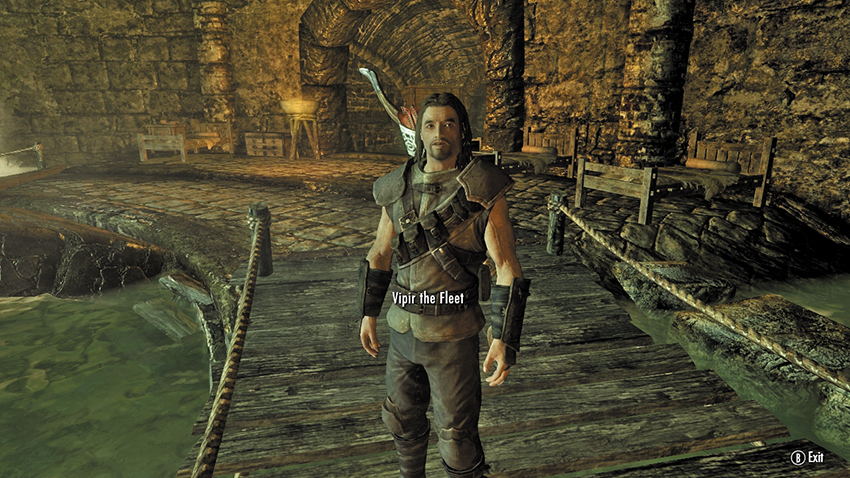
Master Trainer: Vipir, of the Thieves Guild in Riften
Speech
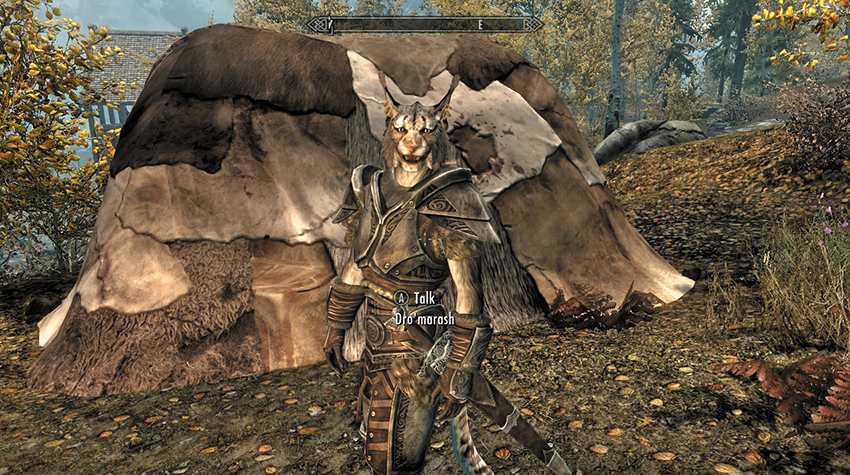
Journeyman Trainer: Dro’marash, of the Khajiit Caravans
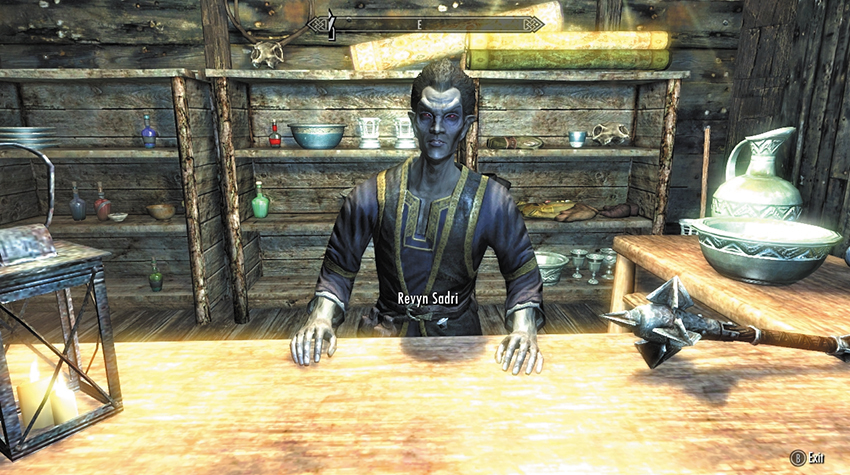
Journeyman Trainer: Revyn Sadri, of Windhelm
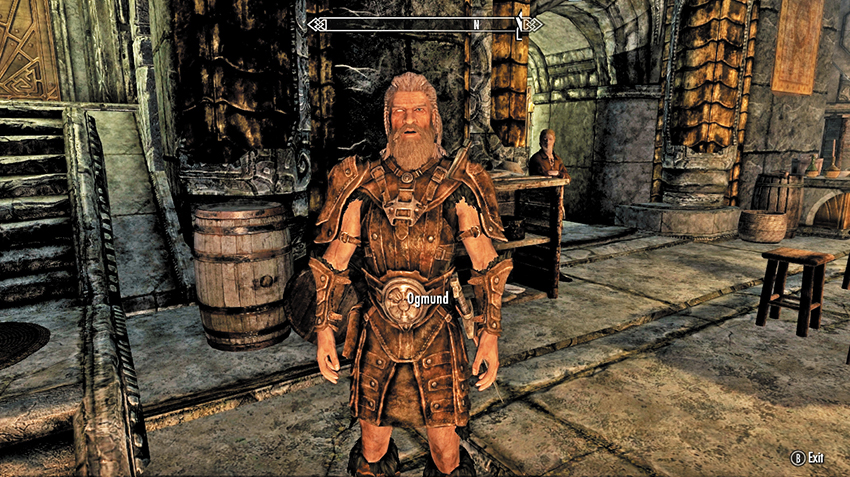
Expert Trainer: Ogmund the Skald, of Markarth
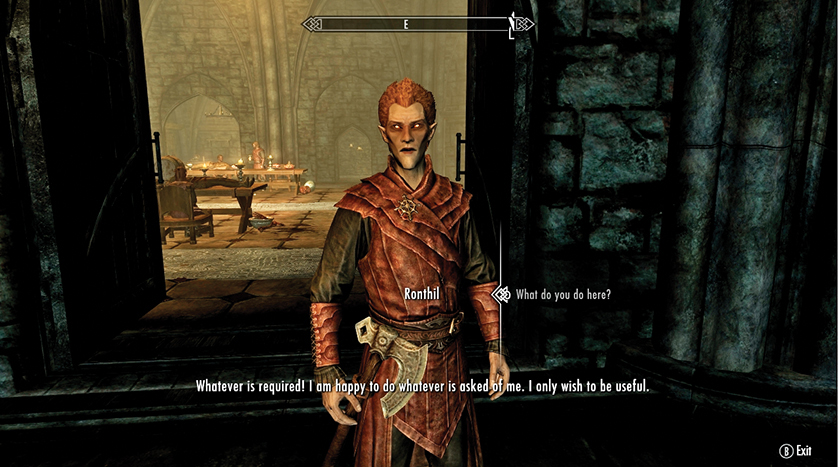
Expert Trainer: Ronthil, in Castle Volkihar
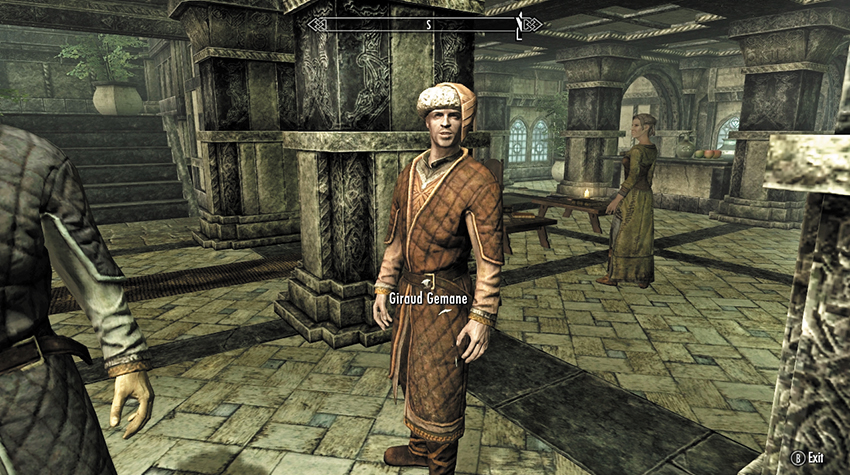
Master Trainer: Geraud Gemaine, of the Bards College in Solitude
Alchemy
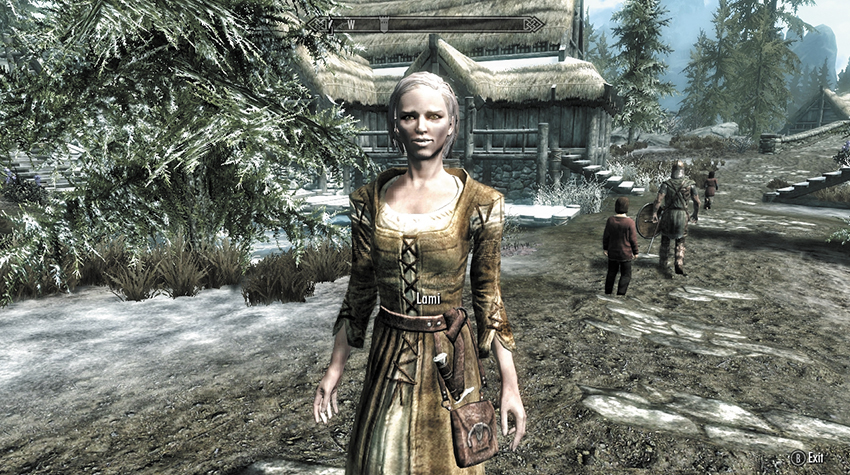
Journeyman Trainer: Lami, of Morthal
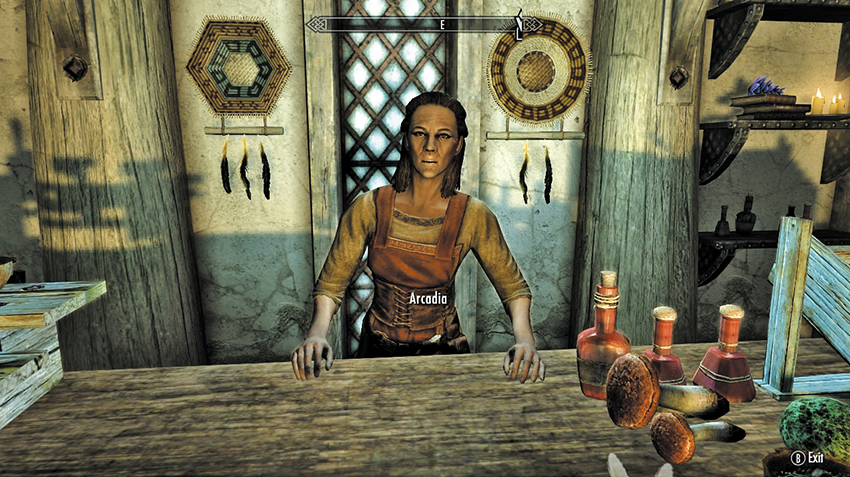
Expert Trainer: Arcadia, of Whiterun
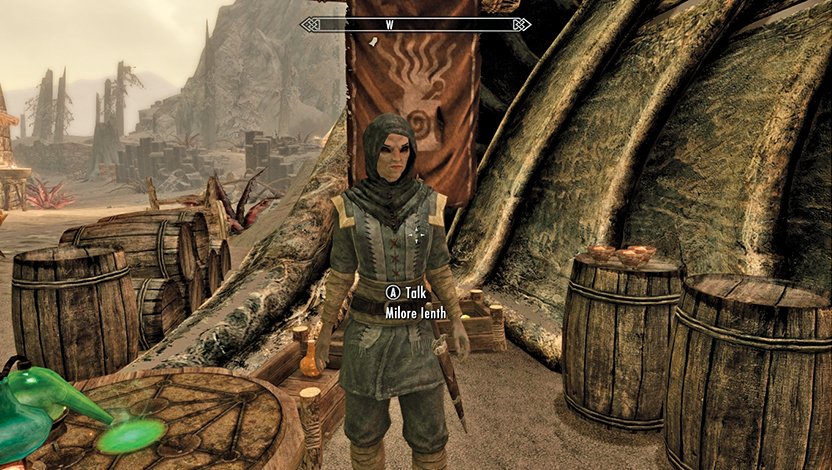
Expert Trainer: Milore Ienth, of Raven Rock (Solstheim)
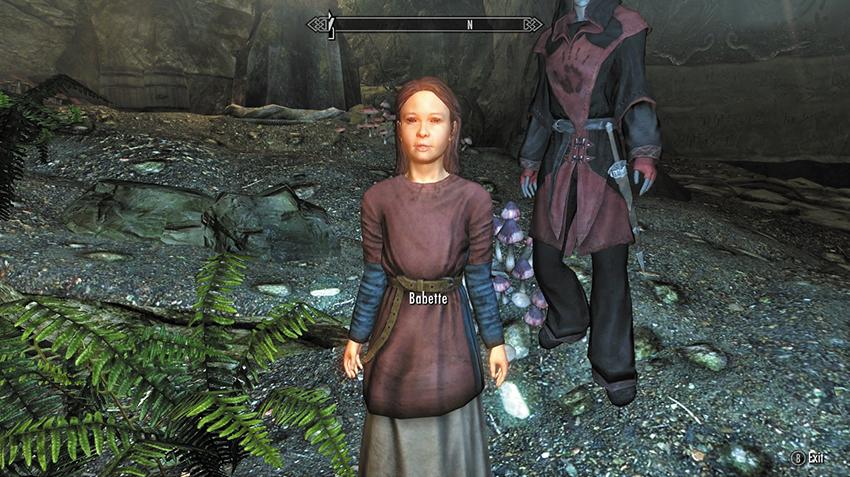
Master Trainer: Babette, of the Dark Brotherhood
Magic Skills: The Path of Sorcery
Illusion
There is no Journeyman Trainer for this skill.
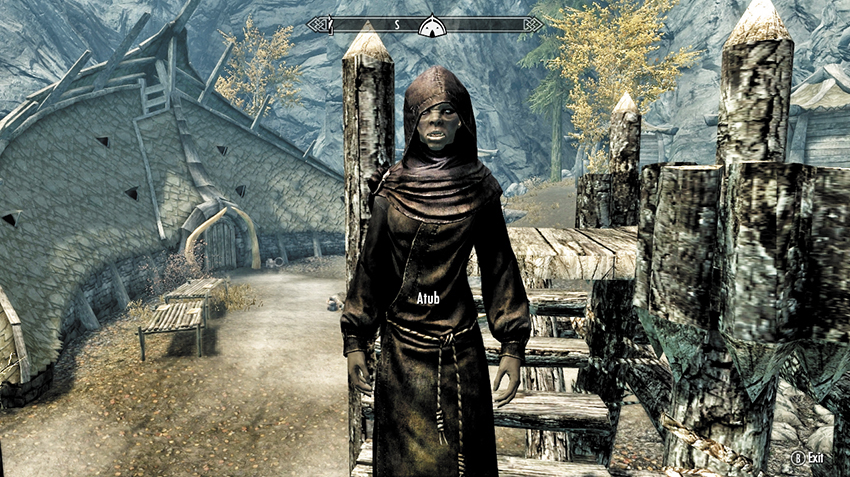
Expert Trainer: Atub, of Largashbur in the Rift
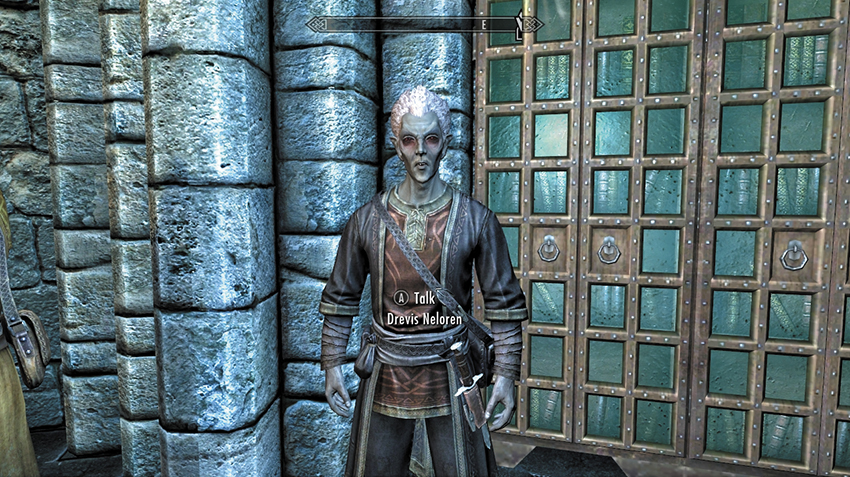
Master Trainer: Drevis Neloren, of the College of Winterhold
Conjuration
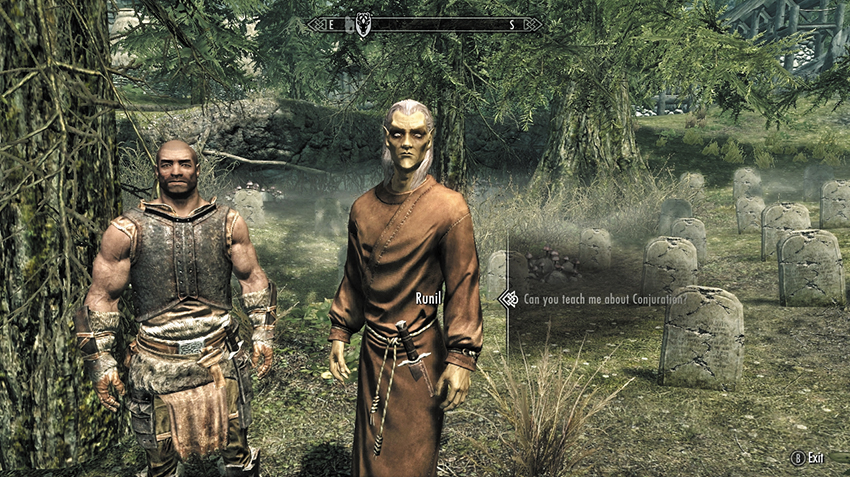
Journeyman Trainer: Runil, of Falkreath
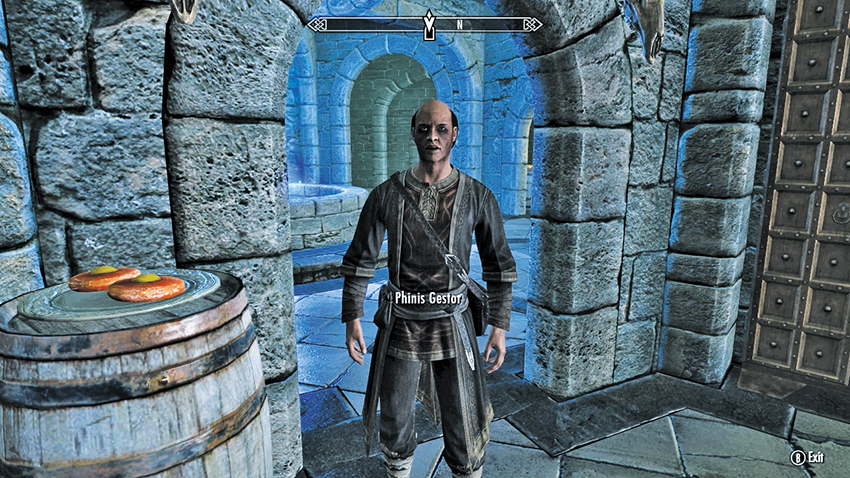
Expert Trainer: Phinis Gestor, of the College of Winterhold
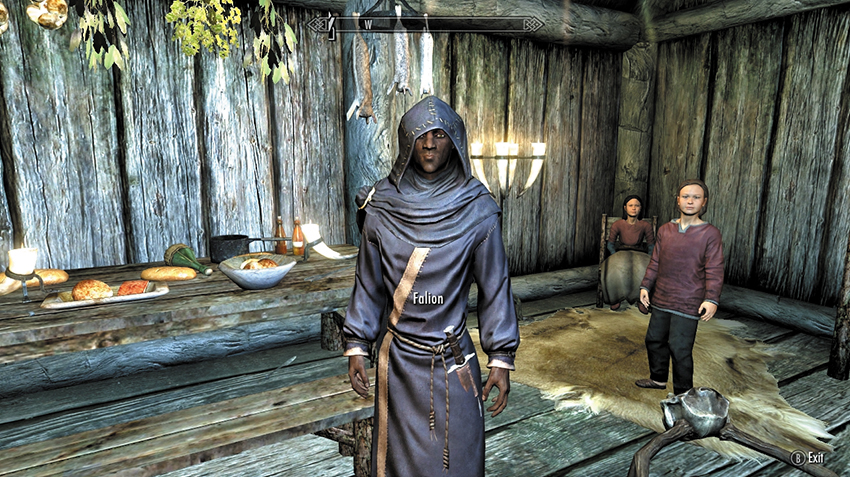
Master Trainer: Falion, of Morthal
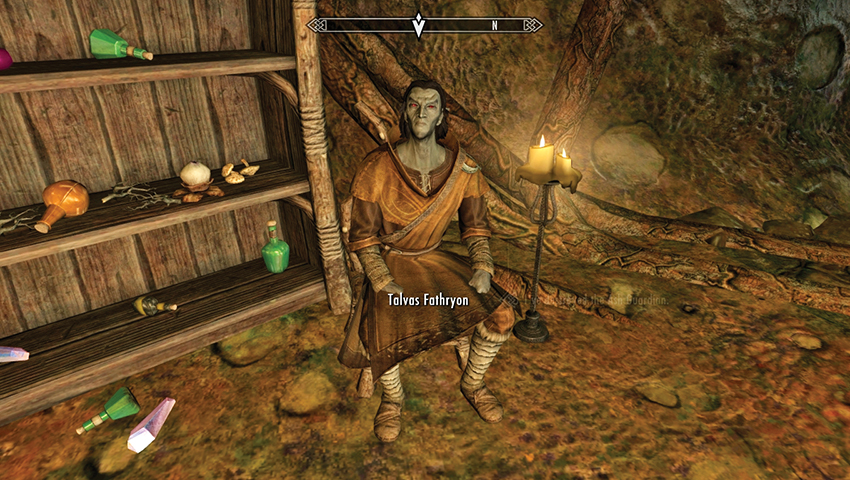
Master Trainer: Talvas Fathryon, of Tel Mithryn (Solstheim)
Destruction
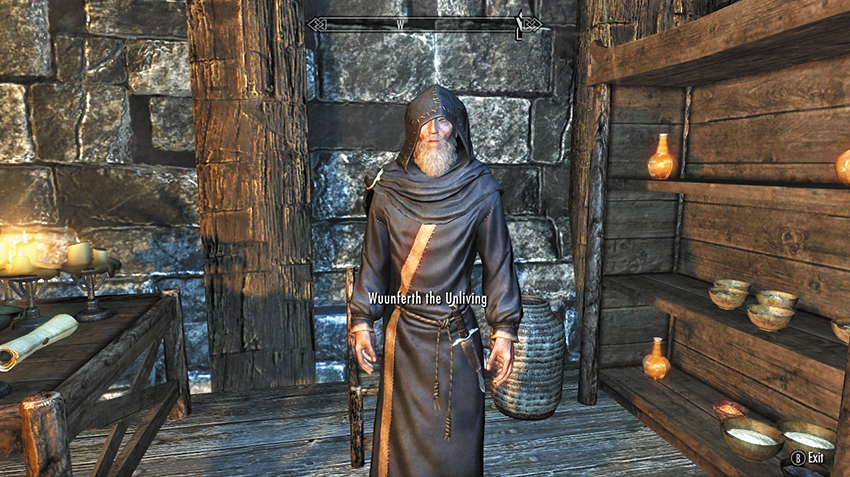
Journeyman Trainer: Wuunferth the Unliving, of Windhelm
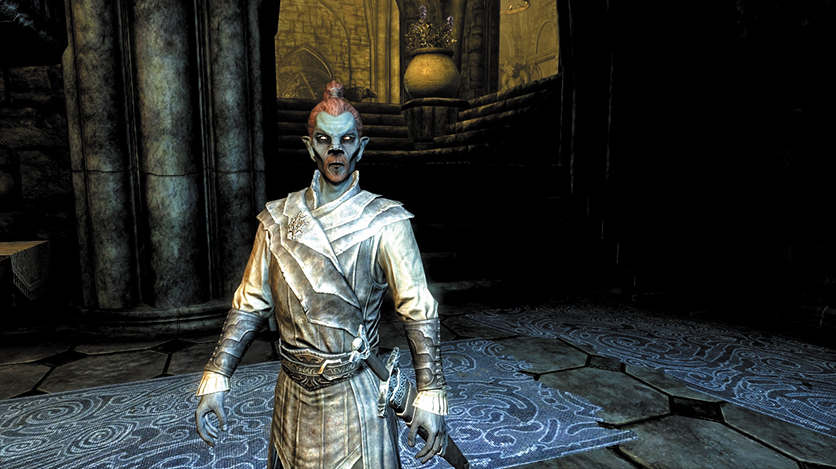
Expert Trainer: Garan Marethi, in Castle Volkihar
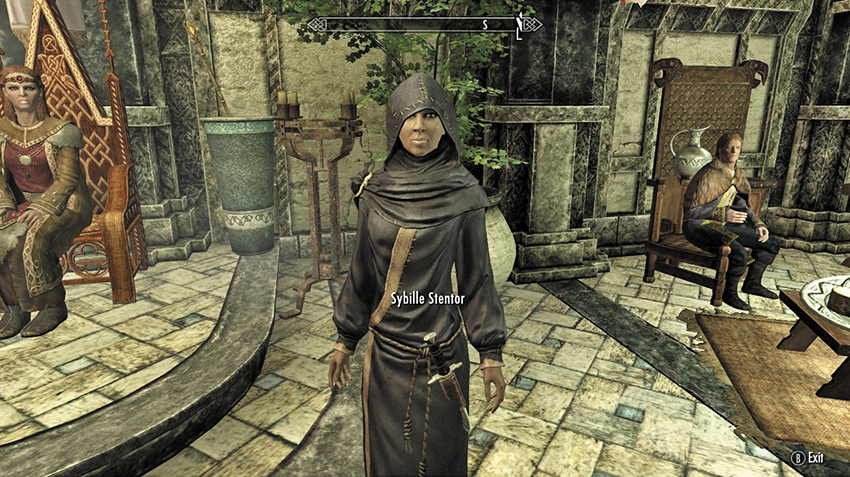
Expert Trainer: Sybille Stentor, of Solitude
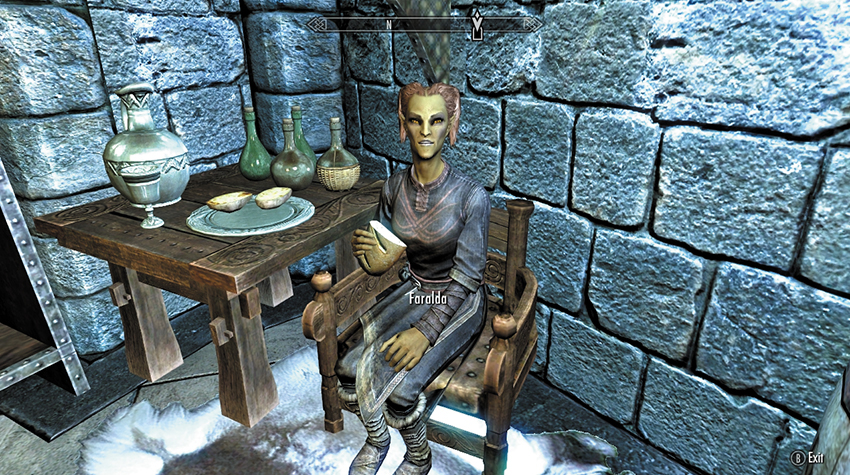
Master Trainer: Faralda, of the College of Winterhold
Restoration
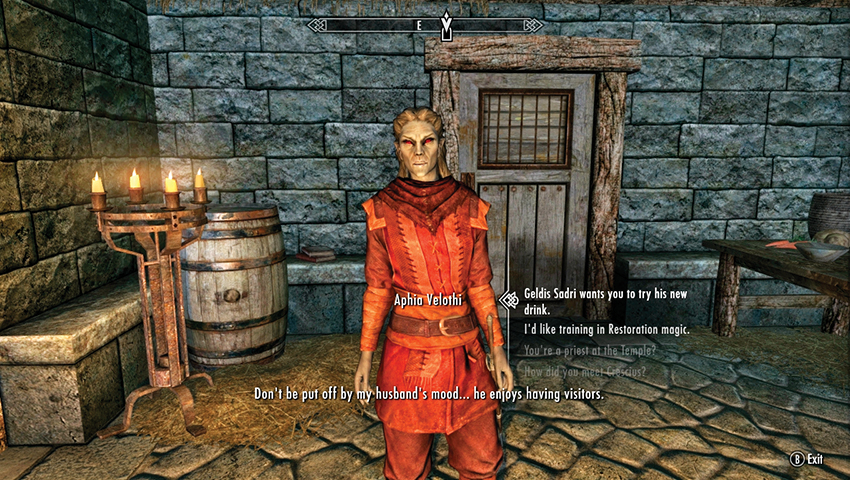
Journeyman Trainer: Aphia Velothi, in Raven Rock (Solstheim)
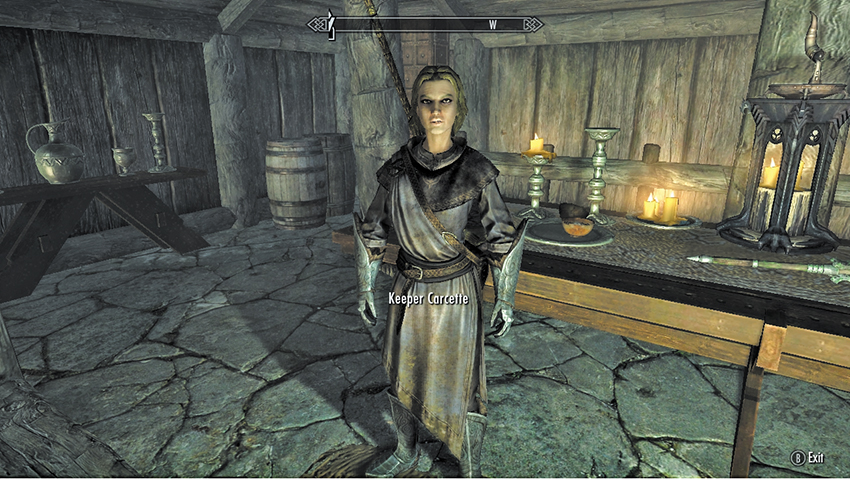
Expert Trainer: Keeper Carcette, in the Hall of the Vigilant
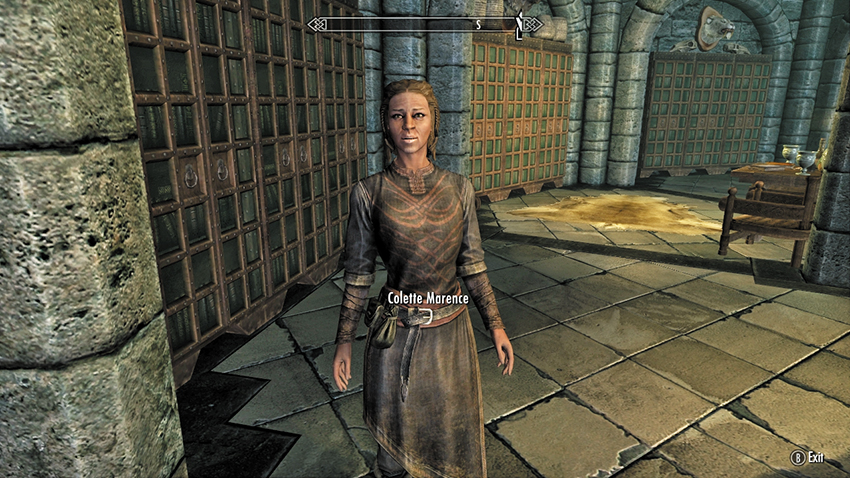
Expert Trainer: Colette Marence, of the College of Winterhold
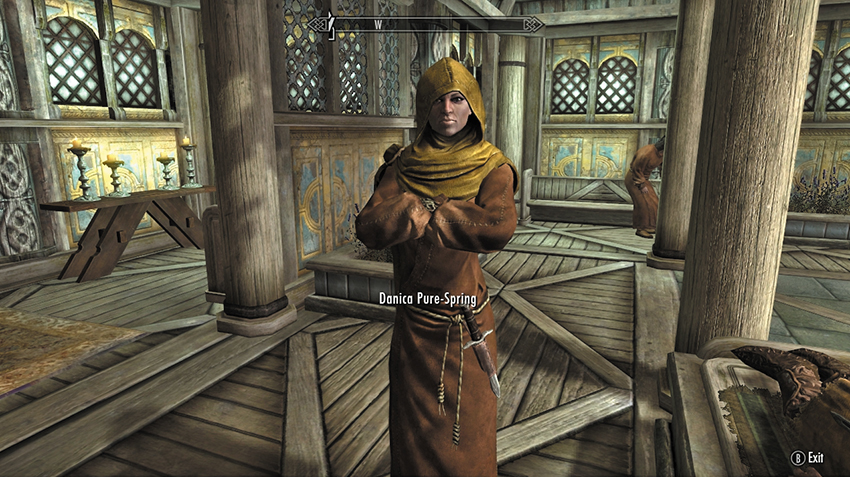
Master Trainer: Danica Pure-Spring, of Whiterun
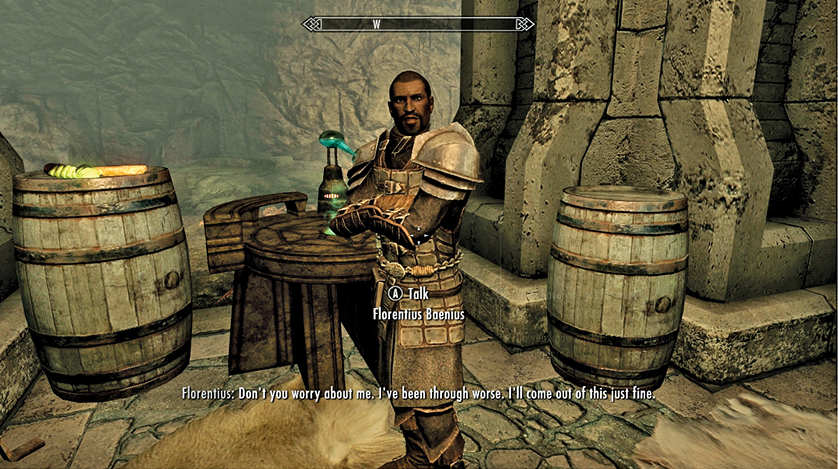
Master Trainer: Florentius Baenius, in Fort Dawnguard (after being rescued)
Alteration
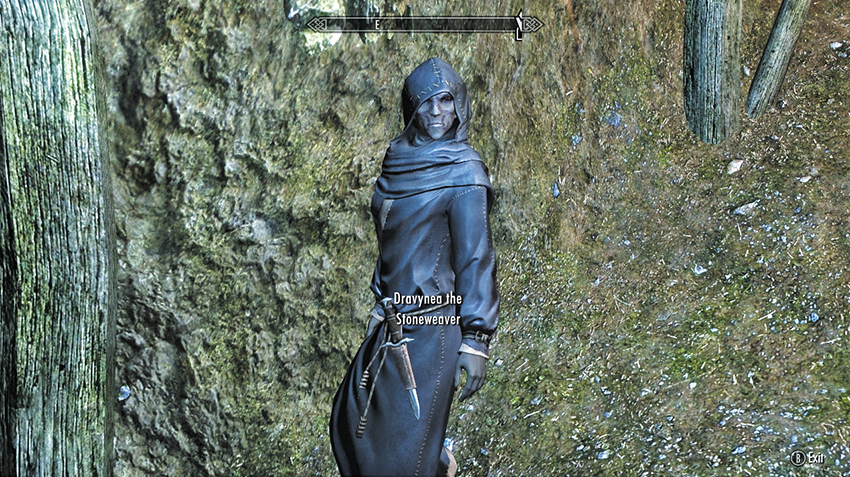
Expert Trainer: Dravynea, of Kynesgrove, in Eastmarch
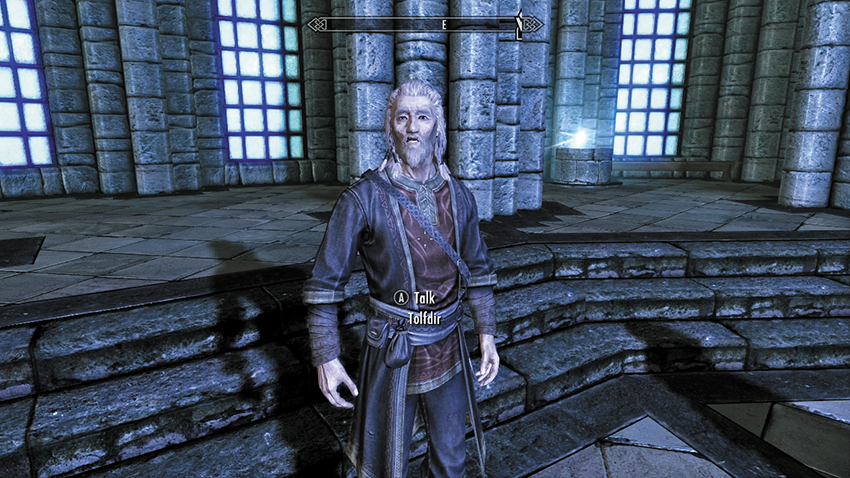
Master Trainer: Tolfdir, of the College of Winterhold
Enchanting
There is no Journeyman Trainer for this skill.
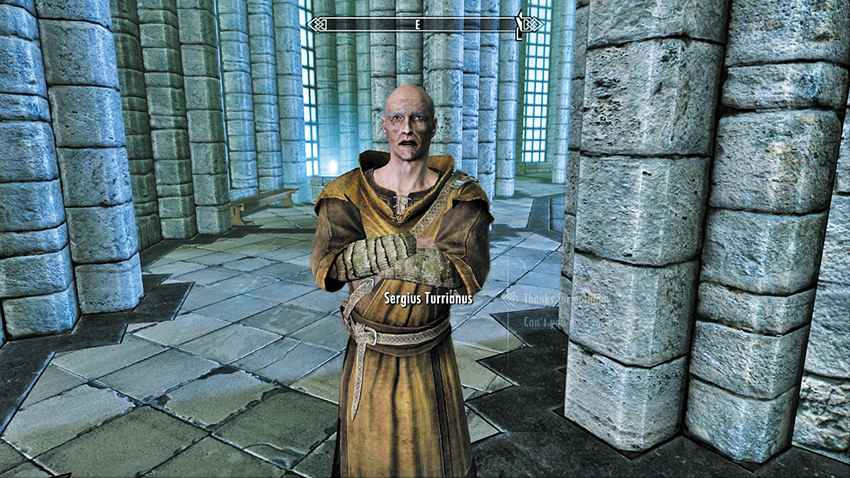
Expert Trainer: Sergius Turrianus, of the College of Winterhold
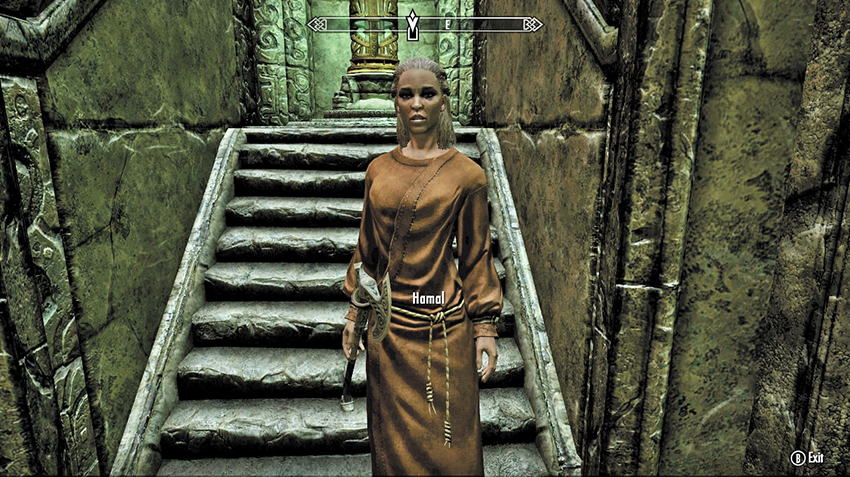
Master Trainer: Hamal, or Markarth
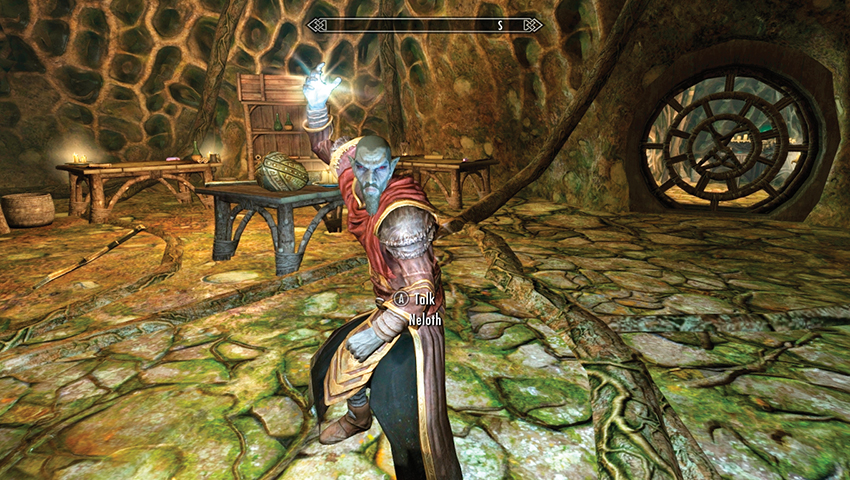
Master Trainer: Neloth, of Tel Mithryn (Solstheim)
Skill Trainers are also referenced when they relate to quests or specific Atlas locations later in this guide.
Improving Skills: Skill Books
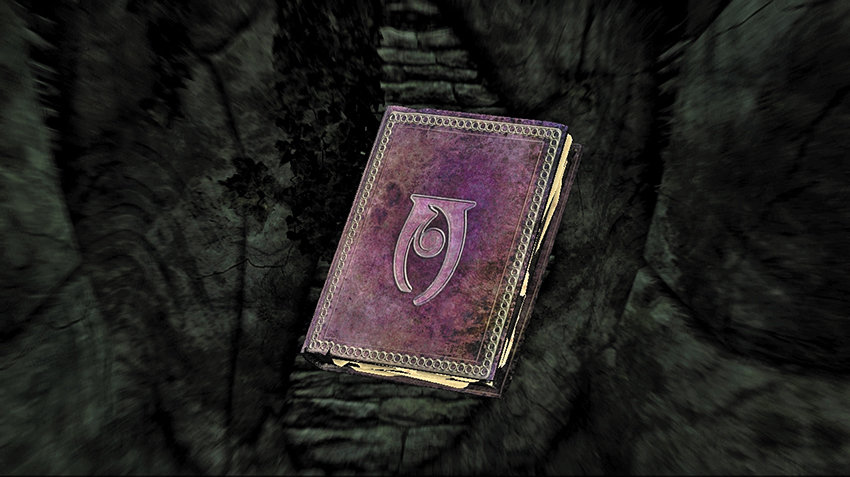
The Doors of Oblivion (Conjuration), one of five copies known to exist.
Scattered throughout Skyrim are several rare Skill Books, each associated with a particular skill. The first time you read each book, the associated skill increases by one. There are five different named books for each skill (90 different book titles), so a diligent collector can potentially increase each skill by 5 points.
There are multiple copies of each book in the world (usually three to five). However, you gain a skill point only the first time you read a book—rereading that book, or any of its copies, has no further effect. For example, those interested in the Sneak skill should look for the following books: Three Thieves (four copies), 2920, Last Seed, v8 (four copies), Sacred Witness (four copies), Legend of Krately House (three copies), and The Red Kitchen Reader (five copies). This means there is a total of 20 Sneak Skill Books, and 5 points you can add to your Sneak from reading the first copy you encounter of each tome.
Improving Skills: Scholars’ Insight Power
Another way to increase your Skills is to complete Solstheim Side Quest: Black Book: The Winds of Change. Locate this Black Book inside Bloodskal Barrow (which is accessed via Raven Rock Mine). Once you find the Reward Book at the end of your expedition through Apocrypha, choose the Scholar’s Insight Power; this grants you an extra skill point each time you read a Skill Book.
Improving Skills: Augmentations
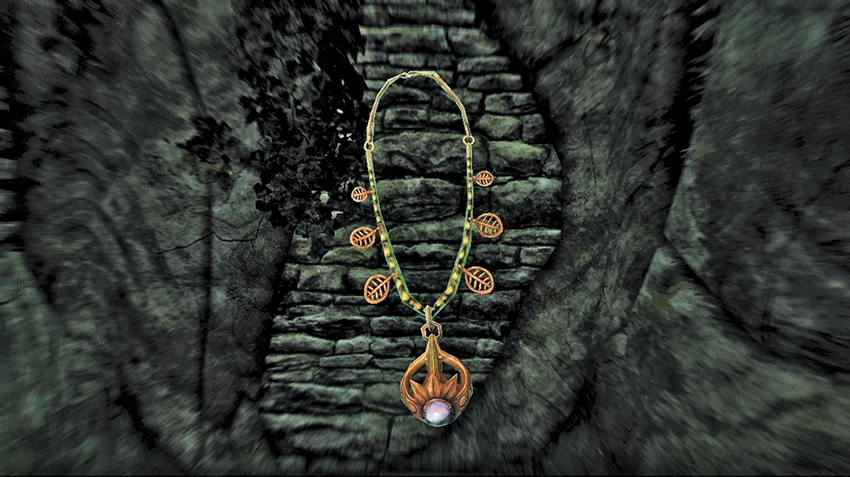
An Amulet of Dibella, which adds +15 to your Speech.
There are a variety of other ways to temporarily boost your skills (or their primary effects):
- Equip enchanted items that increase that skill.
- Drink a potion that boosts the skill.
- Acquire a Shrine Blessing or other temporary bonus to the skill.
For example: Say you have a Speech of 40 but want to get better prices for a collection of loot you’re about to sell. You could look for ways to permanently increase your skill, like completing dialogue challenges, training, or reading Skill Books. You can also equip an Amulet of Dibella (+15 Speech), pray at a Shrine of Dibella (+10% Better Prices), give a beggar a gold piece to receive the Gift of Charity (+10 Speech), or quaff a Potion of Glibness (+20 Speech). Then head over to your merchant of choice and wring out every last gold coin you can.
General Advice on Improving Skills
When improving your skills, heed the following advice:
In general, it’s better to increase your skills and level up naturally, rather than trying to find ways to exploit the game. In fact, it may make your adventure harder, since you’ll lack the gear and tactics needed to survive higher-level combat.
There is no fixed “maximum level” (i.e., Level 50) for you to attain. However, if you were to raise all of your skills to 100, this would take you to around Level 80. As you’re able to choose only one perk each time you level up, and there are well over 200 skill-based perks, don’t fixate on obtaining every single one. Instead, focus on improving the skills you’re most interested in, and ignore perks you won’t take advantage of, even if they’re in a skill you use constantly. For those adept adventurers who reach the higher level echelons, consult the section on Legendary Skills.
Statistically, it’s better to save Skill Books for higher levels, when the amount of effort or the cost of training needed to increase a skill rises dramatically. However, this tends to be difficult to do in practice, since you automatically read a book when picking it up and won’t know in advance that it’s a Skill Book. Unless you’re intent on raising every skill to 100, it’s best not to worry about this.
If you’re most of the way to your next level and just need one or two more skill increases, here are some options:
- If you have the gold, training is always a good option. If you’re short on gold, try training in a skill you haven’t used as much, as it will be less expensive (although it also won’t count as much toward your next level).
- Do you have any Skill Books you haven’t read?
- Are there any ingredients you haven’t sampled? Especially at low skill levels, your Alchemy skill rises quickly just by eating common ingredients and learning their first effect.
- Do you have a lot of ingredients? You may be able to make some potions. Give Alchemy a try!
- Do you have any ingots or smithing supplies? You might be able to forge or improve something. Try your hand at Smithing.