
The Witcher 3: Wild Hunt Guide Getting Started Witcher Training
Equipment
A sword is only as good as the witcher using it, his armor is only as good as the materials he was willing to invest in it’s creation. To survive this adventure, you must wiild a multitude of swords both steel and silver. Should those fail you, only a durable set of armor will be all that prevents the blades and claws of your enemies from rending your flesh to shreds.
Equipment in Witcher 3: Wild Hunt requires Geralt to reach a requisite level of experience before he can use it. Common weapons and armor can be found randomly with stats that reflect Geralt’s current level. However, crafted items, relics and unique pieces of armor have set level requirements and stats. While earning these pieces of gear takes supreme effort, they are often the best items one could equip.
Swords
Geralt carries two types of sword, steel and silver. These blades are intended for two very different threats; steel for humans and beasts, silver for monsters. Geralt draws one of these blades automatically when combat begins, typically the sword meant for his nearest threat. Some battles require you to switch between both blades, so be prepared to adapt to those situations.
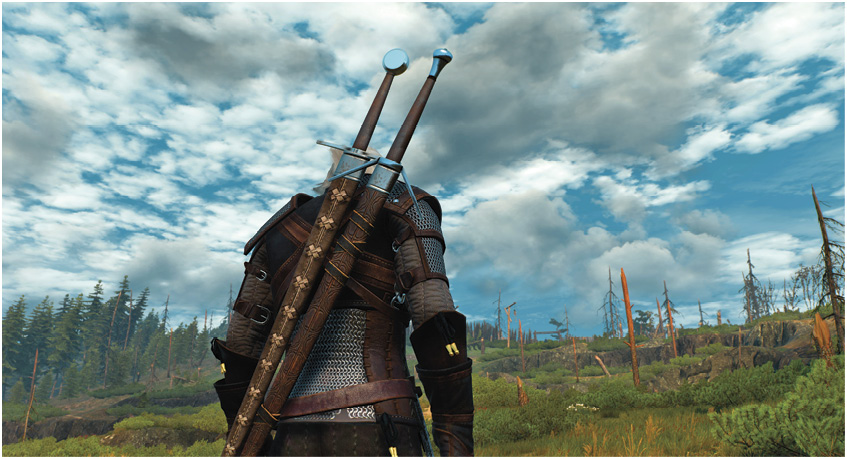
Swords deteriorate with use. With each blow landed, or shunted aside by sword, shield, armor, or claw, a blade continues to lose Durability until the weapon becomes unusable. Low Durability weapons strike for less damage. This is a serious liability in battle and can cost you life and limb.
Regular maintenance at a smith will help keep your gear in shape at the cost of some coin. When venturing on to a difficult quest or facing extended battles that will test the durability of your equipment, make sure to purchase or craft repair kits to maintain your edge in the field.
In addition to acting as your primary offense, swords are your defense against any physical attack. You can block most melee attacks with either type of sword, though some attacks must be dodged rather than blocked. With sharp timing, you can also counterattack most melee attacks, placing your foe off balance while you remain on the offensive.
Every sword has a base attack rating representing the damage per second (DPS) it’s capable of under ideal conditions. Additional values exist for fast and strong attacks, including damage and critical hit chance. Any enchantment, skill, or upgrade that increases a sword’s damage applies a bonus to the weapon’s base attack rating. An opponent’s armor, resistances, and other modifiers will affect a sword’s damage during combat.
Improving Weapons
Enchanted swords have a chance to cause additional effects on their target with each strike. These enchantments can poison, bleed, burn, stun, freeze, or stagger a target. Lesser and Greater runestones can be placed in weapon upgrade slots to further increase a blade’s effectiveness. However, if a target’s resistances are too great, these additional effects may be dispelled. The Inventory Appendix has a list of all runestones.
Another way to improve the effectiveness of your swords is to apply special oils to them before combat. Oils last for only so long before repeated strikes of the blade wipe the oil completely away. You cannot apply these oils in the middle of a fight, so pay attention to your surroundings and spot threats before you must engage them. Unfortunately, you don’t always have this opportunity.
To increase your sword’s attack power, oils can be prepared and applied to the blade before battle. Unlike runestones, this bonus is temporary and ends after repetitive attacks wipe the oil away. This is the most economical way to enhance your swords and allows for a great deal of flexibility when preparing for multiple types of targets.
Finally, a very rare set of crafted weapons can be improved by finding diagrams for more powerful versions of the weapons. These diagrams and the materials to produce these weapons are rare, indeed, so you must be thorough in your exploration of the world. Diagrams for these weapons are listed in the Inventory Appendix.
Alternate Weapons
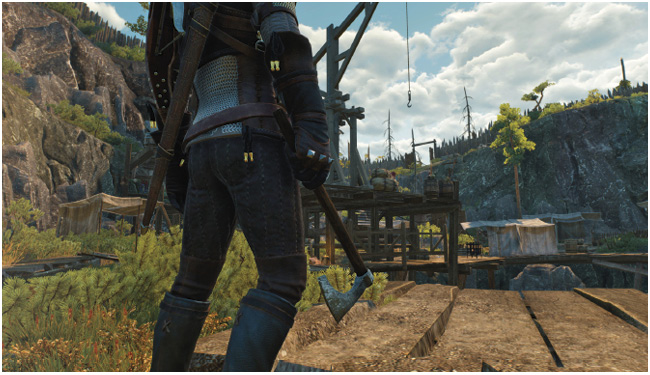
While Geralt has no formal training with weapons beyond the swords of his profession, he is not helpless with the odd axe or bludgeon nicked from bandits foolish enough to cross his path. These weapons are not as lethal as a good sword, but you can still put down humans with them if a situation demands it.
Equipping alternate weapons places them in the slot that would be occupied by your steel sword. You can also apply the appropriate blade oils to them. Realistically, though, you should stick with your swords if you have a choice.
Witcher’s Crossbow and Bolts
Very early in Geralt’s search for Ciri, he is gifted a crossbow, which comes with an unlimited number of standard bolts that Geralt can fire at enemies or wildlife. These bolts are typically quite weak, but they can stagger enemies in the middle of an attack, and even knock flying enemies out of the sky. The crossbow is also the only weapon Geralt can use underwater. Armed with this weapon, he is not without defenses when he must explore the depths of the ocean or an underground tributary.
You can find more powerful crossbows over the course of the game. Some of the most deadly are crafted from secret witcher equipment diagrams, hidden in the world.
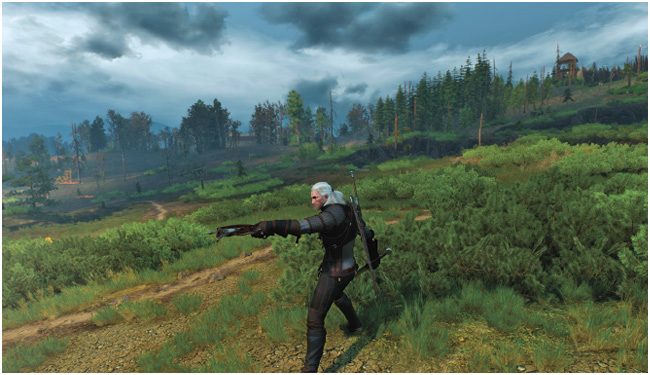
Crossbows become more effective in two different ways. The first is through the use of specialized ammunition. You can loot them from caches in the world, and even craft special ammunition from diagrams. Specialized bolts not only hit harder, but can also cause additional effects. Explosive Bolts, for example, can knock enemies to the ground and are especially devastating against flying foes. Another type of bolt splits into three arrows, making it easier to shoot fast moving enemies. The statistics on bolts may not look impressive by themselves, but when you factor in the power of your chosen crossbow, you can easily see the bow overpowering lone monsters and humans before they even get close!
Another way crossbows see great improvement is through purchasing specific character abilities from the Combat and General branches. You can earn flat increases to the overall damage of each shot or slow the world down to take more time to carefully aim your shots.
Armor
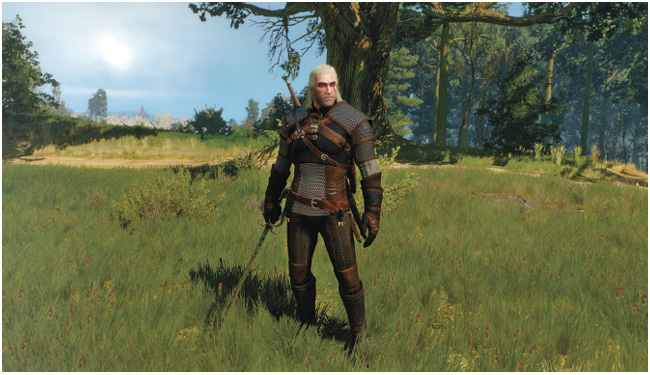
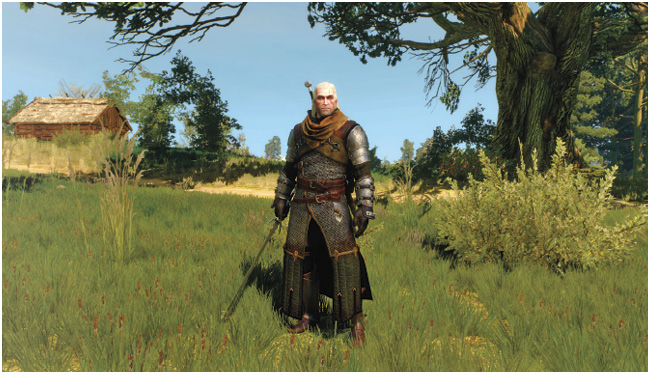
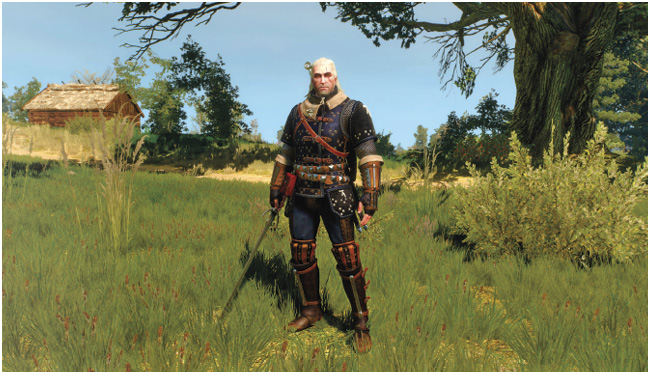
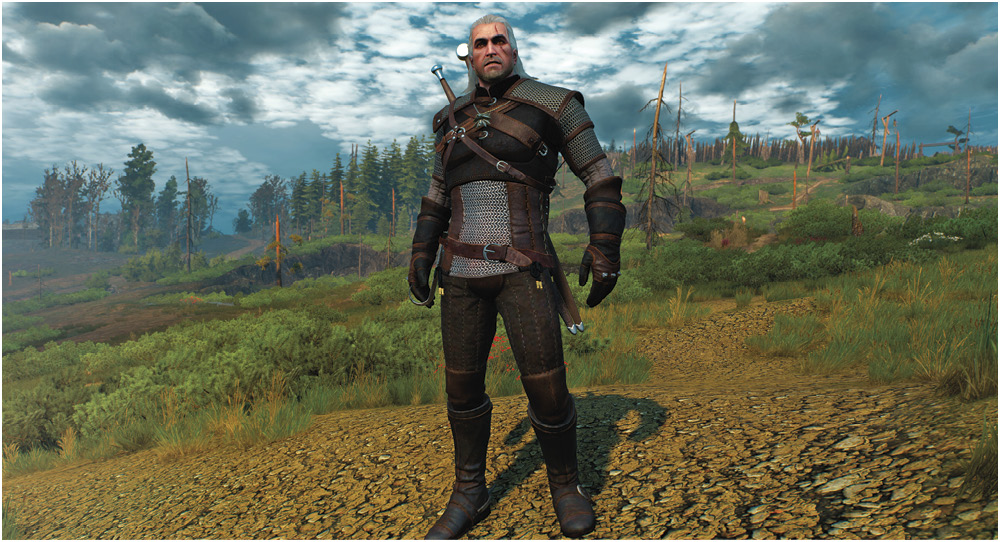
Geralt’s armor consists of four separate pieces: Chest Armor, Gloves, Trousers, and Boots. Together, these provide protection against physical damage and persistent effects. Each piece of armor has an armor rating, along with a number of additional protection ratings against the different types of damage that Geralt can suffer in combat: slashing, piercing, bludgeoning, elemental, and rending damage.
There are three weight classes for all pieces of armor: Light, Medium, and Heavy. These classes determine how much protection an armor provides, but can also affect statistics like stamina regeneration. Each weight class caters to specific combat tactics, but you can mix and match your gear to fit your preferences.
Light armor provides a significant bonus to stamina regeneration, at the cost of sturdiness. This allows Geralt to control the pace of a fight by staying agile, engaging or evading enemies at will. Medium armor provides no regenerative benefits or penalties, and is the weight class Geralt starts the game with. Heavy armor provides the most protection, but slows down stamina regeneration. While movement is slowed, Geralt can wade into the melee and survive far more punishment.
Improving Armor
Glyphs can be used to upgrade high-quality pieces of armor, providing bonuses to sign abilities. As with weapons slots and runstones, some armors have slots that allow for glyphs to be placed. Glyphs can be found as loot in the field or on monsters, and there are diagrams that allow you to craft lesser and greater Glyphs, provided you can find them. The Inventory section provides a list of all glyphs and their bonuses.
Consumables, Bombs, and Pockets
It’s possible to set two types of consumables, bombs, and pocket items for quick use in the field. Consumables include food, or witcher potions and decoctions. It’s usually best to keep potions that have immediate beneficial effects in these two slots, either focused on enhancing your combat effectiveness or survivability. Food can always be eaten from the Inventory menu. Potions can determine whether or not you survive to even do that. With bombs, try to tailor your load out to favor bombs that can affect a wide variety of targets, switching out for more specialized explosives if you’re hunting something that demands it. Your two pocket slots, however, will likely be occupied by key items that are required for specific purposes, generally for non-combat reasons.