
The Witcher 3: Wild Hunt Guide Getting Started Witcher Training
Alchemy and Crafting
A witcher is expected to make use of the land to survive. Herbs, minerals and other alchemical ingredients found in the field are among the many materials used to brew potions, sword oils, or act as the catalysts to bombs. Other materials, like rare metals or strips of cured leather, can be refined and used to craft new weapons and armor that far exceed the quality of worn items looted from dead foes.
To craft items or perform alchemy, Geralt must first possess crafting diagrams and alchemy formulae. These can be found randomly in the field by looting containers, or purchased from specialized vendors. Diagrams for ancient relics, including Witcher Schools equipment, are found during lengthy quests to locate the base diagrams for that equipment. Advanced diagrams that enhance this gear involve a lot of searching with few clues. Fortunately, you have this guide to show you the way.
Alchemy
Alchemy is used to create bombs, sword oils, potions, and decoctions. Combining herbs, substances, minerals, and rare mutagens extracted from monsters, alchemy is a requirement for those who wish to be fully prepared for combat.
Many potions, oils, and bombs you can craft have a base formulae that allows you to create the most basic form of that item. As you travel through the world and meet new merchants or find various loot caches, you can discover formulae that enhance the strength of your craft.
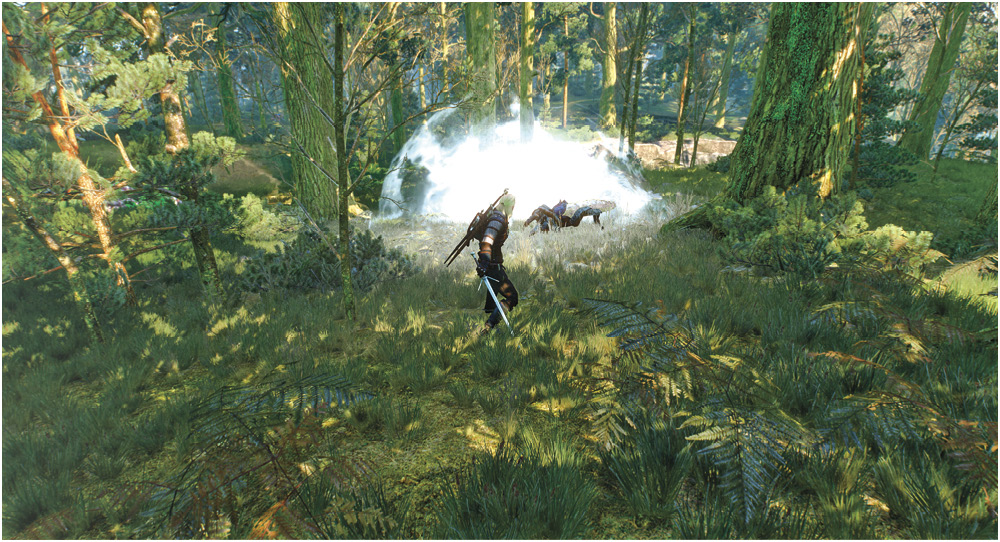
Tips and Best Practices for Alchemy
CD Projekt Red have graciously provided a list of tips and best practices for Alchemy:
- Craft early. Craft often. As soon as you can brew formulae, do so. Loot a new formulae? Check your Alchemy tab to see if you can craft it right away. If not, keep those needed ingredients fresh in your mind so you can add the alchemy item to your inventory as soon as possible.
- Purchase formulae in shops as you find them and add those potions, oils, and bombs to your arsenal. You’ll quickly gain more advantages over the beasts and abominations during your adventures.
- Geralt’s potion supply is automatically restocked when you meditate, as long as you have hard alcohol in your inventory. Keep a supply of alcohol in your Inventory at all times!
- Many herbs prefer to grow in certain areas of the world or climates. On rocks, in caves, in shallow water, deep water, or in cultivated terrain that farmers harvest in the villages Geralt comes across. Learn them and you’ll find what you need in no time.
- Herbs and ingredients impact your carried weight far less than most items so don’t hesitate to snatch up all of the herbs in the wild you can find. Once you’ve amassed a large supply, you can worry far less about collecting herbs in the later stages of the game.
- If you’re having a difficult time finding ingredients, hit up the Herbalist shops and spend some of that extra coin to finish out the ingredients list quickly. This is helpful in even the Prologue quests.
- Watch out for monster nests to clear them out and make use of the ingredients they carry. This is also serves as a source of ingredients for the Witcher Gear armor and weapons for crafting those items at blacksmiths.
- Know your foe. The Bestiary is your best friend. All of the critical information on the items that work against the hordes of creatures you’ll face are at your personal disposal. Also, learn the creature categories (ex: necrophages, relicts, elementals, etc.). When you have the chance to spot an enemy at a distance and you know what you’re up against, you can pull up your inventory to apply the oils, down the potions, and slot the bombs that will help you quickly dispatch the dark denizens before you. If it’s not a specific monster you’ve encountered before, but you think you know what type it is. Apply the oil for that enemy type and you’ll conquer them in a flash.
- If you enter a combat encounter and your sword doesn’t have the oil that would help you against your enemies, don’t forget to use your potions and bombs. They may be all you need to make quick work of the enemy and disable their most devastating attacks.
- If you know you’re going to facing large groups of humans, slap some Hanged Man’s Venom on your steel sword. These are the most common enemies you’ll face during quests inside the city walls of Novigrad, so it’s a safe bet to keep this oil active as often as possible when you’re not roaming the wilderness.
- Keep a large stock of alcohol bases and meditate as often as you feel the need to. Remember that meditation can end any potion buffs you have active due to the passage of time while meditating.
- Slot Swallow potions and save the rest. If you keep Swallow and some food handy in combat, you can always open your inventory to drink the other potions you need less often.
- Getting weighed down by dozens of swords after slaughtering a batch of heartless witch hunters? Toss back a fiend decoction to grant you a bonus against your burden and hit some shops to offload for coin.
Crafting
Once Geralt has unlocked a diagram, he can pay a smith to craft it for him if he has the diagram for an item and the materials to make it. Smiths can be found various villages, outposts, and in cities like Novigrad. Others can be found as prisoners in bandit camps, locked away under guard, or abandoned by those who took them hostage. When rescued, these smiths return to their homes and offer their services as thanks.
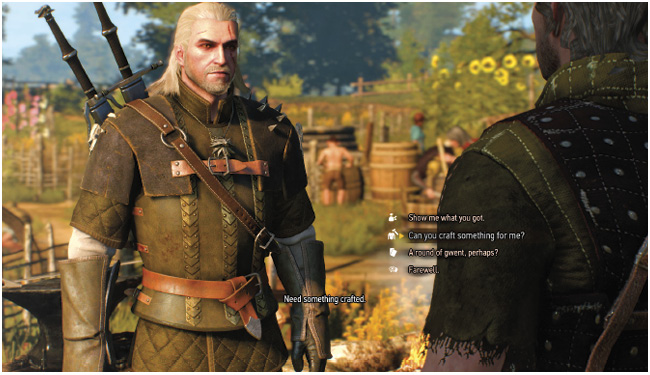
Smiths can do more than craft armor or weapons. For a small fee, they can disassemble complex items into basic components that can be used to craft new items. Except for active quest items, everything can be sold or disassembled, even Junk. When viewing an item in your inventory, watch for descriptions saying an item can be broken down for crafting materials. Higher level items may contain rare materials that are normally too expensive to purchase at a shop.
Not all crafters are equal! Some crafting diagrams require skills that not all smiths possess, and this skill level also affects ho many items are salvaged from disassembling an item. Compared to an Amateur, a Master smith can recover up to five times as many components from an item.
As with formulae, crafting diagrams can be found as loot in the field, as rewards for accomplishing quests and special favors, or purchased from vendors. Diagrams found during Treasure Hunts allow you to create and upgrade certain sets of weapons and armor.