Fable Anniversary Guide Behind the Scenes Fable: The Making of a Hero
And So Our Story Begins
It all started back in 1998; brothers Dene and Simon Carter stepped, blinking, into the sunlight, leaving critically acclaimed studio Bullfrog Productions (Theme Park, Dungeon Keeper, Magic Carpet) behind them to begin a whole new adventure in game development.
Along for the ride was now-equally-former Bullfrog artist Ian Yarwood-Lovett. “Setting up on your own has always been a terrifying proposition,” he recalls, “so we called upon Peter Molyneux (former head of Bullfrog Productions, then head of Lionhead Studios) and persuaded him that what Lionhead really needed was a satellite studio.” One high-street loan later—and, amazingly, permission to work from a small room in Molyneux’s own home—a brand-new studio, Big Blue Box, was born.
With a temporary residency in place, the Carters turned their attention to the not-insubstantial matter of brainstorming their first game. According to Simon Carter, the brothers had three main ideas at the time, all having bubbled away in the back of their minds during the heady Bullfrog days. First, there was Life! a sort of spiritual successor to David Crane and Richard Gold’s Little Computer People. “You had indirect control of a virtual lad or lady, and your job was to guide them through simulated life,” explains Carter, “It was a sort of side-on version of The Sims, but long before The Sims was a twinkle in Will Wright’s eye.”
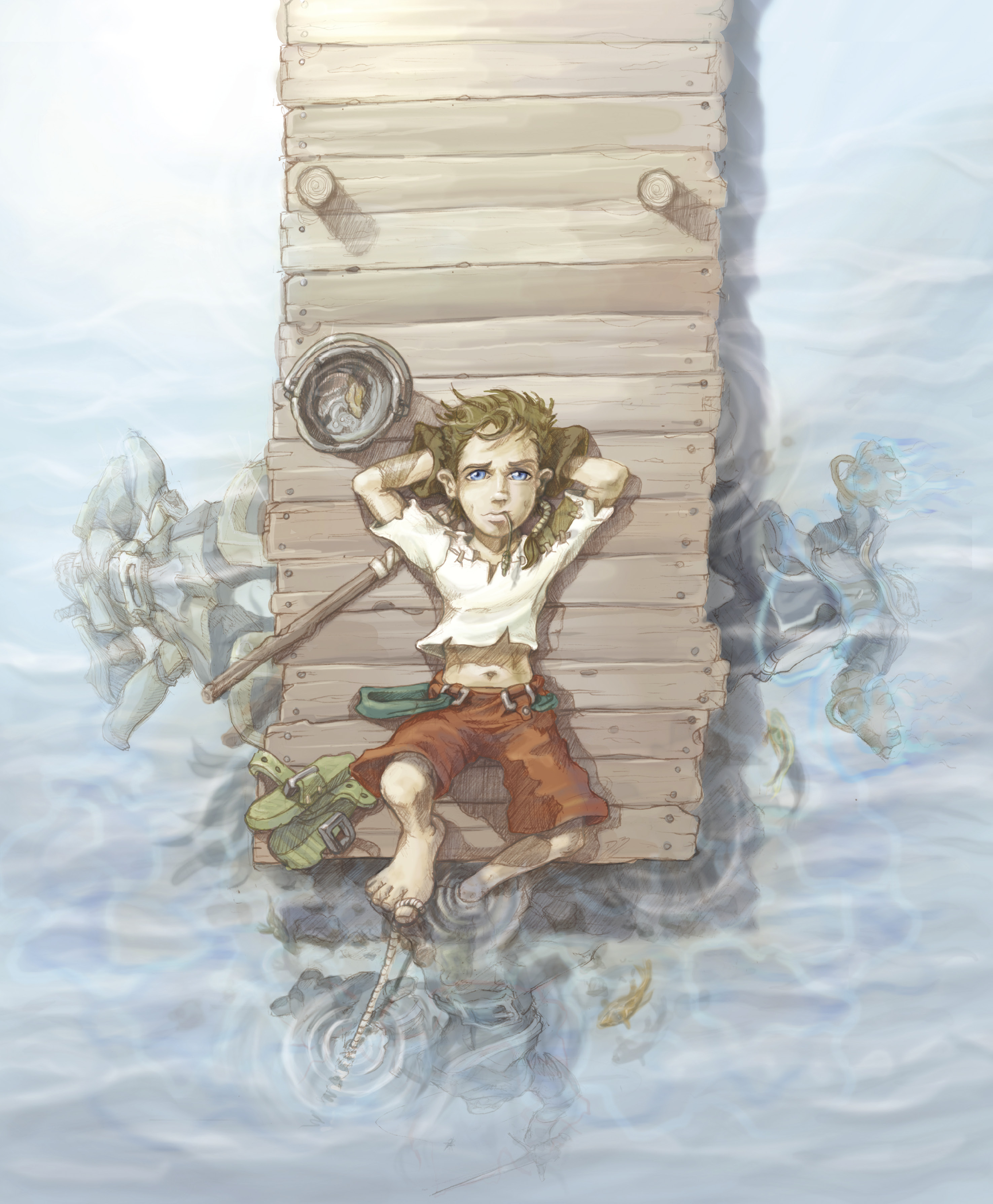
Then there was the enigmatically titled The Game, a loosely conceived role-playing experience overflowing with ideas. At the heart of The Game, though, was the notion of creating a world so rich that, as Carter puts it, “you would be just as inclined to go fishing or get married as you’d be to bash in the head of an angry goblin.”
As curiously familiar as that idea might now sound, it wasn’t The Game that proved to be Big Blue Box’s initial focus. Instead, it was Wishworld, a hugely ambitious, multiplayer-imbued, action-strategy game that combined elements of Bullfrog’s Magic Carpetand Julian Gollop’s Spectrum classic Chaos to form an epic adventure, based around the titanic struggles of two vastly powerful, warring wizards.
“We envisioned world-altering duels,” recalls Yarwood-Lovett, “Battles would shape the face of the planet as the wizards ripped mountains apart and gouged canyons through the crust of the earth.” As Carter wryly notes, “Armed with the designs for what was basically The Sims, Fable, and Weird Wizard Battle Action Thing, we chose the obvious crowd-pleaser—the one with the wizards.”
Wishworld was to be the first time that the fledgling team had tackled a proper, animated 3D world—a challenging-enough task made even more demanding given the project’s ambitious nature. “Our first task was to put together the images and references that were our key influences, and then see which were viable given the technology at our disposal,” says Dene Carter. “And, since we were there right from the start, there was an awful lot of ‘just getting basic stuff working’ to be done.”
That “getting basic stuff working,” it quickly transpired, demanded a little more in the way of programmer might and, over the next two years, Big Blue Box slowly expanded; typically, though, not without an anecdote or two. One of Fable’s original artists, recalls Yarwood-Lovett, was interviewed in the bowels of Peter Molyneux’s home, going through his credentials while the housekeeper happily ironed the Lionhead boss’s Y-fronts mere inches away. Then, of course, there was the candidate that showed up sporting a portfolio filled entirely with cartoon penises....
Did you know?
“The names of the people who made the game are all over the world and lots of things are named after the developers. You can have hours of fun matching the names in the game to those in the credits”
~ Ian Faichnie
Adult Hero
ON THE BRINK OF DISASTER
As Wishworld slowly took form, the team began pitching the game mercilessly to any publisher that would see them. “It was a roller coaster ride of hope and blinding fury,” recollects Simon Carter, “We would spend six months talking to a publisher, and be on the brink of signing, when something silly would happen and it would fall apart.” One conversation in particular sticks in Carter’s mind, taking place on the day that, finally, a deal was due to be struck:
Them: We love your game!
Us: Yay!
Them: We’re not sure about the whole ‘wizard’ thing, though.
Us: Right. I’m sure we can be flexible on that; wizards are a bit niche.
Them: Yeah! So, how’s about, instead of being set on an open, morphable landscape, you set it in a city? And instead of wizards, it’s superheroes? And instead of morphing the landscape and summoning leviathans, you hit people? That would be awesome!
Us: Erm. Okay. Although, that sounds like a completely different game.
Them: Yeah! Good point! Bye!
Hero Clothing

That was nothing compared to what happened next. Following the collapse of its first deal, Big Blue Box met with another large publisher and negotiations appeared to be going well. “Each time we met, they brought a bigger and bigger team with them, until we were pitching to 15 or so people, half of them developers,” Carter recalls, “This should have set off alarm bells, but we were a touch naïve. A few months later, the publisher stopped responding to our calls.”
At first, the team could only wonder what had gone so wrong. It was a question abruptly answered, however, when the publisher quietly released what was, in essence, a poorly implemented Wishworld clone. “It was a disaster,” sighs Carter, “Overnight, our game had lost all credibility and originality—and, as a small studio with limited funding, there was nothing we could do.”
Once the initial shock had subsided, the team realised that the only way to save their project was to make big changes. It was Peter Molyneux that inspired Wishworld’s sudden shift in direction, noting that Big Blue Box’s landscape technology would lend itself well to a role-playing adventure. Suddenly, the studio found itself returning to one of the Carters’ earliest ideas, dusting off the now-ever-so-familiar design for The Game.
“We decided to make the game more story-driven, and to focus more on the main character,” remembers Dene Carter. “Initial discussions circled around creating one historical figure – a Hero – that players could sculpt in their own particular way.” And with that germ of an idea, Fable was born. “Well, sort of,” laughs Simon Carter, “it took us another year or two to work out the name.”
A NEW DIRECTION
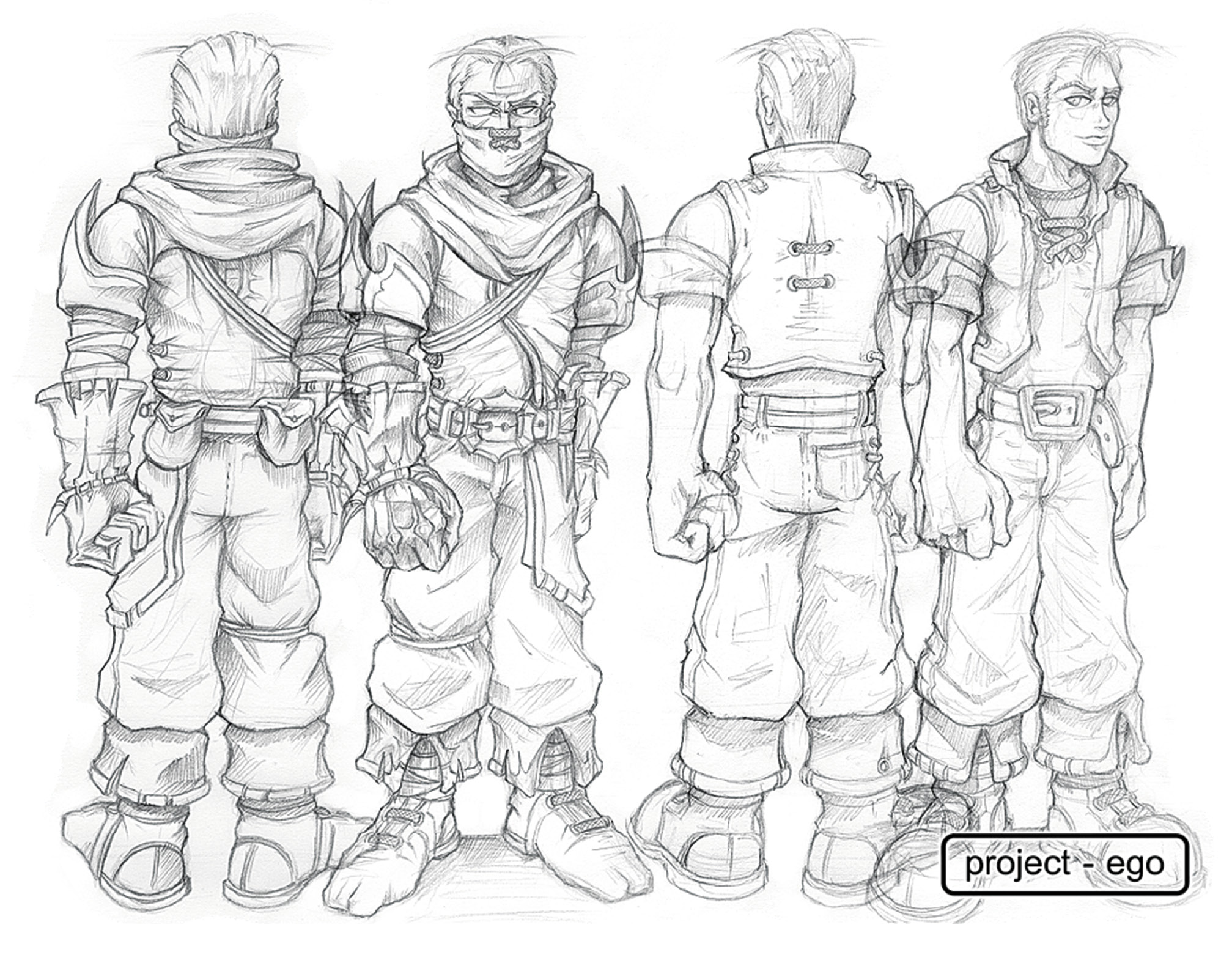
With its ambitious focus on player choice, Project Ego seemed like the perfect working title, and slowly, what was once Wishworld began to evolve into the Fable we know and love today. “When we started thinking about how to adapt The Game, we imagined it as a fairy-tale-based, life-role-playing game”, remembers Simon Carter.
“Crucially, we never, ever, wanted Fable to take itself too seriously. At the time, drama in most RPG’s boiled down to some chap with the head of a cat or lizard telling you, ‘I am C’tg’as’s’dddfrag. Follow me to the city of Ardflan’kenra’th where you will make battle with the Sham’graken.’ We wanted to make a world that everyone could relate to.”
As Dene Carter puts it, “We were all sick of RPGs being encyclopaedias with combat. In the real world, if some weird thing attacks you, you don’t know what it’s called, what its health is. People misinterpret, they lie, they boast – all these things make the world more mysterious and interesting. Everyone you talk to in traditional RPGs has a complete, perfect knowledge of the entire world, going back 10,000 years. It’s ridiculous! We wanted 50 percent of our population to have IQs lower than 50, thus making sense of this culture of Hero-celebrity.”
Did you know?
“At one point, Fable was going to feature giant lobsters. They were crazy creatures and it’s probably for the best that we didn’t include them in the end!”
~ Louise Murray
To that end, Big Blue Box abandoned traditional RPG tropes and turned to European folk-tales, Norse myths, even bits and pieces of Japanese folklore, for inspiration. “The basic philosophy behind Albion itself was that it was a slightly wry take on folktale fantasy Britain, as popularised by films like Jabberwocky and the Storytellerseries,” Dene Carter explains, “Nothing would be treated too seriously, unless it was really, really important. We’d been watching Buffy the Vampire Slayer and enjoyed Joss Whedon’s ability to marry comedy and tragedy in beautiful, seamless ways.”
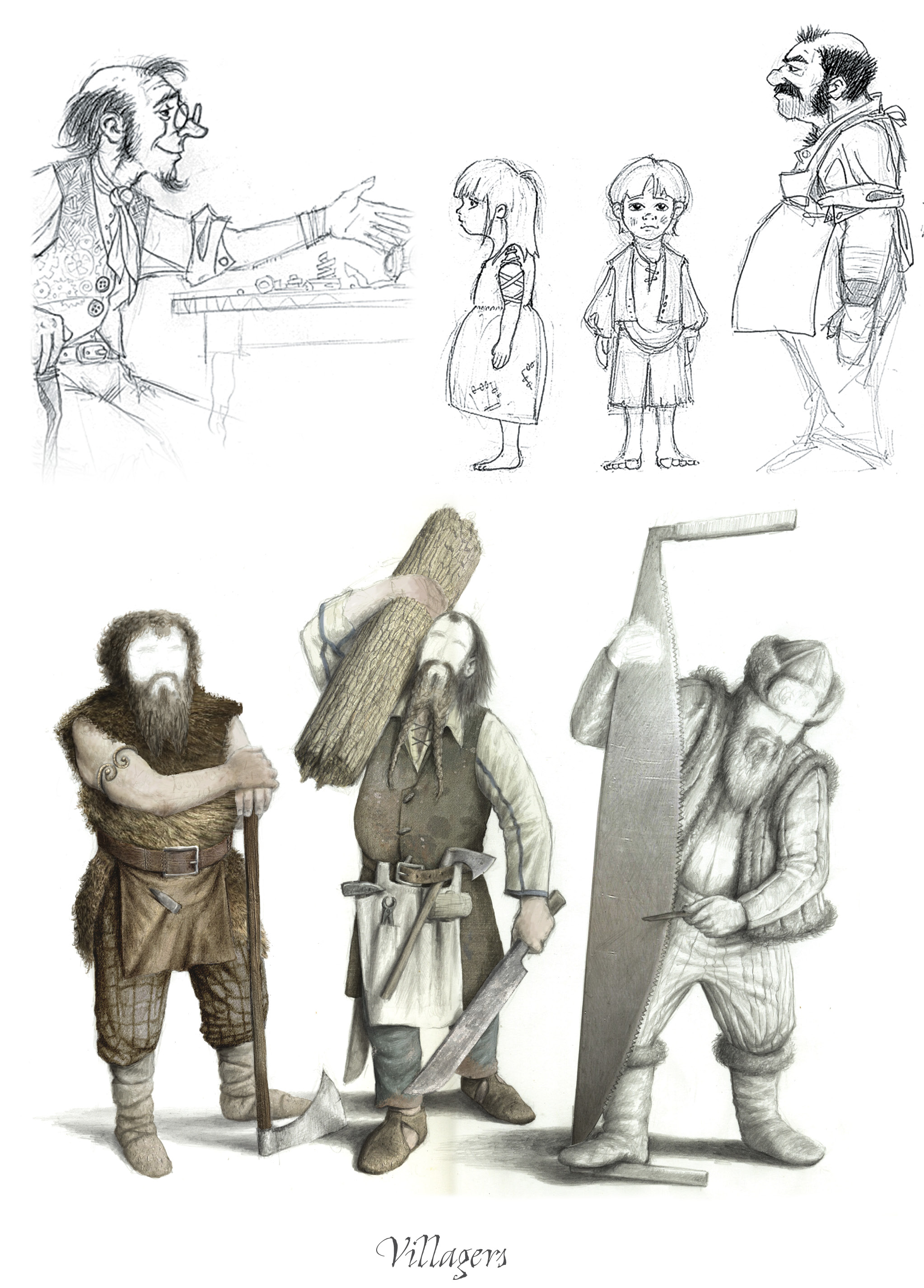
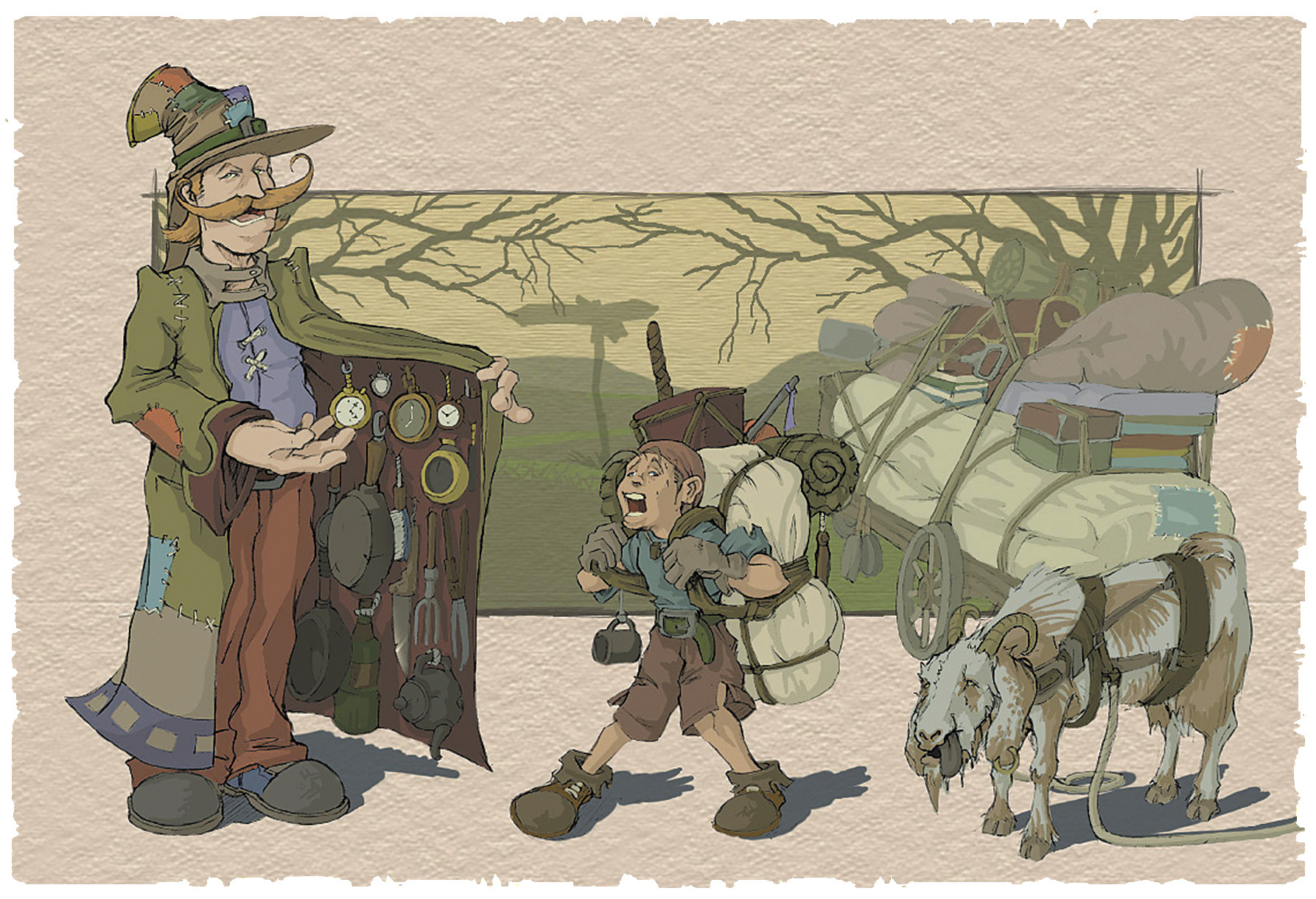
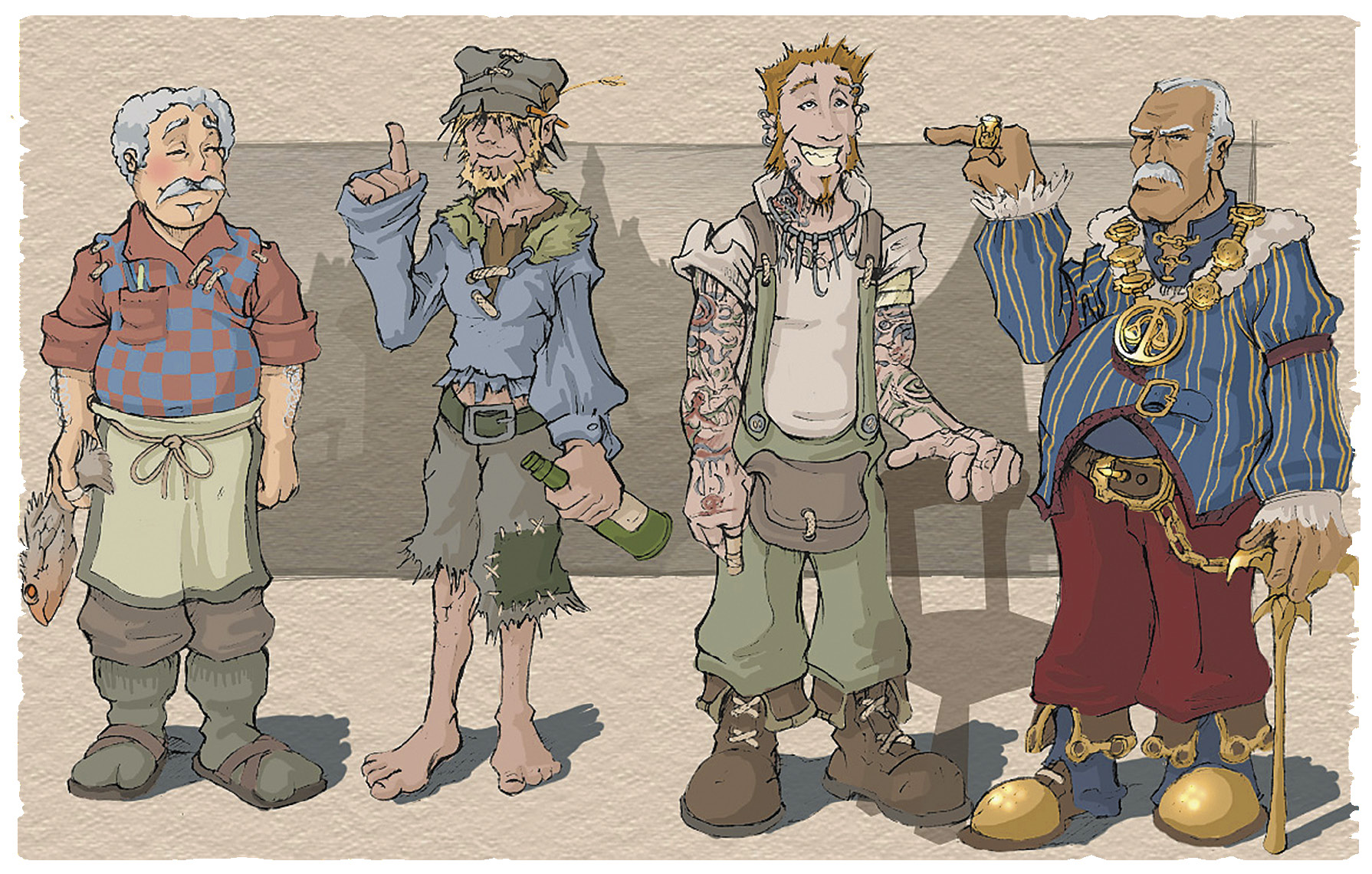
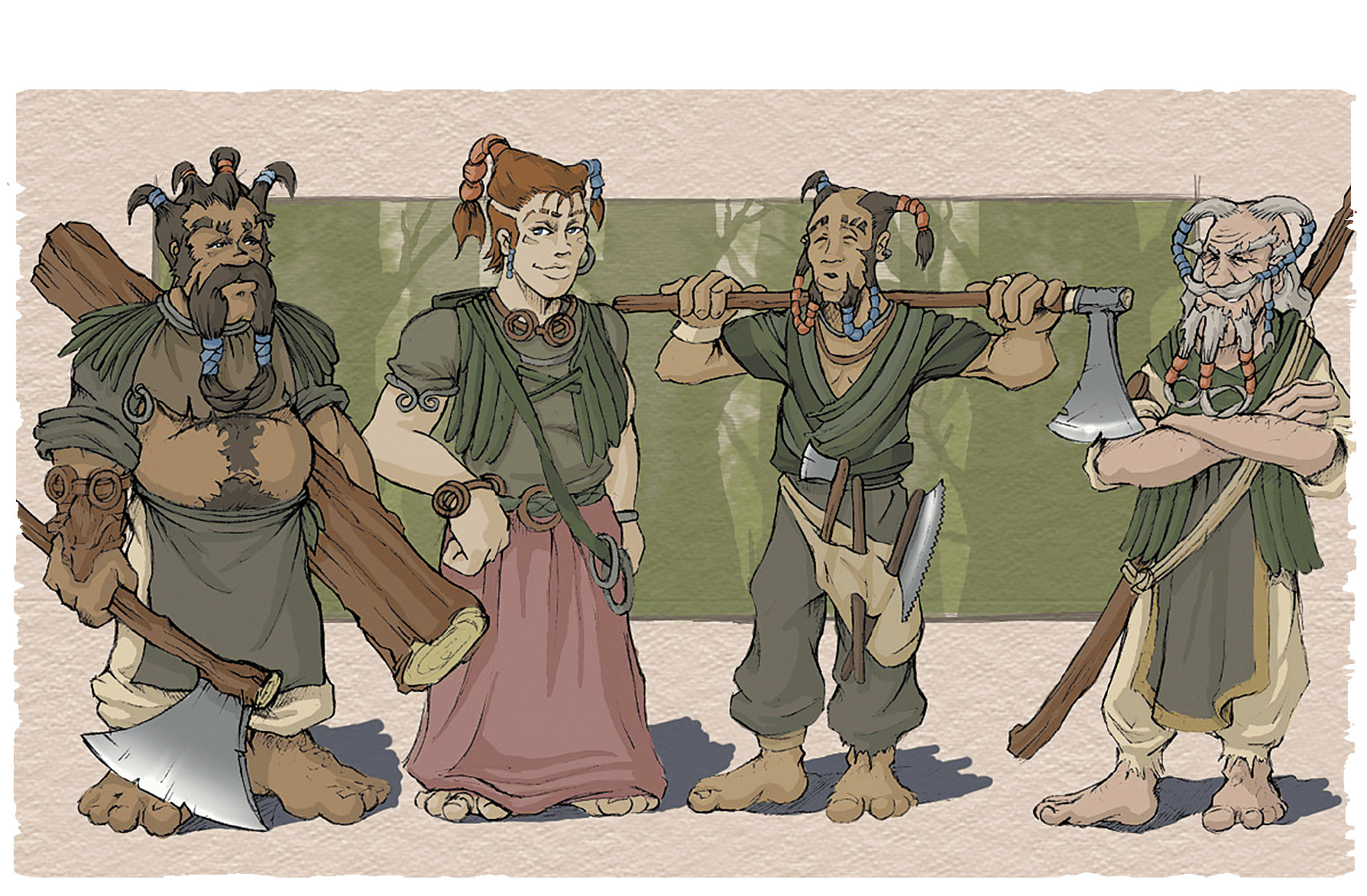
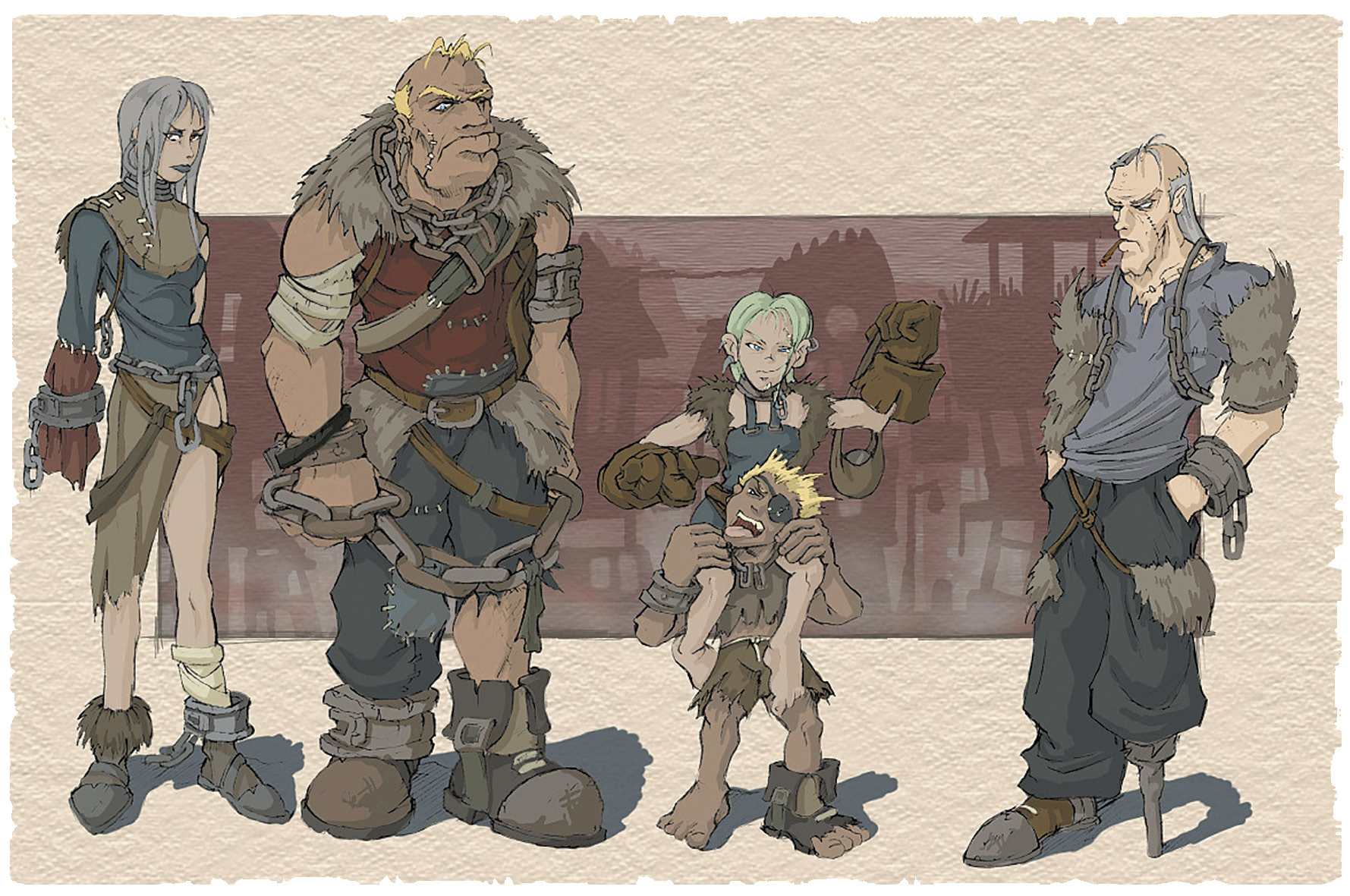
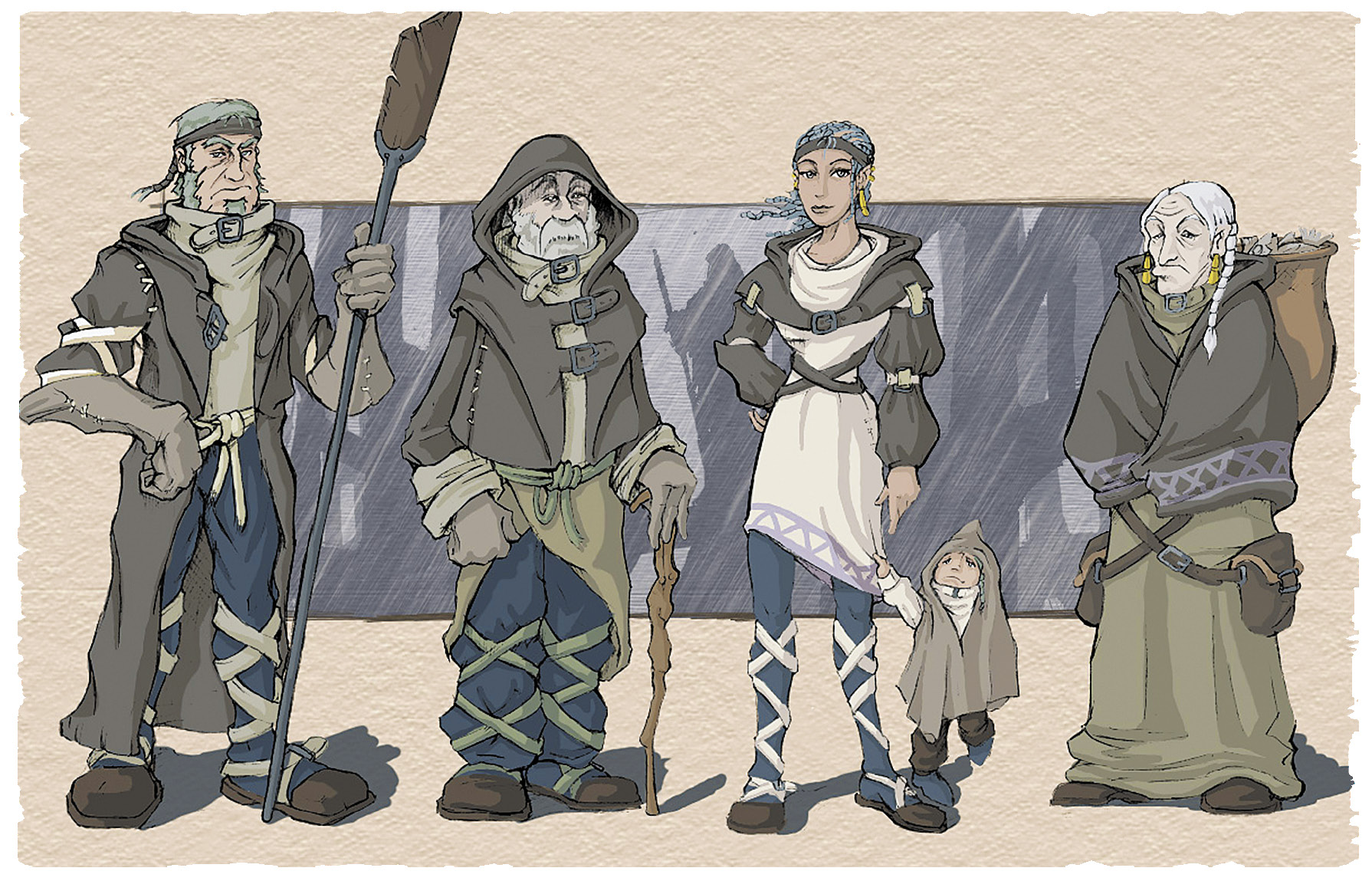
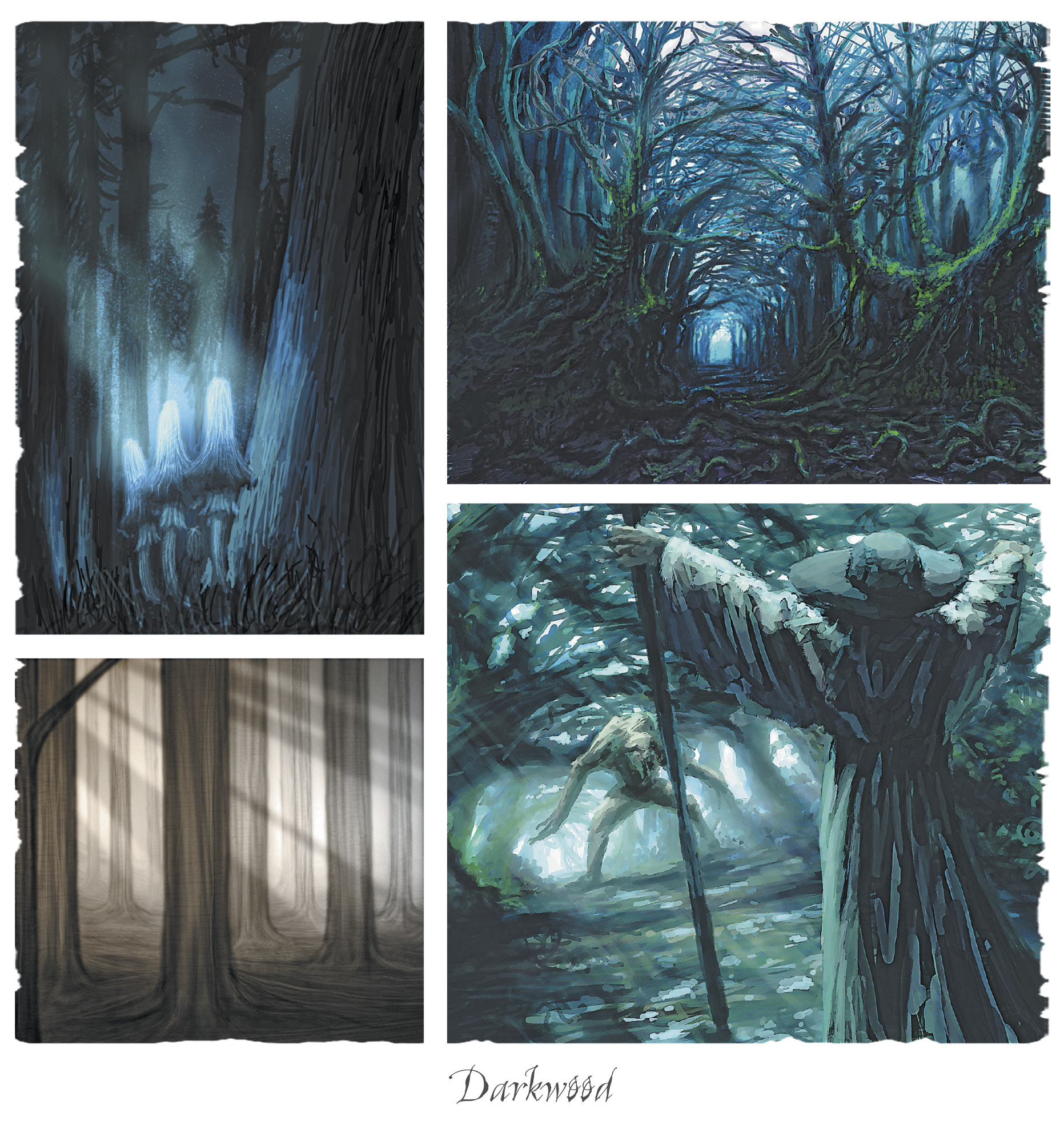
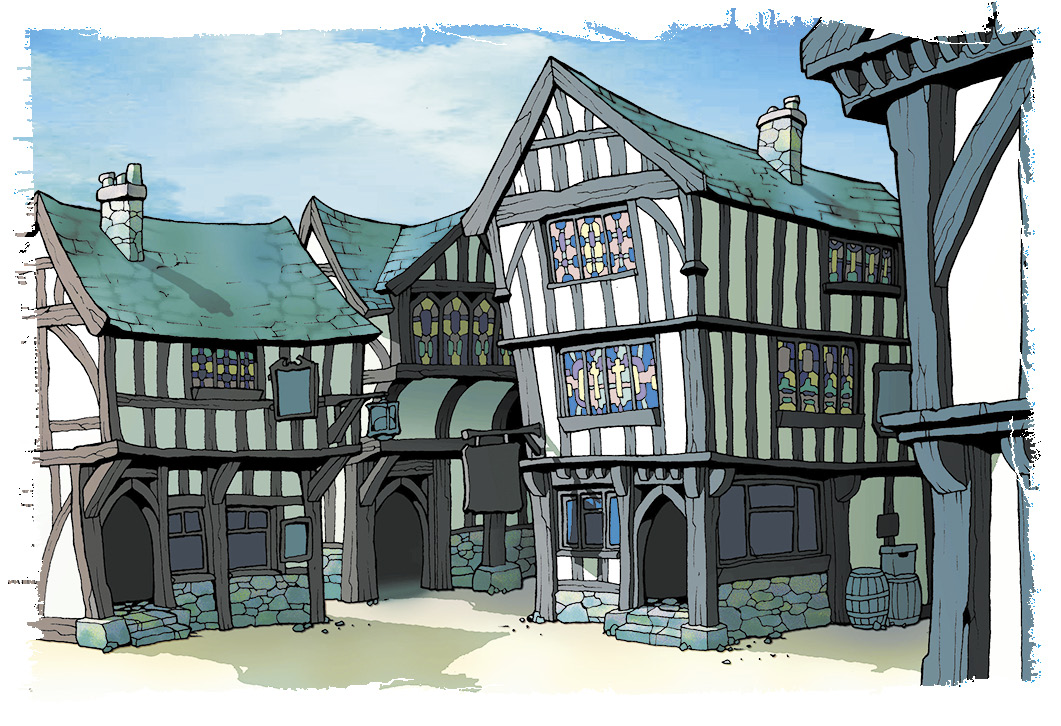
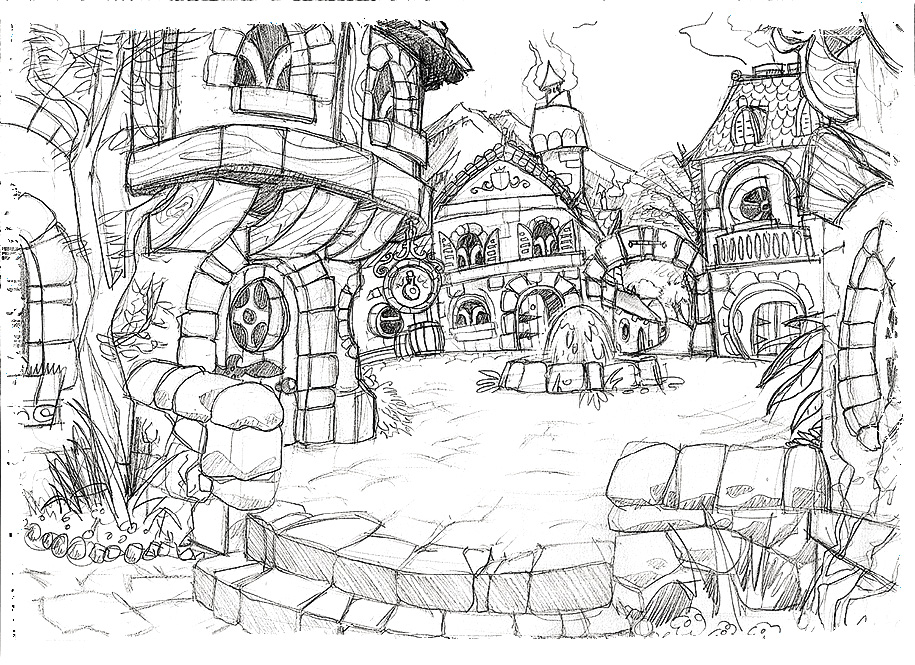
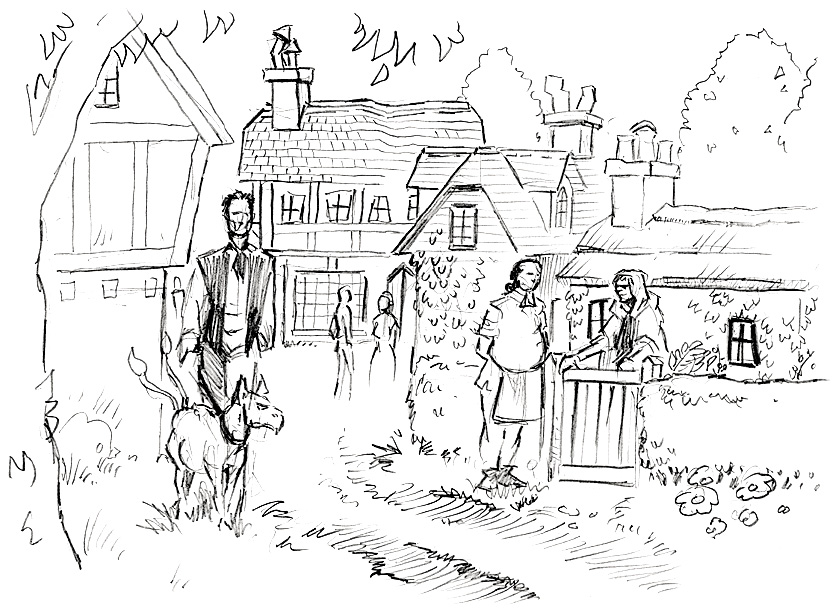
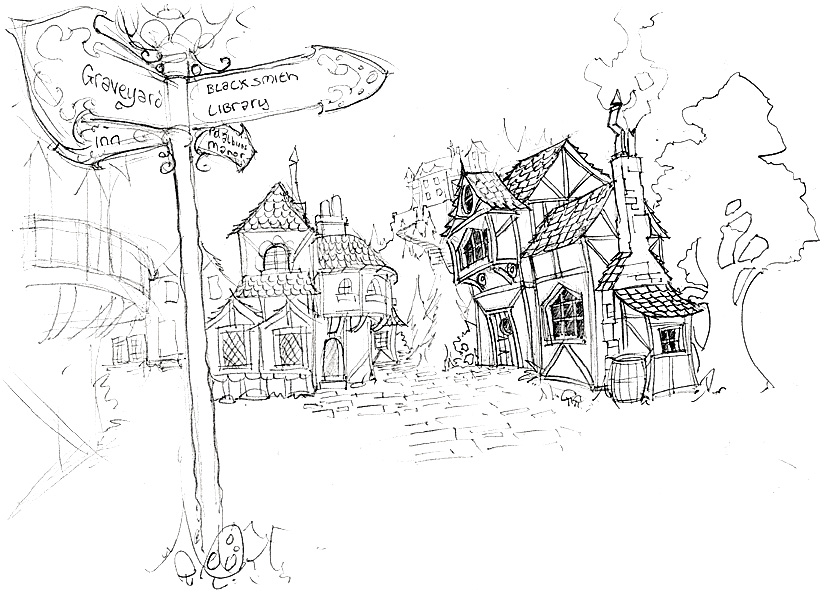
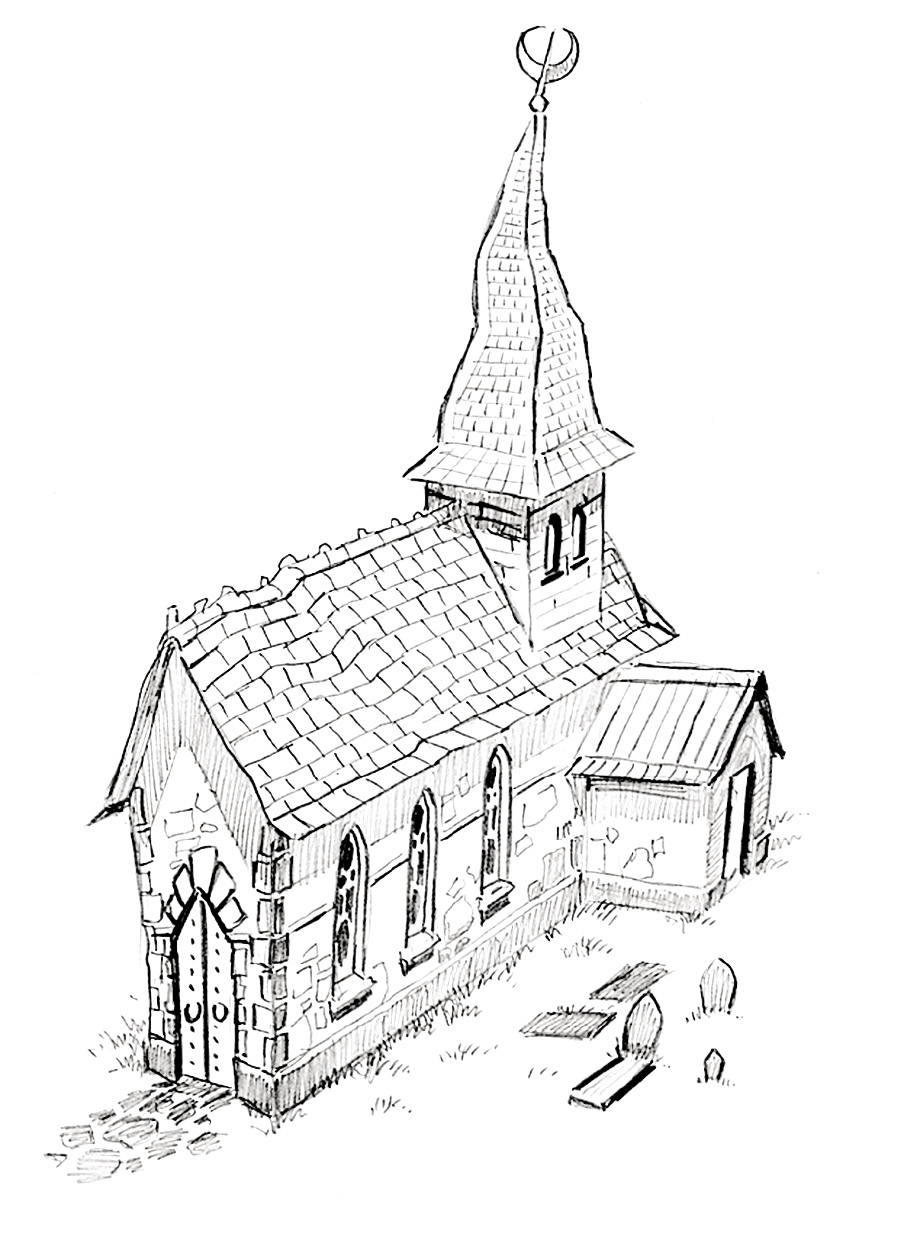
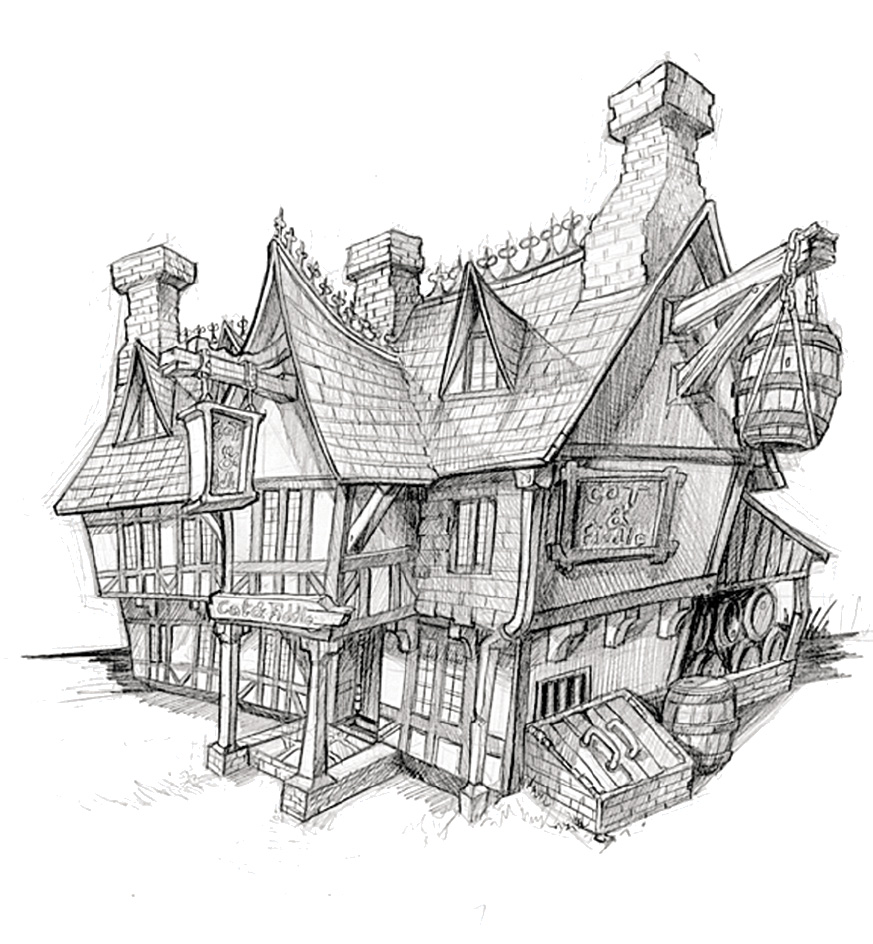
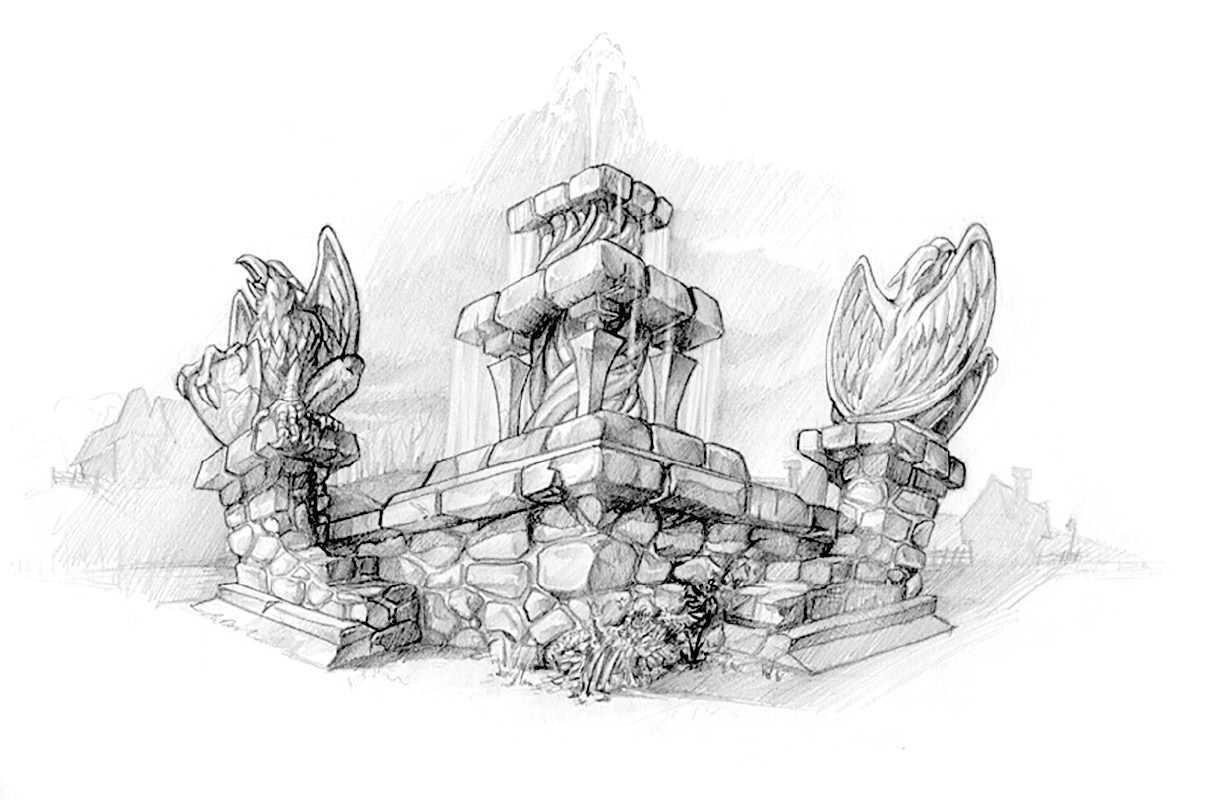
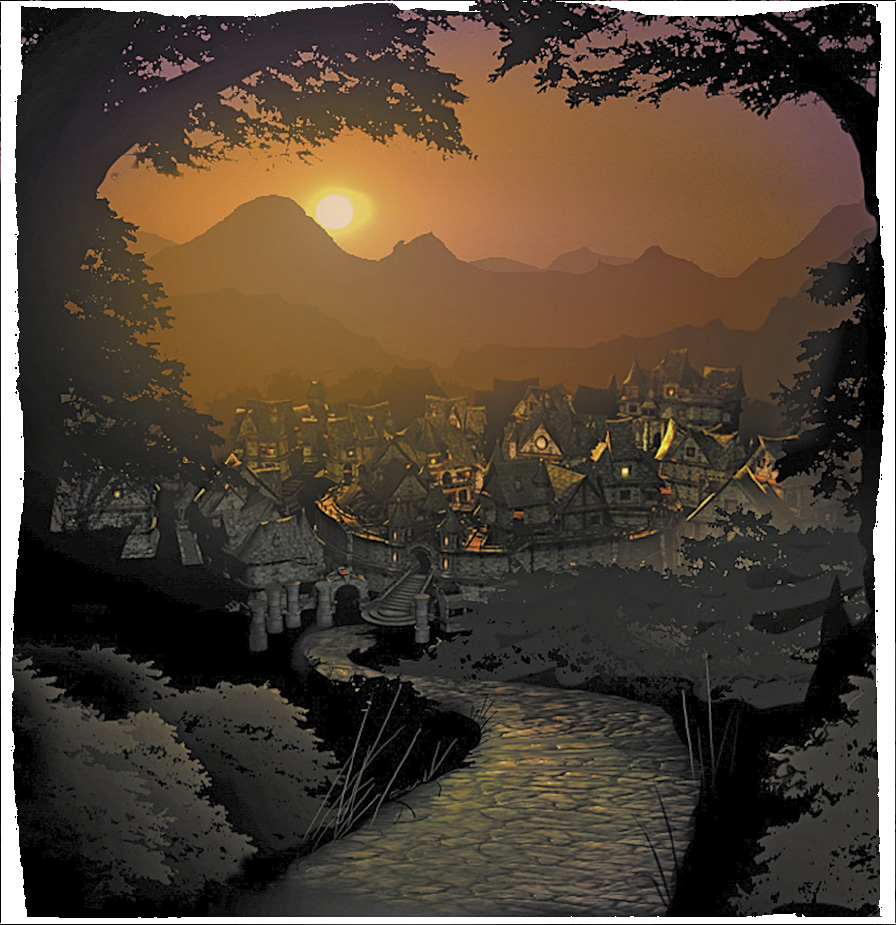
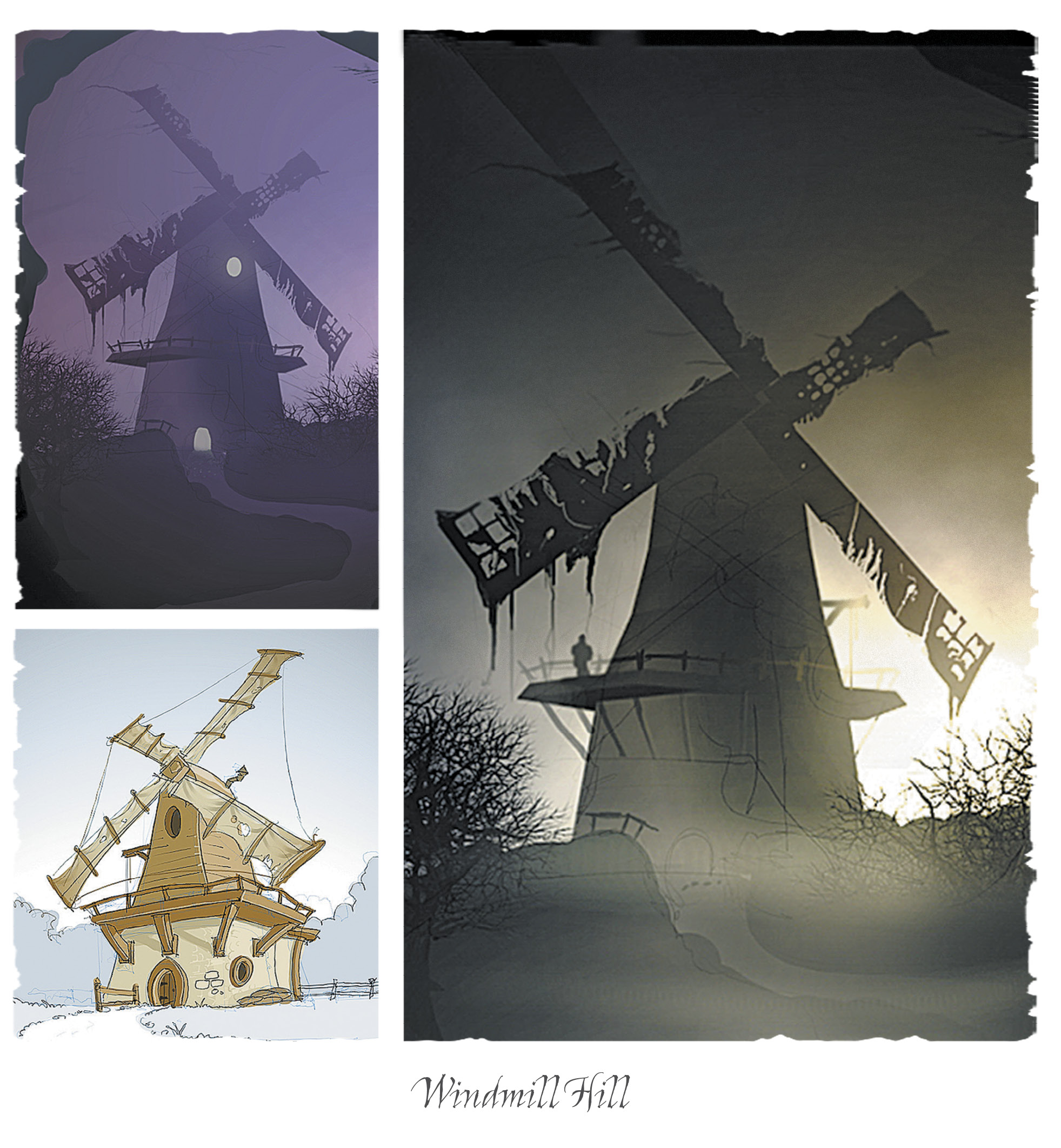
With that in mind, the team began experimenting to find an art style that best encapsulated Albion’s unique tone. “Visually, we decided that everything would be a slightly exaggerated stereotype,” recalls Ian Yarwood-Lovett, “Villages were bucolic, villagers alcoholic, and monsters really did try to steal your children.”
As senior level designer Julian Glover recollects, the team embarked on a huge amount of resource gathering at this early stage, “We collected books of scenery and architecture from around the world, did Internet searches, took photos, and uncovered old fairy tales and folk stories for the background.” Slowly, Albion and its dimwitted populace began to take shape.
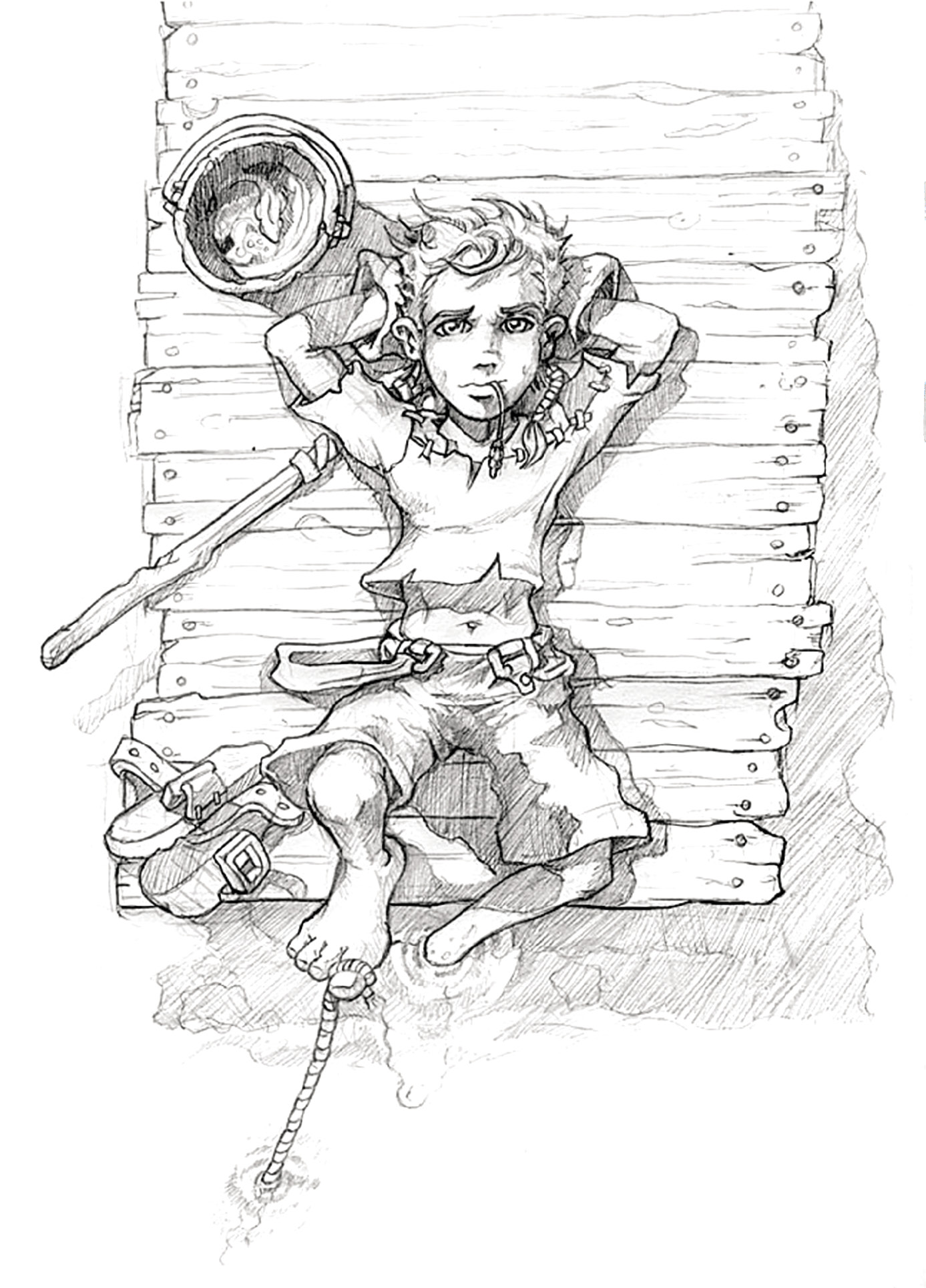
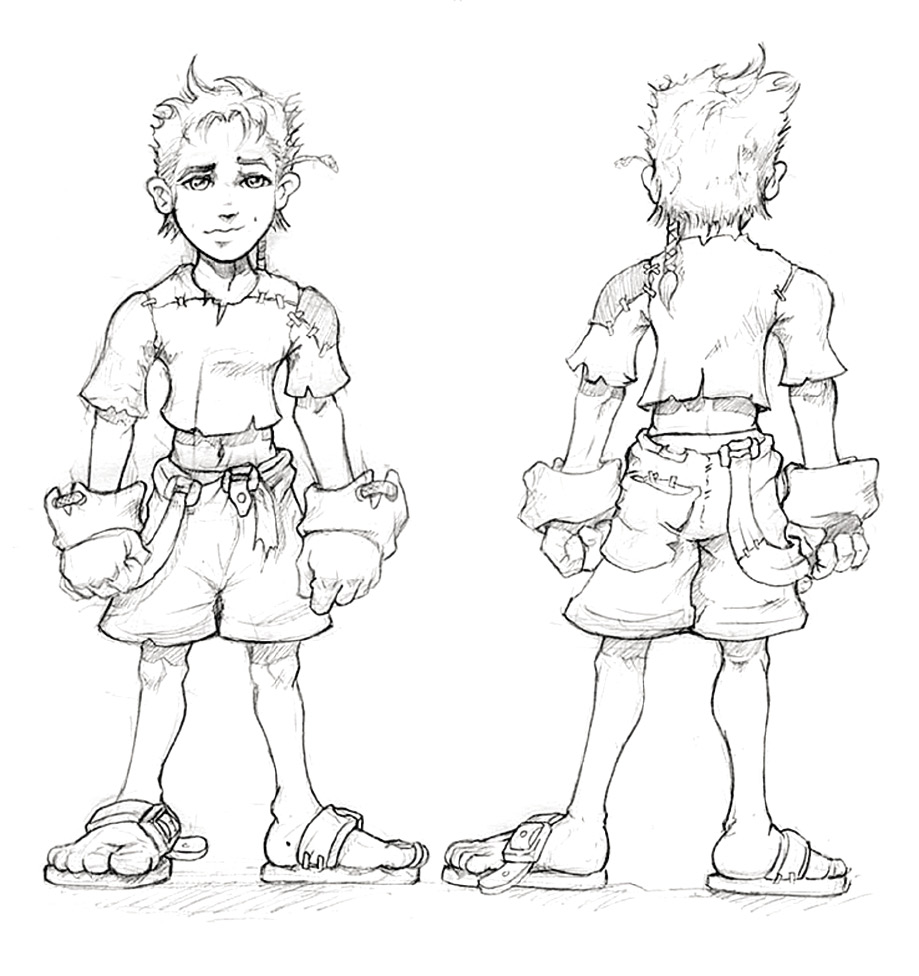
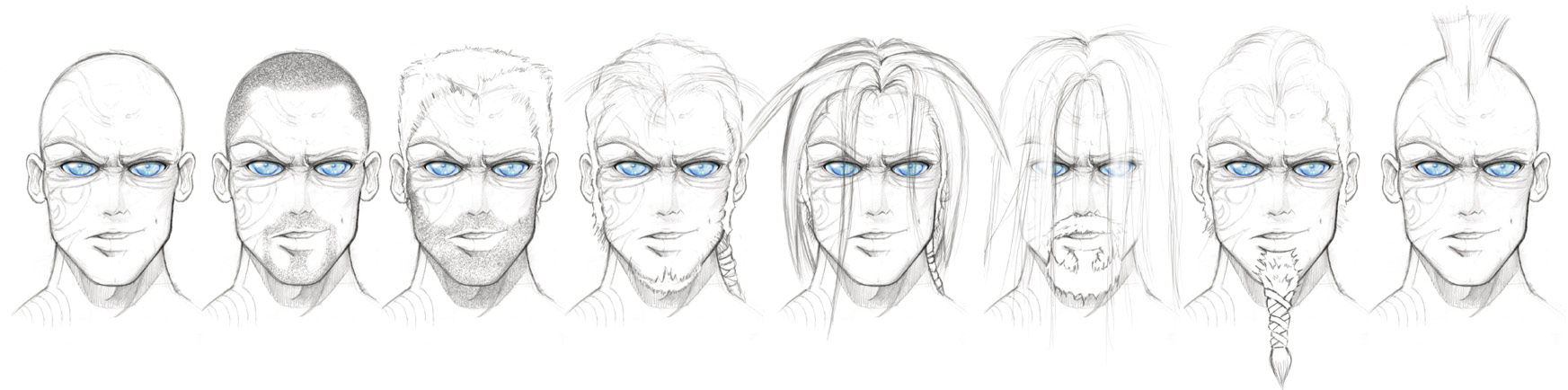
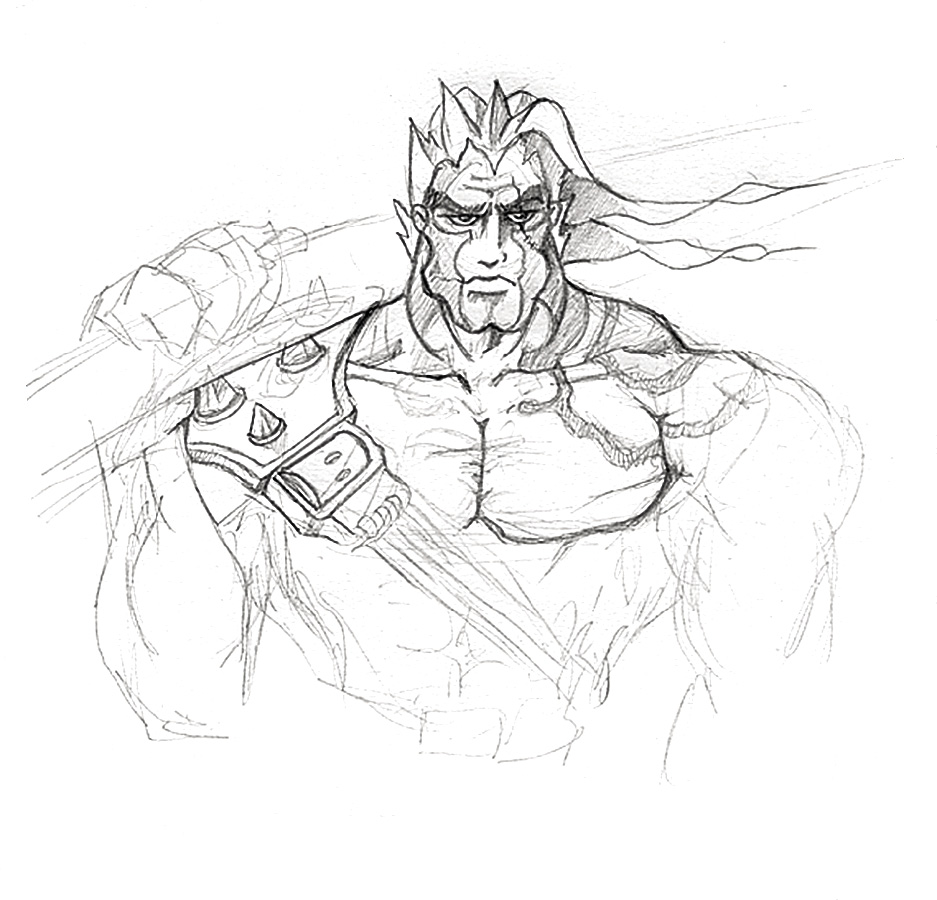
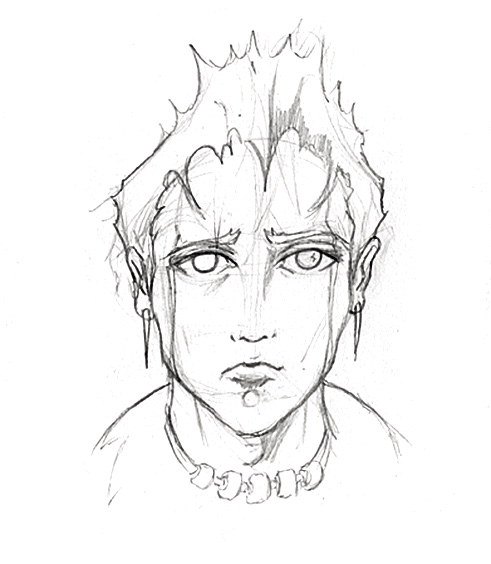
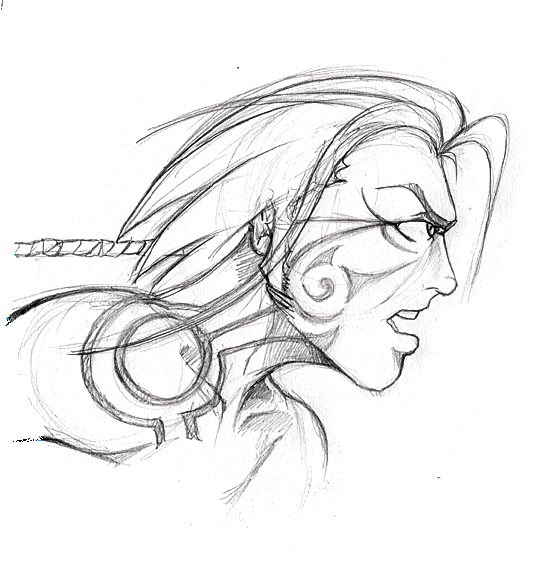
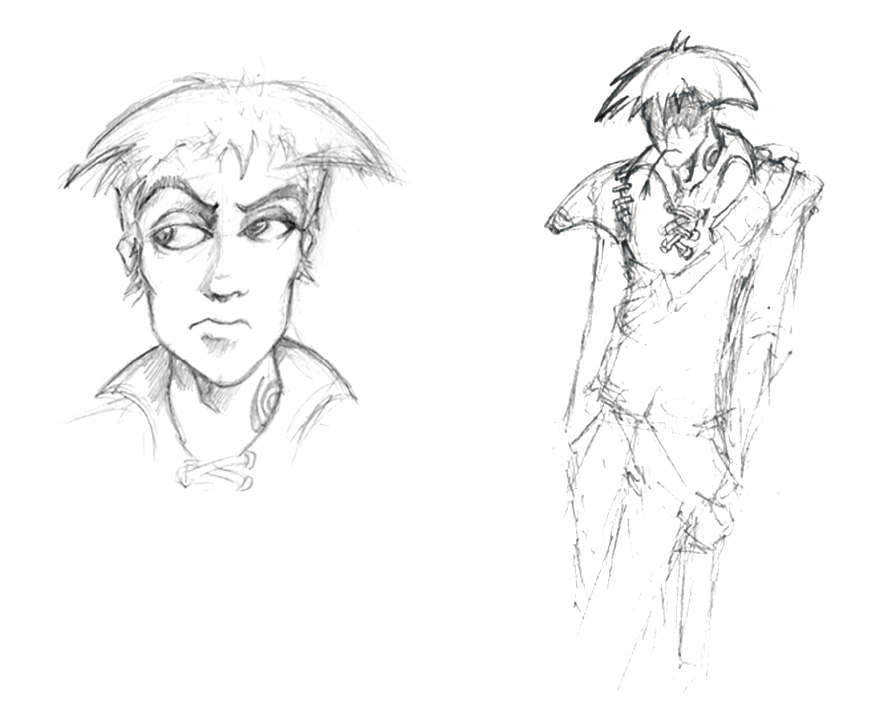
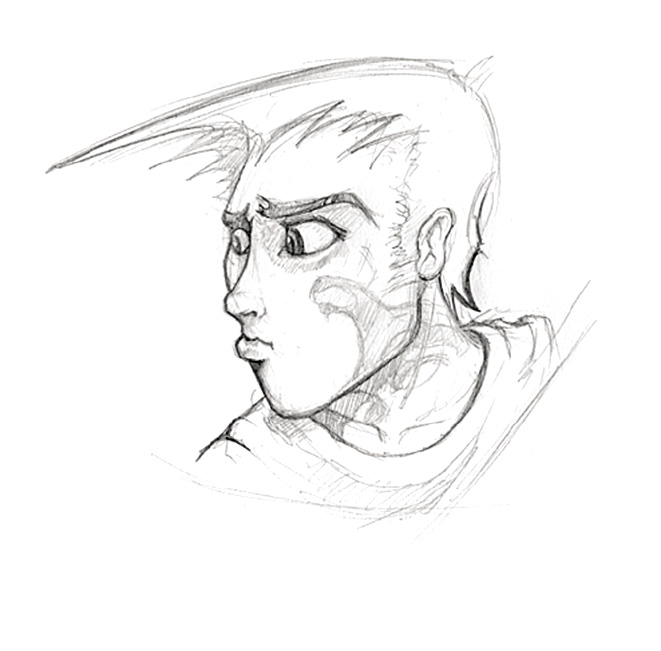
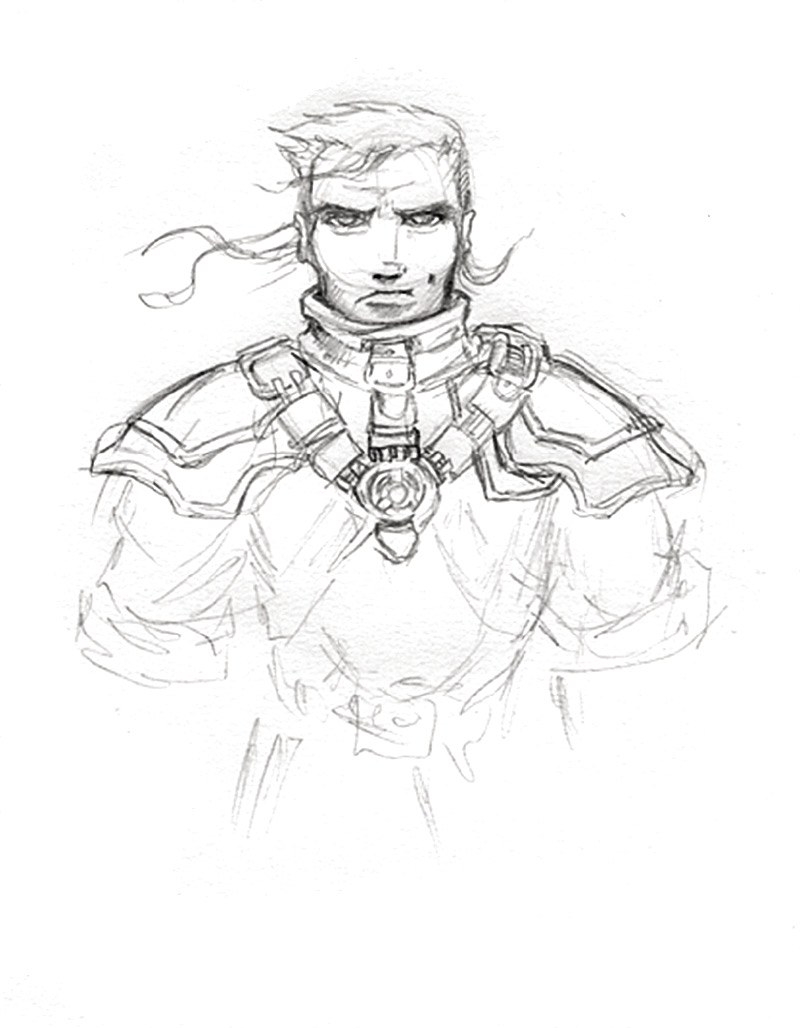
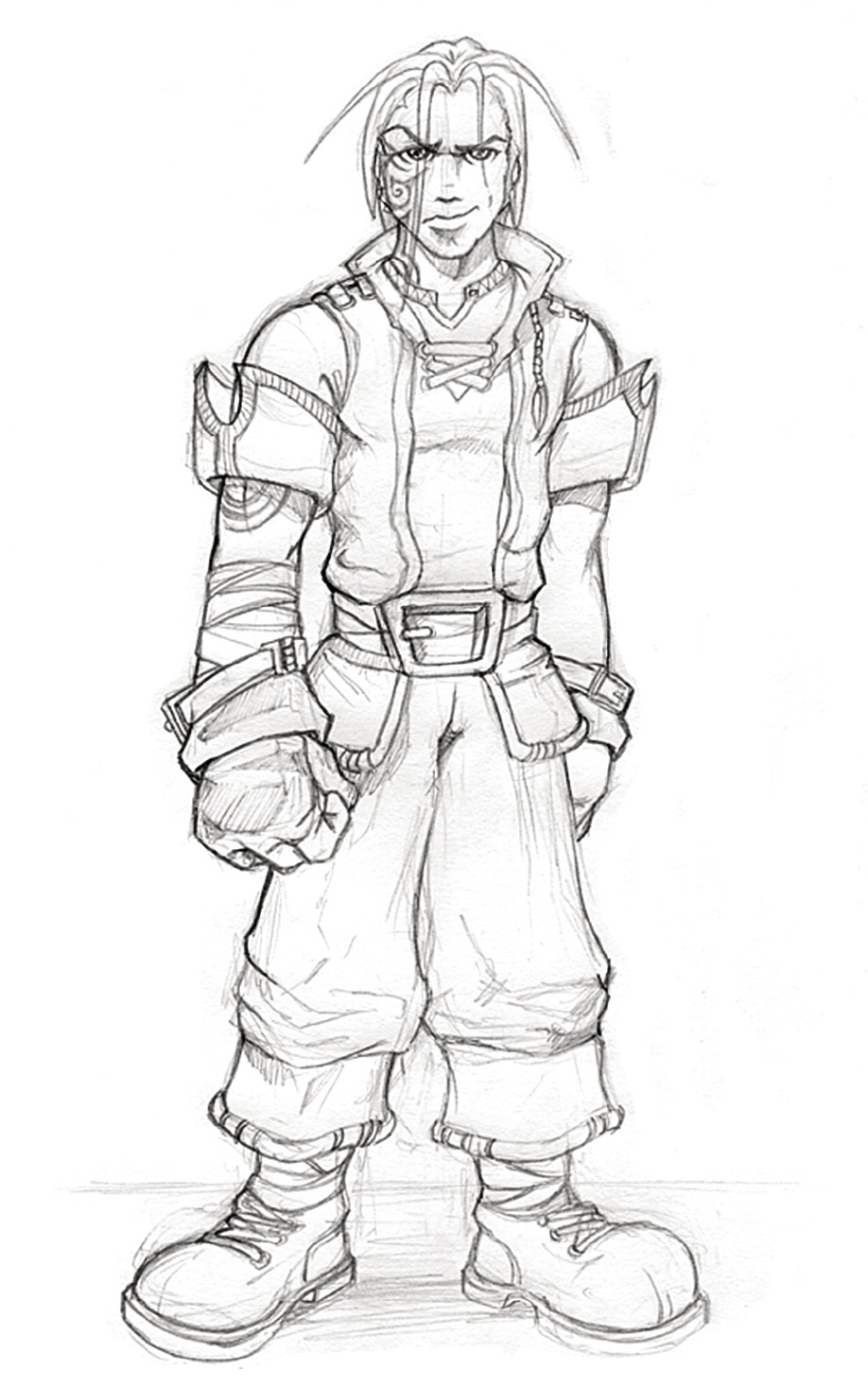
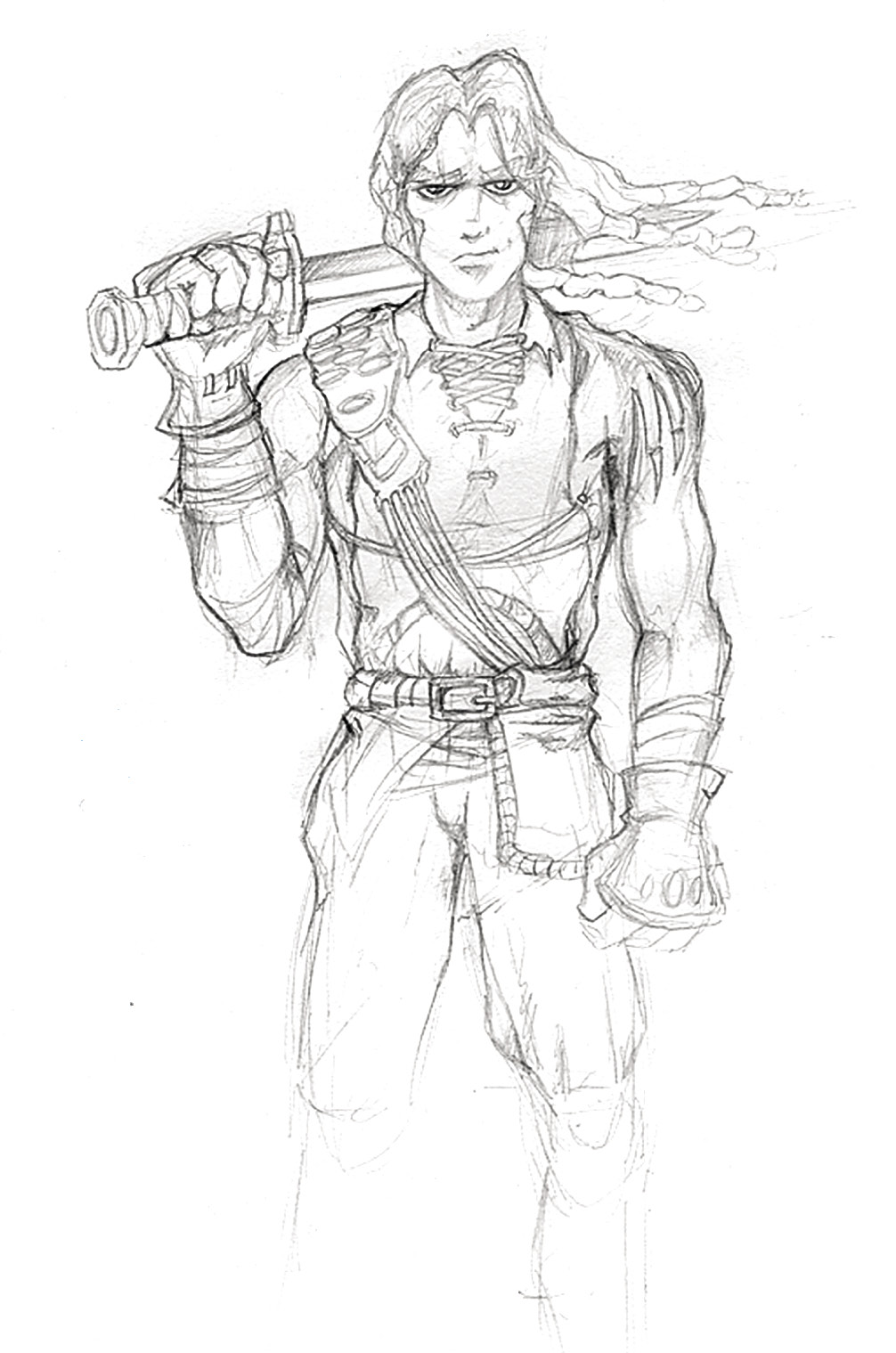
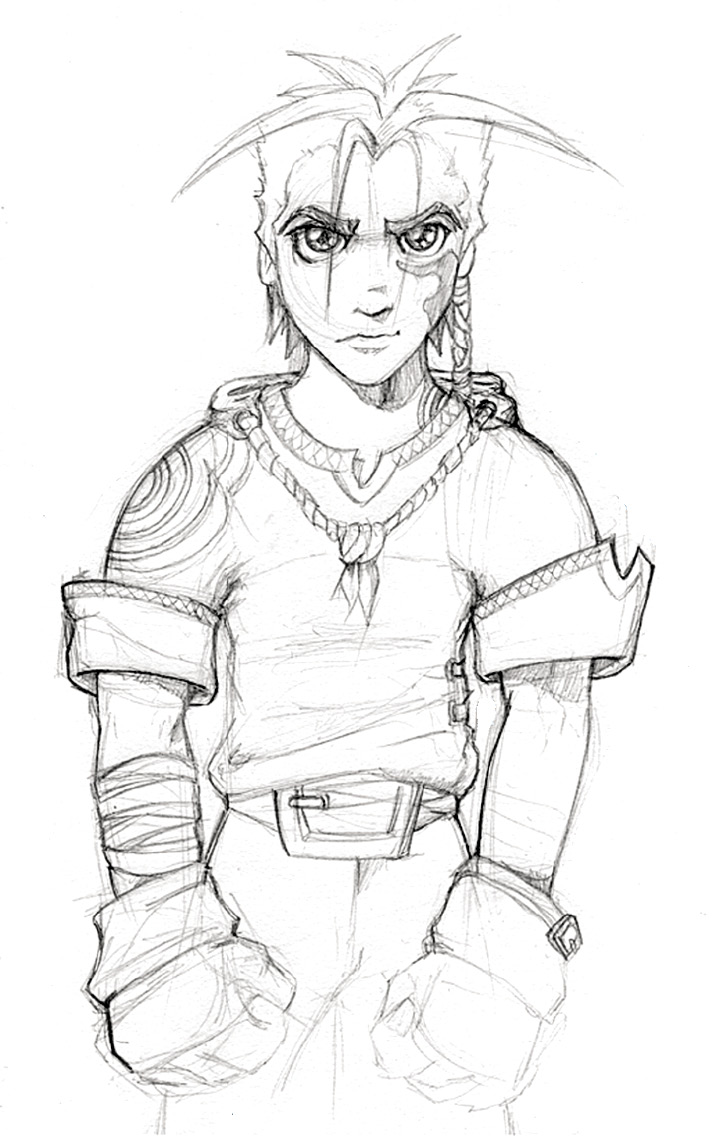
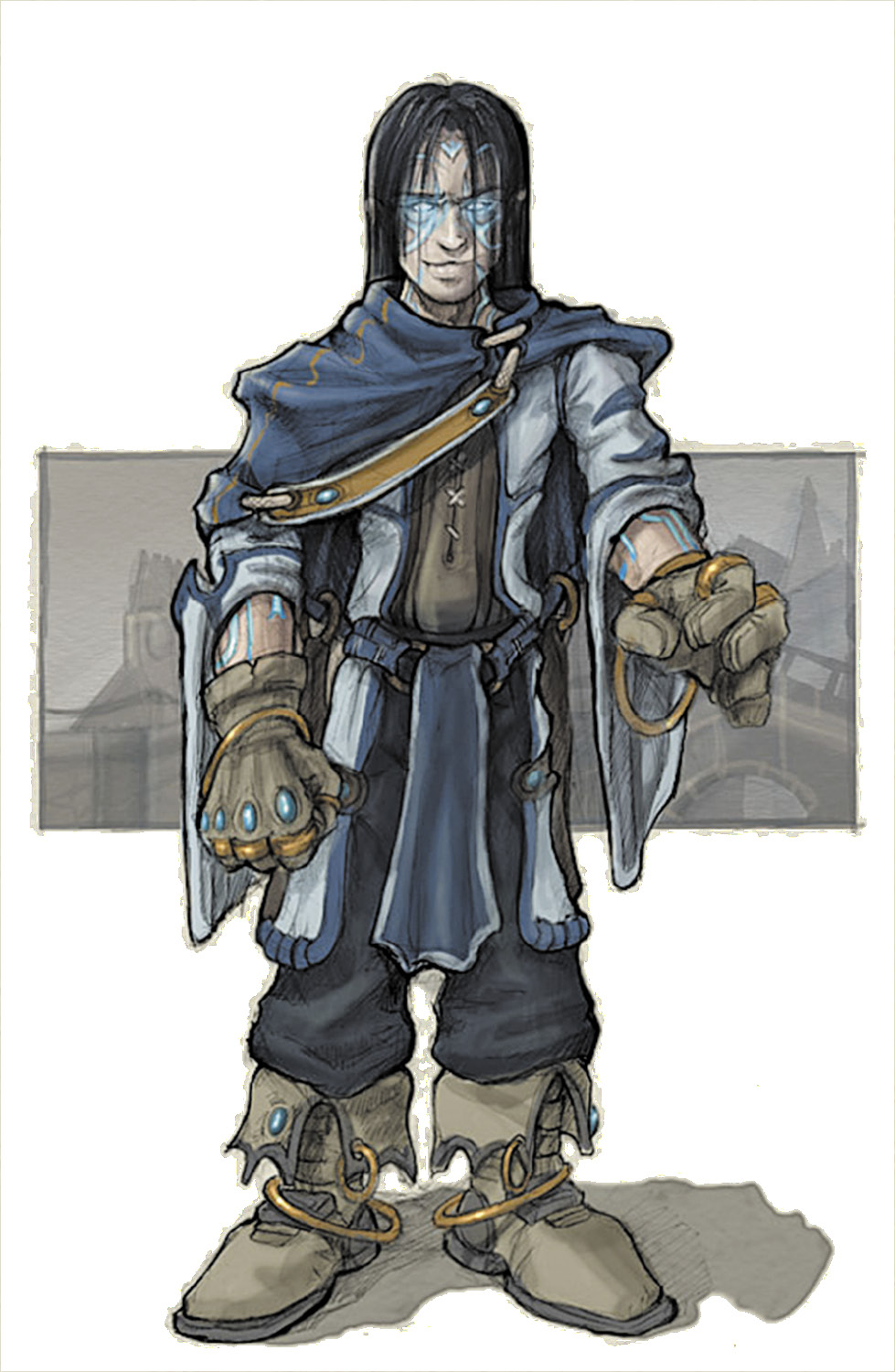
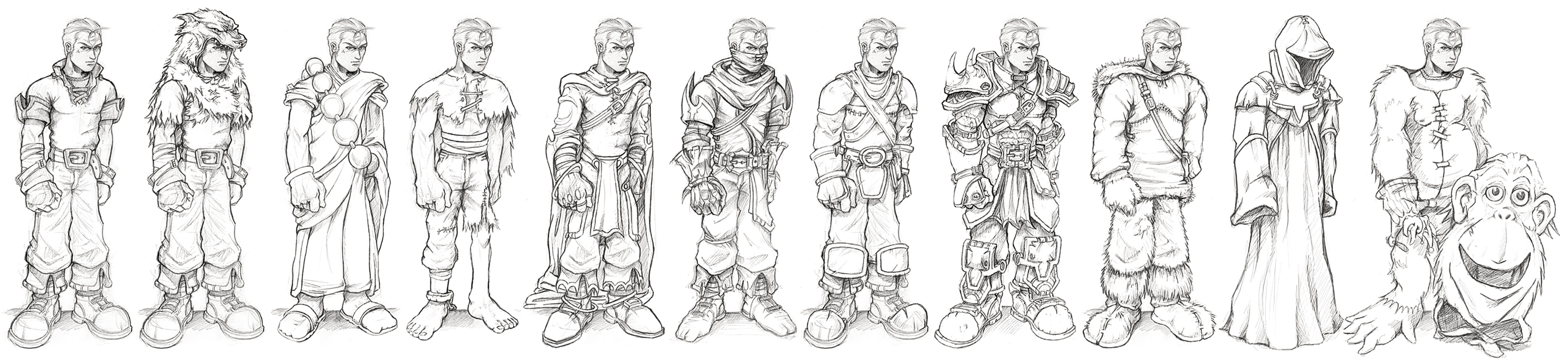
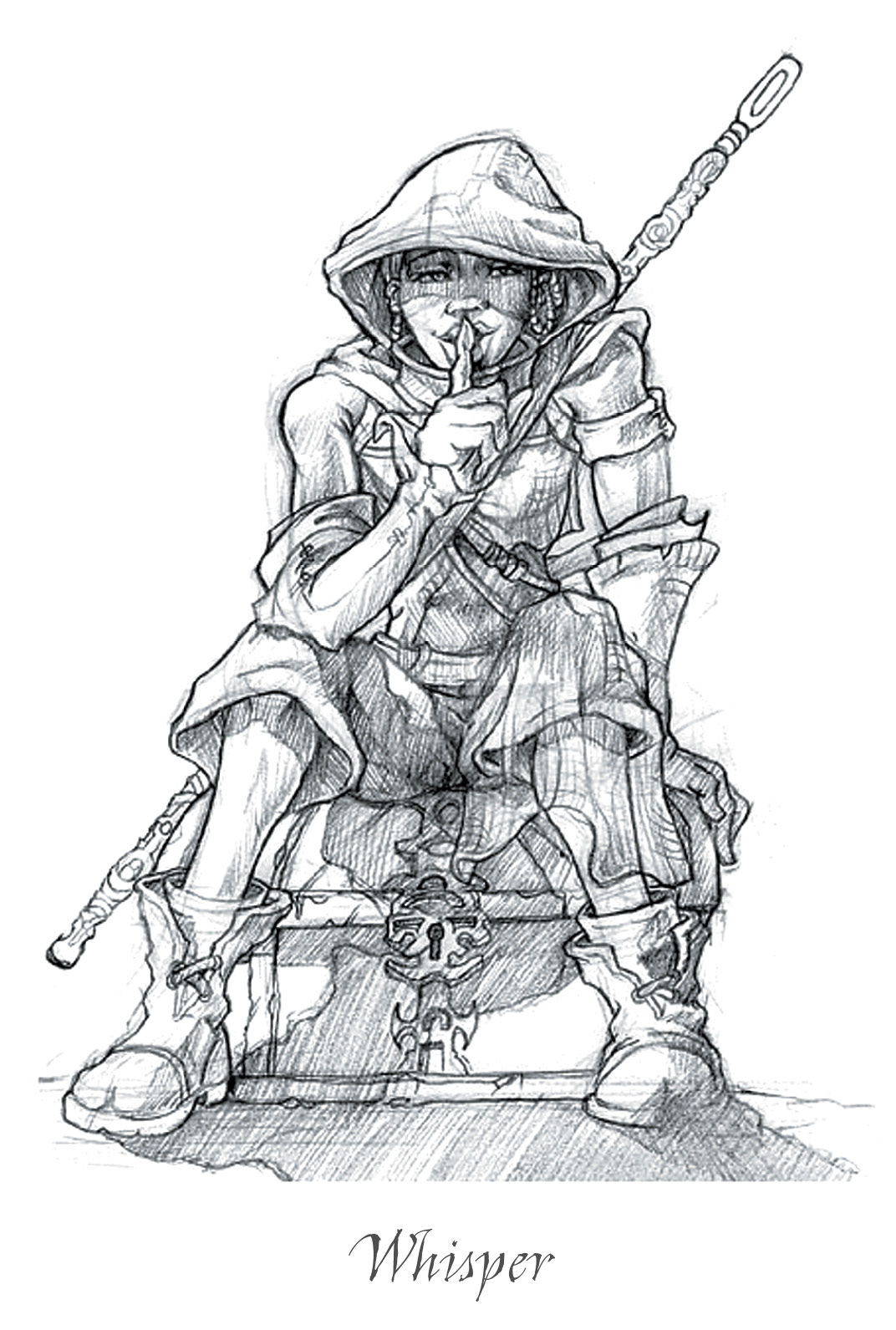
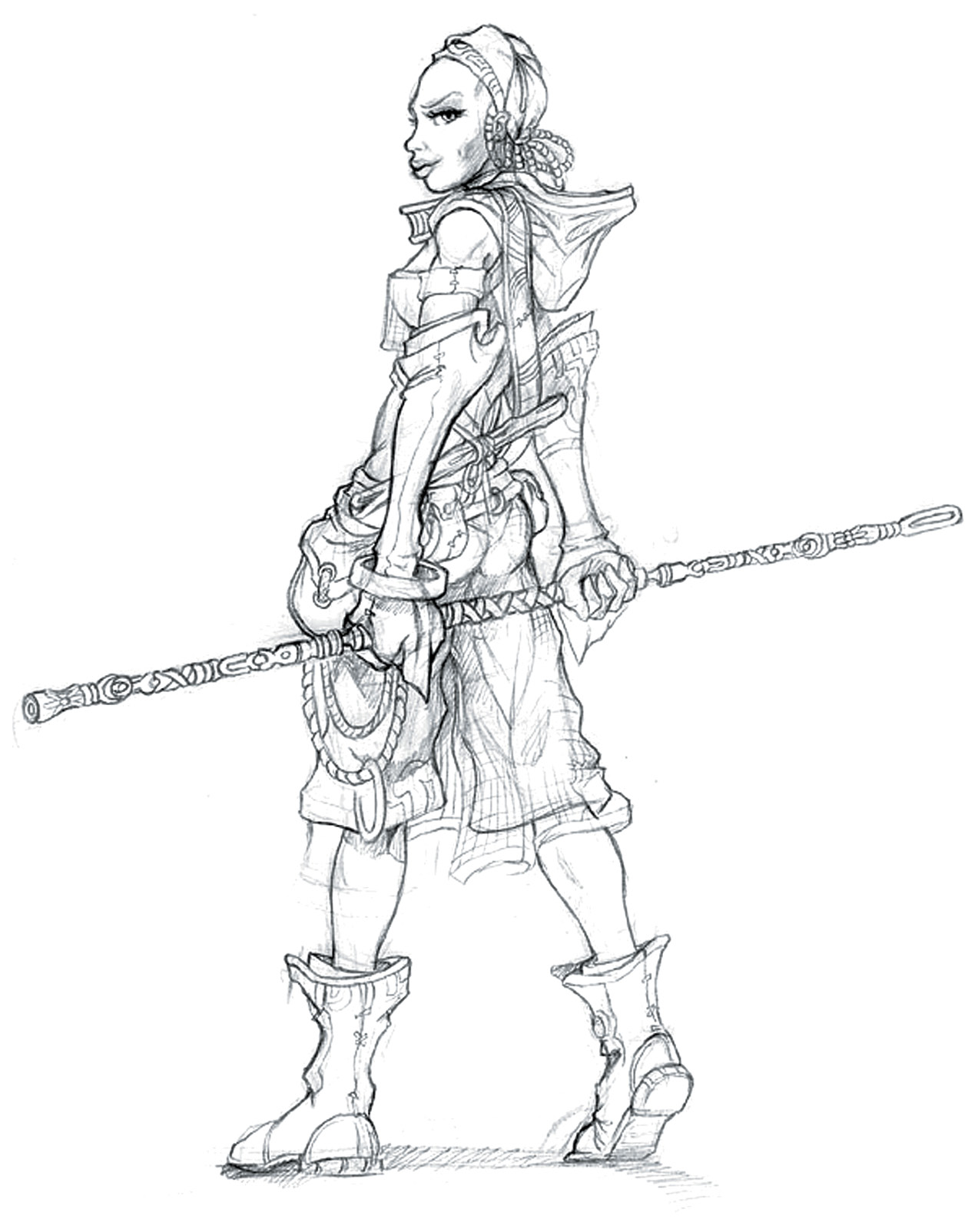
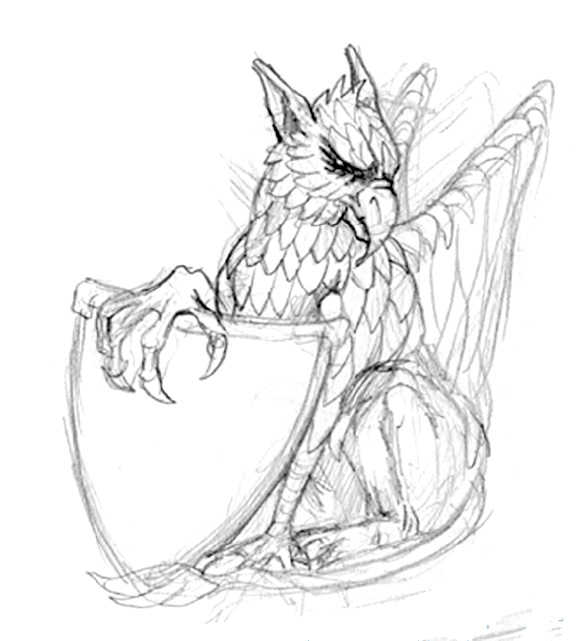
“After near-endless rounds of concept art,” notes Yarwood-Lovett, “one of our senior artists, Damian ‘Damo’ Buzugbe, finally found the style for our very distinctive Hero characters—big chunky boots, sizeable hands, and a unique fashion sense that heavily featured scarves, belts, and huge buckles.” According to Buzugbe, it was a style influenced by the likes of Joe Mad, Adam Warren, and many Japanese manga artists. “We’d had a lot of false starts,” remembers Glover, “and it was utterly crucial that the Hero was perfect. It was such a relief to see Damo’s concept and think ‘Yup, that’s him!’”
Did you know?
“There are tiny, bloody, child-like hand-prints on the walls of the Hobbe Caves, hinting at the horrible origins of the Hobbe creatures. Also, you can marry Granny in Rose Cottage once her missions are done. She reveals a super-sexy voice—it’s all quite worrying.”
~ Dene Carter
YOU ARE NOW ENTERING ALBION
As the pieces began falling into place, the team’s ambitious work attracted the attention of another publisher, Microsoft—and a deal was made to bring Project Ego to the company’s upcoming Xbox console. With the game’s future secured, things progressed ever more rapidly. Molyneux’s back room was straining to accommodate the studio’s burgeoning crew and so the decision was made to move to new offices, deep in the heart of the Surrey countryside.
Did you know?
“Fable was originally going to be on the Dreamcast.”
~ Julian Glover
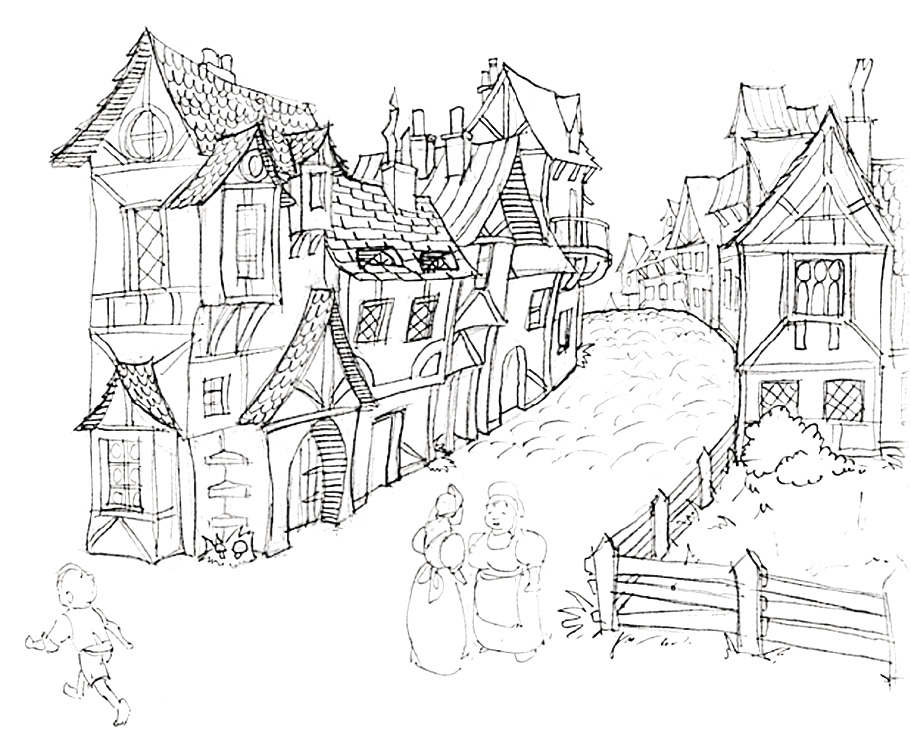
As Adam Sibbick, one of the game’s artists, recollects, the move had a surprising impact on the development of Albion. “We were lucky enough to be based in Godalming at the time, an old English market town in Surrey, surrounded by twisted, old buildings and all types of woodland. It was a very inspiring area to develop a Fable game in. Plus there were a lot of big- eared boys.”
Indeed, it didn’t take long before those wobbly lines of Godalming were heavily ingrained in Project Ego’s aesthetic. “Straight lines were a no-no, everything had to be at a jaunty angle or be slightly twisted,” remembers Sibbick, “Which was no mean feat, given the polygon limits of the original Xbox console.”
Luckily, Big Blue Box’s game engine was more than up to the task, with each new iteration enabling the team to craft a richer, more organic world. As Julian Glover puts it, “The grass swished, the leaves in the trees trembled, and the towns and cities had houses that were bedded into the ground, rather than just sitting on top of it.” Damian Buzugbe even recalls being dazzled enough by the engine to inquire how it was possible to render so many individual poppies at once. “Turns out,” he laughs, “it isn’t, if you want villagers, too.”
Did you know?
“Many of the character and creature names inFable were subliminally based on street names that Dene saw on his daily commute from London to Guildford. We didn’t notice it at the time, but one day I drove up to see him and found myself driving up Balvernie Grove and Lucien Road.”
~ Simon Carter
As Albion grew, Big Blue Box turned its attention to the intricate systems governing player choice and consequence. Two core ideas lay at the heart of the game: firstly, that the Hero would visually reflect his experiences and, secondly, that the world and its residents would react appropriately to the player’s actions.
“We struggled for months on how to represent the Hero’s skills visually,” remembers Dene Carter, “Should we have three character classes? Should we limit the clothing you could wear? Everything felt too restrictive for the broad vision of the game. Then Peter showed us Lionhead’s Black and White and the answer became obvious.”
Adam Sibbick vividly recalls his first encounter with Project Ego’s revolutionary morphing system, “Dene and Ian showed me some early concepts in my initial job interview. They explained how you’d look like a vampire if you played in the dark or tanned if you played in the day; how you’d be muscly if you used a heavy sword and skinny if you preferred magic. I’d never heard anything like it before, and I left the interview desperate to play the game—and desperate to work on it!”
Elsewhere, Fable’s quest system—the meat of any good role-playing game—was blossoming, too, although not without incident. Mike West, then senior scripter, remembers one early quest in particular. At the time, an American employee of Microsoft was lending the team a hand and had eagerly set about implementing a mission featuring a tramp. By the time West returned, the “tramp” had, in American parlance, become a “bum.” inadvertently birthing an object called the “Bum Pie.” More unfortunate, however, was a quest involving a giant chicken, delightfully Americanised into “massive cock.” As West points out, “Technically, it was an accurate description and not rude at all.”
Did you know?
“For a long time, the flies that buzz around the Hero’s head when he’s Evil were twice as big as any other texture in the game. I’d forgotten to scale them down after painting their tiny eyes and hairy little legs, bless. Fortunately, it was noticed before release.”
~ Adam Sibbick
As 2001 rolled around, Microsoft was finally ready to unveil its debut entry in the home-console market—Xbox. The system received its first big reveal at the year’s Electronic Entertainment Expo (E3) and, alongside the likes of Project Gotham Racing, Jet Set Radio Future, and Halo: Combat Evolved, the general public had its very first glimpse of at Big Blue Box’s mysterious Project Ego.
Preparing the game for its E3 unveiling was no mean feat, however. Ian Faichnie, senior character artist on the project, remembers the occasion vividly, “Most of us had been working flat-out for two days, 48 hours, to ready the demo. By then, people were literally asleep at their desks and in the kitchen on the floor. I got into my car to drive home but realised I was so tired I was hallucinating Albion around me. I went back in and crawled under my desk for a few hours’ sleep before getting behind the wheel again.”
It didn’t help, either, that one unfortunate, accident-prone team member was unable to work at all, having somehow managed to break both wrists and a couple of ribs following a surprise encounter with a runaway washing machine. Despite the mishaps, however, Big Blue Box’s passion and dedication ensured that the E3 demo was completed just in the nick of time.
It was a key moment for the team in many ways. As Ian Yarwood-Lovett relates it, “The first showing of Fable at E3 was magical. It’s that amazing time in development when you put your heart on your sleeve and let other people see what you’ve been pouring your life into. It’s a deeply personal moment and, for us, we were showing something that wasn’t even ‘nearly’ finished. Fortunately, the press were kind and, on the back of that positive reaction, we started gaining fans and the attention of the media. Of course, then we had to finish the actual game with a huge weight of expectation on our shoulders—and no idea how to deliver on growing oak trees.”
Combat, Evolved
Project Ego was out in the wild and gathering an enthusiastic following by the day. Big Blue Box was humbled by the positive public response, but, as Simon Carter notes, the game’s core conceit might have captured some imaginations a little too readily. “I remember being sent a fan letter along the lines of ‘It’s great that you’re making a game where you can do anything you like! I want to stick the heads of my defeated enemies on spears, wear a cloak made from their flayed skin, and my moat will run red with their blood.’ We decided to tone down the violence at that point.”
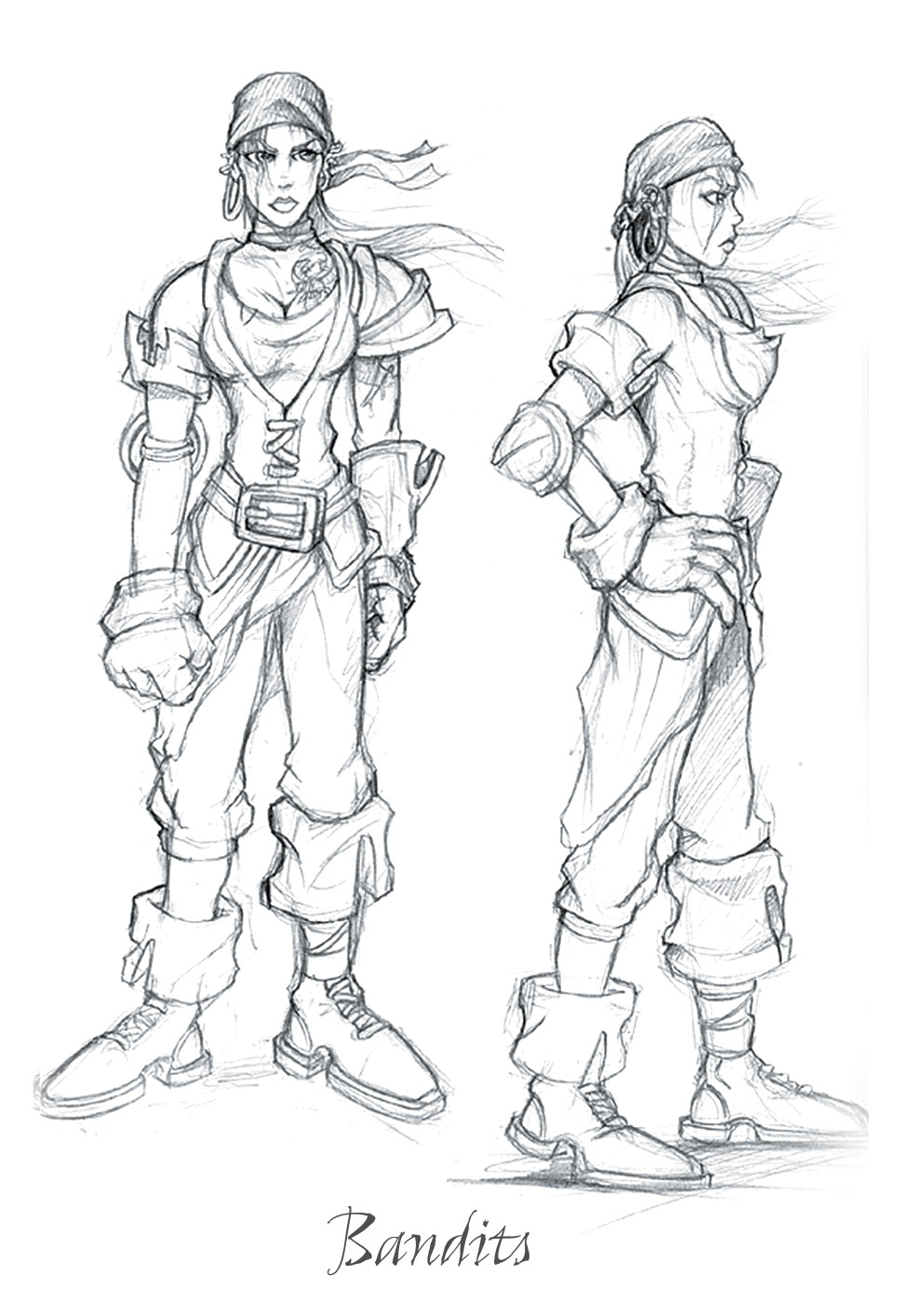
Violence, or at least the art of achieving it through combat, was still something of a nebulous concept at the time. The team had already established that its battle system would combine swash-buckling swordplay with more fantastical magical elements, but the two disparate parts simply wouldn’t gel. Eventually, though, after much experimentation, there was light at the end of the tunnel. Dene Carter clearly recalls the moment that combat came together for the first time: “Matt Dixon, Joss Moore, John McCormack, and I all stood around one machine watching the Hero battle two huge Bandits. We had a weird camera at the time (we were playing with Resident Evil-style cameras), which zoomed in and out. It looked like someone’s home movie of an illicit fight and it was awesome. I think we all breathed a sigh of relief at that point.”
Did you know?
“If you kill 1,019 Guards in a row in Oakvale, a White Balverine will appear with a Guard’s voice!”
~ Ted Timmins
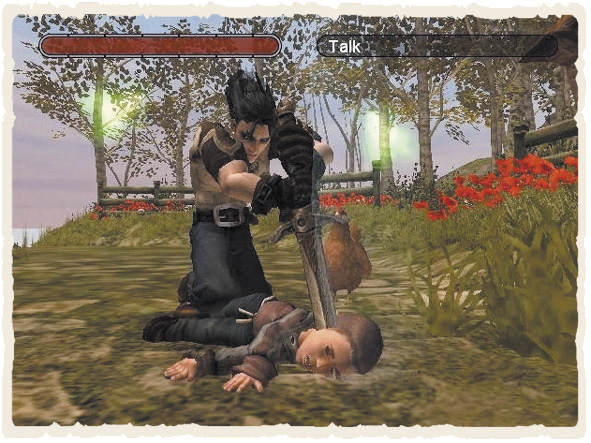
However, one minor wrinkle in Big Blue Box’s combat plans occurred when, on a whim, one member of the team posed a jocular, in-game scene, took a screenshot, and passed it on to a friend. In turn, that “friend” sent the image to a gaming website and, suddenly, Project Egohad the makings of a controversy on its hands. You can probably guess why....
Luckily, disaster was averted, thanks to some skilful PR—but not before the decision was made to prevent Heroes from killing children in the game, or even approach one with a sword drawn. If you’ve ever wondered why Bowerstone South’s Guards are so insistent on you leaving your weapons at the gate—and why so few children seem to inhabit Albion elsewhere—now you know.
Though children were now safe, Albion’s other denizens were far less secure, particularly once Project Ego’s complex underlying systems began to interact in entirely unexpected ways. Alan Harding, combat AI programmer at the time, recalls that Albion’s citizens would often take it upon themselves to deal with pesky interlopers in the absence of a Hero. On one memorable occasion, fellow combat AI programmer Dan Smith set up a small scene to test out the artificial intelligence of the game’s behemoth Trolls. It was nothing remarkable; just your typical leafy hollow with a few villagers going about their business unawares.
However, once the Troll was introduced to the scene, absolute chaos ensued. Villagers, lacking their fear attribute, gathered en masse to pulverise the poor, defenceless beast with nothing but their bare hands. Some considerable time later, the Troll was dead and the victors—completely unscripted—turned to one another and shook hands. As Alan explains, “Having finished off the Troll, the AI simply chose a new behaviour for the villagers—which happened to be a greeting animation. It was a great example of the kind of emergent vignettes Fable was capable of creating.”
Fable Rising
By E3 2002 then, Project Ego had an unforgettable world in the form of Albion, a uniquely ambitious choice-and-consequence set-up that influenced both how the player looked and how the denizens of Albion reacted in their presence, the beginnings of a story that took players from their youth to their old age, plus, of course, that finally functioning combat. Most importantly, though, E3 2002 was the last time Project Ego was known as such, with the game adopting its better-known Fable moniker shortly after.
Fable was still some way off from release, however and, with public and press excitement mounting, the hard work continued unabated back at Big Blue Box. Every inch of Fable, from combat to enemy AI was gently massaged into life, while the art team poured more and more love into the world. “We needed to create the hundreds of key and supporting characters, and fill every square inch of the acres of landscape with flowers, fences, ruins, and caves,” explains Yarwood-Lovett, “That took a huge amount of time and energy. We created entire epic backstories to places that never made it into the final title. Long live the world tree!”
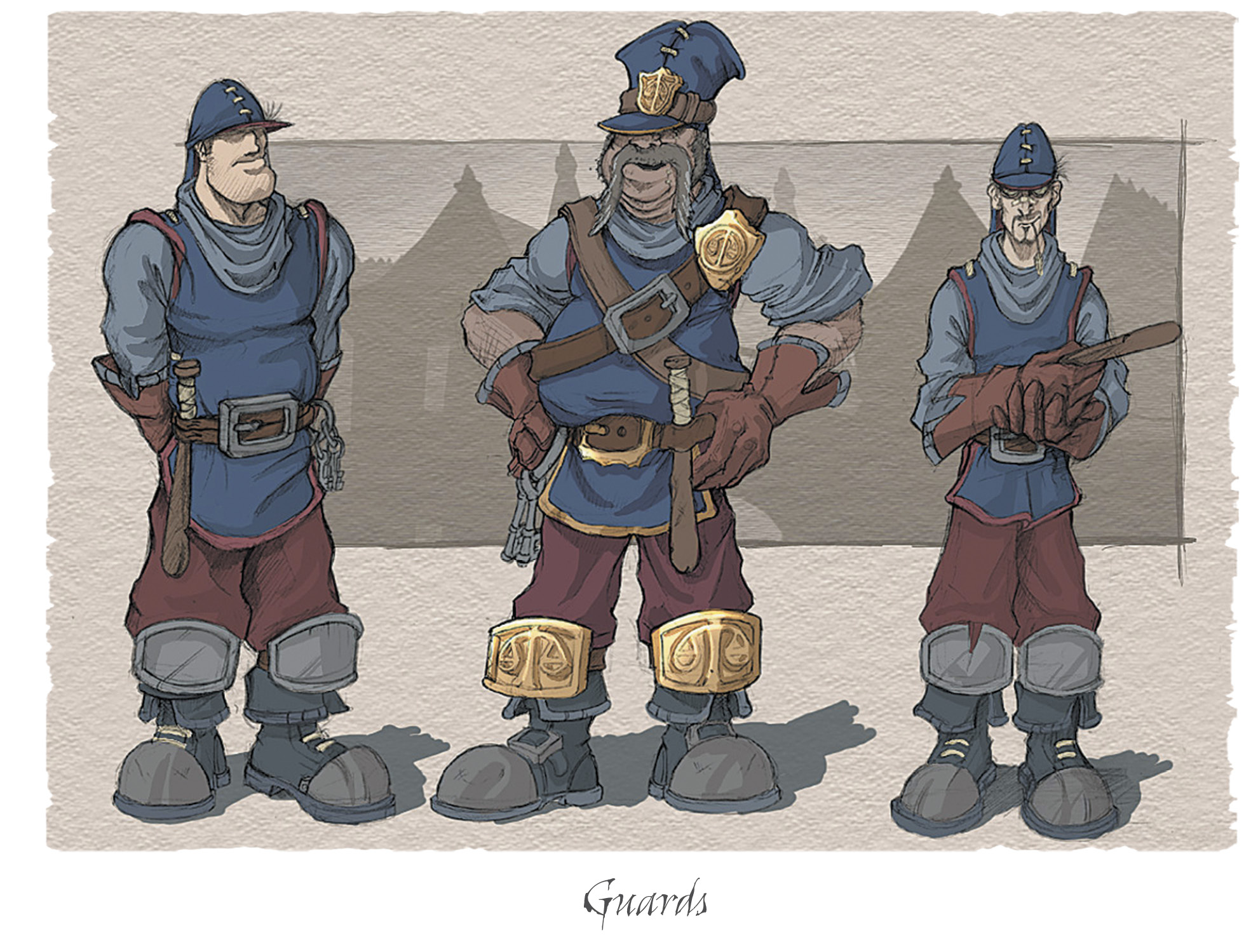
Elsewhere, work progressed on the game’s script , although Big Blue Box’s experimental, often chaotic, approach to development meant that Fable’s story was in constant flux as characters, creatures, and even entire regions disappeared without warning. “I just assumed this was how games were done,” laughs Mark Hill, one of two writers on Fable. “Every day, things changed completely; it was mad, risky, and also rather thrilling.”
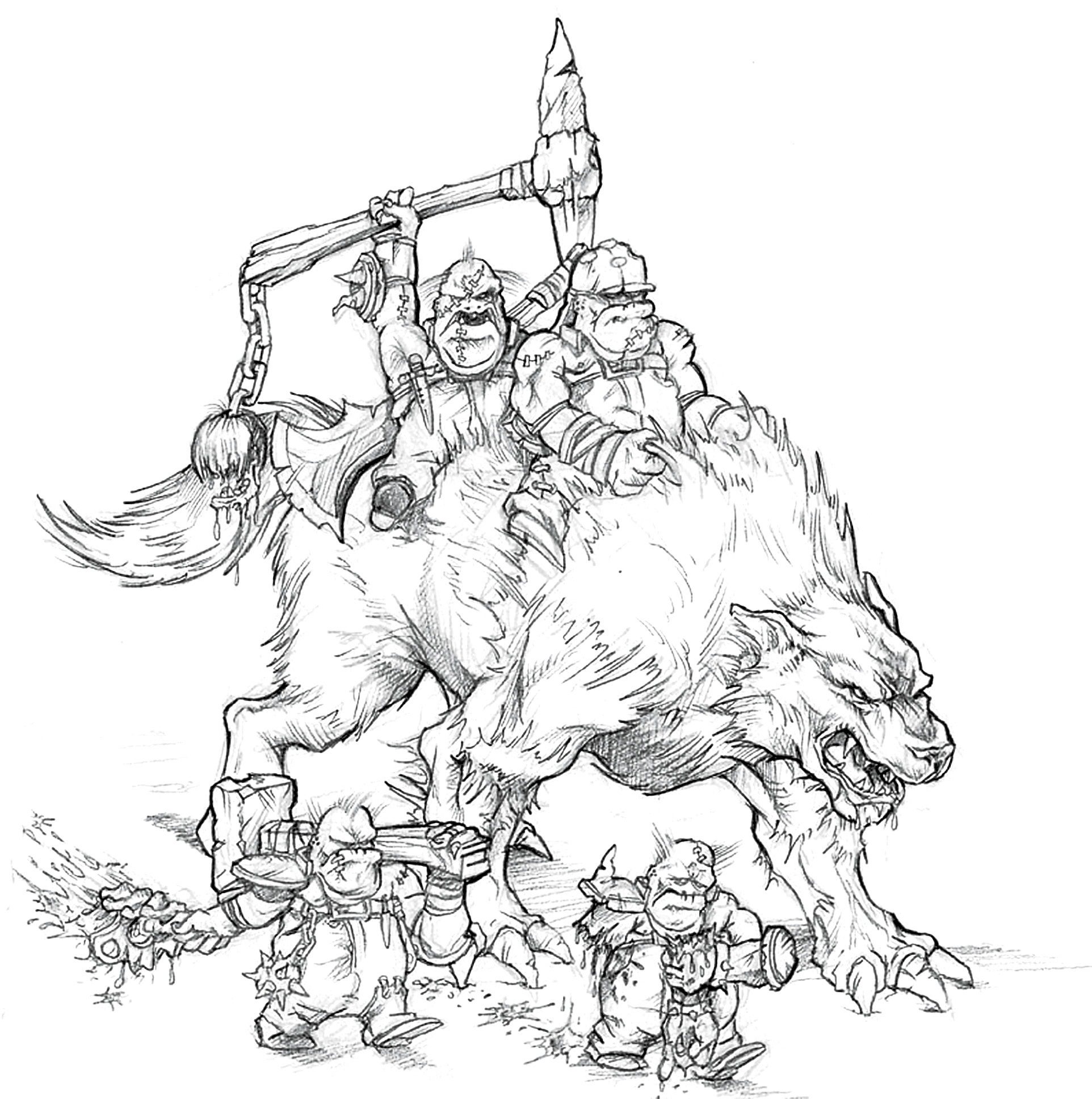
“James Leach and I,” Hill continues, “had to lay all the story pieces in front of us like a jigsaw and try to form the final picture in our heads. Figuring out how to tie two plot points together once elements had altered and broken the story was a great learning experience, and seeing it all come together with some semblance of coherence was a relief. You go into these situations wanting to create a great, moving, original story. In the end, merely having something that works and contributes to the overall experience in a positive way is a triumph in itself!”
Did you know?
“Fable didn’t fit into the 64-mb memory limit of the original Xbox. No, really. We’d spent most of development using kits that had more than 64 mb and, in the closing months, we were struggling with running on a release kit. A very smart chap at Microsoft wrote an extension to our memory allocator that shunted out inactive memory chunks to the Xbox hard disk, essentially writing our own paging-virtual-memory system. Needless to say, our arses were saved.”
~ Simon Carter
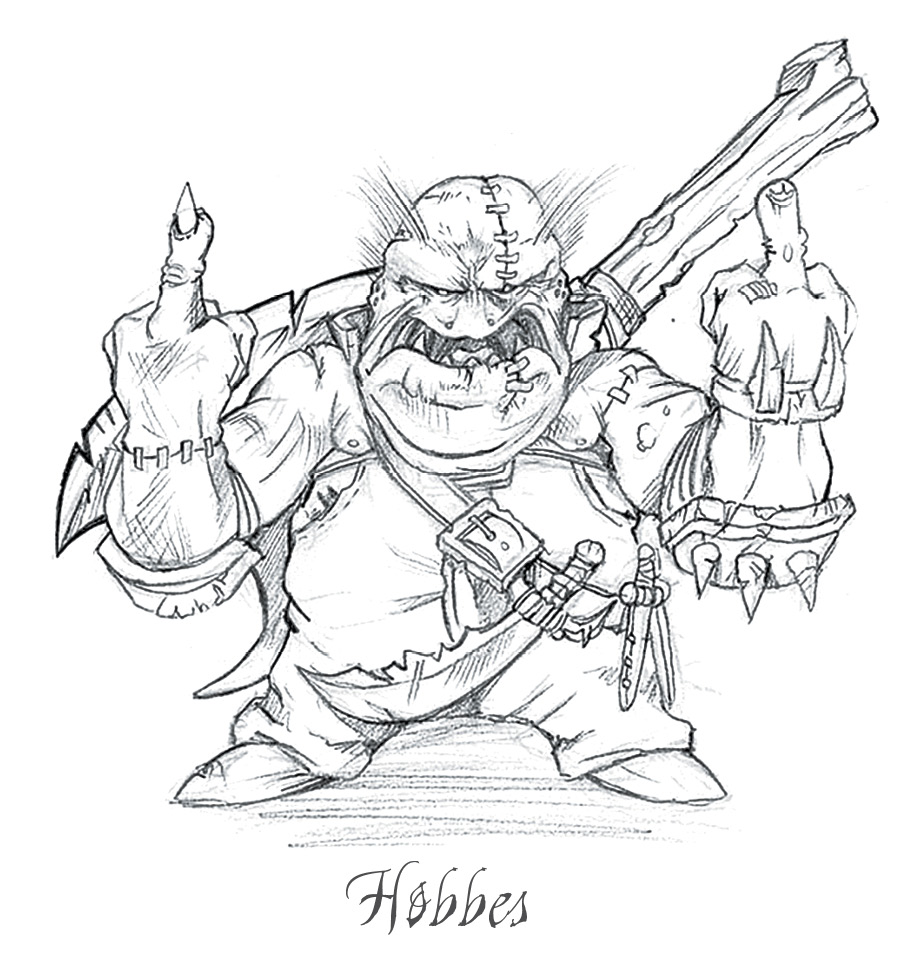
With so much still to do, and the game already long in development, it’s no surprise that the team began crafting their own amusements to lighten the mood. As Mike West recalls, several members liked to pass the time with a rousing game of “Hat, Moustache, Headband.” Essentially, whenever the Fable engine was asked to spit out another randomly generated Trader, bets were placed on whether the computer would give it a hat, moustache, or headband. Sometimes, it’s the small things that keep you sane.
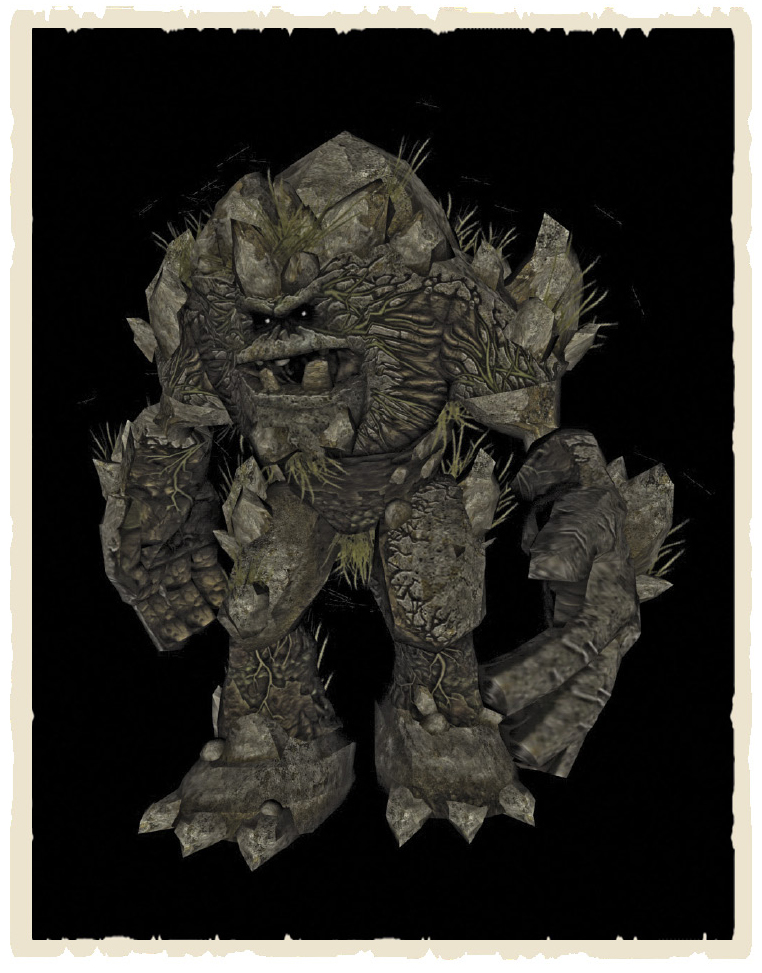
Despite the heavy work load, Big Blue Box still refused to skimp on ambition; though, inevitably, some of the studio’s grander ideas fell by the wayside. Fable’s seamless open world, for instance, quickly became a design nightmare as the game’s complexity grew; eventually, Albion was hacked into discrete regions to better suit the limitations of the original Xbox hardware. For a long time, too, Trolls roamed freely across Albion instead of being rooted to the spot. “They looked amazing, notes Fable Anniversary’s lead designer Ted Timmins, “but, ultimately, we had to make them static as they broke too many things by stomping around.”
Meanwhile, other ideas were dropped, not for technical reasons, but because, astonishingly, they were deemed too outlandish even for Fable. Dene Carter points to the legendary “Demon Foot” boss as a classic example. “It was a boss battle in a huge, foggy wilderness; you knew something big was hunting you, but you could never actually see it—not until a massive, 50-foot hoof stomped down into the environment, trying to squash you flat. It was kind of like Monty Python meets The Exorcist. Sadly, our big, hoofy friend never made it in.”
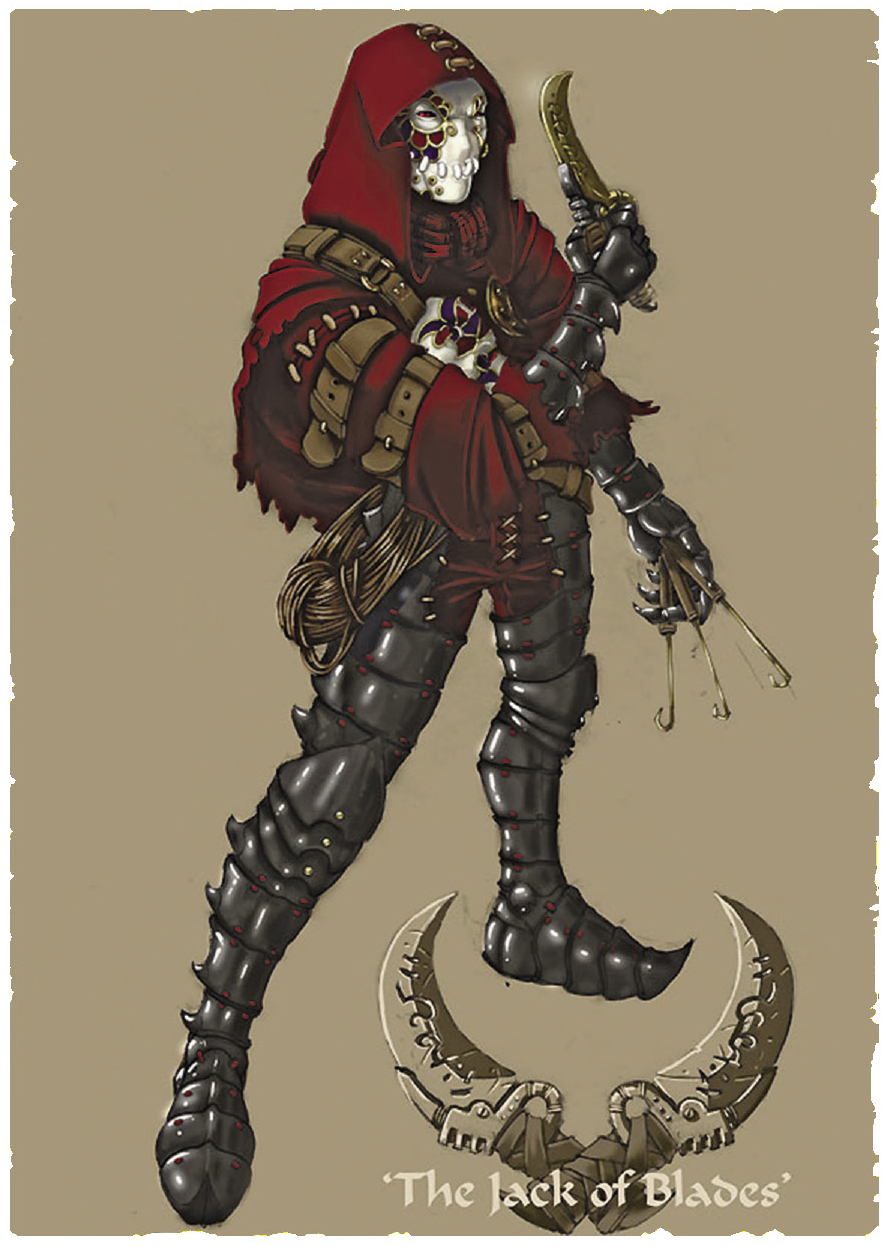
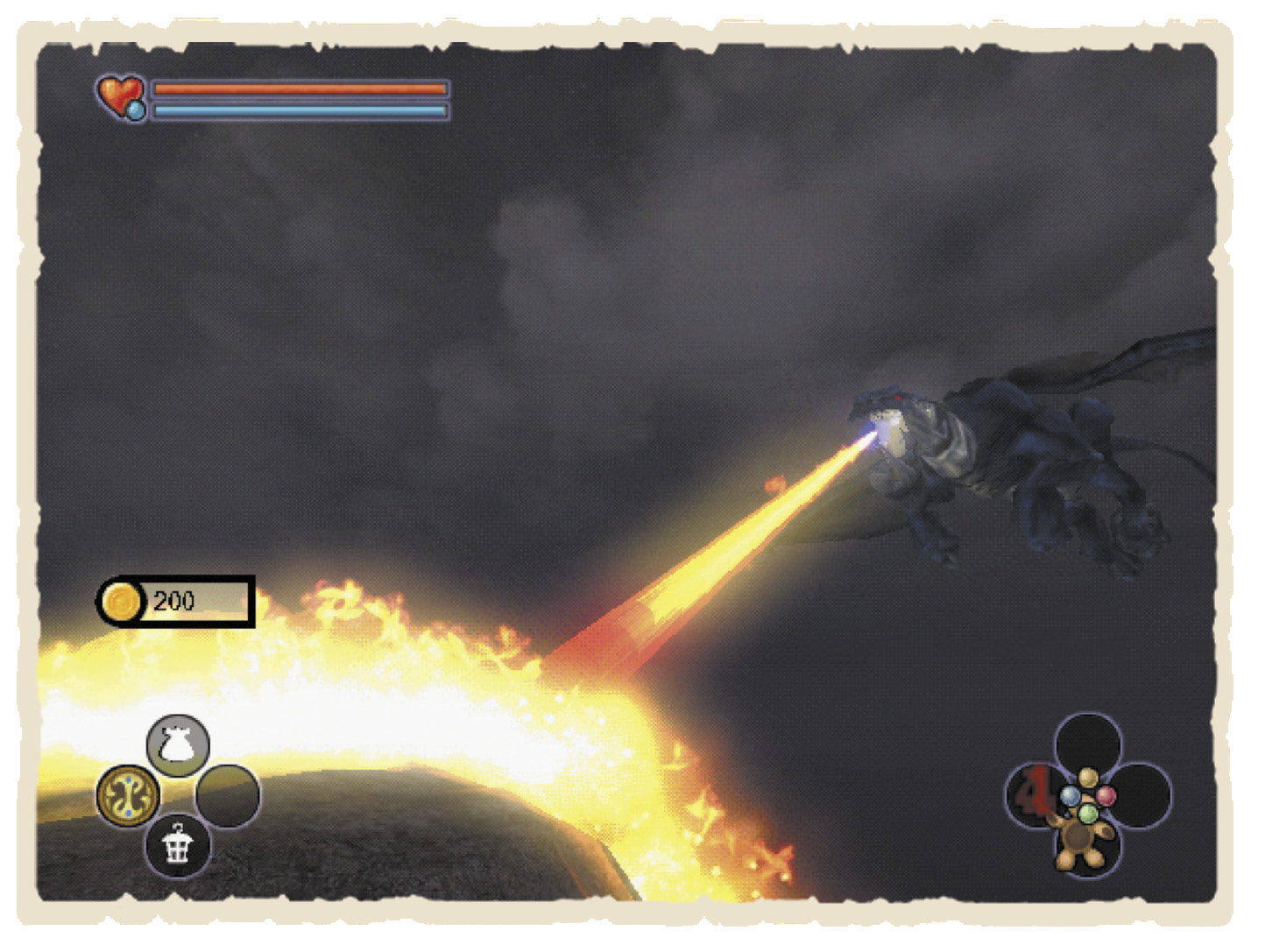
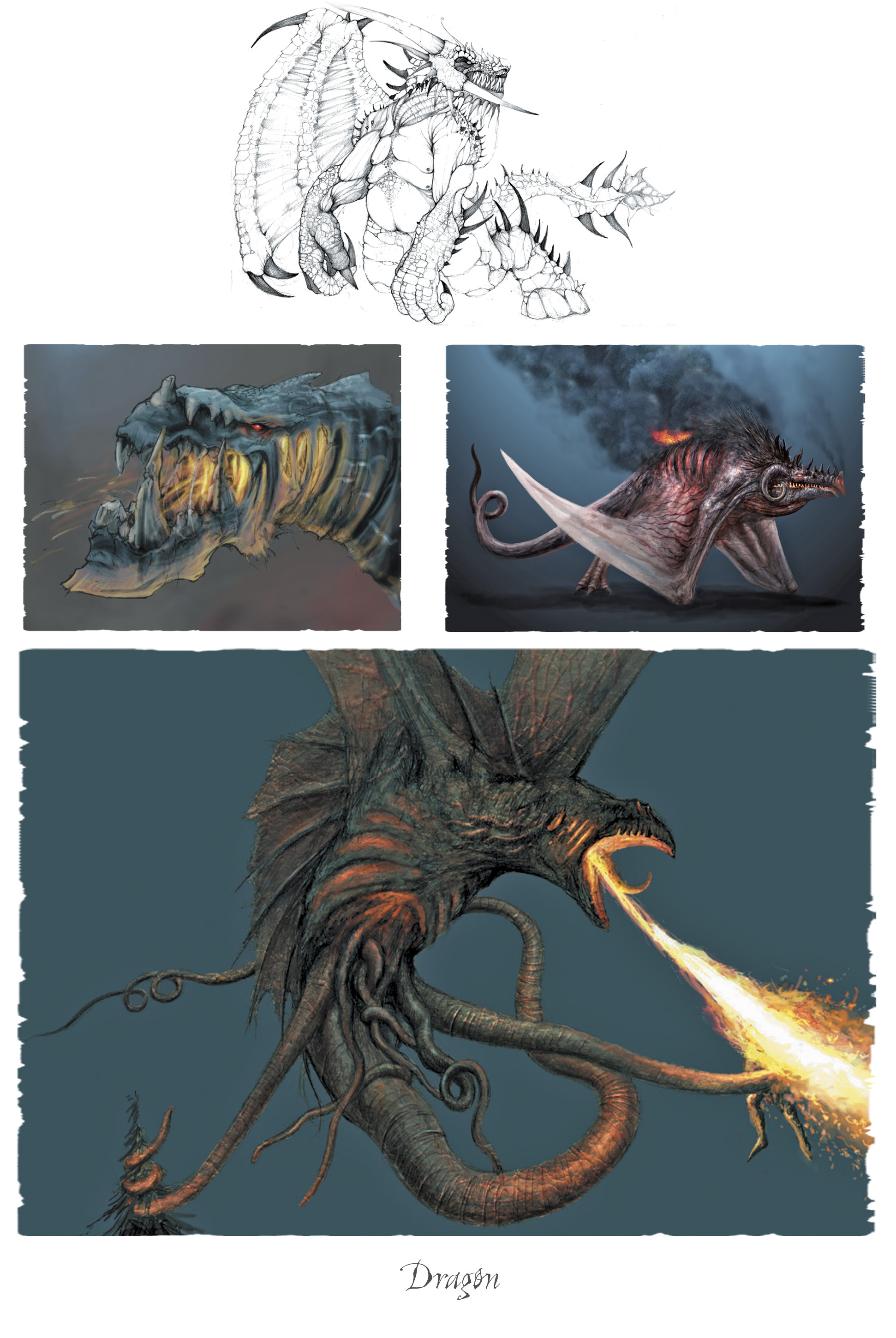
One other beloved creation that failed to make the final cut was “Trogdor,” the decidedly unfriendly dragon. Not to be confused with Jack of Blades’ final form in Fable: The Lost Chapters, this scaly behemoth patrolled the skies of Albion, reining its fiery vengeance on anyone foolish enough to stand in its shadow. As Alan Harding fondly recalls, “Unfortunately, the dragon was cut as we didn’t have time left to make it fun to fight. But, man, it looked awesome, strafing the Hero from above while burning through the countryside!”
Did you know?
“Fable Anniversary’s map is full of secrets for the keen-eyed adventurer. Keep a watchful eye out as you travel the world and you might even spot the mythical Sandgoose!”
~ Jenny Peers
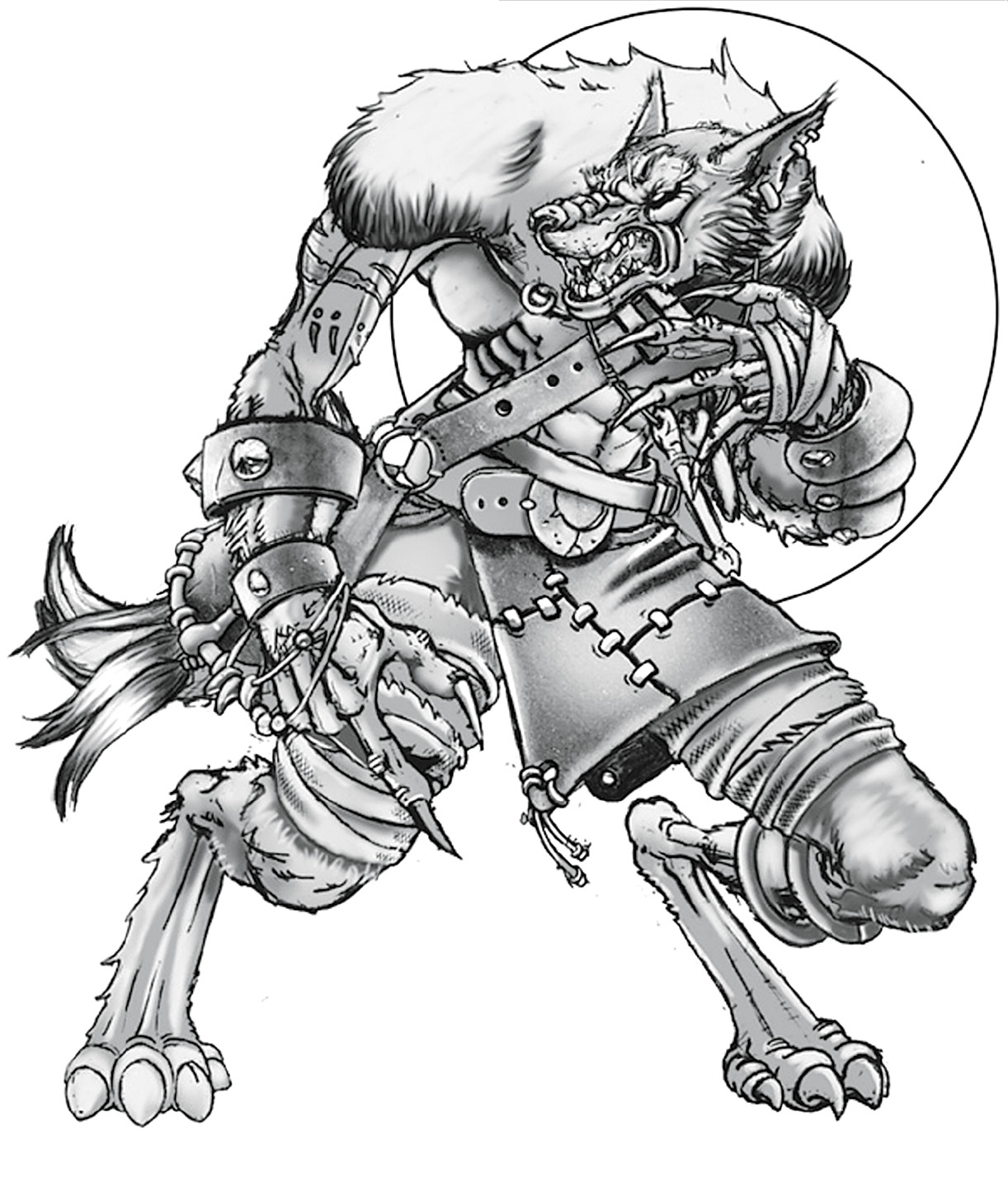
One particularly ambitious feature—Fable’s co-op, multiplayer mode—even progressed far enough to enjoy its own public reveal at E3 2003. Here, two players would be able to fight side by side, one as the Hero and another as their sidekick. It was even planned that players could import their Heroes from their own game. However, by E3 2004, multiplayer had proven far too complex to be implemented to Big Blue Box’s high standards and was regrettably dropped—although a very similar set-up eventually found its way to Fable’s Xbox 360 sequel several years later.
The Sound Of Albion
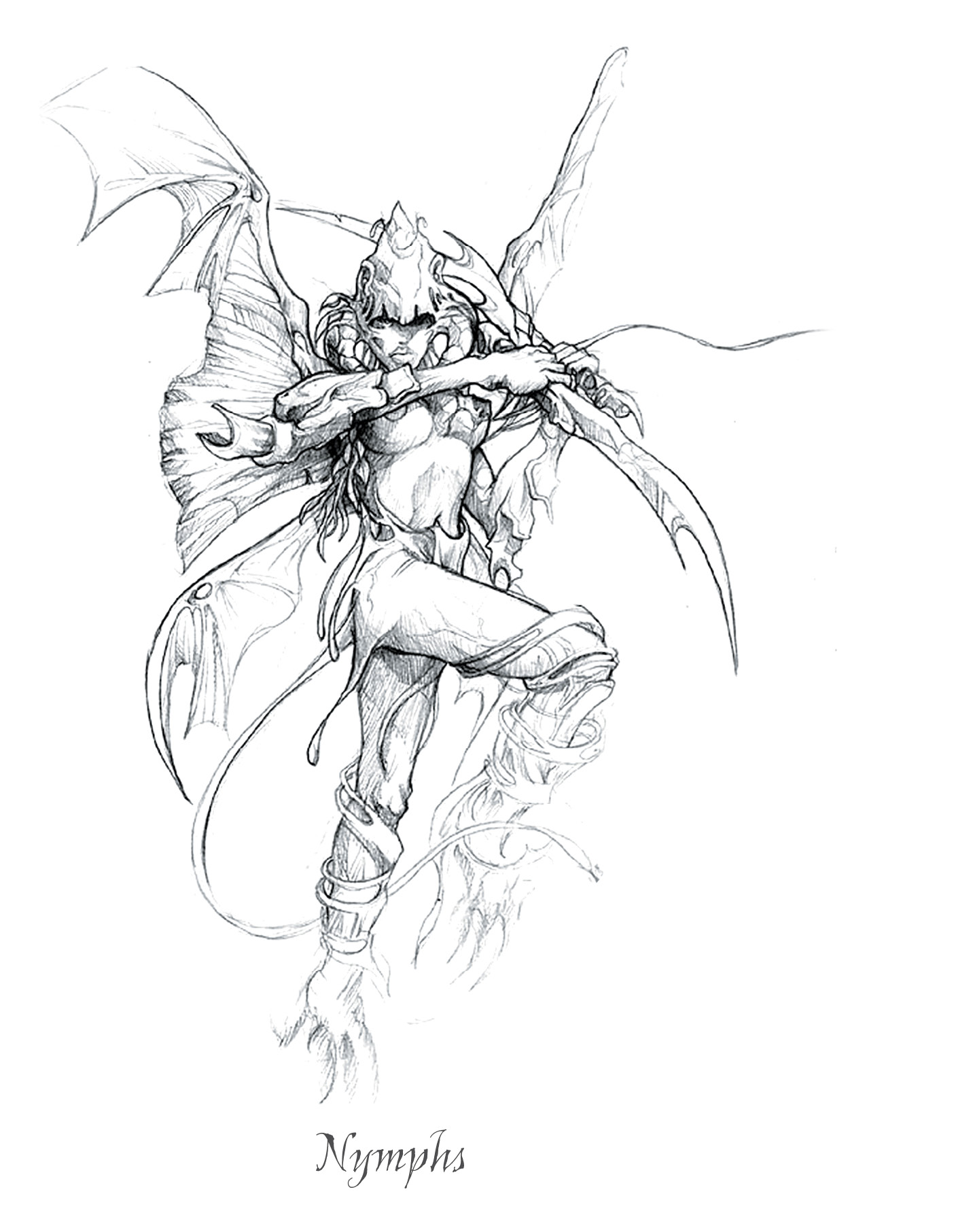
As E3 2004 arrived, the game was almost feature-complete. Not only were the core systems ready to go, composer Russell Shaw’s unforgettable score was in place. Sound, of course, plays an important role in creating the right atmosphere for any game, but Fable’s audio work is something truly special—and, unsurprisingly, had a long, eventful history all of its own.
As Shaw explains, “To us, Albion was a living, breathing world and Fable’s audio had to represent that. The ambiences in the game had to be rich and believable, speech from the AI characters had to be spontaneous and interactive, and the creatures and weapons had to be original and inventive.” To this end, the now legendary “Russ’s Big Audio Dynamite” bible was born, a vast wish list of everything the team wanted to achieve with the game’s music, sound effects, and dialogue. Here’s just a tiny snippet, outlining the intended ambience for Albion’s many regions:
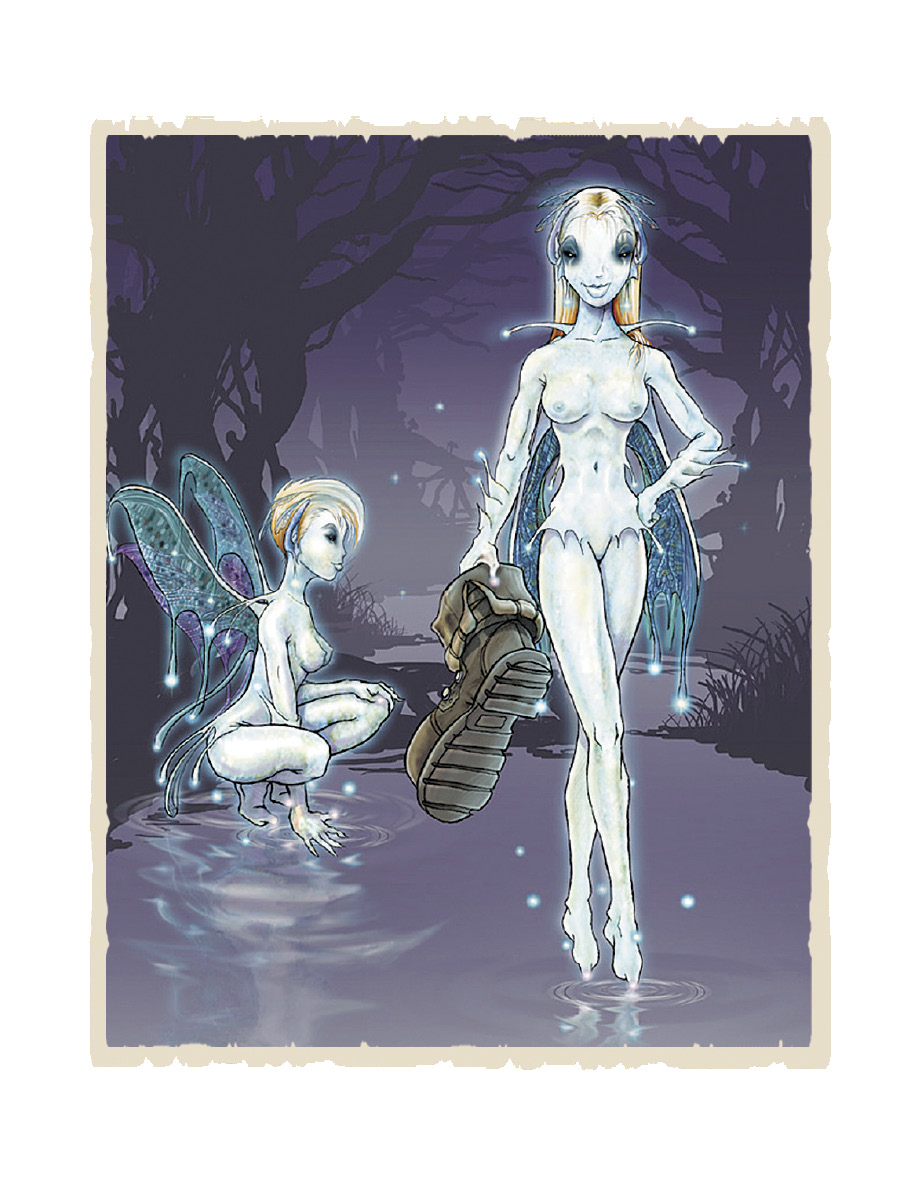
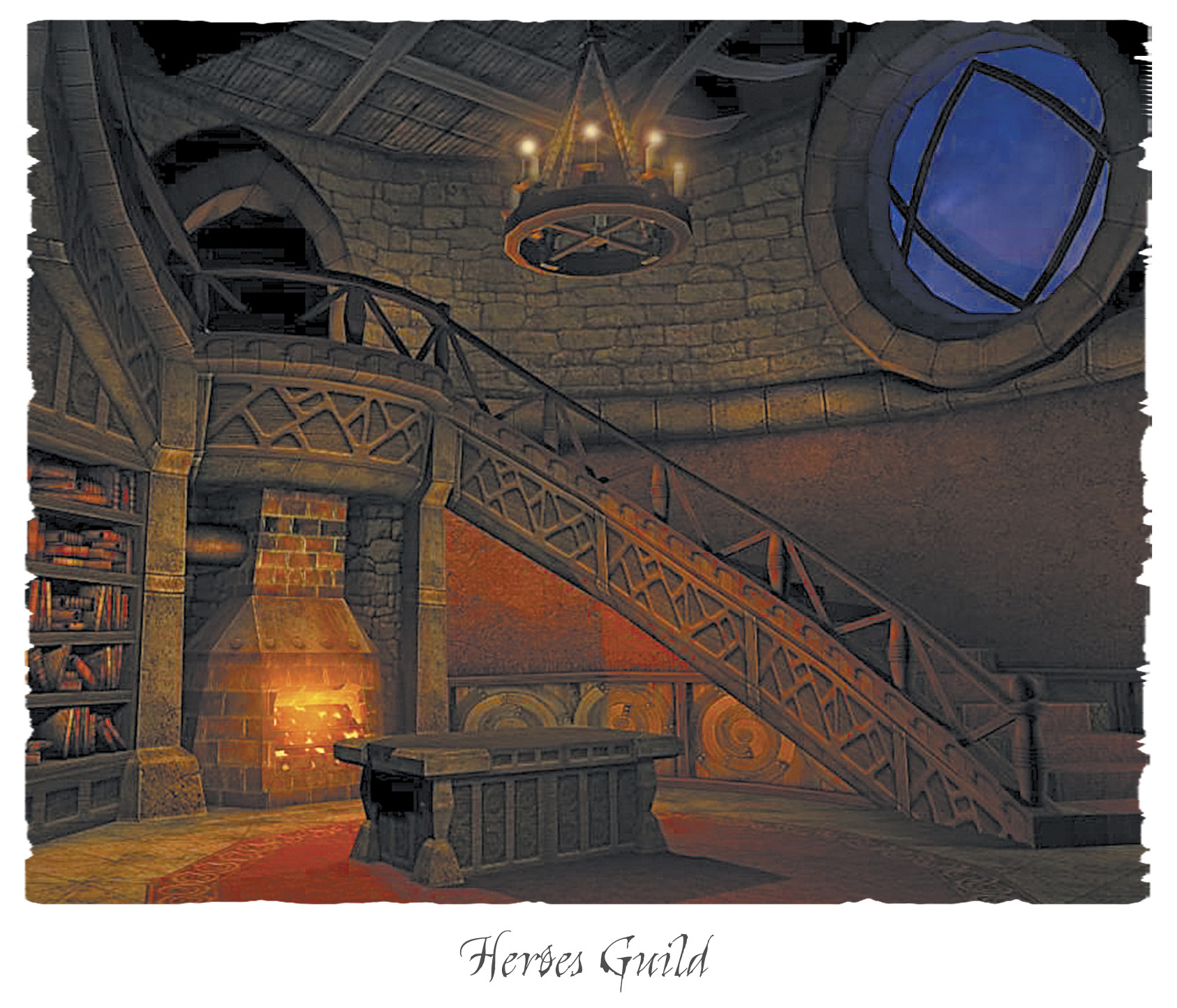
Guild—Hogwarts, quirky, maybe chamber music.
Lookout Point – Bright, breezy, birds, safe.
Picnic Area – as above.
Bowerstone Slums – Dirty, Old London, seedy, not safe.
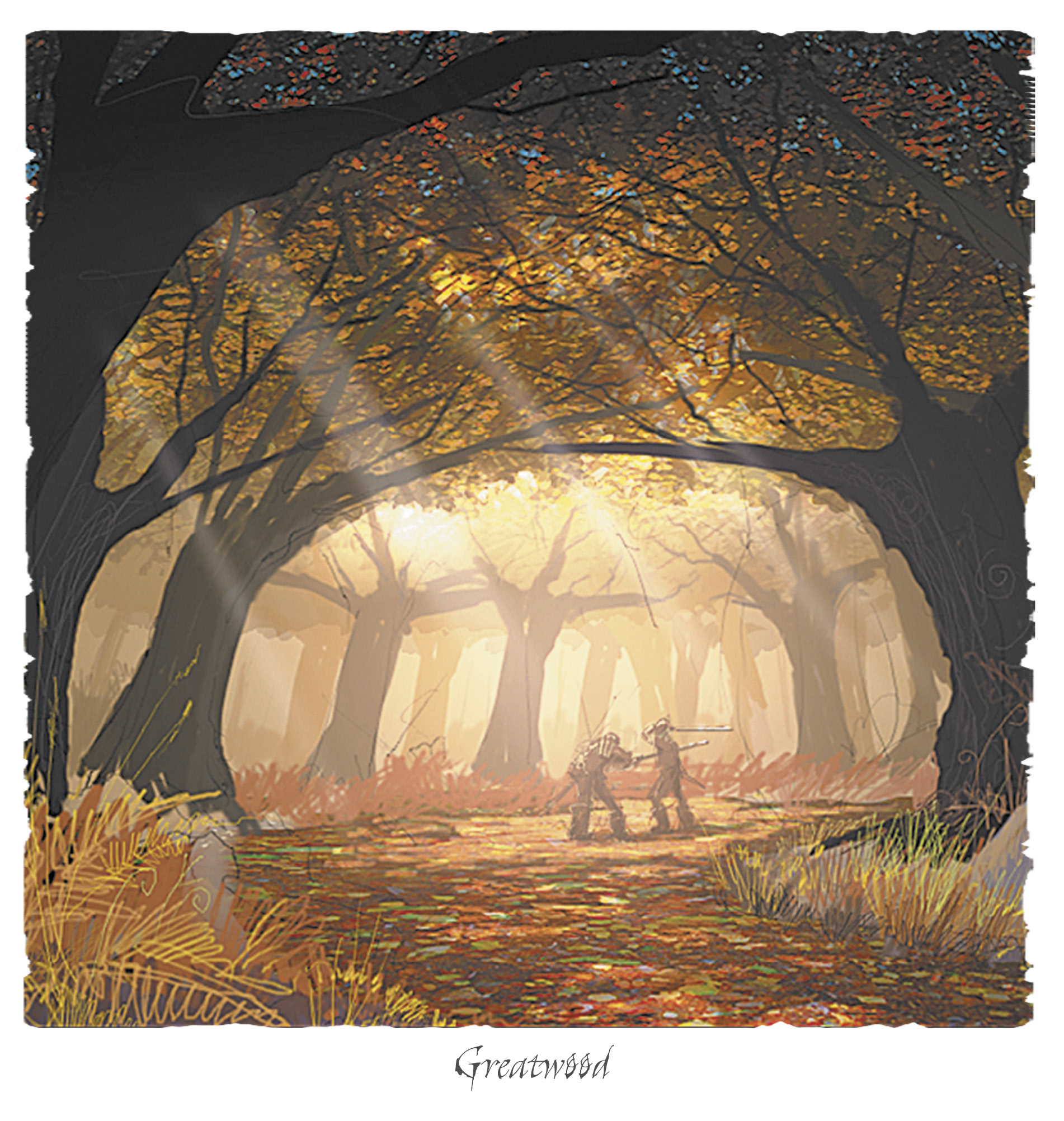
Greatwood – Foresty, dangerous but not too dark.
Hobbe Cave—Damp, dark, drips, cold.
Darkwood – More sinister than Greatwood, dark, dangerous.
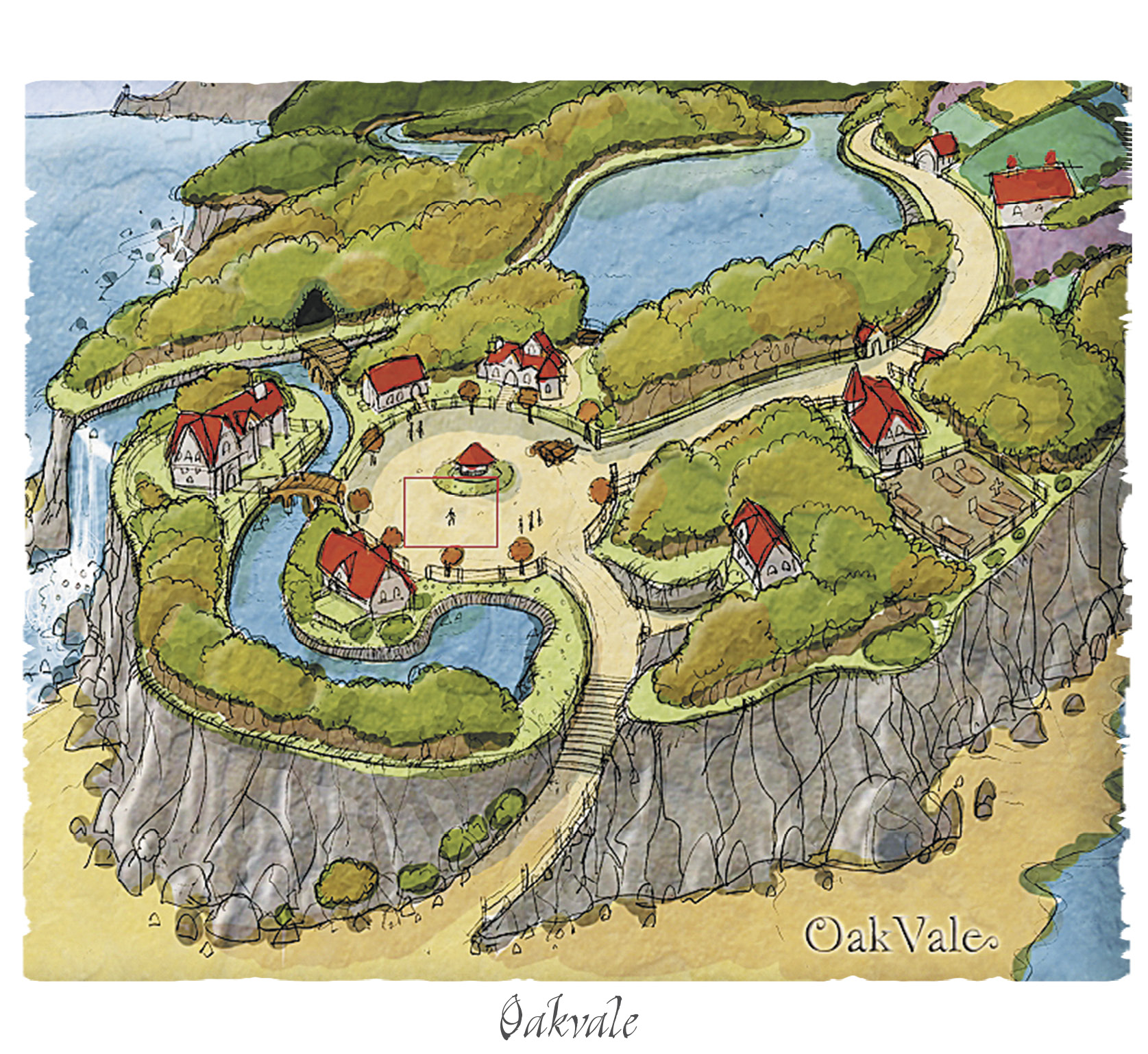
Oakvale – Pleasant Cornwall fishing village, birthplace, home, safe.
Bowerstone N. – Regal, posh, gravel drives, trees, safe.
Bandit Camp – not decided.
Witchwood W. – Sleepy Hollow, dark, creepy, fog, unsafe.
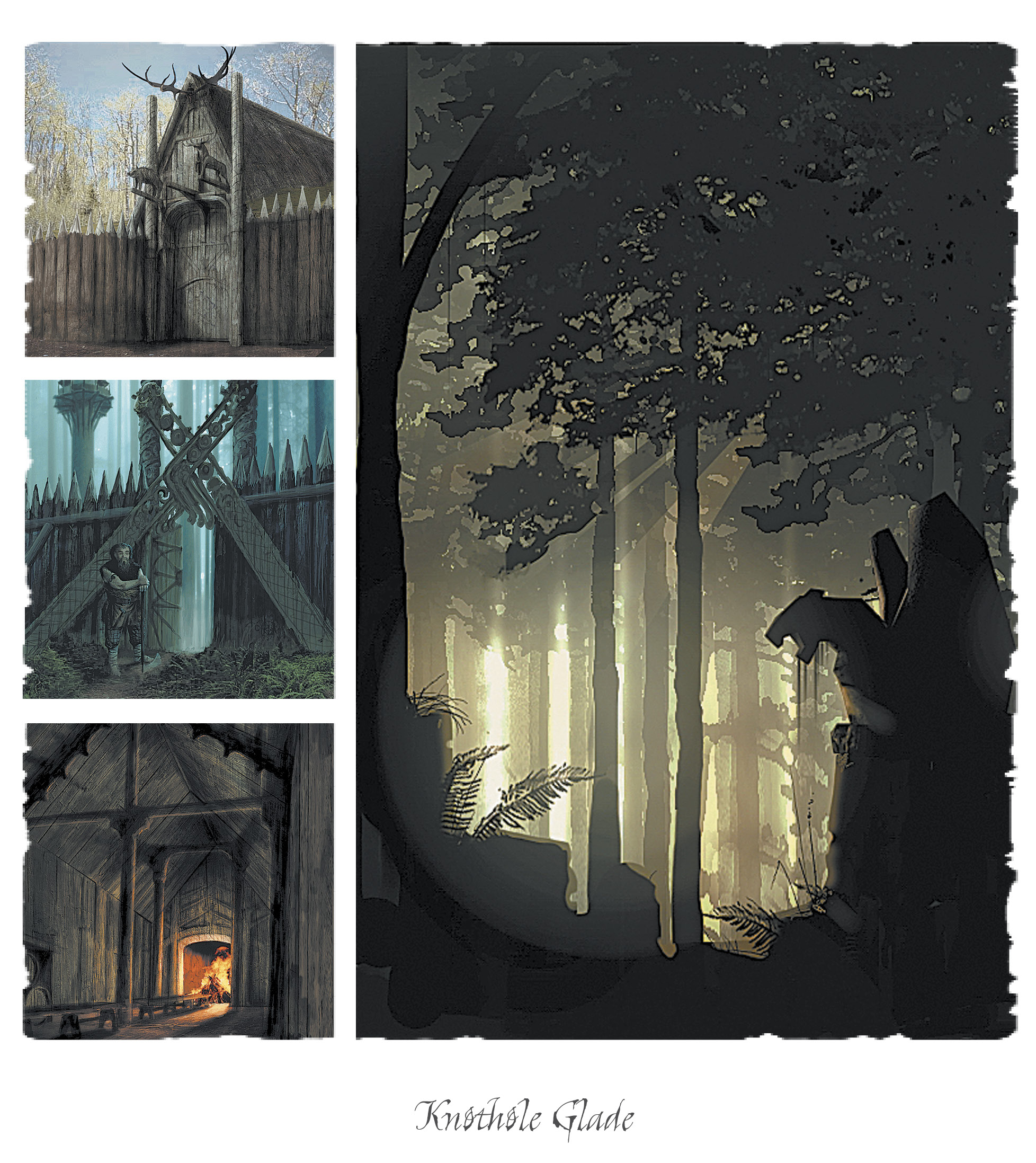
Knothole Glade – Safe, celtic village.
Witchwood E. – see Witchwood W.
Arena – Gladiatorial, fanfares.
See Bowerstone N.
Hanging Tree Path – Cliff-top, wind, surf, seagulls, bit creepy, unsafe.
Hero Dual Area – not decided.
Graveyard – Creepy, suspense, ghostly.
Graveyard Passage – leading from graveyard.
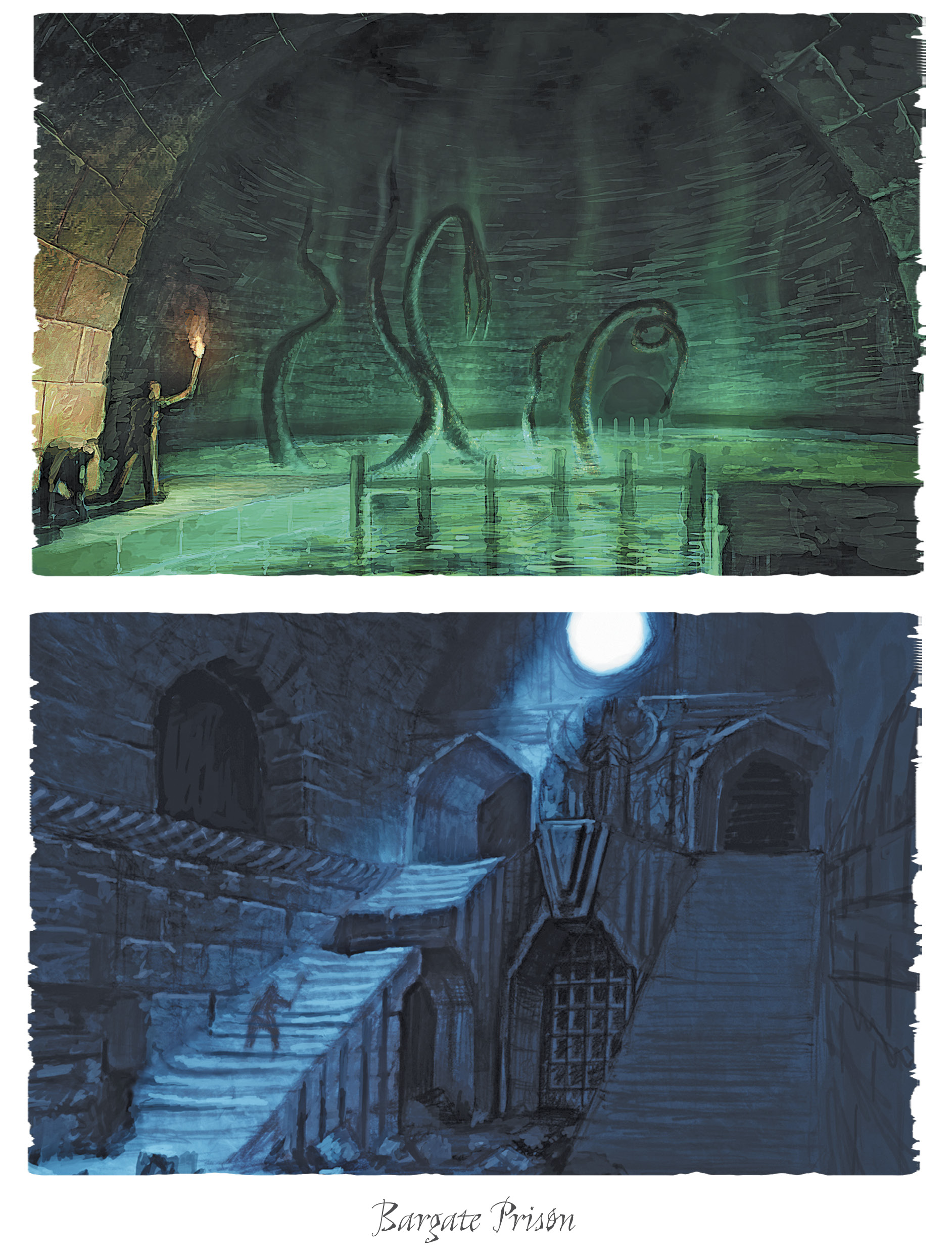
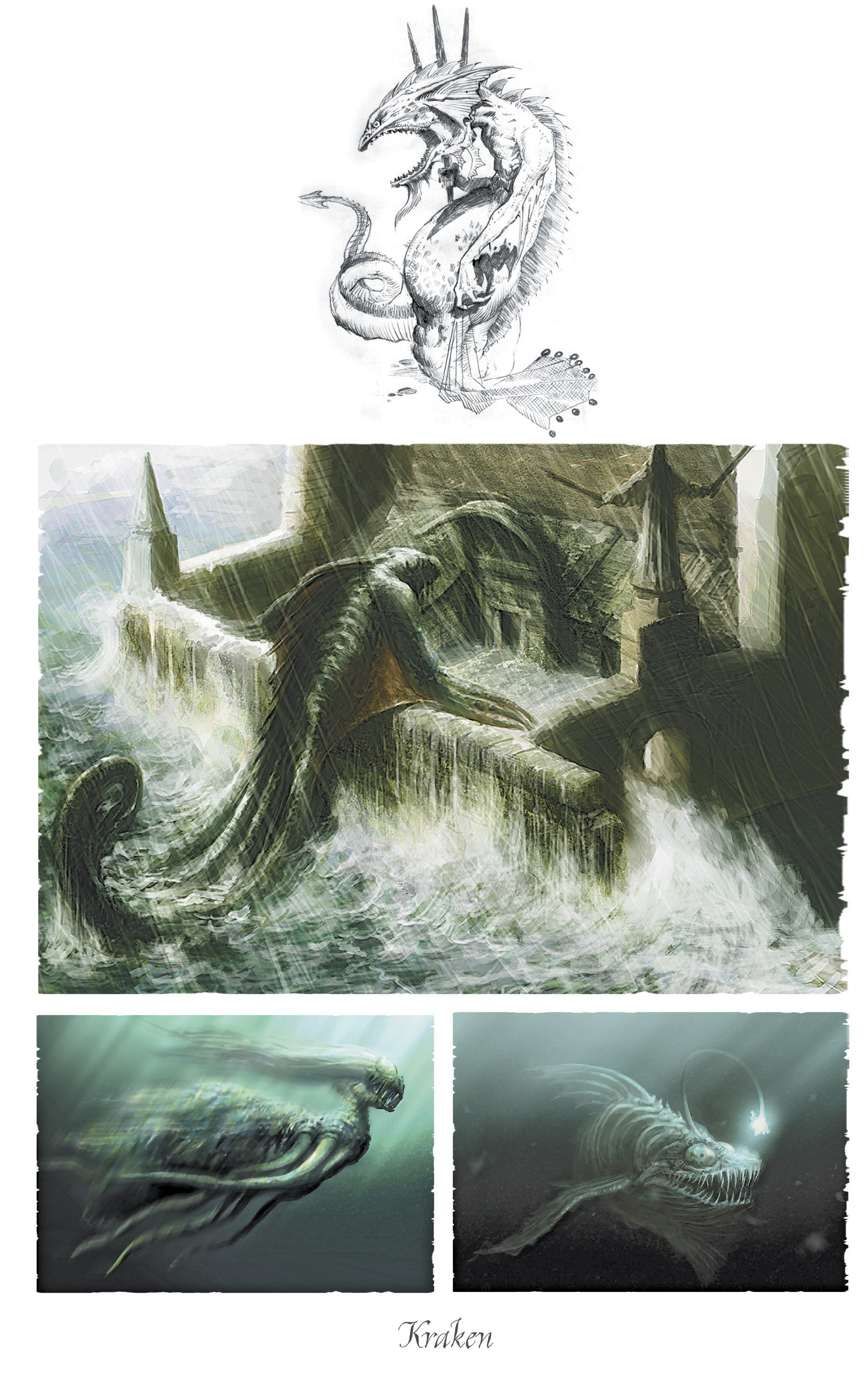
Kraken Chamber – Creepy, suspense.
Prison Side Room – Not so creepy.
Prison – Stone edifice, imposing (could change).
Teleport – not decided.
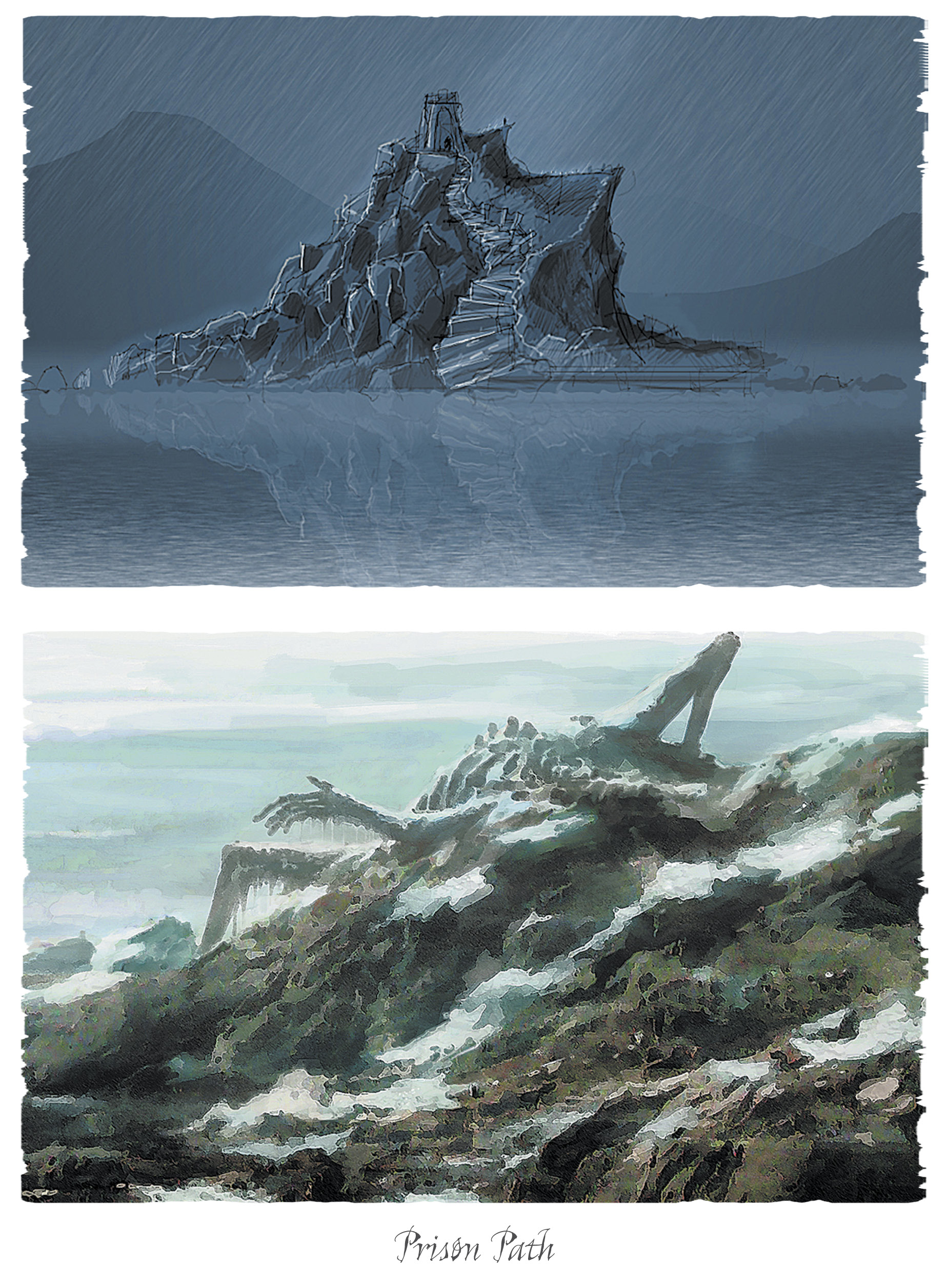
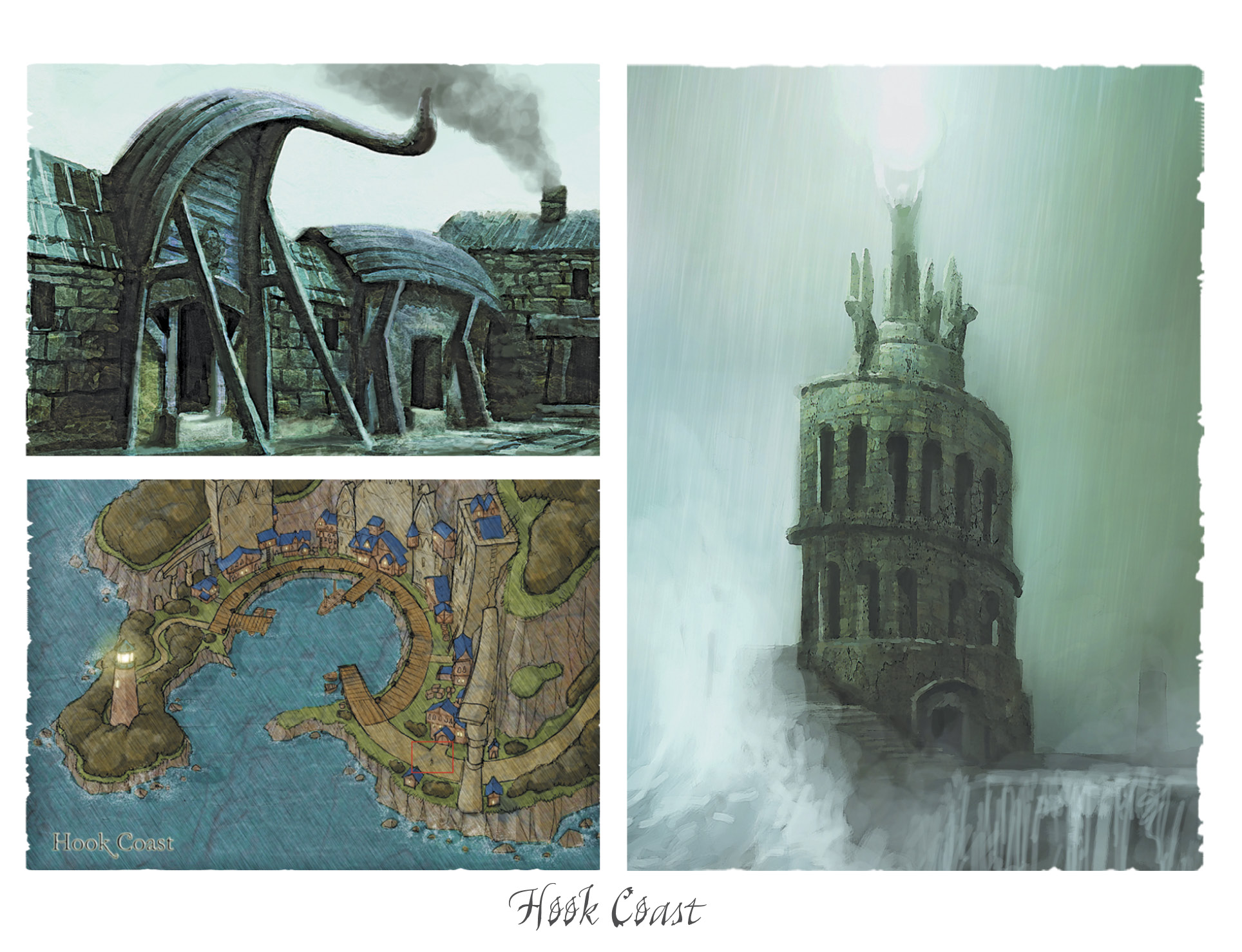
Hook Coast – HP Lovecraft, stormy village, always raining, sinister.
Abbey – same as Hook Coast.
Castle – Same as Hook Coast.
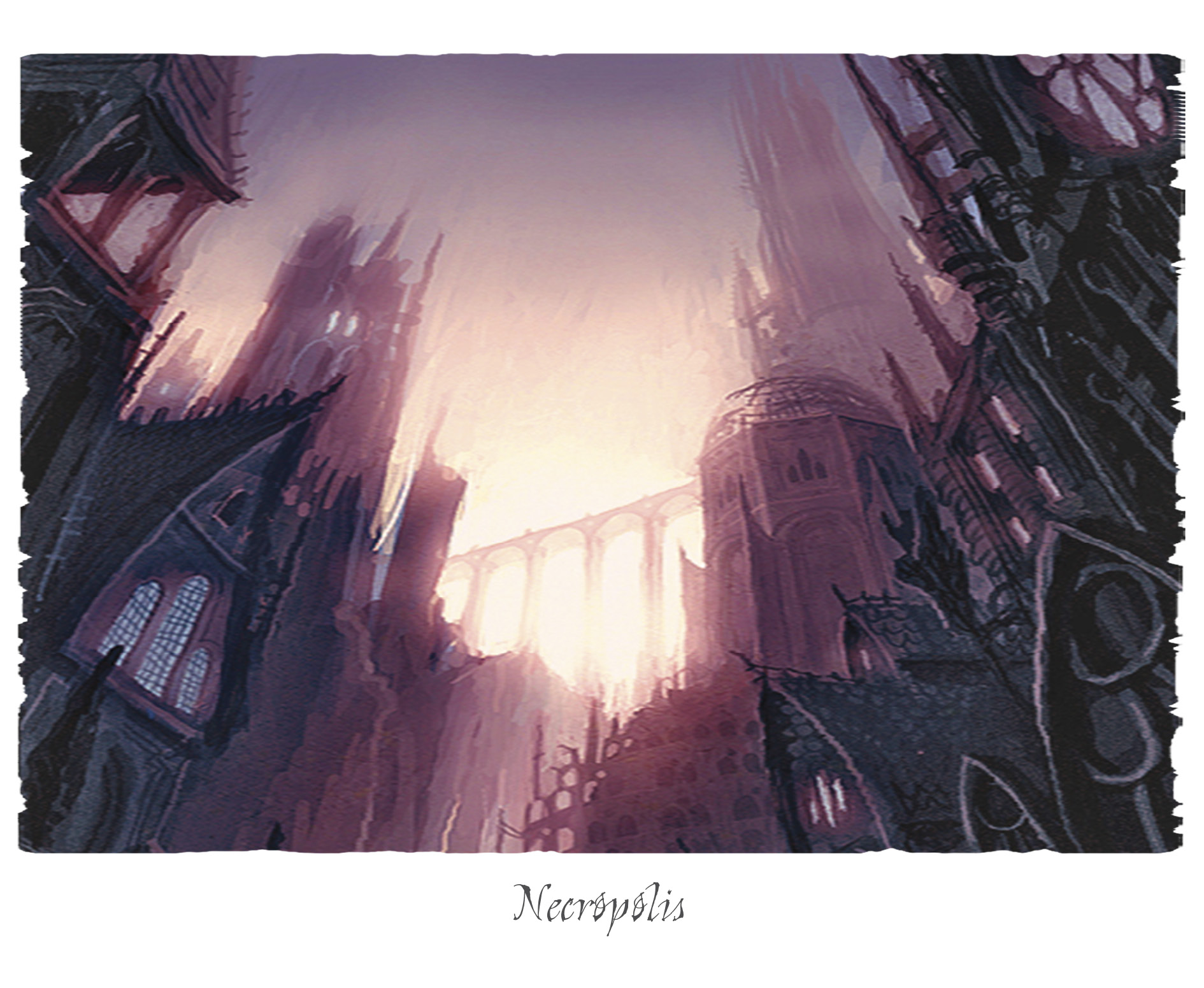
Necropolis – Underground/Overground (not wombling free), old ruins, alien, strange.
Mountain Pass – Very high, vertigo, almost in clouds.
Final Chamber – Enormous, big, echoey, marble.
One of Fable’s most unforgettable facets, of course, is its gorgeous orchestral score. Originally, however, it was planned to span numerous musical genres and styles, with “Russ’s Big Audio Dynamite” citing the likes of synthesised, ethnic, folk, acoustic, and vocal tracks to enrich Albion’s world. According to Shaw, “Dene Carter had very specific tastes with regard to audio direction. Very early on, we made a kind of montage video which outlined the ethos and ambition of the game, piecing together different clips from our favourite movies. Between us, we eventually decided on a ‘Nine Inch Nails’ approach to the soundtrack.”
Did you know?
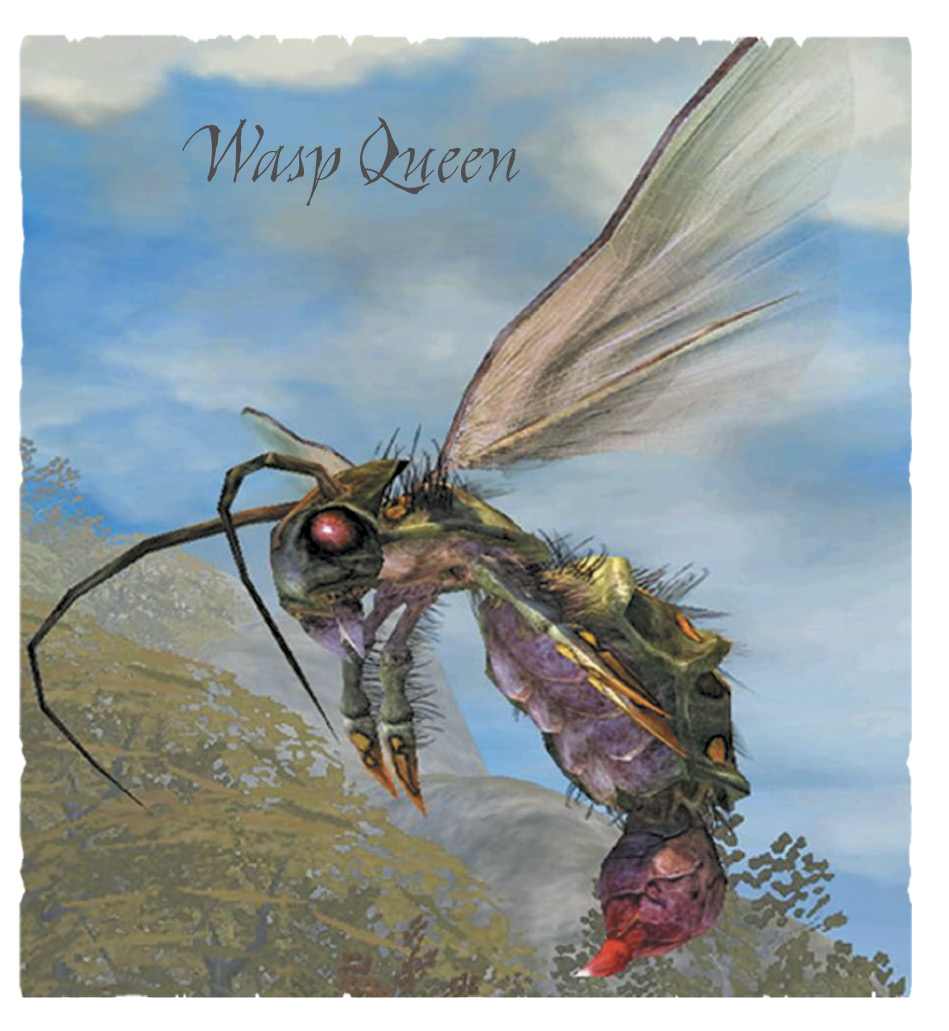
“Early on in development we entertained the notion of having interactive music cues which reacted to the action on-screen. We later dismissed the idea, but you can still see the remnants of our prototyping during the Picnic Area boss battle. Every time the Wasp Queen strikes, there is an off-key brass sting (no pun intended) which is timed to the attack itself.”
~ Russell Shaw
However, Shaw’s plans were to change when Danny Elfman (Beetlejuice, Edward Scissorhands, Sleepy Hollow) agreed to compose Fable’s main theme. “The musical direction for the whole game changed dramatically as a result,” recalls Shaw, “Elfman’s theme and the rest of the music would have been completely at odds, so we adjusted our ambitions and composed the score in an Elfman-esque style, using a real orchestra. Finally, the true musical direction of Fable as a kind of adult fairytale was born!”
It was to be the first time Shaw had recorded with a live orchestra, “Back then, it was a new thing in gaming and the experience was very much a baptism of fire. To work with the Philharmonia – one of the best orchestras in the world—on one’s first orchestral outing is almost too much to take in, but the recordings are up there with some of the best moments of my career.”
As work on Fable’s music reached completion, so did the game’s sizeable script—meaning that it, too, was ready to be brought to life in the recording studio. “We had to sit down and audition hundreds of voice-tape demos to pick the actors,” notes Shaw. “Lionhead’s Black and Whitehad a pretty impressive cast a couple of years before, but I recall thinking that we had moved into a completely different league with Fable.”
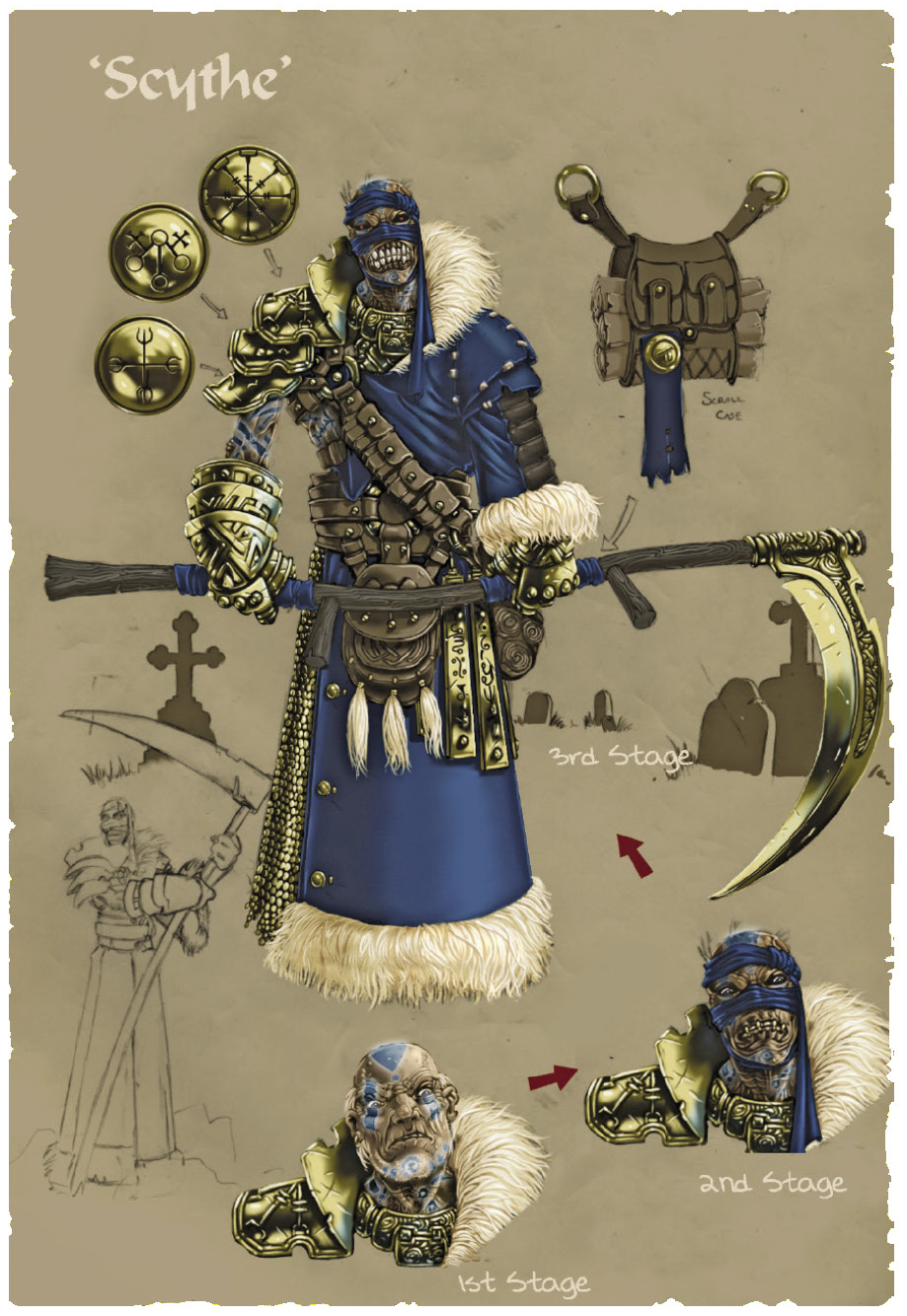
As writer Mark Hill remembers it, finding the right voice for the game’s impressive cast of characters wasn’t always easy. “Being a strange, demonic entity, Jack of Blades was particularly hard to pin down. His first, unreleased voice was so camp it made us laugh and wince at the same time; he sounded like an evil puppet who’d just been punched in the testicles. We re-recorded with the actor heard in the final game, and, while a big improvement, the slimy archness was both unsubtle and a bit too pantomime-like. For Fable: The Lost Chapters, we added a demonic effect that better illustrated Jack’s inhuman nature, although many fans still prefer the untreated version.”
Eventually, though, vocal recordings were complete and Fable’s innumerable lines of dialogue were ready to be moved in to the game. It was a defining moment for Dene Carter, in particular, “Before this, we’d had little lines of dialogue displaying above characters’ heads, and then very crude, auto-generated voices. The first time I heard actors mocking my dress sense, and small children asking impertinent questions, I knew we had created a world, not just a game.”
Did you know?
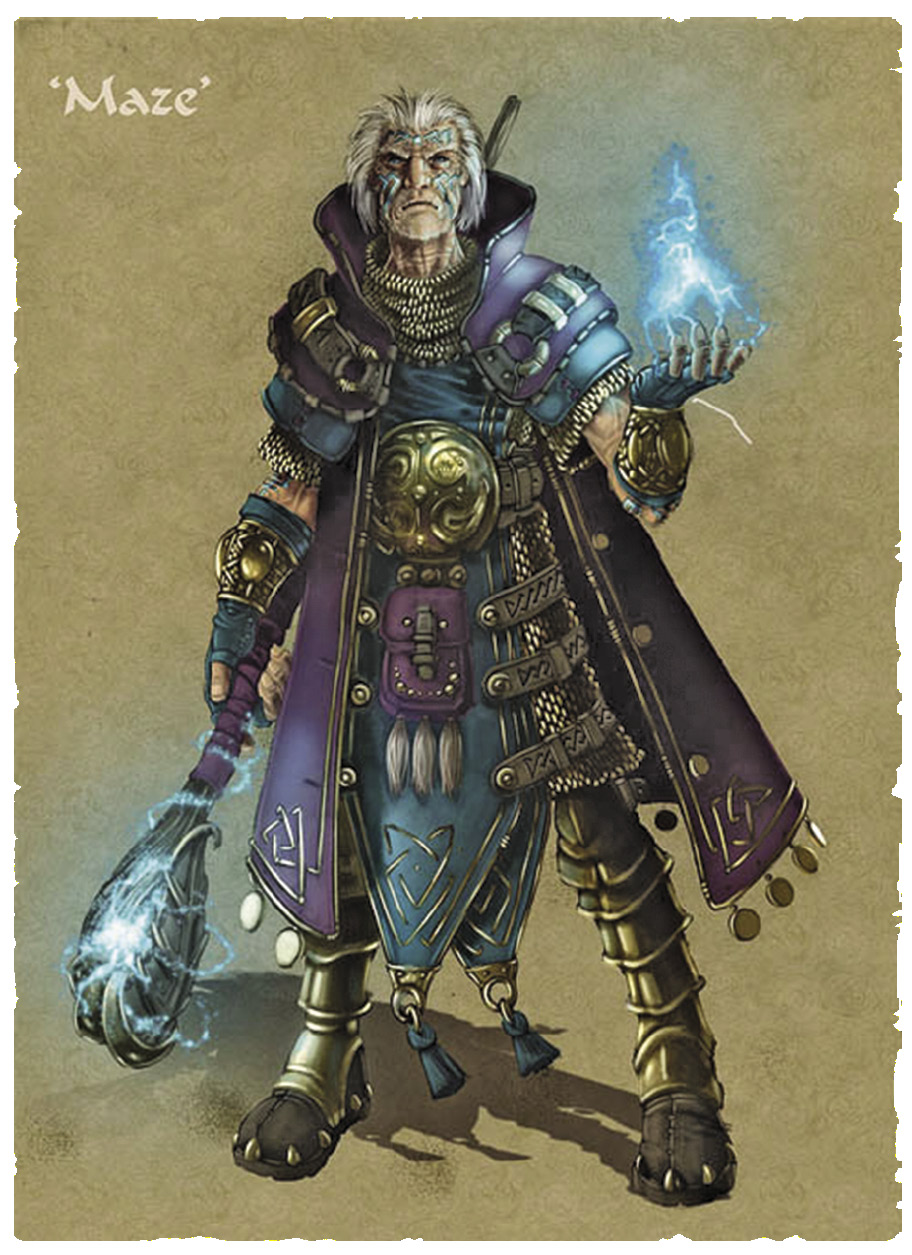
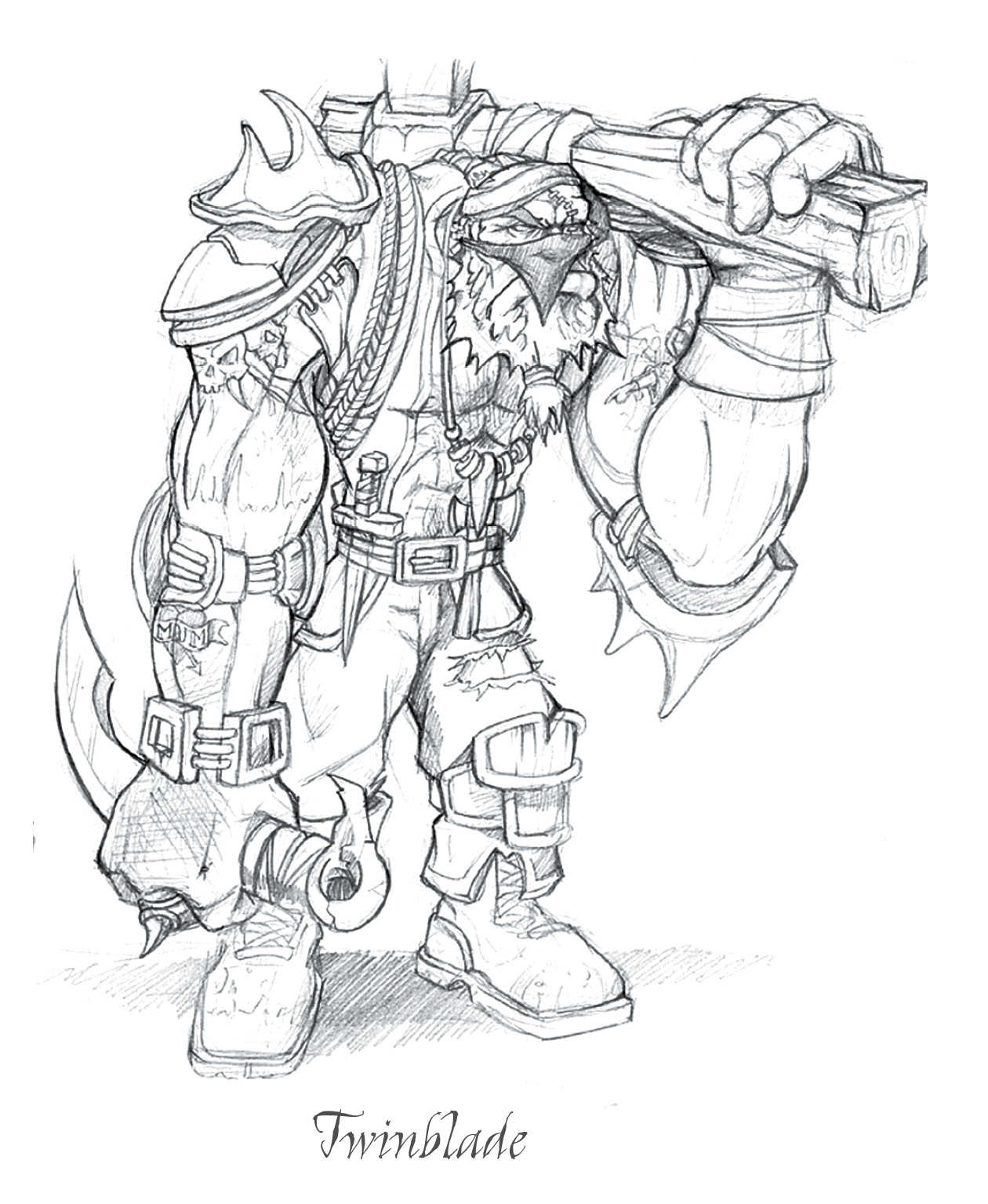
“The guy that did the voice of Maze is now the guy that does the voiceover introducing the acts on the X-Factor! Also, if you listen closely during the Twinblade battle you’ll hear Michael the Geordie fromI’m Alan Partridge shouting abuse at you.”
~ James Vale
The Beginning Of The End
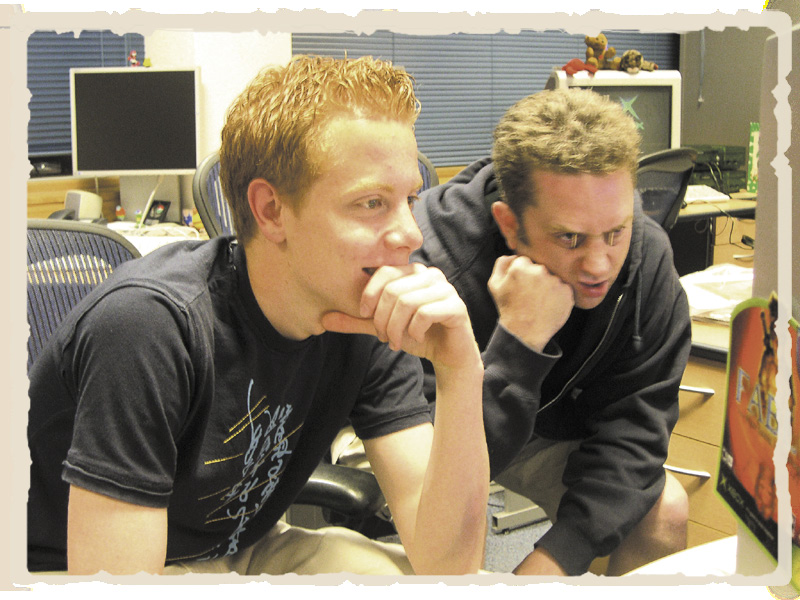
With Fable’s September 2004 release date set in stone (a mere six years after development began!), Big Blue Box’s final crunch began in earnest. Chris Berry, a tester for Lionhead at the time, remembers, “Crunching for the very final push is something that will stick with me for the rest of my life, for better or worse. We were a small in-house test team who worked around the clock to keep on top of every change that was going in and hunting for deeper issues. In the final month, we peaked at 130 hours work each in one week—something that was only possible because the people around us were fantastic, and just as delirious.”
Charlton Edwards, then assistant lead tester, recalls the time equally well, with Fable’s insanely ambitious nature leading to all manner of unexpected, last-minute issues—including one particularly outlandish bug that rotated the entire Heroes’ Guild 90 degrees if a player attempted to use the Force Push spell next to the Map Table.
Chris Berry remembers finding another obscure bug in the early hours of the morning, shortly before the game went gold. “Unfortunately, the person we needed to fix it had been out late into the night celebrating his birthday. We woke him up from his drunken slumber and brought him into the office to look at the problem. After several hours, Microsoft (who knew nothing of the fixer’s diminished condition) made the call that it wasn’t worth taking a fix for the problem. So we sent him back home, horrifically sleep-deprived, with nothing to show for it.”
Eventually, though, Fable reached gold status on August 24, 2004. Needless to say, it was a memorable moment for the entire team after such a lengthy development. “It was a lovely, sunny day and everyone was just in the best mood ever,” recollects Adam Sibbick, “We headed off to the pub knowing we’d given it our all, and that we’d created something unique.”
For Simon Carter, the moment was even more profound, “It took Big Blue Box nearly six years to ship its first (and only) game. It was an incredibly stressful experience, with people working 60- to 80-hour weeks for much of the time. The game had stretched the finances of Big Blue Box and Lionhead to breaking point, and it seemed the thing would never end. I was at my desk when I got the call saying the game had gone gold and Fable was being sent to manufacturing. I got up, headed for the stairs to go home, and by the time I was halfway down I was weeping like an infant.”
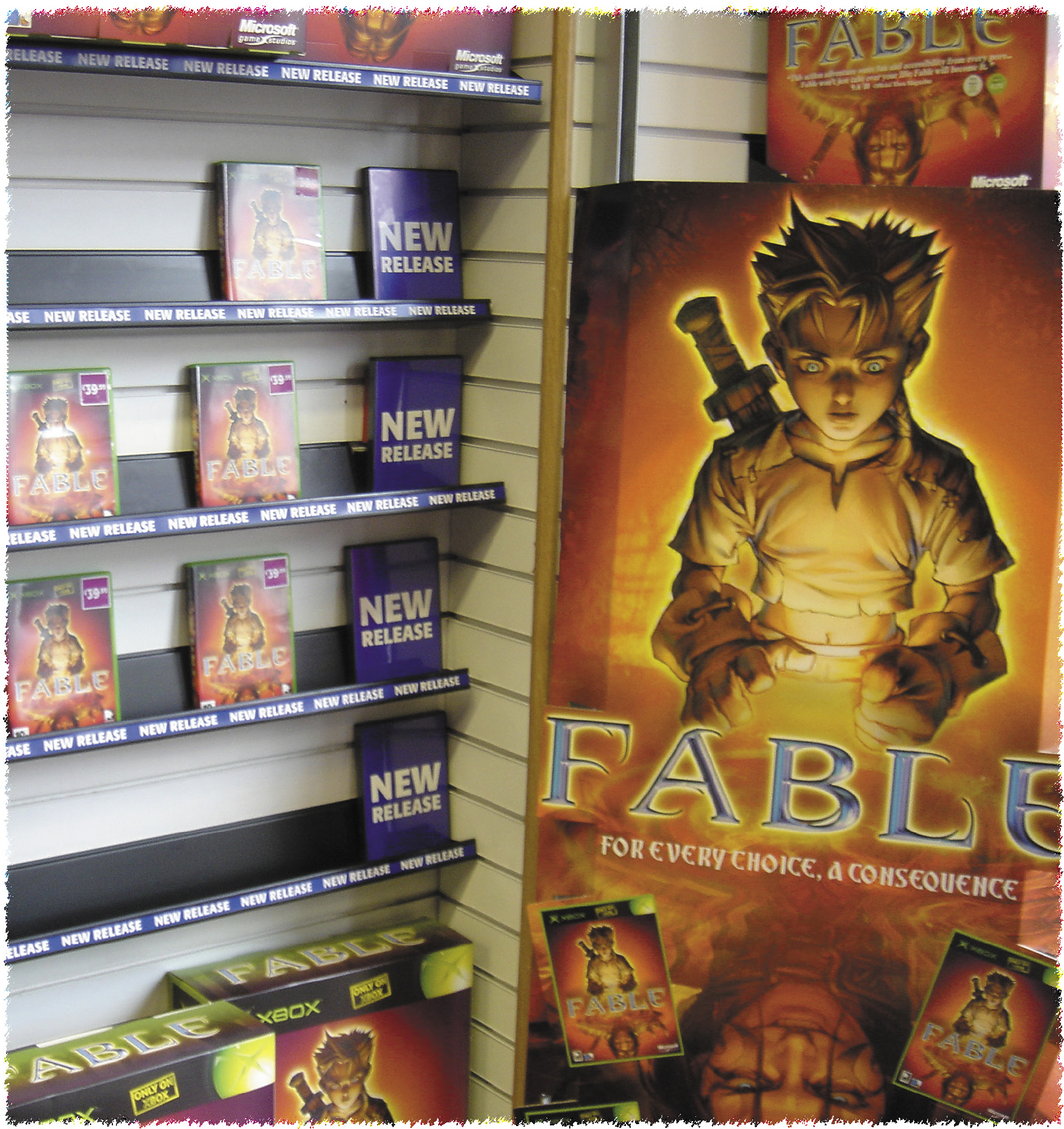
Despite its protracted development (and lack of growable acorns), Fable launched to huge critical acclaim—its thoroughly unique blend of distinctly British fantasy and empowering choice-and-consequence design proving an instant hit, selling over a million copies in its first few days of release alone. “It’s a wondrous sight,” reflects Damian Buzugbe, “seeing all your hard work nicely wrapped in cellophane and picked up off a shelf by someone who’s been waiting for it for years.”
Over the next decade, Fable would go on to spawn a brilliant expansion in the form of Fable: The Lost Chapters (incorporating many ideas cut from the original game), two sequels, spin-offs Fable Heroes and Fable: The Journey, plus a new multiplayer take on the franchise in the upcoming Fable: Legends. And then, of course, there’s the small matter of its high-definition remaster, Fable Anniversary.
A CLASSIC REBORN
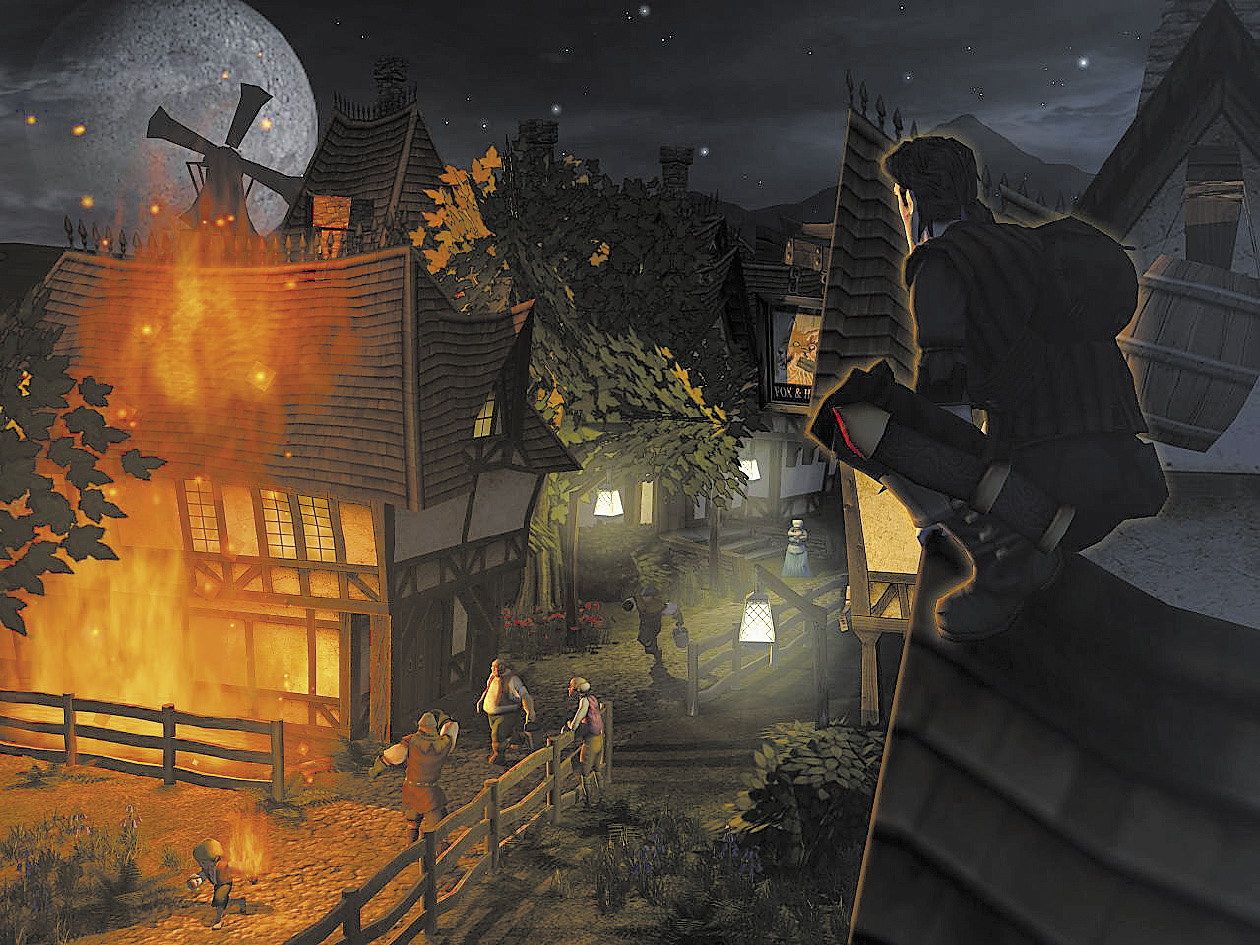
As Ted Timmins explains, the team’s ultimate goal with Fable Anniversary was to modernise Lionhead’s ten-year-old classic without compromising the essence of the original. “Our ambition was that players would actually have the feeling of, ‘This is just how I remember it!’ Nostalgia can be both a gift and a curse, though; a game you played 10 years ago matures in your mind like a fine wine, but if you go back, the reality can be very different.”
Alexia Christofi, production intern on Fable Anniversary, agrees, “People always have this nostalgic idea of games that they played years ago being absolutely stunning, but, going back, you realise your memory of them is pretty distorted—often older games don’t look half as good as you thought they did. Fable Anniversary helps the player keep that nostalgic feel and brings it forward to the present day—where the possibilities are endless when it comes to how beautiful games can be.”
Did you know?
“The Xbox 360 is powerful enough to run the whole Fable game on one CPU, the Unreal Engine on another, and still have one CPU left over for things like audio!”
~ Ian Shaw
Indeed, despite the supreme talents of Big Blue Box’s art team, many original assets suffered due to the limitations of the original Xbox hardware. “The reality is that even state-of-the-art graphics from back then look a bit grainy, dithered, and polygonal around the edges,” notes Ian Shaw, technical director on Fable Anniversary.
It’s not just Fable’s visuals that have enjoyed a makeover in Anniversary, though. As Russell Shaw explains, the original Xbox’s limited disc space forced some drastic audio compromises, “We had to heavily compress the speech and sound effects, with Simon Carter hastily writing a program which stripped out all unnecessary data from the sound banks.” With Fable Anniversary, however, comes the opportunity to restore the original game’s audio in all its glory. “Sonically, all the niggles I had about the original have been ironed out. We’re now using the original assets without compression (or lossless compression at least), and the music has been remixed and remastered in surround. It really does retain the feel of the original game but now feels incredibly contemporary, too.”
Alongside Fable Anniversary’s impressive audio-visual overhaul, the remaster also seeks to address some of the original game’s more troublesome aspects—its awkward save system being a prime example. As Dene Carter puts it, “Saving in Fable was a horrific compromise that none of us were happy with; somehow, we’d ended up with a quest and game system so complex, it was impossible to save everything without the possibility of utterly breaking the game upon reload.” Long-time Fable fans should immediately notice Anniversary’s save game improvements, with a modernised checkpoint set-up now making adventuring in Albion just that little bit easier.
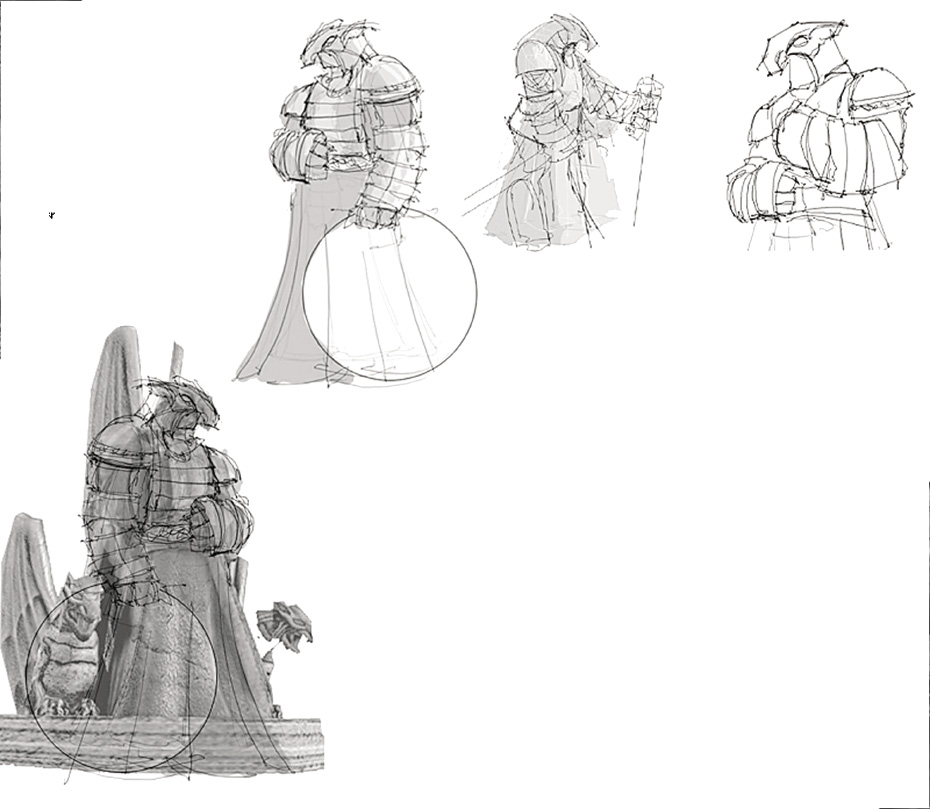
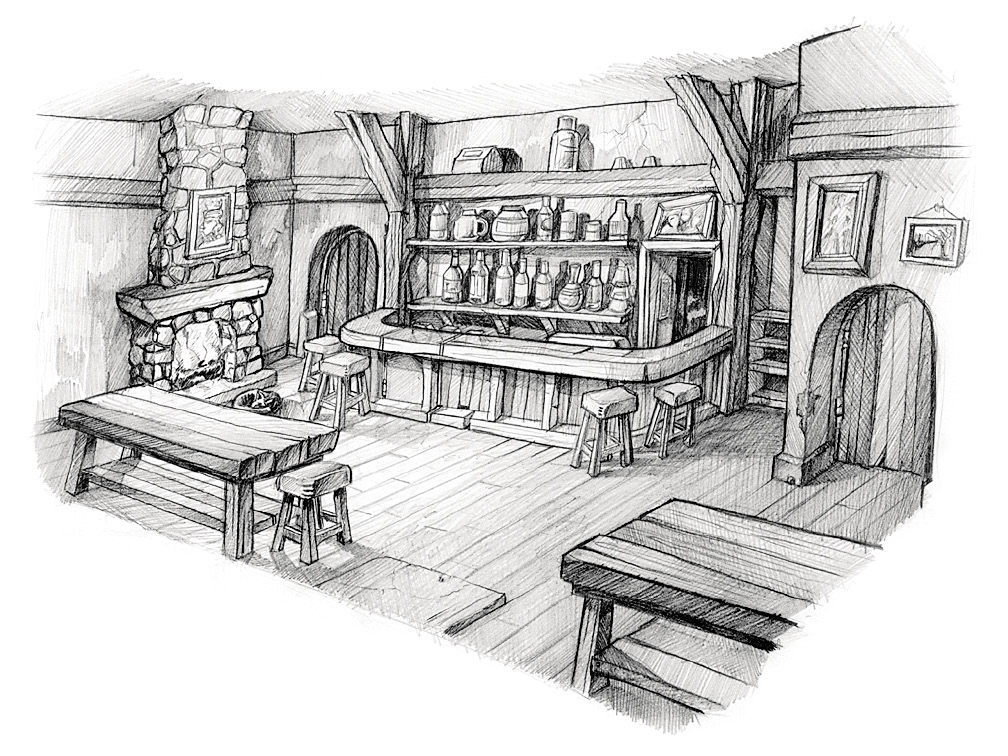
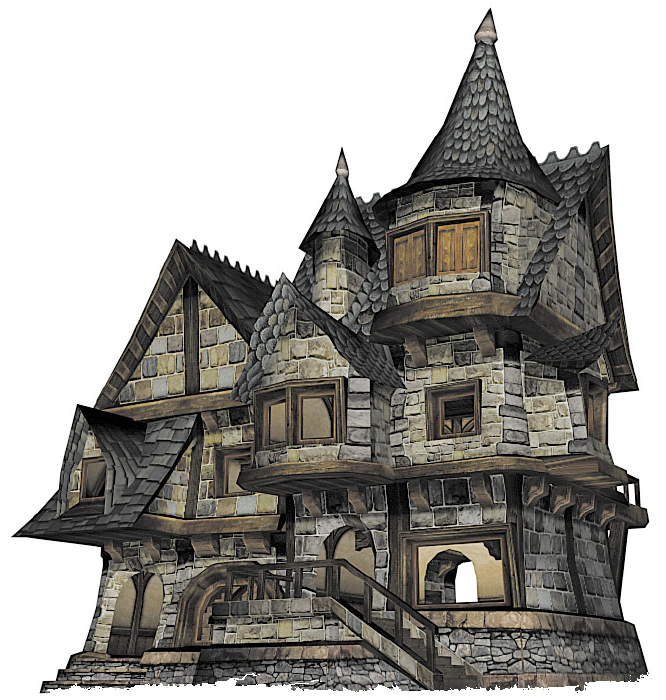
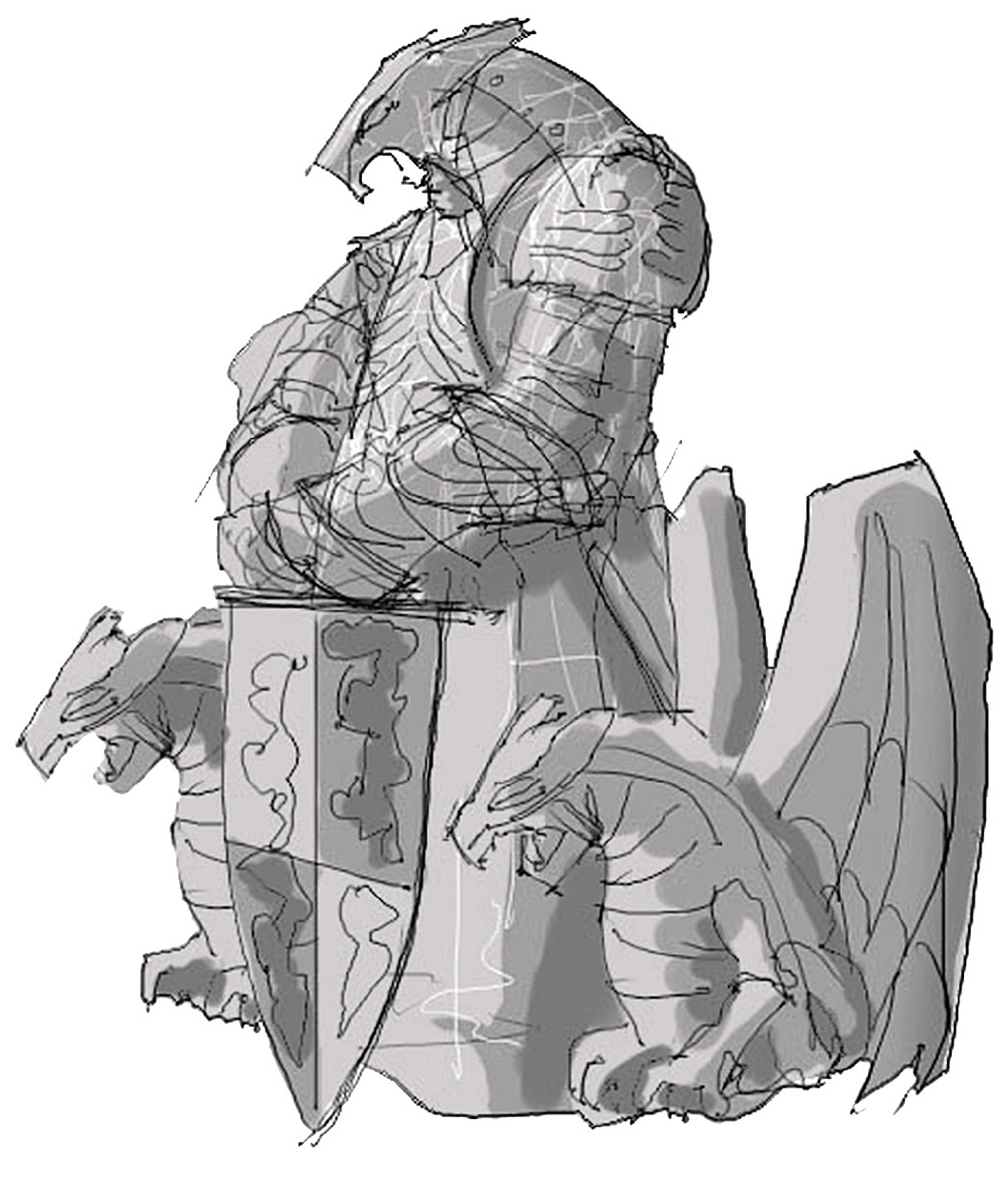
There are more plenty more under-the-hood, nip-and-tucks to be found in Anniversary,too. Fable’s original, labyrinthine menu system, for instance, has enjoyed a substantial overhaul.“The original had many layers and levels which resulted in lots of going back and forth,” explains Jenny Peers, Fable Anniversary’s 2D artist, “We focused on figuring out how regular tasks could be simplified, using the Xbox controller’s triggers to quickly flick between pages.”
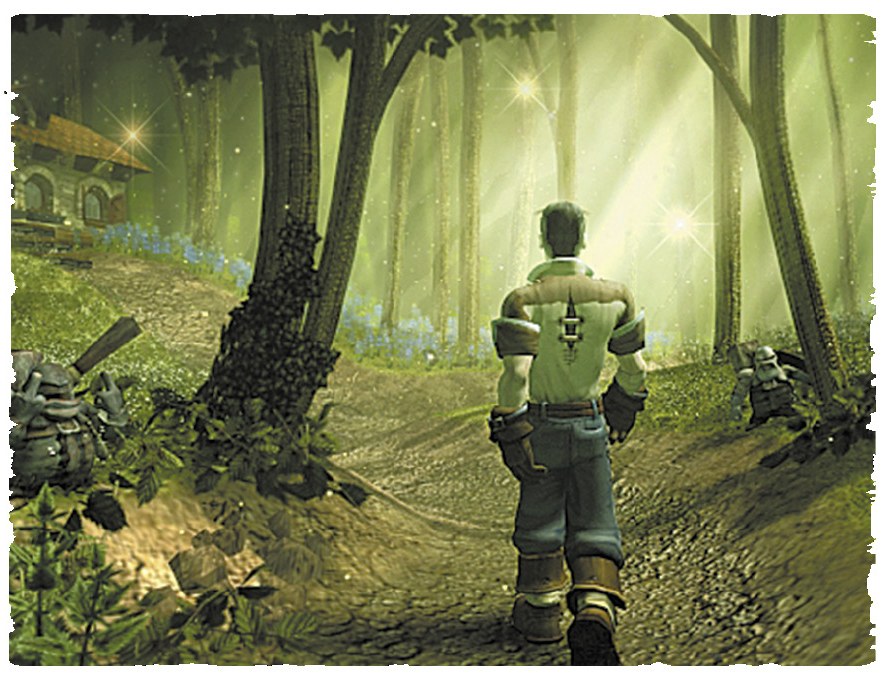
Similar streamlining can be found elsewhere; weapons and clothing can now be equipped when an item is first collected, for instance, while Anniversary’s Fable 2-inspired control set-up delivers altogether more robust action. That’s particularly true of the game’s much-improved lock-on system. As Ted Timmins explains, “Its fix felt like it was 10 years in the making. We had a joke back in the old Fable test department that, while The Legend of Zelda invented the target-lock, it was Fable 1 that broke it!”
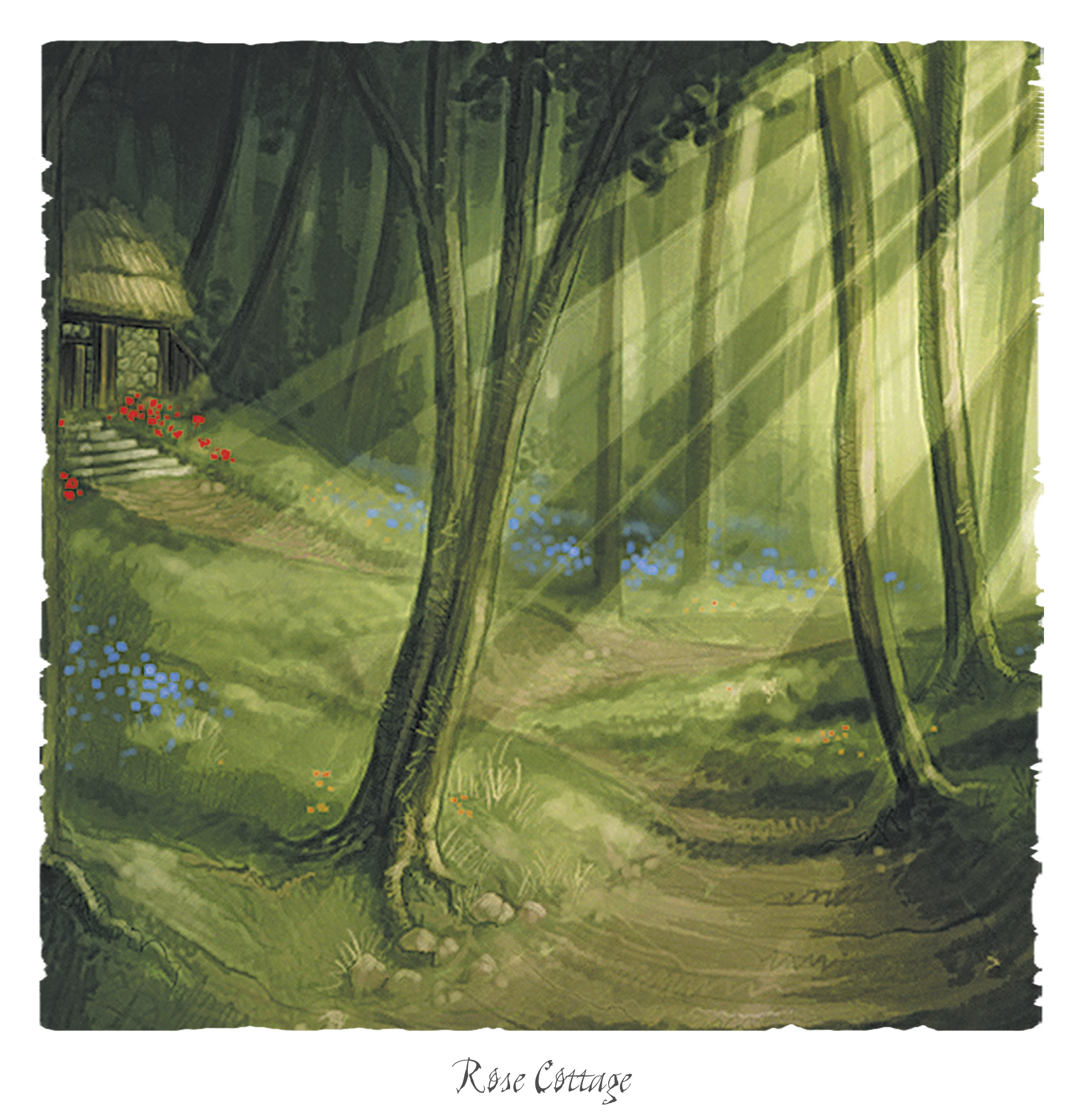
The results of Lionhead’s diligent work, it’s fair to say, speak for themselves. “Looking back at the original Fable, I’m incredibly proud of what we created, but, honestly, all I can see now are the bugs that didn’t get fixed and the hard compromises,” Ian Yarwood-Lovett admits, “I always wanted more—stuff we just couldn’t do back then—and Fable Anniversary delivers on those wishes.”
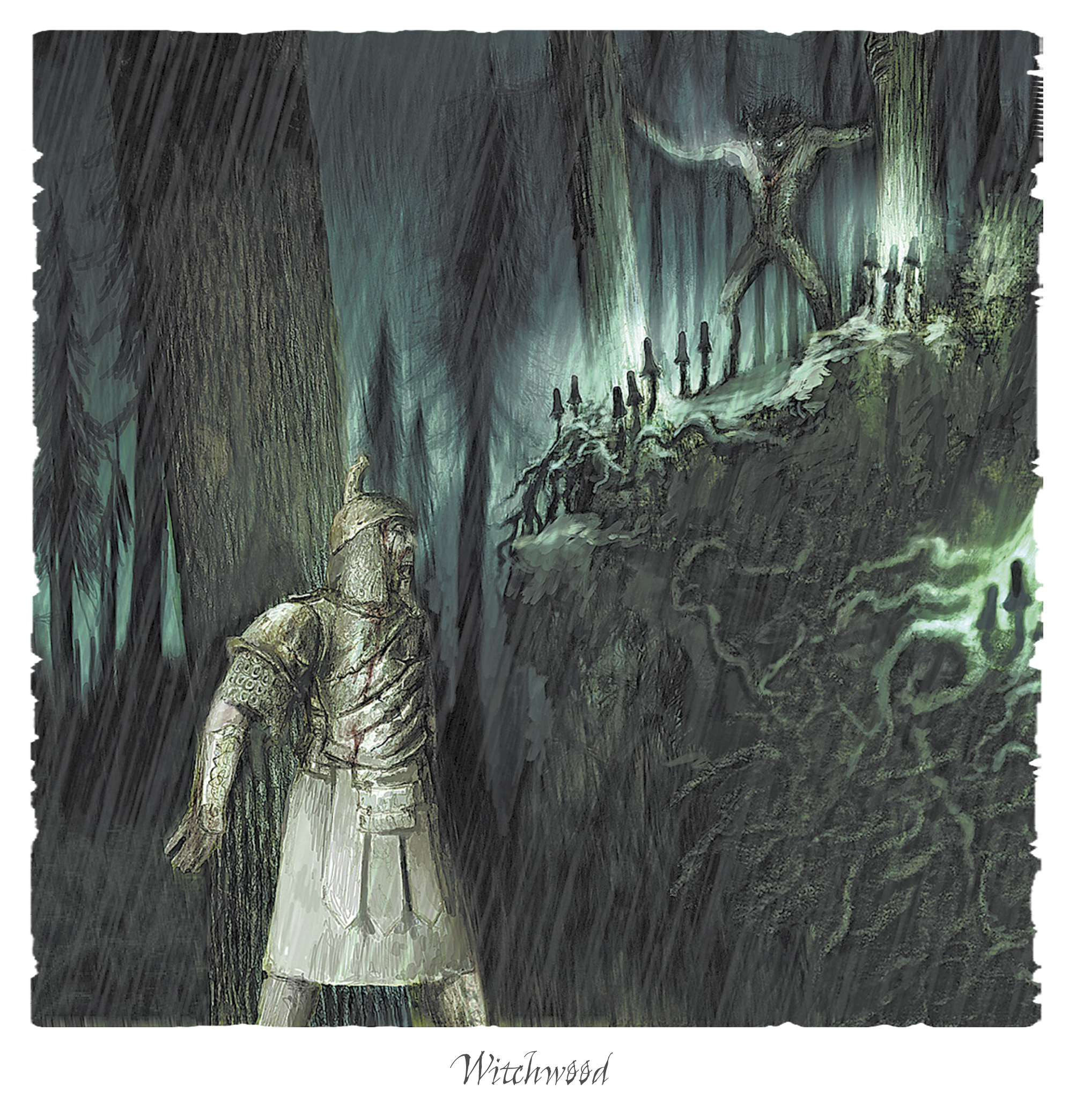
Did you know?
“There are over 400 different icons used in the HUD and inventory system—from pies and Health potions to wasp heads and even a cheeky middle finger!”
- Jenny Peers
A LASTING LEGACY
So 10 years on, and with Fable looking and playing better than ever, why has Big Blue Box’s grandly ambitious role-playing game endured? Ask any member of the team and the answer, inevitably, always comes back to Albion itself. Art manager Mark Smart puts Fable’s success down to the world’s distinct charm and eccentricity, and Adam Sibbick agrees, “Fable’s unique humour and sense of adventure still holds up today. I think we managed to get the balance right between exploration, heart, and just plain old British absurdity.”
It’s the game’s singular silliness that stays with James Cobbett, lead software test engineer on Fable Anniversary, too, “A lot of open-world titles are populated with bland copy-and-paste characters. How many other games feature such a broad range of personalities as Fable? How many other games demand that you help out a Scouser who’s desperate for the loo within the first 10 minutes?”
“There’s an honest charm to the world,” says Ian Yarwood-Lovett. “It draws people in and makes them want to stay. Fable’s always been more than the sum of its parts; it’s a hundred different ideas jumbled up and glued together that somehow just work.” Simon Carter agrees, “Fable got the tone we were trying to hit perfectly. The palette was right, the environments were tight and controlled, combat felt punchy, and the world felt beautiful and convincing. Given that we had no idea what we were doing at the time, it really is a testament to the talents of the people involved that we got so many things right.”
Perhaps Dene Carter puts it best, though: “Fable’s success comes down to the fact that a large number of people spent a long, long time making a world they loved rather than just a space for play. It comes through in the names of the pubs, the activities of the people, the art, the music, and the sounds.... It’s Albion, and there’s no mistaking it for anywhere else.”
Special thanks to Chris Berry, Damian Buzugbe, Dene Carter, Simon Carter, Alexia Christofi, James Cobbett, Charlton Edwards, Ian Faichnie, Julian Glover, Alan Harding, Mark Hill, Louise Murray, Jenny Peers, Adam Sibbick, Ian Shaw, Russell Shaw, Mark Smart, Ted Timmins, James Vale, Mike West, and Ian Yarwood-Lovett for their invaluable help in creating this retrospective. And, of course, equal thanks to the entire Fable team, both past and present, for taking us on an unforgettable adventure.