
Mass Effect 2 Guide Essentials PLANETARY DATABASE
Explorers of the 24th Century
Thanks to the discovery of the mass relays, humans have been able to explore a great deal of the galaxy and map much of its celestial contents.
As a result of such expanded horizons, new minerals have been discovered and harvested. These new minerals are critical for the development of upgrades via research projects..
EXPLORERS OF THE 24TH CENTURY
The crew of the Normandy can scout out mineral deposits on planets in many of the galaxy’s clusters.
Since time is of the essence for Shepard in the fight against the Reapers, knowing exactly where to look for the different minerals will make upgrading technology and researching new projects much easier.
[001]
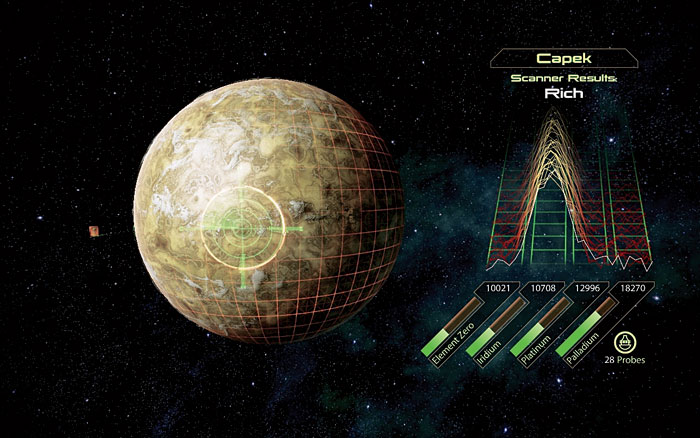
Mining for minerals on planets [001] is not an exact science, though. You will not always find the same amount of mineral on one type of planet. Nor will it be in the same area. So, use these tips in conjunction with the planetary database to get the most out of your mining trips:
- Expect to find approximately 15 deposit sites on the planet surface.
- Look for sites that offer multiple minerals. You double the effectiveness of your probe if you drop one on a site that straddles two or more elements.
- Every planet has a random number of low-value deposits. These minerals will barely show up on your scanners. Pursue these minor deposits at your own discretion. Often, they will not be worth the cost of the probe.
-
While there are general rules and assumptions for mineral distribution, do not assume every planet of the same type will give up the same minerals.
Read the description of each planet before mining to see if the planet has any special properties that might affect your mining operation.
[002]
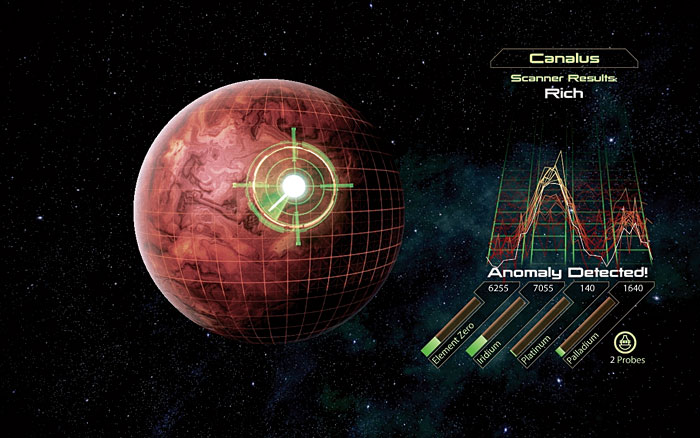
In addition to searching for minerals, you also use the scanner to seek out anomalies [002] that indicate a potential special assignment. These are listed in the Special Assignments chapter and cross-referenced here.
Planet Types
There are nine different planet types: brown dwarf, desert, garden, ice giant, Jovian, Pegasid, post-garden, ocean/ice, and rock. These planet categories offer blanket assessments of what to expect when mining.
[003]
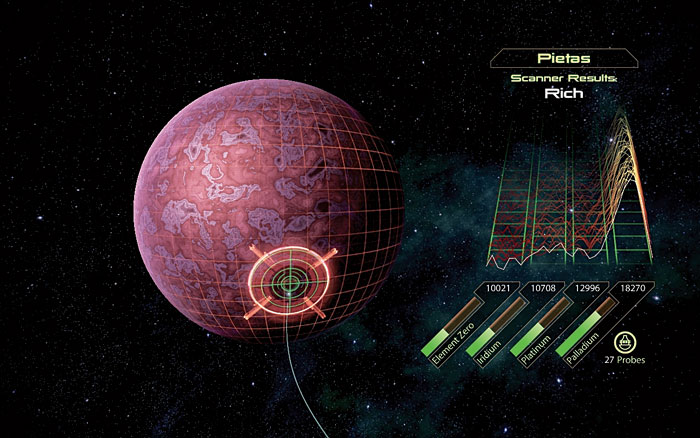
Each planet has a set quantity of minerals to harvest [003] . The mineral content of a planet is measured in this database as richness . There are five levels of richness: Rich, Good, Moderate, Poor, and Depleted.
Though you should at least orbit depleted planets to add them to your personal database, don’t waste the probes on mining them. Instead, concentrate first on “rich” and “good” planets, which provide the largest bounties.
Since minerals and element zero are such important (and precious) commodities, in addition to noting the overall richness of the planet, these charts also measure the amount of each mineral and element zero. Ratings are Rich, Moderate, Poor, and None.
Brown Dwarf
- Frequency: Rare
- Examples: Osalri, Urdak
- Element Zero: None
- Iridium: 30%
- Palladium: 40%
- Platinum: 30%
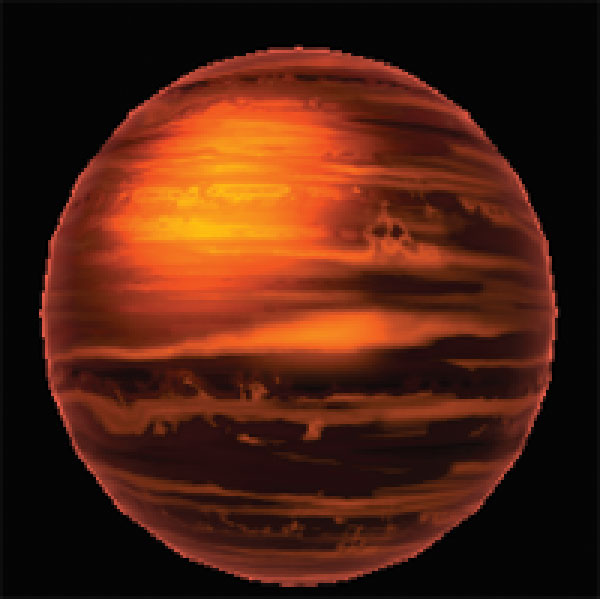
Brown dwarfs are gas giants that almost had enough mass to become small stars but never quite started the final combustion process.
However, as a result of their mass, brown dwarfs do have some luminosity. The minerals on a brown dwarf are typically spread out along the bands of the planet, so look there when mining.
Desert
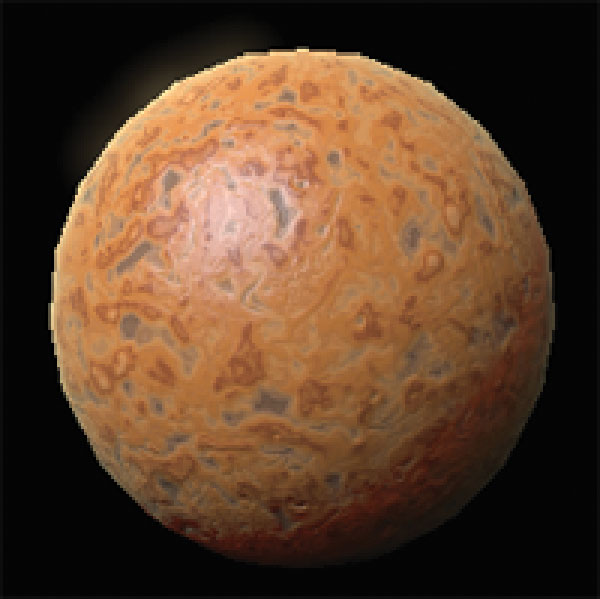
- Frequency: Very Common
- Examples: Laena, Bovis Tor
- Element Zero: None
- Iridium: 20%
- Palladium: 60%
- Platinum: 20%
These arid planets are high-density, usually with a reddish-brown surface. Incredibly hot and dry, desert planets are not known for sustaining life.
They are rich in minerals, but those deposits are spread out across the surface in small clusters.
Garden
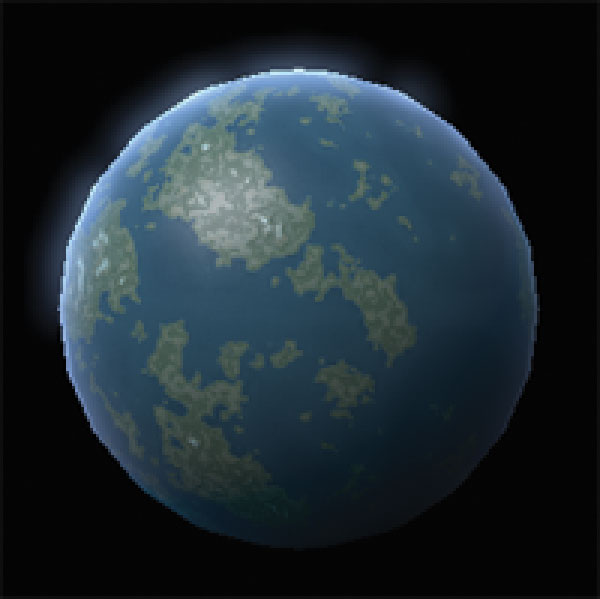
- Frequency: Rare
- Example: Earth, Sanctum, Talis Fia
- Element Zero: Poor
- Iridium: 15%
- Palladium: 25%
- Platinum: 60%
Life-sustaining garden planets are rare in the galaxy. These worlds have a mixture of ocean and land and support both plant and animal life.
Garden planets are one of the few planet types where you can expect to find element zero—look to the continents. The other minerals should be looked for in mountainous areas.
Ice Giant
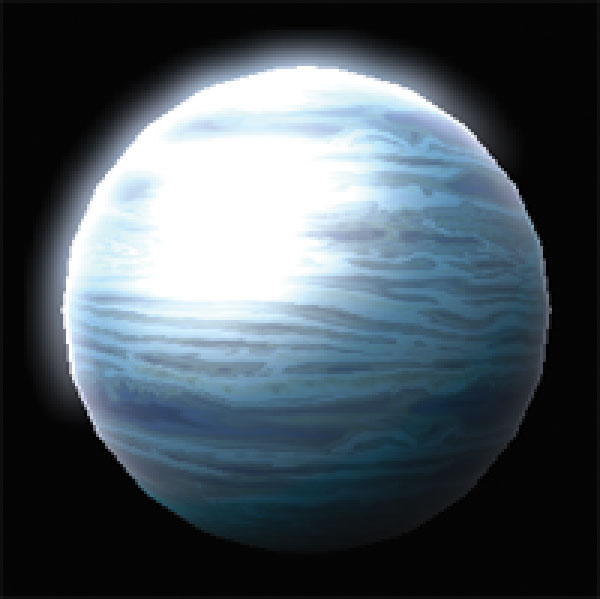
- Frequency: Common
- Examples: Neptune, Tula, Alkonost
- Element Zero: None
- Iridium: 20%
- Palladium: 30%
- Platinum: 50%
These enormous ice planets are also gas giants but have an atmosphere composed of water vapor, ammonia, and methane.
Minerals on an ice giant are concentrated in smallish clusters. Look for noticeable features, such as massive storms, for the location of rich deposits.
Jovian
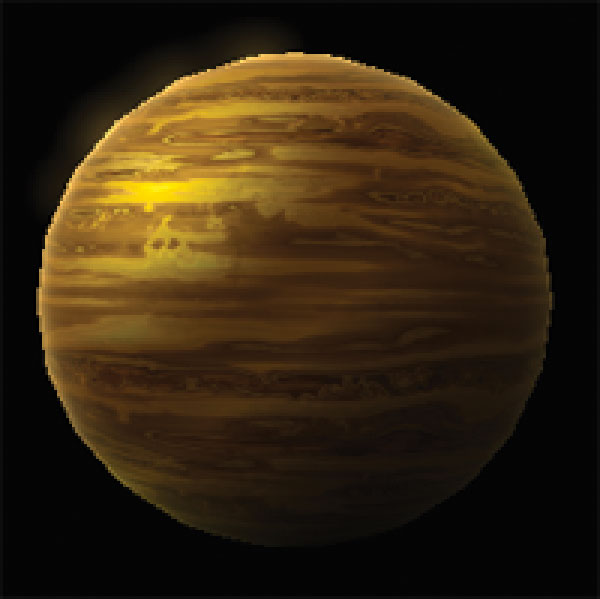
- Frequency: Common
- Examples: Bast, Nephros
- Element Zero: None
- Iridium: 30%
- Palladium: 30%
- Platinum: 40%
Giant Jovians are gaseous planets that are too small to have become stars but yet contain many of the required elements, like concentrated amounts of hydrogen and helium.
As on brown dwarfs, the minerals on a giant Jovian are spread out across the colorful bands.
Pegasid
- Frequency: Rare
- Example: Rescel, Jontan
- Element Zero: None
- Iridium: 30%
- Palladium: 40%
- Platinum: 30%
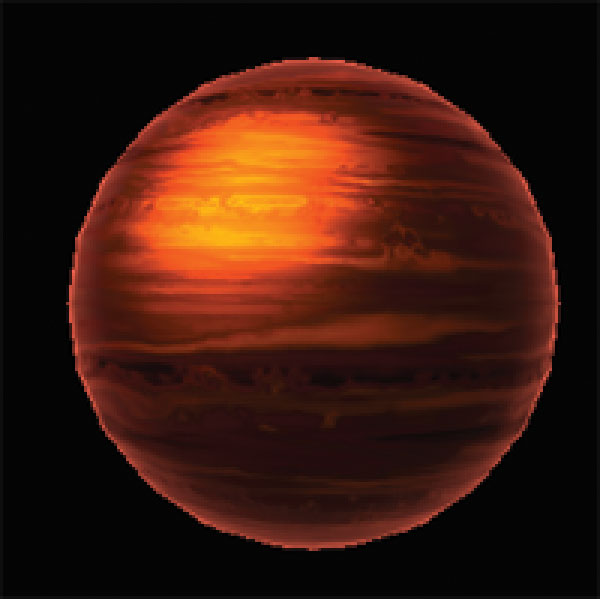
Giant Pegasids are similar to Jovian giants but are locked in close orbit with their parent stars.The orbit causes a tidal lock, meaning that there is a “hot pole” that faces the star and a “cold pole” that faces deep space (and is incredibly dark).
Giant Pegasids have hurricane winds that move from the hot pole to the cold pole.These poles are where you should expect to find the richest deposits, which is quite different from other planets, which typically see their deposits along the equator or in the horizontal bands.
Post-Garden
- Frequency: Rare
- Example: Helyme, Etamis
- Element Zero: Rich
- Iridium: 30%
- Palladium: 40%
- Platinum: 40%
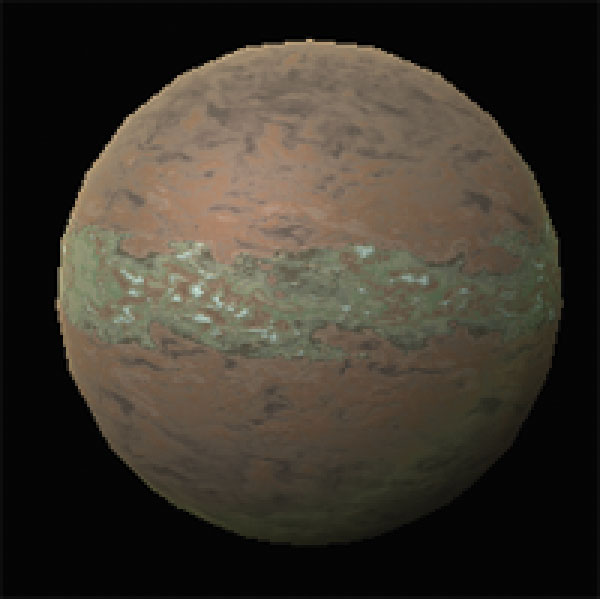
Post-garden worlds are reminders of the dreadful power of the Reapers. These planets were once rich with life but are now husks with ruined cities and discolored landscapes.
Element zero is highly concentrated on post-garden planets as a result of fallen civilizations. The remaining minerals are spread out across the equator with occasional deposits elsewhere.
Ocean/Ice
- Frequency: Common
- Example: Anedia, Maisuth
- Element Zero: None
- Iridium: 15%
- Palladium: 15%
- Platinum: 70%
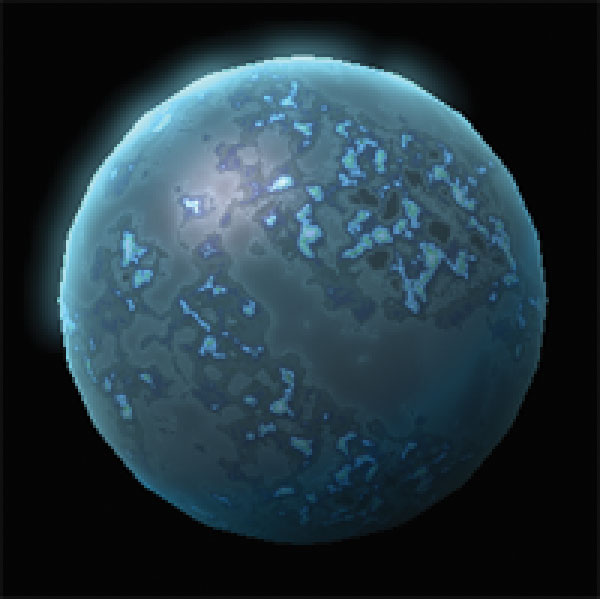
These planets are high-density, with strong metallic cores surrounded by frozen oceans. Ocean/ice planets can support some life, but do not expect to find element zero on them. Instead, look for the mineral deposits in small clusters.
Rock
- Frequency: Very Common
- Examples: Moon (Luna), Gregas, Quarem
- Element Zero: None
- Iridium: 60%
- Palladium: 20%
- Platinum: 20%
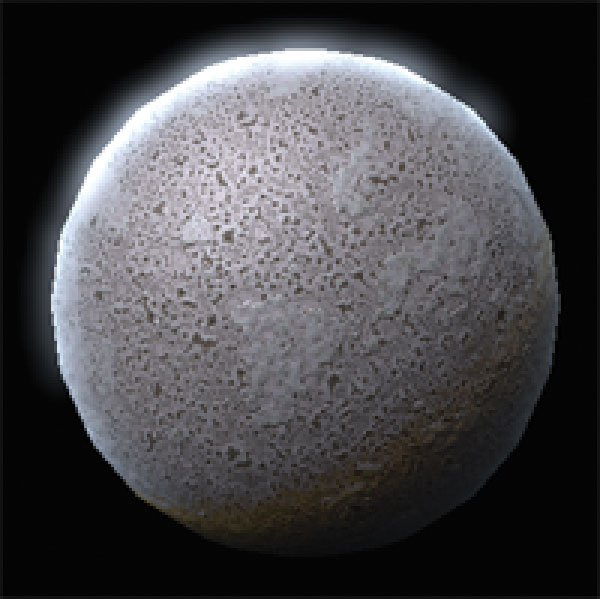
Rock planets are typically small with little to no atmosphere and no native life whatsoever. When mining a rock planet, look to the impact craters for the richest deposits.