
Halo Wars 2 Guide Units Air Units
UNSC Air Units
All UNSC air units benefit from the global air upgrades found in the Airpad.
Global Upgrades: UNSC Air Units
| Icon | Name | Description | Tech Level |  Requirements Requirements |  Requirements Requirements |  Requirements Requirements | Time |
|---|---|---|---|---|---|---|---|
 |
Air Upgrade I | (All air units) 10% damage boost. 10% health boost. | 2 | — | — | 450 | 60s |
 |
Air Upgrade II | (All air units) 20% damage boost. 20% health boost. Requires Air Upgrade I. | 2 | — | — | 650 | 80s |
 |
Air Upgrade III | (All air units) 30% damage boost. 30% health boost. Requires Air Upgrade II. | 3 | — | — | 850 | 100s |
Protector Sentinel
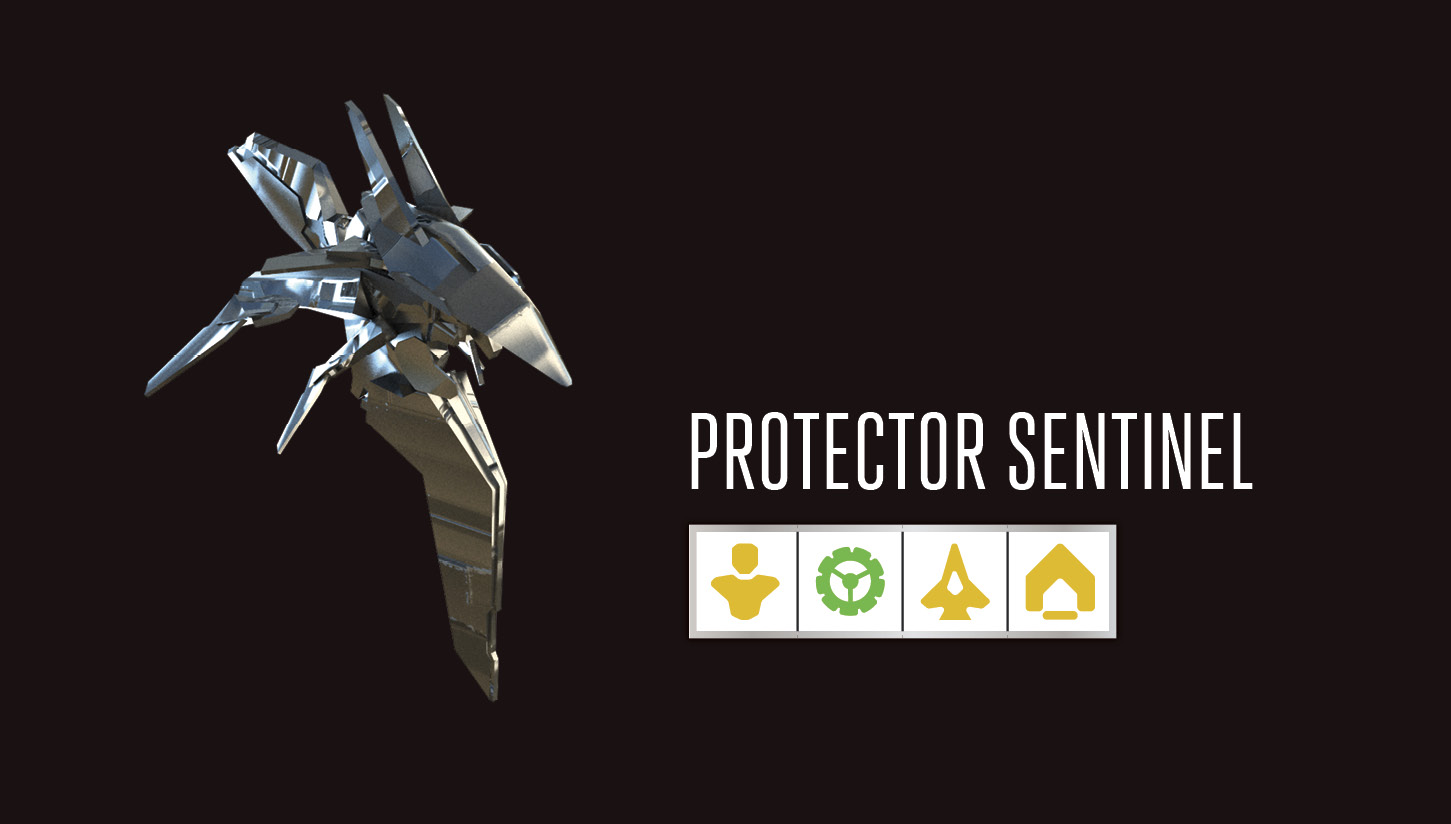
Unit Class: Core Air
Accessed Via: UNSC Bases and Minibases
Strengths/Weaknesses:
- Fast-moving
- Only available to Anders
- Requires Protector Sentinel Leader Power
Training Requirements
| Tech Level | | | | Time |
|---|---|---|---|---|
| 0 | 4 | 280 | 30 | 25s |
Available Research
| Icon | Name | Description | Tech Level | Requirements | Requirements | Requirements | Time |
|---|---|---|---|---|---|---|---|
 |
Drone Escort | (Unit upgrade) Increases damage. Increases health. Unlocks Lockdown Bolt active ability. | 2 | — | — | 500 | 30s |
 |
Defense Grid | (Unit upgrade) Increases speed. Detonates on destruction. Requires Drone Escort. | 3 | — | — | 600 | 35s |
Unit Details
Professor Anders has shown a remarkable ability to manipulate Forerunner command codes and bypass directive locks, giving her the ability to take direct control of the Ark’s own Protector Sentinels.
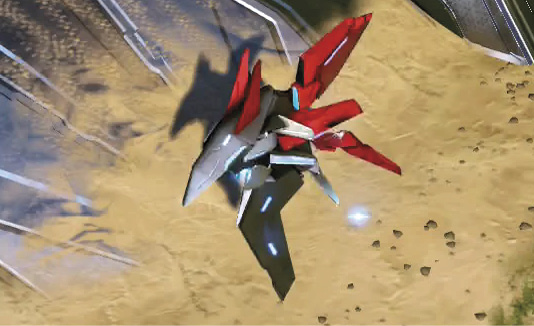
The Protector Sentinel is a flying Forerunner drone armed with an energy-based cleansing beam that can damage all enemy types but is most effective against vehicles. These units can be upgraded with swarming drones capable of temporarily disabling enemy vehicles and buildings. The Defense Grid upgrade allows a defeated Protector Sentinel to explode, unleashing an EMP burst that stuns nearby units.
Basic Tactics
Although the Protector Sentinel is exclusive to Anders, it serves as one of the UNSC’s best air-based rush options. The unit itself has no Tech Level requirement, and once you’ve purchased the prerequisite Tier 2 Leader Power, it can be produced in any base you control. With a few expansion bases and a steady flow of resources, you can quickly produce (and rapidly reinforce) a sizable fleet of Protector Sentinels.
This core air unit isn’t as durable as the Hornet, but it’s a bit faster, and it offers a better attack range and an extended line of sight.
The Protector Sentinel’s Drone Escort not only boosts the unit’s health and damage, it also grants access to the Lockdown Bolt. Use this active ability to temporarily disable a target vehicle or structure.
Anders’ Sentinel Synergy Leader Power (Tier 4) unlocks additional Protector Sentinel upgrades. Purchasing this Power grants each Protector Sentinel a small shield, increased health, and greater damage output. If you plan to utilize Protector Sentinels, Sentinel Synergy is a worthy investment.
Protector Sentinels don’t gain veterancy. Keeping them healthy saves you the cost of replacing them, but don’t expect your Forerunner fleet to get stronger as they move from battle to battle.
Hornet

Unit Class: Core Air
Accessed Via: Airpad
Strengths/Weaknesses:
- Fast-moving
- Medium range
Training Requirements
| Tech Level | | | | Time |
|---|---|---|---|---|
| 2 | 4 | 375 | — | 20s |
Available Research
| Icon | Name | Description | Tech Level | Requirements | Requirements | Requirements | Time |
|---|---|---|---|---|---|---|---|
 |
Wingmen | (Unit upgrade) Adds Marines with rocket launchers. Increases health. | 3 | — | — | 750 | 30s |
Unit Details
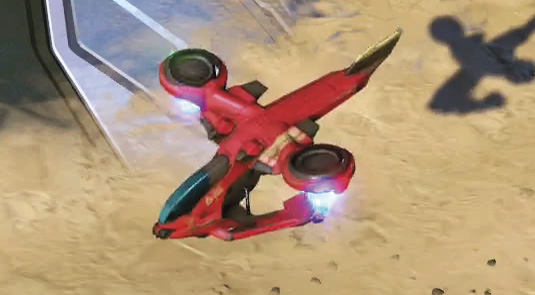
Hornets are fast-attack aerial gunships used for combat reconnaissance and surprise attacks on high-priority targets. They’re armed with medium autocannons that are effective against all targets, and they’re particularly adept at taking out light vehicles. Hornets are comparatively fragile, but their speed and versatility make them a valuable tool in the field.
Basic Tactics
Don’t underestimate these lightly armored gunships. A small group of Hornets can be a force on the battlefield; a large group of Hornets can be absolutely devastating.
The Tech Level requirement makes it difficult to mount a Hornet-based rush early in a game, but if you’re able to hold off your enemies long enough to amass a fleet of Hornets, you stand a good chance of overwhelming even well-defended bases—particularly once you’ve managed to research the Wingmen upgrade.
Despite their natural vulnerability to infantry, Hornets perform fairly well against all unit types—just keep an eye out for anti-air specialists. If you plan to pit your Hornets against Wolverines, Locusts, or upgraded Banshees, make sure your fleet is large enough to overwhelm the enemy.
Nightingale
Unit Class: Support
Accessed Via: Airpad
Strengths/Weaknesses:
- Repairs and heals
- Defensive smoke (active ability)
- Detects cloaked units
Training Requirements
| Tech Level | | | | Time |
|---|---|---|---|---|
| 2 | 4 | 400 | — | 20s |
Unit Details
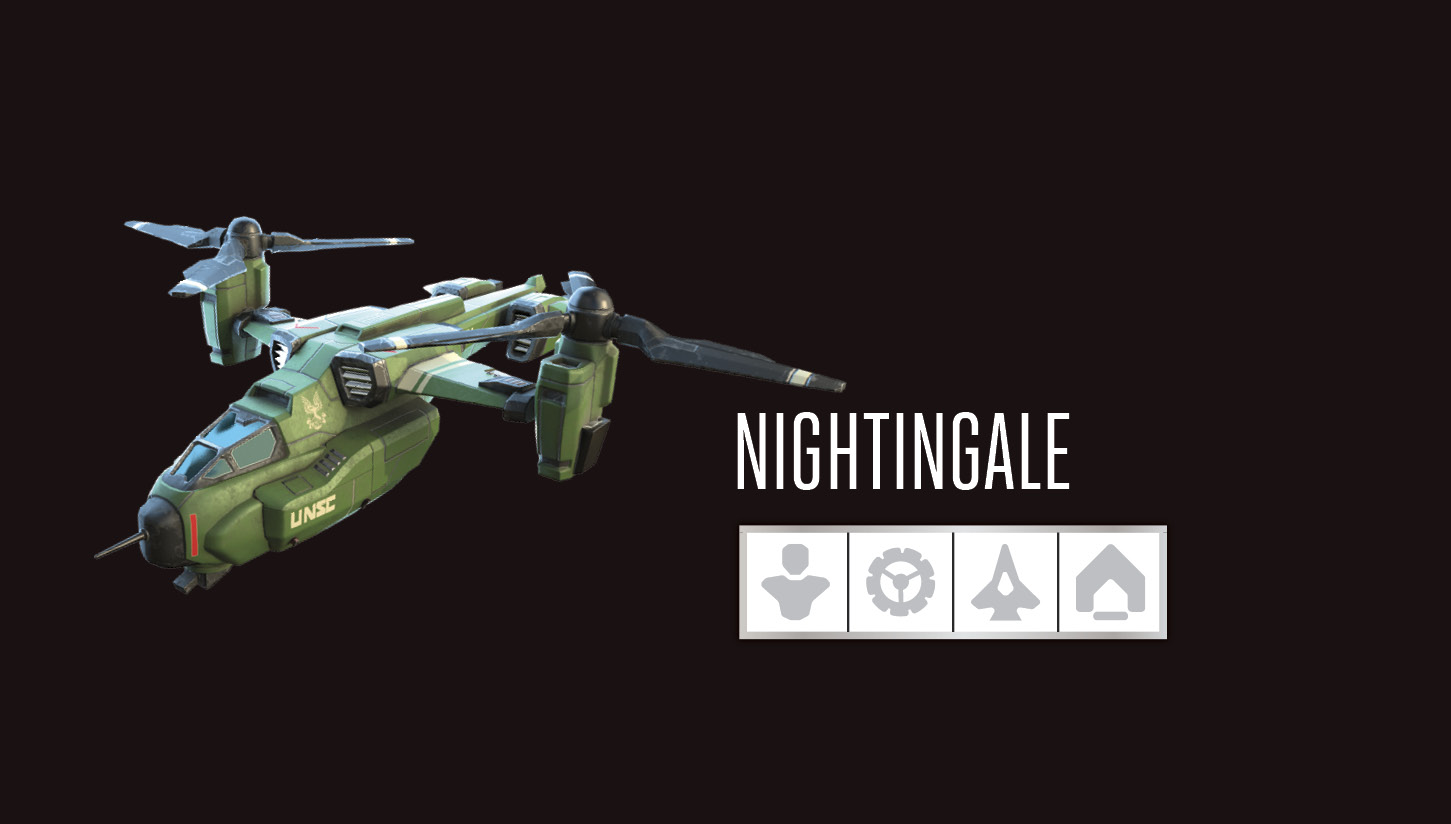
The Nightingale is a dedicated support unit that uses its complement of multipurpose Restoration Drones to heal and repair allied units. Its relatively simple construction (aside from the advanced drone system) made it possible to adapt the Nightingale’s design blueprint to the Spirit of Fire’s older factory models.
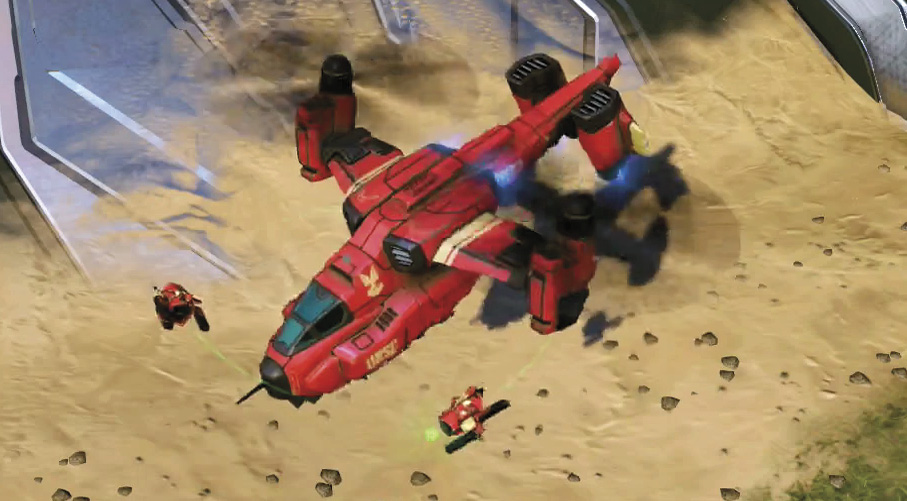
Lacking even a basic weapon system, the Nightingale has no combat abilities. However, it is able to deploy a multi-spectrum smokescreen capable of camouflaging all units within the target area.
Basic Tactics
The Nightingale is outfitted with three Restoration Drones. Each drone can target a separate unit, but no unit can be targeted by more than one drone. This means that the Nightingale is most efficient when multiple damaged units are within its sphere of influence.
The Nightingale features average movement speed, medium armor, and no weapons. Even so, its ability to heal units and repair buildings makes it a high-priority target. Avoid sending it out into the field without an escort.
Grouping Nightingales with combat units is obviously useful, but consider designating a team of three Nightingales as one of your control groups. This makes it much easier to keep them safe during large-scale firefights. Move them in to administer emergency healing to multiple targets—if they start taking too much damage, you can order them back with minimal fuss.
The Nightingale’s smokescreen camouflages all units and Turrets (friend or foe) within the target area, but it also prevents the affected units from attacking. This means you can deploy smoke near allied units to protect them from incoming fire, or you can drop it on enemy units to disrupt their attacks. The effects are temporary, but a well-placed smokescreen can tip the odds in your favor during heated firefights.
Vulture
Unit Class: Heavy Air
Accessed Via: Airpad
Strengths/Weaknesses:
- Heavily armored gunship
- Effective against most targets
- Can launch devastating Phoenix missile (active ability)
Training Requirements
| Tech Level | | | | Time |
|---|---|---|---|---|
| 3 | 9 | 750 | 75 | 40s |
Unit Details
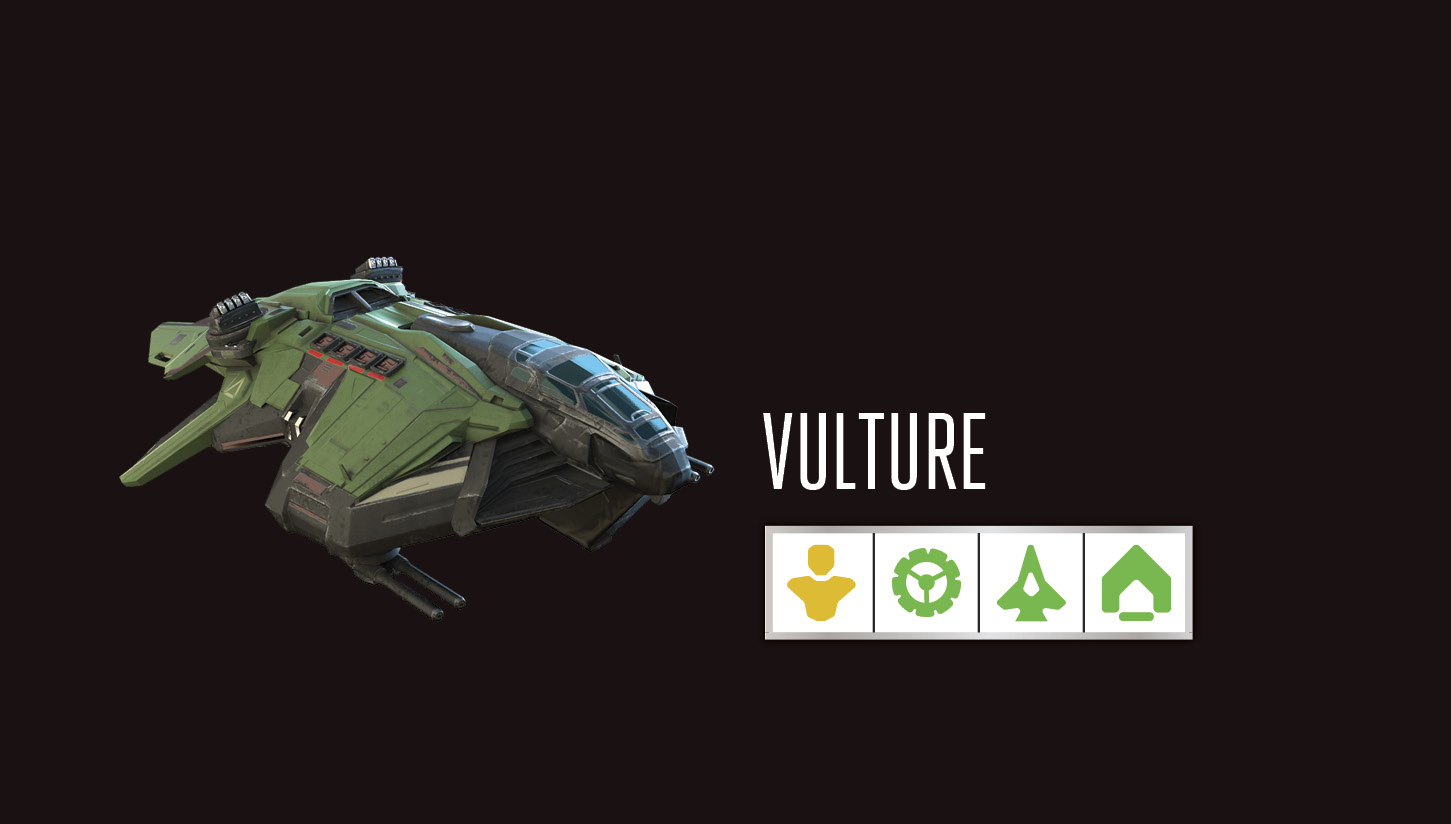
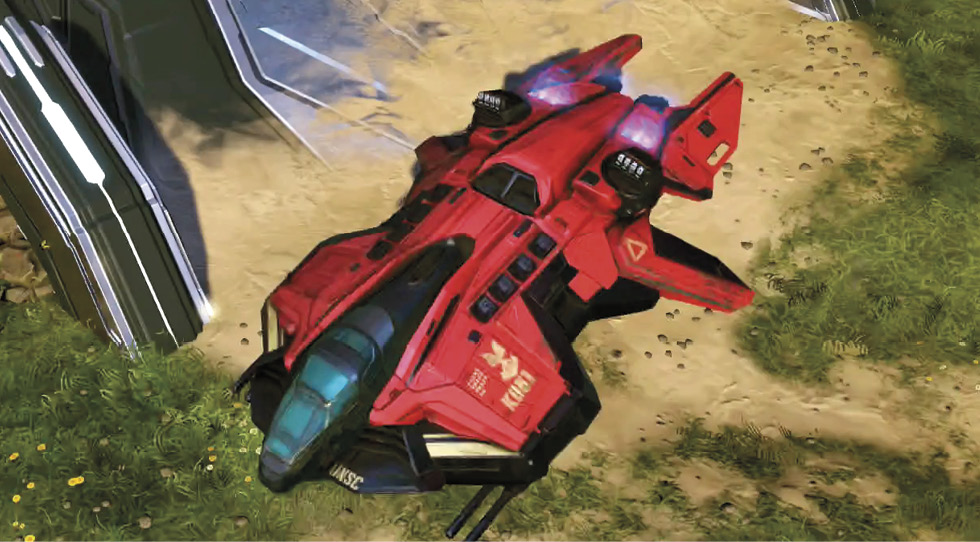
Essentially a flying tank, the Vulture is the largest combat aerodyne in UNSC service. Vulture gunships use twin autocannons to clear out ground units, and they’re outfitted with missile pods that can make short work of most air units. However, the Vulture’s most devastating weapon comes in the form of Phoenix tactical nuclear missiles.
Basic Tactics
Heavily armed and armored, the Vulture is effective in most combat situations. However, its slow-moving speed leaves it vulnerable to focused counterattacks. Be particularly cautious around groups of core air units—a swarm of Banshees or Hornets can down a Vulture fairly quickly.
The Phoenix missile is a devastating weapon, but it’s slow to fire. During the extended (and well-telegraphed) launching window, the Vulture’s core weapon systems are disabled. This gives enemy forces ample time to dodge the incoming missile—or worse, to destroy the Vulture before the missile launches. This means the Phoenix missile is best used against enemy bases. If you choose to use this ability against units, do so during chaotic firefights (during which your enemies might be distracted).
A Vulture spawns with its Phoenix missile on a lengthy cooldown. If your strategy relies on a Phoenix missile strike, make sure you allot enough time for your Vulture to charge this powerful ability.