
Halo Wars 2 Guide Getting Started
An RTS Primer
The “Rock, Paper, Scissors” Concept
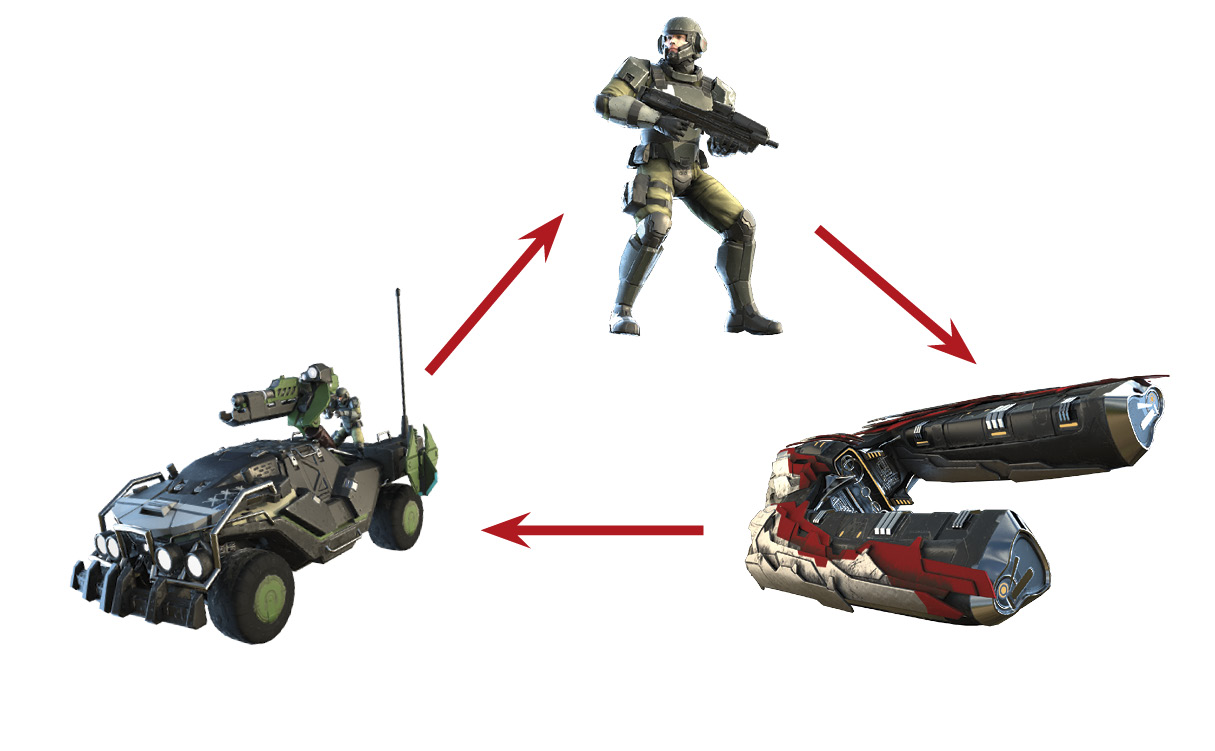
Halo Wars 2, like most classic RTS games, relies on a “golden triangle” of lethality that balances out the three basic types of units available in the game: air, infantry, and vehicle. The effect is like a game of “rock, paper, scissors”—air units deal enhanced damage per second (DPS) to ground vehicles, ground vehicles deal enhanced DPS to infantry, and infantry deals enhanced DPS to air units.
Therefore, when facing foes that are all of one unit type, you can build up a counter-force by creating units that deal bonus damage against that specific enemy type. Check our Units section for details and stats on each unit.
For example, a Wraith tank can devastate UNSC infantry units like Hellbringers, but is quite vulnerable to UNSC flyers like Hornets. If you’re playing as the Banished in a Multiplayer game and your mixed army encounters a squadron of fire-breathing UNSC Hellbringers, pull your Grunt infantry behind your Wraiths and let the tanks tear up the Hellbringers. But if you confront a contingent of Hornets instead, flip the tactic: push your Grunts forward and keep your Wraiths back in the second rank.
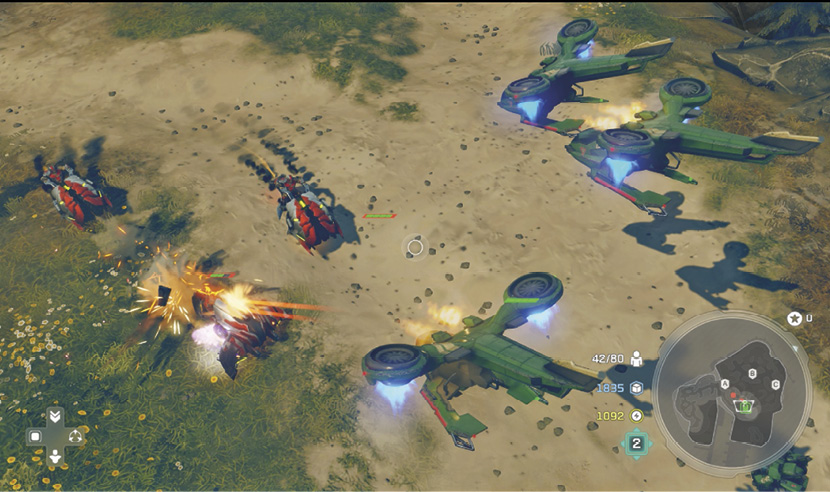
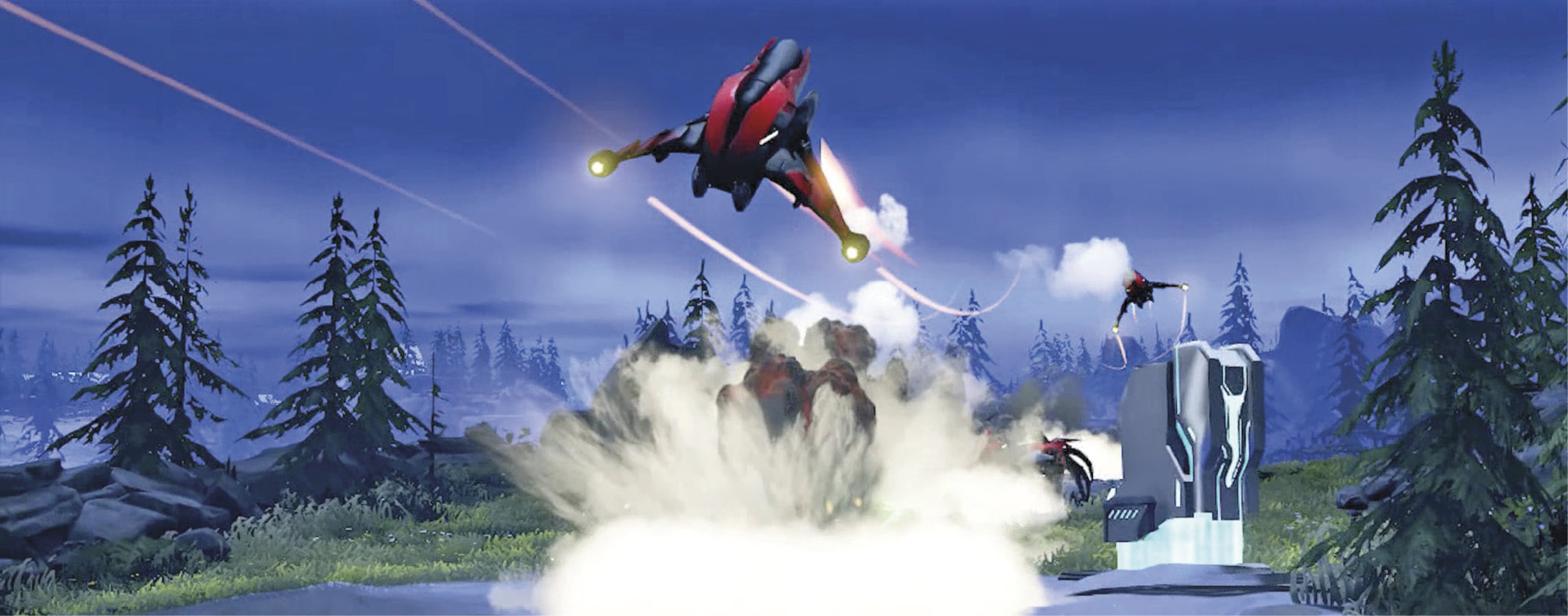
While all units in Halo Wars 2 adhere in general to the golden-triangle rule described above, keep in mind that some “counter-units” are specially designed to inflict bonus damage to specific types of enemy units—and thus, in some cases, counteract the golden-triangle effect. Wolverines are vehicles, and therefore they suffer enhanced damage from enemy flyers. However, Wolverines also sport a rack of deadly anti-aircraft missiles. If you can protect your Wolverines from enemy air-to-ground attacks with a screen of infantry, the Wolverines can tear through a flight of Banshees like tissue paper.
Know Your Counter-Units!
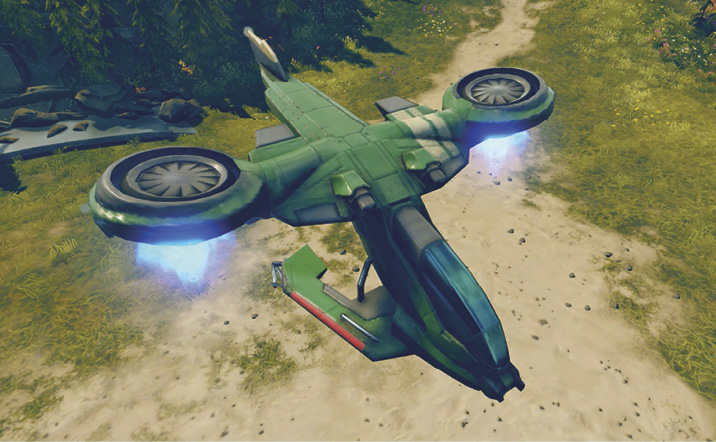
Always learn the capabilities—the strengths and especially the weaknesses—of the specific unit types you command. UNSC Hornets are highly mobile, lethal to enemy armored vehicles, but not terribly durable; Banished anti-air units can quickly eviscerate them. Thus, use Hornets to skirt choke points and to seek out and exploit enemy weak spots, instead of having them attack head-on through anti-air defenses.
There are a few special cases where units can flat-out kill other units with impunity, without fear of retaliation. For example, UNSC Hornets have air-to-ground attacks, but Banished Hunters cannot hit air targets; likewise, Banished Banshees can unload on UNSC Cyclops squads without worrying about counterattacks.
Special Abilities
In Halo Wars 2, every unit has a primary attack (except Nightingales and Engineers, the game’s repair units). To unleash this attack, select the unit, then move the cursor over its target and press the Attack button. Note that several unit types in the game also boast a secondary unit ability that can be valuable (if not downright critical) in certain combat situations.
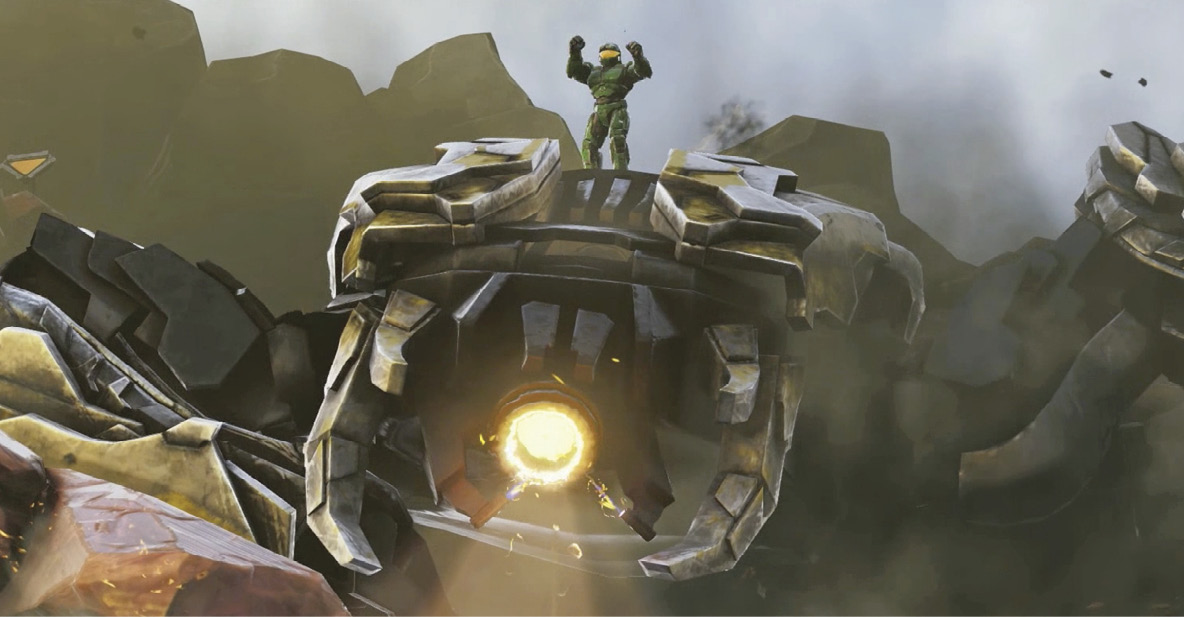
For example, the Warthog has a Ram ability that sends the vehicle careening grill-first into targeted units; this attack is particularly devastating to enemy infantry squads. Your Spartan Heroes feature a special triple-purpose ability called the Spartan Slam. When you target the ground near enemy units, the Spartan leaps high and lands with a concussive slam, inflicting damage to all enemy units in the immediate vicinity; when you target certain areas of high ground, the Spartan can use the same ability to hop up a cliff wall; and when you target an enemy vehicle with the Spartan Slam, the Hero jumps aboard and hijacks it.
Make sure you learn what every unit can do—some units have truly game-changing specials. The UNSC Kodiak and the Banished Blisterback offer relatively average primary attacks, but both transform into devastating artillery platforms when their special unit abilities are activated.
Leader Powers
In the Halo Wars 2 Campaign, players can call down powerful strikes or activate other useful functions from the UNSC capital ship, Spirit of Fire. These abilities, some active and some passive, are called Leader Powers, and they exert an impressive influence on the battlefield.
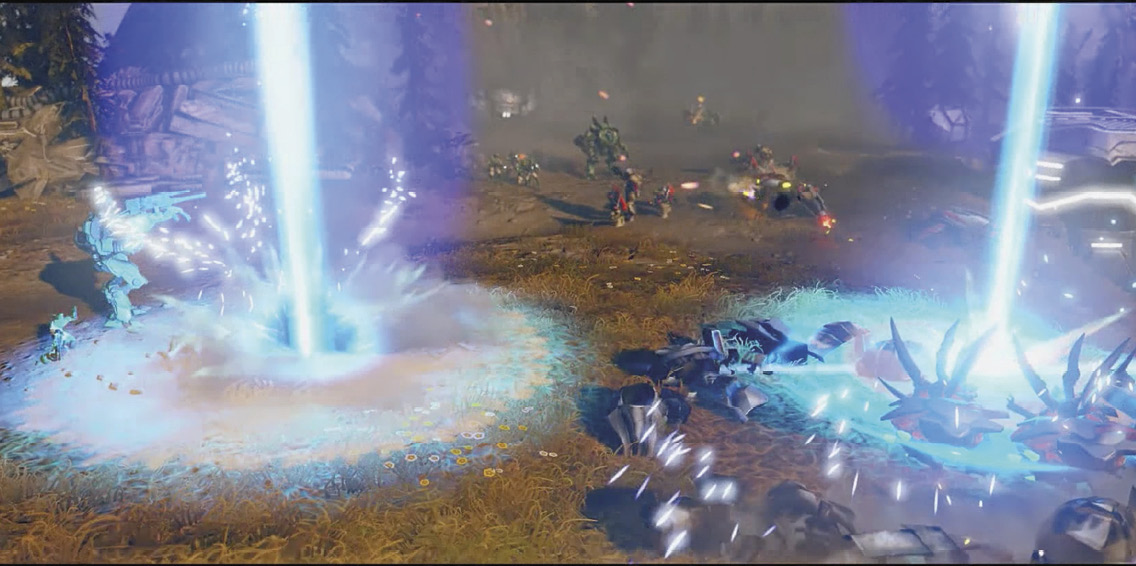
Our advice: use Leader Powers frequently but efficiently. Don’t waste Archer Missiles on a small handful of Banished infantry unless your troops are in desperate straits. Save the big strikes for massed foes or when hostile Super units lumber onto the field.
As you progress through each mission and defeat foes, you earn Leader Points you can spend to buy new Leader Powers or upgrade existing ones. In general, you should spend your Leader Points right away; don’t hoard them. Upgrade the Powers that best enhance your preferred style of play.
Resources
Almost every RTS game, Campaign or Multiplayer, is a production race at some level—whoever cranks out more and better units usually wins. Your production outflow depends on the inflow of raw materials. In Halo Wars 2, that means Supply and Power. Indeed, a faster inflow of resources can offset weaknesses in micro combat skills. If you build more stuff than your foe, you can be an inferior tactician and still win. Thus, creating an efficient base operation is perhaps the most fundamental skill to master in Halo Wars 2.
In the early going, possessing more units (and thus more attacks per second) is preferable to having upgraded attacks. In other words, don’t sacrifice troop production to the expensive activity of upgrading your capabilities—at least not right away. Spend the bulk of your early funds on amassing troops. Attack and armor upgrades can be quite valuable in the long run, but also expensive and time-consuming to acquire.
Upgrades
But if you’ve been thorough and efficient about developing your economy, exploring the map, and managing your forces, sometimes you’re practically drowning in resources as you move into the latter stages of missions. Remember, Supply and Power do you no good sitting in storage. Spend them!
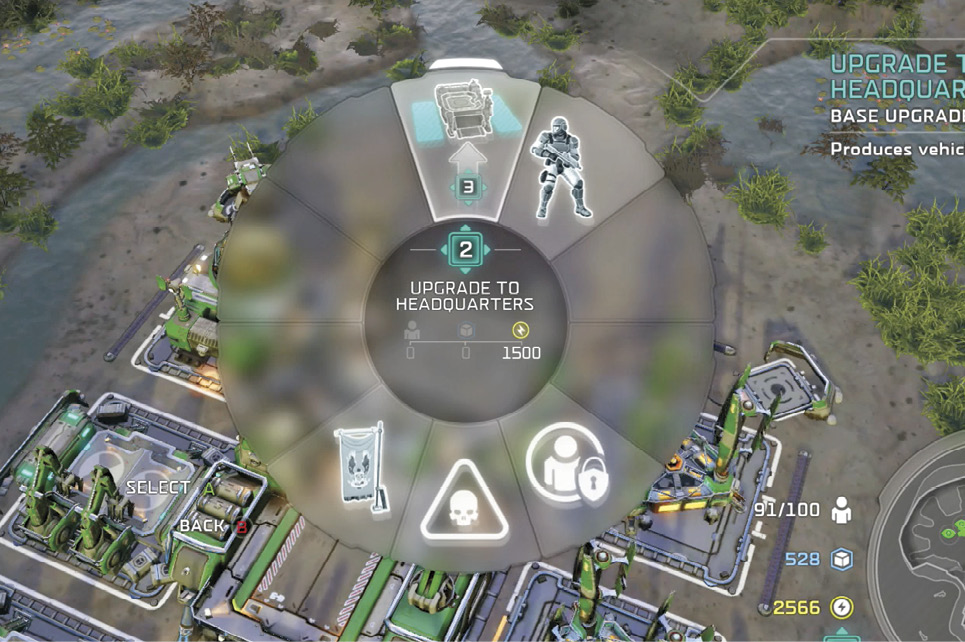
Keep popping back into your base to buy air, vehicle, and infantry upgrades. Visit your Armory to increase the Population cap, speed up production time, and strengthen base structures. Get your Tech Level up to 3. And make sure individual units receive their upgrades too, especially the units you rely on most. Marines should have a Combat Tech, Hornets should have Wingmen, Warthogs should have Gauss Cannons, and so on.