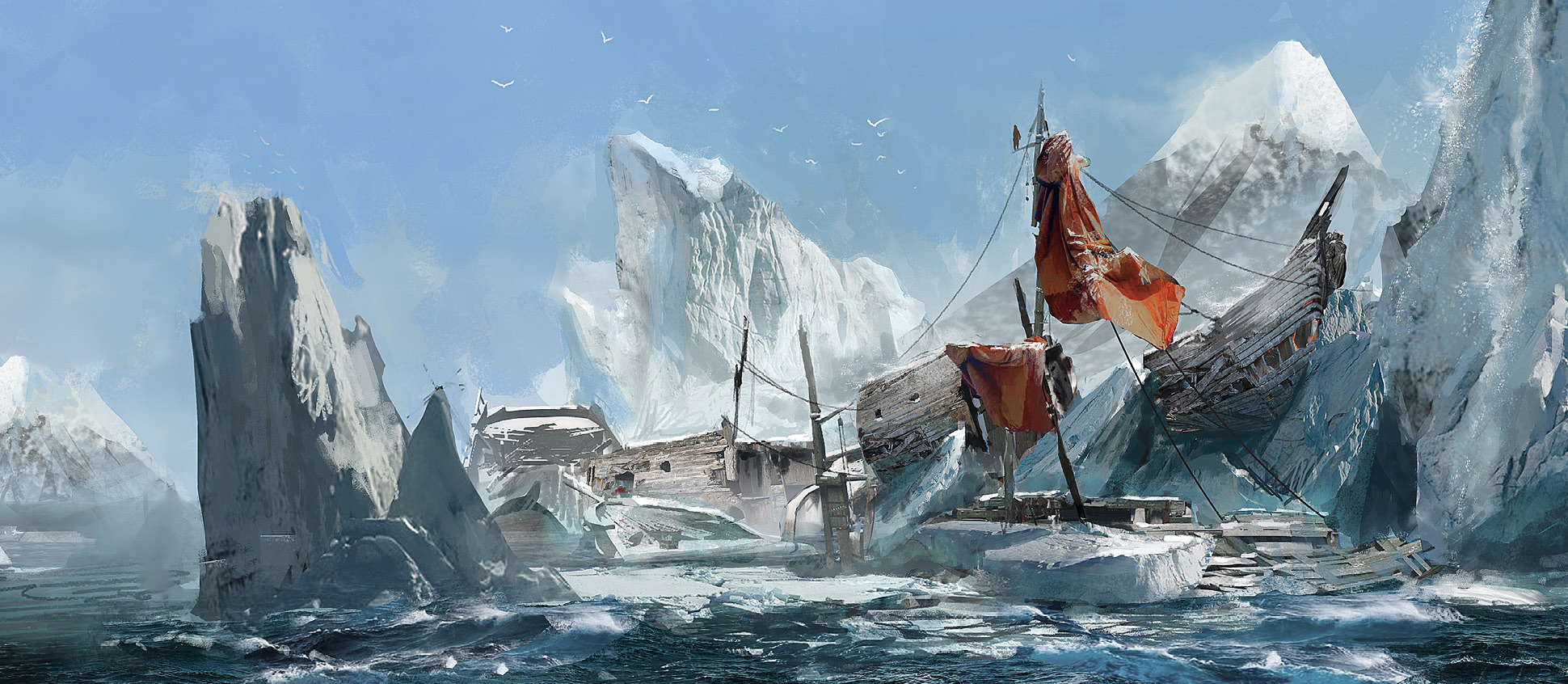
Assassin's Creed Rogue Guide Extra Background Information
The North Atlantic
The waters of the North Atlantic are cold and unyielding. Only the daring or the foolhardy sail to these remote locations, where the glaciers float in relative silence and the largest vessels of several nations compete for dominance.
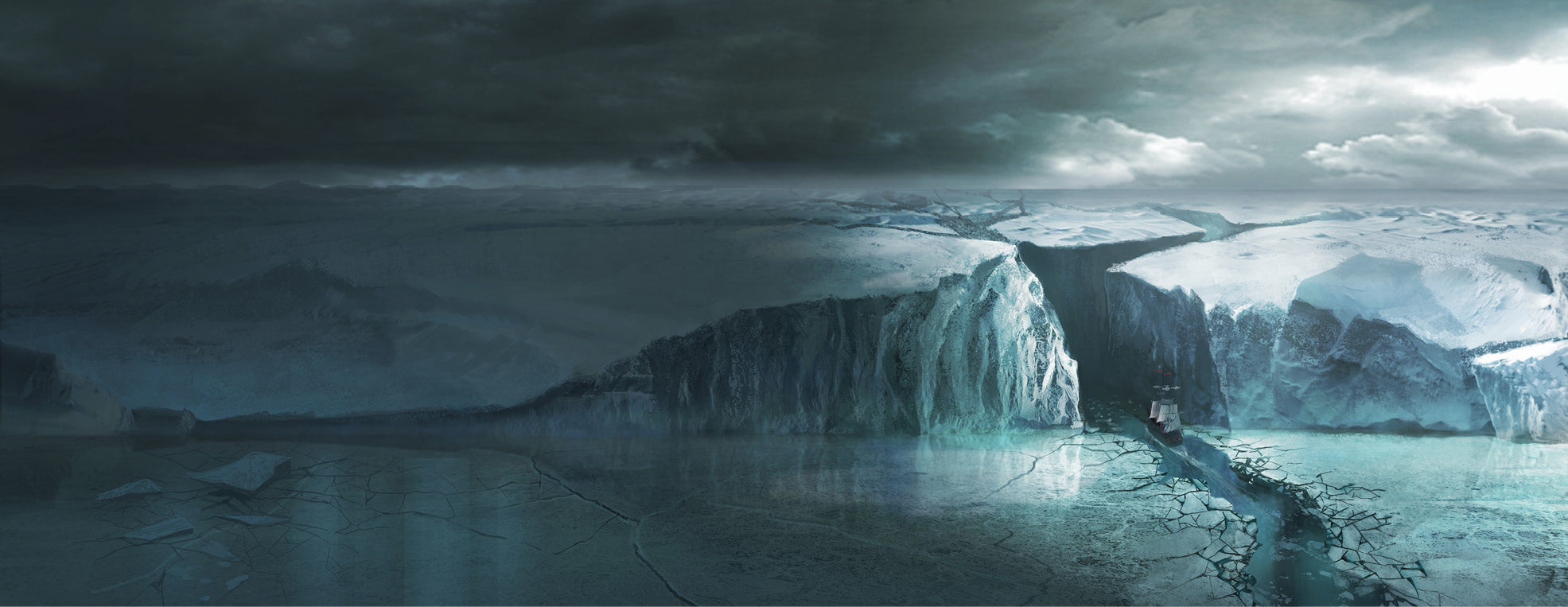
North Arctic Passage
Also known as the Northwest Passage, this sea route was sought for centuries by explorers hoping to connect the Atlantic and Pacific oceans, although any real progress was often impeded by ice.
The desire to establish a trade route to the Indies and China resulted in various attempts to find a path. The first recorded effort was sponsored by Henry VII of England in 1497 and carried out by Italian explorer Giovanni Caboto (or as he is better known, John Cabot).
In 1776, Captain James Cook was coaxed out of retirement to lead another such expedition. However, despite his expertise and extensive research, he encountered nothing but icebergs.
In 1845, Sir John Franklin led another attempt, this one ending in a far worse fate. The expedition became trapped in the ice and was lost, with no known survivors. Then the Norwegian explorer Roald Amundsen made an attempt, inspired in part by Franklin’s lost expedition. His voyage, which lasted from 1903 to 1906, marked the first time that the passage was successfully traversed by ship.
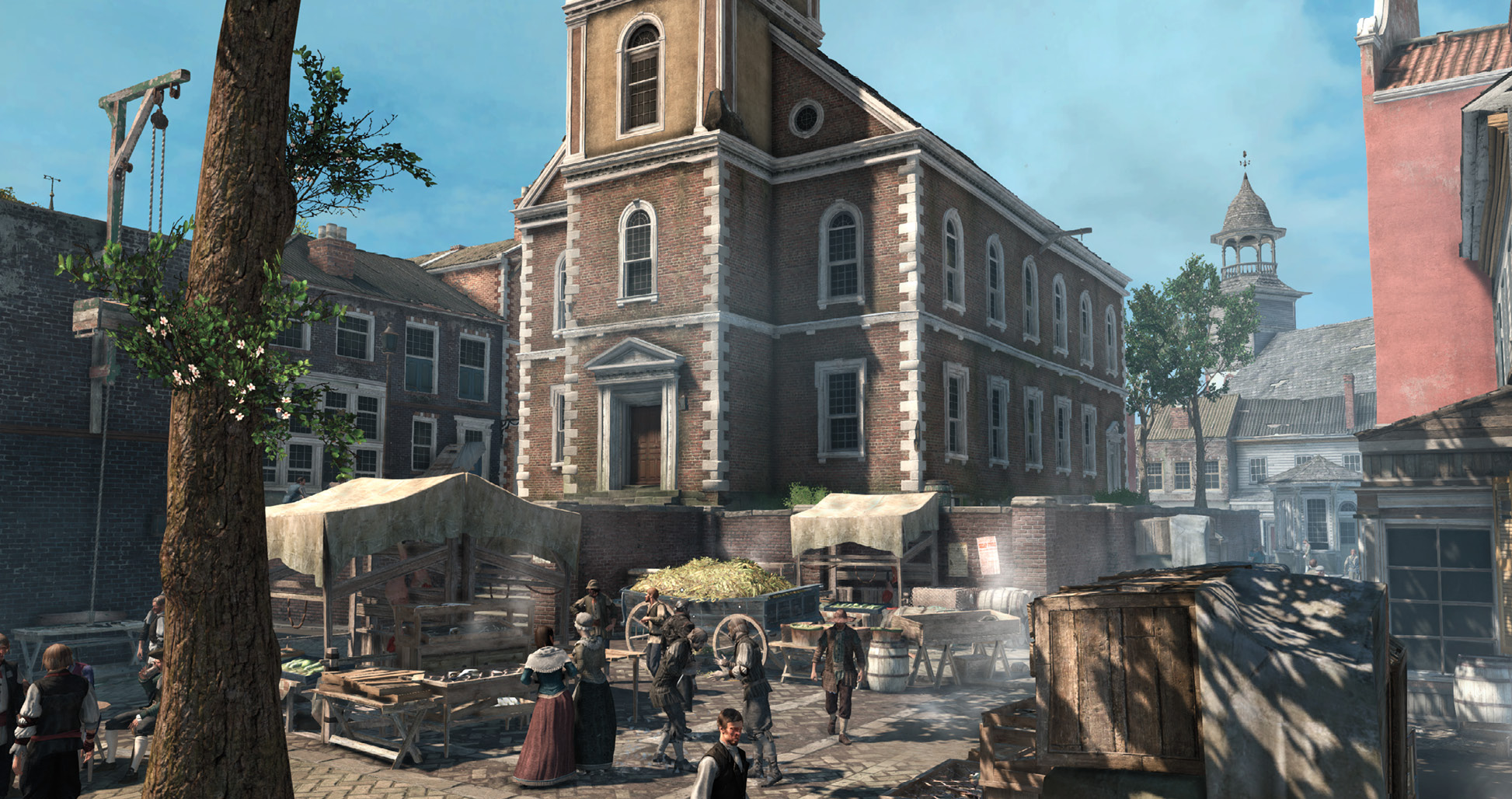
St. Paul’s Church
Modeled after the ground plans of St. Peter’s chapel on Vere Street in London, St. Paul’s opened its doors in 1750. New additions were continually made, and it took almost a decade for the interior to be completed. It is the oldest Anglican church in North America and has the traditional arrangement of three naves and two side galleries.
In 1787, St. Paul’s would become the first Anglican cathedral outside of Britain to be given a bishop’s seat.
HMS Sapphire Shipwreck
Built in 1675, the HMS Sapphire was a 32-gun frigate that became the first command of celebrated English naval officer Sir Cloudesley Shovell (later to be named admiral of the fleet in the British Royal Navy).
In September 1696, then captained by Thomas Cleasby, the Sapphire was trapped by French ships in Bay Bulls Harbour off the coast of Newfoundland. Fearing she would be captured, the English scuttled the vessel and fled to land.