
Assassin's Creed Rogue Guide Extra Background Information
Cast of Characters
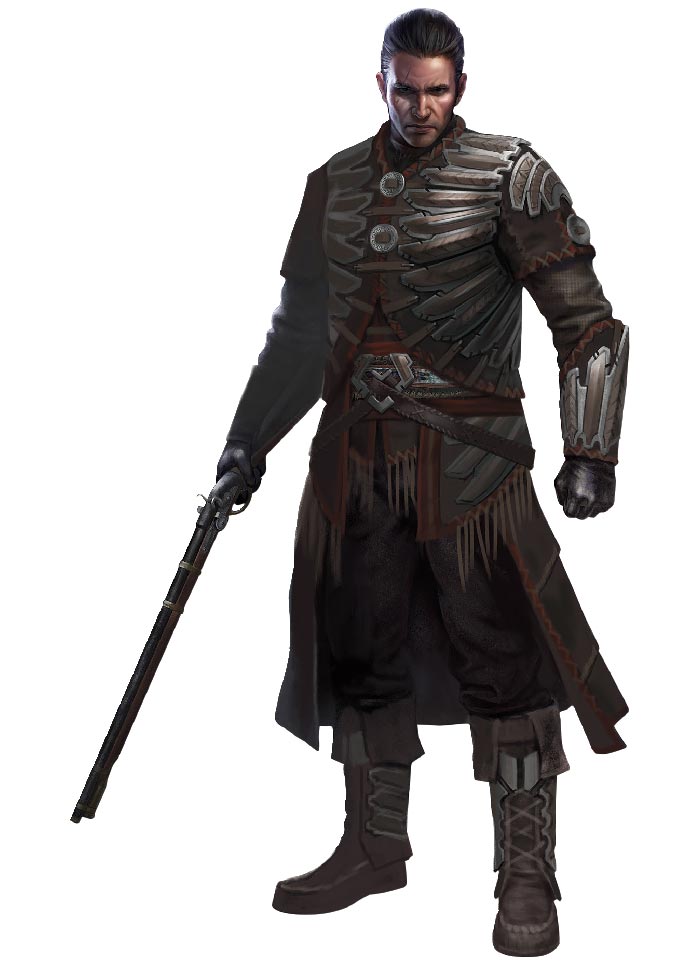
Shay Cormac
Born: 1731
Died: Unknown
Shay was born in New York City to immigrants from Dublin, Ireland. His mother died in childbirth and his father served in the merchant marine. While visiting his father at the docks one day, Shay met an older boy, Liam O’Brien, and the two became friends. Shay was raised by his aunt in a poor and dangerous neighborhood, and Liam helped Shay learn how to fend for himself.
By the tender age of eight, Shay earned a reputation as a brawler, and his father brought him aboard his ship. Shay was always on the lookout for an adventure and, although he would miss his friend Liam, he eagerly agreed and began to work for a living. Shay began to train with a sword and pistol so he could join the crew in fending off pirates. In one such incident, Shay single-handedly faced down and shot a pirate captain, saving his ship.
In 1747, disaster struck at sea when a storm claimed many lives of Shay’s crew, including his father. Shay returned to New York and spent his days wandering from one tavern to the next, starting one brawl after another.
By chance, in 1748, Shay reunited with Liam O’Brien, who helped him get back on his feet. After that, the two became inseparable. Liam introduced Shay to Achilles and he learned about the Assassins and their Creed. He joined them a year later. His training was assigned to Liam and his fellow recruits Hope Jensen, Chevalier de la Vérendrye, and Kesegowaase.
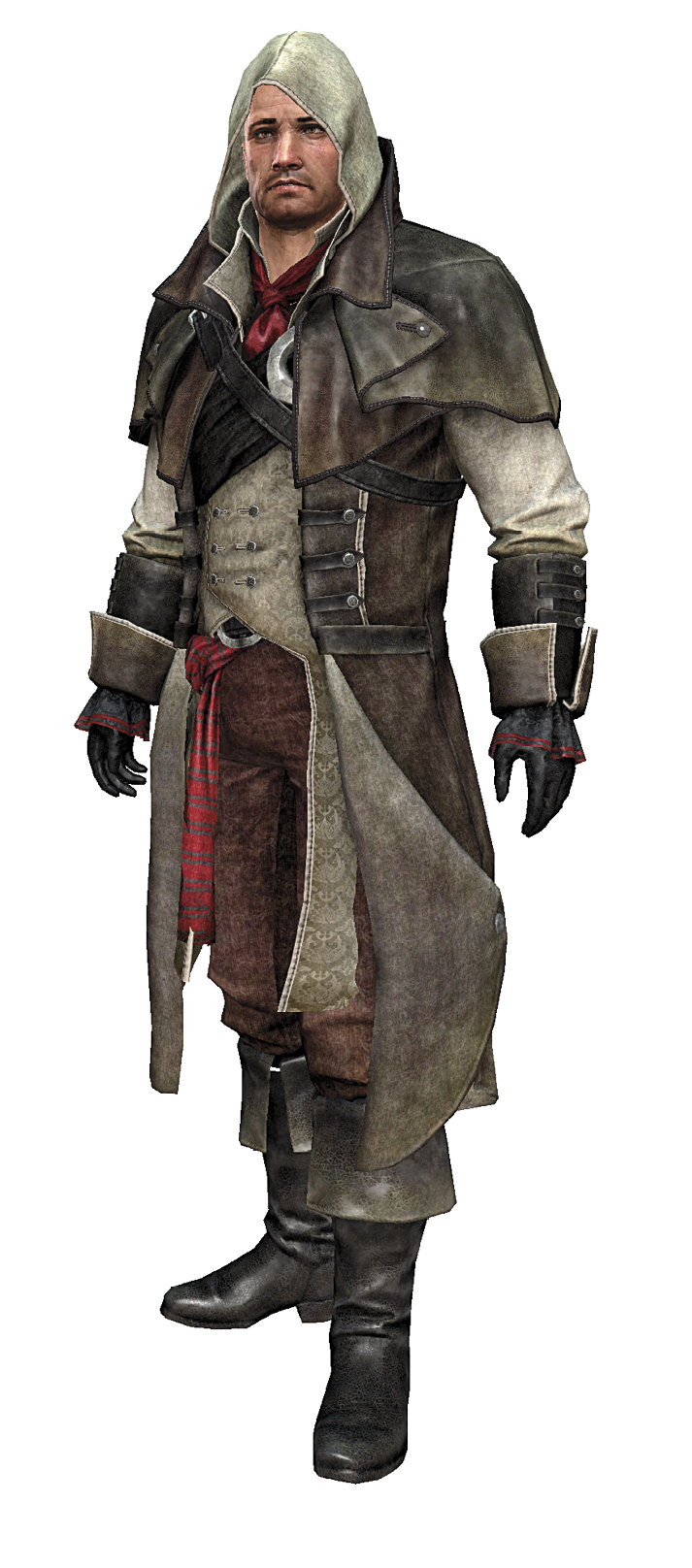
Liam O’Brien
Born: 1726
Died: Unknown
Liam O’Brien was born in Plymouth, Massachusetts, to Irish immigrants. After years of struggling to survive on a farm, the family moved to New York, where Liam’s father began to work for a rich merchant, loading ships bound for England. Liam eventually joined him, and it was there he met a young boy named Shay Cormac, who was visiting his father in the merchant marine. The two boys became friends and Liam looked after the younger boy, who lived in a rough neighborhood and was showing a talent for getting into trouble.
As Liam continued to work, he was shocked to learn that despite all the profits made by their employer, the employees remained underpaid and mistreated. Tensions rose between the two sides. In 1736, Liam recruited a few of his young coworkers to begin robbing their employer. However, he was caught and was forced to kill a man in self-defense. In order to protect his son, his father took the blame for the murder and was executed by the authorities.
Lost, Liam drifted from one job to the next, distancing himself from everyone he knew, including his young friend Shay. He kept on robbing New York’s richer citizens so he could send money to his mother, whom he was too ashamed to face.
In 1738, he met Achilles, who began to give him small tasks to perform, such as delivering messages to a Wolastoqiyik man named Kesegowaase in the frontier. Achilles’s influence grew on Liam. He began to look up to the man who finally managed to teach him about right and wrong and, eventually, about the Assassins and their Creed.
In 1743, Liam became Achilles’s first mentee and quickly learned from him. Liam helped Achilles recruit the remainder of his colonial Brotherhood: Chevalier de la Vérendrye, Kesegowaase, and Hope.
In 1748, Liam found his childhood friend Shay Cormac, whose life had been shattered after his father died at sea. Liam helped him get back on his feet and the two became inseparable. Later that year, Liam introduced Shay to Achilles, and it wasn’t long before his young friend joined the Assassins. Liam was tasked to keep an eye on the latest recruit.
Liam and Shay were close friends until the latter turned his back on the Assassins over the use of Precursor artifacts.
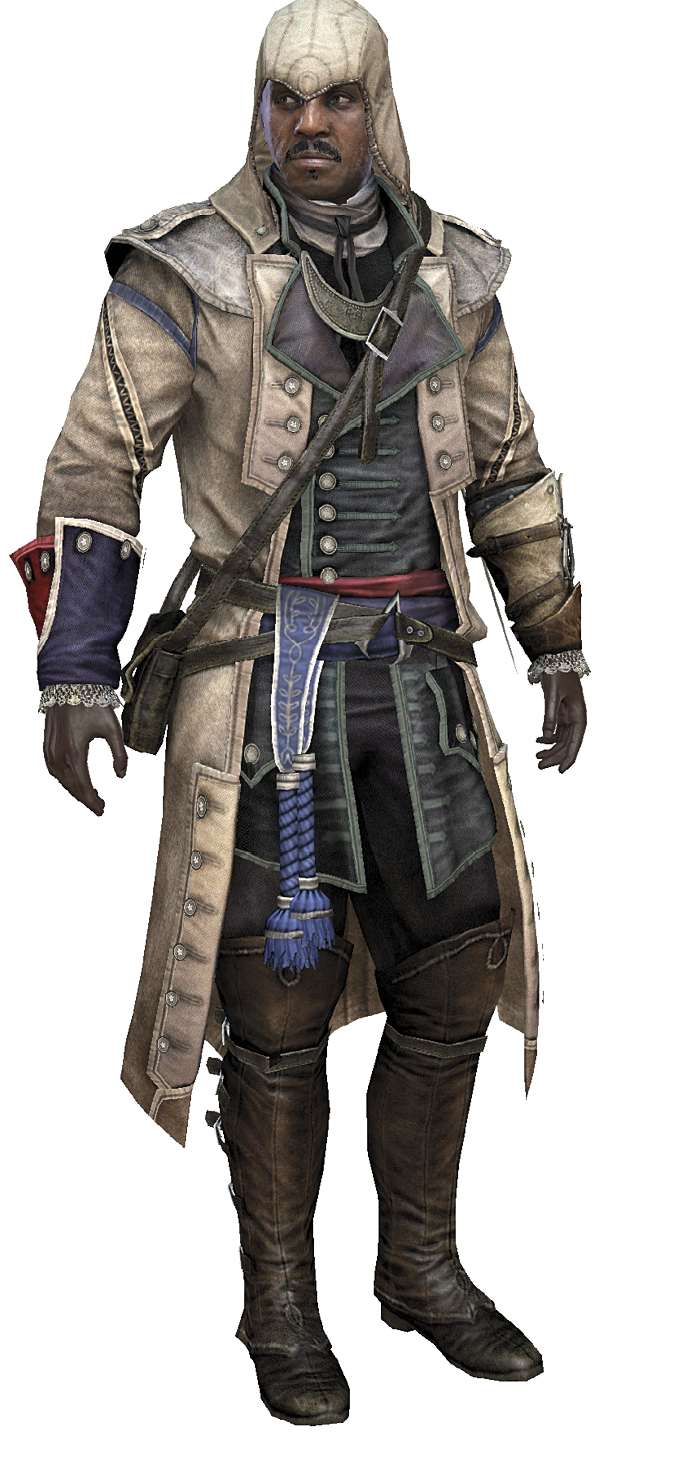
Achilles
Born: c. 1710
Died: 1781
Achilles was born of Caribbean and British descent in the West Indies. In the mid-1730s, he was the last Assassin to be recruited into the Brotherhood by its legendary mentor Ah Tabai. When his training was complete, Achilles was sent north to establish a Brotherhood in the American colonies.
Achilles married a woman named Abigail and they had a son, Connor. Achilles established a homestead where his Brotherhood could settle before expanding throughout the frontier. He recruited several promising colonials to the Brotherhood, including Liam O’Brien, Chevalier Louis-Joseph Gauthier de la Vérendrye, Kesegowaase, Hope Jensen, and finally, Shay Cormac. Achilles strengthened the ties between the Brotherhood and the nations of the Iroquois confederacy, particularly the Kanien’kehá:ka.
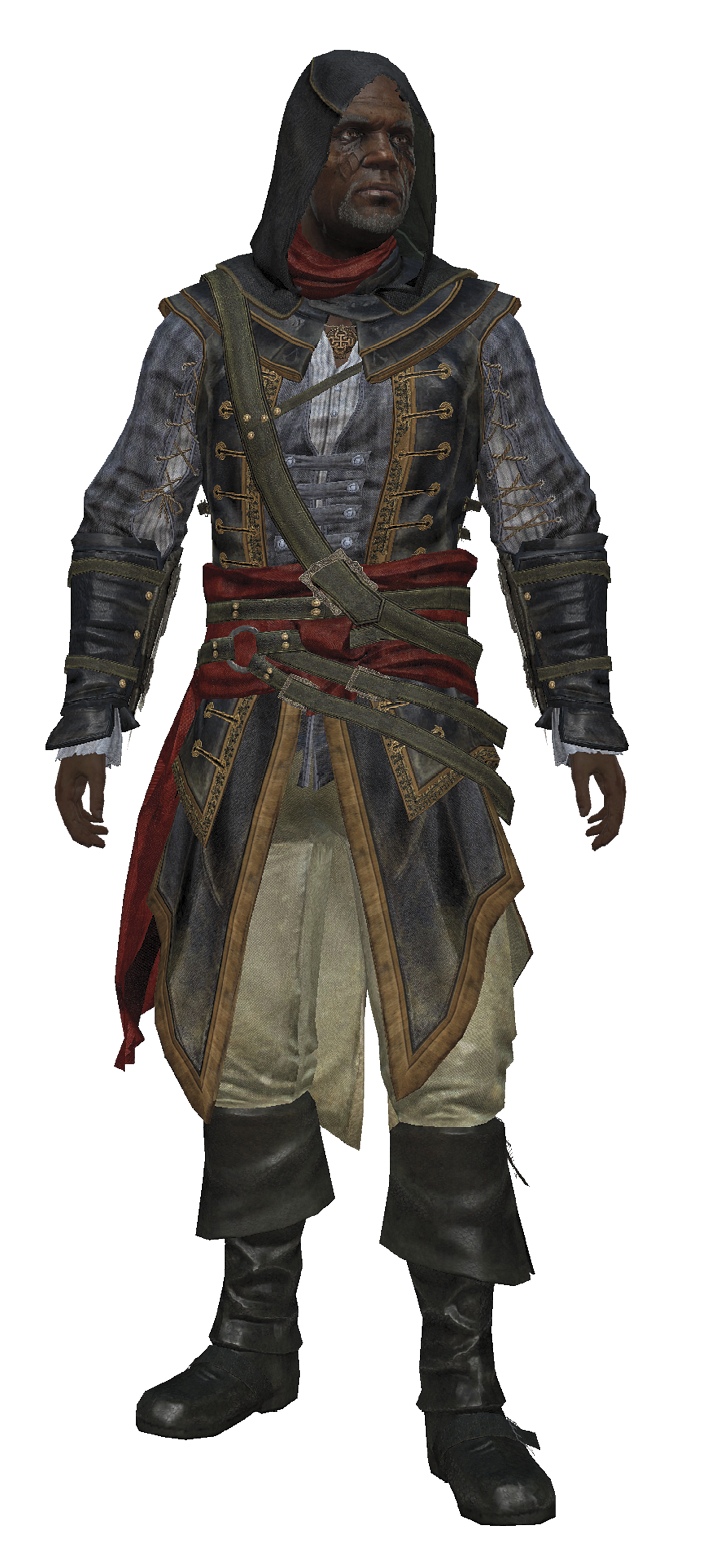
Adéwalé
Born: 1692
Died: Unknown
Born to enslaved parents in Trinidad, Adéwalé was sold to the owner of a prosperous plantation before his teens. He escaped by joining a group of buccaneers who raided the plantation.
Adé sailed with this group of men for many years, honing his skills as a sailor. In 1715, he was captured by Spanish authorities, who decided to send Adéwalé to Spain and loaded him into one of the galleons that made up their perennial treasure fleet. Thanks to a hurricane, as well as a young Welsh pirate named Edward Kenway, Adé escaped. Freeing more prisoners along the way, Adé and Edward commandeered a brigantine and set sail just in time to beat the worst of the storm. When the hurricane passed, Adé was free once more.
Adé became the quartermaster aboard Captain Kenway’s ship, the Jackdaw. Operating out of Nassau for a time, they grew wealthy off their spoils and lived the lives they had always dreamed of. But Adé was a man who valued the democratic ideals of this pirate community far above the spoils they acquired. And as he saw Edward Kenway fall deeper into a spiral of selfish greed and pointless glory, he wondered if there wasn’t a more noble cause he might adopt to suit his ideals.
In 1716, Adé first encountered the Assassins in Tulum. He returned in 1719, where he spoke with their mentor Ah Tabai and asked him many questions about their Brotherhood. After
hearing answers that pleased him greatly, Adé joined them. For the next 15 years, Adéwalé faithfully served the Assassins. But in time, he became increasingly troubled by memories of his past.
In 1735, Adé’s ship was caught in a storm, and he washed ashore near Port-au-Prince. There, he met Bastienne Josephe and Augustin Dieufort, whose passion drew him to the Maroon cause. In the following years, he used his skills to help rebuild the Maroon resistance in Port-au-Prince. He fled Saint-Domingue in 1737 after killing the governor, Pierre, Marquis de Fayet, and returned to the Assassins.
Hope Jensen
Born: 1732
Died: Unknown
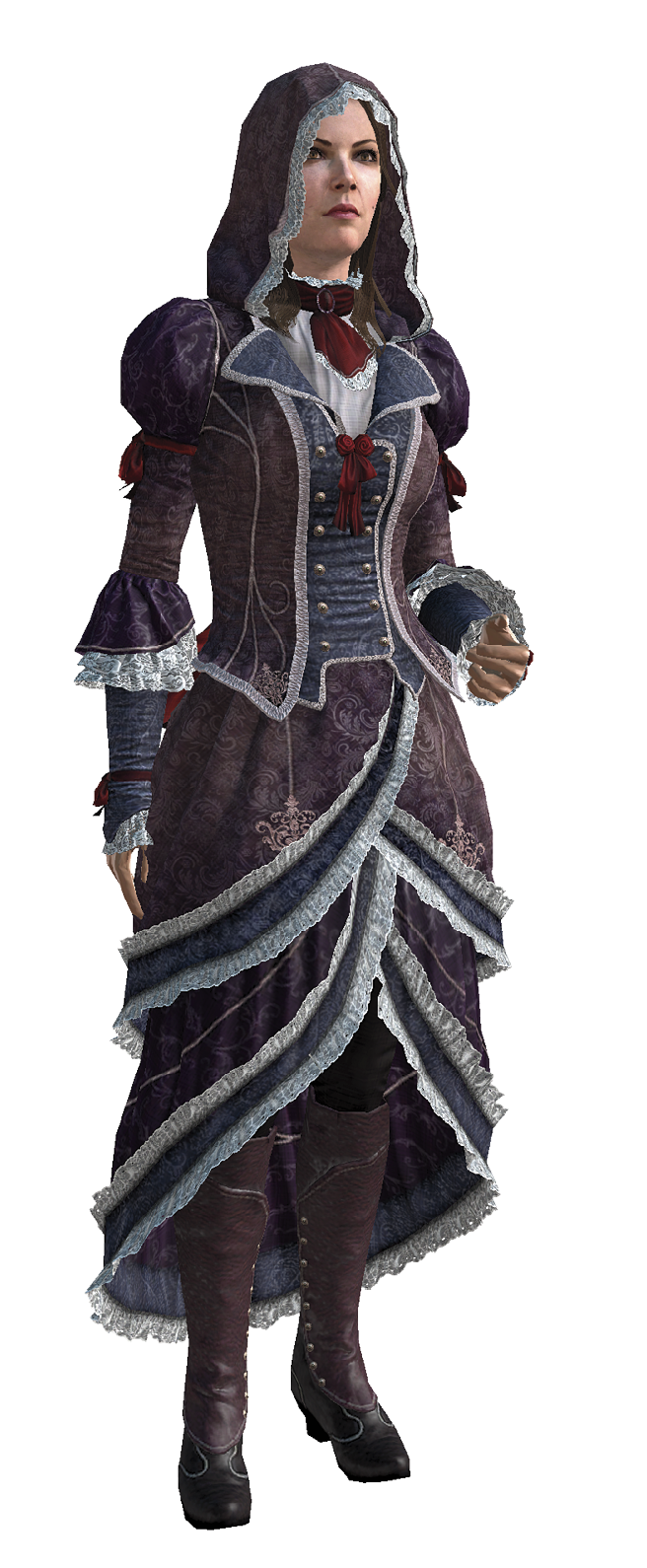
Hope was born in New York City to a modest family but was placed in an orphanage after her parents died. She was adopted by a German couple who hoped to build a new life for themselves in the colonies. They symbolized this desire by naming their adopted daughter Hope.
Years of hard work finally paid off for Hope’s father, who saw his business endeavors turn great profits, and her family rubbed elbows with New York’s elite. But despite their wealth and best efforts to fit in, they were never truly accepted in New York’s finer circles.
Hope received a good education from private tutors and gradually realized that the world was unfair. In 1742, Hope’s adopted father disappeared under mysterious circumstances, never to be seen again. Later that same year, her father’s former business partners took control of the family business, leaving her adopted mother with nothing. Hope and her mother became destitute, forced to live on the streets.
Hope’s mother died after a long and painful disease, despite Hope’s best efforts at stealing food and medicine. Hope vowed never to depend on anyone ever again.
In 1746, Hope met Achilles, who was impressed by her survival instincts, pickpocketing skills, and strength of will. She was inducted into the Brotherhood a year later. Achilles ordered her to set up a network in New York City, and before long, Hope controlled most of New York’s organized crime.
Kesegowaase
Born: 1730
Died: Unknown
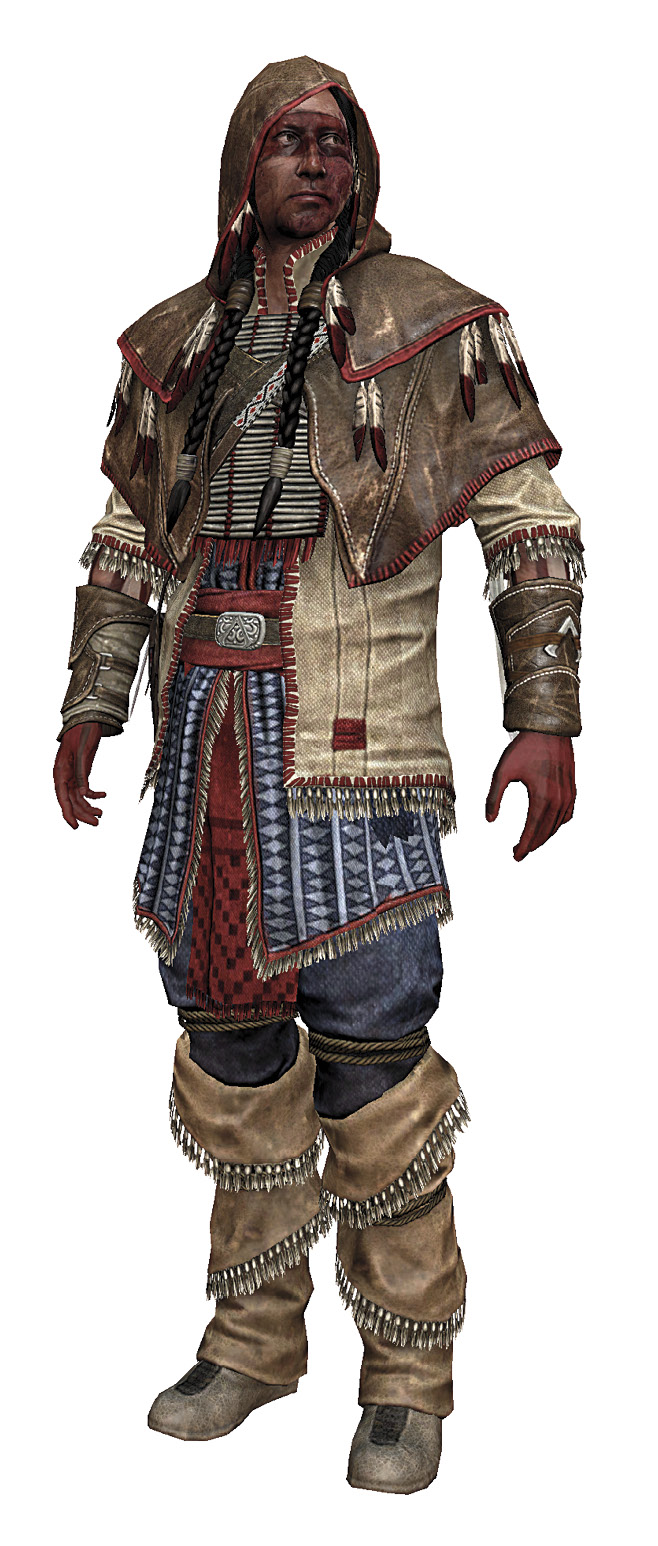
Kesegowaase was born in Wolastoqiyik territory, in what is now New Brunswick. Until his teens, he lived in a walled village surrounded by farmed fields, where he practiced hunting, fishing, and various survival skills.
As European hostilities grew, Kesegowaase joined other men from his village as mercenaries helping the French army. In 1746, he met Achilles and Liam O’Brien, who were working with the French army on behalf of the Assassins. They were impressed with his prowess and determination and invited him to join the Brotherhood.
In 1749, he met Shay Cormac and became one of his instructors.
Louis-Joseph Gaultier, Chevalier de la Vérendrye (called “Chevalier”)
Born: 1717
Died: Unknown
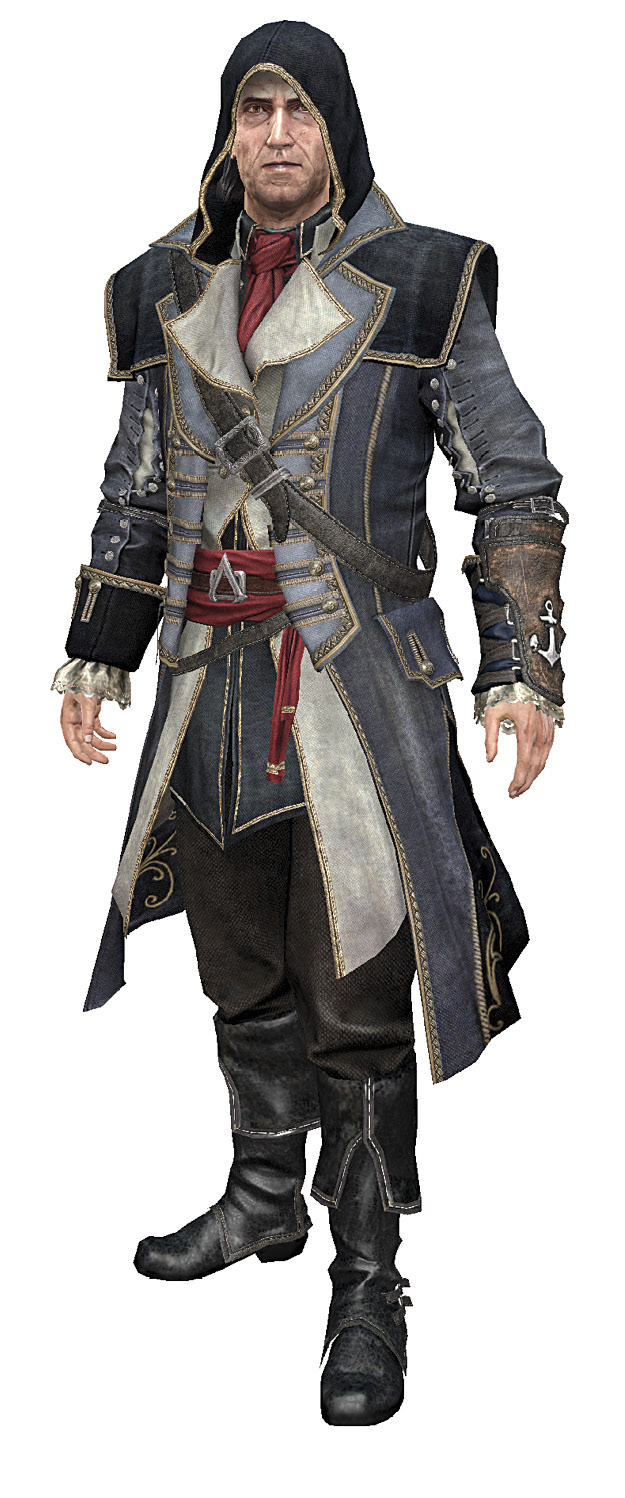
Louis-Joseph Gaultier, Chevalier de la Vérendrye was born to a family of explorers on Île aux Vaches in New France. In 1735, he went on his first expedition with his father to Fort St. Charles on Lake of the Woods. A year later, he reestablished Fort Maurepas. He was rewarded with the title of “chevalier” (knight) from his father, who passed over Louis-Joseph’s older brother to do so. He spent the next four years exploring North Dakota and Manitoba.
In 1744, de la Vérendrye became a frontier post commander for the French government. It was around this time that he met Achilles and Liam O’Brien and helped them complete an Assassin mission. In 1746, Achilles asked de la Vérendrye to join him, an offer that was gladly accepted.
De la Vérendrye lost his father in 1749, and further explorations westward were disrupted by politics. Later that same year, he met Shay Cormac and took an instant dislike to him.
In 1752, de la Vérendrye returned to fur trading, but business did not go well for him.
Haytham Kenway
Born: 1725
Died: 1781
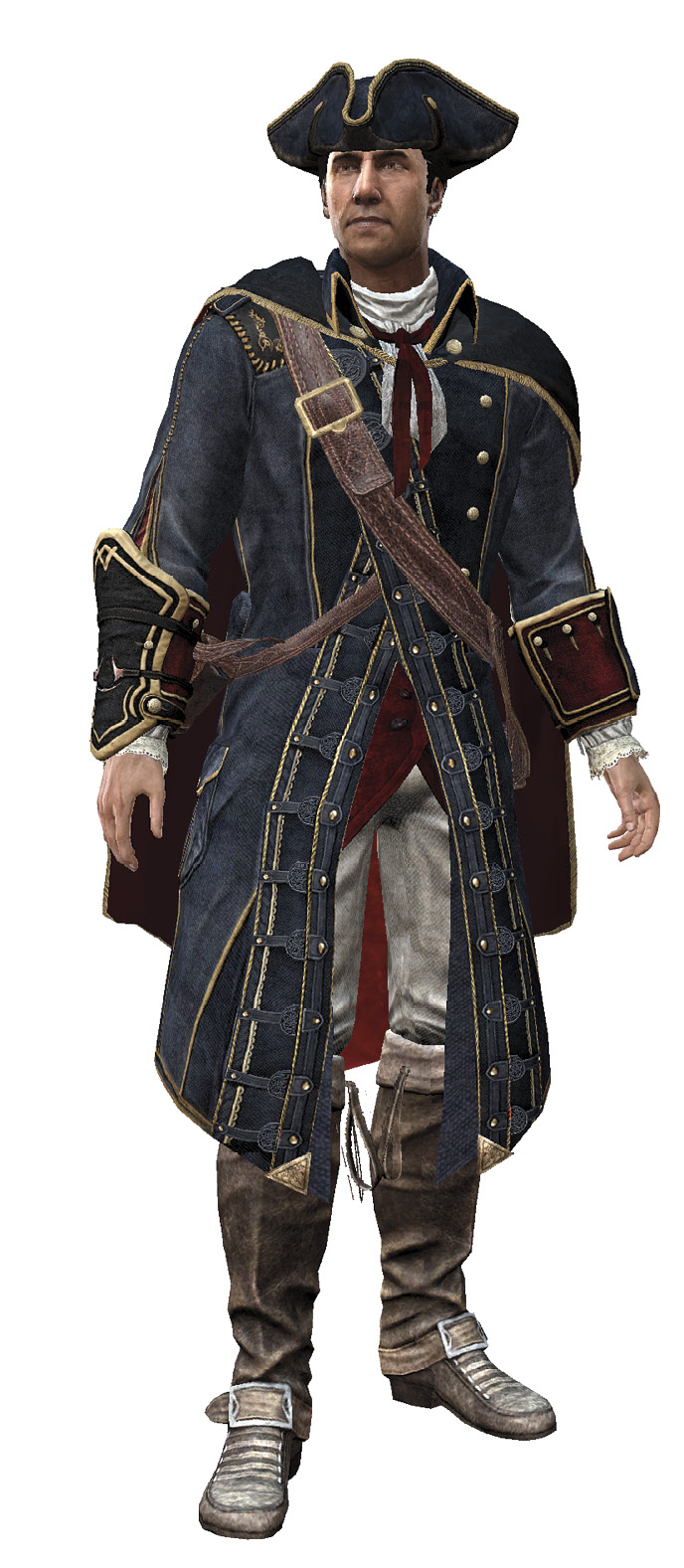
Haytham was born in London. His father was Edward Kenway, a former pirate who trained him with a secret purpose. One day before his 10th birthday, young Haytham’s home was burned, his half sister Jenny was taken, and his father was killed. Reginald Birch, a family friend, offered to help and revealed he was a Templar, though the boy hardly understood what this implied at the time. Haytham was introduced to Edward “the Bulldog” Braddock, a soldier in the Royal Army and fellow Templar, and the two took an instant dislike to each other.
Years passed in a fruitless search for his half sister, and Haytham and Birch settled in Troyes, France. Haytham became a ruthless and efficient killer for the Templars. While searching for his father’s killer, he met Braddock in Germany and served in his Coldstreams unit in the War of the Austrian Succession.
In 1754, Haytham killed an Assassin named Miko in London to acquire an amulet needed to find a First Civilization storehouse. Birch sent him to the colonies to establish an official Templar presence while he searched for the Precursor site. He secured the assistance of Kanien’kehá:ka natives by freeing several captives, including a woman named Ziio, with whom he had an ill-fated but passionate affair.
In 1755, Haytham got word from his European contacts that Jenny was in the Ottoman Empire. He left the colonies to rescue her and was shocked when she revealed that Birch and the Templars were behind the attack on their home. Their father was an Assassin, and Birch had him killed for his secrets. Together, they traveled to Troyes and killed Birch. Haytham returned to the colonies in 1758.
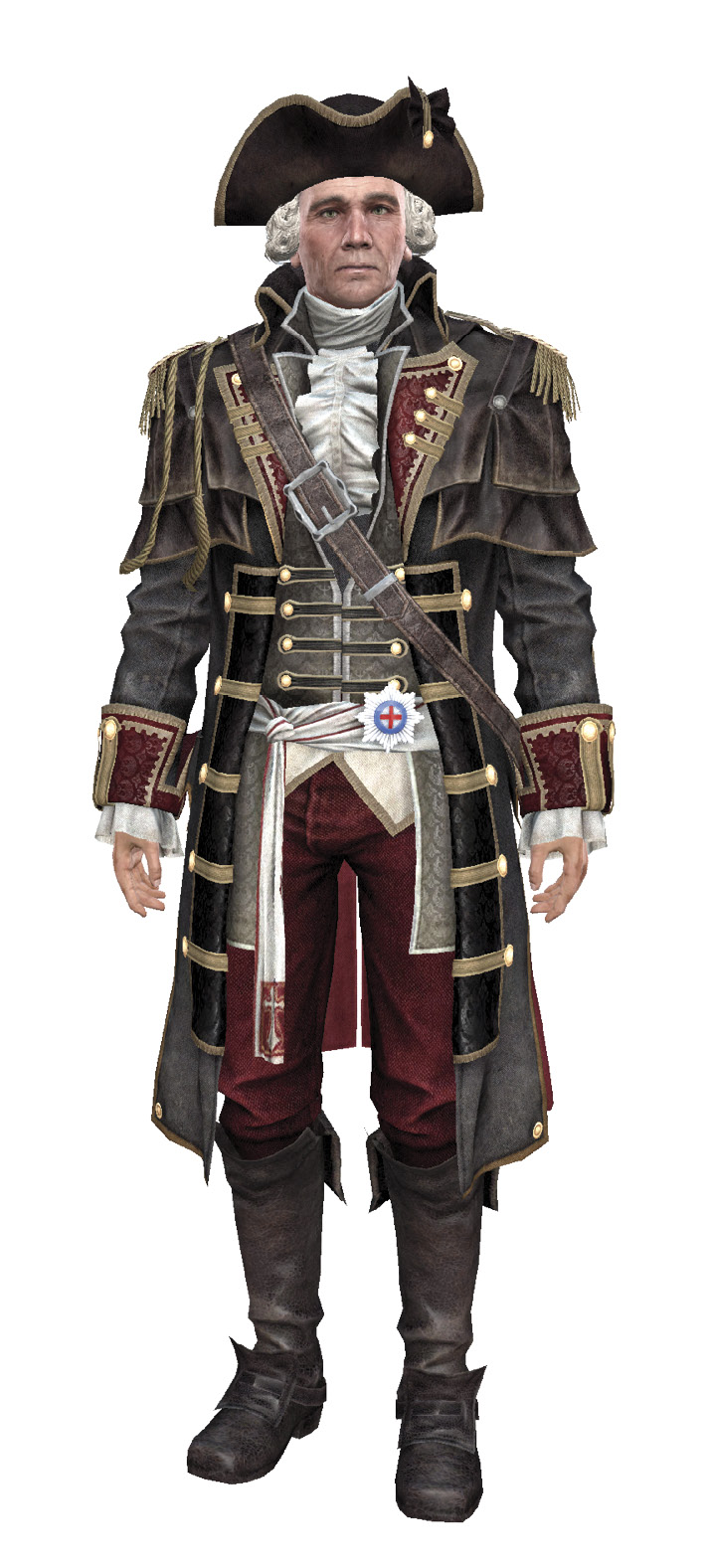
George Monro
Born: 1700
Died: 1757
George Monro was born in Clonfin, County Longford, Ireland, to a Scottish military family. His father was Colonel George Munro of Auchinbowie, who was famous for his victory at the Battle of Dunkeld in 1689.
In 1718, Monro joined Otway’s Regiment, the 35th Regiment of Foot, as a lieutenant. By 1750, he was promoted to the rank of lieutenant colonel.
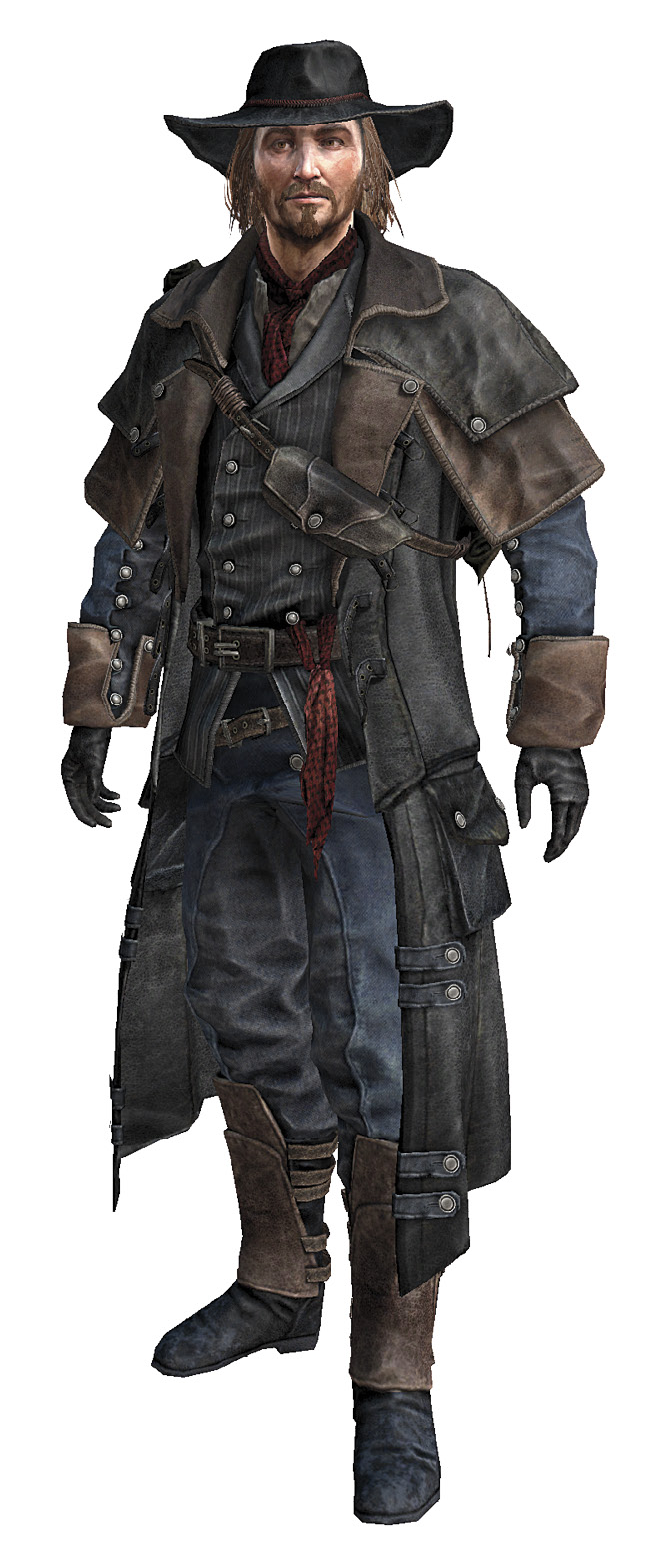
Christopher Gist
Born: 1706
Died: Unknown
Aside from being born in Baltimore, much of Christopher Gist’s youth is unknown. Although he had little in the way of a formal education, he was taught surveying and grew up to be a successful frontiersman.
In the years before the Seven Years’ War, Gist had settled in North Carolina and was the neighbor of the celebrated frontiersman Daniel Boone.
In 1751, Gist became a member of the Templar Order, which sent him to explore the country and present himself to the indigenous people in order to secure alliances and commercial lanes.
In 1753, Gist accompanied George Washington to deliver a message to the French, demanding that they leave the Ohio Country. This event sparked the French and Indian War, and Gist would later return on occasion to fight at Washington’s side.
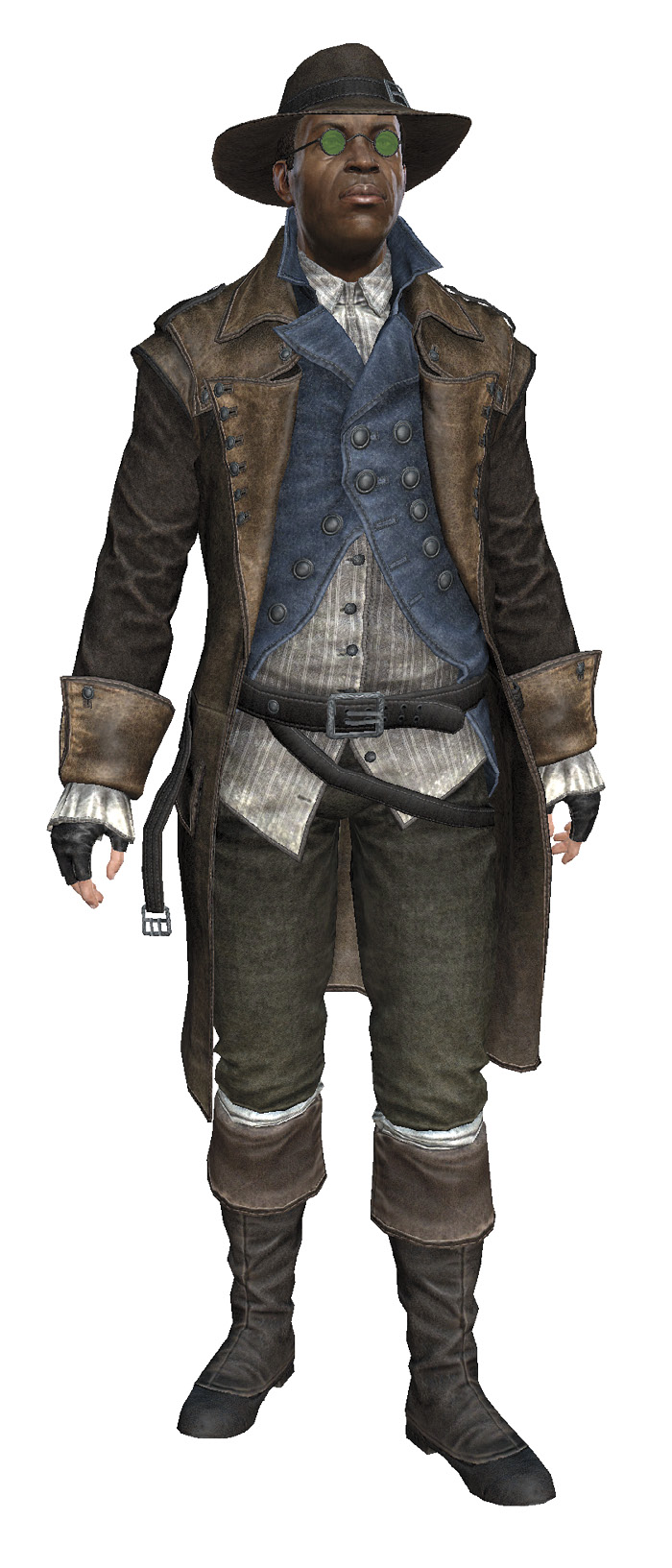
Jack Weeks
Born: 1723
Died: Unknown
Jack Weeks was born in Albany to a couple who escaped slavery in Virginia. They taught him to be independent and to take advantage of any opportunity to better himself. At the age of 10, Weeks began to work as a pickpocket and thief at local markets.
Weeks attempted to pick the pocket of explorer and Templar Christopher Gist. Gist caught him in the act, but was so impressed by the boy’s cheeky attitude that he hired him as an errand boy. Gist took him on his travels and taught him about trade and how to mimic people of various social statuses and origins.
In 1750, Gist was hired to explore the lands west of the colonies, and so introduced Weeks to George Monro. Gist suggested the officer should take the young man on as an assistant. Weeks impressed Monro with his cleverness and adaptability. Monro taught Weeks about the Templars and their goals. Weeks admired Monro’s intellect and agreed with the Templar philosophy of crowd control.
When Gist joined the Templar Order in 1751, Monro agreed to induct Jack Weeks as well.
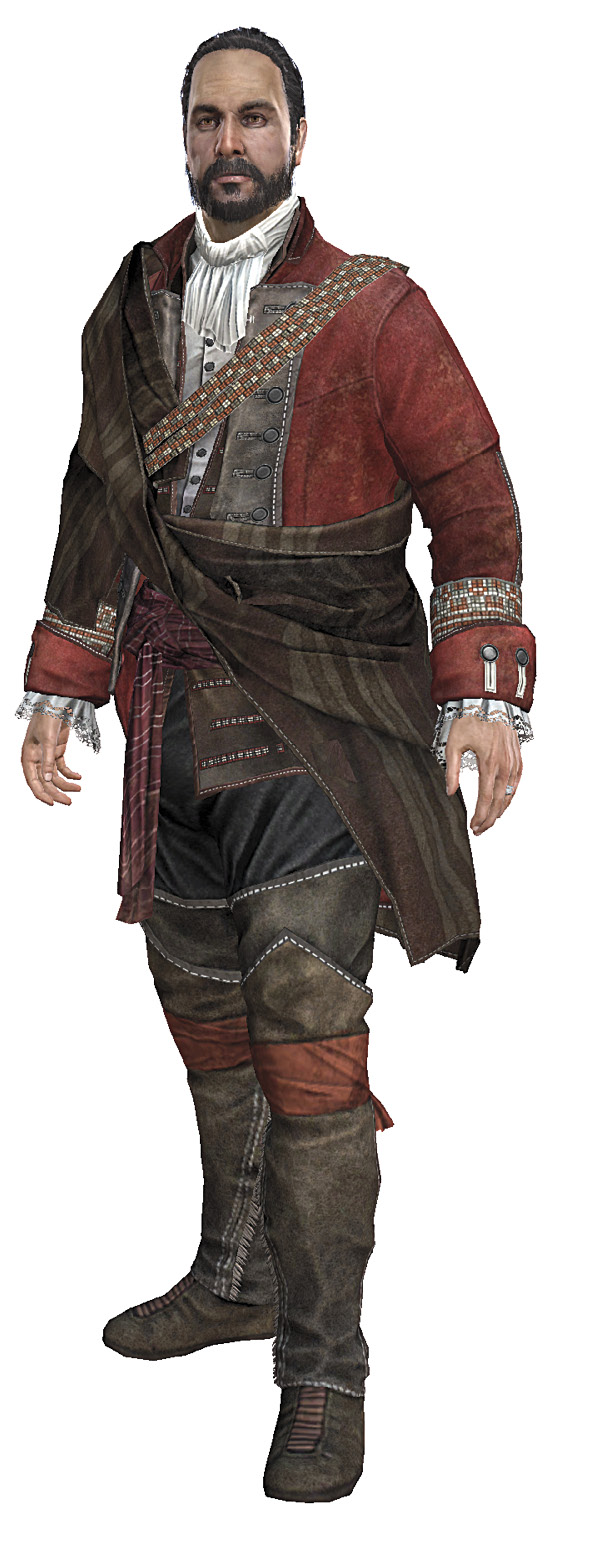
William Johnson
Born: 1715
Died: 1774
William Johnson was born in Ireland but, as a Catholic, found himself with few opportunities in the British Empire. In 1738, he converted to Protestantism and arrived in the colonies to work for his uncle.
Johnson quickly went into business for himself and became heavily involved in trading with the local natives, particularly the Kanien’kehá:ka. He gained the respect of the Iroquois people by learning their language and respecting their customs. Johnson was appointed as New York’s agent to the Iroquois and was instructed to equip colonists and natives for a campaign against the French.
Johnson was inducted into the Templars by Lawrence Washington, and the two worked together in secret to build an infrastructure for their Order in the colonies.
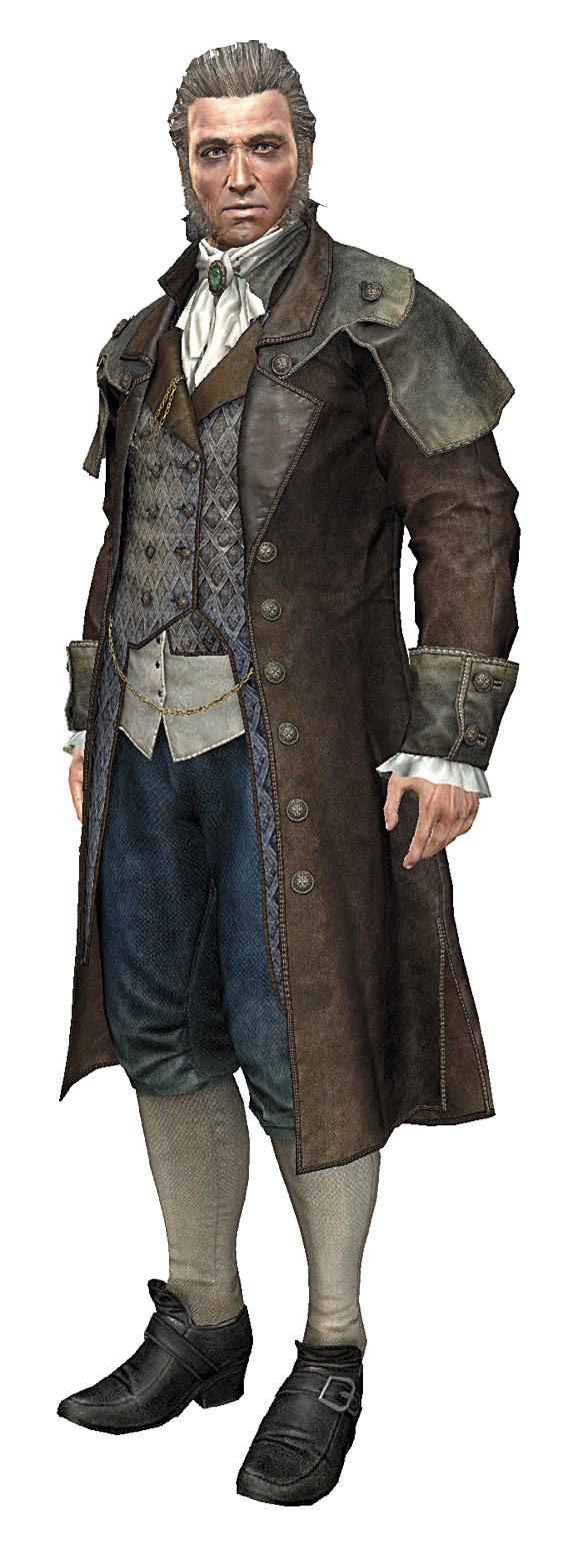
Lawrence Washington
Born: 1718
Died: 1752
Lawrence Washington was born in Virginia and was a mentor of sorts to his more famous half brother, George Washington. Lawrence was educated in England, where he was recruited into the Templar Order by Grand Master Reginald Birch. Lawrence returned to Virginia in 1738 to oversee his father’s plantation on the Potomac River and to seek out Precursor relics.
In 1739, the British parliament created an infantry for its American colonies, to be used in their conflict against Spain in the West Indies. Lawrence Washington arrived in Jamaica in 1741 and saw action in expeditions against Cartagena, New Granada, Cuba, and Panama. Many casualties in these conflicts were the result of disease rather than violence. Because he arrived in the tropics early, he managed to survive fevers that decimated the other American colonists. Upon his return to the American colonies, Washington became a militia commander at the rank of major.
Washington married Anne Fairfax in 1743. In 1747, he, his father-in-law, and other prominent businessmen began to work together, with the goal of opening trade to the American interior.
Lawrence was diagnosed with tuberculosis and traveled to Barbados with his younger brother George in an attempt to help his health. George caught a minor case of smallpox, and Lawrence used the opportunity to travel to Port-au-Prince on Templar business. Lawrence returned to his Mount Vernon home in July 1752. His younger brother George eventually inherited and took over management of the Mount Vernon plantation.
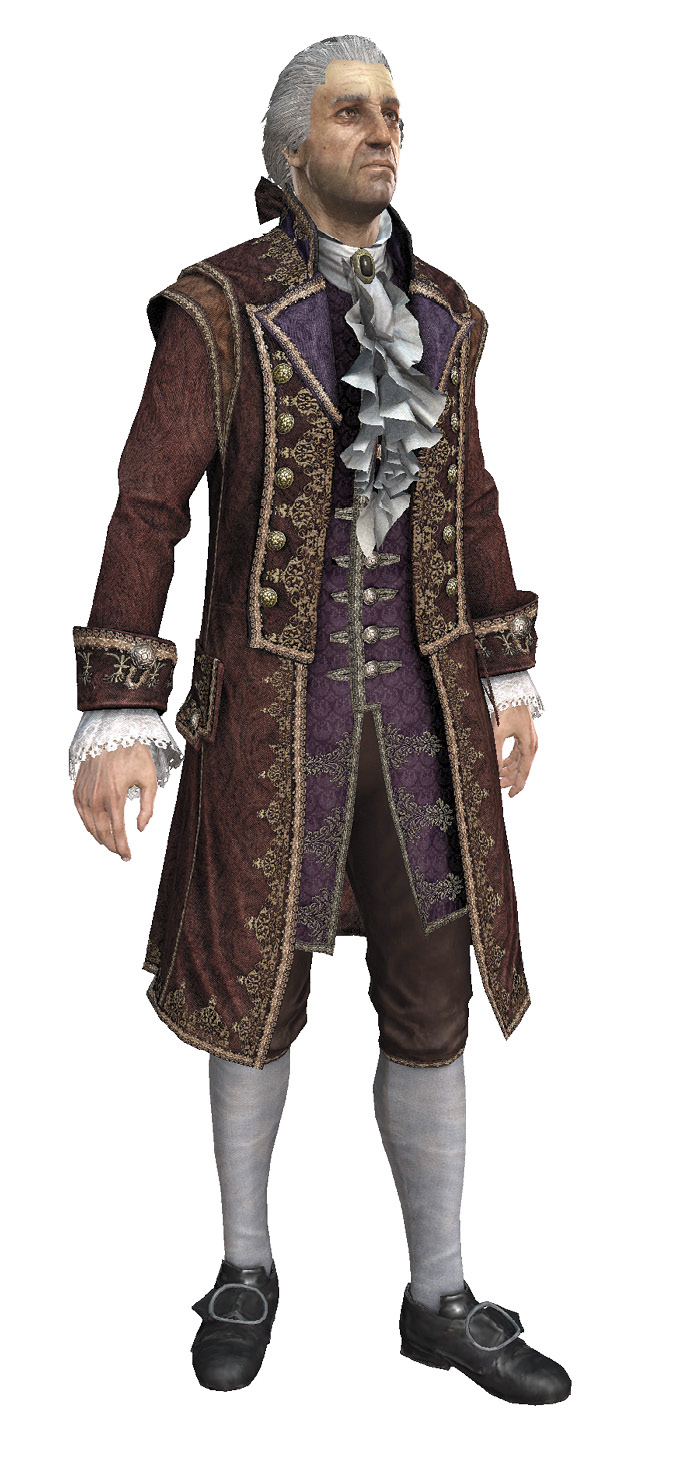
James Wardrop
Born: c. 1705
Died: 1754
James Wardrop was born to a Templar family in the American colonies. He followed in his father’s footsteps and was inducted into the Templar Order in 1720.
James Wardrop’s main task was to secure land and wealth for the Templar Order. Though the Templars were not yet officially established in the American colonies, men like Wardrop were slowly but surely setting things in motion.
In 1744, he began to build a trade network for the Order that ran from the colonies to the West Indies. By 1750, he was working with Christopher Gist to acquire land in North America. Wardrop endeavored to keep the fledgling American colonies loyal to the British government but was not above using his position to line his own pockets.
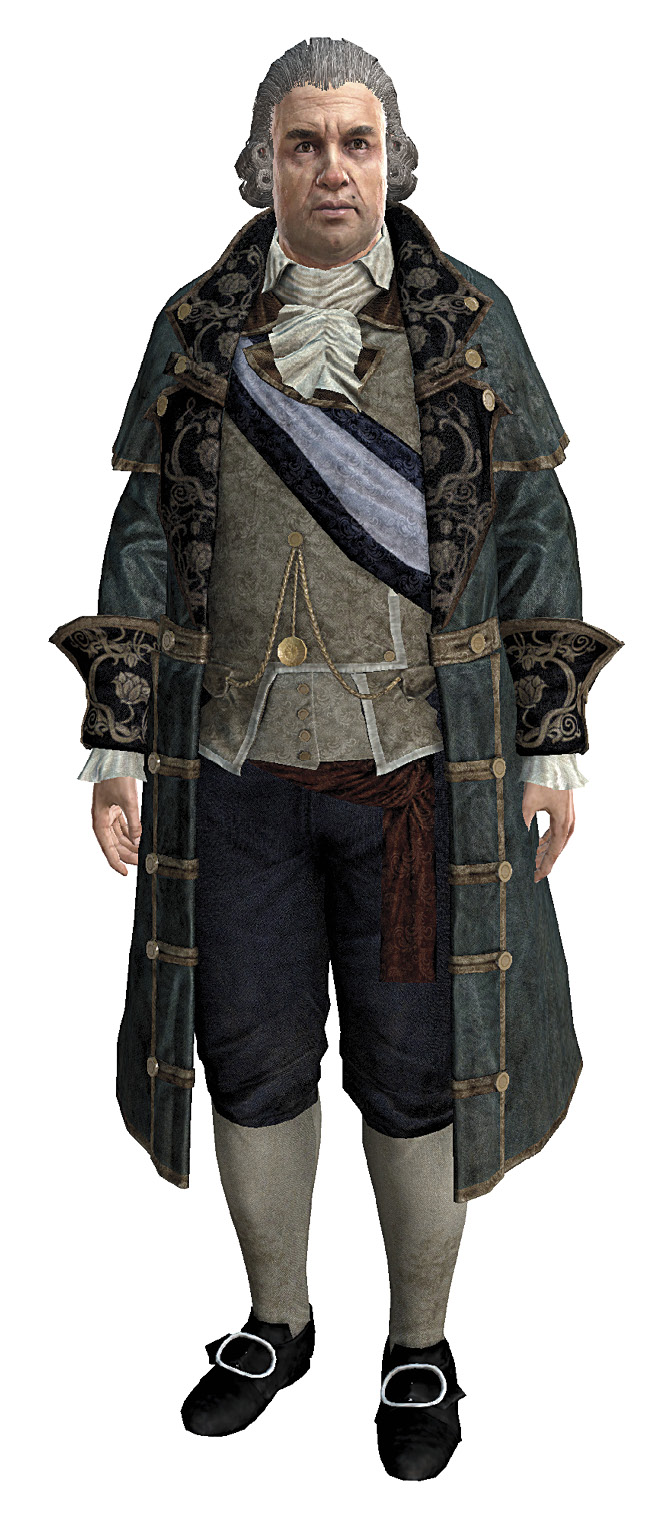
Samuel Smith
Born: Unknown
Died: Unknown
There are virtually no details of Samuel Smith’s life. We suspect that he was born in Virginia and showed some skills as a sailor. He was a treasurer for one of Lawrence Washington’s businesses and, by extension, the Templar Order.
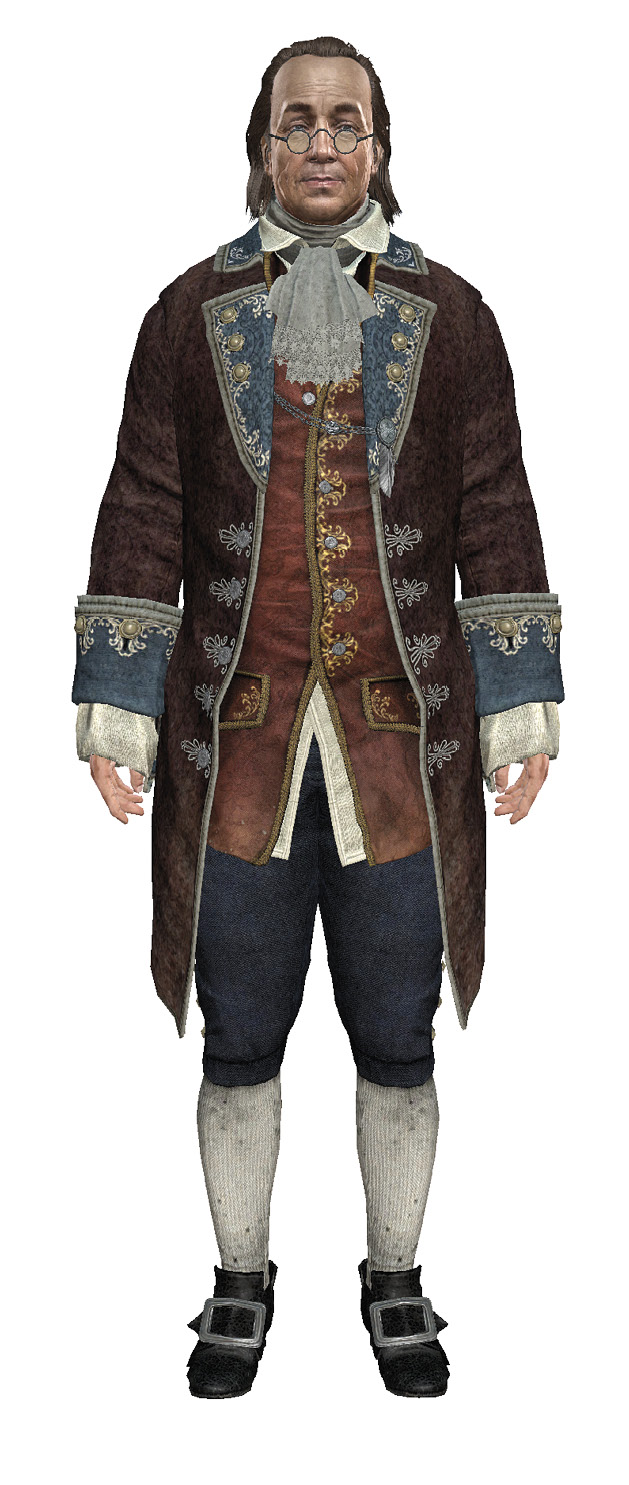
Benjamin Franklin
Born: 1706
Died: 1790
Benjamin Franklin was born in Boston, the tenth son of a soap-maker. While apprenticing for his brother, a printer, he gained fame as a writer, working under the pseudonym “Mrs. Silence Dogood.” In 1723, Franklin moved to Philadelphia and continued his career in printing and writing, as well as other odd jobs. In 1725, he visited the Royal Society of London for scientific experiments.
Upon his return to the colonies, Franklin became a true polymath. He created “the Junto,” a discussion group for issues of the day that inspired many other intellectual societies. In 1732 he created one of the first subscription libraries in the colonies and the following year began to publish his famous Poor Richard’s Almanack. Over a decade later, he began his experiments with electricity, using it to create and improve devices such as the capacitor and the Leyden jar.
His political writing began to gain attention, and in 1754, Franklin attended the Albany Congress to discuss the conflict with the French colonies and the tensions with the Iroquois Nation. He proposed a unified government to organize the colonies and created the political cartoon with the motto “Join or Die.” Although the unification was accepted by the delegates at the conference, it was rejected by the British Board of Trade.
Franklin took several political trips to England to represent colonial interests. Although he initially fought for the rights of colonists as British citizens, he concluded that independence was the true solution. Franklin contributed writing to the Declaration of Independence and was present at its signing on July 4, 1776.
For the remainder of the American Revolution, Franklin lived in Paris as the American ambassador to France.
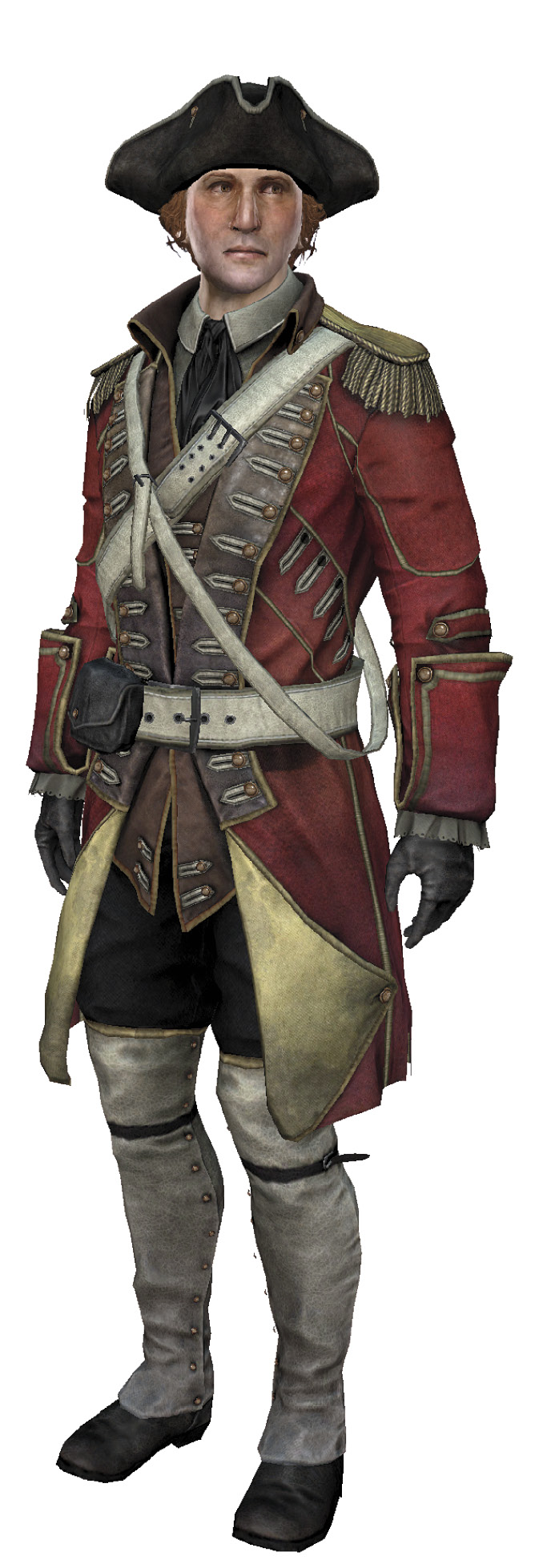
George Washington
Born: 1732
Died: 1799
George Washington was born in Virginia to a family of moderately prosperous tobacco planters. When Washington’s father died, his older half-brother Lawrence became his role model.
Lawrence married Anne Fairfax, whose father, Colonel William Fairfax, exerted great influence on George Washington. The Fairfax family helped launch George Washington’s career as a government surveyor.
In 1751, George traveled to Barbados with Lawrence, who suffered from tuberculosis. George caught a minor case of smallpox, which sickened and scarred him but saved him from worse disease later in life. A year later, Lawrence returned from the tropics to Virginia, where he died, leaving George in control of the family plantation.
Washington inherited his brother’s position as adjutant and became a major in the army. In 1754, militiamen under his command ambushed a French patrol that was encroaching a nearby fort, and it became the first battle of the French and Indian War. Later that same year, Washington surrendered to the French at the Battle of Fort Necessity, but mistakenly signed a document saying their commander was “assassinated.”
James Cook
Born: 1728
Died: 1779
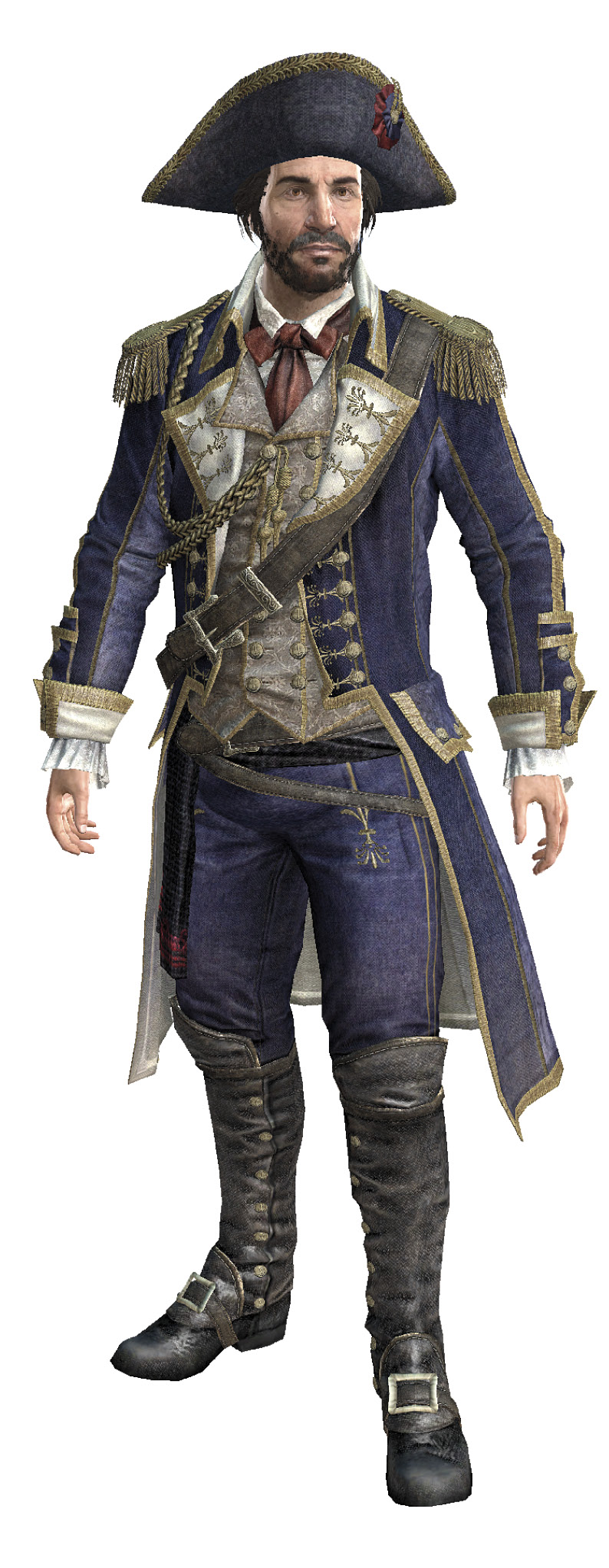
James Cook was born in Marton village in Yorkshire, the second of eight children. In 1745, he moved to the fishing village of Staithes, where he first heard the siren song of the sea. He apprenticed in the merchant navy while studying algebra, geometry, navigation, and astronomy, which would serve him well in the future.
After rising through the ranks of the merchant navy, Cook volunteered for service in the Royal Navy to see action in the Seven Years’ War.
During the Seven Years’ War, Cook served as the master of the HMS Pembroke. He took part in the capture of the Fortress of Louisbourg, the Siege of Quebec City, and the Battle of the Plains of Abraham.
Cook’s time in the Atlantic also made him a master surveyor. He produced the first maps of the Newfoundland coast, which caught the attention of the Admiralty and the Royal Society, which launched his career as an explorer.