
Dragon Age: Origins Guide Essentials The Classes
The Warrior: Skills & Talents
Skills
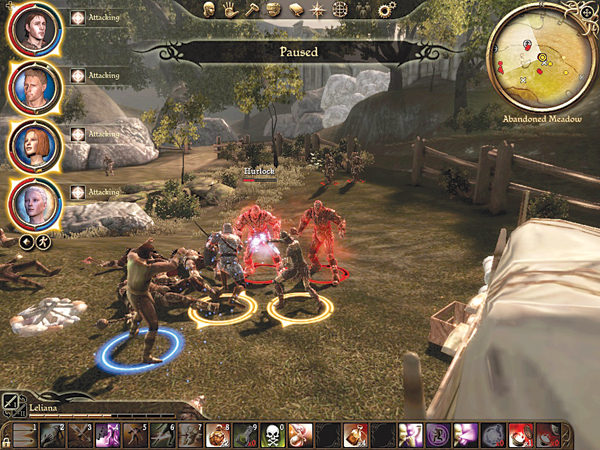
All warriors need to pick up the Combat Training skill as soon as they can. Combat Training opens up the higher tier weapon talents, which you can't live without.
Spend your first skill point here to vault up to at least Improved Combat (even better, a Human Noble warrior can spend a point to gain Expert Combat Training).
Other skills can be helpful, such as Trap-Making if you want to add a little AoE damage to your repertoire; however, they aren't essential like Combat Training.
After you finish off your Combat Training, think about Coercion. It's an incredibly useful skill in dialogue; it gives you story options that you won't get access to otherwise.
Cunning opens up the Coercion skills, and more cunning will increase your Persuade skill, but in most situations you can use your Intimidate skill in lieu of Persuade.
Intimidate works off your strength stat, which fits perfectly with a warrior loading up on strength.
Warrior Skill Recommendations
Assuming you spend 8 skill points by career's end, here's a good spread to consider. Note that many other combinations could work better for you, so experiment!
- Combat Training +4
- Coercion +3
- Survival +1
Survival can be a good skill to have because the more you advance it, the better chance you have to detect creatures on your mini-map before they surprise you.
You can save yourself from more than a few ambushes with this skill. Don't forget about the bonus to nature resistance too.
If you aren't directly playing your warrior companions (see the Companions chapter for more details) and want one of them to run around on their own, investing in Combat Tactics for extra tactic slots might be a good investment too.
The more tactic slots you open, the more you can shape how your companions behave in battle.
Inevitably, even if you plan on controlling your warrior during fights, there will be moments when you don't program your warrior's every move (or something more important is going on) and tactics come into play.
One or two points should be good, or max it out if you want the character to go on autopilot.
Talents
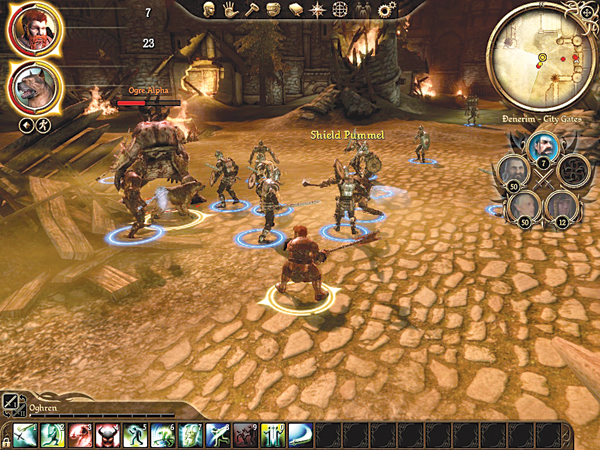
Warriors will shine in combat, amid talons scraping at flesh and blood spurting in faces. Like the other classes, the warrior offers more than a single way to play.
You can choose the tank role, focusing on defense and holding your team together, or the melee DPS role, concentrating on pounding out as much damage as your two hands can manage.
If you want to affect combat from the perimeter, the ranged fighter can be a gem; he may not have the same firepower as a mage, but a warrior archer has many tools and the tough skin to back them up.
You start with one point in different talents, depending on what race you choose. The Dwarf Noble and Human Noble begin with Shield Bash (ideal for tanks).
The Dwarf Commoner and City Elf start with Dual-Weapon Sweep (useful in many melee situations, and a great start if you want to wield two weapons).
The Dalish Elf begins with Pinning Shot (essential for a ranged warrior going into the Archery talents). In addition, you'll receive one point for every level you gain. Working with this, if you get to level 20 by the end of the game, you'll have 22 total points to spend.
It might seem like a lot, but you really have to plan what talent chains you want, because you'll cap only three or four regular chains if you decide to specialize.
All warriors should familiarize themselves with the cooldown component of each talent. The worst situation is to have plenty of stamina and no available talents to use. Branch out into different chains to avoid the cooldown problem.
For example, if you develop the Weapon and Shield school primarily for defense, having a talent or two in Two-Handed can help with extra damage and keeping your options open.
Your talents drain stamina from your pool. Watch how much stamina you're using in a fight and act accordingly. If you run short without a healer's Restoration spell to replenish you, it could cost your party a victory.
Gauge what you have to do to help the team. There's little sense running off a series of moves that drains three quarters of your stamina on the first opponent when there are three more to go.
Save your stamina. You never know when the next fight will start, or how long the current fight will go if you have unexpected ambushers, and you'll be grateful you didn't waste stamina.