
Madden NFL 17 Guide Top 5 Tips from Clint Oldenburg
Top 5 Tips for Gap Play With Clint Oldenburg
Tip 5
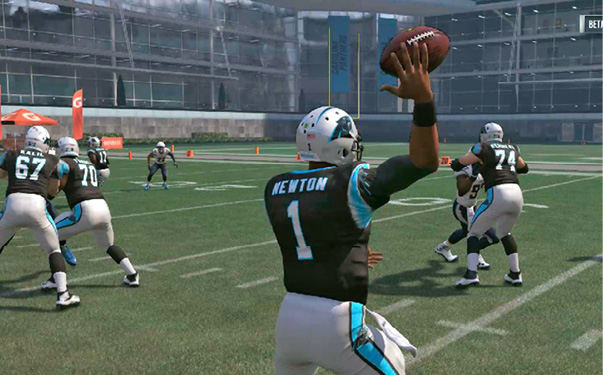
Commit: When you’re sure about an opponent’s playcall, don’t be afraid to commit! Run Commit and Pass Commit were overhauled in ’17 to offer more reward (and risk) to guessing the offensive play. If you’re sure your opponent is running a stretch play to the right, run commit to the right and completely take it away. Just be careful to use these wisely, because if you’re wrong, you’ll most likely give up a big play.
Tip 4
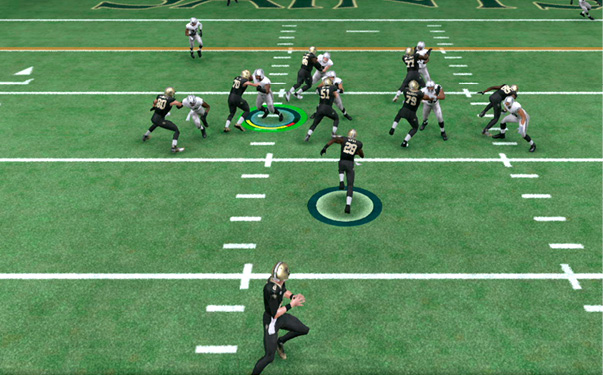
Know Your Players: Play Recognition rating determines how well players fill their gaps. This determines the speed at which they find the correct gap, as well as how quickly they can break to it. The block shed rating is also very important for the down linemen and line-of-scrimmage defenders. If you want to take away the inside run without having to blitz, use a team like the Rams who have DLs with high block shed ratings.
Tip 3
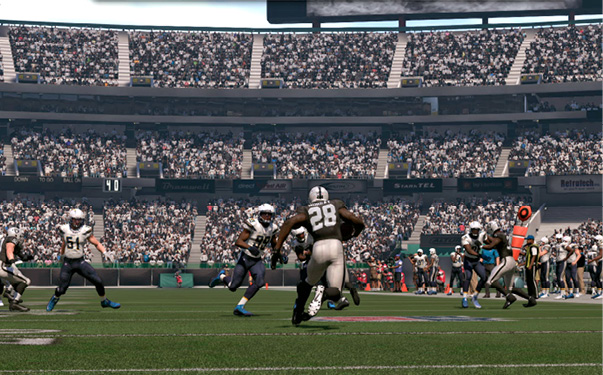
Alignment is Critical: When defending inside run, make sure to have an adequate number of defenders inside the tackle box. If you’re defending outside run, make sure defenders are in a position that gives them proper outside leverage on the blockers. Get familiar with your playbook so you know which plays are best to use when determining the runs you want to take away.
Tip 2
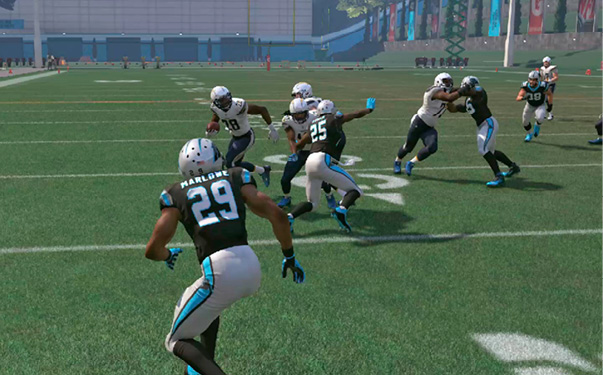
Know What You’re Trying to Defend: If you want to take away the outside run, zone-coverage plays are best. They have force players who are looking in the backfield and playing run first. Man coverage defenders are less helpful against the run because they are pass-first players who must key their coverage before reacting to the run.
Tip 1
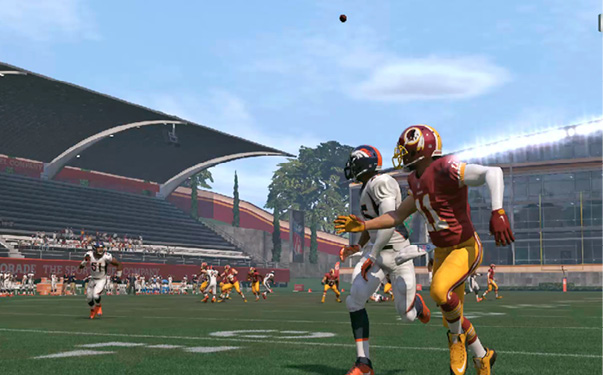
Know Your Playbook: Get familiar with the plays that have force and cutback players in advantageous positions to take away the concept you want to defend. Cover 3 has the force safety in the box and is a great call for running plays to the strong side, whereas Cover 2 has the CBs playing force and will most likely be blocked by the WRs. Understanding your playbook allows you to know exactly what to call once you’ve nailed down your opponent’s tendencies.