
Sniper Ghost Warrior 2 Guide Essentials Sniper Survival Kit
Enemies
Whether in the Philippines (Act 1), Sarajevo (Act 2), or Tibet (Act 3), there are two basic enemy types: those with assault rifles and those with sniper rifles. Both are dangerous; combat the two different weapon types on your terms if at all possible.
Assault Rifles
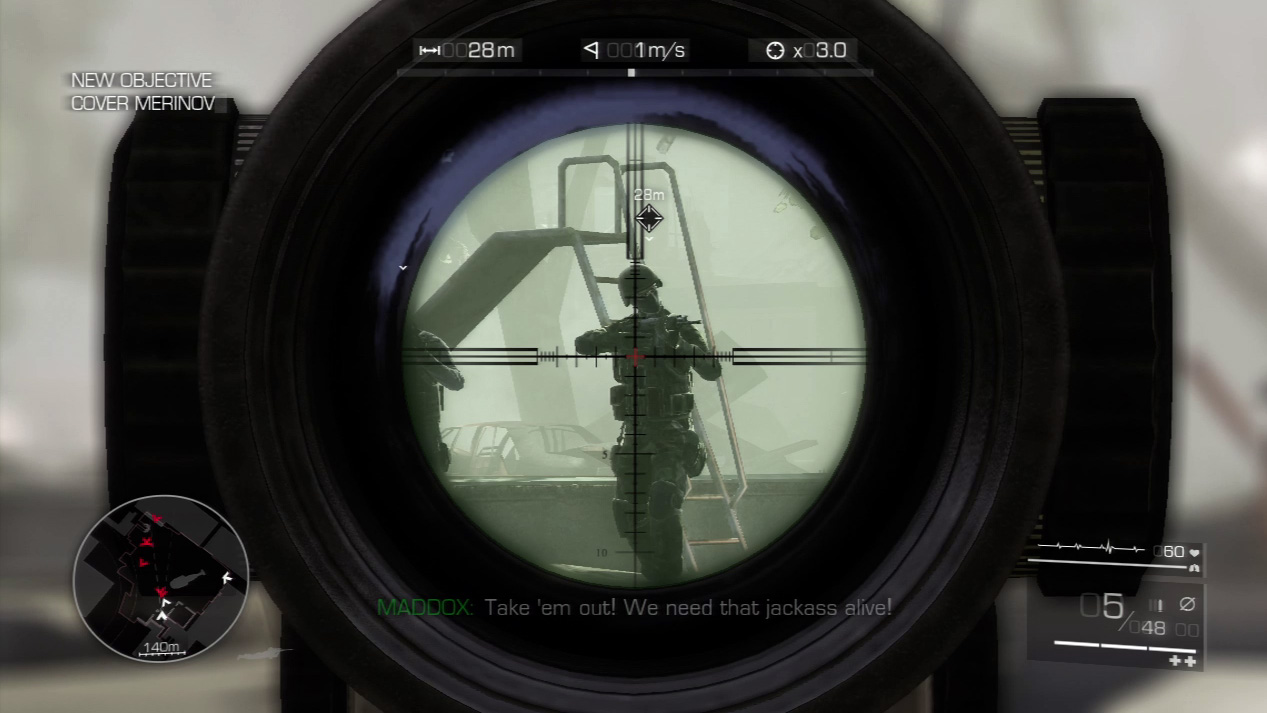
The vast majority of enemies you face will be armed with assault rifles. Deadly at short or medium range, these enemies will seek cover if they know you’re in the area but can’t see you, or they will charge at you if they know your position and will outgun you quickly with a slew of bullets.
However, you have a significant range advantage with your sniper rifle. For best results, stay at long range or very long range and pick them off one by one without raising the alarm.
Sniper Rifles
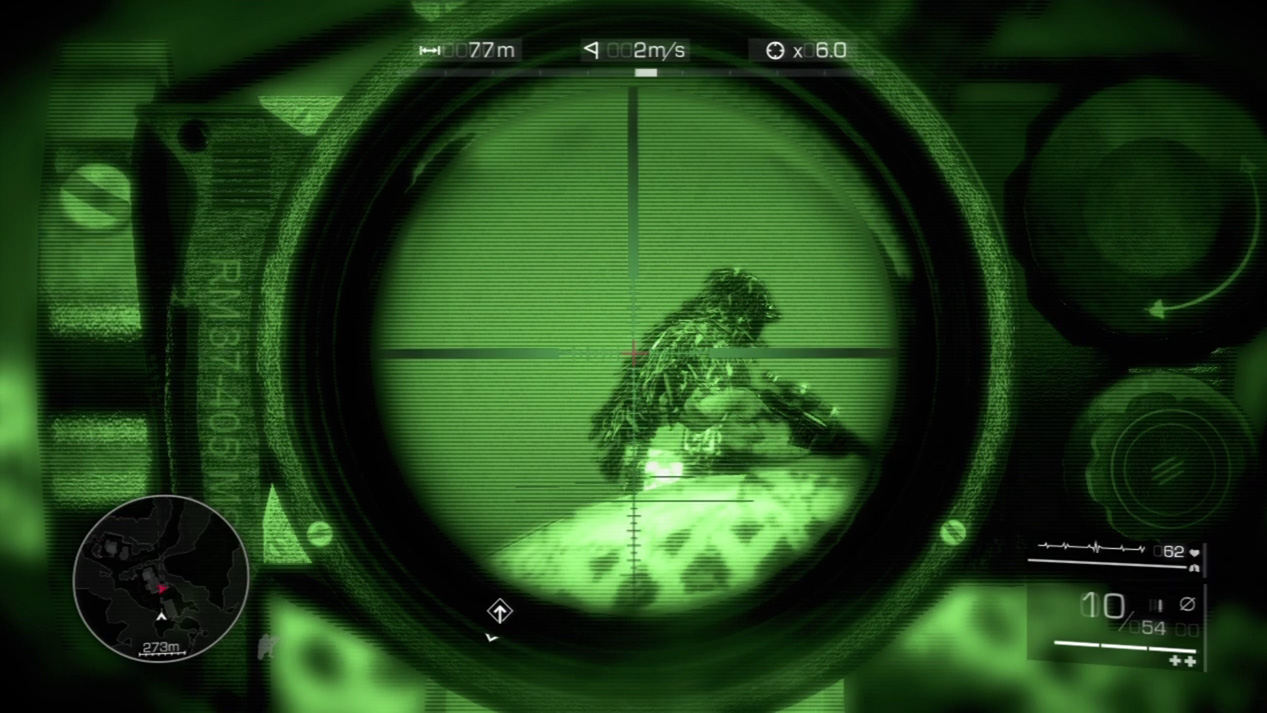
Your counterpart in the field, enemy snipers have the same range as you and can be just as lethal given a shot. So don’t give them a shot. Make sure you sneak up on enemy snipers and spot them first.
If you have the element of surprise, you can line up your own shot first and take them out without a problem. If that’s not an option in a larger skirmish, prioritize snipers first; you have more time to take out enemies with assault rifles than snipers who can kill you from afar.
Enemy Behavior
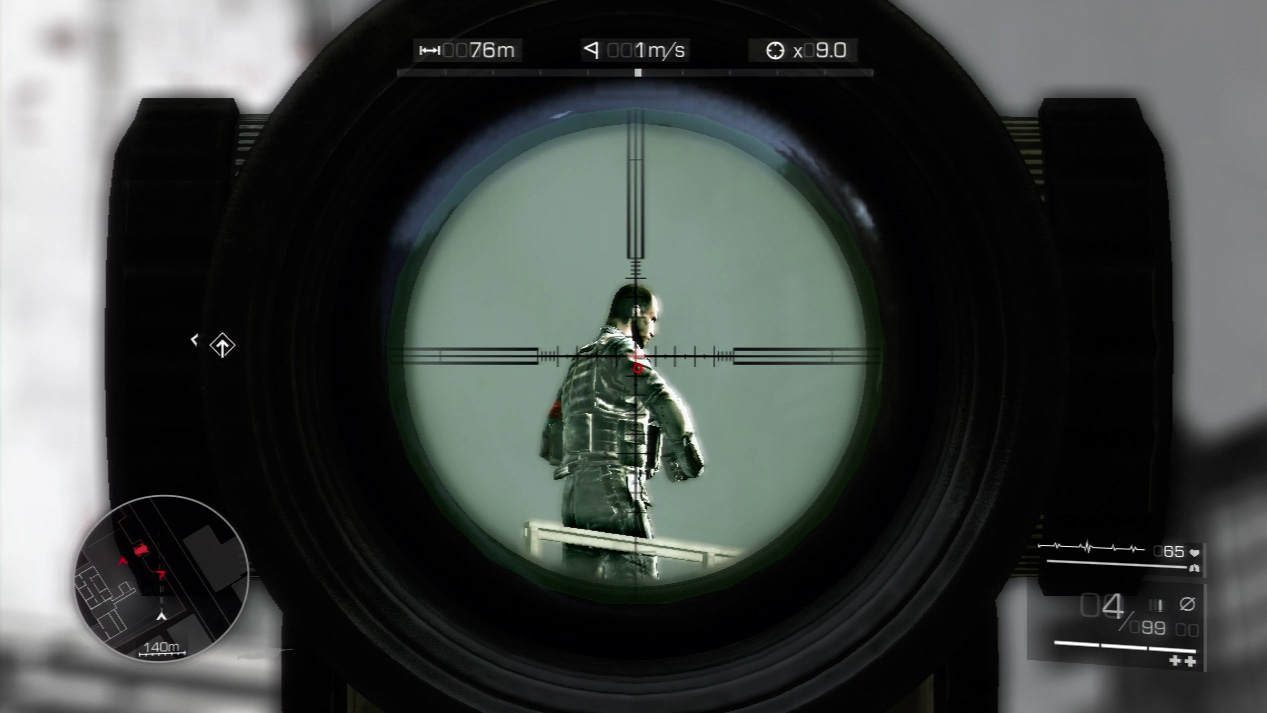
Enemies start out unaware of you. In this Basic mode, enemies perform routine tasks, such as patrolling, standing at a post, and talking with other guards. If you maintain stealth and pick off your target wisely, enemies will remain in this basic state.
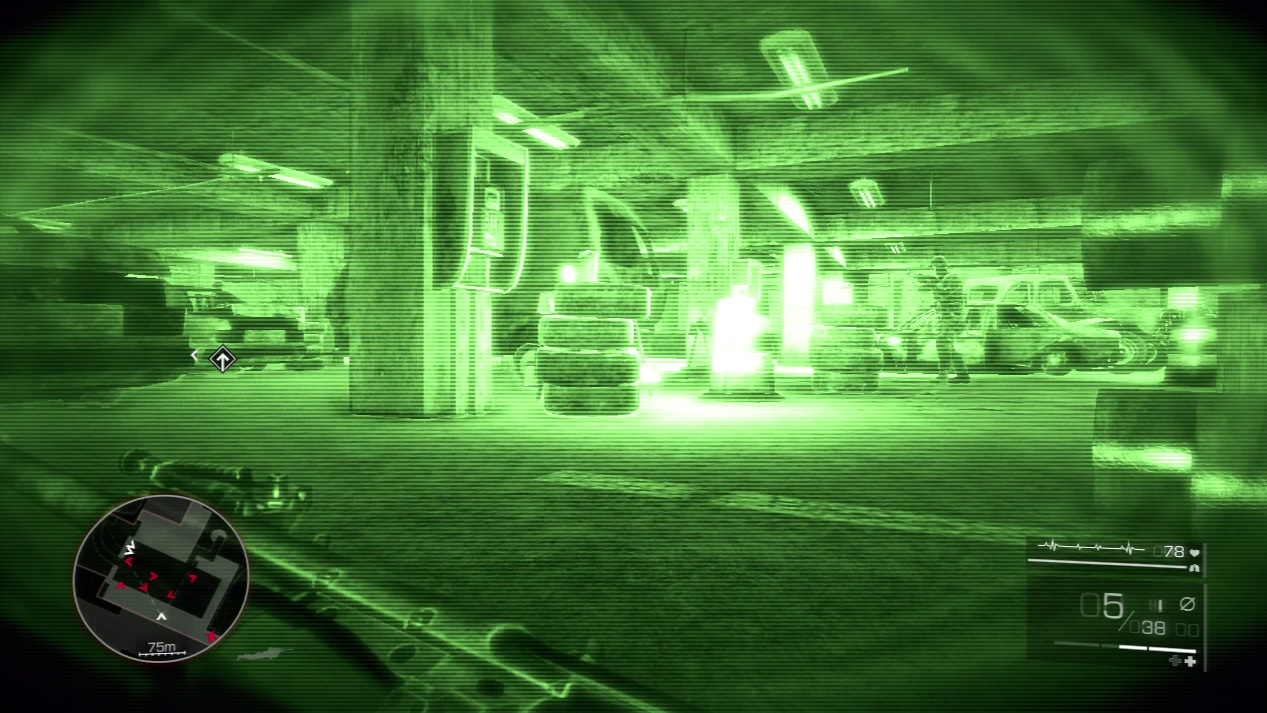
If something catches an enemy’s attention, he moves into an Intrigued mode. While Intrigued, the enemy interrupts his basic task, draws his weapon, and turns to the source of the noise that originally caught his attention.
After a few moments, the enemy moves toward the source of the noise.
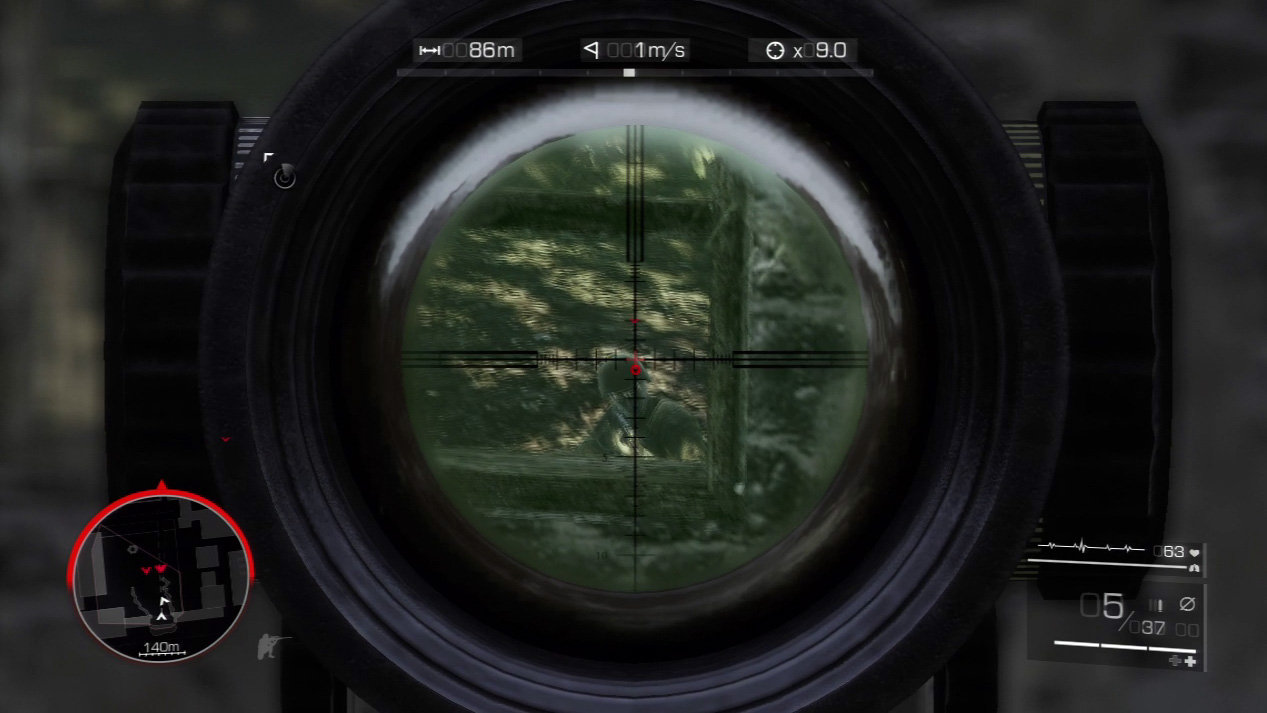
The enemy goes into Searching mode if he knows that you are in the vicinity, but can’t see you. While searching for you, the enemy draws his weapon and alerts all nearby enemies, who also go into Searching mode.
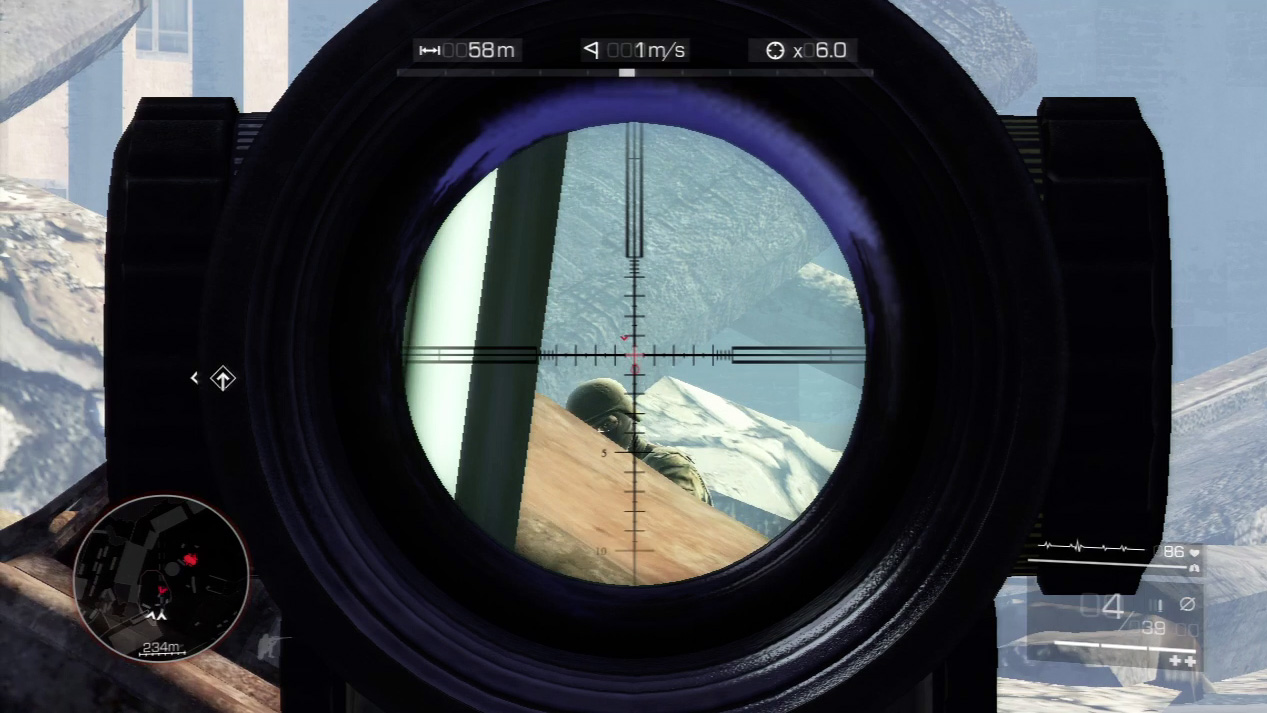
If an enemy was attacked but not killed, and he doesn’t see you, he will go into Threatened mode. In Threatened mode, the enemy runs to the closest cover spot and remains there, trying to spot you.
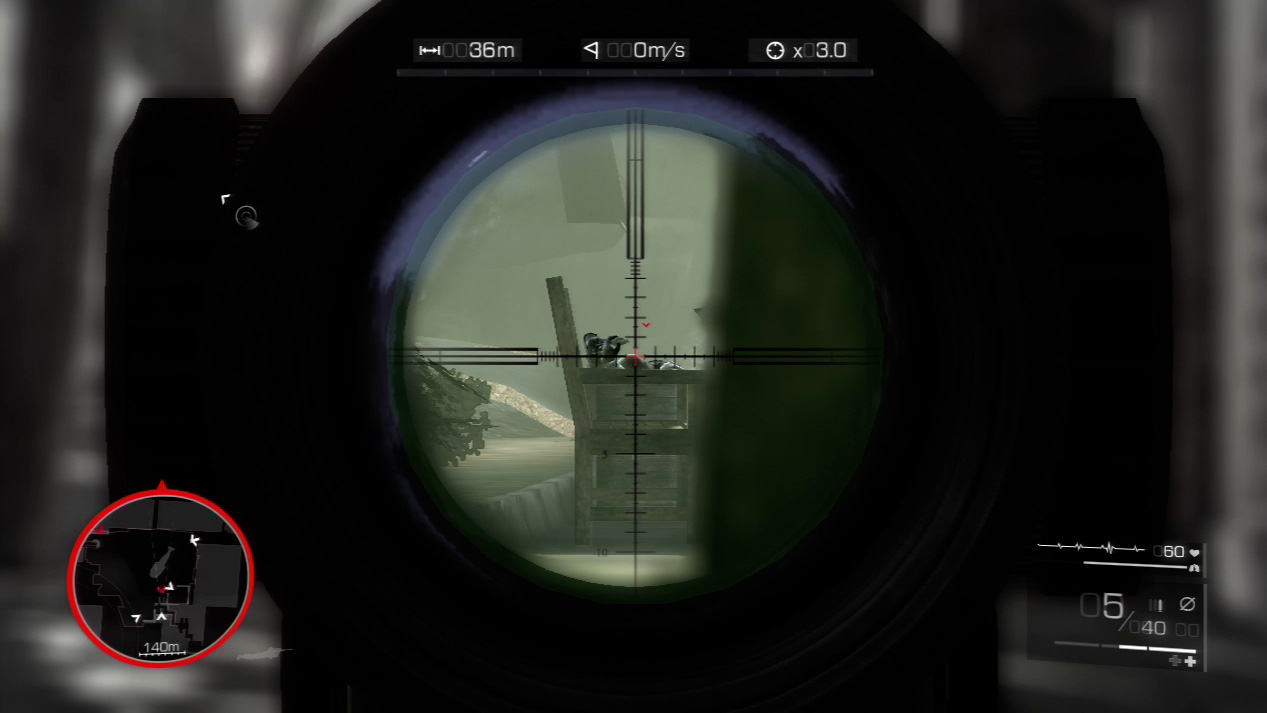
Once an enemy identifies your position, he will go into the next mode: Fight from Cover. The enemy will attempt to hide in cover and shoot at you, reloading after his clip is spent.
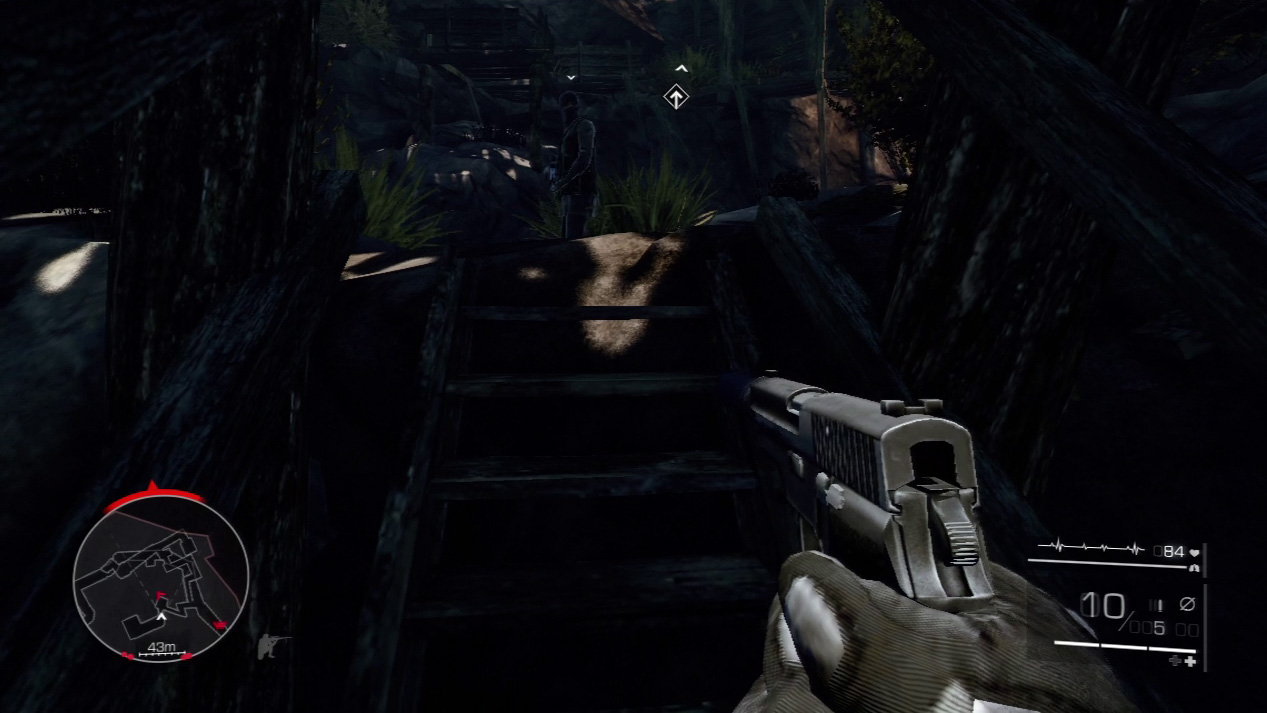
If you close on a hiding enemy, he moves into Threat Close mode. The enemy will continue to shoot at you, but will dash for better cover when the opportunity arises. This mode may also be used if you try to sneak up on an enemy but are detected.
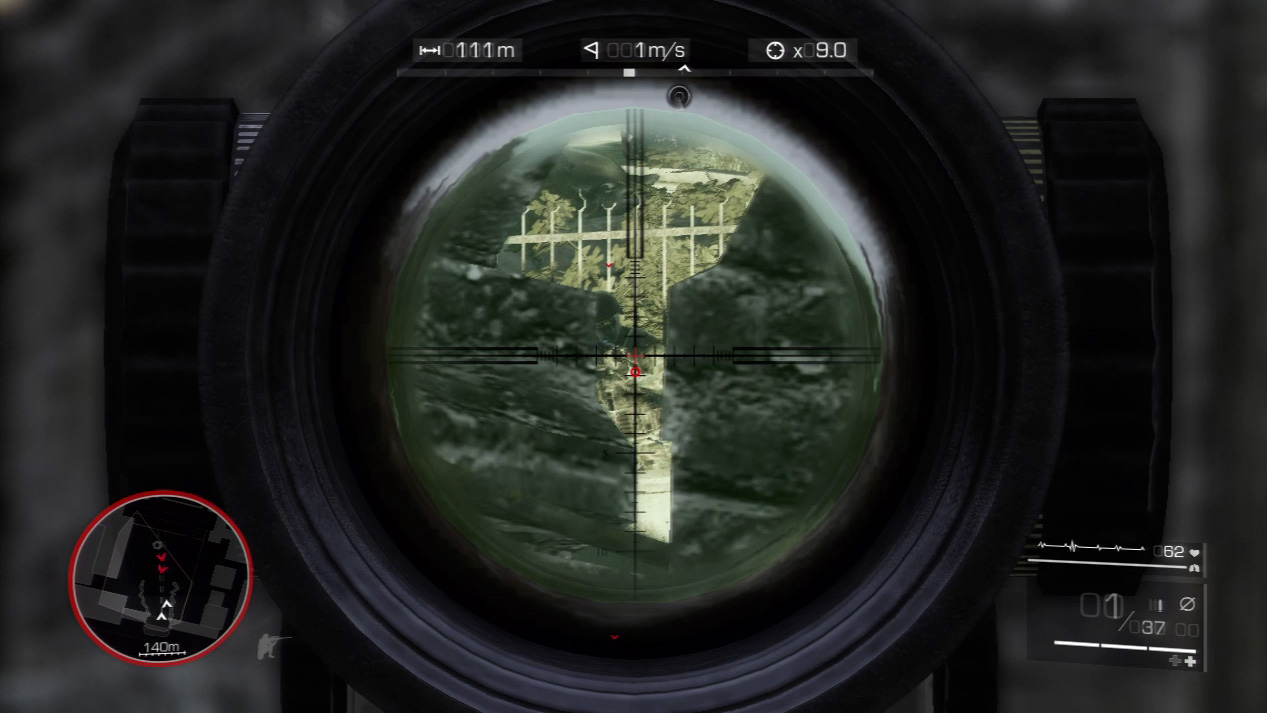
The enemy might also try to flank you (Closing the Distance/Flanking mode). If he is aware of your position, an enemy might close the distance and take a more advantageous position to fire, jumping from cover spot to cover spot while avoiding open spaces.
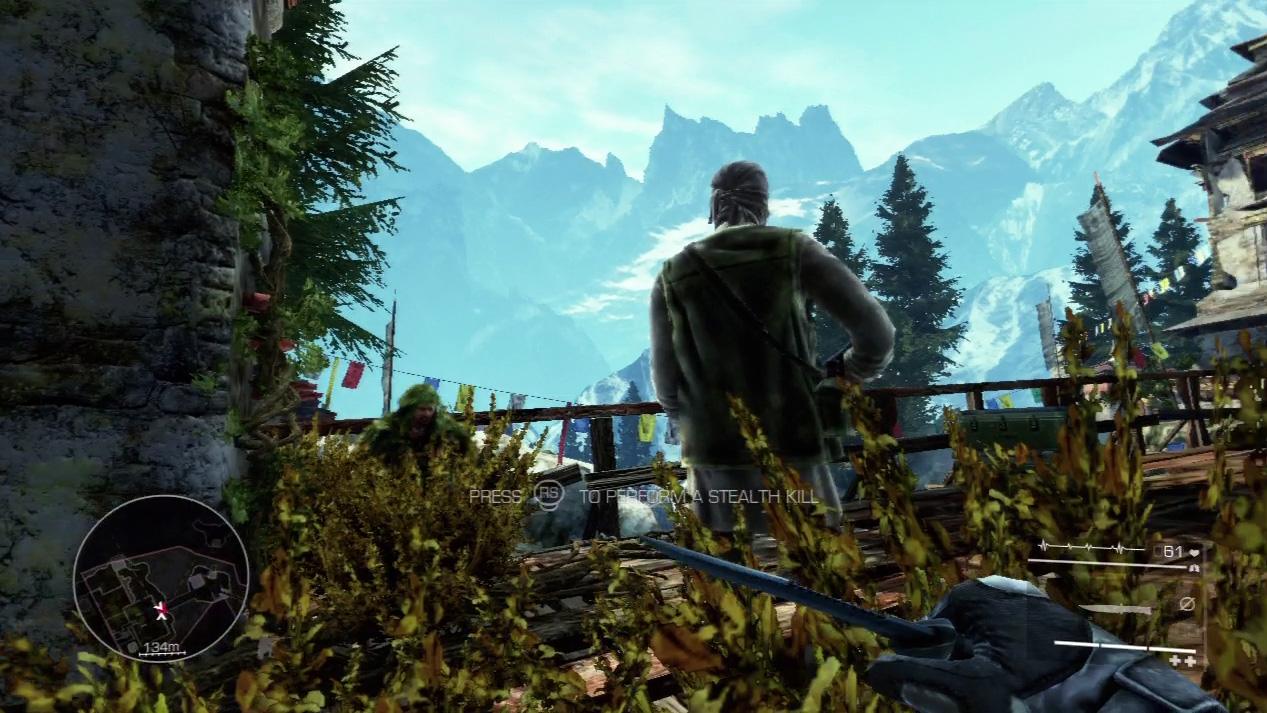
Finally, an enemy who is very close to you will enter Close Quarters mode and engage in hand-to-hand combat, possibly knocking you to the ground. If you don’t immediately respond with hand-to-hand combat yourself, or a well-place pistol shot, you will die from the assault.
Enemy Alertness
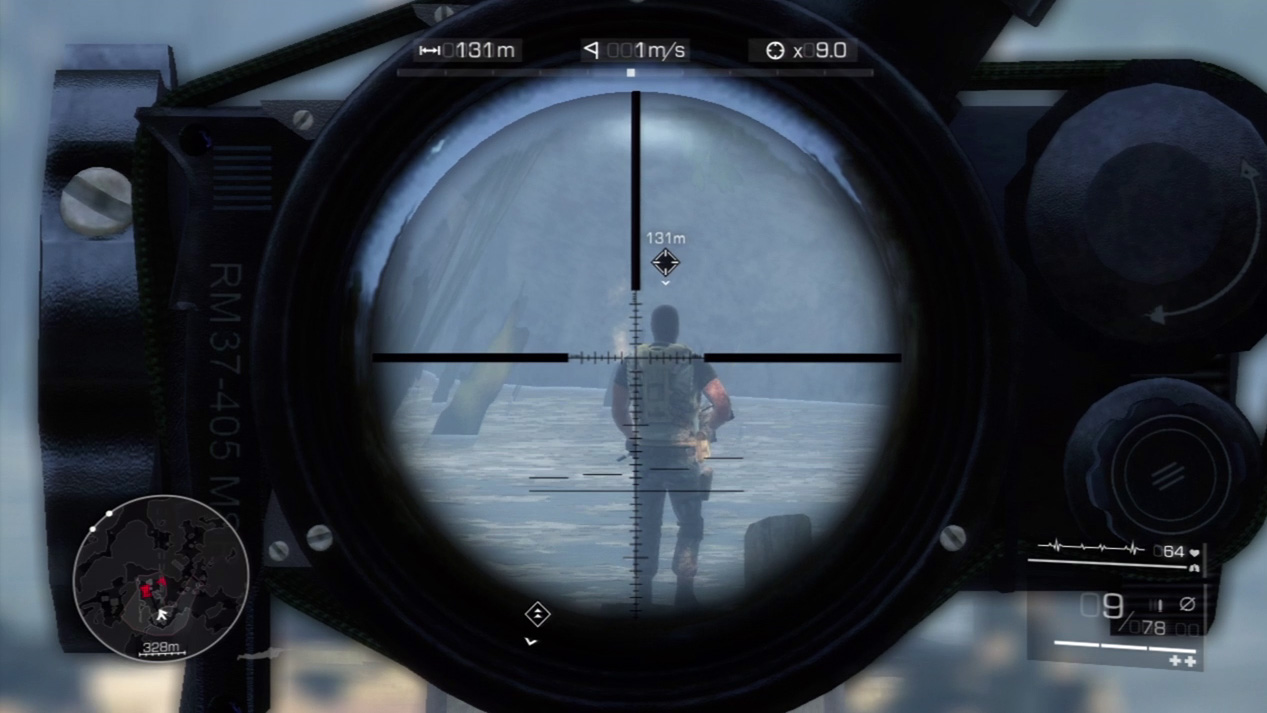
- Distance: At very long distances, an enemy needs more time to detect you in their field of vision. If you are nearby, though, you will be detected quickly.
- Position: A prone player is harder to detect; standing is very easy to spot.
- Previous State of Alertness: If the enemy was alerted previously, the next contact will result in much quicker reaction. Also, alerted enemies notify other enemies around them.
- Speed: The quicker you move, the more noise you make and the greater the chance of attracting the attention of nearby enemies.
- Time of Day: At night enemies’ senses are limited, and it’s easier for you to avoid detection.
- Night Vision: Some enemies, like snipers, may be equipped with Night Vision Goggles. These enemies have no restrictions on their nighttime field of vision.
- Dead Bodies: If an enemy spots a dead body, he immediately goes into alert mode.