Company of Heroes 2 Guide Essentials Units
Germans
 Headquarters (Tier 0)
 Pioneers
Pioneers are the initial German squad that can build production facilities and forward defenses. Pioneers are worse in combat than main infantry units such as Grenadiers and Conscripts. The squad can be upgraded with a flamethrower, which gives them increased damage against infantry and allows them to eliminate garrisoned units easily, or upgraded with a wire cutter and Mine Defusal Package, which allows the squad to cut barbed wire as well as detect and remove mines at the cost of reduced firepower. As compared to Soviet Engineers, Pioneers are weaker but have a lower resource cost.
Role: Support; Anti-Garrison (Flamethrower Upgrade)
Squad Size: 4
Veterancy Ability: Field First Aid (Heals the targeted infantry squad over time until it reaches full health or the casting unit moves—single target, 20 Munitions).
Base Abilities: Repair (repairs buildings and vehicles, restoring them to full health over time).
Upgrades: Flammenwerfer 35 Flamethrower (Increased damage against infantry and light vehicles, especially against garrisoned buildings—60 Munitions) and Mine Defusal Package (Cut barbed wire, identity and defuse mines—50 Munitions).
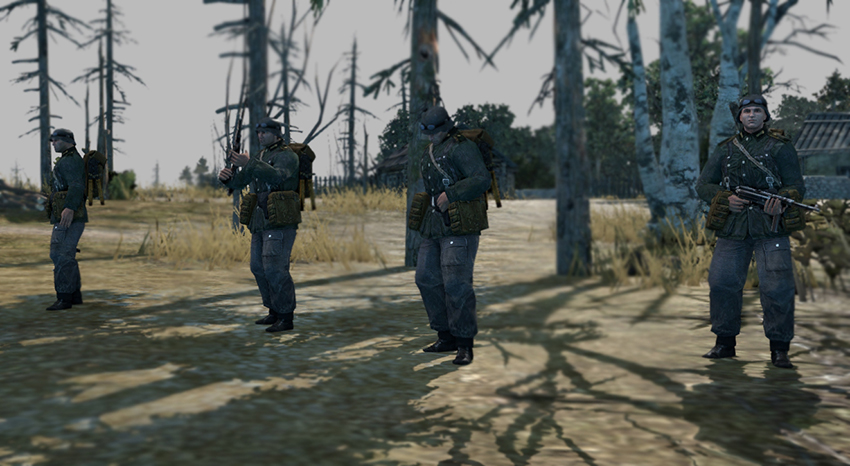
German Pioneers, with their years of combat experience, had advanced the craft of field defenses to an art form. Bunkers and trenches would be built in well-protected areas with mutual and interlocking fields of fire. Attacking forces could rarely isolate single bunkers without coming under fire from other fortifications. No defensive line is impermeable so merely slowing an attack was the goal; time is a luxury on the battlefield that defenses could buy in spades.
 Infanterie Kompanie (Tier 1)
 Grenadiers
The most basic German infantry, and great on the front lines and useful for taking territory. The squad has access to the Panzerfaust ability that causes medium damage and destroys the engine of a targeted vehicle, and is powerful against light vehicles and useful for crippling heavier tanks. As compared to its Soviet counterpart, the Conscript squad, Grenadiers have greater long-range damage, although they are weaker than Conscripts at short range.
Role: Mainline; Anti-Vehicle (Panzerfaust Ability)
Squad Size: 4
Veterancy Ability: Field First Aid (Heals the targeted infantry squad over time until it reaches full health or the casting unit moves—single target, 20 Munitions).
Base Abilities: Panzerfaust (deals 100 damage to target vehicle and damages its engine—25 Munitions); Rifle Grenade Shot (Fires a long-range rifle grenade at targeted area, causing light damage—20 Munitions).
Upgrades: MG42 LMG (Increases damage against infantry; requires the unit to be stationary to fire—60 Munitions).
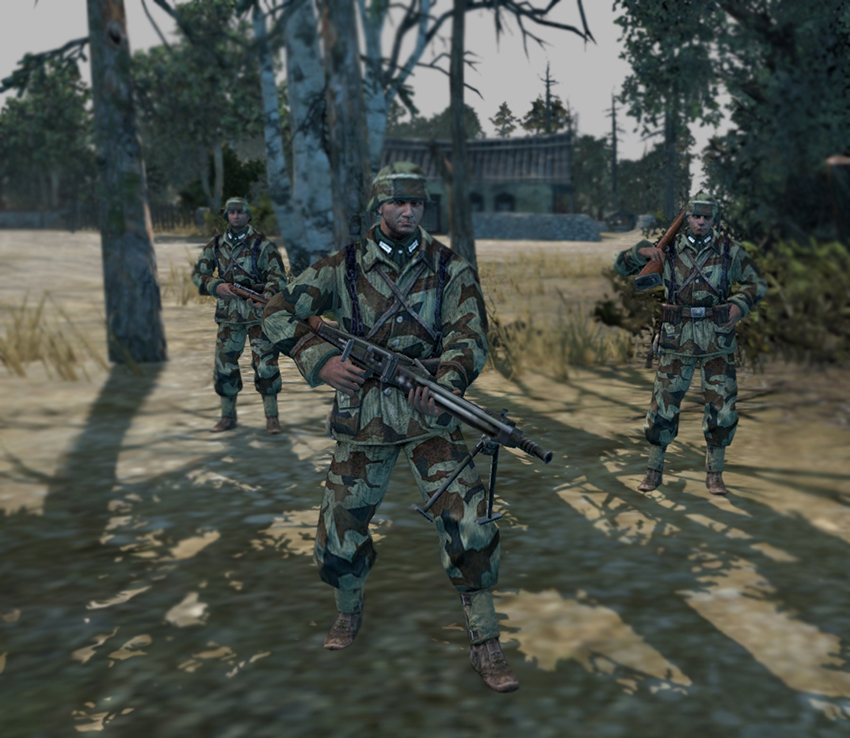
Panzerfausts (“Tank Fist”) were issued to infantry units of the German Army in vast numbers—some allege a production run of nearly 7 million of the five service variants. The largest Panzerfausts could defeat over 200mm of armor, enough to destroy any tank in Allied service. The weapon’s ubiquity forced the Soviets to change tactics, allocating platoons of infantry to protect their tanks.
At the tip of the spear of any attack is the infantry. No other force can hold ground as effectively but no other arm of the land battle is so misunderstood in many ways. Less than 20 percent of those “million man armies” were frontline infantry, but they received a tragically disproportionate number of casualties. A typical German Grenadier battalion had about 715 men—99 were frontline soldiers.
 MG42 Heavy Machine Gun Team
The MG42 Heavy Machine Gun weapon team provides suppressive fire over a long range and a wide arc. When enemy infantry is suppressed, their movement and damage is reduced; if the infantry is close to the Heavy Machine Gun team, they will become pinned, which renders them incapable of any action besides retreating. They are great for defending territory and buildings, although the team is only useful against infantry. To use the heavy machine gun, the squad must take time to set it up; the squad must also take time to pack up the gun before it can move again. As compared to the Soviet Machine Gun team, the MG42 has a wider fire arc but takes longer to pack up before the squad is able to move again.
Role: Fire Support
Squad Size: 3
Veterancy Ability: Fire Incendiary Armor-Piercing Rounds (rounds do more damage and have increased armor penetration—20 seconds, 15 Munitions).
Base Abilities: None
Upgrades: None
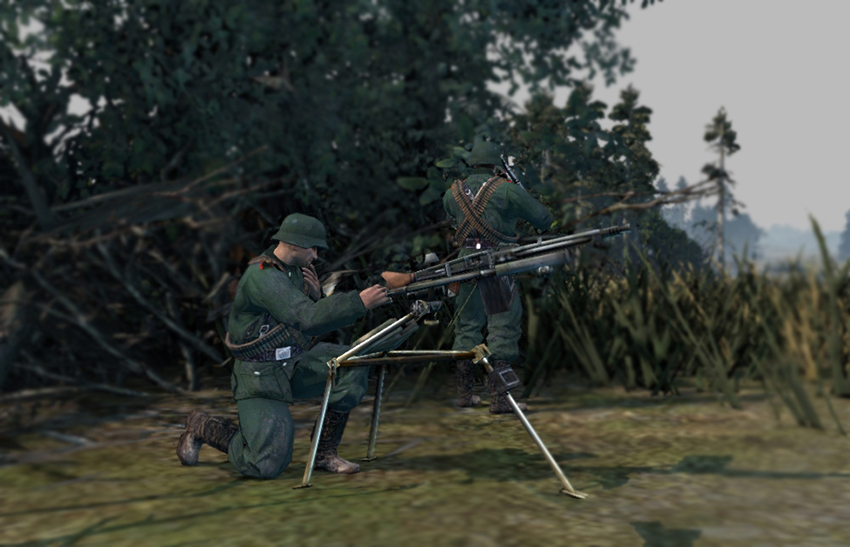
Modern general purpose machine guns (GPMGs) owe their lineage to the MG43, but the MG42 certainly achieved more notoriety which spawned many imitators. GPMGs like the MG42 could be used in the light role with a bipod, or attached to a tripod for accurate long-range fire and suppression. A quick-change barrel made for more consistent performance and less down time, meaning the crews were that much more lethal.
The MG42 is one of the iconic weapons of World War II. The extremely high rate of fire, some 1,200 rounds per minute, had a purpose. On the “empty battlefield” of the period after the 1870s, military forces became wildly dispersed because of more dangerously lethal weapons. When seen, the enemy had to be engaged emphatically and quickly. The MG42 was one answer to increase what was called the “Lethality Index.”
A variety of 7.92mm ammunition was used in German small arms. Incendiary armor-piercing rounds—often tungsten or steel-cored with added phosphorous—were issued to the Luftwaffe to use against enemy aircraft. While rare on the battlefield, these rounds were on occasion utilized by snipers and machine gun crews for increased ballistic performance and the ability to engage lightly armored targets.
 GrW 34 Mortar Team
The Mortar fires slow, long-range explosive shells that cause high damage to infantry, although shots are inaccurate. The long range, slow firing speed, and inaccurate shells make the Mortar powerful against stationary targets such as enemy heavy machine guns, Mortars, and garrisoned squads. Similar to a heavy machine gun, it must be set up to shoot and then packed up to move. The mortar requires at least two men in order to fire; when reduced to a single man, the squad automatically runs away, removing the unit from the game. As compared to the Soviet Mortar team, the GrW 34 has a greater firing speed, although the reduced squad size makes it much easier to eliminate.
Role: Fire Support
Squad Size: 3
Veterancy Ability: Counter Barrage (squad will automatically barrage enemy artillery weapons that fire within the Mortar’s range; disables use of barrages—Toggle).
Base Abilities: Mortar Barrage (fires four mortar rounds into the target area); Smoke Barrage (fires three smoke bombs into the target area); Hold Fire (the Mortar will not automatically fire at enemies that come into range—Toggle).
Upgrades: None
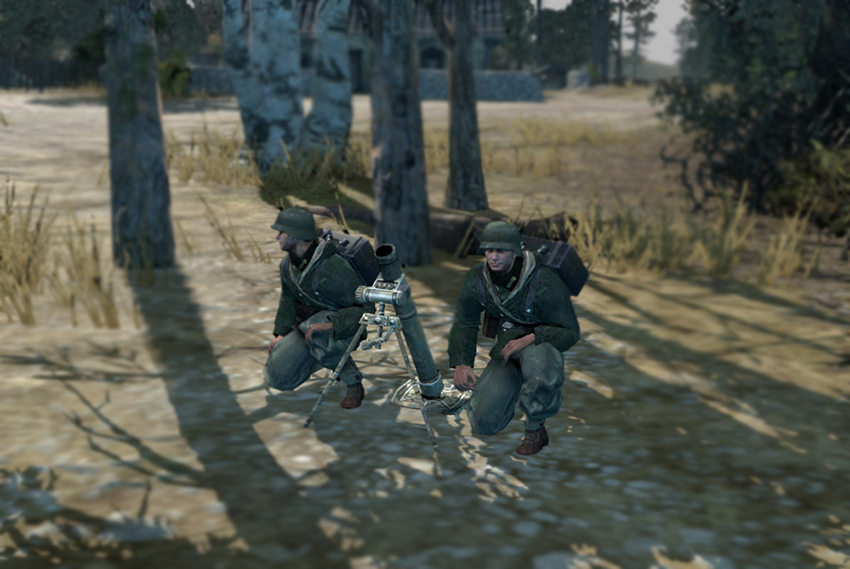
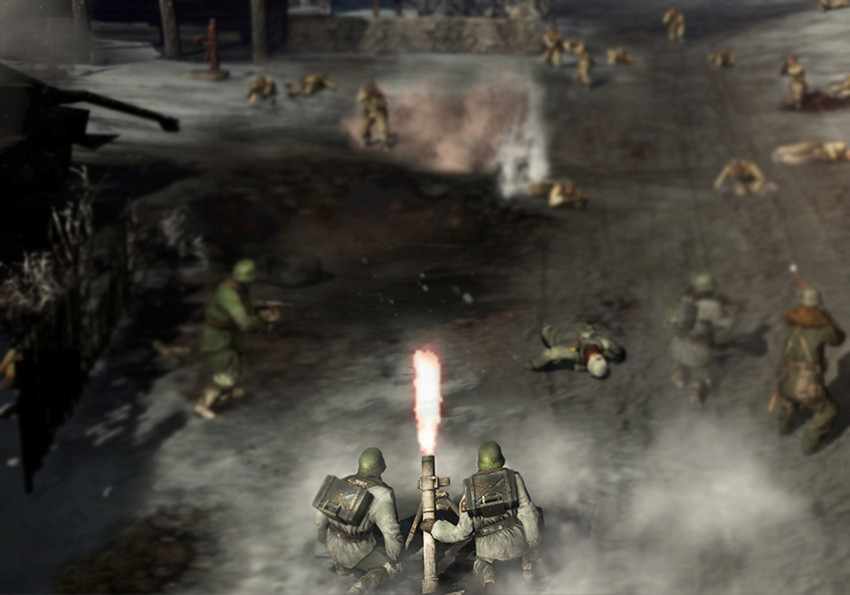
German GrW 34 8cm Mortars could engage targets, often sight unseen, at ranges exceeding 2000m. While generally outranged by equivalent enemy mortars—both the Soviet PM-41 82mm and the US M1 81mm Mortar had ranges of 3000m—German crews were exceedingly well trained and able to maintain a high rate of fire. The sudden arrival of a large barrage of Mortar bombs often proved appallingly decisive.
 Sniper
The Sniper is an expert at killing infantry; with incredible accuracy and long range, each shot will kill a unit instantly. In addition, while in cover and not firing, the Sniper will cloak, rendering itself invisible unless an enemy squad is nearby. Its long range and instant kill shots make it powerful against protected weapon teams and infantry caught in a firefight. However, the Sniper is incredibly weak and easily killed by any attack; it must be kept in a safe location or far from the enemy’s units. As compared to the Soviet Sniper squad, the German Sniper fires faster and cloaks quicker, although its one-man squad size makes it susceptible to counter-sniping.
Role: Fire Support
Squad Size: 1
Veterancy Ability: Fire Incendiary Explosive Round (stuns any squad targeted by the ability—single target, 45 Munitions).
Base Abilities: Hold Fire (only fires when given an order to target a unit—Toggle).
Upgrades: None
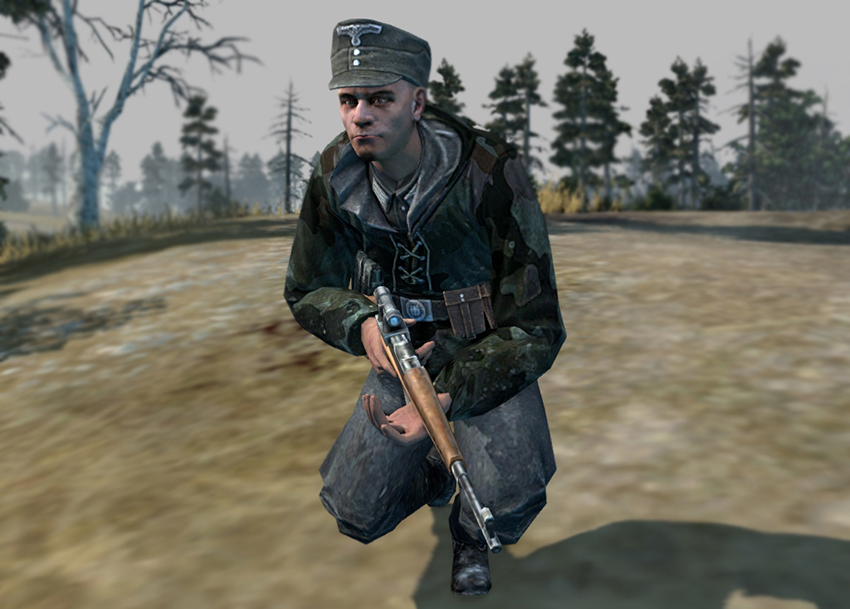
The German Army reinstated their sniper training programs in 1942 after being on the receiving end of a Soviet training program that allegedly produced some 430,000 snipers and sharpshooters. German snipers were well trained with an emphasis on camouflage and concealment and they used specially manufactured rifle rounds and high-quality optics for their fantastic rifles, meaning they made reliable kills out to 1000m.
 Leichte Mechanized Kompanie (Tier 2)
 Panzergrenadiers
The more mobile and durable version of the Grenadier squad, Panzergrenadiers are strong at short range against enemy infantry, can easily move to take territory, are great at flanking enemy weapon teams, and can even be upgraded with Panzerschrecks for anti-vehicle capabilities. Their Soviet counterpart are the doctrinal Shock Troops, and while slightly less tough, the option to upgrade Panzerschreks makes them a more versatile unit.
Role: Assault; Anti-Garrison (Bundled Grenade Ability); Anti-Vehicle (Panzerschrek Upgrade)
Squad Size: 4
Veterancy Ability: Field First Aid (heals the targeted infantry squad over time until it reaches full health or the casting unit moves—single target, 20 Munitions).
Base Abilities: Bundled Grenade (tosses a medium-range grenade that does high damage to units caught in blast—45 Munitions).
Upgrades: 2x RPzB 54 “Panzerschreck” (significantly increases damage against vehicles, requires the squad to be stationary to fire and reduces its anti-infantry damage—120 Munitions), 1x RPzB 54 “Panzershreck” (If the squad loses one Panzerschrek, they can get it back—60 Munitions).
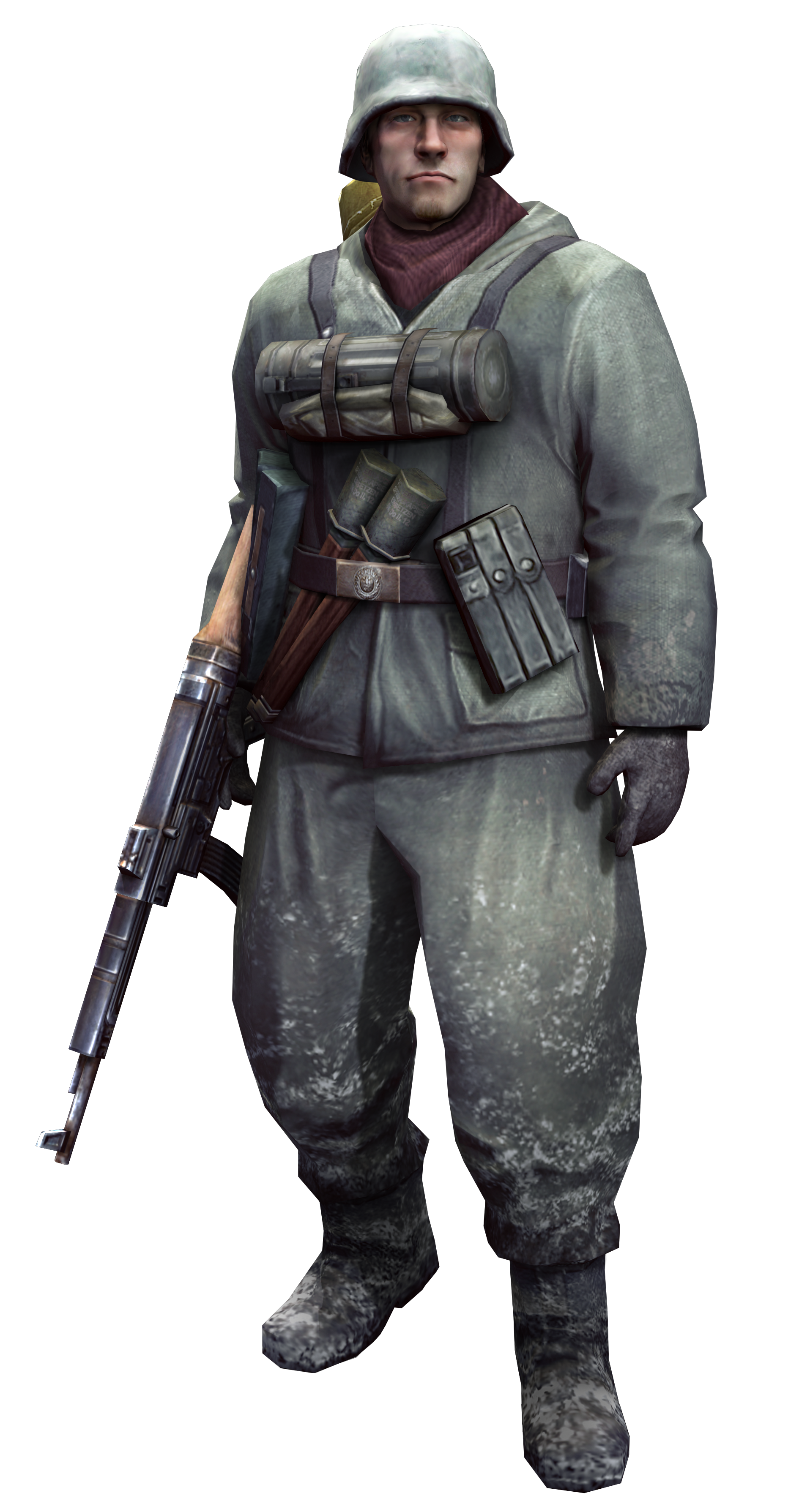
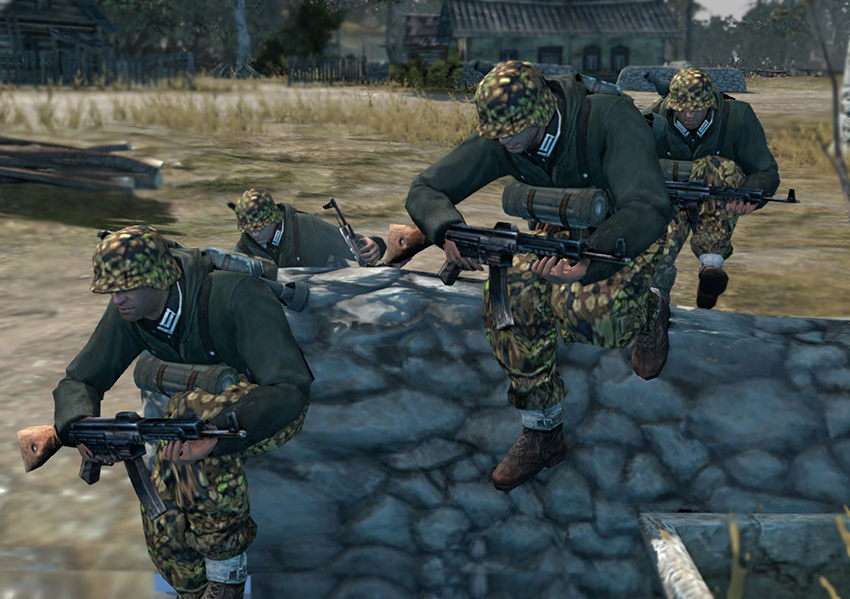
When the term “grenadier” was created in the German Army in 1942, the previously named “Schutzen” of the armored battalions were also renamed. Panzergrenadiers often rode into battle in support of tanks using armored half-tracks. Panzergrenadier battalions were amongst the strongest maneuver elements of an attack and were typically armed with a higher proportion of automatic weapons.
Panzergrenadiers were able to bring large amounts of firepower to bear using their own light machine guns and a variety of weapons carried by their half-tracks. Well-trained soldiers were supported by mortars, heavy machine gun platoons, anti-tank sections, infantry guns, and self-propelled artillery. In effect, they could tackle any enemy—armored or otherwise—encountered on the battlefield.
 SdKfz 251 Half-track
This durable light vehicle is incredibly useful for supporting infantry squads and weapon teams on the frontline. The vehicle holds up to two squads within and allows nearby squads to reinforce directly from the Half-track, like the Headquarters. For greater firepower at the cost of garrisoning infantry, the Flammenwerfer upgrade adds two flamethrowers to the vehicle, one on each side, that are powerful against infantry, light vehicles, and garrisoned units. As compared to the Soviet Half-track, the SdKfz 251 functions as more of a mobile assault vehicle when upgraded as opposed to a mainline support vehicle.
Role: Support; Assault/Anti-Garrison (Flame Projectors Upgrade)
Veterancy Ability: Infantry Awareness (enemy infantry are tracked and revealed on the minimap—20 seconds, 10 Munitions).
Base Abilities: None
Upgrades: Flame Projectors (significantly increases damage against infantry and light vehicles, cannot transport infantry—120 Munitions).
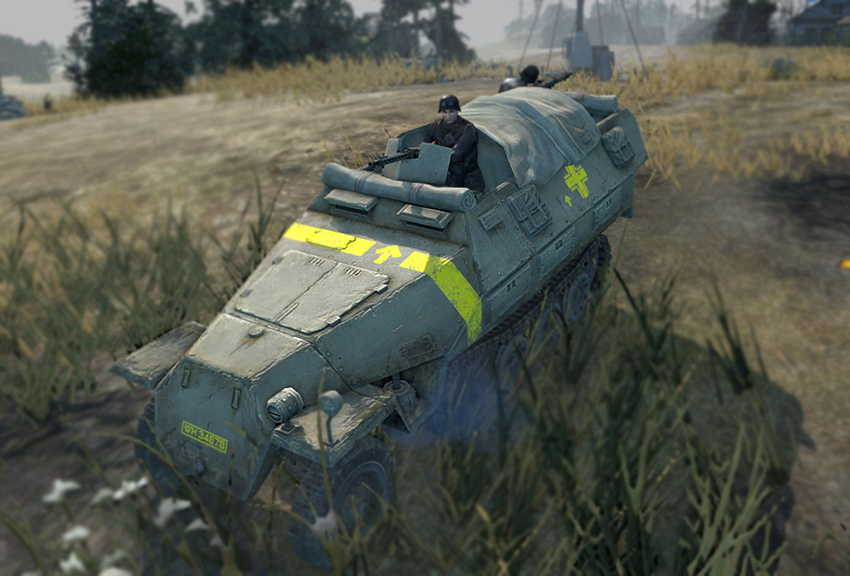
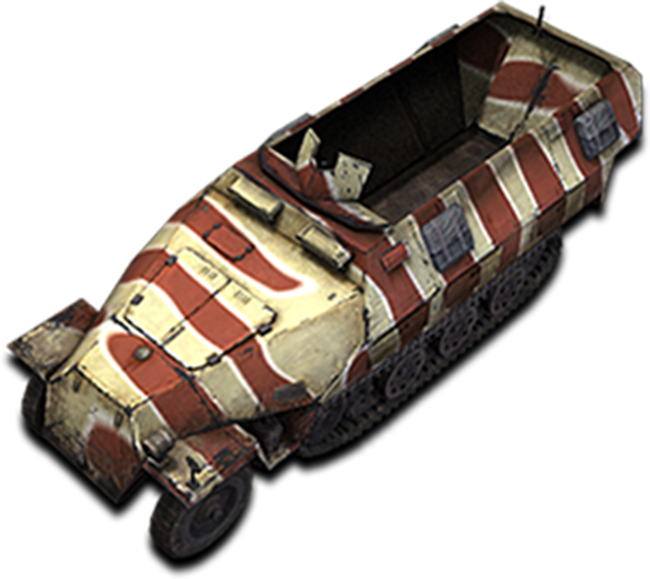
The Soviet army had no half-track or troop transport equivalent until Lend-Lease M2s and M5s started to show up in late 1942. The Germans used armored SdKfz 251 half-tracks to carry their Panzergrenadiers into battle. However, due to lack of numbers, generally only one company in a battalion would be mounted in half-tracks, with the rest of the soldiers using truck transport.
The SdKfz 251/16 “Flammpanzerwagen” was one of 22 variants of the “Hanomag” half-track. These lightly armored half-tracks were explicitly ordered not to lead attacks, but when they got to their attack point, multiple flamethrowers could project burning fuel over 40m from the vehicle. The fear of burning to death is a powerful motivator to flee the battlefield.
 SdKfz 221 Scout Car
The German Scout Car is a light, mobile vehicle with good anti-infantry and anti-weapon team capabilities. The vehicle can be upgraded with an autocannon, changing it into the SdKfz 222 and granting it increased damage against vehicles, although at the expense of some of its anti-infantry capability. Its resistance to weapon teams and infantry makes it a strong, aggressive unit when paired with infantry of your own. The main Soviet counterpart to the Scout Car is the T-70 light tank, which has increased armor and damage with a much greater resource cost.
Role: Assault
Veterancy Ability: Infantry Awareness (enemy infantry are tracked and revealed on the minimap—20 seconds, 10 Munitions).
Base Abilities: None
Upgrades: KwK 30 2cm Autocannon (increases damage against vehicles, decreases damage against infantry—70 Munitions).
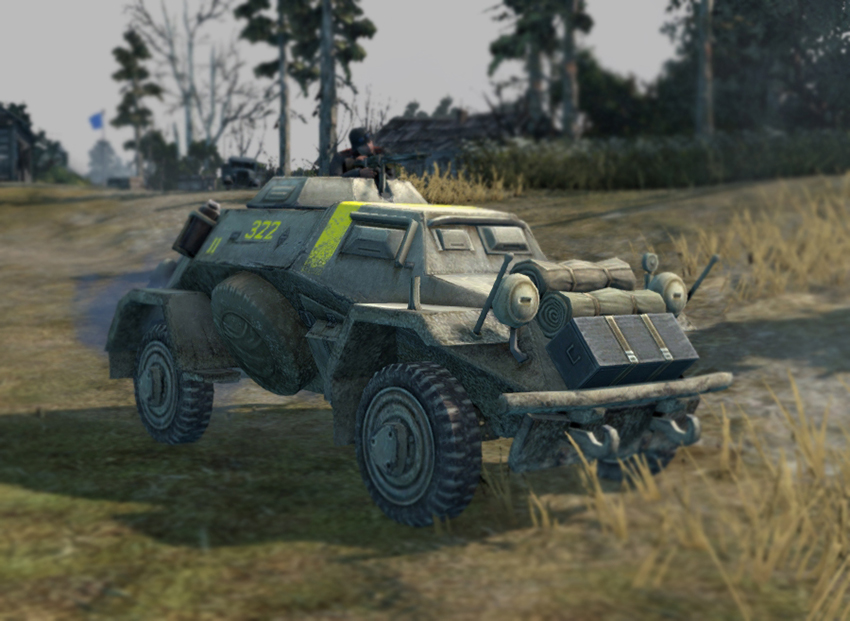
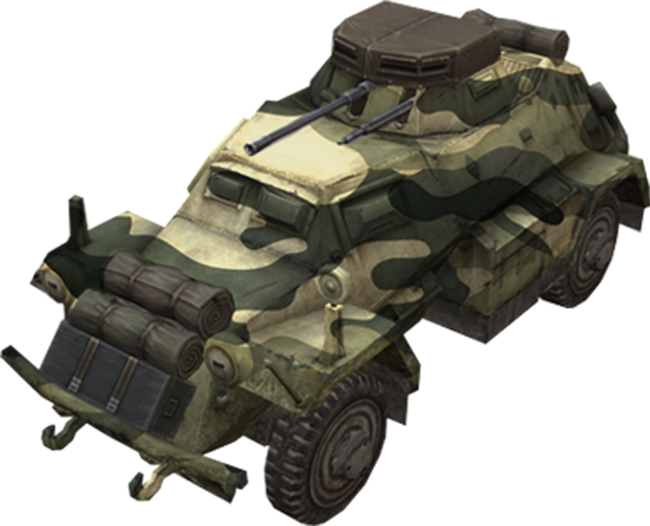
The SdKfz 221/222 had enough well-sloped armor to protect itself against most rifle and light machine gun rounds. As long as the crew did not expose themselves in the open-topped turret, the 222’s available 2cm autocannon could easily shred any infantry or snipers with a rate of fire that exceeded 300 rounds per minute. If that failed, there was always the coaxial MG.
The German Leichter Panzerspahwagen, or light reconnaissance vehicle, had good mobility and high speed provided by a V8 gas engine, but despite its four-wheel drive, off-road performance was limited, and the recon role eventually fell to half-tracks. The rapid firing KwK 30 2cm autocannon was effective against aircraft and ground targets using high explosive armor-piercing rounds.
 Pak 40 7.5cm Anti-Tank Gun
This weapon team fires long-range armor-penetrating rounds best suited for use against enemy vehicles. Its high damage is coupled with poor mobility and the inability to retreat; when safely positioned near your forces, the anti-tank gun will prove invaluable against all Soviet armor. Similar to the Mortar, the squad will automatically run away when it is reduced to one man. As compared to the Soviet field gun, the Pak 40 fires much quicker yet has a reduced squad size, making it easier to destroy.
Role: Anti-Vehicle
Squad Size: 3
Veterancy Ability: Target Weak Point (stuns the targeted vehicle’s crew—single target, 45 Munitions).
Base Abilities: None
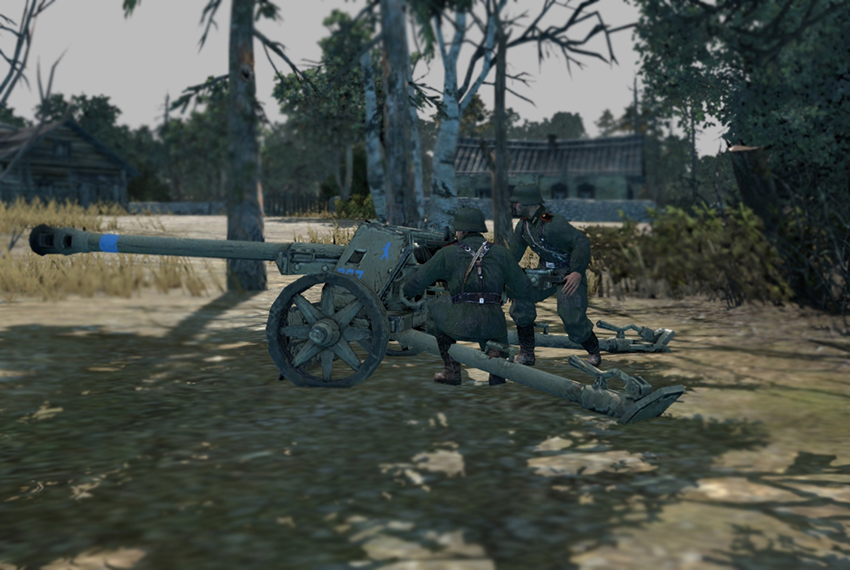
When the Germans first encountered the T-34 and KV-1, there was an immediate sinking realization that most of the available anti-tank armament was woefully insufficient. The 75mm Pak 40 in development at the time was prioritized and by 1943 was fielded in large numbers. The PanzerAbwehrKanone 40 could penetrate the armor of any Allied or Soviet tank, even late war heavy tanks like the IS-2.
Killing a light vehicle with a Pak 40 would be akin to smashing a fly with a high velocity 75mm armor-piercing projectile. Using Panzergranate 40 ammunition, the Pak 40 could penetrate over 120mm of angled armor at 500m, more than enough for any heavy tank, never mind light vehicles.
 Support Armor Korps (Tier 3)
 StuG III Ausf. G Assault Gun
The basic German tank, the StuG has high damage and fires at an average rate, although it is inaccurate against infantry. With decent health and armor but low mobility, this tank is best used alongside your weapon teams and Grenadier squads as a mobile anti-vehicle and anti-weapon team unit. An MG can be upgraded, providing the tank with an effective weapon for dealing with infantry. As compared to the Soviet T-34, a tank of similar cost, the StuG has reduced mobility and anti-infantry capabilities but is much more durable and has greater anti-vehicle damage.
Role: Mainline/Anti-Vehicle
Veterancy Ability: Target Weak Point (stuns the targeted vehicle’s crew—single target, 45 Munitions).
Base Abilities: None
Upgrades: Pintle-mounted MG42 Machine Gun (damages nearby enemy infantry with constant machine gun fire—30 Munitions).
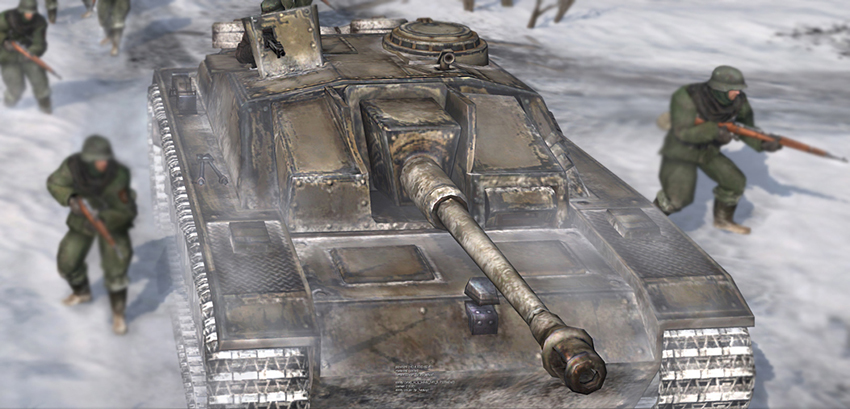
The StuG III (Sturmgeschutz or “assault gun”) was the most common armored fighting vehicle of the German Army in World War II. A powerful 75mm gun was mounted into the chassis of a Panzer III. Iterations led to a versatile, compact vehicle. Often employed as a tank destroyer with the longer barreled 75mm L48, the StuG IIIs were organized with the artillery arm of the army and were referred to as “guns.”
Turrets add weight and complexity to the construction of a vehicle, in addition to limiting the gun size. The largest gun fitted to a Panzer III was a low velocity 75mm that was almost completely ineffective against tanks, and the higher velocity 50mm KwK 39 was outclassed by 1942. The StuG III, however, a very stable firing platform, could mount the powerful StuK 40 L/48, which could easily destroy T-34s.
Veteran crews—especially the German crews who didn’t suffer the same attrition as the Soviets—often had years of battlefield experience and could get the best out of their “guns.” Some of the most famous tank aces of the war, like Michael Wittman, earned their stripes as commanders of assault guns.
SU-76Ms and StuG IIIs essentially had the same job but were quite different in design. StuGs were fully armored and enclosed, whereas the SU-76 was open to the elements. Its crews called it the “Suchka” or “Little Bitch,” but there’s no saying whether that was affectionate or not. German crews had little bad to say about their assault guns, which had powerful armament and offered relative comfort.
 Flakpanzer IV Ostwind
A fast medium tank with a high rate of fire, the Ostwind is a specialized anti-infantry vehicle. Low armor and minor armor penetration makes the Ostwind’s rounds weak against heavily armored units, such as enemy tanks, but its quick fire rate decimates infantry, weapon teams, and light vehicles. As compared to the Soviet T-34, the Ostwind is better at killing infantry and lightly armored units, but much weaker against armored targets.
Role: Assault
Veterancy Ability: Blitzkrieg Tactics (the vehicle will move at maximum speed for a time, making it harder to hit—30 Munitions).
Base Abilities: None
Upgrades: None
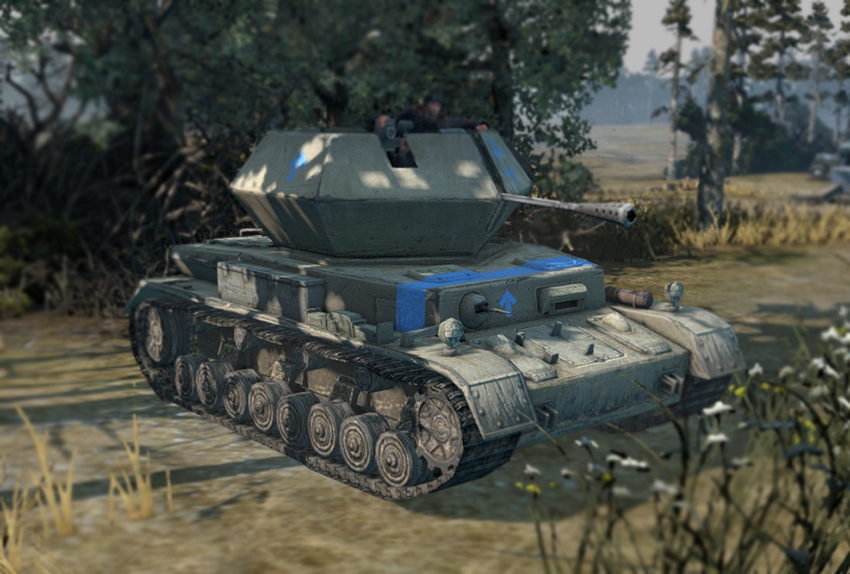
The Ostwind was a dedicated self-propelled AA tank developed in 1944. The rapid firing 37mm FlaK 43 was effective against low flying aircraft and also brutally potent against light vehicles, light fortifications, and concentrated infantry. Within seconds, the 37mm cannon could put dozens of high explosive rounds onto fixed weapons like mortars, anti-tank guns, and heavy machine guns.
The Ostwind’s 37mm FlaK 43 could penetrate 30mm of armor at 500m, meaning it was deadly against light vehicles. The armor penetrating high explosive rounds (Panzer Sprenggranate) were designed to pierce steel plate and explode within the vehicle, shredding the crew, detonating ammunition, and exploding the fuel tanks. At 150 rounds per minute, this destructive potential was amplified many times.
 Panzer IV Medium Tank
The well-rounded Panzer IV Medium Tank can be used in any role due to its good durability, armor penetration, high accuracy, and great mobility. It provides strong support to a combined arms force of weapon teams and Grenadiers, yet can also be used for flanking enemy positions and eliminating squads attempting to capture undefended territories. An MG and gunner can be upgraded on the tank as well, providing an additional anti-infantry weapon. As compared to the Soviet T-34, the Panzer IV is greater on all accounts, albeit at an increased cost.
Role: Mainline/Assault
Veterancy Ability: Blitzkrieg Tactics (the vehicle will move at maximum speed for a time, making it harder to hit—30 Munitions).
Base Abilities: None
Upgrades: Pintle-mounted MG42 Machine Gun (damages nearby enemy infantry with constant machine gun fire—30 Munitions).
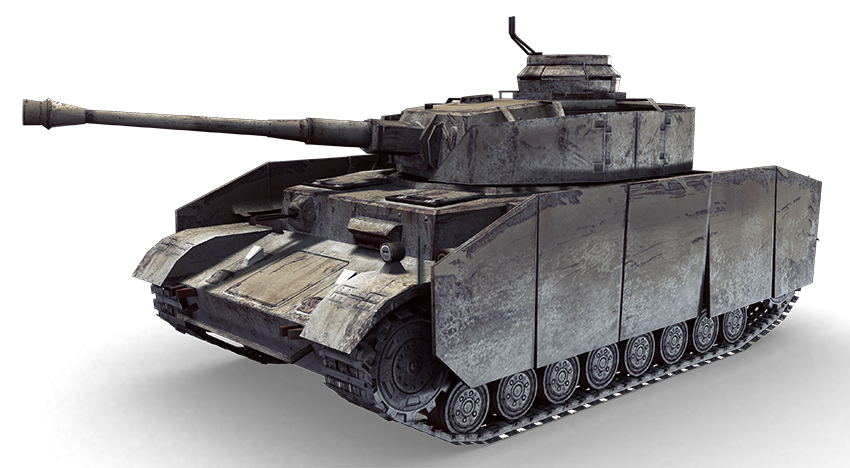
Panzer IVs were in production for the whole duration of the war and encompassed some 10 variants. Probably the ultimate version, the Panzer IV Ausf H, was equipped with a high-velocity 75mm main gun, and offered better survivability via increased armor protection on the front and turret top, and the addition of side skirts to protect against anti-tank rifles and shaped charge weapons.
The Panzer IV presents a generational gap in military thinking when compared to the T-34. While comparable in weight, the T-34 had superior protection and better mobility on rough ground. The Panzer IVs were managed by professional and experienced crews with effective command and radios. Nine thousand Panzer IVs were produced but the Soviets could counter with more than 55,000 T-34s.
The SdKfz 161 Panzer IV was a common part of German Panzer Divisions until 1944. Initially deployed as an infantry support tank with a short-barreled 75mm gun, the tank evolved over the years and was never removed from frontline service. With a high velocity KwK 40 gun and additional armor, the Panzer IV, while dated, was still a very effective tank versus infantry and even heavy tanks.
 Heavy Panzer Korps (Tier 4)
 Sturmpanzer IV “Brummbar”
Given the nickname “Brummbar,” meaning “Grizzly Bear,” by Allied forces after World War II, the Sturmpanzer IV is a heavy anti-infantry tank with an incredible area-of-effect shot capable of destroying entire infantry squads and weapon teams. It has a slow attack speed, low mobility, and is slightly inaccurate, yet its damage, high health, and great armor make it a powerful frontline vehicle. The closest Soviet comparison is the ISU-152 Assault Gun, although the Brummbar has much shorter range and is not very strong against heavy tanks.
Role: Mainline
Veterancy Ability: Target Weak Point (stuns the targeted vehicle’s crew—single target, 45 Munitions).
Base Abilities: None
Upgrades: Pintle-mounted MG42 Machine Gun (damages nearby enemy infantry with constant machine gun fire—30 Munitions).
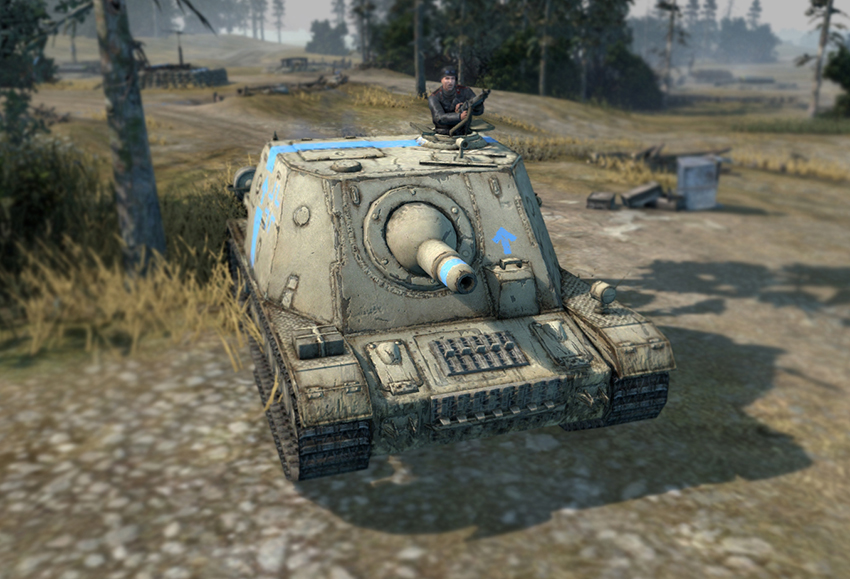
The 300 or so Sturmpanzers built during World War II were organized into several independent battalions (or Abteilungs). As a testimony to their effectiveness, some were shipped back and forth from the Eastern front to the West and back again. In a better time, the passport of a Sturmpanzer crew might have shown stamps from the Soviet Union, Italy, Belgium, France, Poland, Hungary, and East Prussia.
The Sturmpanzer IV, known colloquially as the “Brummbar,” used a Panzer IV chassis and mounted a 15cm StuH 43 gun in a distinctive boxy casemate. It was intended to support infantry, as it was employed to do at the Battle of Kursk, where the 40kg shell it fired could rapidly reduce defensive concentrations. On occasion, the large shells could even be used in a direct role against vehicles.
 Panther PzKpfw V Medium Tank
A heavier version of the Panzer IV, the Panther has increased durability yet similar mobility and offensive capabilities. It can be used for any role and is less effected by anti-vehicle weapons than the Panzer IV. An MG and gunner can be upgraded on the tank as well, providing an additional anti-infantry weapon. As compared to the Soviet T-34, the Panther is much tougher and has greater offensive capabilities.
Role: Mainline/Assault
Veterancy Ability: Blitzkrieg Tactics (the vehicle will move at maximum speed for a time, making it harder to hit—30 Munitions).
Base Abilities: None
Upgrades: Pintle-mounted MG42 Machine Gun (damages nearby enemy infantry with constant machine gun fire—30 Munitions).
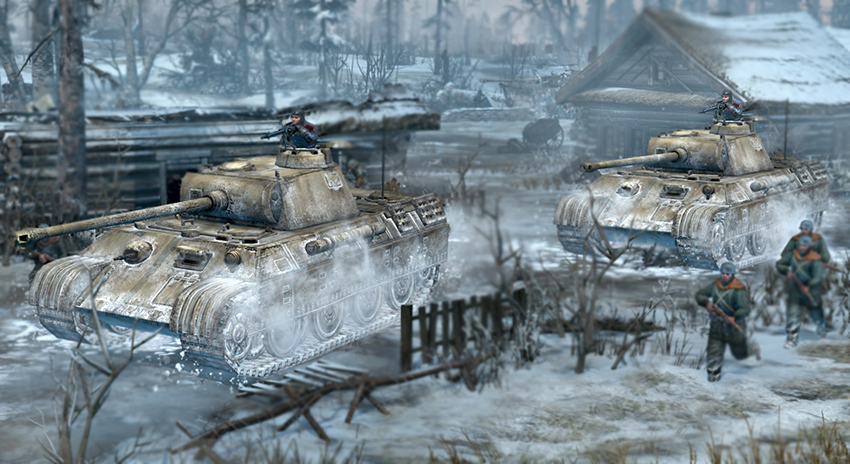
The Panther had an inauspicious debut on the Kursk battlefield, where most succumbed to mechanical difficulties. Rushed into service to counter the Soviet T-34, the SdKfz 171 Panther’s mix of mobility, protection, and firepower were unparalleled. The Panther had better frontal protection than a Tiger, and its KwK 42 L/70 75mm main gun had incredible armor penetration.
The Panther might have been one of the most complete tank designs of World War II and in many ways presaged the emergence of a single class of versatile and multi-role tanks in subsequent decades. Its speed and firepower made it an effective hunter of tanks of all sizes, including the much lighter Soviet T-70, a relative kitten compared to the fearsome Panther.
A Panther could be knocked around by a rocket barrage from the BM-13 “Katyusha.” There was a chance its treads could be broken, its engine could catch fire, or the crew could be shaken senseless by explosive concussions. But, more likely than not, the Panther and its crew would survive, thereafter all the more eager to destroy every Katyusha they find.
 Panzerwerfer 42 Multiple Rocket Launcher
This rocket-loaded Half-track provides long-range artillery support, shooting rockets over a large area for decent damage. Although it is not the most reliable in terms of accuracy, its range and damage make the Panzerwerfer exceptional at countering defensive positions. In comparison with the Soviet Katyusha Rocket Truck, the Panzerwerfer fires fewer rockets but is more accurate.
Role: Fire Support
Veterancy Ability: Counter Barrage (vehicle will automatically barrage enemy artillery weapons that fire within the vehicles’s range, disables use of barrages—Toggle).
Base Abilities: 15cm Rocket Barrage (fires ten rockets at a targeted area, exploding and causing medium damage to all targets).
Upgrades: None
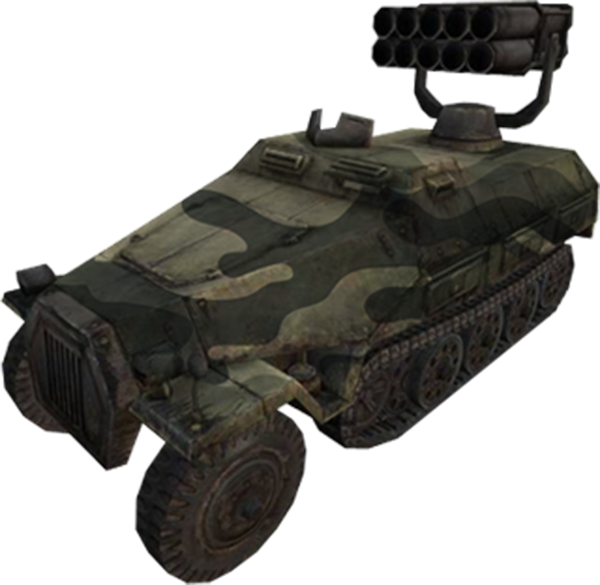
The Panzerwerfer 42 with its 10-barreled launcher could ripple fire or fire single rockets as required. A slower barrage, especially directed by an observer, could allow for more accurate fire within reason—rockets are naturally prone to more physical factors than standard artillery rounds and were occasionally unpredictable.
The German Army used large numbers of rocket launchers, both static and mobile. The same 15cm rockets fired by the Nebelwerfer 6-barreled launcher were mounted in a 10-rocket configuration on an armored Maultier half-track. While not as accurate as standard artillery, the weapon was effective at saturation bombardment and the noise typical of rocket artillery added extra flavor to the battlefield.
Commander Units
 Artillery Field Officer
This officer is tough and provides great support to nearby infantry and artillery units. Although short-ranged, he can grant increased accuracy to nearby infantry squads, making him useful on the front line. Additionally, he can order all nearby artillery to bombard a single area at once, coordinating their attacks. This squad is unique and does not have a Soviet counterpart, unlike most other units.
Role: Support
Squad Size: 4
Veterancy Ability: Field First Aid (heals the targeted infantry squad over time until it reaches full health or the casting unit moves—single target, 20 Munitions).
Base Abilities: Artillery Smoke Barrage (calls down smoke bombs on the targeted area—30 Munitions); Concentrated Fire (nearby units have greater accuracy and fire rate for 20 seconds—15 Munitions); Coordinated Barrage (orders all nearby artillery units to barrage a target location—80 Munitions).
Upgrades: None
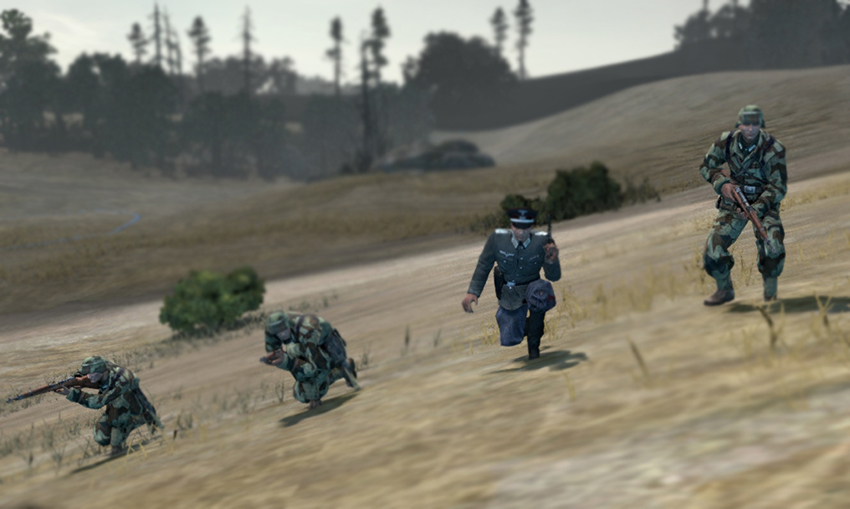
Experienced mortar crews under veteran leadership could bring a fearsome amount of bombs down on their enemies and maintain a prodigious rate of fire through clockwork timing and physical conditioning.
 SdKfz 250/7 Mortar Half-track
The doctrinal Mortar Half-track combines the mobility of a light vehicle with the fire support of a mortar team. It is more versatile than a traditional Mortar due to its ability to launch smoke and incendiary barrages along with a normal mortar barrage. The increased mobility granted by the Half-track allows the mortar to fire quick barrages and move away before it can be countered, along with adding increased battlefield presence. Unlike a normal mortar team, this Half-track is highly susceptible to anti-vehicle rounds. This is a unique German unit that does not have a similar Soviet counterpart.
Role: Fire Support
Veterancy Ability: Counter Barrage (squad will automatically barrage enemy artillery weapons that fire within the mortar’s range, disables use of barrages—Toggle).
Base Abilities: Mortar Barrage (fires four mortar rounds into the target area); Smoke Barrage (fires three smoke bombs into the target area); Incendiary Mortar Barrage (fires a single incendiary round into the targeted area, burning infantry—30 Munitions); Hold Fire (the Mortar will not automatically fire at enemies that come into range—Toggle).
Upgrades: None
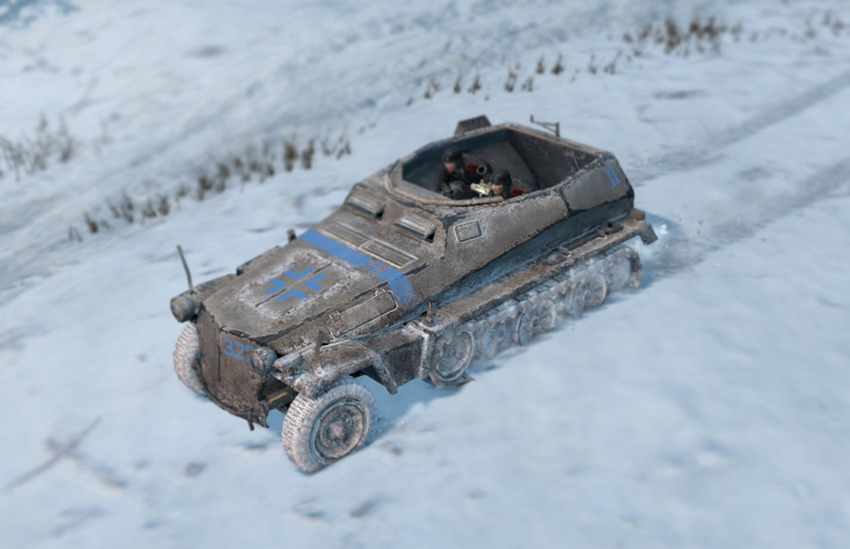
The German armed forces utilized dozens of variants of their two primary combat half-tracks. The 251 and smaller 250 were equipped with machine guns, anti-aircraft and anti-tank guns, and even the 8cm infantry mortar. The 250 offered a stable firing platform, it could carry dozens of rounds of ammunition, and—most importantly—it could keep pace with mechanized forces on the move.
 Panzer IV Command Tank
This Panzer IV medium tank comes equipped with the ability to increase the defenses of all allied units within the sector it is in. Its stats are the same as the traditional Panzer IV, with an increased cost that reflects the additional support the tank provides.
Role: Mainline/Assault/Support
Veterancy Ability: Blitzkrieg Tactics (the vehicle will move at maximum speed for a time, making it harder to hit—30 Munitions).
Base Abilities: None
Upgrades: None
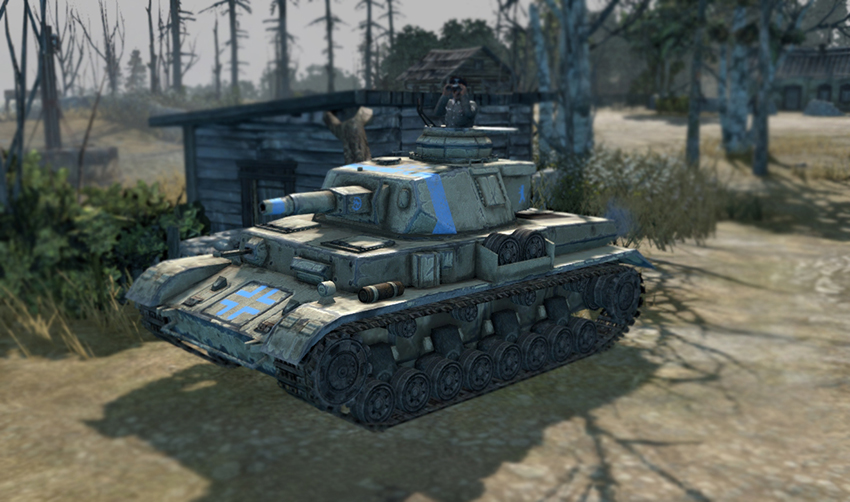
Tanks are complex machines that require a well-trained crew with effective leadership, awareness, and functional competency. German Panzer crews were both well trained and battlefield tested, and this combination allowed them to overcome the early technical superiority of the Soviet T-34.
 Elefant Heavy Tank Destroyer
The most powerful of German anti-vehicle weapons, the Elefant is a massive heavy tank with incredibly long range and high-powered, armor-penetrating rounds. Although incredibly immobile, its heavy armor allows the tank to move up on the front line without worrying about being taken out quickly. The Elefant functions best when kept at long range and used with other heavy tanks that can provide sight of enemy vehicles, such as the Panther or Tiger. In comparison with the Soviet SU-85, the Elefant is much more durable with longer range and a more powerful shot.
Role: Anti-Vehicle/Fire Support
Veterancy Ability: Target Weak Point (stuns the targeted vehicle’s crew—single target, 45 Munitions).
Base Abilities: Focus Sight (allows the vehicle to see farther ahead while reducing sight around the vehicle—Toggle).
Upgrades: Pintle-mounted MG42 Machine Gun (damages nearby enemy infantry with constant machine gun fire—30 Munitions).
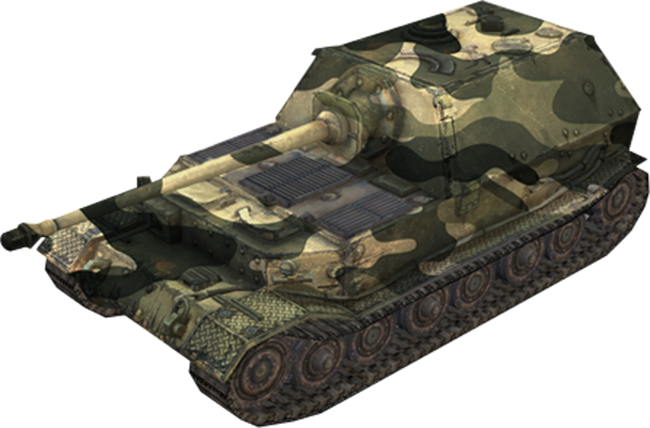
Elefants had one of the best kill-to-loss records of any tank destroyer in World War II. During the battle of Kursk, the Heavy Tank Destroyer Battalion claimed over 300 kills, while their losses of 13—almost none through direct damage—meant a 23:1 success rate.
The Elefant, initially known as the Ferdinand, could allegedly destroy Soviet T-34s at over 4000m with its extremely powerful 88mm gun. Its 200mm of frontal armor was nearly impenetrable, but at 70 tons, and with a very limited traverse on the main gun, the Elefant was best used in defense to blunt the massed attacks of Soviet medium tanks.
The “Elefant” was a heavy tank destroyer first encountered at Kursk in 1943. The Elefant was based on the chassis of Porsche’s failed contender for the Tiger project. The Pak 43 88mm and thick armor meant an effective anti-tank vehicle even at ranges exceeding 2000m, but Kursk revealed the drawbacks of the design: extreme weight, mechanical unreliability, and a lack of protection from infantry.
 Tiger PzKpfw VI
Tough, powerful, mobile, and massive, the doctrinal Tiger heavy tank is an even more powerful German well-rounded tank. The Tiger can fit within any role, whether as a vehicle on the front line or for assaulting enemy flanks. This tank has a high damage shot with a quick fire rate and incredible accuracy, along with great mobility and impressive armor, and is vulnerable only to the heaviest of anti-tank weaponry. As compared to the Soviet IS-2 Heavy Tank, the Tiger has greater armor and reduced armor penetration.
Role: Mainline/Assault/Anti-Vehicle
Veterancy Ability: Blitzkrieg Tactics (the vehicle will move at maximum speed for a time, making it harder to hit—30 Munitions).
Base Abilities: None
Upgrades: Pintle-mounted MG42 Machine Gun (damages nearby enemy infantry with constant machine gun fire—30 Munitions).
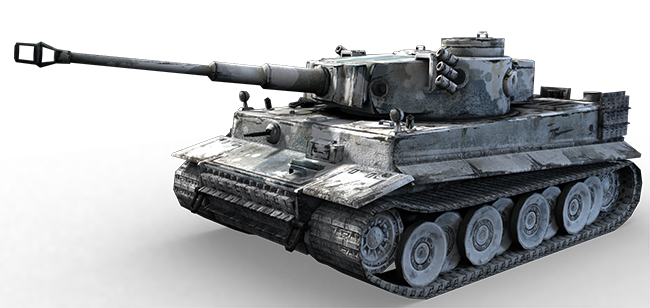
The SdKfz 181 or PzKpfw VI Tiger was armed with the very impressive KwK 36 88mm gun, which had fantastic accuracy due to a flat trajectory, high velocity, and excellent optics. Tigers were imposing vehicles, built to handle the massive size of the 88mm gun, and covered with armor that was 100mm thick on the front plate. It could slug it out with Soviet heavy tanks at ranges well over 1000m.
The penetration of the KwK 36 88mm gun of the Tiger was high by most contemporary standards, but was most impressive when using the tungsten-cored Panzergranate 40 ammunition. By mid-war, scarcity of tungsten meant the German forces had to rely on less effective conventional AP rounds to deal with the thousands of Soviet tanks facing them across the Eastern Front.
Only 1355 PzKpfw VI “Tigers” were produced, but their impact was legendary. Every enemy tank was thought a Tiger, and they were imagined to lurk behind every hill or copse of trees. The Tiger’s toughness meant it could rule the battlefield and destroy dozens of targets. For example, Michael Wittman claimed over 30 British tanks and armored vehicles in 15 minutes at Villers Bocage in 1944.
 10.5cm leFH 18 Artillery
This German Howitzer can fire high-explosive rounds at extremely long range, damaging even the heaviest of targets. Although it is immobile, the artillery’s range is long enough to be useful even in your base.
Role: Fire Support
Squad size: 3
Veterancy Ability: Counter Barrage (squad will automatically barrage enemy artillery weapons that fire within the Howitzer’s range, disables use of barrages—Toggle).
Base Abilities: 10.5cm Howitzer Barrage (barrages the target area with Howitzer rounds).
Upgrades: None
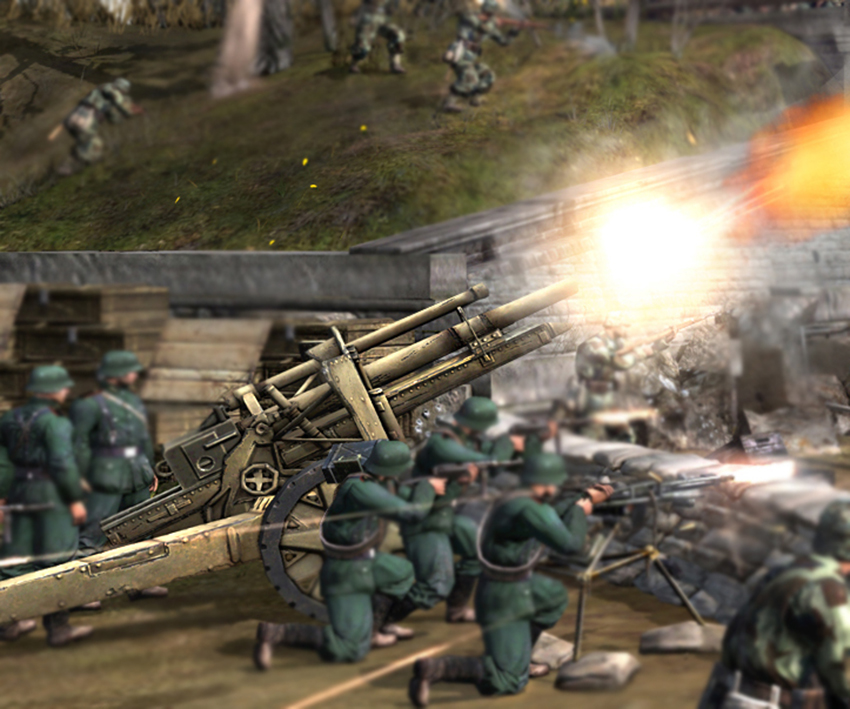
The leFH 18’s 105mm shell was by no means the most powerful round, but it could still be very effective against vehicles. Even if artillery doesn’t hit a tank or vehicle directly, the explosive front and hardened steel from the projectile would blast outward at almost 8000m per second, shredding tires, knocking off treads, piercing light armor, and sometimes even knocking vehicles completely upside down.
 Pak 43 88mm Anti-tank Gun
A large, immobile AT gun that can be set up wherever you wish, the Pak 43 has longer range and a stronger shot than the normal Pak 40 AT gun. This unit is great for defending against Soviet vehicles and tanks, although it is vulnerable to infantry and artillery.
Role: Anti-Vehicle
Squad size: 3
Veterancy Ability: Target Weak Point (stuns the targeted vehicle’s crew—single target, 45 Munitions).
Base Abilities: None
Upgrades: None
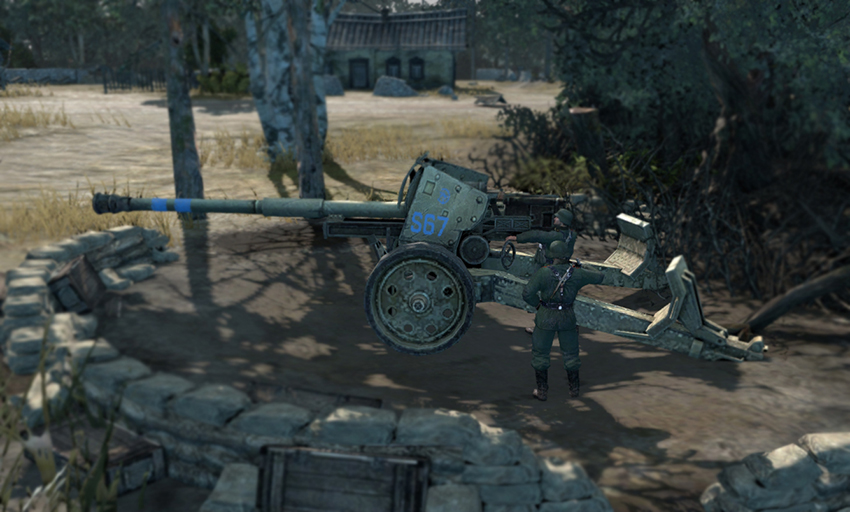
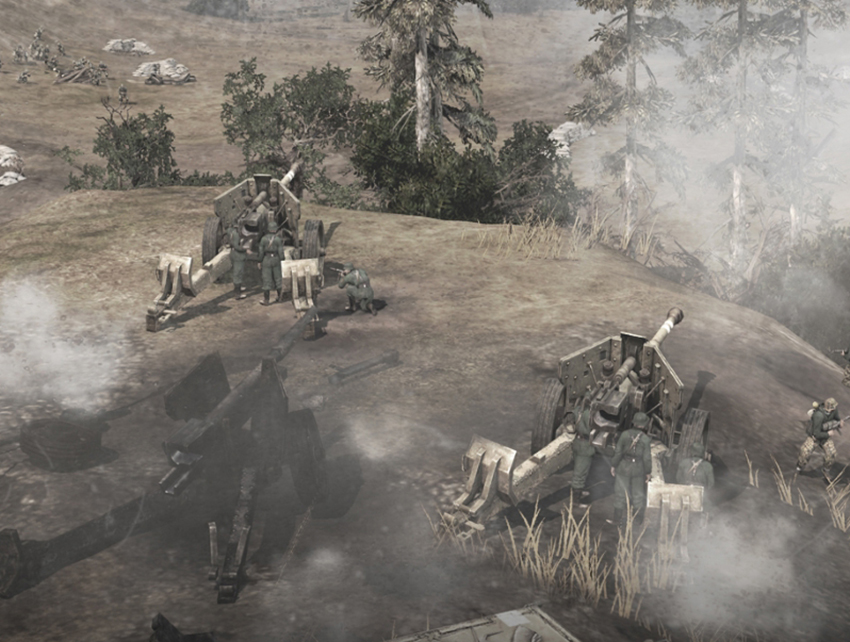
The 88mm Pak 43 was used in the defense of the German exclave of East Prussia and into the Reich itself. It was a powerful weapon in a defensive role where its mass and lack of mobility were offset by its range, especially in the wide plains of Eastern Europe, where there were few places for tanks to hide. However, finding experienced crews to man the weapon became a challenge by late 1944.
The Pak 43 was the most powerful anti-tank gun on the battlefield. The same 88mm weapon was mounted in King Tigers, Elefants, and Jagdpanthers amongst others, where its fearsome penetration allowed it to kill any enemy vehicle out to more than 1000m. The Pak 43/41 variant was mounted on the carriage of a field Howitzer, but lacked portability at a weight of 4500kg.
 Ostruppen
These weak and cost-efficient infantry are best used for soaking up damage and crippling Soviet vehicles.
Role: Mainline; Anti-Vehicle (Panzerfaust)
Squad size: 6
Veterancy Ability: Field First Aid (heals the targeted infantry squad over time until it reaches full health or the casting unit moves—single target, 20 Munitions).
Base Abilities: Panzerfaust (deals 100 damage to target vehicle and damages its engine—25 Munitions).
Upgrades: None
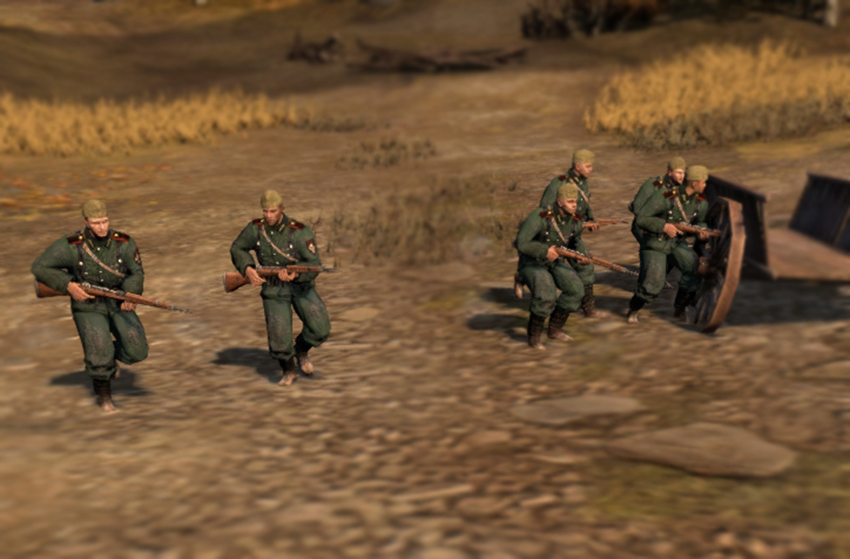
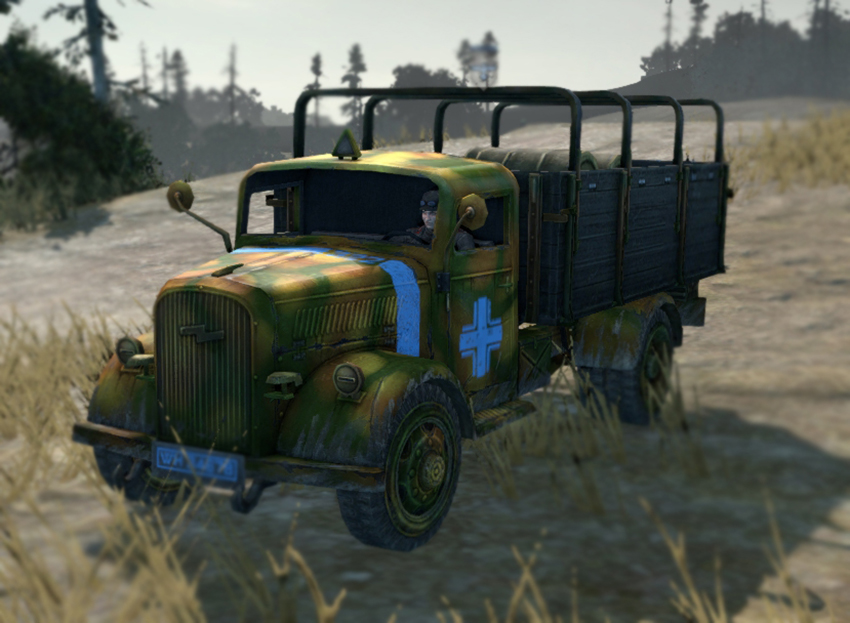
 Opel Blitz Truck
A lightly armored German truck that will generate additional Munitions and Fuel when locked into a controlled sector.