
Quantum Break Guide The Digital Show
Prototype
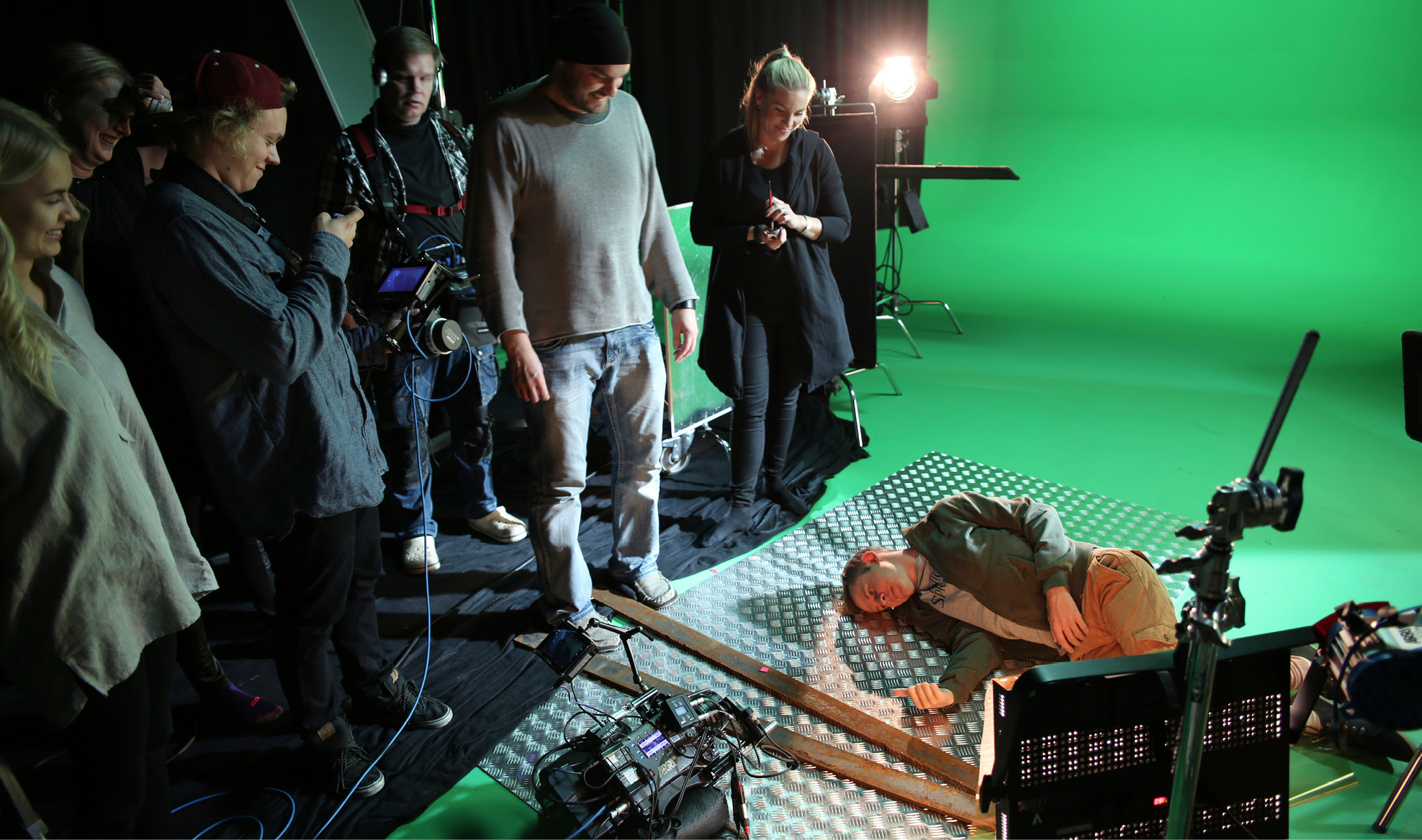
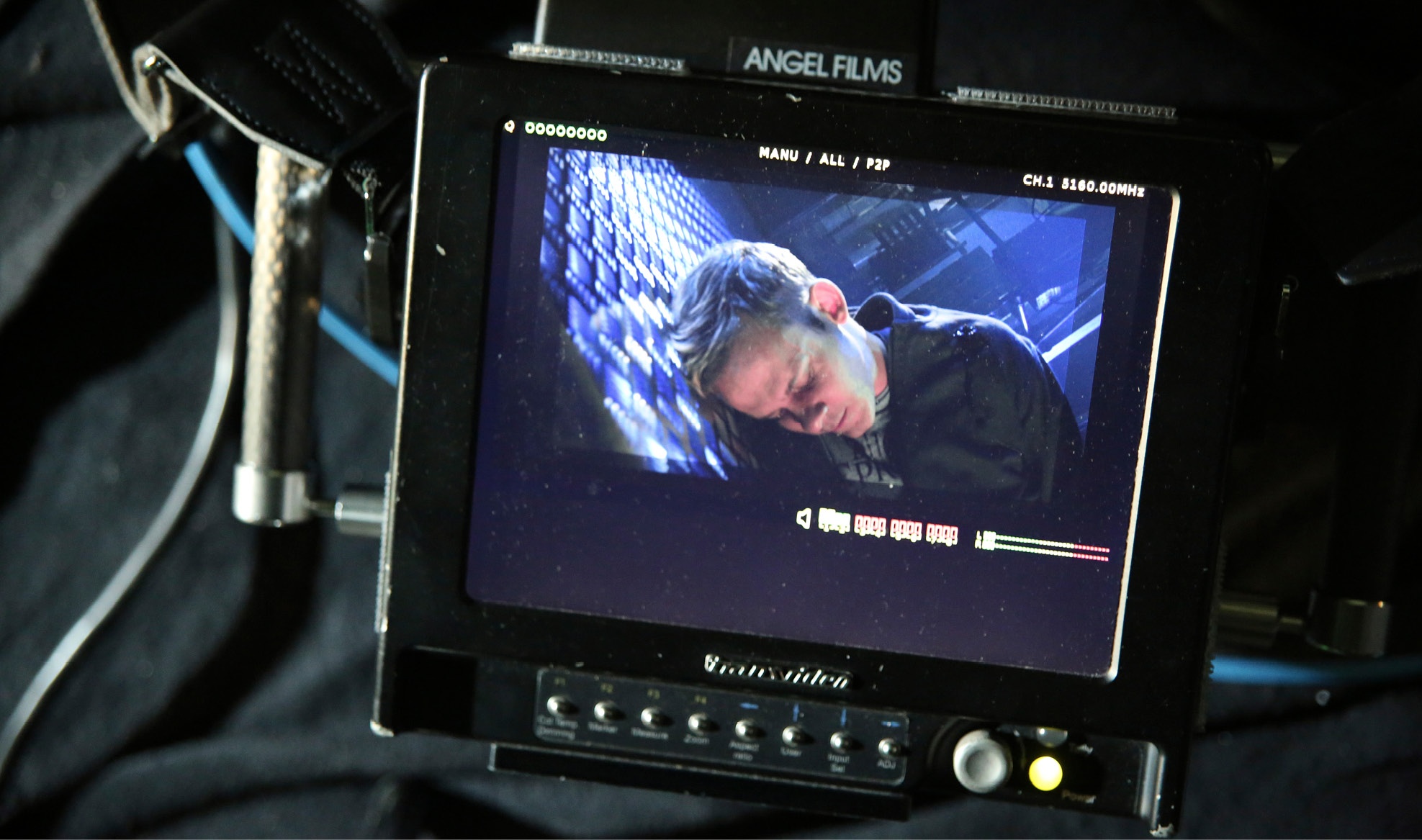
Readers who have followed Quantum Break closely may remember seeing glimpses of this prototype, as some footage of it was included in the 2013 Quantum Break teaser: it featured a woman talking to a spooky child, who appeared to be able to see the future. All of that footage and all of those concepts were scrapped; even as it was being made, we already knew the content was completely wrong.
Even so, that scene with the little girl is indicative of some of the early story ideas for the show, and some people were very keen on them. What we had settled on at the time was a pair of characters—a journalist and a disgraced former Monarch employee with a dark background (you can see some traces of him in what eventually became Liam)—investigating Monarch Solutions. The show was conceived as a classic “monster of the week” setup, where each episode would see them tackle some new aspect of Monarch and uncover strange secrets. It was very reminiscent of X-Files, with outsiders trying to find a way in to understand what was truly going on.
However, at Remedy, we had problems with the concept. In itself, it might have been good, but there was no real connection to the events or themes of the game.
Furthermore, our vision for Monarch Solutions and the world we were building wasn’t quite compatible with it—in order for this concept to work, you needed a great deal of strangeness. But we weren’t trying to build an “anything goes” situation, where random people could have supernatural powers just through some quirk of genetics, or where things went bump in the night. Which is not to say that Quantum Break, as we saw it, was rooted in harsh realism, but it felt important that the strangeness in the world was caused by Time Travel and things related to it. Children with psionic powers didn’t really fit.
Furthermore, much of the that show concept depended on the idea that Monarch is inherently evil, and is constantly engaging in deplorable acts, such as extreme human experimentation on unwilling participants or engaging in dangerous, unethical activities just to make a little more profit. In that portrayal of Monarch, the company would be a hotbed of secret crimes against humanity, manipulating everything and everybody—again, something that seemed very X-Files to us.
But for us, Monarch wasn’t about ruling the world or gaining power for its own sake. We felt strongly that going in that direction would dilute that concept and, frankly, make Monarch something we’d seen so many times before. Furthermore, it seemed clear that with the threat of the Fracture such a key element in the game, any show concept that didn’t involve that would just alienate the viewer. In order for the show to engage, it had to feel like it was connected to what the player had just been doing.
Finding our way to what the show eventually became took a lot of discussion. The entire process illustrates how difficult it is to create a brand new concept like this: we were approaching it from the perspective of people deeply involved in the making of the game, and for us, things like Monarch’s nature were not only very clear, but also things we couldn’t easily change anymore, since production on the game side was already well on its way.
We had made many story changes that would also have an impact on the show—for instance, in an early version when we had not yet settled on our final rules for how Time Travel worked, each act of the game would see the player go back in time and make a crucial change, and then return back to the present day so they could see the results. This was an exciting idea, but productionwise, it was a huge headache. It was also very difficult to come up with choices that felt relevant for both the game and the show, because the show was so far removed from what was happening in the game. But as we worked out our own internal logic, we also nailed concepts down. We built an intricate whole, and changing things became increasingly difficult for us—there was new work being done based on that design, so changing it would be expensive and a waste of precious time.