
Quantum Break Guide The Digital Show
Finding the Form
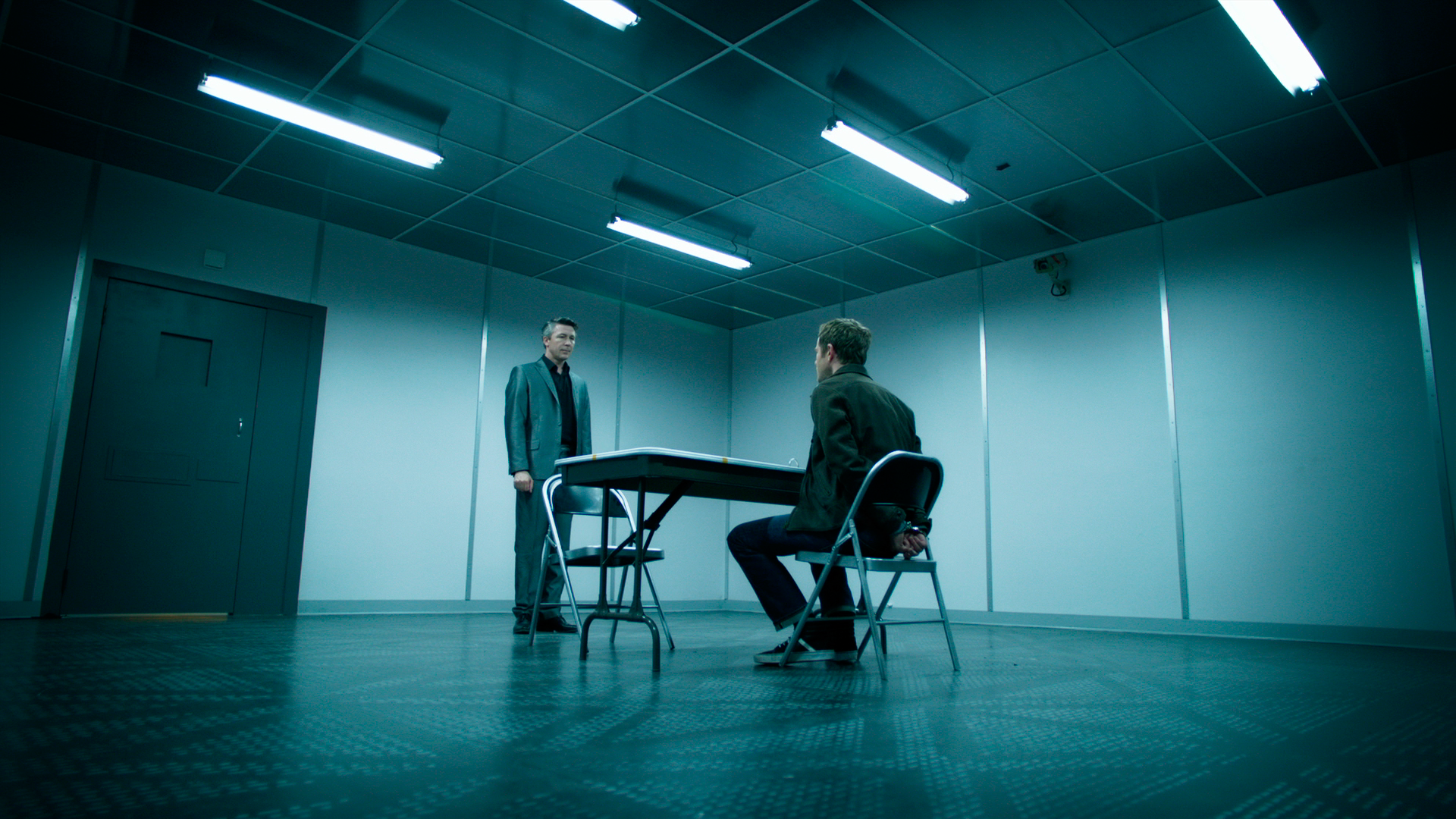
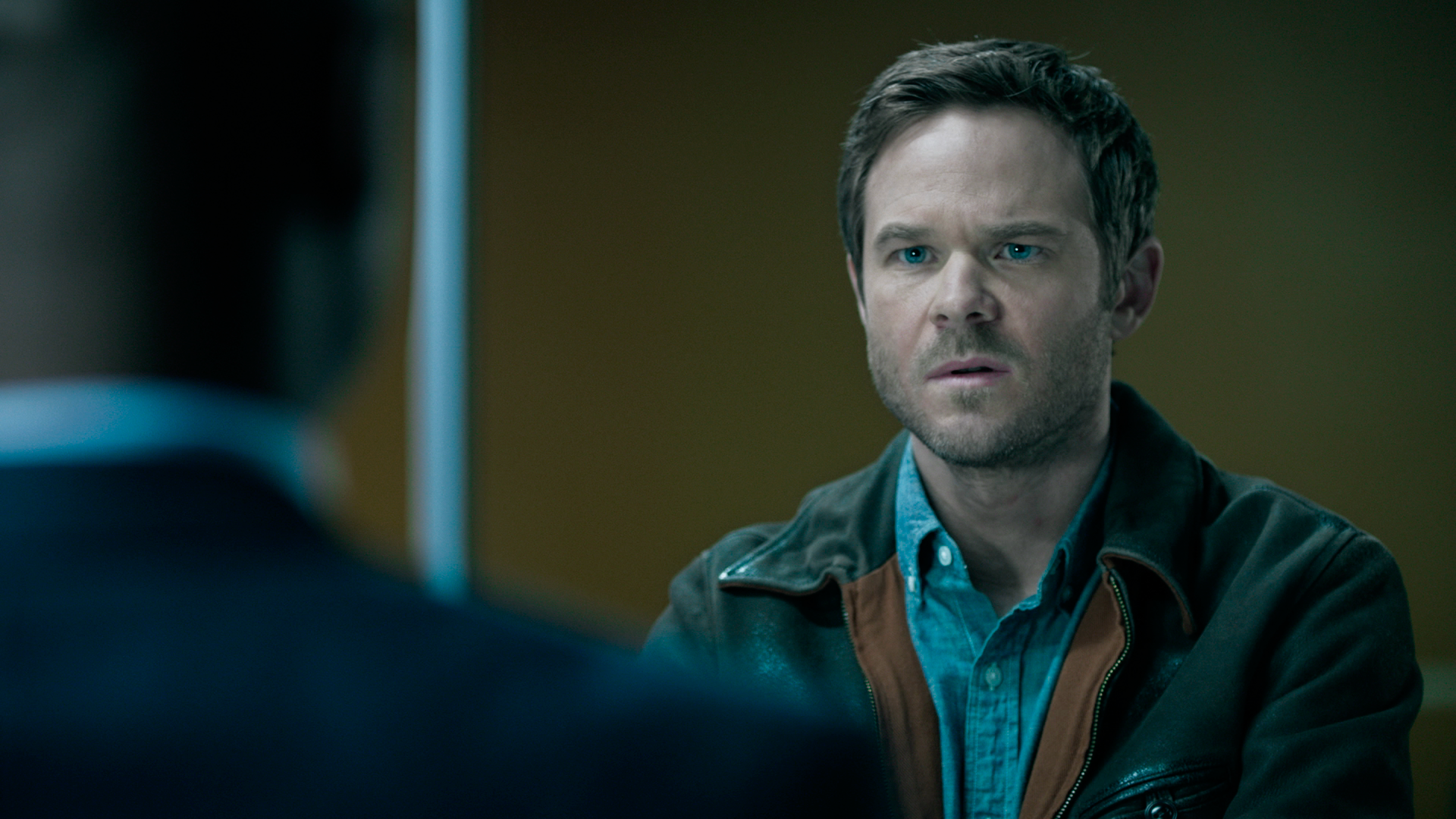
Our counterparts on the show side, on the other hand, while certainly not ignorant of what we were doing, didn’t feel the same constraints as we did. For them, it was much more about trying to come up with the most exciting and fun ideas. We were simply in different phases of the project—they were in a pre-production phase were almost anything can still be considered a viable idea, whereas we were dealing with production that was already well underway, with many things nailed down.
The 10-hour time difference between America’s West Coast and Finland introduced additional challenges.It took quite a bit of time for us to get on the same page.
Eventually, certain clarity emerged. The game would be about the heroes, and the show would be about the villains. You’d see things from Jack’s point of view in the game, and in the show, you’d get to see Monarch’s internal workings. Once we decided that we would in fact have Paul Serene be the character who experiences the Junction moments and makes the Junction choices, the connection between the game and the show became much easier to forge. (In earlier versions, Jack had this power—but Jack wasn’t directly connected to Monarch, so having the consequences become visible in the show was much harder.)
Concepts like Charlie and Liam being forced to work together despite despising each other had traction, and the Lifeboat Program becoming the thing that drives them tied in to the game’s concepts very comfortably. The show characters’ perspective to the looming End of Time was totally different than Jack’s, but on a fundamental level, they were all trying to deal with the same threat.
While we already had settled on many major things on the game side and were somewhat resistant to change, we made every attempt to ensure a constant flow of information and concepts from the show to the game. For instance, Martin Hatch was a character that didn’t really exist for us until the show came along, and he quickly took on far greater meaning than we initially expected, growing from a ruthless and intelligent thug in a suit in charge of many of Monarch’s research and security projects to Paul Serene’s enigmatic right-hand man, who grew to also have a presence in the game in several key moments.
Once the concept of Junction moments was nailed down, and we established once and for all that the show would actually ship with the game, we felt we were working on something unique and new—this wasn’t the first time somebody had created live-action episodes to go with a video game, but the way we structured it felt fresh.
How the decisions you made during Junction moments would influence the content of the show, and how the experience was built around a constant push and pull between the game and the show, taking you seamlessly from one to the other, and back again—these were things we didn’t quite know how to do right away, they required further design work, but the core concept of it felt solid.
In the end, the actual writing process for the show took a long time. We went through several writers on the show side with different approaches, and it was a very time-consuming process—not just for them, but for us at Remedy as well. It was absolutely vital that we stayed in sync; whenever we weren’t, you could tell that the show started to veer off in a strange direction that, again, was often not bad in itself, but which no longer felt like a part of the core Quantum Break experience.