Quantum Break Guide Characters
Dr. William Joyce

William Joyce has a reputation as a brilliant physicist who, as a young man, was already doing groundbreaking work with his research partner, Dr. Meyer. Their discovery of the universal Chronon field that gives the universe time was big news in the physics circles. After that, it was easy for William to secure grants for further research. Everybody thought he would go on to accomplish even greater things – nobody expected it to be the moment when he peaked. But things seemed to fizzle out for him.
What nobody knew is that in secret, William created something even more revolutionary than his earlier theories: in 1999, he built the world’s first Time Machine. But when he turned it on, a man from the future unexpectedly ran out of it and shot him. That experience alone would have been enough to convince him that he’d made a horrible mistake, but when the man was followed by the mysterious Beth Wilder, who told him about the Fracture and implored him to work on a solution to it, the true extent of his sins started to become clear.
He devoted the next eleven years to creating his Countermeasure. It took him years to just come up with the theoretical basis for it, and more years to painstakingly harvest the Chronon particles required for its operation. The effort drained his finances—whatever he could beg, borrow or steal, he poured into his secret project. No one could know what he was working on—not even his brother Jack, who couldn’t understand William’s all-consuming obsession and the financial and emotional drain it imposed on their lives.
William had never been particularly good with people—he had little patience for others, and his own mind tended to follow its own tangents.
He was very, very intelligent, obviously; it wasn’t that he couldn’t understand how social Interaction worked. He just wasn’t particularly interested in it. Jack was all the family he had, and William loved him dearly; after their parents died, William raised Jack best he could. He wasn’t particularly good at it, but it wasn’t for lack of love. Now he couldn’t look at his brother without thinking of the dark future that loomed ahead.
When William’s Countermeasure was stolen shortly after its completion in 2010, it’d already cost him his relationship with Jack—and now he found himself without direction. Beth Wilder, who had told him what to do, had disappeared. His scientific career seemed to be mostly over. Taking a string of purely theoretical consulting jobs to make ends meet, William waited, hoping against his better knowledge that the Fracture would never occur.
And so, six years later, when another consulting job for Jack’s best friend, Paul Serene, was actually revealed to be another Time Machine, clearly not only based on his own design, but also dangerously misconfigured, the old fear came back in full force: the Fracture was just around the corner. And his Countermeasure was gone. All he could hope to do was prevent the disaster from happening—even if he had to do it at gunpoint.
What William feels, more than anything else, is the crushing responsibility of knowing that it’s his work that has directly led to the threat of the Fracture. He was the one who took the leap from theoretical work on the physics of time to the practicalities of building a Time Machine; he was the one whose work somehow, impossibly, enabled Paul Serene to build his own, faulty version of it. And he’s the only one who really knows how to fix things.
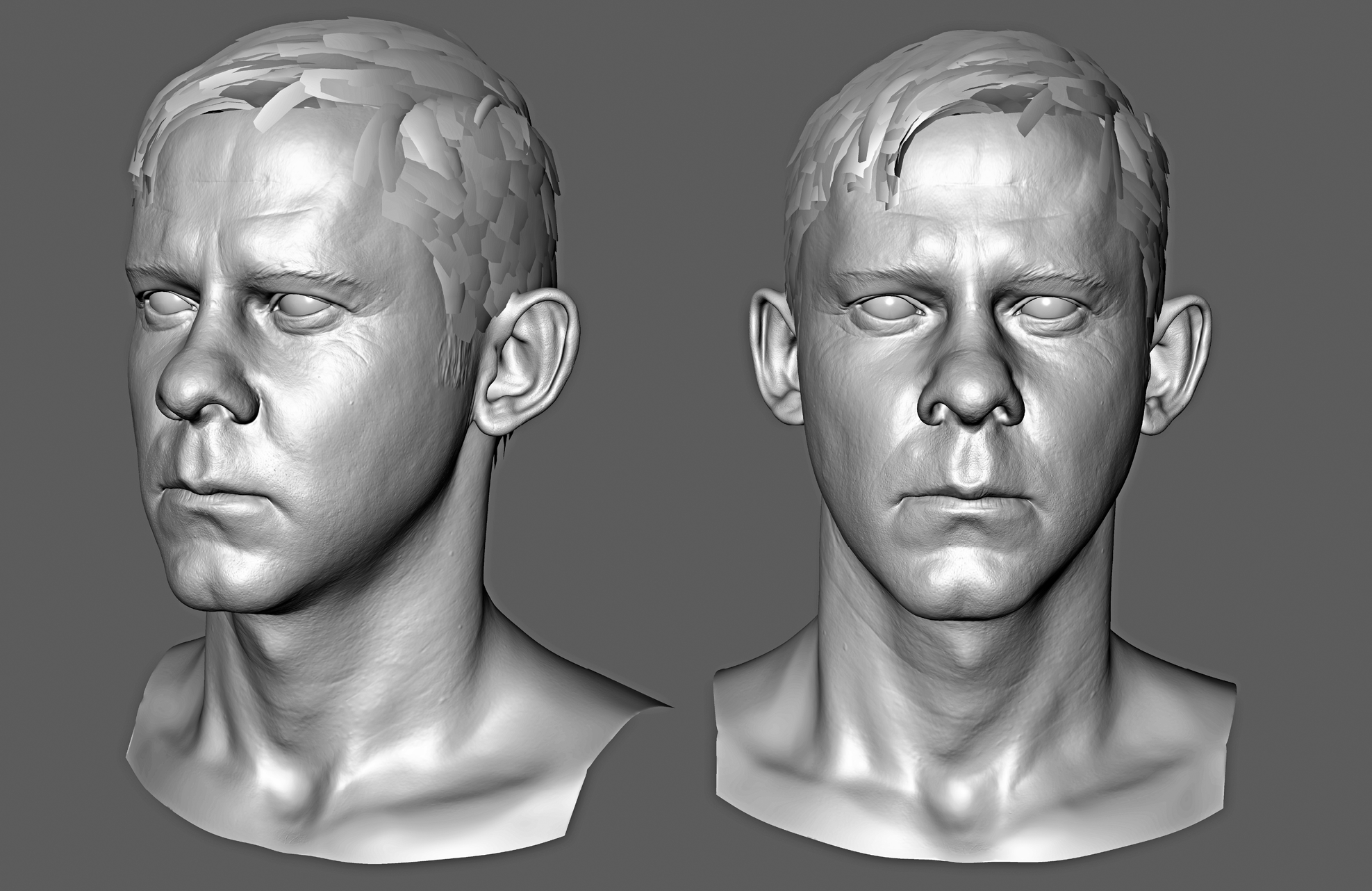
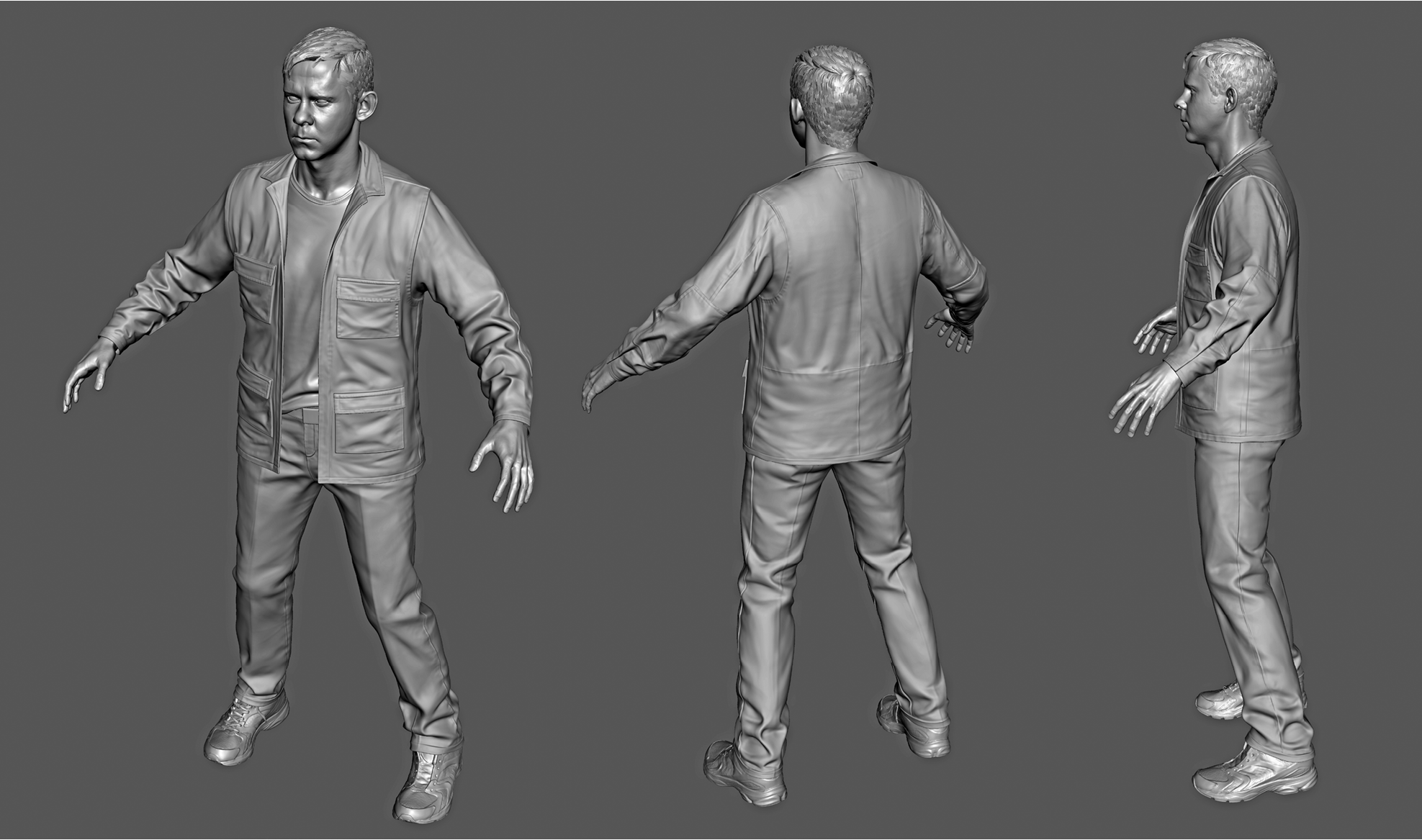
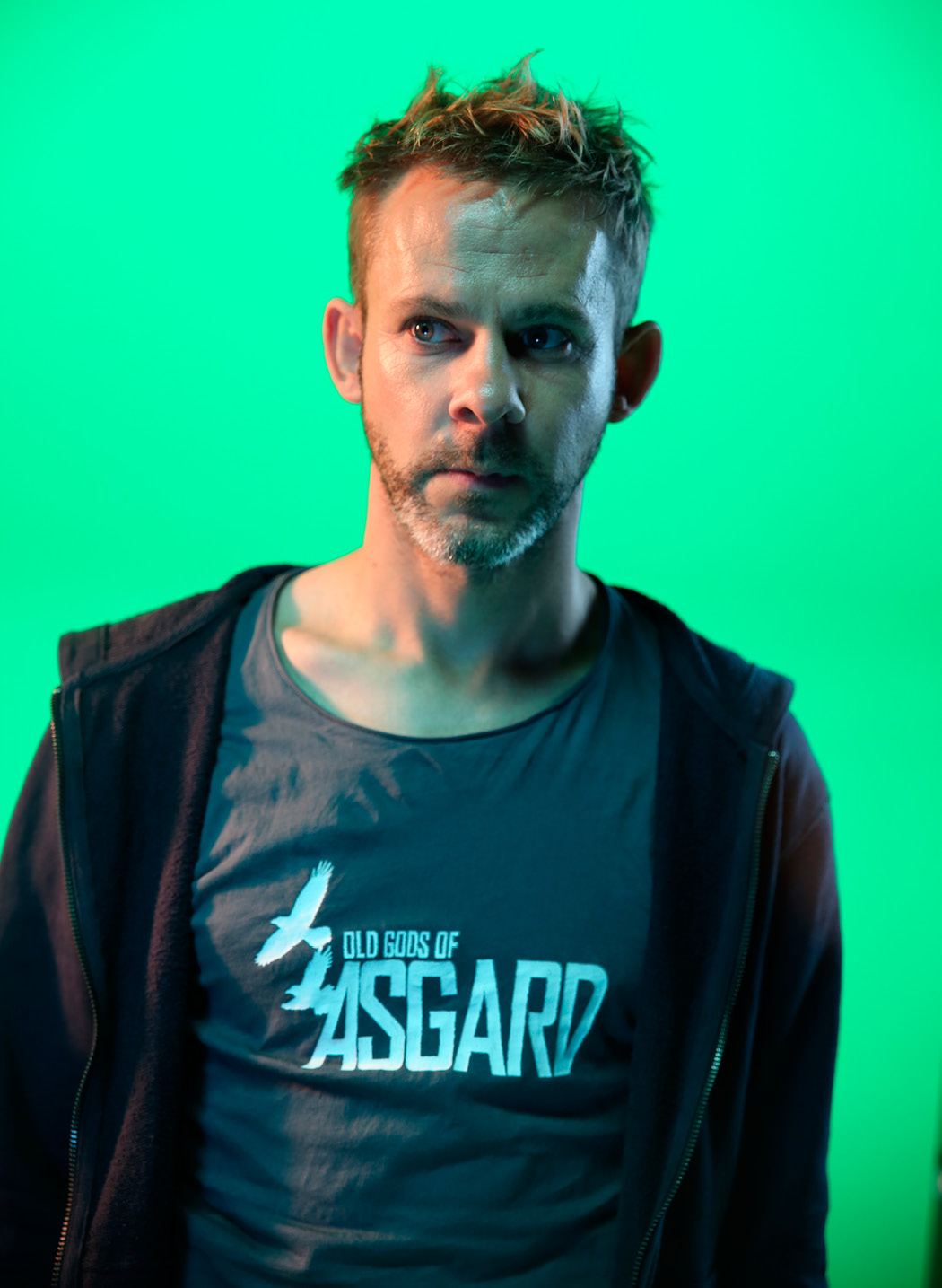
William is portrayed by Dominic Monaghan.