Quantum Break Guide Quantum Break
Fictional Science of Quantum Break
The science of Quantum Break is, of course, made up. The real physics of Time Travel and closed time-like curves—a topic which has been the subject of more serious work than one might initially think—are not particularly conducive to fast-paced action gameplay, so we were forced to come up with our own take on things. Our science is fictional, but we wanted to maintain a certain degree of consistency and logic, and thought carefully about why things work the way they do.
The Time Machine

There are a variety of Time Machines in fiction. Many of them are vehicles of some kind that physically take a passenger to another time. Examples of this include the Time Machine in H.G. Wells’ novel by the same name, or Back to the Future’s DeLorean. Other Time Machines don’t actually move in time themselves—instead, they merely send the user to a target time, such as the one we see in The Terminator.
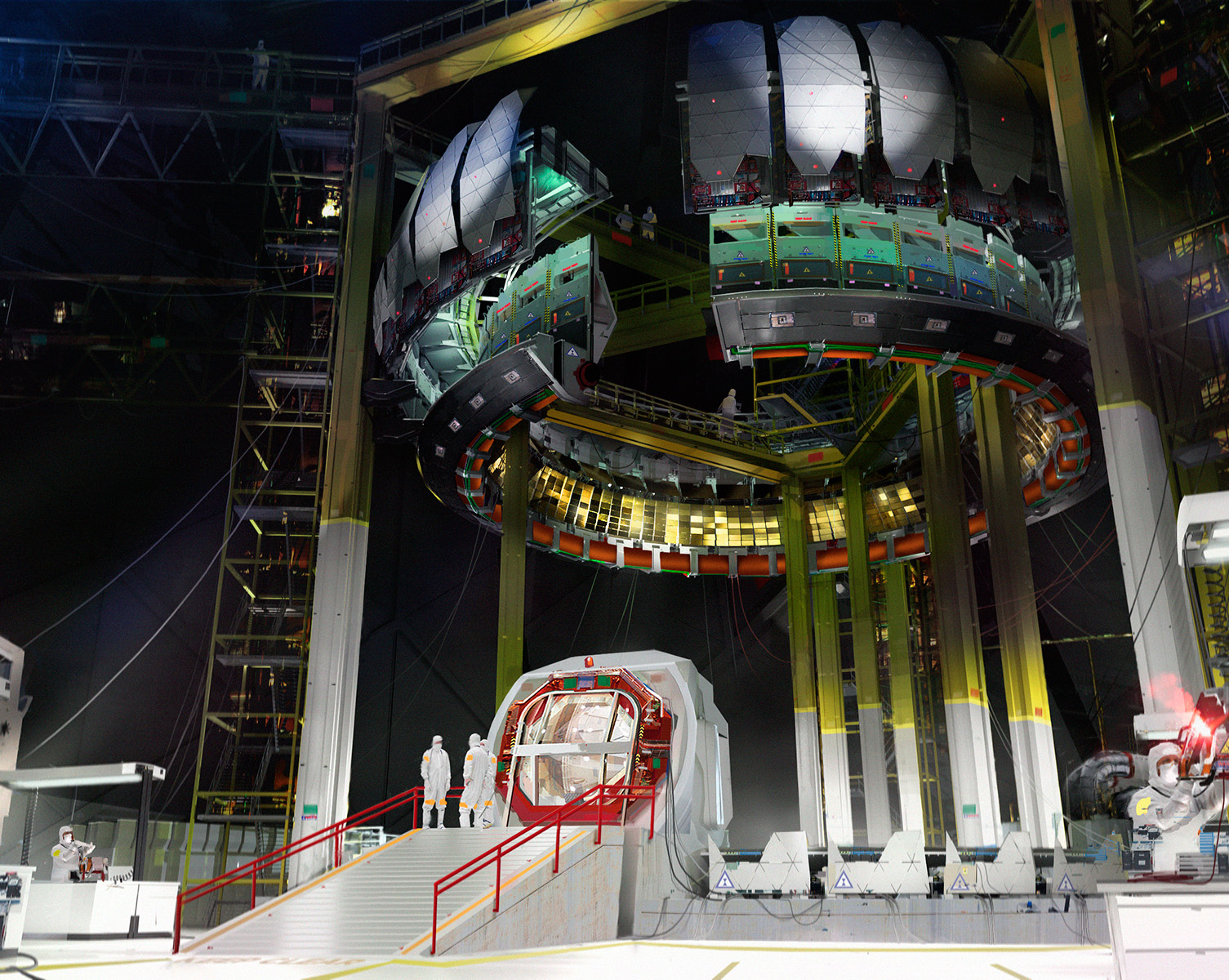
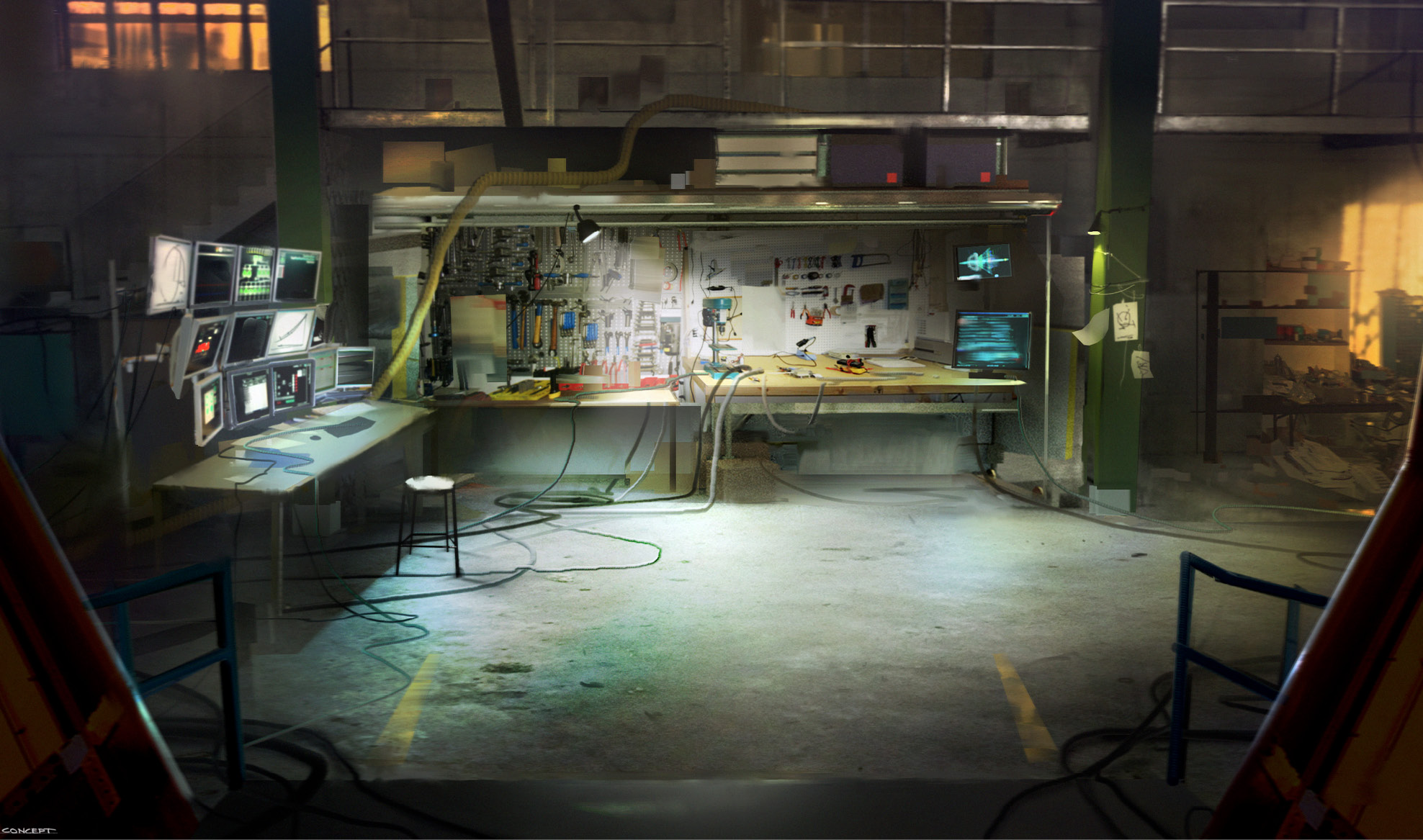
The Time Machine in Quantum Break operates under a slightly different set of rules. There are two Time Machines in the game: the one completed by Dr. William Joyce in 1999, which he later moved from his workshop near the drydocks to the old Bradbury Swimming Pool, and the one completed in 2016 by Paul Serene’s Project Promenade at the Riverport University.
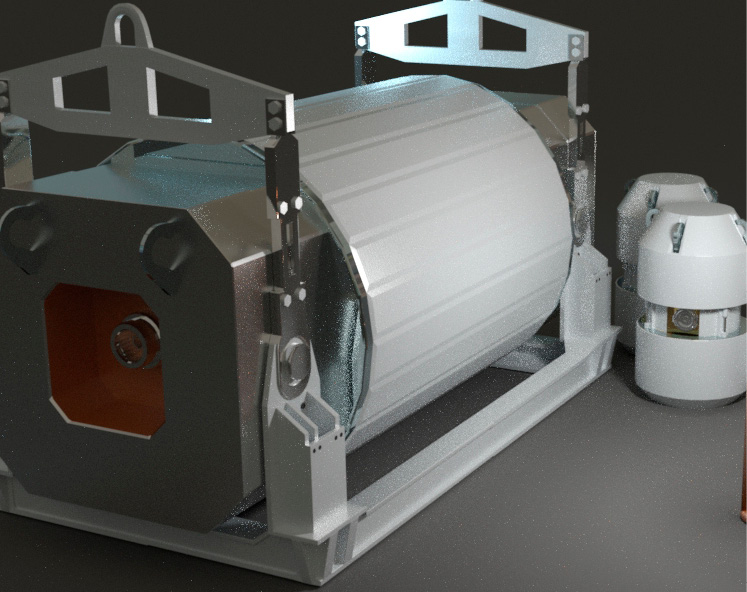
Although the latter was built on a far grander budget, both of them operate based on the same principle: the Time Machine’s core contains a spinning black hole. When its angle of rotation is changed, movement in space becomes movement in time—meaning that when a person walks within the corridor that surrounds the Time Machine, they also move in time. Depending on their direction, they either move forward or backward in time. When the user sets a target time in the control panel, the machine modulates its effect accordingly. Thus, depending on the settings, one loop clockwise around the ring could take you five minutes into the future—or five years.
Technically, this means that everyone who ever uses the Time Machine within its time span is somewhere in the corridor at any given time, but with each instance of use, the machine projects a sort of a metaspace within the corridor to keep the passage from becoming blocked. The ghostly figures users sometimes see in the corridor are other Time Travelers, right there and yet not quite there, isolated in their own strands of metaspace. The same effect also allows Time Travelers to move past periods in time where the corridor may be dismantled for maintenance, or the core has been temporarily disconnected from the corridor.
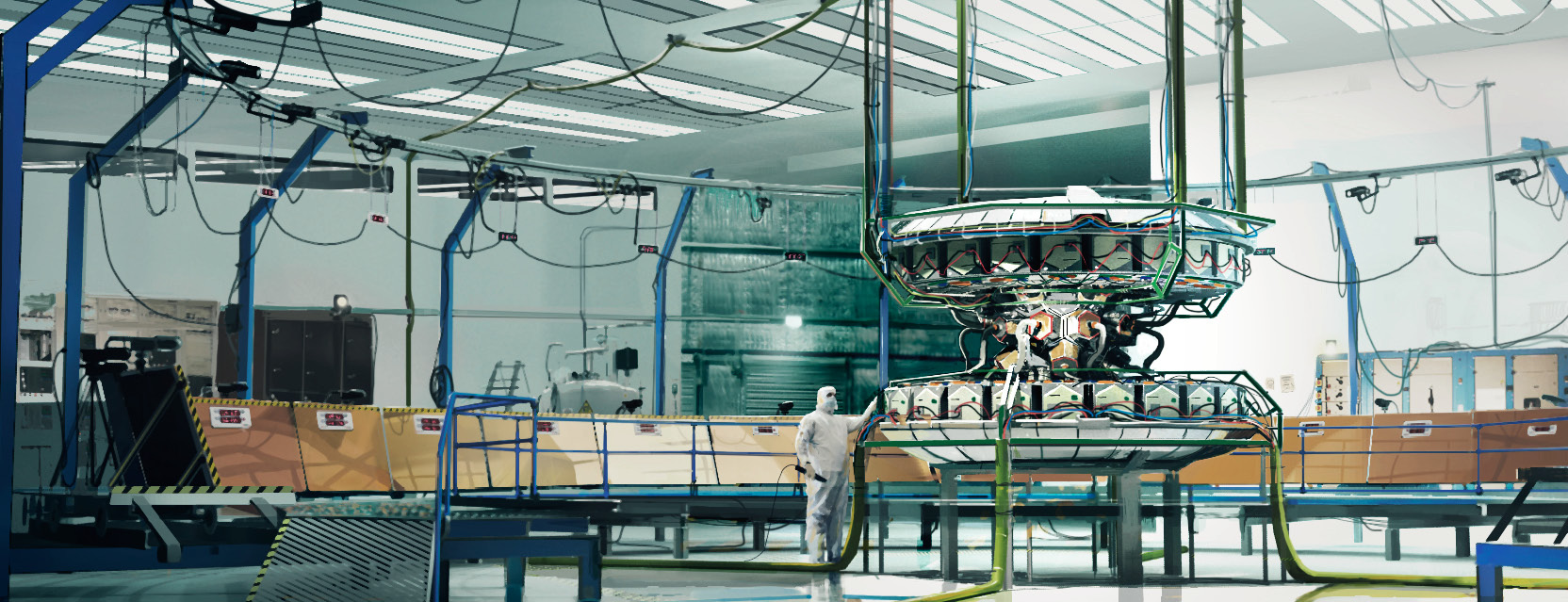
Indeed, stripped of everything extraneous, the Time Machine itself really is the core in the middle. Everything else—the controls, the corridor that surrounds it—is just the user interface. Travel in time with one of our machines is possible only within the core’s life span, from the moment of its core’s activation to the moment the core is shut down. Accordingly, you couldn’t use one of our Time Machines to go back in time to the age of the dinosaurs, because the Time Machine wasn’t yet built.
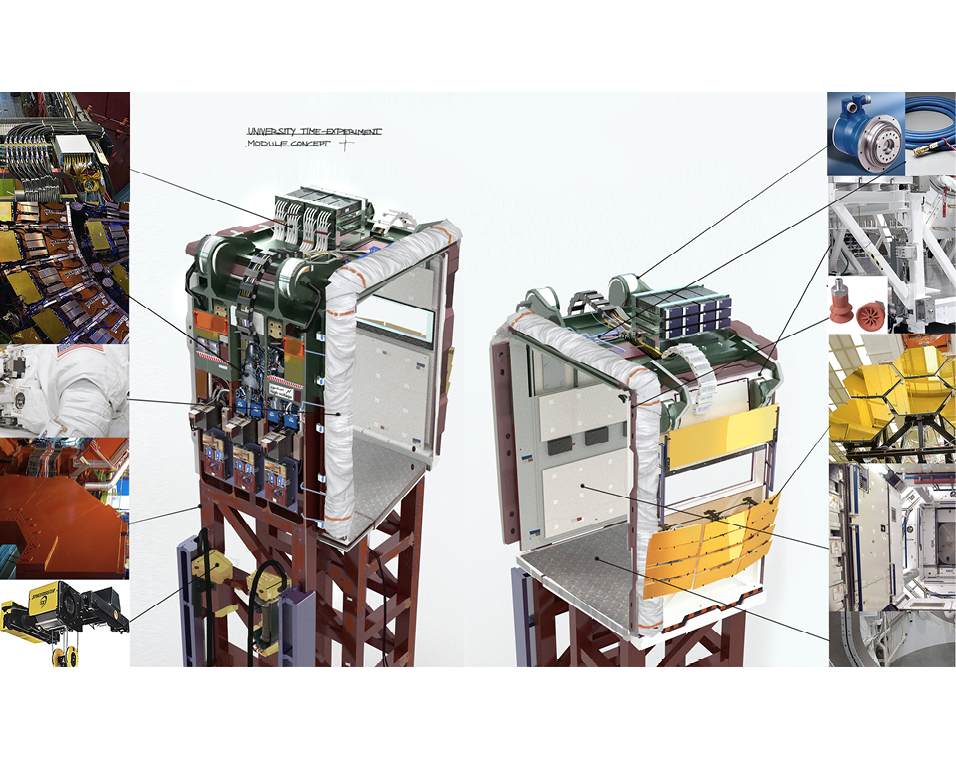
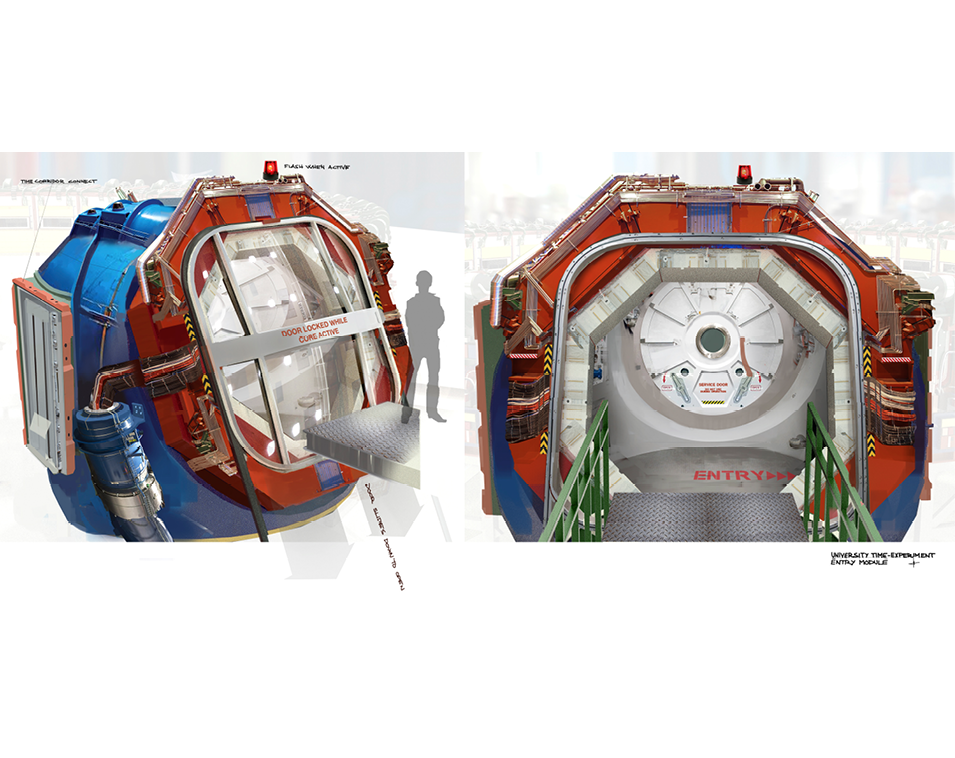
Another important aspect of Quantum Break’s Time Machine is that you can’t simply pop into existence wherever you want—you are entering the machine and exiting the machine, so the machine’s location at any given point also determines where the entrance or exit takes place. For instance, during the course of Quantum Break’s story, Monarch steals the Project Promenade Time Machine core at the university, and then installs it in the Time Machine frame they have prepared for it at the Monarch HQ. Therefore, Jack can enter the Time Machine in the Monarch Tower, and travel back in time to exit the machine at the Riverport University physics lab.
Closed Loops
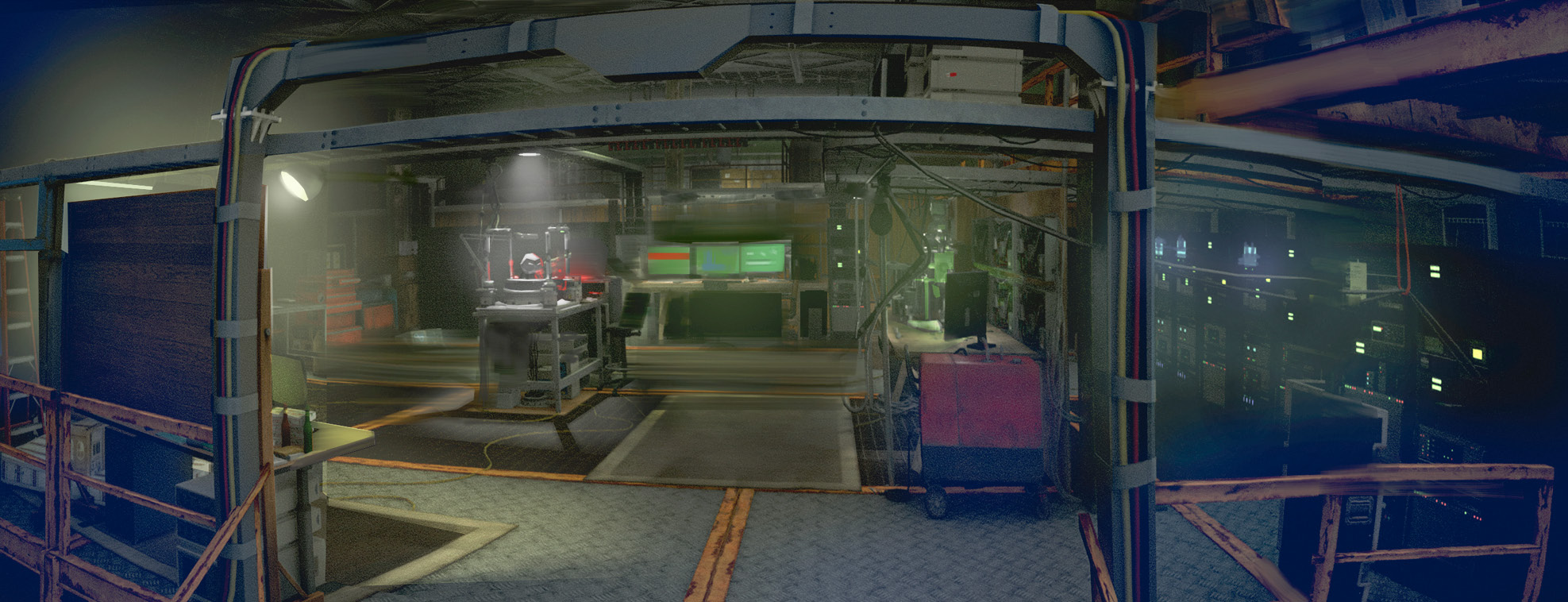
One of Quantum Break’s core principles is that of closed loops in time—that nothing ever changes, in other words. If you were able to take an outsider’s view of the entire timeline of the entire universe, whatever Time Travel happens in it is already part of the whole. So, the present version of a person who is about to travel into the past has already been shaped by the Time Travel they’re about to undertake, regardless of whether they’re aware of that fact.
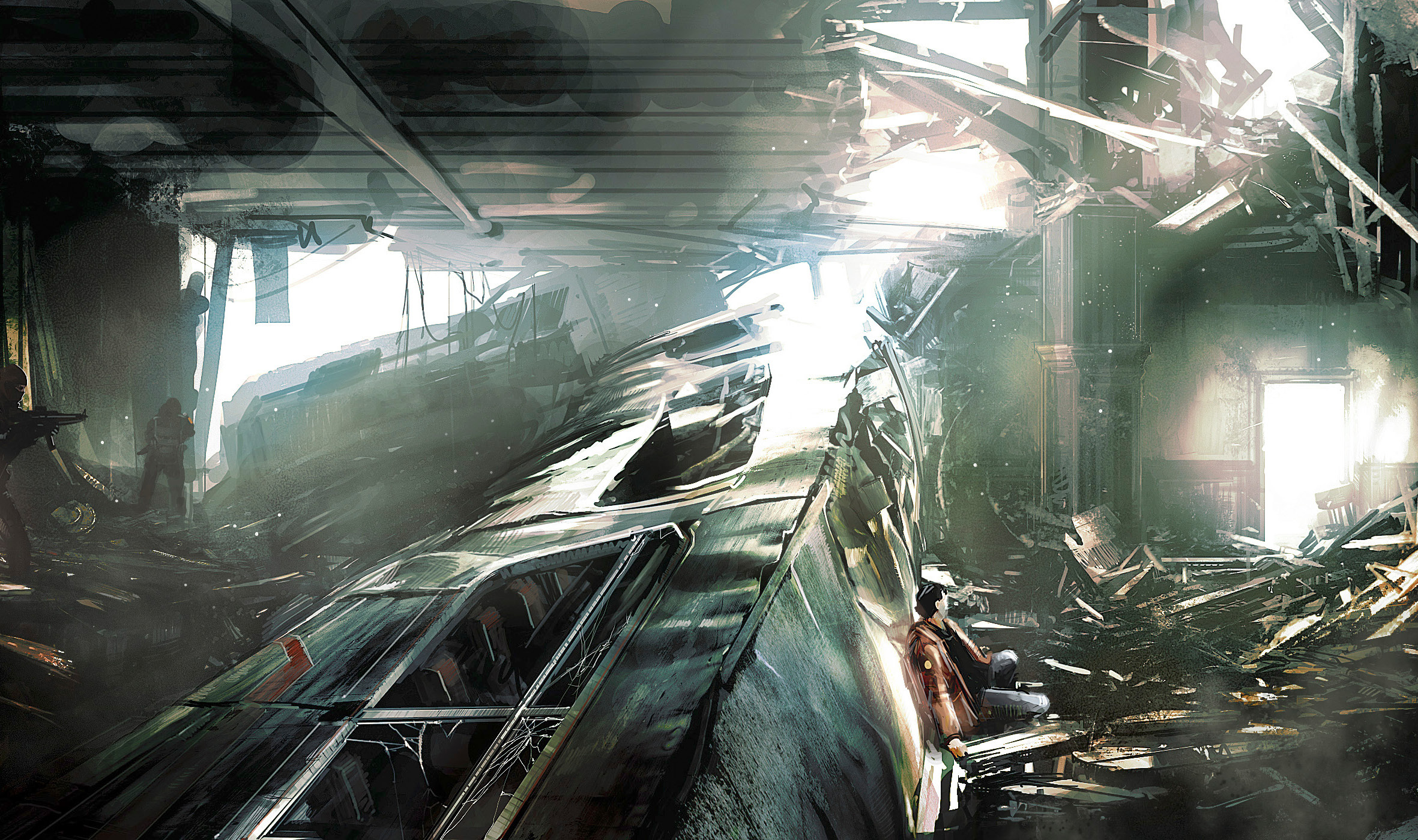
Accordingly, when Jack arrives at Riverport University in the beginning of Quantum Break, the older Paul Serene that has traveled through time is already waiting in the wings, ready step to center stage when his younger self departs. William Joyce never really dies in the library collapse—even as we see him appear to get crushed to death, the time-traveling Jack is already there saving him.
Likewise, when the younger Paul Serene is building a Time Machine for what he thinks is the first time in human history, he has no idea that he’s being manipulated in the form of grants, scientific support, and corporate involvement by his older self—an older Paul Serene, who has traveled through time and remembers perfectly well how his own ambitions were fueled by steady injections of money and opportunities.

The older Serene has attempted to change the past a thousand times, only to realize that all those attempts still lead to the very future he came from. Everybody’s a puppet to causality, but he’s a puppet who can see the strings.
Jack, on the other hand, is stubborn, and rejects the idea that his path is set. He asserts free will, and he’s not wrong—he’s free to make whatever choices he wishes. He was free to answer Paul’s call for assistance or ignore it, and he’s free to try to save William or just give up. His actions make a difference, and if not for his persistence, William would have died, and the Fracture would not have been fixed. But in the grand scheme of things, he’s already made those choices, and he couldn’t change those any more than he could change his mind about having that third cup of coffee yesterday.
Nothing ever changes.
So when Jack and William manage to stop the Fracture and keep time from ending, at the same time, it’s also true that Paul Serene and Beth Wilder have both been to the End of Time. Assuming that nothing changes, that raises a larger question: if this event did not result in the End of Time, what did—or will?
The Fracture
A key concept in Quantum Break’s cosmology is the universal Chronon field, also known as the Meyer-Joyce field. It permeates everything in the universe and constantly generates Chronon particles. These are somewhat analogous to the Higgs boson, which gives things mass—Chronon particles give things time. Or, to put it another way: when Chronon particles are present, time exists. Without them, time stops.
The origins of the Fracture are in a misconfigured Time Machine. William Joyce’s original machine works perfectly, but the one built by Project Promenade in 2016 is based on a flawed understanding of the incredibly complicated physics involved. William, once he realizes that the consultation work he’s been doing isn’t anywhere near as theoretical as he had been led to believe, and that somehow Serene’s project has actually built a Time Machine similar to the one he built in 1999, attempts to put a stop to it before disaster happens, but he’s too late.
When the Fracture occurs, it shatters the Meyer-Joyce field. As the field starts to fail, it periodically stops producing Chronon particles. People experience this as “stutters” in time, moments when time freezes. In its mildest forms, ordinary people don’t notice anything—only those with unusual abilities, like Jack and Paul, or individuals who are using certain technology are aware of them.
But as the Fracture advances and the Chronon field becomes increasingly unstable, time itself becomes unsynchronized.

Cause and effect no longer work properly—so two objects that exist in close proximity may now have vastly different time frames, meaning that a person walking through a door may experience the door as open at a certain point in time, but the door itself may actually be closed according to its own time frame. As this difference between time frames is suddenly reconciled, the end result is a sudden and surprising collision. While at this scale the end result may be no more than a bruised nose, when this happens on a larger scale—for instance, a ship attempting pass a lift bridge—the results can be catastrophic.
If not stopped, the Fracture will eventually run its course and irrevocably shatter the Meyer-Joyce field, leading to a so-called Zero State. In true Zero State, no naturally generated Chronon particles exist. Therefore, time is completely and permanently stopped. This is the end of not just the world, but the entire universe—an apocalyptic scenario quite different from many others. Not a single second passes; not a single particle decays.
All is still, and all is quiet—except for those few who subsist on stored Chronon particles, such as those harvested and utilized by Monarch Solutions, or people like Jack and Paul, whose own bodies have somehow become living sources of Chronon energy… and the Shifters, the strange horrors that live somewhere in that vast stillness.
Chronon Technology
Monarch Solutions, under the leadership and vision of Paul Serene, has been preparing for the End of Time. Serene knows that it’s coming, and that it’s inevitable; he knows it can’t be stopped, but he hopes it can be survived.
So he’s built a vast empire; he’s filthy rich, and he has enormous financial resources, political capital, and influence at his disposal, but all of it is just a means to an end: the Lifeboat Program, the purpose of which is to secure a human existence beyond the End of Time—to put together a team of scientific experts who, when everything grinds to a halt, can keep going and, perhaps, find a way to rejuvenate the Meyer-Joyce field—to restart time.
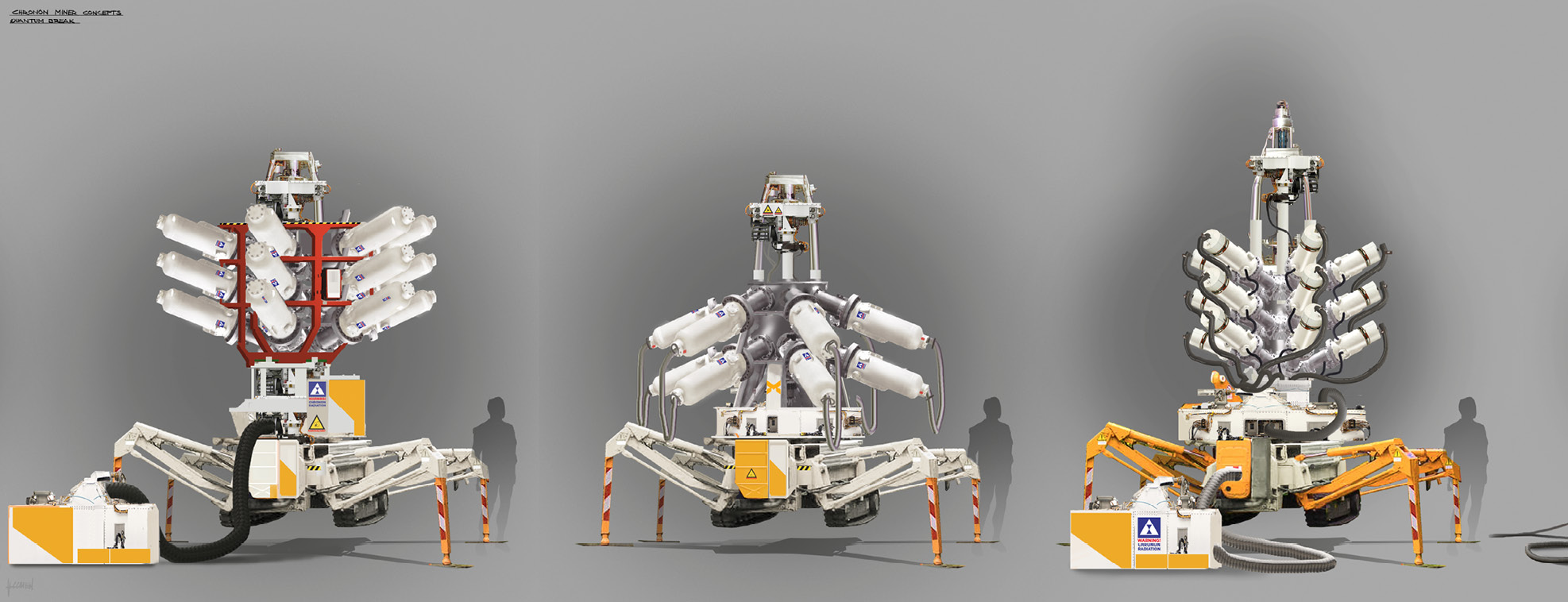
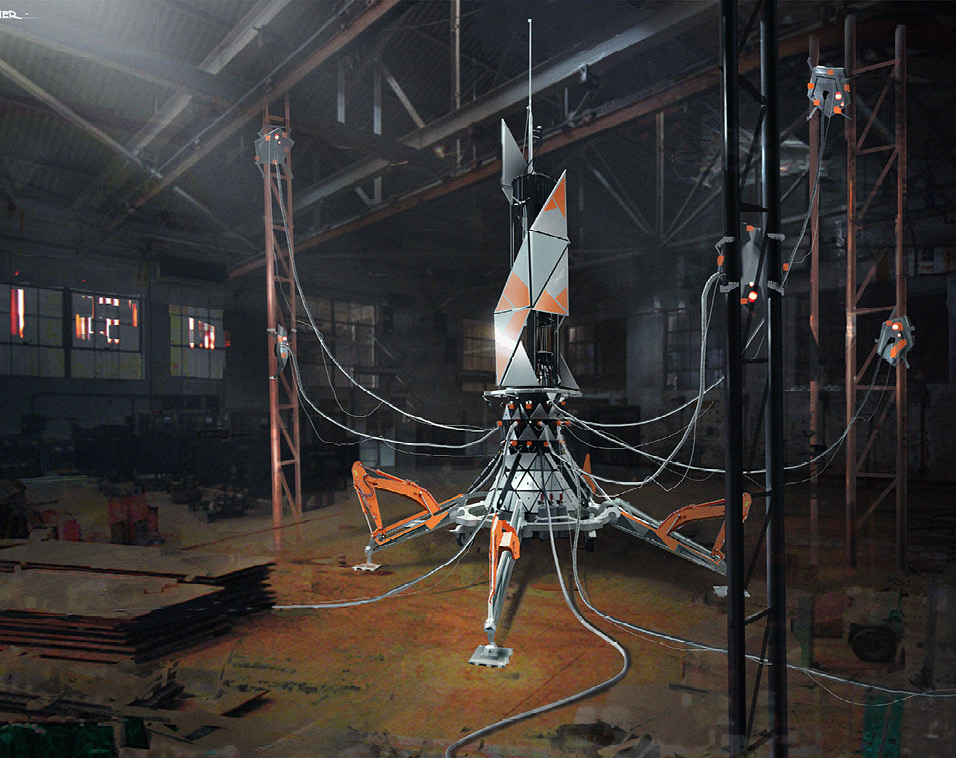
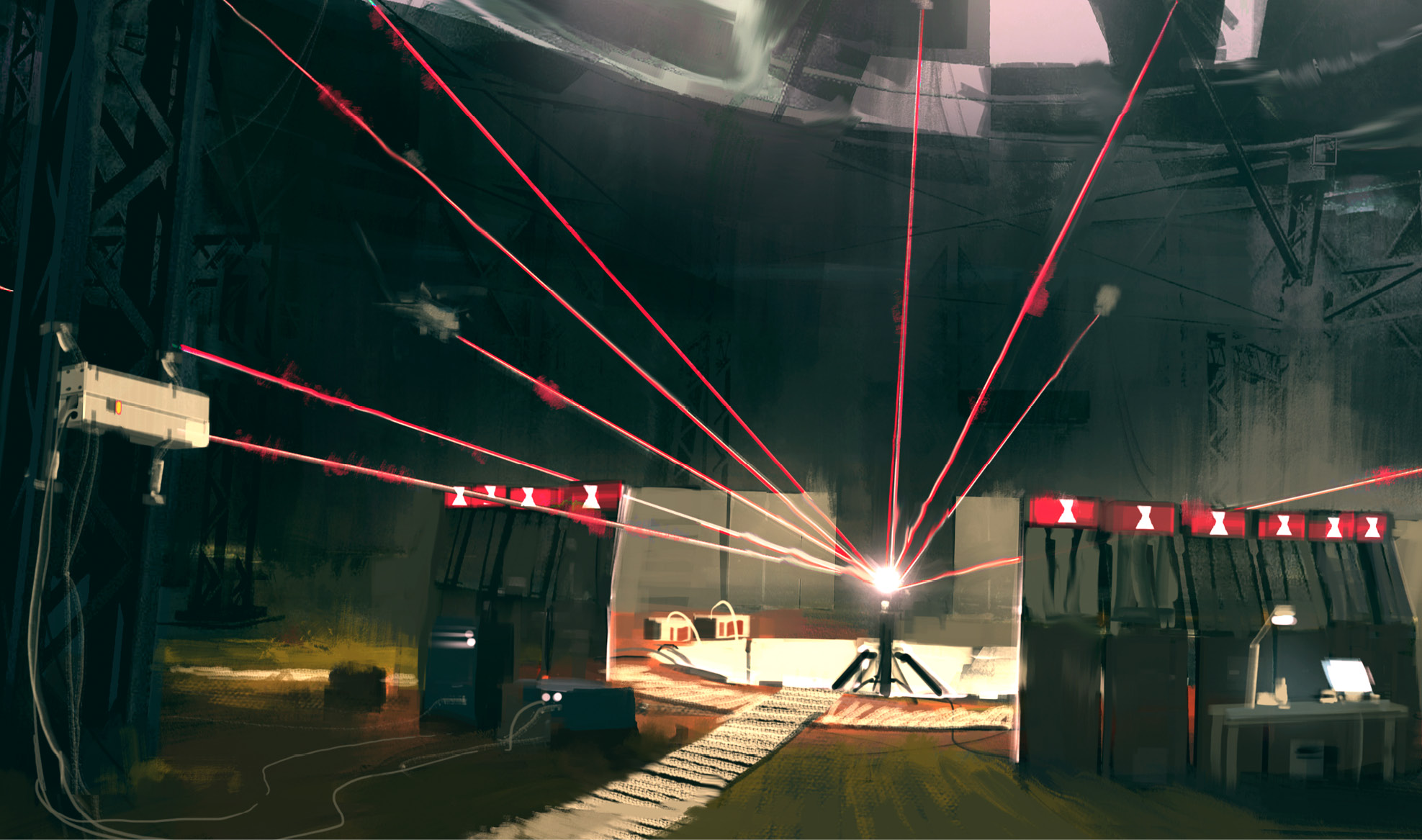
The key to all of this is the ability to harvest Chronon particles from the Ground Zero area, located at William Joyce’s old workshop. Ground Zero was created when William’s Countermeasure was damaged and cracked open, altering the local properties of the Meyer-Joyce field in ways that are still poorly understood. It is an area of unpredictable time anomalies, but the practical effect of it is that it generates vastly more Chronon particles than any other location known to Monarch.
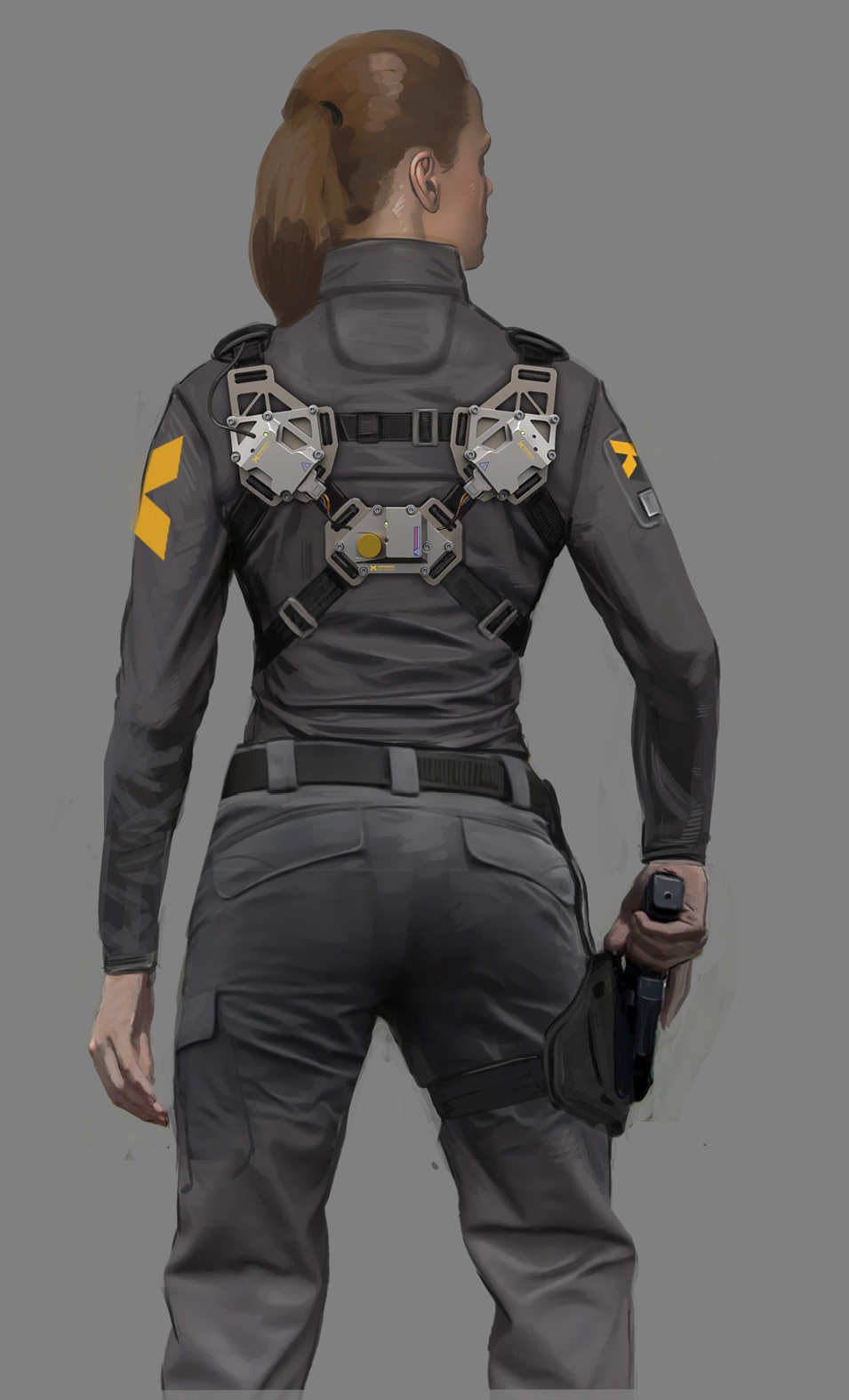
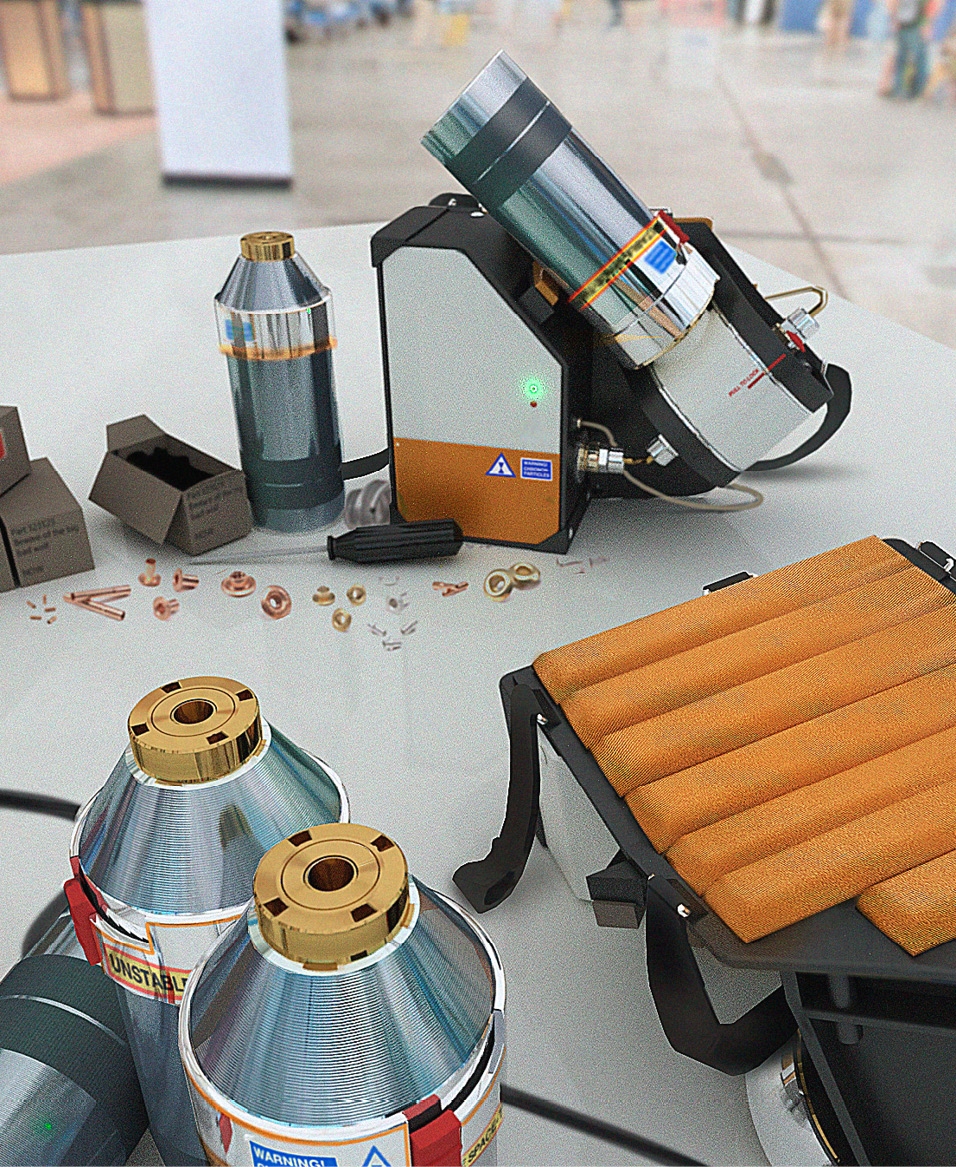
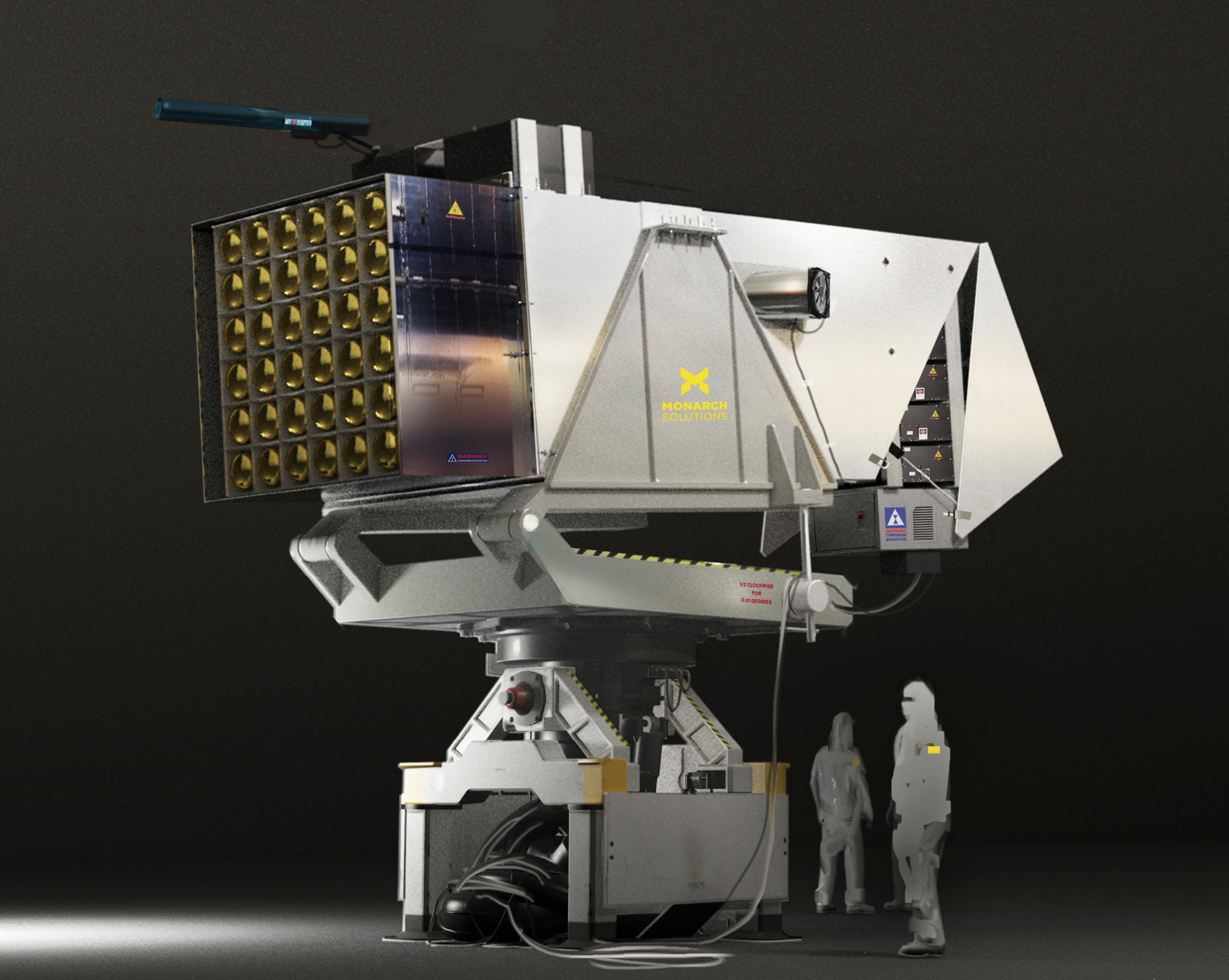
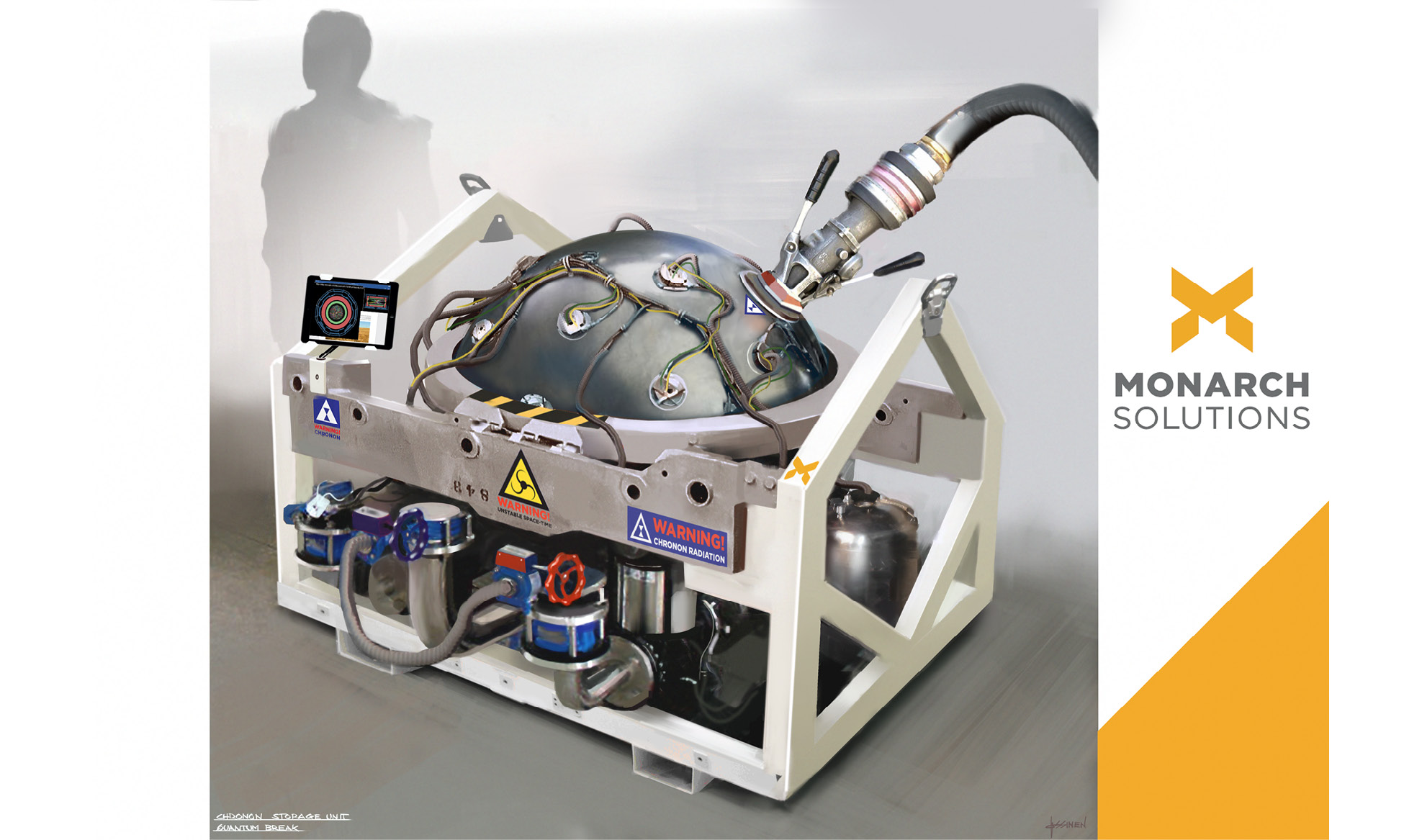
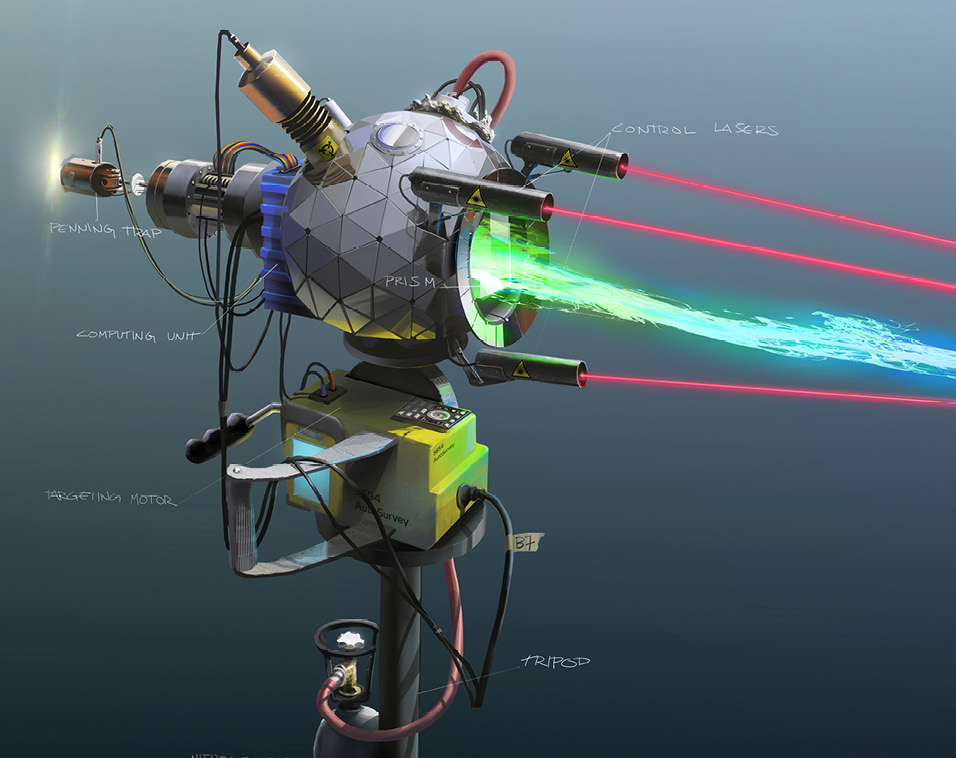
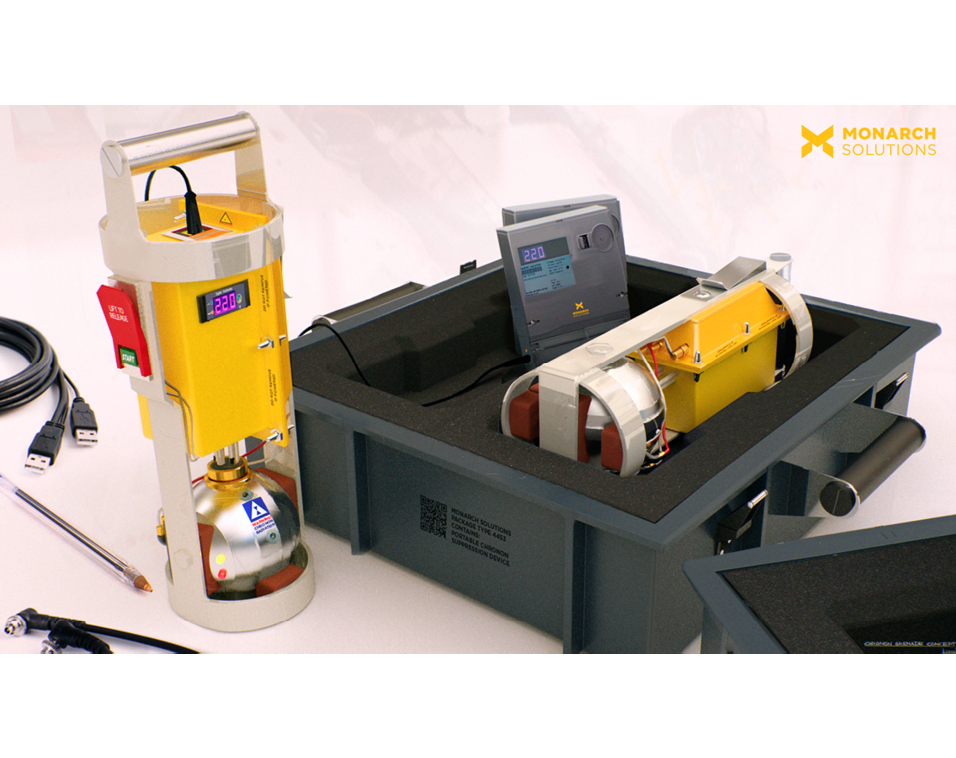
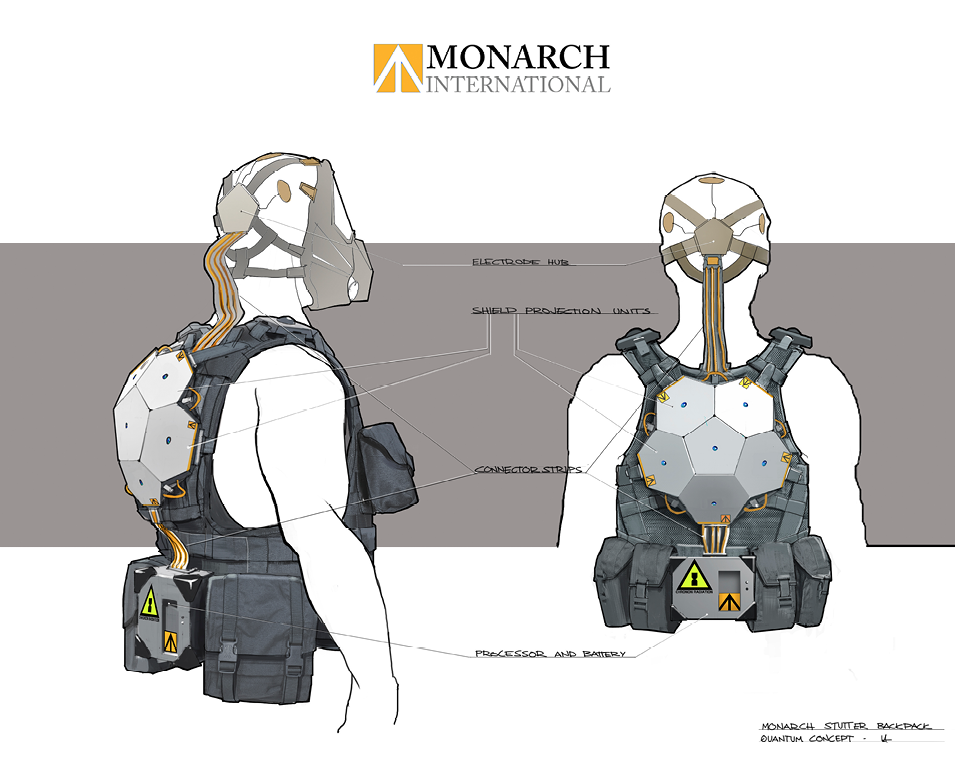
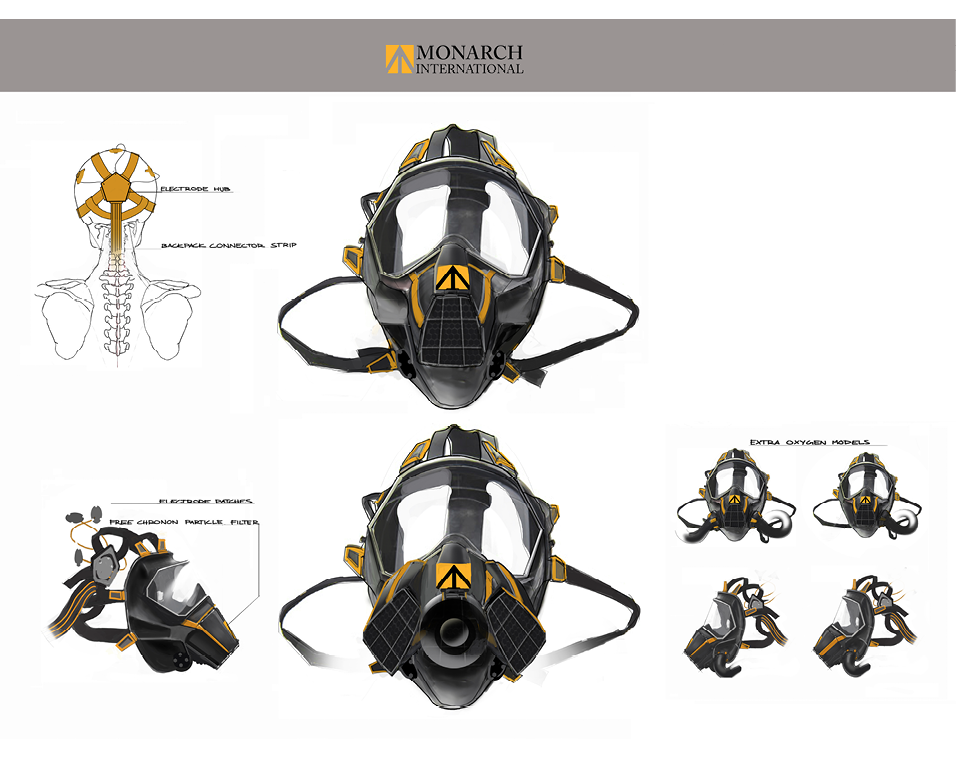
Trapping them in magnetic bottles through a complicated procedure, Monarch has been able to stockpile them for use in their Chronon technology. Used as a part of the Lifeboat Program, these Chronon particles create an artificial, localized Chronon field, colloquially known as “stutterproofing.” Essentially, when time stops, stutterproofed areas keep going. A miniaturized and personalized version of this technology allows individual Monarch soldiers to remain operative within stutters.
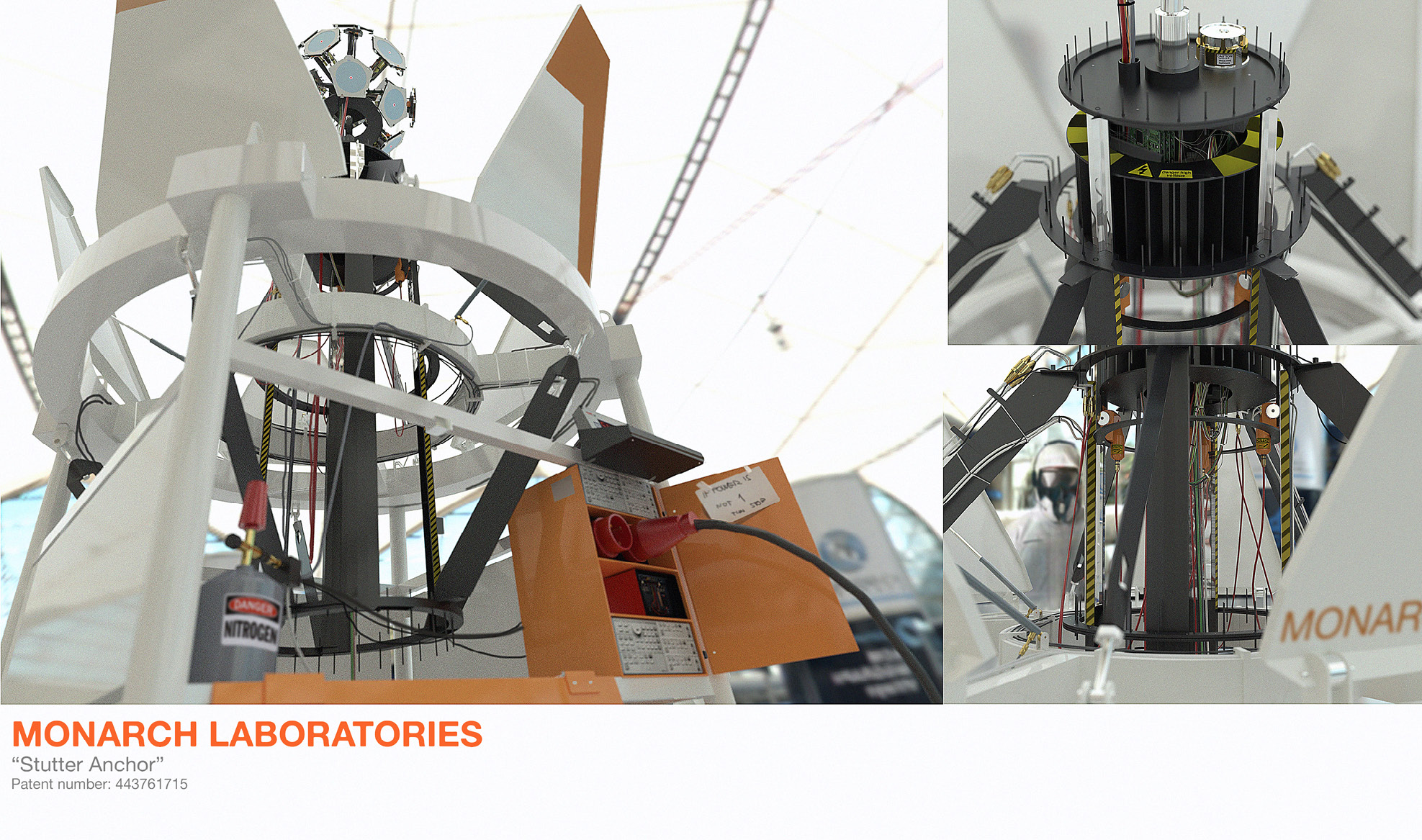
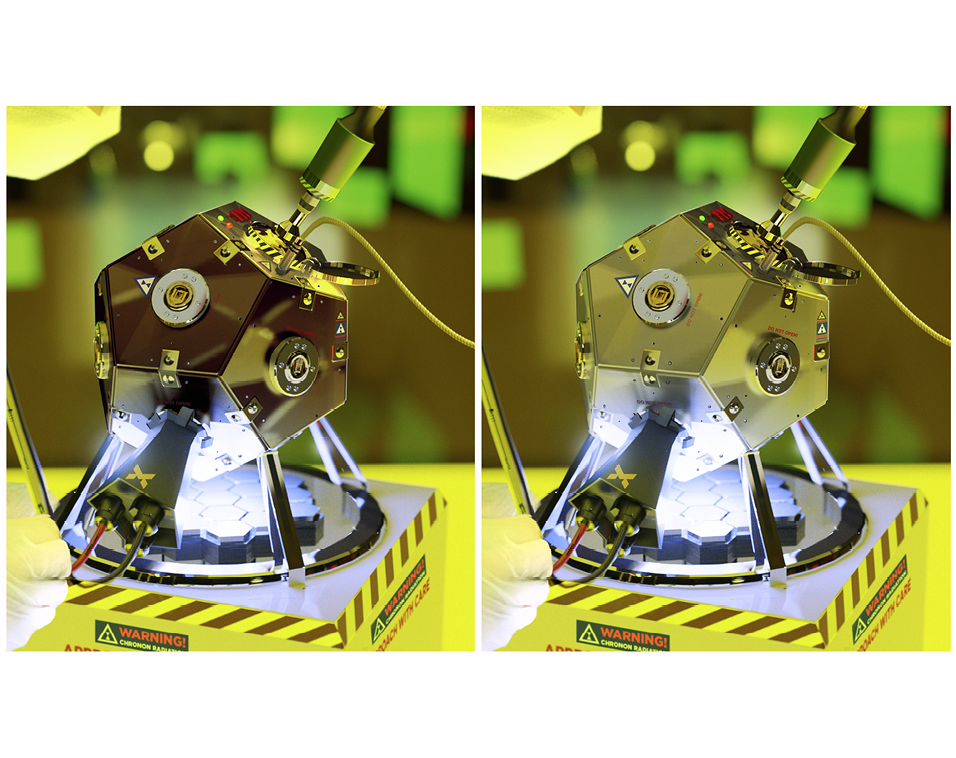
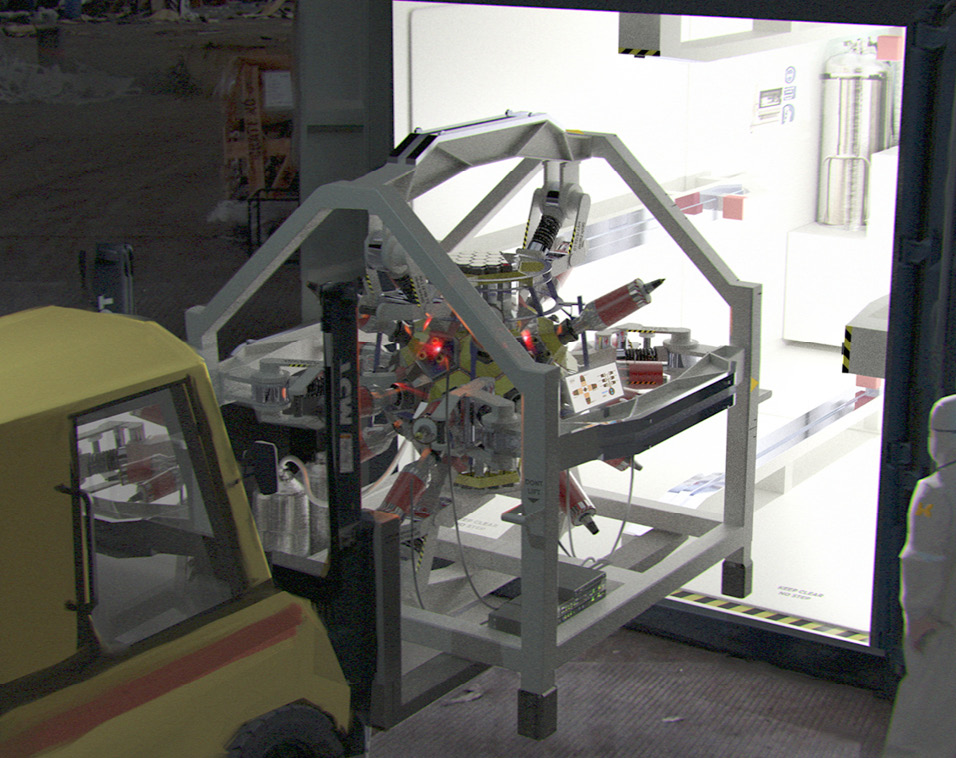
All of this technology is made possible by William’s Countermeasure—known to Monarch as the Chronon Field Regulator—which they have managed to only partially reverse engineer. Its true purpose remains unknown to Monarch, but Monarch has not only based much of their Chronon technology on it, they’re also using it to regulate the flow of Chronon particles within the Lifeboat itself, extending its potential lifespan by years and years. Thus, the CFR is vital to the Lifeboat Program, and without it, the ark that houses Serene’s hopes for a future will soon fail.
Time is Power
When Jack and Paul are exposed to the pulse from Paul’s misconfigured Time Machine at Project Promenade, it changes them irrevocably.
Their bodies become living sources of Chronon energy, enabling them to remain active even when the Meyer-Joyce field starts to break down and Time Stutters hit. As they learn to manipulate this energy, they also gain other abilities—the ability to create a “bubble of frozen time” by depleting Chronon particles from a certain area, or warp across a battlefield in the blink of an eye by directing a surge of Chronon particles to their own bodies—or even direct a grenade-like blast at enemies by causing local molecules to become unsynchronized —essentially, a version of a stutter-induced collision, only on a microscopic scale, with catastrophic macro-scale consequences.
When Serene is exposed to the direct energies from William’s Countermeasure in 2010, he undergoes further physical changes. Not only does he gain the ability to see flashes of the future, he also finds himself facing Junction Moments—times when he can make a somewhat informed choice about how things will play out.
As useful as this ability is, there’s a downside to it; it’s just another symptom of the Chronon Syndrome, a progressive condition that is not only excruciatingly painful, but also ultimately leads to becoming a Shifter, a being hypersatured with Chronon particles that exists in a state of quantum superposition—meaning that it’s multiple versions of itself at the same time. These beings can exist only in stutters, and are antithetical to everything Serene is fighting for—he wants to reverse the End of Time, but ultimately, it’s only at the End of Time that Shifters can exist.
The treatments devised by Dr. Sofia Amaral slow the progression of the Chronon Syndrome, but they can’t stop it. Once the Fracture begins, Serene finds his condition progressing at an accelerated pace, and in the end, he succumbs to it, becoming a Shifter himself. When Jack is exposed to the power of the Countermeasure, he also finds himself similarly affected by it. Whether he succumbs to the same fate as his former best friend, or if the future has something else in store for him, we have yet to find out.