
Quantum Break Guide Remedy Retrospective
Death Ralley to Max Payne
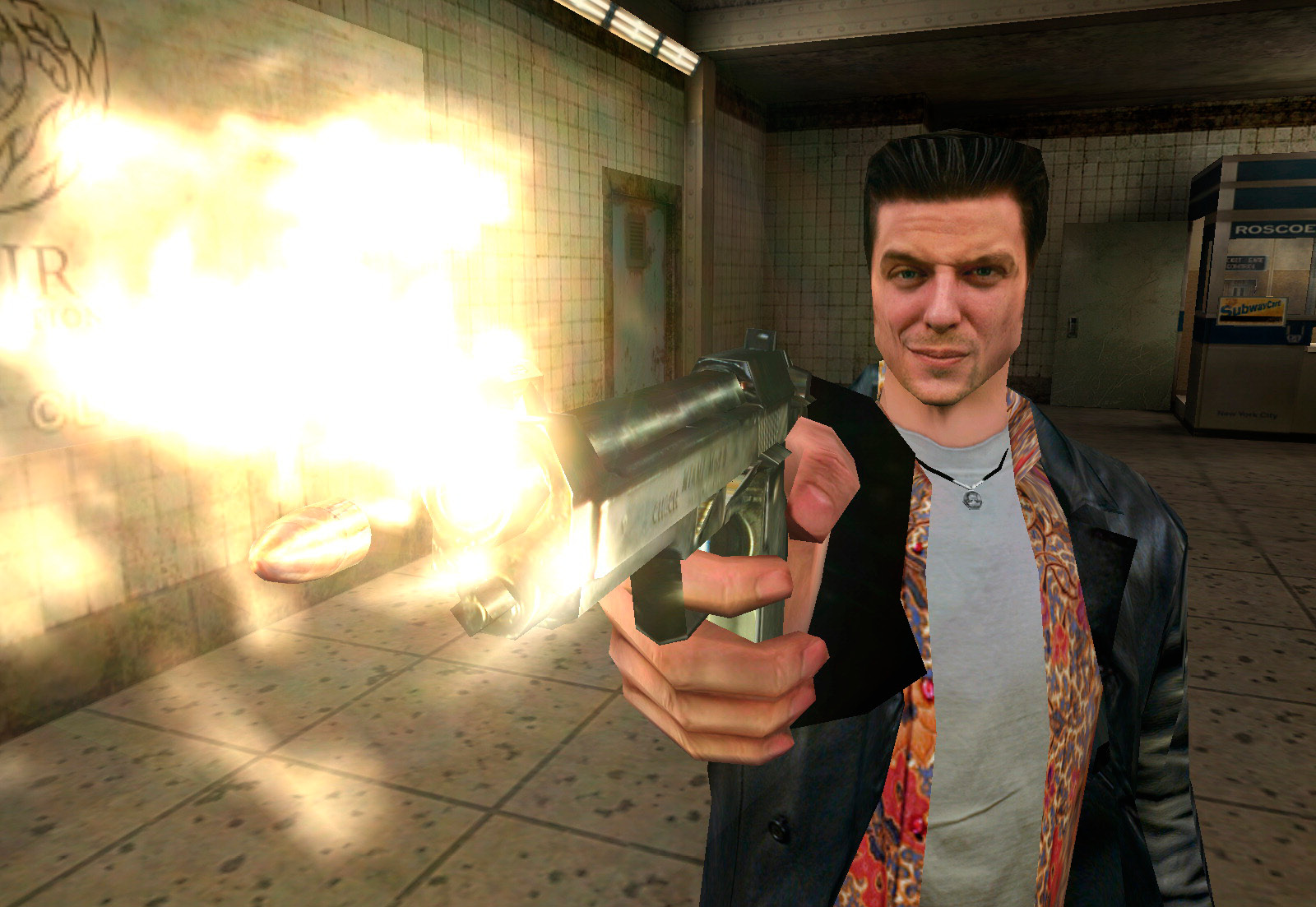
In 2015, Remedy Entertainment turned 20. Being around for two decades is an achievement for any company, but it’s particularly noteworthy when you’re a relatively small independent game development house. In an industry where so-called triple-A games are now massive productions, often involving over a thousand people working directly on the products, finding opportunities and audiences for well-made and exciting games with personality is not a given. As modern games become more sophisticated and technically complex by the year, production costs and logistical challenges increase at a commensurate rate. This can present tremendous challenges.
At Remedy, we have succeeded in overcoming those challenges, and games like Max Payne, Max Payne 2: The Fall of Max Payne, Alan Wake, and now Quantum Break have been designed not only as engaging and exciting action games, but also as smart and engaging experiences full of character.
But we didn’t start out quite like that.
The roots of Remedy are firmly in the legendary Finnish demoscene of the ‘90s, a community of technically minded, creative individuals who had the skill and the passion to make the 3D graphics and audio hardware of the time, quite primitive by modern standards, do amazing things. The demoscene routinely made hardware sing in a way even the people who designed it found amazing. It was this technical competence on which Remedy was built.
In 1995, a group of friends with a strong interest in games decided to take the leap into professional game development. They were young, skilled, passionate, and ambitious—and somewhat clueless about how game development or business in general worked. It was the classic “garage band” start-up situation; the first Remedy office was in one founding member’s parents’ basement.

The first game Remedy made was Death Rally, a fast-paced action racing game viewed from a top-down perspective. For that, we built a high-performance 3D engine that featured texture mapping and lighting effects that, at the time, were cutting edge. Long days went into making the game—we were learning not only how to make a game, but also how to work together as a game studio.
On September 6, 1996, Death Rally was released by Apogee Software and GT Interactive.
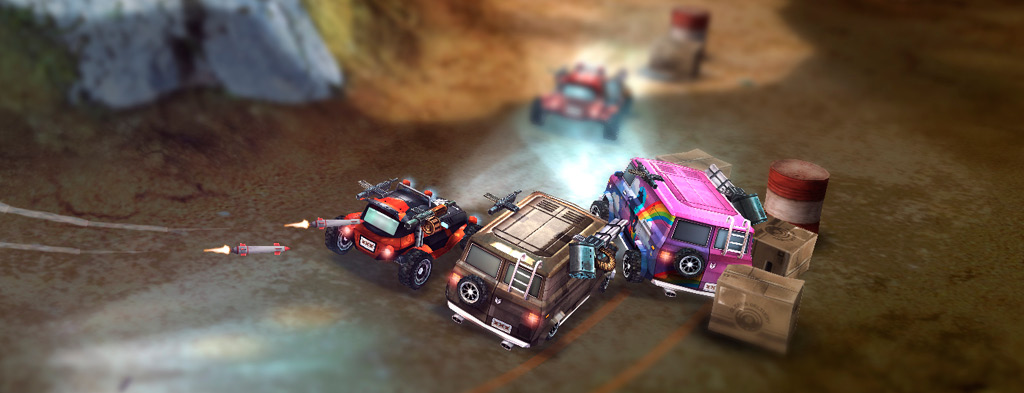
Made by a dozen people, it sold over 90,000 copies—which, by the standards of 1996, was a hit. It wasn’t a complex game, but it was technically impressive and had that elusive “fun factor”—it was one of those games you just couldn’t put down.
For Remedy, it was time to consider the future. Ideas were flowing around, and among them was the concept of a “3rd person action game.” At the time, it was called Dark Justice. Once they saw a prototype of that game, along with a design document, 3D Realms was on board. Early in 1997, development work on the title began. Eventually, it would come to be known as Max Payne.
It was at this point that Remedy really transitioned from the garage band into an actual game development team. Death Rally was essentially made with no money and no resources beyond what individual team members could scrape together, using their own computers.
Now there was an actual budget—a limited one, but a budget nonetheless. Although, Max Payne was made on the cheap, it was created by people who could work on it full-time—people with talent and ambition, and the kind of creativity that helps overcome budget limitations.
The story of the New York cop whose undercover assignment goes to hell when he’s framed for murder and both NYPD and the mob was pure film noir, told with a certain tongue-in-cheek self-awareness—in the world of Max Payne, everything was cranked up to eleven. This was true for the technology as much as for the story: just like with Death Rally, we created a custom game engine; called MAX-FX, it was designed to take full advantage of 3D acceleration. At the time, that was not a standard feature in home computers, but we wanted the game to harness the power of latest hardware.
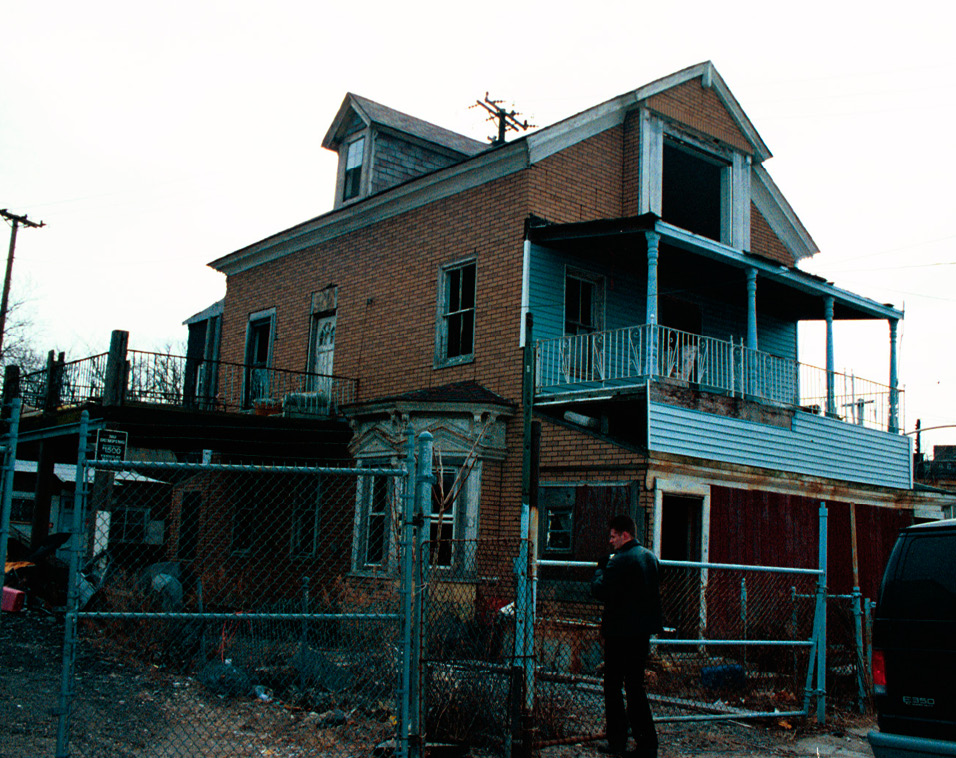
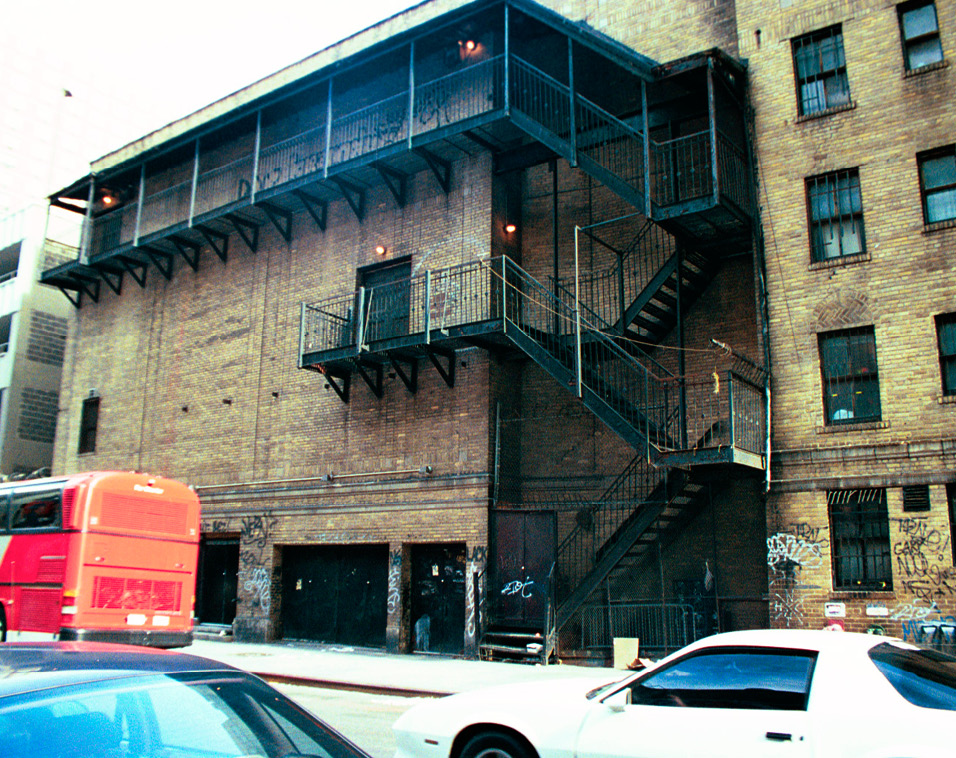
We knew our technology would enable us to make New York feel real, but it would take more than technical solutions—we also needed a touch of verisimilitude we could only get at the source. A research trip to New York resulted in a wide array of reference materials that ensured our textures and style would capture that Big Apple vibe vital to the project. The team visited subway stations and tunnels, crackhouses and skyscrapers, photographing everything.
For all the work that was going into the visuals, it was obvious that the budget for Max Payne wouldn’t stretch to full-blown cinematics. For a game with a heavy emphasis on its storytelling, this was an obvious problem. But the vast amount of photographic reference material provided a solution: utilizing them in a graphic novel format, we could use sequential storytelling to great dramatic effect. From that, it wasn’t a great stylistic leap to conclude that the character art should also be based on photographs.
As a result, the game was populated by ourselves, as well as whomever we thought had a great presence that fit the story. Famously, the writer of the game, Sam Lake, became Max Payne. His mother took on the part of Nicole Horne, the game’s main villain. One of the mob bosses was played by the janitor of Sam’s apartment building. They were only needed for still photographs, so no actual acting experience was required.
During the production of Max Payne, Remedy almost doubled in size, growing from a dozen people to 20. Even so, the game was made by a tiny team working on a tight budget, and it wasn’t until 2001 that Max Payne was finally released. It was worth the wait for the team and the audience alike. The fugitive New York cop caught between the cops and the mob struck an instant chord with gamers. The use of slow-motion “bullet time” that made every combat encounter a cinematic experience, the stylish and technically impressive visuals, and the exaggeratedly dramatic film noir story that made the narrative a part of the core gameplay experience netted great reviews—and sales. Max Payne was one of the best-selling PC games of 2001, and it later achieved “Greatest Hits” status on the PlayStation® 2 computer entertainment system and “Platinum Hits” recognition on Microsoft’s Xbox® video game system.

With over five million units sold to date worldwide, it was exceptionally successful for a video game in its time. Today, Finland’s video game industry is extremely well-established, but at the time, for a small Finnish developer’s game to have this kind of reception was unprecedented. Max Payne was not just a financial and critical success, it was a cultural touchstone for gamers—to this day, its status is iconic as the game that was as much about style and atmosphere as it was about action, and it popularized the concept of “bullet time” for games.
But for Remedy, Max Payne wasn’t just a success. It was the game that allowed us to build the company and a team to a point where we could honestly call ourselves a professional game studio.
With experience came confidence. And with success of the first Max Payne came the demand for a sequel, this time with a bigger budget—and a much tighter schedule.
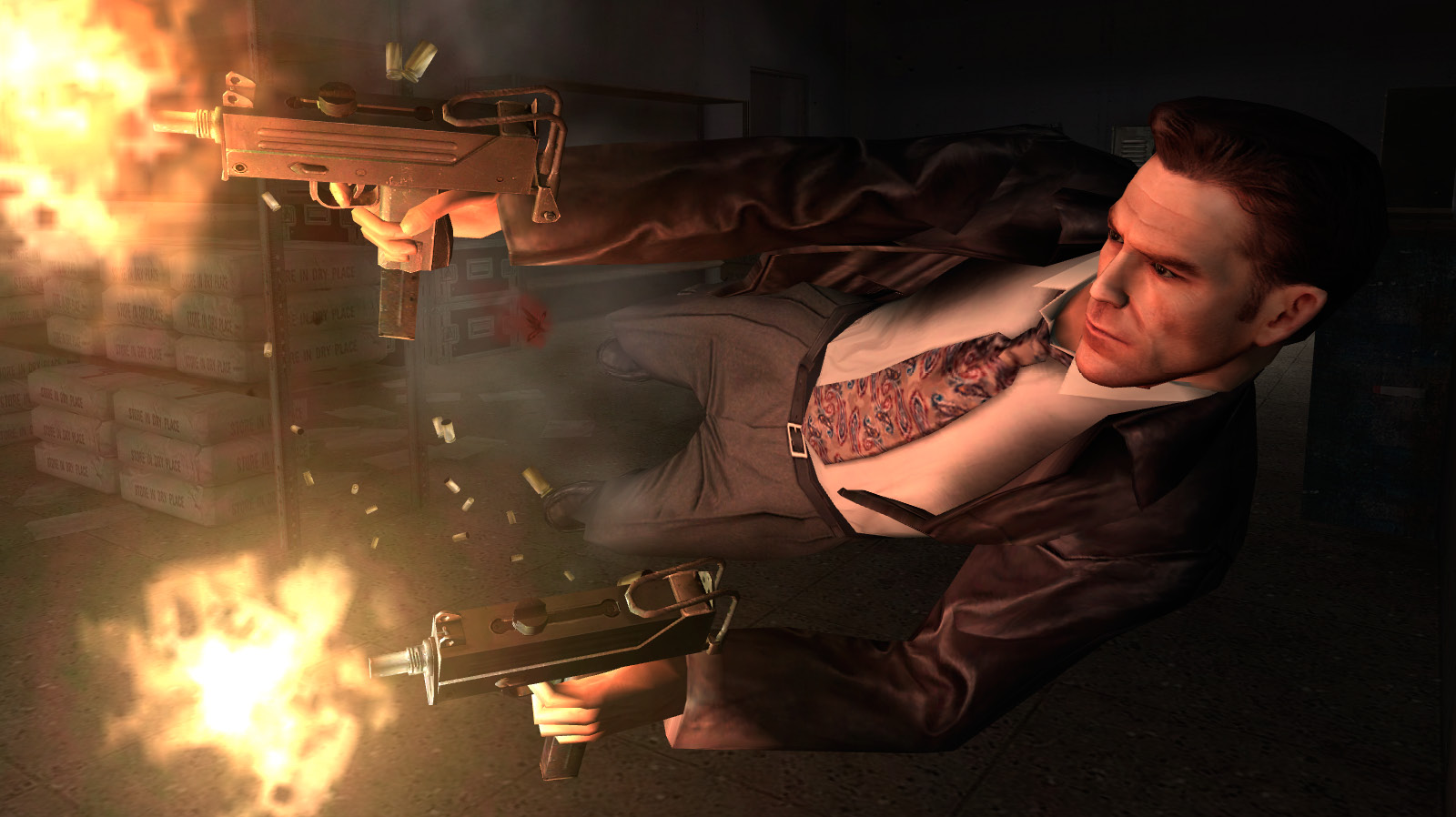
We made Max Payne: The Fall of Max Payne in just 18 months. This time, the budget allowed us to hire actual actors instead of using family and friends. With what we learned from the making of the original game, and assistance from Rockstar Games’ New York production team, we could make great improvements to our technology and production values. The game was released for PC on October 15, 2003, and a few months later on Xbox and PlayStation 2®—again to overwhelmingly positive reception.
By then, the time had come for Remedy to try something else. Having spent many years with Max, a change of style and pace felt necessary. We’d already sold the rights to the Max Payne franchise to 3D Realms and Take Two Interactive in 2001, and now that the game was finished, we were ready to move on and change genres.