Quantum Break Guide Remedy Retrospective
Alan Wake and American Nightmare
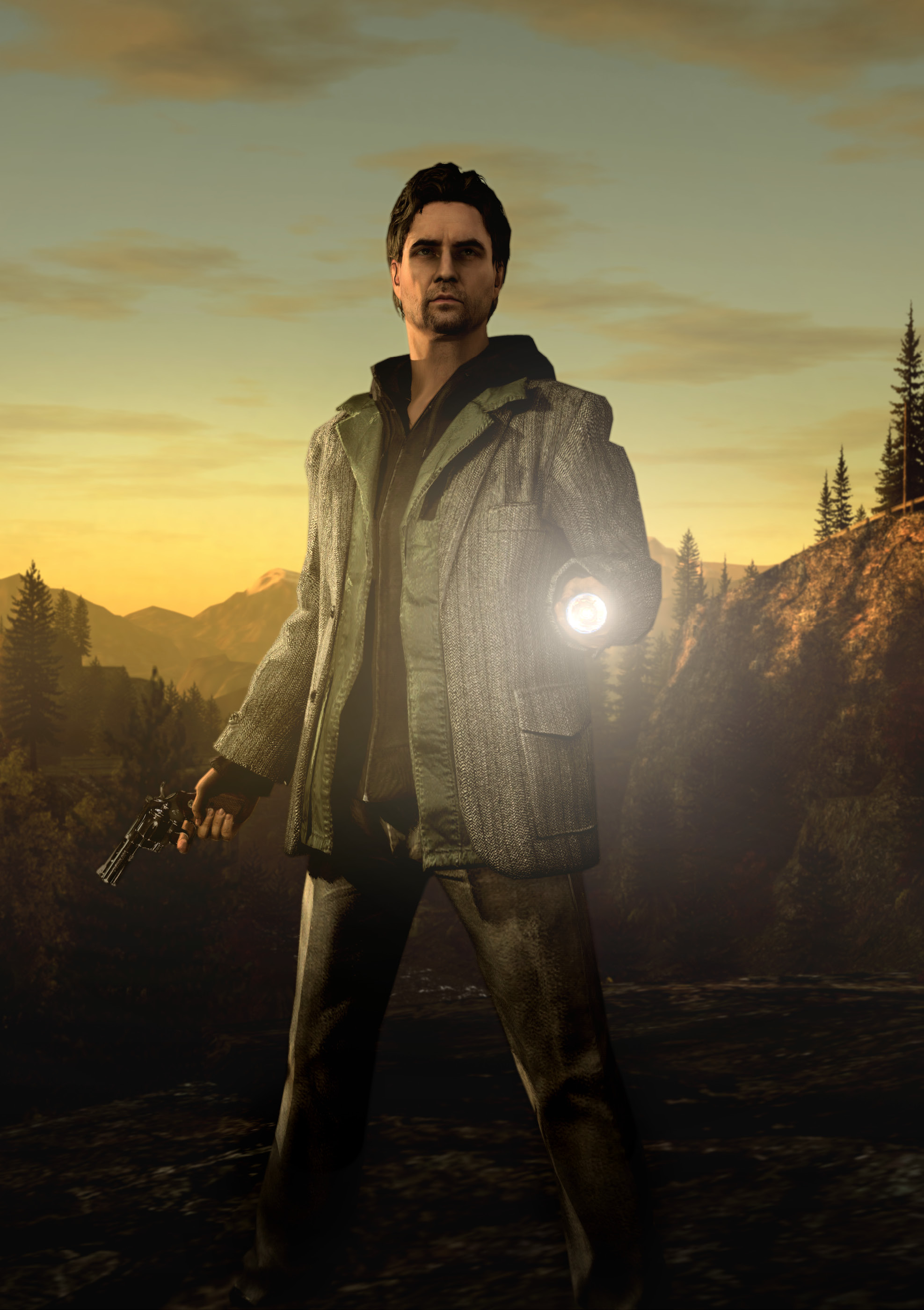
After a period of conceptualizing and brainstorming, we finally settled on our next game: Alan Wake, presented as a “psychological action thriller,” a notable departure from the noir stylings of Max Payne. It was the story of Alan Wake, a writer exhausted by a reckless lifestyle, a troubled marriage, and an impenetrable writer’s block. Wake ends up in the small Washington town of Bright Falls in an effort to recharge his batteries—but when his wife disappears, a strange dark presence starts to take control of everything, and Wake starts to find pages of a novel he doesn’t remember writing, but which seem to be coming true before his eyes, things quickly go from bad to worse, and he no longer knows what’s real.
Alan Wake was released on May 14, 2010 for the Xbox 360, and later for the PC. It featured Remedy’s trademark intense combat, this time making the character’s flashlight as important a weapon as the gun he carried, but the entire experience was presented as a six-episode TV show with an atmosphere strongly influenced by Twin Peaks and Stephen King novels.
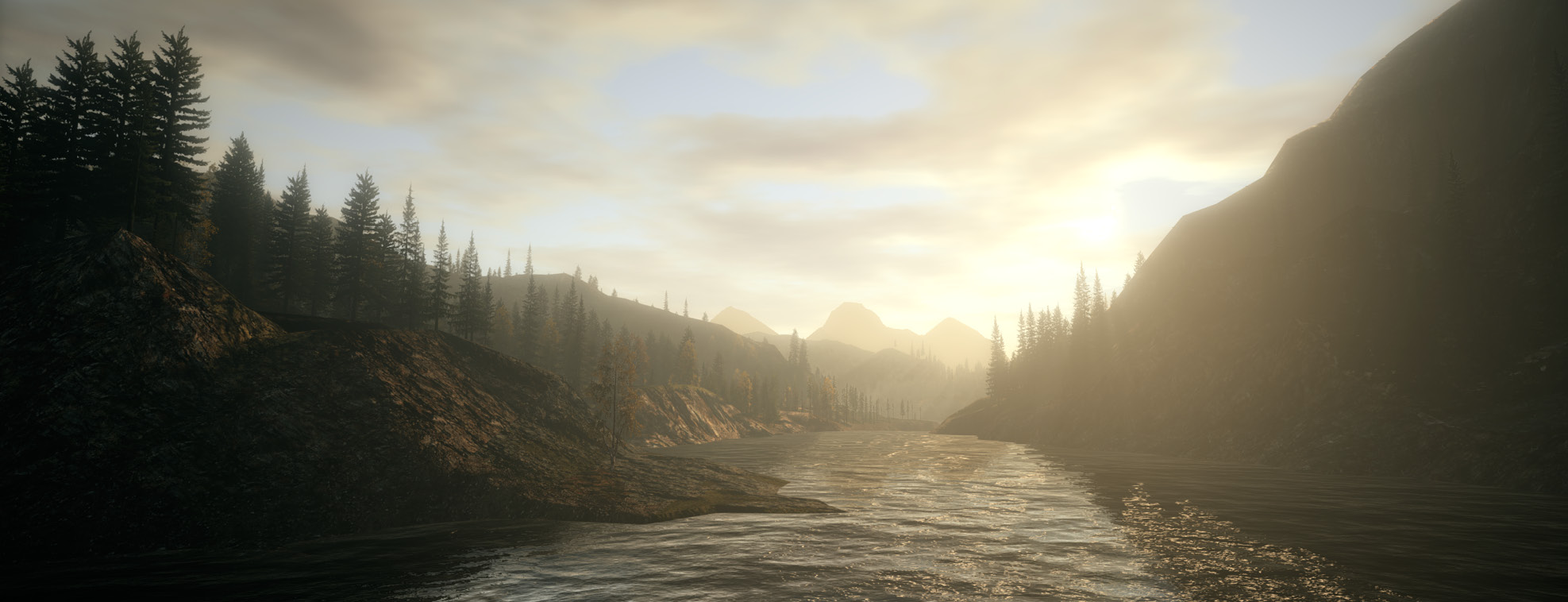
Alan Wake also represented another technological leap for Remedy: the greatly improved game engine brought the dark and vast Washington woods to life, recreated for the game with the help of tens of thousands of reference photos taken on site in the Pacific Northwest area. A great deal of work went into the engine’s extensive lighting features, which were required to fully present the game’s themes of light and darkness as intended. It was also a game that reflected Remedy’s growing storytelling ambitions: full of mystery, atmosphere, and character, it soon gained a cult following.
During Alan Wake’s development, the team size grew considerably. At the peak of development, Remedy boasted around 50 employees. For Alan Wake, we also created two DLC episodes, The Signal and The Writer.
At this point, the question of next steps was again upon us. A sequel to Alan Wake was the obvious choice, and plans for that had already been underway for some time. However, the business environment for games was undergoing changes.
Publishers were increasingly cautious—technological advancements allowed for much greater production quality in games, but that was directly reflected in development costs.
It became obvious that while a sequel could happen, counting on it would be foolish—at this stage, Remedy had around 50 employees, and a period of extended searching would have been financially risky. It was in these circumstances that Quantum Break had its origins—there are always other ideas, and we started pitching some of them to publishers. It soon became clear that Quantum Break had legs, as Microsoft recognized its potential—they were looking for an impressive title with a strong storytelling element. We had touched a chord.
But negotiations, even very friendly ones, around a brand new IP can be incredibly complex. We knew what we would be working on soon, but it would take at least six months to actually make the deal. Financially, having most of the development team just sit around while businesspeople hammer out details makes no sense—so why not use the time to make a game?
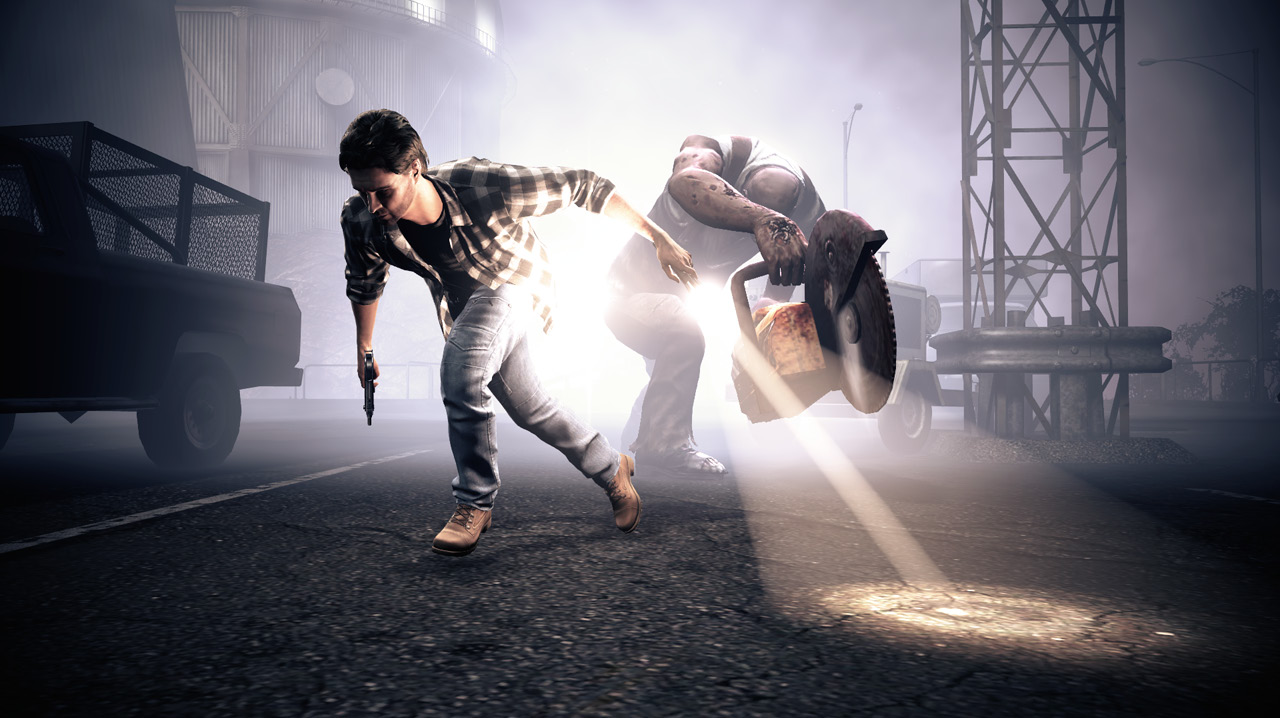
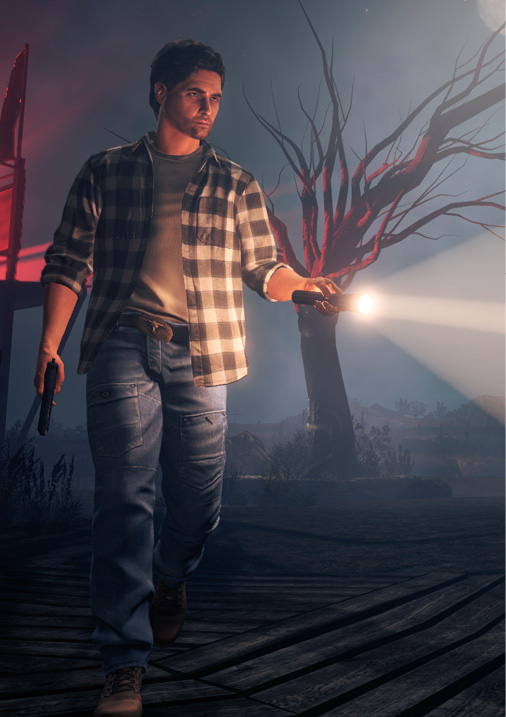
The end result was Alan Wake’s American Nightmare. Developed in just eight months, it was based on “Night Springs,” a fictional TV show in the Alan Wake universe paying homage to Rod Serling’s Twilight Zone. It features Wake trapped in a strange time loop by his evil doppelgänger, Mr. Scratch. While it was a smaller standalone game, it was a chance for Remedy to improve on Alan Wake’s combat gameplay by introducing a wide variety of new enemy types. Notably, it was also an opportunity to experiment on a much smaller scale with several concepts that would become Quantum Break’s key features—combining gameplay sequences with live-action video, and loops in time.
Alan Wake’s American Nightmare was released digitally on the Xbox LIVE Arcade on February 22, 2012. By the time it came out, Remedy was already hard at work on the pre-production of Quantum Break—our most ambitious and challenging project yet by any standard.