
SimCity Guide Essentials Roads
Roads
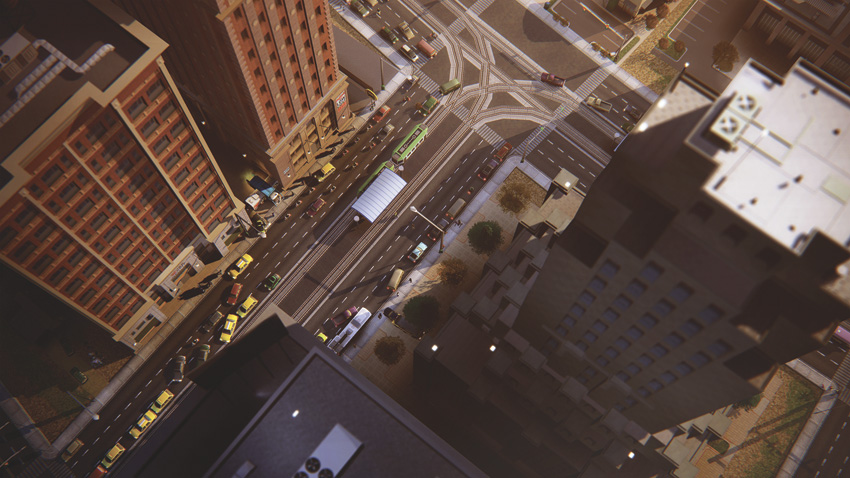
Roads are much more than a way to get around town—they’re the essential building blocks your city is based on. In addition to serving as the backbone of your transportation network, roads also control density and supply all buildings with water, power, and sewage service.
Given their significance, nothing in the city can be built without proper road access. In this chapter we take a close look at the different roads available, as well as considerations relating to road construction, density, and congestion.
Road Selection
There are two different types of roads to choose from: streets and avenues. Each road is designed to carry a specific volume of traffic, determined by how many lanes it offers. The flow of traffic is also affected by whether the road is equipped with stop signs or traffic lights at intersections. The roads also support different density buildings, giving you control over how quickly your city grows. Here’s a quick look at the different roads available as well as some helpful advice on where to use each one.
Low Density Dirt Road
-
Cost:
 2
2
- Number of Lanes: 1
- Maximum Density Supported: Low
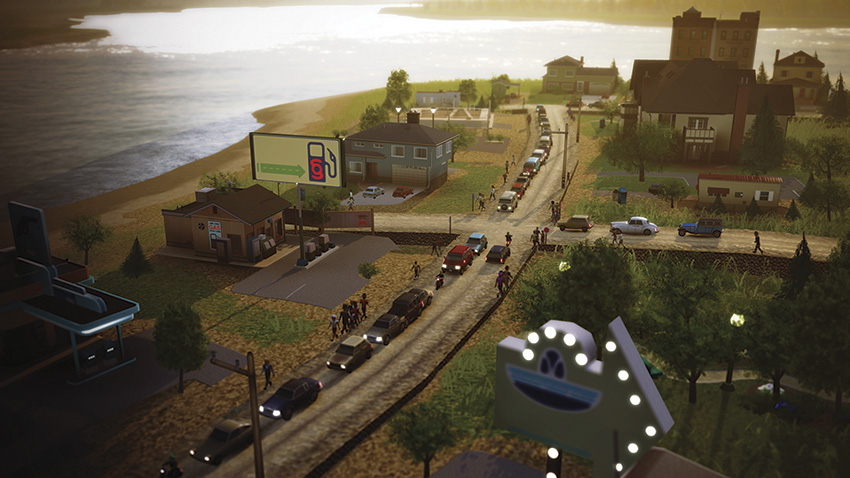
- Description: This dirt-cheap narrow road supports low density zones with only stop signs at intersections.
This road is best reserved for areas where you’re expecting little to no traffic. While you can construct zones along this road, it isn’t recommended, unless you’re going for that rustic shotgun shack appeal. Instead, consider building this dirt road out to your Sewage Outflow Pipe or your Wind or Solar Power Plant—these power plants require no deliveries, keeping traffic to a minimum. If necessary, this road can later be upgraded to a Low Density Street.
Low Density Street
-
Cost:
4
- Number of Lanes: 2
- Maximum Density Supported: Low
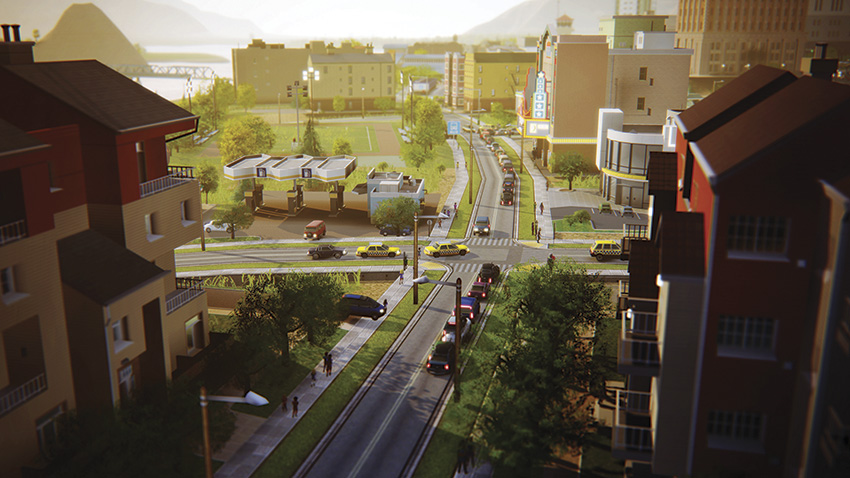
- Description: This narrow two lane road supports low density zones with only stop signs at intersections.
Want to create that perfect suburban neighborhood? This is the street you want! The Low Density Street is the perfect choice when constructing low density residential areas filled with small single family houses. However, do your best to avoid creating too many intersections. The stop signs on these streets interrupt the flow of traffic and may lead to congestion, particularly in the mornings and evenings as Sims travel to and from work.
Medium Density Street
-
Cost:
8
- Number of Lanes: 4
- Maximum Density Supported: Medium
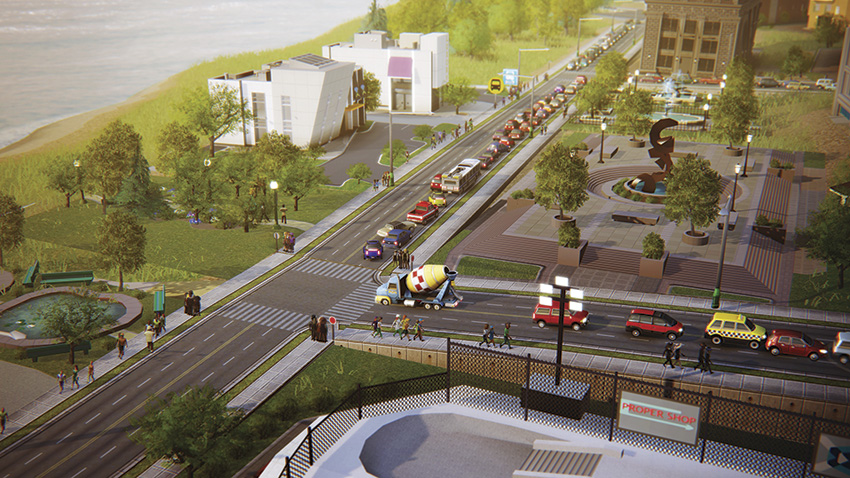
- Description: This narrow four lane road supports up to medium density zones with only stop signs at the intersections.
This street is very versatile, ideal for serving the transportation needs of a growing city. When starting out, these streets are great for connecting your commercial and industrial areas. With four lanes, the street doubles the capacity of the Low Density Street, allowing for medium density buildings and steadier flow of traffic. But like the Low Density Street, work to minimize intersections to avoid congestion caused by the stop signs.
High Density Street
-
Cost:
10
- Number of Lanes: 4
- Maximum Density Supported: High
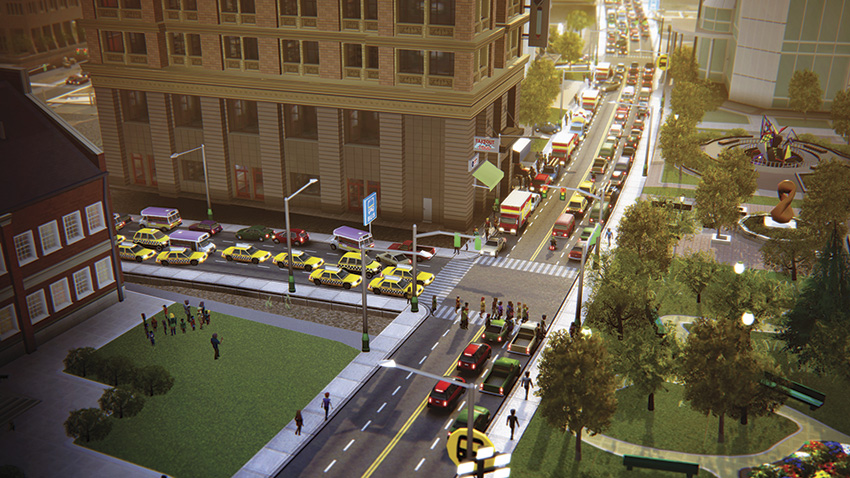
- Description: This narrow four lane road supports high density zones with traffic lights at intersections. This road cannot be upgraded further.
Although this street only has four lanes, identical to the Medium Density Street, the introduction of traffic lights greatly increases the flow of traffic, helping ease congestion in crowded corridors. Before building or upgrading to a High Density Street, pay close attention to the impact caused by increasing the density of adjacent zones. Creating this street may prompt the construction of high density residential, commercial, and industrial buildings, drawing more traffic and congestion to the area. If you’re satisfied with the density of the adjoining zones, you may want to dezone those areas to prohibit growth.
Medium Density Avenue
-
Cost:
10
- Number of Lanes: 4
- Maximum Density Supported: Medium
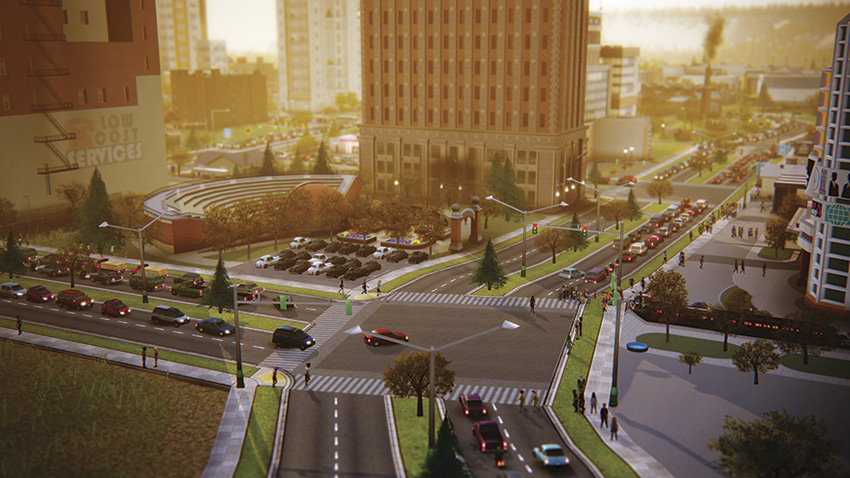
- Description: This wide four lane road supports medium density zones with traffic lights at intersections.
When beginning a new city, the Medium Density Avenue is the ideal choice when connecting to the regional highway. This avenue is capable of supporting the high volume of traffic coming off the highway, plus the tree-lined median is a nice, welcoming touch. Consider using this avenue as the main thoroughfare leading into your city. With a cost the same as a High Density Street, this avenue is often preferable because it can later be upgraded to accommodate heavier traffic as well as streetcars. But avenues are also much wider, making them difficult to build in already developed areas without bulldozing existing structures. Plan ahead and figure out where to build your avenues before zoning.
High Density Avenue
-
Cost:
20
- Number of Lanes: 6
- Maximum Density Supported: High
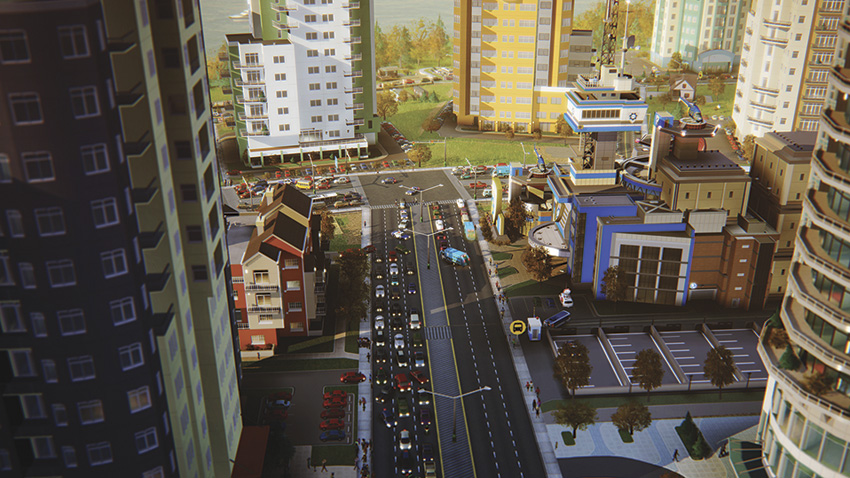
- Description: This wide six lane road supports high density zones with traffic lights at intersections.
When experiencing gridlock on your Medium Density Avenue, consider upgrading it to this avenue to ease congestion. The addition of two extra lanes may not sound like much, but it can make all the difference during rush hour, even if it means the elimination of that quaint tree-lined median. But like the High Density Street, this avenue supports high density buildings. So before upgrading to this avenue, consider the consequences of increasing the density in the adjoining residential, commercial, and industrial zones. In addition to drawing more traffic, high density buildings often require more water and power while outputting more garbage and sewage.
High Density Streetcar Avenue
-
Cost:
30
- Number of Lanes: 6
- Maximum Density Supported: High
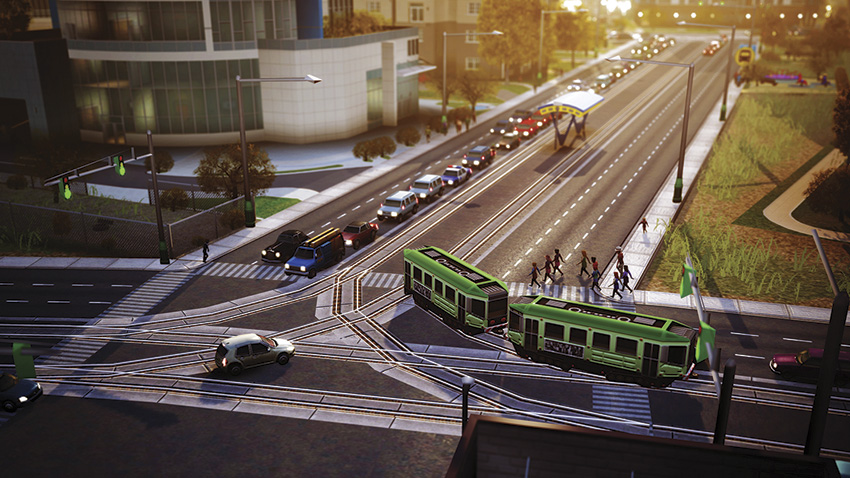
- Description: This wide six lane road supports high density zones with traffic lights at intersections. Streetcar tracks running down the center provide support for streetcar stops.
This avenue performs identically to the High Density Avenue, but the addition of streetcar tracks down the center median allows more Sims to share the road. Before you can take advantage of streetcars you must first construct a Streetcar Depot—available in the Mass Transit menu—adjacent to this avenue. Streetcar stops can then be constructed along the avenue’s median, giving Sims a place to board and disembark from the streetcar. As ridership increases, fewer and fewer cars appear on the avenue, reducing congestion. Running a streetcar system isn’t cheap, but it’s a worthwhile investment when attempting to counter gridlock due to high population and tourism.
| Road Type | Cost | Bridge Cost | Fancy Bridge | Tunnel Cost |
|---|---|---|---|---|
| Low Density Dirt Road |
2
|
10
|
11
|
14
|
| Low Density Street |
4
|
12
|
13
|
16
|
| Medium Density Street |
8
|
16
|
17
|
20
|
| High Density Street |
10
|
18
|
19
|
22
|
| Medium Density Avenue |
10
|
26
|
28
|
34
|
| High Density Avenue |
20
|
36
|
38
|
44
|
| High Density Streetcar Avenue |
30
|
46
|
48
|
54
|
| Streetcar Tracks |
10
|
18
|
19
|
22
|
| Heavy Rail Tracks |
20
|
28
|
29
|
32
|