Prima Games eGuides
primagames.com Browse Redeem a code Help
Dissidia Final Fantasy NT eGuide
Sign in My Guides

Sign in or create an account

We'll email you a link. No password needed, and if you don't have an account yet, the link makes one.

By creating an account or signing in, you agree to our Terms of Service and Privacy Policy.

Have a password?

Had an account on the old eGuides site, or a code from a printed guide? Help and troubleshooting

Sign in with a password

By signing in, you agree to our Terms of Service and Privacy Policy.

Check your email

A sign-in link is on its way. It works once and expires in 15 minutes. Open it and you're in, with an account if you didn't already have one.

Contents

  • Changelog
    • Updates
  • A Closer Look
    • Art Gallery and Developer Interviews
    • Ace
    • Bartz
    • Cecil Paladin
    • Cecil Dark Knight
    • Cloud
    • Cloud of Darkness
    • Emperor
    • Exdeath
    • Firion
    • Garland
    • Golbez
    • Jecht
    • Kain
    • Kefka
    • Kuja
    • Lightning
    • Materia
    • Noctis
    • Onion Knight
    • Ramza
    • Sephiroth
    • Shantotto
    • Spiritus
    • Squall
    • Terra
    • Tidus
    • Ultimecia
    • Vaan
    • Warrior of Light
    • Y’shtola
    • Zidane
  • Mechanics
    • Overview
    • Controls
    • Basic Actions
    • Combat Actions and Battle System
    • Game Modes and Rule Sets
    • The Head-Up Display (HUD)
  • Common EX Skills
    • Overview
    • Buff EX Skills
    • Debuff EX Skills
  • Stages
    • Overview
    • Cornelia
    • Pandaemonium
    • The Floating Continent
    • Lunar Subterrane
    • Interdimensional Rift
    • Narshe Outskirts
    • Midgar
    • The Promised Meadow
    • Alexandria
    • Besaid Island
    • Stellar Fulcrum
    • Royal City of Rabanastre
    • Eden
    • Porta Decumana
  • Summons
    • Overview
    • Ifrit
    • Shiva
    • Ramuh
    • Odin
    • Leviathan
    • Alexander
    • Bahamut
  • Characters
    • Ace
    • Bartz Klauser
    • Cecil Harvey
    • Cloud of Darkness
    • Cloud Strife
    • Emperor
    • Exdeath
    • Firion
    • Garland
    • Golbez
    • Jecht
    • Kain Highwind
    • Kefka Palazzo
    • Kuja
    • Lightning
    • Noctis Lucis Caelum
    • Onion Knight
    • Ramza Beoulve
    • Sephiroth
    • Shantotto
    • Squall Leonhart
    • Terra Branford
    • Tidus
    • Ultimecia
    • Vaan
    • Warrior of Light
    • Y’shtola
    • Zidane Tribal
  • One-Player Modes
    • Overview
    • Sparring & Gauntlet Modes
    • Story Mode
      • Overview
      • Prologue
      • First Path: Bartz, Cloud
      • Second Path: Firion, Tidus, Shantotto, Jecht
      • Third Path: Onion Knight, Y’shtola, Vaan
      • Fourth Path: Warrior of Light, Cecil, Noctis, Garland
      • Fifth Path: Zidane, Squall, Terra, Lightning, Kuja
      • Paths Converge
  • Trophies
    • Overview
    • Story Trophies
    • Looking For Treasure
    • Gauntlet Trophies
    • Online Ranked Trophies
    • Capstone Trophy

Dissidia Final Fantasy NT Guide › Summons

Overview

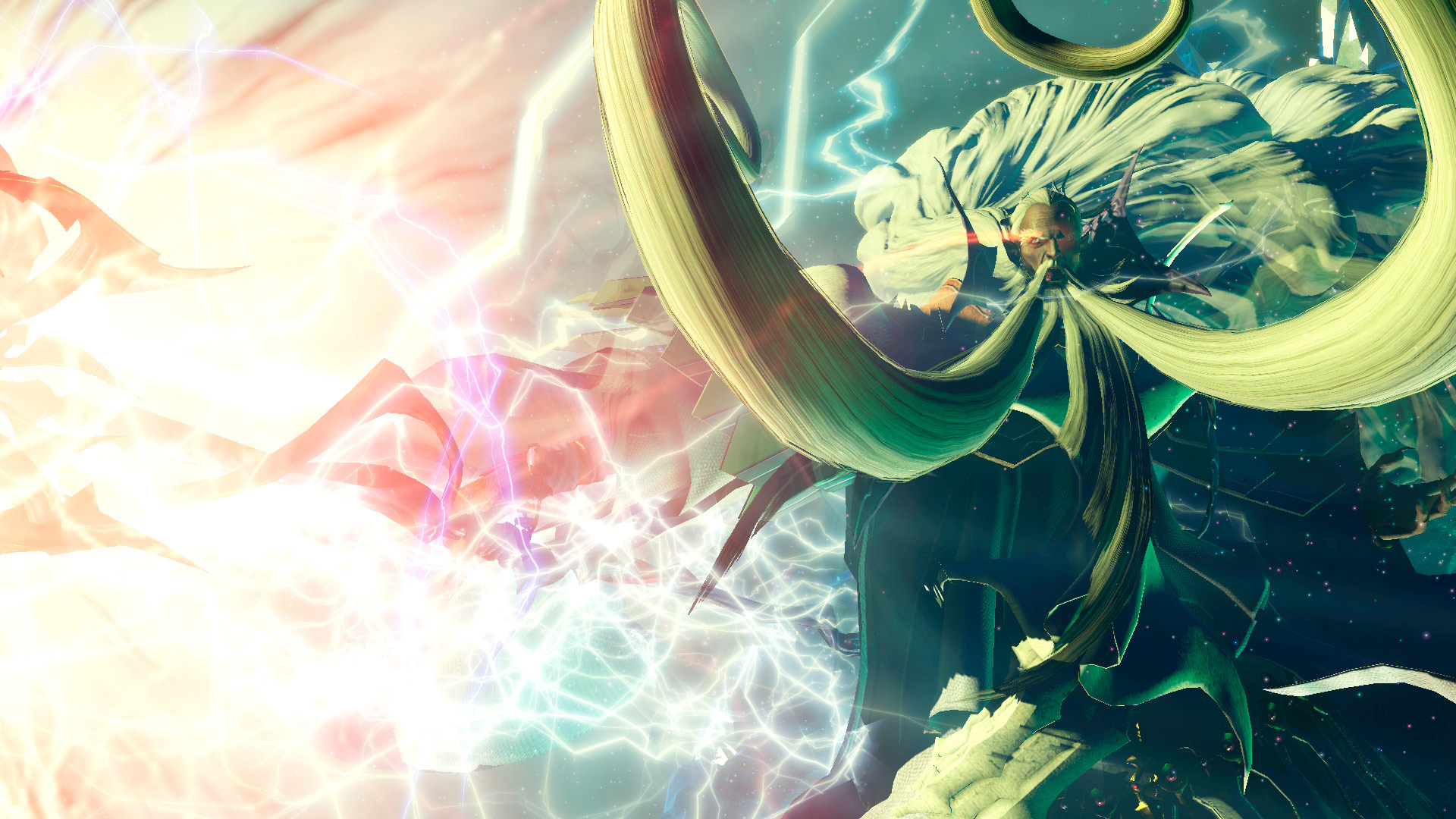
Your choice of summon influences your team’s combat proficiencies in several ways. Each summon comes with two passive effects: the pre-summoning effect takes effect immediately, while the post-summoning effect kicks in as soon as your team successfully invokes the summon. Which summon to choose highly depends on the makeup of your team and your team’s playstyle. Some summons, like Shiva, Ifrit, Odin, and Alexander, have effects that every character can take advantage of, regardless of their HP Attack/EX Skill loadout. Other specialized summons, like Ramuh, Leviathan, and Bahamut, directly affect certain EX Skills, so some of their buffs may go to waste if your character isn’t equipped with specific skills. Generally, Shiva and Ramuh are strong picks. However, if you can coordinate with your teammates, you can go for a highly specialized loadout to take advantage of a summon’s buffs (such as gearing up all of your team with Enfeeble and choosing Leviathan as your summon).

Each summon has two types of normal field attacks and one signature finishing move. Upon summoning, they deliver three normal field attacks (chosen randomly between the two attacks). After the third field attack and before leaving the battlefield, the summon performs its signature finishing attack, potentially devastating the entire enemy team. Summon attacks cannot be guarded, so a common strategy is to exploit your summon’s field attacks by taking a hyper-aggressive approach as your foes scatter to avoid the summon’s powerful attacks. Additionally, summon attacks do not cause a Bravery break, giving you an opportunity to reap the Break Bonus on vulnerable targets. Note that each team can only summon once per match and while a summon is active on the battlefield, game time is halted.

Keep reading with a free account

The first 3 sections of Dissidia Final Fantasy NT are open to everyone. An account opens the rest of it, and every other guide in the archive. It's free, and there's nothing to buy.

Bought guides on the old Prima Games site? Your account and every guide you own moved here, so there's nothing to buy again. Sign in.

Create a free account Or browse our free guides

PreviousPorta Decumana NextIfrit